
Reviewed · TRAIN EXPERIENCES
Kyoto: Arashiyama Tour with optional Sagano Romantic Train
Kyoto’s bamboo walk plus a train ride feels special. I love the Sagano Romantic Train option for big scenery, and I also like that the day ties nature and culture together with stops like Tenryuji Temple and the Arashiyama Bamboo Forest. One thing to plan for is walking time, and the tour is not a good match if you have mobility, heart, or respiratory concerns.
This is a half-day that moves at a human pace for a small group of up to 9. On past days, guides like Shingo, Eloise, and Leo have focused on timing, photo angles, and calm breaks, which matters when Arashiyama gets crowded. A possible drawback: you’ll want to budget extra for snacks and drinks, since food is not included.
If you want Kyoto’s calm side without doing it all yourself, this tour is a strong way to go. You get a guided route that hits the big icons, plus helpful local pointers for where to eat nearby and how to time your stops for photos. It’s also a great day to bring a camera, because the bridge and bamboo forest make picture-taking almost unavoidable.
Key things to know before you go
- Small group size (up to 9) keeps the pace manageable and makes photo help easier
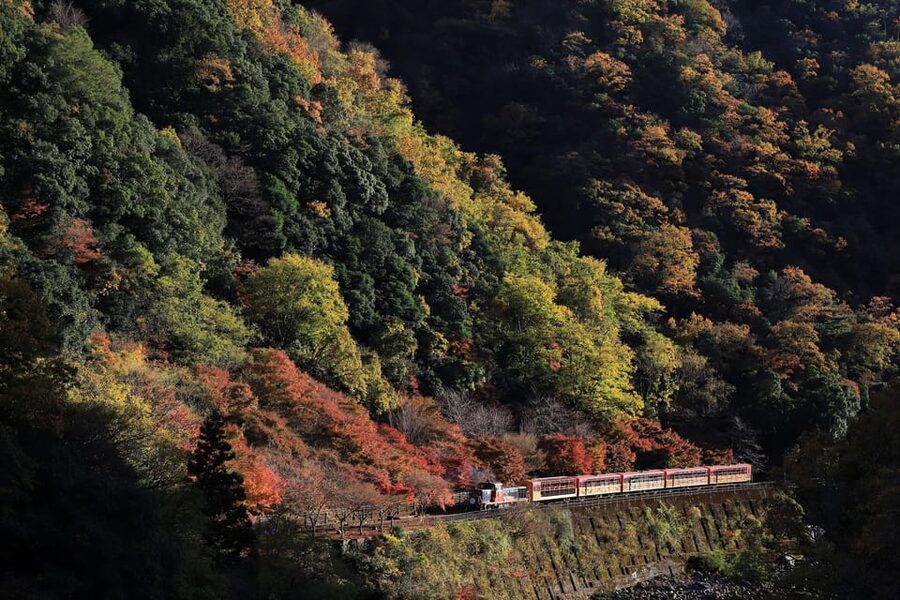
- Optional Sagano Romantic Train adds a scenic 30 minutes by rail, especially lovely in maple season
- Tenryuji Temple visit gives you a UNESCO World Heritage stop with guided context
- Bamboo Forest + shrine time balances a famous photo site with quieter spiritual spots
- Street food and snacks are extra so you can choose what you actually want to eat
- Comfortable shoes are non-negotiable for a tour that includes several walking sections
Kyoto Arashiyama, simplified: what this half-day really delivers
This tour is built for travelers who want the best-known Arashiyama sights, but without the stress of self-routing. You start at either Torokko Arashiyama Station or JR Umahori Station depending on which package you book. If you choose the train option, the day includes that ride that threads through Kyoto’s scenery for about 30 minutes before you continue on foot.
What makes it work is the rhythm. The bamboo forest and temple visits anchor the day in calm, meaningful places. Then the photos and snack moments keep it fun and light, not a nonstop museum sprint. It also helps that the guide leads in English, so you’re not stuck guessing what you’re seeing.
At around 3 to 4 hours, it’s also the right length. You can fit it into a Kyoto itinerary without feeling like you lost your whole day, which is handy if you also want time for Gion, Nishiki Market, or a second temple later.
More Arashiyama tours:
- Kyoto: Fushimi Inari, Kinkakuji, Bamboo Grove 1 Day Bus Tour
★ 4.8 · 4,316 reviews - Osaka/Kyoto:Kinkakuji,Arashiyama,FushimiInariShrine,NaraPark
★ 4.1 · 1,596 reviews - Kyoto/Osaka: Nara, Fushimi Inari Taisha, Arashiyama Bus Tour
★ 4.7 · 1,275 reviews
Price and value: is $105 a fair deal?
At $105 per person, you’re paying for three things that are hard to DIY smoothly: an English-speaking guide, paid entry to Tenryuji Temple, and (if you select it) the Sagano Romantic Train ride. The guide is the main value driver, because Arashiyama can be confusing if you’re trying to move between spots by bus and train on your own.
If you compare the day to doing it independently, the cost starts to feel more reasonable once you price out what’s included. Tenryuji entry is part of the ticket here, and the train ride is a meaningful add-on if you care about the scenery window view from the rail.
Is it worth it if you’re a confident transit planner? Maybe. But if you’d rather spend your energy on the bamboo, temple gardens, and good photo timing, a guided small group day is a practical buy.
Meeting points and timing: start smart, stay relaxed
Your meeting point can vary by the option you book. If you’re using the package that includes the train, you’ll meet around JR Umahori Station. If you booked the tour without that train leg, you’ll meet at Torokko Arashiyama Station. The finish is Arashiyama Station.
That flexibility is good. It lets you choose the easiest start point based on where you’re staying and what you want to optimize. Just remember you’re walking and photographing, so arrive with enough cushion to get shoes on, water in your bag, and your camera ready.
Also keep in mind the tour is timed to match the flow of sights. Guides have a habit of adjusting for comfort, like Shingo who made sure there were rest stops when needed, so the day feels controlled rather than rushed.
The Sagano Romantic Train option: scenery you can’t quite replicate
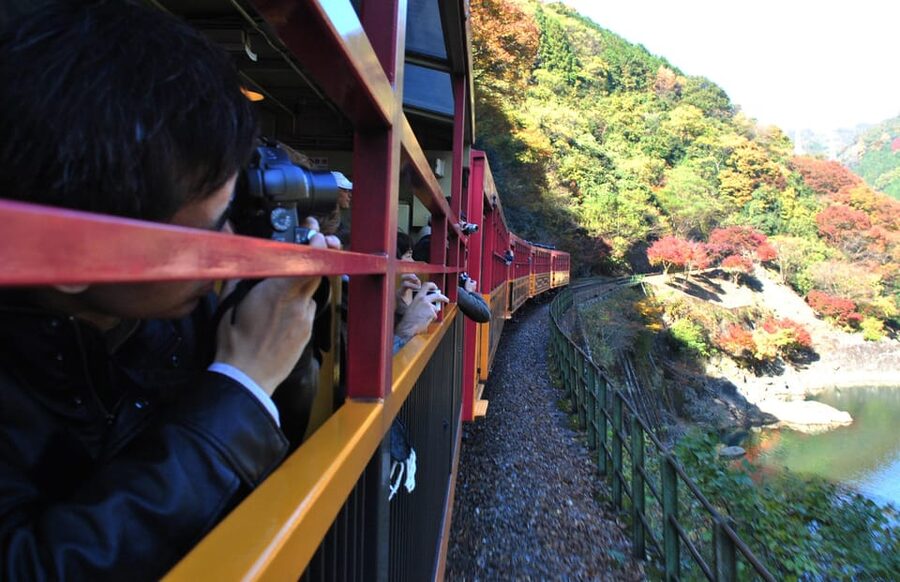
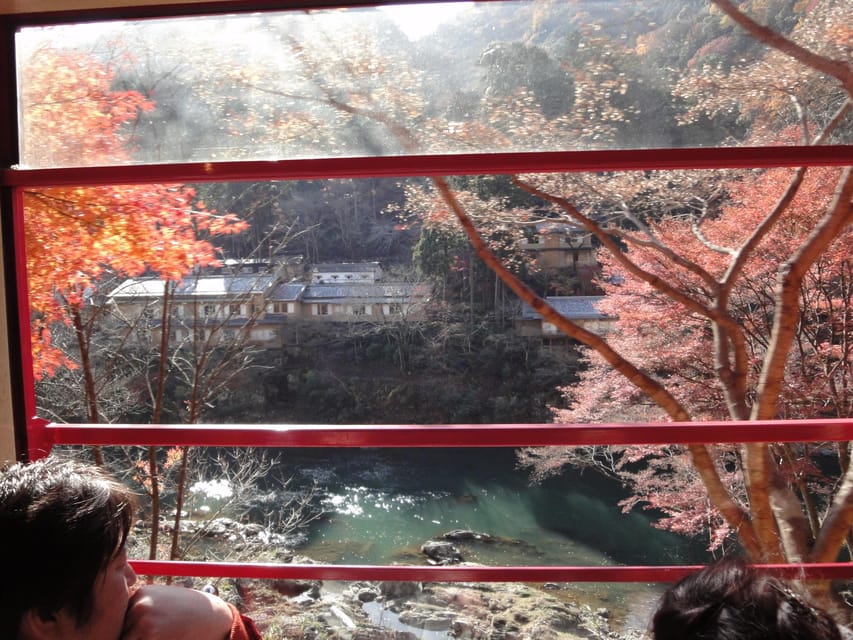
If you select the train ride, you get about 30 minutes on the Sagano Romantic Train. The big appeal is the change of pace. You’re not just looking at Arashiyama from street level. You’re moving through it, seeing the scenery slide by like a moving postcard.
Timing matters here. During maple season, you may catch red leaf scenery from the train ride, which is one reason this option is so popular when autumn color peaks. Even outside peak foliage, you get a calmer, scenic buffer between stops.
What I like about adding the train: it makes the day feel like a journey, not just a checklist. It also gives your legs a breather before the walking begins.
A few more Kyoto days worth comparing
- PERFECT KYOTO 1-Day Bus Tour
★ 5.0 · 13,518 reviews - Kyoto: Tea Ceremony in a Traditional Tea House in Kiyomizu
★ 4.9 · 3,519 reviews - Kyoto Geisha Walking Tour: Gion District & Hidden Gems
★ 4.7 · 3,273 reviews - Kyoto: Tea Ceremony Ju-An at Jotokuji Temple
★ 4.9 · 3,207 reviews
Mikami Shrine: a short stop with a specific theme
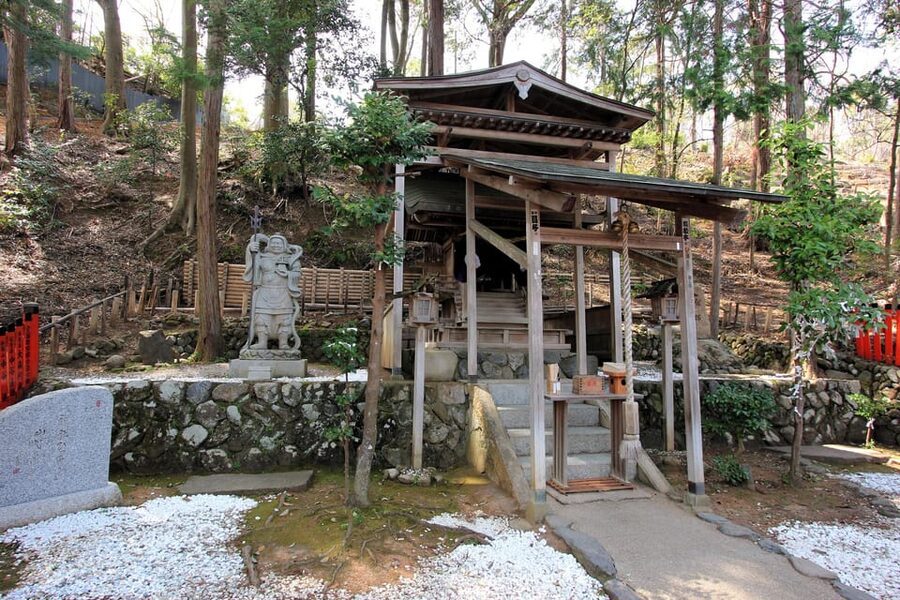
After the train portion (or after your direct start), you’ll visit Mikami Shrine. The visit is brief, but it has a clear focus: it’s dedicated to the God of Hair. In a place like Kyoto, where shrines often connect to everyday beliefs, this kind of theme makes your sightseeing feel more personal.
The guide keeps it from becoming just another stop sign. You’ll get a guided visit around 15 minutes, which is enough time to understand the idea behind the shrine without turning the day into a long religious detour.
This also sets a nice tone. You’re going from a scenic transit moment to a more spiritual, local element before heading into one of Kyoto’s most famous visual icons.
Arashiyama Bamboo Forest: famous for a reason, best when guided
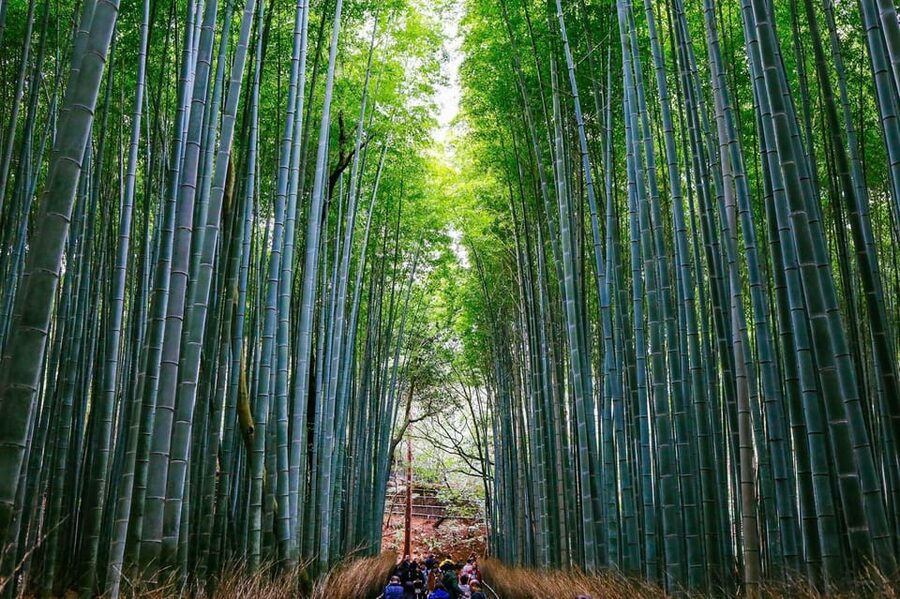
The Arashiyama Bamboo Forest is one of those sights that lives up to the hype. Yes, it’s busy at peak times. But it still hits hard, because the scale and the light under the stalks create a mood that’s hard to fake.
You’ll spend about 45 minutes here with guided time. That’s a good window because the guide can help you understand how to move through the area efficiently and where photo angles work best. In particular, Eloise in one past tour helped participants with the best photo locations and timing, which is exactly what you want in a crowded, visually repetitive place.
Practical tip: wear shoes you can walk in comfortably for a while. The forest isn’t a single path where you can stand still. You’ll want to reposition for photos, and you may shuffle with the flow of other visitors.
Also, bring your camera, but don’t just shoot nonstop. Take a moment to slow down and look up. The bamboo looks different based on the time of day and weather, and a quick pause makes it feel less like you’re doing a photo assignment.
Tenryuji Temple: the UNESCO stop that gives context
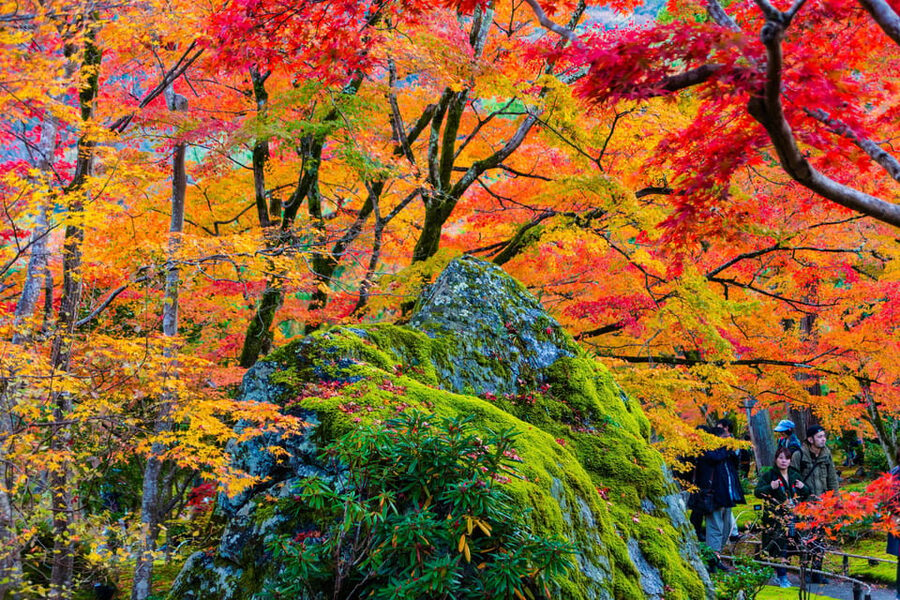
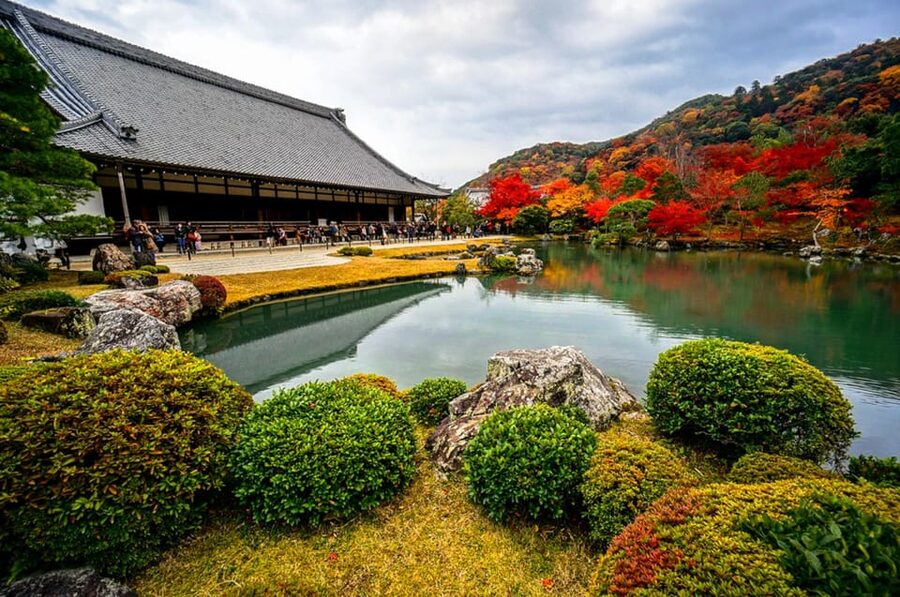
Tenryuji Temple is your UNESCO World Heritage highlight, and it’s the kind of site where context matters. The temple visit lasts about 20 minutes with a guide, and that guided time is what turns the gardens and structures into something you can actually appreciate.
Why this stop feels valuable: gardens in Japanese temple settings are not just decoration. They’re designed compositions, often shaped to guide your eye and your thinking. Even in a short visit, a good guide can point out the main ideas you might otherwise miss.
Included entrance fees help too. You don’t need to worry about finding tickets or figuring out which portion of the complex you should prioritize.
If you like learning quick, focused explanations instead of reading every sign, this is a good match. Past guides like Arsushi have shared how Japanese beliefs connect Buddhist and Shinto ideas, and even mentioned rarer cultural moments tied to the area, which can make the temple visit feel more alive than a standard walkthrough.
Local café and snacks: taste Kyoto without committing to a full meal
You’ll have a stop at a local café, around 30 minutes, where you can grab snacks. This part is where the tour acknowledges a reality: a great day needs food, and Kyoto food is part of the experience.
Important detail: meals and street food costs are not included. So you’re not locked into one set menu. You can try what looks good and keep your budget under control.
This is also where you’ll likely appreciate guide recommendations. In past tours, guides like Shingo and Eloise have helped with restaurant or snack suggestions, so you can avoid the tourist trap feeling that happens when menus are confusing or when you’re too hungry to think.
My advice: keep cash handy, since the tour info specifically calls out bringing cash. If you plan to buy multiple snack items, a small amount of cash makes this stop easier.
Togetsukyo Bridge photos and Arashiyama Park unwind
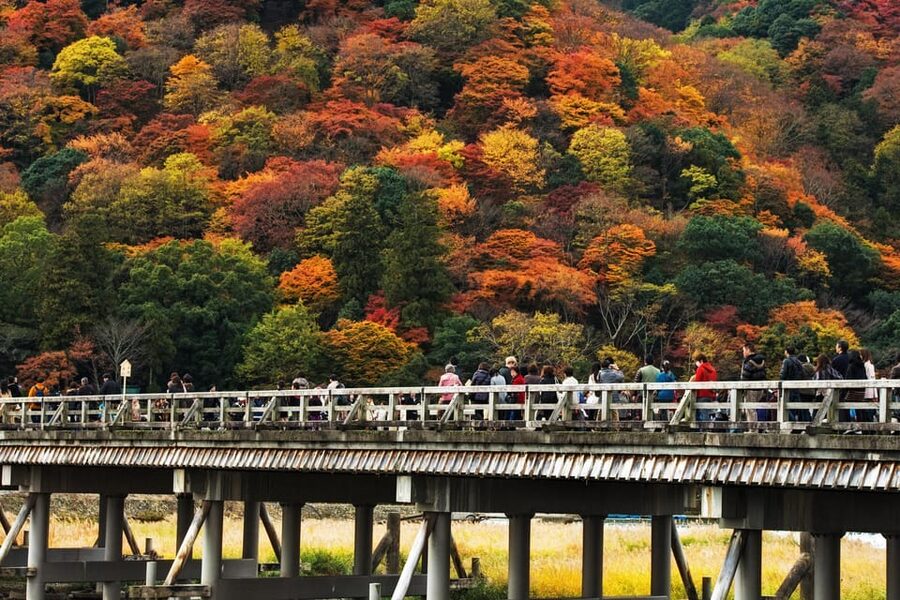
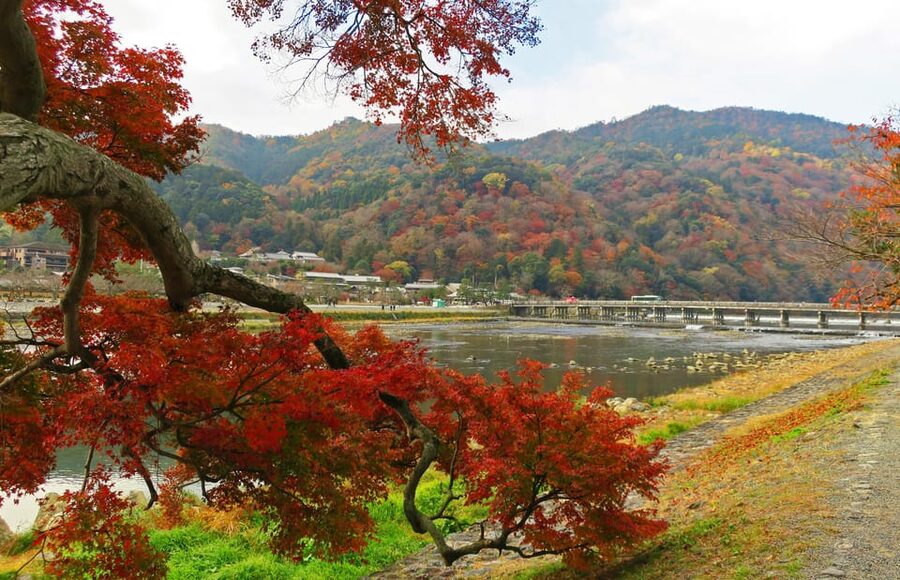
Near the end of the tour, you’ll hit the iconic Togetsukyo Bridge for photos. This is a major visual payoff because it frames the area in a way that feels instantly Kyoto. Even if your camera roll is already full, the bridge angle is the kind of shot you’ll want to try again from a couple positions.
Then the tour slows down with time to relax around Arashiyama Park. The point of this segment is balance. After bamboo and temple intensity, you get a breather. It’s also a good moment to enjoy the scenery without feeling like you have to solve the next transportation step.
If you’re traveling on a tight schedule, this is the part that helps the day feel complete. You get your big photo and then time to decompress before you head back toward Arashiyama Station.
What the small group format changes (for better and worse)
The tour limits group size to 9, which is a big deal in a place like Arashiyama. Crowds can slow everyone down. With a small group, the guide can manage pacing and still give you time to take photos without feeling trapped behind the same knot of people for the whole day.
It also means the guide can tailor guidance based on how your group moves. Shingo, for example, made sure the group could rest when needed, which helps if you’re not used to constant walking.
The tradeoff is you still should plan for walking. This isn’t a seated cultural tour. Bring comfortable shoes. Also, the tour is not suitable for pregnant women, people with mobility impairments, and those with heart problems or respiratory issues, so be honest about your comfort level before booking.
Your guide: English commentary that actually lands
Because it’s a live English guide, the value is in what they explain, not just where they bring you. The best tours use the route to teach you how to look.
In past experiences, guides have shared historical and cultural commentary that made the area feel clearer. Eloise’s historical explanation and photo guidance stood out. Leo’s style focused on friendly, passionate sharing, plus pointing out hidden areas or details you might skip. Anat also highlighted learning about types of believing in Japan, which is the kind of context that makes shrines and temples feel connected rather than random stops.
If you want a day where you leave with more than photos, this format is a strong option.
Who should book this Arashiyama tour?
I think this tour is a great fit if you:
- want an organized Arashiyama day without charting trains and footpaths
- care about the bamboo forest and Tenryuji but also want photo help
- like small group tours where you can actually hear the guide
- want the optional Sagano train for that extra scenic layer
It might not be the best fit if you:
- need a low-walking itinerary
- have health concerns that make walking or crowded areas difficult
- prefer fully independent travel with no group schedule
If you’re on your first Kyoto trip and want a memorable Arashiyama experience with minimum planning, this is an efficient way to do it.
Quick planning checklist so your day goes smoothly
Bring:
- comfortable shoes
- your camera
- cash (useful for snacks)
Plan around:
- buying your own snacks and drinks, since food is not included
- walking time through the bamboo area and around key sights
Season note:
- during maple season, you have a chance to see red leaf scenery on the train ride
And one simple mindset shift: treat this as guided time on foot plus a short transit ride, not as a long tour. If you plan like that, the day will feel relaxed.
Should you book this tour?
Book it if you want Arashiyama’s top sights with an English guide, small group pacing, and the option to add the Sagano Romantic Train for scenery. The $105 price makes sense when you consider what’s included: Tenryuji entrance and the guide time, plus the train ride if you select it.
Skip or reconsider if walking is tough for you or if you’re looking for a totally self-paced experience. Also, if you dislike snack shopping and prefer all meals included, you should know you’ll be paying for food during the café and street-food style moments.
Overall, this is a solid, practical half-day that helps you see Kyoto in a way that feels both iconic and understandable, with guides who focus on comfort, timing, and making sure you get the shots and stories that matter.
FAQ
What is the duration of the Kyoto Arashiyama tour?
The tour lasts about 3 to 4 hours.
Is the Sagano Romantic Train included?
It depends on the option you choose. The train ride is included if you book the package with the train ride.
Where do I meet for the tour?
The meeting point can vary depending on the option booked.
How many people are in the group?
The group is limited to 9 participants.
What does the tour include, besides the guide?
The tour includes an English-speaking tour guide, entrance fees to Tenryuji Temple, and the Sagano Romantic Train ride if you selected that option.
Are meals included?
No. Food and drinks are not included, though there is a local café and you can also try street food at your own cost.
What should I bring?
You should bring comfortable shoes, a camera, and cash.
Who should not book this tour?
The tour is not suitable for pregnant women, people with mobility impairments, people with heart problems, or people with respiratory issues.
What is the cancellation policy?
You can cancel up to 24 hours in advance for a full refund.
Fresh options around Kyoto
- Kyoto: Nara, Todaiji, Kasuga Taisha Shrine Private Full Day★ 4.9 · 18 reviews
- Kyoto : Bar Hopping Tour in Pontocho Alley at Night★ 4.8 · 18 reviews
- Amanohashidate & Miyama 1-Day Bus Tour: From Osaka/Kyoto w/ Lunch★ 4.5 · 18 reviews
- Private Ramen or Gyoza Cooking Class in Kyoto with Chef Midori★ 5.0 · 18 reviews
- Kyoto 6hr Instagram Highlights Private Tour with Licensed Guide★ 5.0 · 18 reviews
- Kyoto: Fushimi Inari Taisha Shrine Walking Tour with Guide★ 4.8 · 18 reviews
- A Privately Guided Photoshoot in Beautiful Kyoto by a Pro★ 5.0 · 18 reviews
- Sekka Cotton Furoshiki Class★ 5.0 · 19 reviews
Train Experiences, compared.
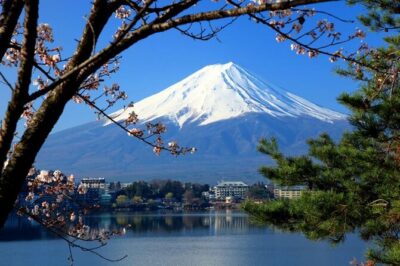
Mt Fuji and Hakone 1-Day Bus Tour Return by Bullet Train
Read our review →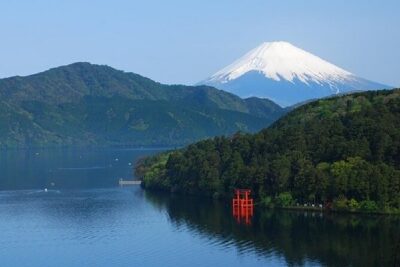
Mt Fuji & Hakone Cruise, Drum Show Bullet Train 1 Day from Tokyo
Read our review →
Tokyo Mt Fuji 5th St & Hakone Cruise Bus Tour w/Bullet Train
Read our review →
Mt. Fuji & Hakone Tour w/ Return by Bullet Train
Read our review →
From Tokyo 1-Day Kyoto English-guided Tour by Bullet Train
Read our review →
Mt. Fuji and Hakone Day Trip From Tokyo with Bullet Train Option
Read our review →
Browse the lists this tour appears in