
Reviewed · TEMPLE & SHRINE TOURS IN KYOTO
Kyoto: Nara, Todaiji, Kasuga Taisha Shrine Private Full Day
Nara can feel like a whole world packed into hours. This private full-day Kyoto-to-Nara experience strings together the big sights, plus the in-between moments like Kofuku-ji’s temple atmosphere and Kasuga Taisha’s lantern glow. You get an English-speaking guide and a clear game plan for seeing the highlights without turning your day into a map-reading contest.
I especially like the guided pacing. It helps you understand what you’re looking at, and the guide can explain how these places connect to Nara’s old capital days. I also like that entrance fees and snacks are included, so you can focus on the sites instead of budgeting your way through the day.
One consideration: the schedule is efficient, so if you prefer a slow, wander-for-hours style, you may find some stops feel a bit time-boxed, especially around Nara Park.
Key things I think you will love
- A private, English-speaking guide who can explain what matters, and answer your questions
- Todaiji and the Great Buddha inside a UNESCO World Heritage setting
- Nara Park’s free-roaming sika deer, a signature stop that feels instantly Nara
- Kasuga Taisha’s lantern-covered approach, with lots of photo-worthy moments
- Naramachi’s Edo-period merchant lane vibe, even with just an hour to stroll
- Kofuku-ji and the Heijo-kyo story, which adds meaning beyond the postcard views
Why Nara Makes Sense as a Day Trip From Kyoto
Nara is the kind of place that rewards attention. Yes, you come for the famous visuals, but it’s the context that makes it stick. When you look at a UNESCO site, or you see lanterns hanging in a shrine courtyard, it helps to know what those symbols meant and how Nara’s role in Japan’s early capital shaped the culture.
This tour works because it groups the “big names” (Todaiji and Kasuga Taisha) with the supporting cast that explains the why (Kofuku-ji and the old town streets). It also gives you enough time to enjoy Nara Park without turning it into a rushed speed run.
If you’re traveling with kids or friends who want major highlights, this format keeps everyone aligned. If you’re a detail person, the guide’s explanations make the stops feel less like a checklist and more like a story you can follow.
More Temple & Shrine Tours in Kyoto
- Kyoto: Fushimi Inari, Kinkakuji, Bamboo Grove 1 Day Bus Tour
★ 4.8 · 4,316 reviews - Kyoto: Tea Ceremony Ju-An at Jotokuji Temple
★ 4.9 · 3,207 reviews - Fushimi Inari Hidden Hiking Tour (Private Option Available)
★ 5.0 · 1,750 reviews
Meet at Kyoto Station, Then Get to Nara Without Stress
You start at 7-Eleven Heart-In near JR Kyoto Station Central Entrance. You’ll find your guide wearing a TripGuru shirt or holding a TripGuru sign. It’s a simple, low-drama start, which matters in Kyoto where station exits can feel like a maze designed by someone with a sense of humor.
From there, you take an express train to Nara, about one hour each way. One practical perk: the guide assists with purchasing the train ticket on the day of travel. If you have a JR Pass, you can use it, and the one-way fare is listed as JPY 1280.
What you should bring is straightforward. Comfortable shoes matter because you’re walking multiple short segments through temple grounds and streets. Bring a camera, and have cash on hand for situations not covered by the included items, like lunch choices.
Kofuku-ji: Where the Heijo-kyo Capital Story Gets Real
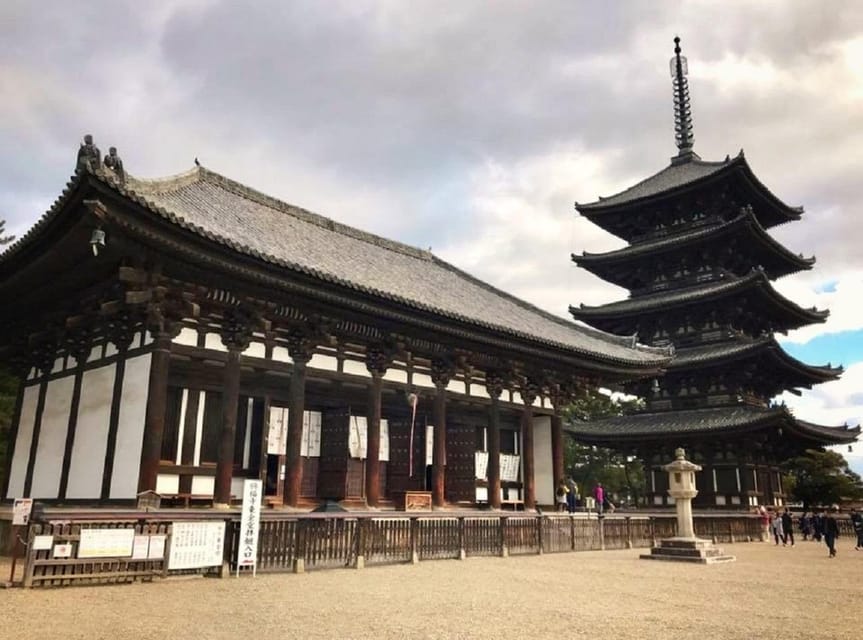
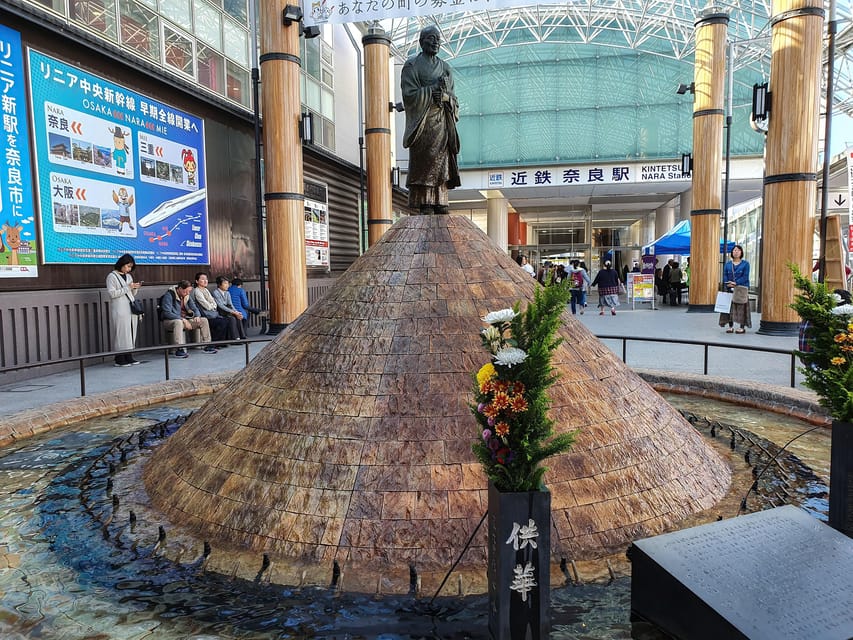
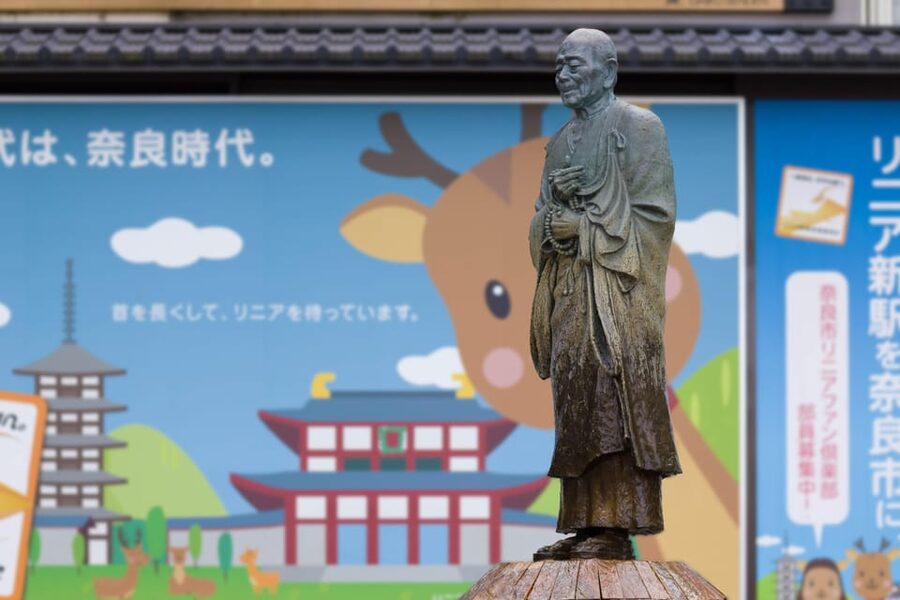
Kofuku-ji is where the day starts to feel grounded. You spend about 30 minutes there with a guide, including a pass by the Gyoki Statue area and time around the temple grounds. The explanation ties the site to the establishment of Heijo-kyo, Nara’s imperial capital.
Even if you’ve visited other famous temples in Japan, this stop can change how you read the rest of the day. Todaiji is impressive in a big, obvious way, but Kofuku-ji helps you understand why the region became so important in the first place.
Practical note: temple complexes can include uneven stone paths and areas with crowds. Comfortable shoes pay off here. If you like learning while you walk, this is a good early anchor before Nara Park turns the day into something more playful.
Nara Park Deer Time: Magic, With a Few Common-Sense Rules
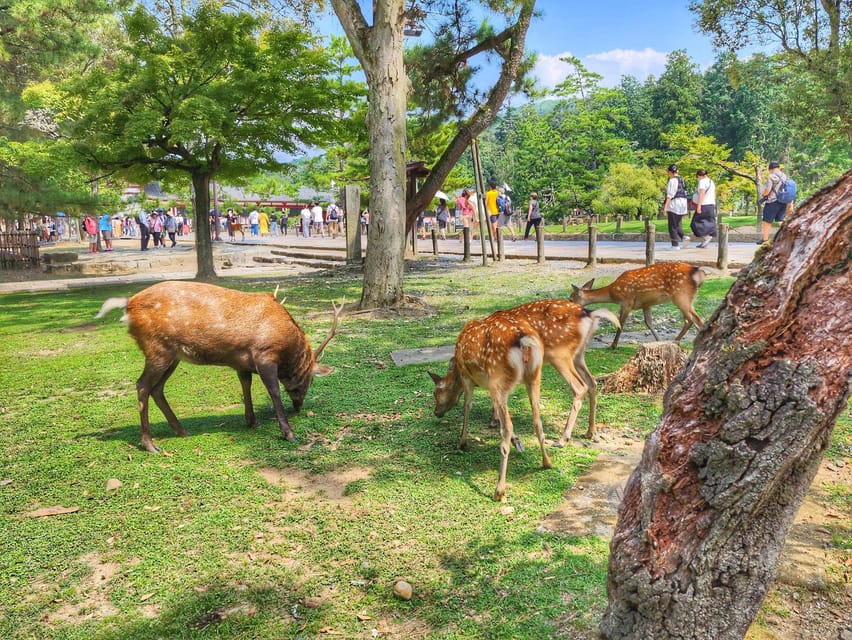
Then you head to Nara Park, where the main event is Nara’s free-roaming sika deer. They’re treated as sacred messengers in Shinto belief, and they’re also a symbol of Nara. The tour time here is about 15 minutes for visit and walk, so you’ll see the deer up close, snap photos, and move on without losing the whole morning to traffic jams of camera shutters.
Here’s what makes this stop work: it’s quick enough to stay fun, but long enough that you can still feel the atmosphere of the park. Open space, greenery, and deer wandering like they own the place. Because they do, in a way.
Common-sense tip: keep an eye on your footing, stay aware of where deer are moving, and don’t let your phone pull you into the middle of a moment. The deer are part of the experience, but they are still wild animals deciding where to walk next.
More temple and shrine tours in Kyoto:
- Osaka/Kyoto:Kinkakuji,Arashiyama,FushimiInariShrine,NaraPark
★ 4.1 · 1,596 reviews - Kyoto/Osaka: Nara, Fushimi Inari Taisha, Arashiyama Bus Tour
★ 4.7 · 1,275 reviews - Arashiyama Bamboo, Temple, Monkeys, or Secret Sake Brewery
★ 4.8 · 886 reviews - Kyoto: Arashiyama Bamboo Forest, Monkeys, Matcha & Temple Tour
★ 5.0 · 759 reviews
Todaiji and the Great Buddha: The UNESCO Moment You Came For
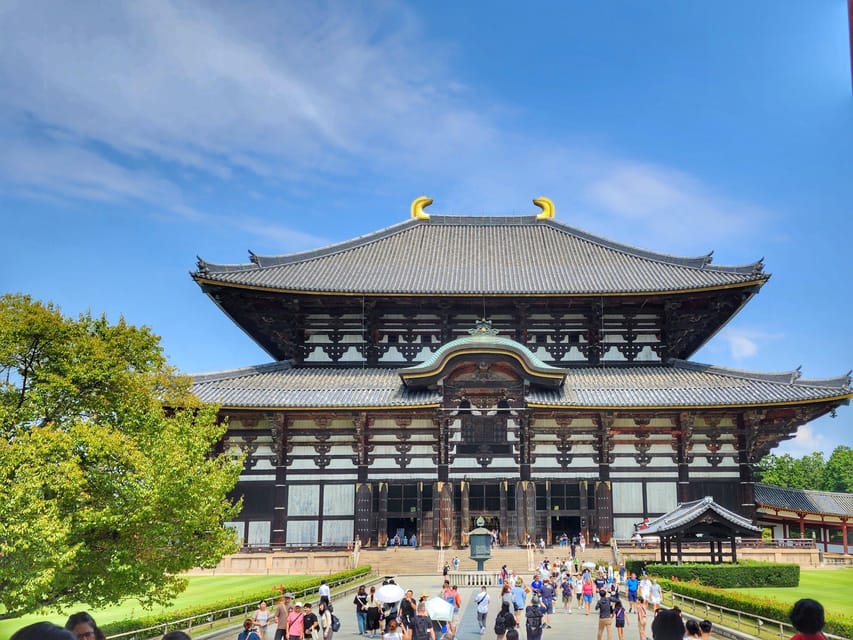
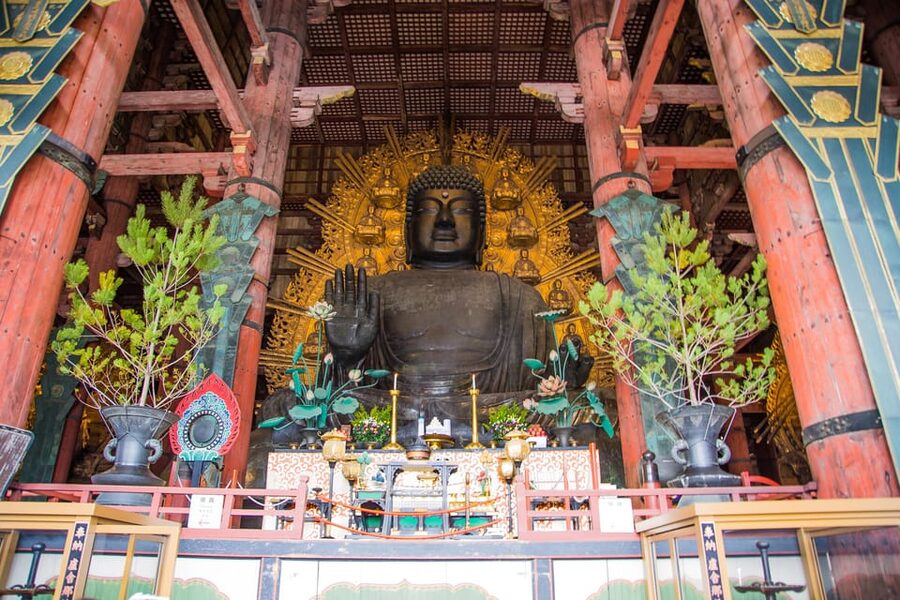
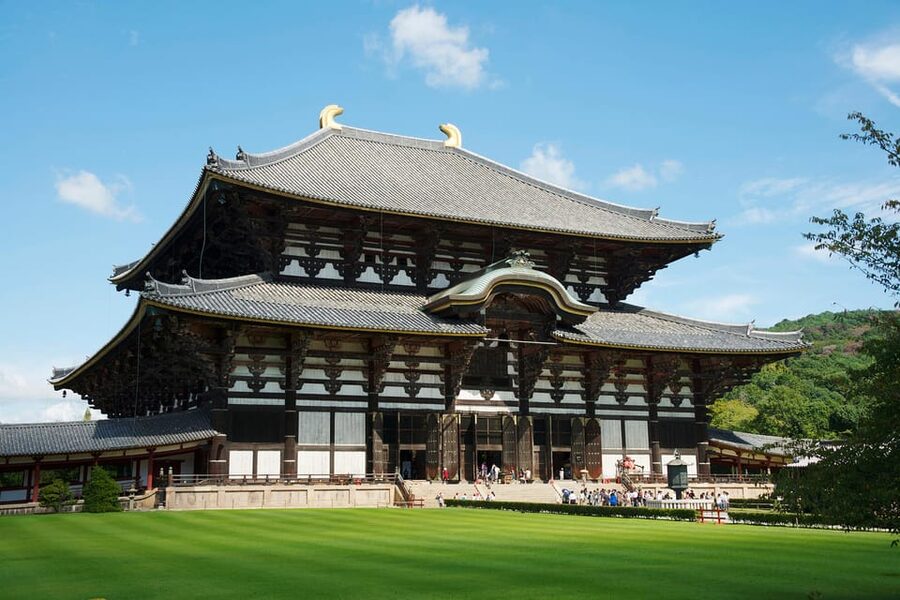
Next comes Tōdai-ji, your UNESCO highlight. You get about an hour here with a guided visit. The star is the Great Buddha (Daibutsu), one of the largest bronze Buddha statues in Japan, housed within the temple complex.
This is the moment where the guide really earns their pay. When someone explains what you’re seeing, the scale makes more sense. You stop thinking only about size and start noticing structure, placement, and why this space was built the way it was.
A practical way to enjoy Todaiji: don’t rush the main hall area just to get photos. Spend a few minutes letting your eyes adjust, then reframe your viewing. Stand where you can see both the overall space and the details. If you’re the type who likes “first look photos” and then “second look photos,” this stop gives you room to do both.
Drawback-wise, the time is enough for the major experience, but not enough for a slow, lingering personal pilgrimage. If you want to sit and stare for a long time, you might want to pair this with extra free time in Nara on another day.
Lunch Break in Nara: Local Specialties, Your Choice
Lunch is built in with about an hour set aside at a local restaurant, with a specific option listed: Kotoya Restaurant for a traditional Japanese lunch around JPY 2500. The lunch itself is not included, but the tour gives you a structured break so you’re not hunting food while hungry and tired.
This is a good moment to decide what you want your day to feel like.
- If you’re happy paying for a set lunch experience, Kotoya is the planned choice.
- If you prefer budget flexibility or dietary control, you can choose another option or bring your own, since lunch is not included.
One small comfort: the tour includes snacks, which helps keep energy steady if you’re taking photos, walking, and learning at a comfortable pace.
Kasuga Taisha: Lanterns, Atmosphere, and Easy Photo Spots
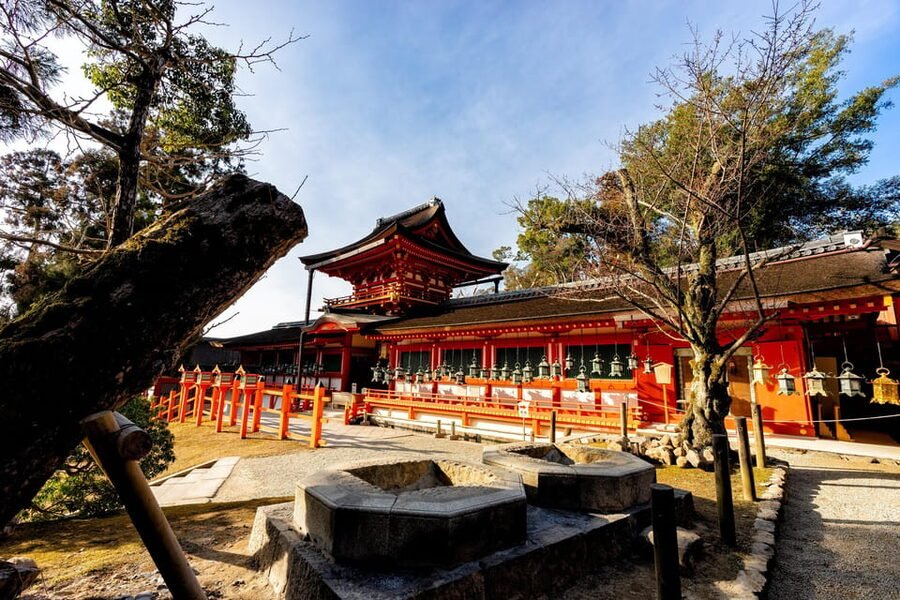
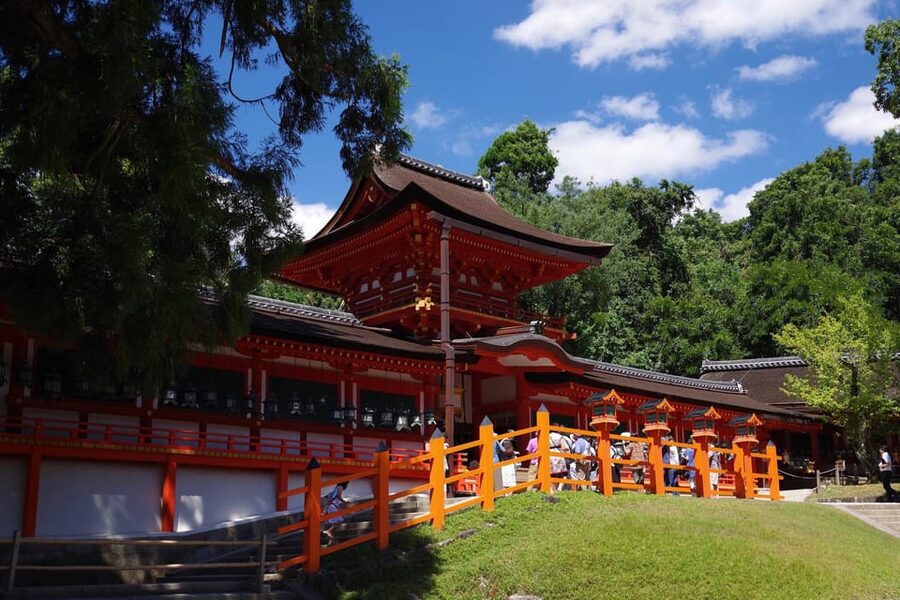
After lunch, you head to Kasuga-taisha for about an hour of guided time. This shrine is known for its thousands of hanging lanterns, and it’s exactly the kind of scene that changes as the light changes. You don’t need a photography degree to get good shots, because the lantern-lined spaces naturally frame your view.
The guide helps here, too. The explanations give you something to look for besides the obvious. When you understand what the lanterns symbolize and how the shrine setting supports the rituals and tradition, you get a deeper sense of what the place feels like for people who visit it for more than sightseeing.
Practical advice: lantern areas can be crowded, especially during peak visitor times. Move slowly, be polite about space, and grab photos when you have a clear opening. If you’re with a group, stick with the guide so you don’t lose track of key points in the approach.
Naramachi Stroll: Edo-Period Merchant Lanes in One Hour
The final major on-foot segment is Naramachi, where you get about an hour to explore. This is the old town feel: narrow lanes with well-preserved traditional merchant houses, giving you a sense of how daily life and commerce looked back in the Edo period.
What I like about ending here is the tone shift. After temples and big architectural moments, Naramachi feels more human-scale. You’re walking streets, observing storefront styles, and getting a calmer rhythm before heading back to Kyoto.
This is also a good place to buy small souvenirs if that’s your style. If you’re traveling with someone who loves crafts, sweets, or simple neighborhood browsing, this hour gives them something to do besides photos of lanterns and statues.
Private Guide Value: Clarity, Flexibility, and Real Help
What makes this tour feel high value is the guide quality. The experiences tied to individual guides in the past include people like Akiko, Vincent, Gustavo, Alex, and Naoki. Common threads show up across them: friendly energy, clear explanations, and real willingness to help when questions come up.
That matters because Nara can be deceptively complex. You see several temple names and shrine features, and without guidance it’s easy to leave with great photos and fuzzy connections. With the guide, you get the connections explained in plain language.
You’ll also appreciate the flexibility. One review highlights guides who adapt smoothly and keep the day comfortable. That’s not just personality. It helps when crowds, timing, or weather shift your best photo and walking route.
The fact it’s private also changes the feel. You can ask questions without feeling like your group’s attention is being carved into tiny slices. It tends to make the day more conversational and less like a guided lecture.
Price and Logistics: Is $183 a Good Deal?
At $183 per person for about an 8-hour day, this is not a budget throwaway. But it’s also not overpriced when you look at what’s included.
You’re paying for:
- An English-speaking tour guide
- Entrance fees for Todaiji Temple and Kasuga Shrine
- Snacks
- A full route plan from Kyoto to Nara and back, plus guided time at key stops
- Train support, since the guide assists with purchasing tickets on the day
Lunch is the main extra cost. The tour notes Kotoya lunch is around JPY 2500, and you can choose other options since lunch isn’t included.
So the real question is whether you value reduced hassle. If you’ve ever tried to coordinate multiple major sites in Nara on a tight schedule, you know how much time gets lost in figuring out where to go next and what each place actually meant. Paying for a guide saves that friction.
In short: if you want a smooth day where you spend energy on enjoying the sights rather than navigating them, this price can be a strong value. If you prefer to travel independently and you don’t mind doing your own research, you can likely make it cheaper, but you will trade away the explanation and pacing.
Who This Tour Fits Best
This private day trip is a strong match if you:
- Want the top Nara sights without planning every step
- Like having explanations in English, French, or Spanish
- Prefer walking with a plan, not wandering all day trying to choose between sites
- Are traveling with friends, partners, or family who want an organized day
It may not fit if you have mobility limits, since the tour involves walking on temple grounds and old streets. It also lists it as not suitable for pregnant women, people with mobility impairments, people with heart problems, or people with respiratory issues.
Should You Book This Private Kyoto to Nara Day Trip?
I’d book it if you want a high-confidence Nara day with the biggest sights handled and explained. The combination makes sense: temple context at Kofuku-ji, iconic deer at Nara Park, UNESCO scale at Todaiji, shrine atmosphere at Kasuga Taisha, and a final stroll through Naramachi to round out the day.
Skip it only if you know you need lots of free time to linger, or if walking time is a concern for you. Otherwise, this is the kind of tour that turns a complicated destination into a smooth, memorable day.
If you decide to go, pack for comfort, bring some cash, and plan to keep your schedule flexible around crowds. The guide will help you make smart choices, but Nara is still Nara.
FAQ
How long is the Kyoto to Nara private day trip?
The tour duration is 8 hours.
Where do we meet in Kyoto?
You meet at 7-Eleven Heart-In – JR Kyoto Station Central Entrance.
What is included in the price?
Included are an English-speaking tour guide, entrance fees for Todaiji Temple and Kasuga Shrine, and snacks.
Is lunch included?
Lunch is not included. You can choose the traditional lunch at Kotoya Restaurant (around JPY 2500) or bring your own.
Do I need to buy train tickets to Nara?
Transportation is not included, but the tour guide will assist you with purchasing the train ticket to Nara on the day of travel. JR Pass can be used as well (one-way is listed as JPY 1280).
What should I bring?
Bring comfortable shoes and a camera. Cash is also recommended.
What cancellation options are available?
Free cancellation is available up to 24 hours in advance for a full refund.
Are there any guests who should not join?
The tour is listed as not suitable for pregnant women, people with mobility impairments, people with heart problems, or people with respiratory issues.
Fresh options around Kyoto
- Kyoto Aquarium Admission Ticket★ 4.7 · 12 reviews
- Kyoto Gion Photoshoot – Private Session | Pro Photographer★ 5.0 · 12 reviews
- Gyoza Cooking Class in Kyoto: Traditional Japanese Dumplings★ 5.0 · 12 reviews
- Kyoto: Guided Food Tour with 12 Dishes & 3 Drinks★ 5.0 · 12 reviews
- Kyoto: Avoid the Crowds at the Hidden Gems of Arashiyama★ 4.9 · 13 reviews
- Kyoto Early Bird English Tour: Gion & Higashiyama(Private opt)★ 5.0 · 13 reviews
- Otsu-e Folk Art Workshop & Local Culture Walk Near Kyoto★ 5.0 · 13 reviews
- Kyoto, Osaka, Nara Full Day tour by Car English speaking Driver★ 3.5 · 13 reviews
Temple & Shrine Tours in Kyoto, compared.
Fushimi Inari, Kinkakuji, Bamboo Grove 1 Day Bus Tour
Read our review →
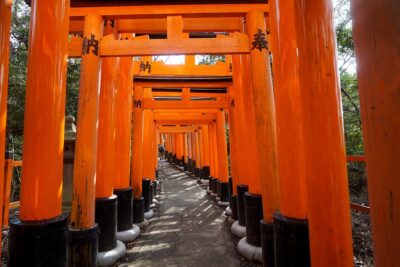
Fushimi Inari Hidden Hiking Tour (Private Option Available)
Read our review →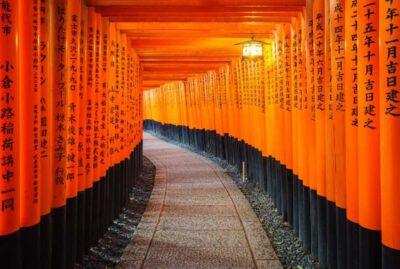
Osaka/Kyoto:Kinkakuji,Arashiyama,FushimiInariShrine,NaraPark
Read our review →
Kyoto/Osaka: Nara, Fushimi Inari Taisha, Arashiyama Bus Tour
Read our review →
Arashiyama Bamboo, Temple, Monkeys, or Secret Sake Brewery
Read our review →
Arashiyama Bamboo Forest, Monkeys, Matcha & Temple Tour
Read our review →
Osaka/Kyoto: Arashiyama, Nara & Fushimi Inari Shrine w/Lunch
Read our review →Browse the lists this tour appears in