
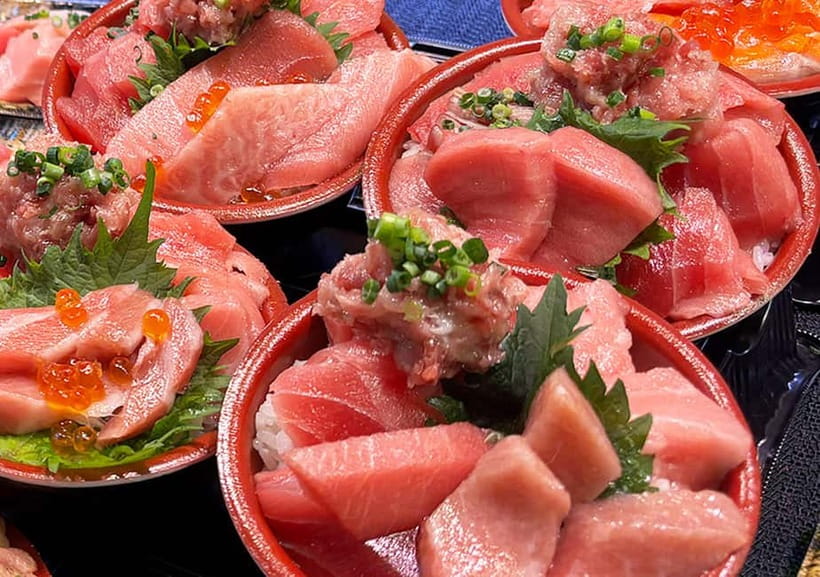
Reviewed · FOOD & DRINK
Tsukiji Fish Market: Street Food & Culture Walking Tour
Tsukiji is more work than souvenir shopping. This 2-hour street food and culture walk lets you watch real market life while you learn why the food is made a certain way.
I love the street-food focus with a guide pointing you toward what to try, not just where to stand. I also like that this tour is wheelchair and stroller accessible, so the experience is built for more than just quick-footed walkers.
One possible drawback: Tsukiji gets tight and busy, and some people felt the pace and crowd flow left them waiting or straining to hear. If you are sensitive to sun or need to move slowly, plan to stay close to the group and bring sun protection.
Key things to know before you go
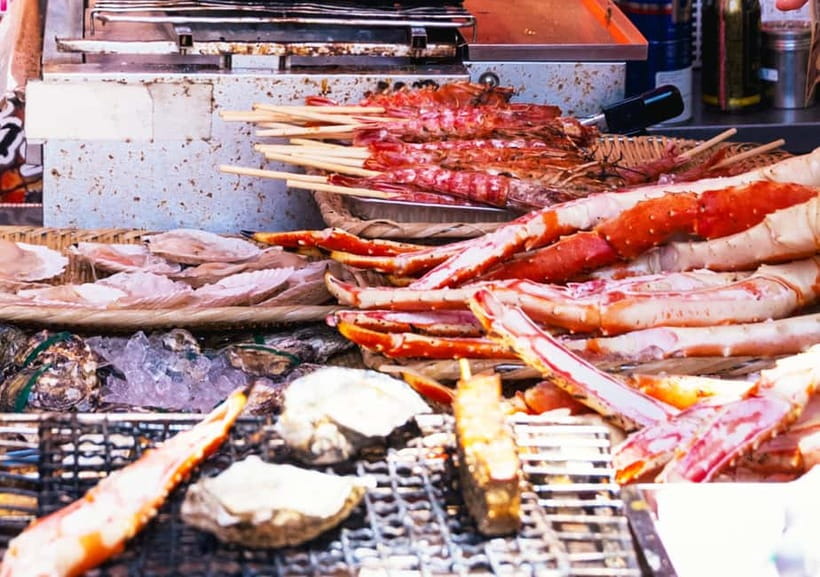
- Small-group flow with a maximum of 30 people, so your guide can spend more time with you
- A real fish-cutting show that teaches traditional technique, not just a quick look
- Multiple Tsukiji stops (Jogai Market, fish market, and Tsukiji Hongwanji Temple)
- Street food plus market know-how, with guidance on Japanese cooking and ingredients
- Clear cultural context from the temple visit, though it is brief
- Good-weather dependent, since you will spend time walking outdoors in busy areas
Tsukiji Jogai Market: the street-food warm-up that sets the tone
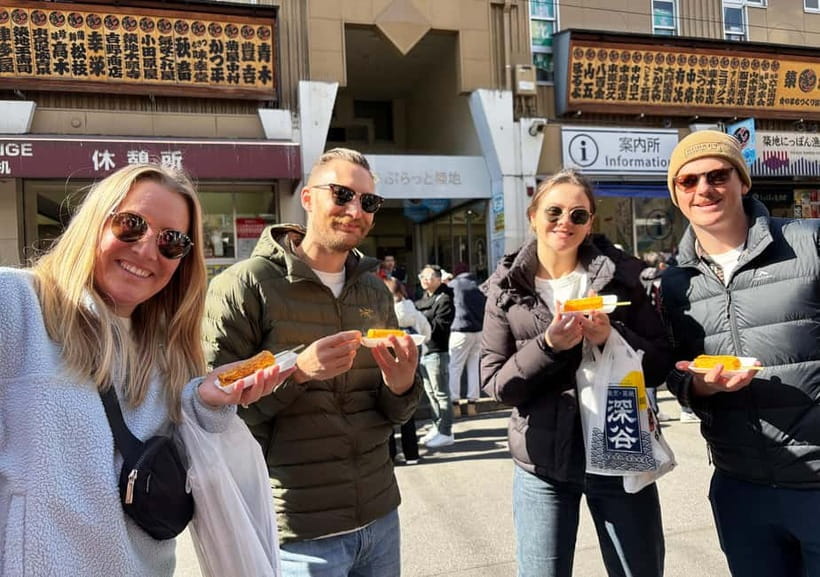
The tour starts at Tsukiji Jogai Market, right in the heart of the food-side action. This is the part where you get your bearings fast and learn how market snacks work, from what shows up first to how people order on the fly.
I like how this opening block is built to get you eating and observing without turning it into a museum lesson. If you enjoy food discovery, this is where the tour’s value shows up quickly, because you are guided to stalls instead of wandering hungry and hoping you guessed right.
The flip side: street-food sections can feel like a lot of stops and short waits, especially in high-season crowd conditions. If your ideal tour is mostly storytelling and fewer transitions, you might feel a bit rushed between tastes.
More Food Tours in Tokyo
- Tokyo: Shinjuku Food Tour (13 Dishes at 4 Local Eateries)
★ 5.0 · 6,603 reviews - Tokyo Tsukiji Fish Market Food and Culture Walking Tour
★ 5.0 · 3,184 reviews - Tokyo: Shinjuku Food Tour (15 Dishes and 4 Eateries)
★ 4.9 · 2,033 reviews
The fish-cutting show at Jogai Market: why this is the main event
Next comes the fish-cutting show, featuring a chef who fillets a whole fish using traditional techniques. This matters because it explains the logic behind what you buy and eat, not just the drama of a chef with a sharp knife.
You get a skill lesson, then the tour steers you toward seafood afterward. One important practical note: the tour does not list meals as included, so treat any bowl or snack as something you will likely pay for if you choose to eat it, even if the tour guides you toward good options.
I also like the time balance here. This segment is long enough to understand what is happening, but short enough that you are still in the market energy instead of stuck in one place watching a single demonstration for too long.
Tsukiji Fish Market atmosphere: seeing traders’ world for real
After the show, you move into the Tsukiji Fish Market area, where you can feel the difference between a food market for browsing and a market built for work. This is the section where you see professional trading in action and understand why the neighborhood has always been about speed, quality, and confidence.
This stop is shorter, but it gives you a payoff: you connect the technique you just watched to what the market is actually doing all day. If your brain likes cause and effect, you will appreciate that link.
Do keep expectations realistic. A short market walk will not cover every corner of the operation, and crowding can limit how much you can observe. If you want a super detailed, slow-and-steady look, consider pairing this with extra self-guided time afterward.
Tsukiji Hongwanji Temple: quick cultural context, not a long sermon
The tour wraps with Tsukiji Hongwanji Temple, guided with an emphasis on Japanese culture and the charm and background of Buddhism. This is a nice change of pace from seafood intensity, and it helps you understand how daily life and food traditions share space in Tokyo.
That said, this stop is brief. Some people have felt it added limited value compared to what they expected, especially if they came for longer history or a more in-depth temple experience. If you are temple-focused, you might treat this as a taste and plan a return visit on your own later.
I think it works best when you see it as a soft landing. You get a cultural anchor, then you are done where you started, with your head calmer than when you entered the market.
More Market Tours in Tokyo
- Tokyo: Tsukiji Fish Market Food and Walking tour
★ 5.0 · 1,724 reviews - Tokyo: Tsukiji Fish Market Guided Walking Tour
★ 4.9 · 1,397 reviews - Tokyo Sushi Making Class in Tsukiji with Professional Chef
★ 5.0 · 1,177 reviews - Tsukiji Fish Market Guided Tour and Sushi Making with Pro Chef
★ 5.0 · 775 reviews
Guides and the English factor: George and Tomo show up in the best feedback
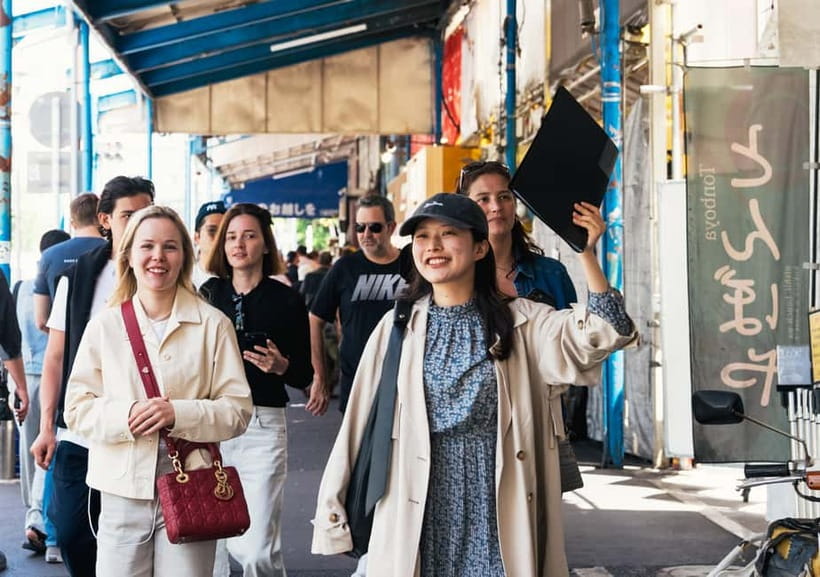
The quality of this kind of tour lives and dies with the guide, and the reviews reflect that clearly. Guides like George are praised for taking people to the best places to try food, and Tomo earns strong marks for explaining history and culture clearly, including being easy to understand.
You should also know there is some mixed feedback about audio and pace in dense crowds. If you are in the back of the group, or if you are walking with hearing limitations, the market environment can make it harder to catch every detail.
My practical advice: if you want the best chance to hear explanations, stay close to your guide during transitions. Tsukiji rewards attention to small cues, like where people line up and what the guide points out, even when it is noisy.
Value for $33.16: what you get, and what you should budget
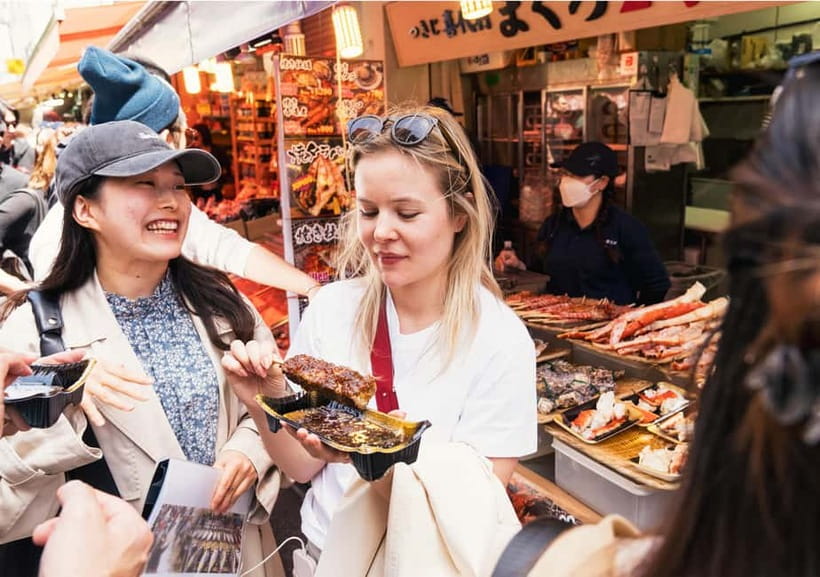
At about $33.16 per person for roughly 2 hours, the value comes from three things: a guided food plan, the fish-cutting show, and interpretation. You are not just paying for walking, you are paying to avoid guessing, and to get context for the food you are eating.
Also, the tour includes tickets for parts of the experience (the cutting show segment is ticketed, while other stops are free). That structure can make your day feel more organized than a purely self-guided market snack run.
Meals are not listed as included, so you should budget separately for whatever you decide to eat at stalls. The best strategy is to treat the tour like a tasting itinerary: arrive hungry, follow the guide’s cues, and then pick a few items you genuinely want instead of trying to sample everything.
Timing and crowds: why New Year week can change the whole experience
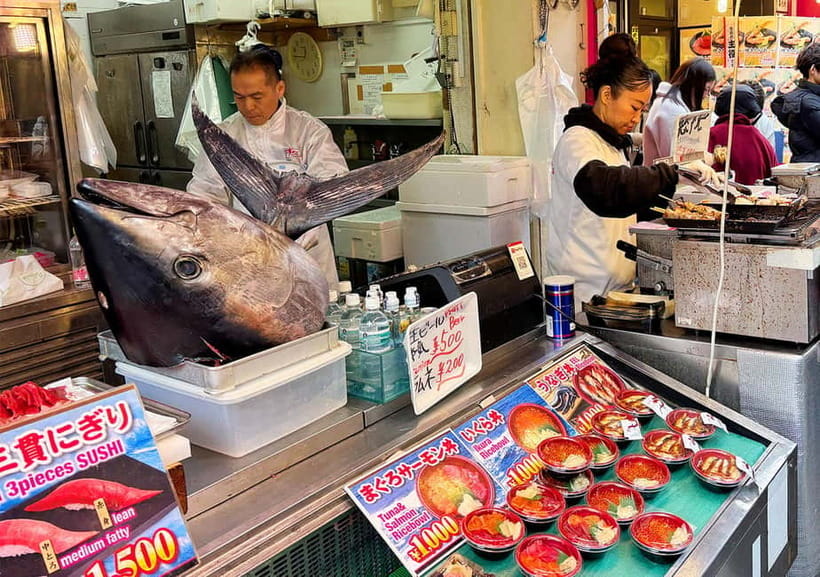
Tsukiji is busiest when it feels like everyone is shopping and eating at the same time. One review example called out crowding around New Year and mentioned the guide not always waiting during busy periods, which is a common risk in crowded market tours.
If you are traveling during peak times, do not expect leisurely pacing. Keep a close eye on where the group is headed, and assume you will need to move quickly through narrow aisles.
This is also where sun exposure can become a real factor. One piece of feedback specifically complained about being stopped in the sun, so bring what you need to handle heat and brightness, and tell your guide if you have limits so they can adjust as much as possible.
How the stops work as a single story
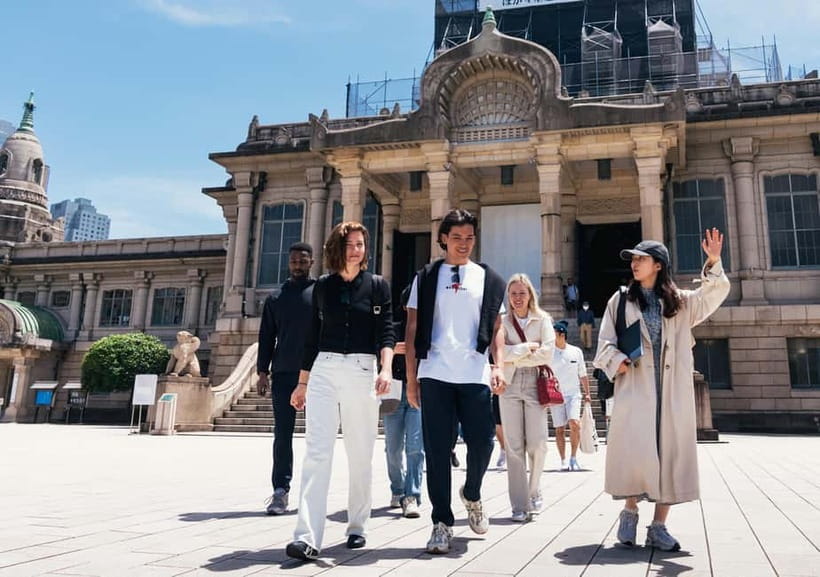
Even though the tour includes four different parts, it is really one story about food culture. You start with street food and market logic at Jogai Market, learn the technique behind the fish through the cutting show, then connect that knowledge while you walk the broader fish market scene.
The temple stop finishes the loop by adding cultural framing. It is not the length of a full independent temple visit, but it gives you a reason to slow down and understand how food, tradition, and community live side by side.
If you enjoy tours that turn shopping into meaning, this structure will click for you. If you only want food sampling with minimal explanations, you might still like it, but you may wish for more eating time and less transitional movement.
Who this tour suits best
This is a strong fit if you want a guided food plan in Tsukiji, plus one standout learning moment with the fish-cutting show. It is also a good choice for families and anyone using a stroller or wheelchair, since the tour is described as wheelchair and stroller accessible.
It is less ideal if you want an unhurried, deeply historical itinerary with lots of temple time. The temple segment is short, and some people have felt the tour spent more time encouraging food sampling than delivering history.
It can also be a tougher match if you dislike tight crowds or need extra time at each stop. Tsukiji’s layout means you will be moving through people, and that can be tiring if you were hoping for a calm, spacious walking tour.
Should you book Tsukiji Street Food and Culture?
Book it if you want a guided Tsukiji food route with a high-value highlight in the form of a fish-cutting show. The price makes sense when you factor in the guide direction and the ticketed show segment, and it is a good way to get meaning from what you eat.
Skip it, or at least adjust expectations, if your top priority is lots of history or long, slow temple time. Also think twice if you are very sensitive to sun or you dislike crowded pacing, because market density can affect hearing and waiting.
If you do book, the smartest move is to arrive hungry, stay close to your guide, and plan on paying for the specific food items you choose to eat.
FAQ
How long is the Tsukiji Fish Market street food and culture walking tour?
The tour runs about 2 hours.
How much does the tour cost?
The price is $33.16 per person.
Is the tour wheelchair and stroller accessible?
Yes, the tour is described as wheelchair and stroller accessible.
What is included in the tour?
You get a guided tour of Tsukiji Fish Market, plus insights into Japanese cooking and ingredients. The fish-cutting show is also part of the experience.
Are meals included?
Meals are not listed as included. You should budget for food you choose to buy during the street food stops.
What stops are on the itinerary?
You visit Tsukiji Jogai Market (street food), a fish-cutting show at Tsukiji Jogai Market, Tsukiji Fish Market, and then Tsukiji Hongwanji Temple.
Where does the tour start?
The meeting point is 築地本願寺本堂3-chōme-15-1 Tsukiji, Chuo City, Tokyo 104-0045, Japan.
Is this a small group?
Yes. The tour has a maximum of 30 travelers.
What happens if the weather is bad?
This experience requires good weather. If it is canceled due to poor weather, you will be offered a different date or a full refund. You can also cancel for a full refund up to 24 hours in advance.
More Markets in Tokyo
- Tokyo: Tsukiji Fish Market Food and Culture Walking Tour
★ 4.7 · 757 reviews - Tsukiji Fish Market Small-Group Food Walking Tour
★ 5.0 · 621 reviews - Tokyo: Tsukiji Fish Market Sushi Making Class with Pro Chef
★ 4.9 · 506 reviews - Tokyo Food Tour Taste Fresh Delights at Tsukiji Market
★ 5.0 · 429 reviews
More Walking Tours in Tokyo
- Tokyo: Imperial Palace and Shogun Historical Walking Tour
★ 5.0 · 2,251 reviews - Tokyo: Shinjuku Local Bar and Izakaya Guided Walking Tour
★ 4.9 · 1,794 reviews - Tokyo: Asakusa Walking Tour with Sensoji Temple Visit
★ 4.8 · 1,583 reviews - Tokyo Castle & Imperial PalaceーShogun Walking Tour
★ 4.7 · 1,068 reviews
Fresh options around Tokyo
- Tokyo: Nagano Snow Monkeys and Zenkoji Tour with Temples★ 4.9 · 19 reviews
- Yokohama Port: Private Customizable Tour with Transfer★ 5.0 · 19 reviews
- Sushi Making with Interactive Samurai Experience at JIN-ASAKUSA★ 5.0 · 19 reviews
- Explore Unique Tokyo Streets / Learn with a Pro Photographer★ 5.0 · 19 reviews
- DAIKOKU excursion by car DRIFT automobile encounter★ 4.5 · 19 reviews
- Official Street Go Kart Tour Akihabara 2nd★ 5.0 · 19 reviews
- Cosplay Experience with Professional Makeup and Photo Shoot!★ 5.0 · 19 reviews
- Tokyo: Name Seal & Pouch or Tote Bag Making Experience★ 4.5 · 19 reviews
Food & Drink, compared.
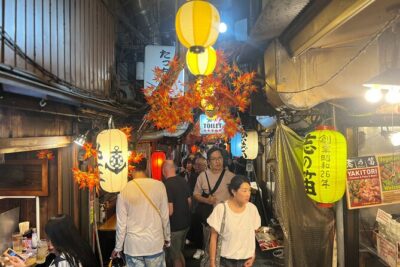
Shinjuku Food Tour (13 Dishes at 4 Local Eateries)
Read our review →
Tokyo Tsukiji Fish Market Food and Culture Walking Tour
Read our review →
Shinsekai Food Tour with 13-15 Dishes at 5 Eateries
Read our review →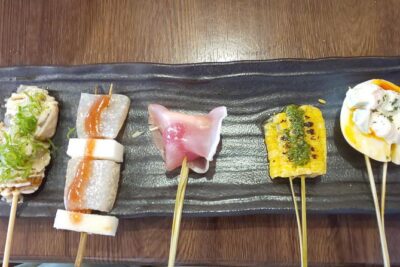
Osaka Food Tour: 13 Dishes at 5 Local Eateries
Read our review →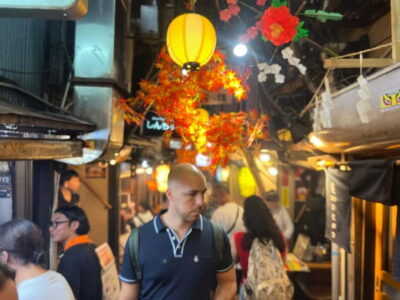
Shinjuku Food Tour (15 Dishes and 4 Eateries)
Read our review →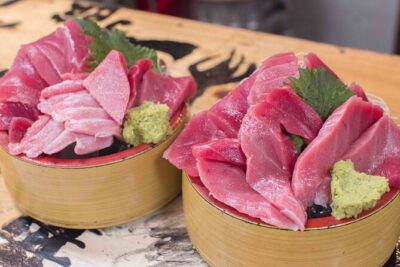
Best of Shinjuku: Izakaya Food Tour (4 Stops, 14+ Tastings)
Read our review →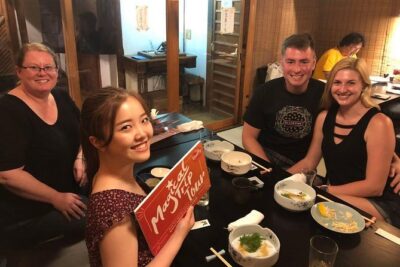
Kyoto Night Foodie Tour in Gion (9+ dishes + 6 Sake tastings)
Read our review →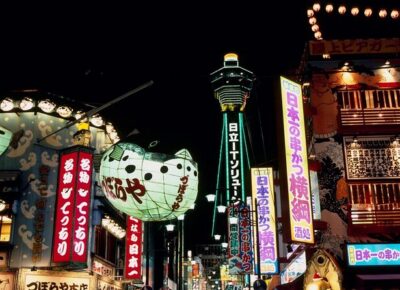
Hungry Osaka Street Food Tour:15 Tastings & 3 Drinks with a Local
Read our review →Browse the lists this tour appears in