Reviewed · PRIVATE
Chill Out in Tokyo: Personalized Private Tours with Local Friends
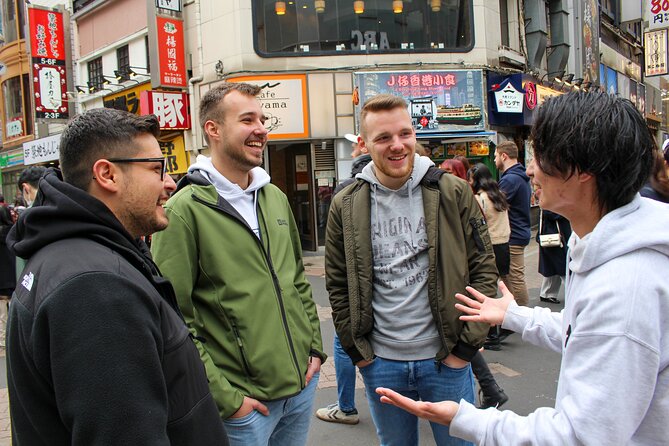
Tokyo is loud, but this tour is personal. I love the private, personalized route and I love the chance to ask questions as you go, with a guide who can meet you at a set spot. The one catch, you do a lot of walking and some public transit in 2 to 4 hours, so comfy shoes matter.
This is the kind of Tokyo plan that helps you get your bearings fast, without a bus rhythm or fixed stops. The price is $105.71 per person, and you get pickup offered with a note that they do not typically use vehicles, so you are moving under your own power more than riding around.
Your itinerary is flexible, so you can spend time where you actually care. Possible stops range from Shibuya and Yoyogi Park to Meiji Shrine Imperial Garden, Senso-ji Temple, Akihabara, Tsukiji Fish Market, and Odaiba, depending on your interests.
Key things I’d zero in on before you book
- Private routing, not a scripted checklist so your “must sees” can shape the order of neighborhoods.
- Pickup and meeting clarity with the tour starting at Shibuya Station and the end time sending you right back there.
- Walking-first touring style with some public transportation, which keeps you close to real streets and everyday Tokyo.
- A range of Tokyo moods in one half-day from neon Shibuya to calm green space at Yoyogi and Meiji Shrine Imperial Garden.
- Guides with strong personalities and problem-solving (I saw named guides like Yu, Yuki, Kanta, Ayumi, Ikumi, and Yohei praised for tailoring the day).
- Mobile ticket convenience that reduces friction once you are in the city.
Price and what $105.71 per person gets you
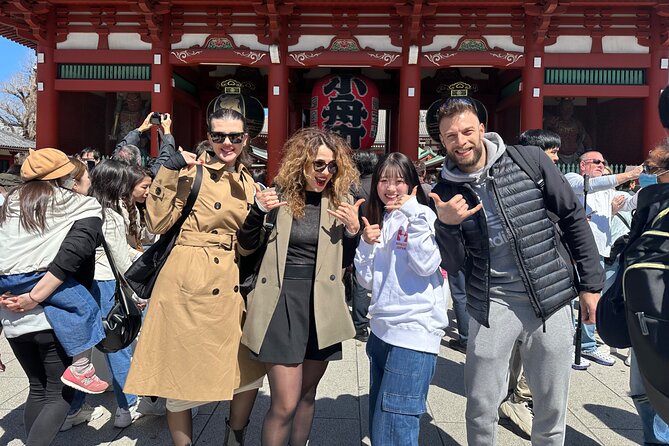
At $105.71 per person for a 2 to 4 hour private tour, you are paying for time with a local guide, not just admission to a list of sights. In Tokyo, that matters because transit choices, entrances, and even the best photo angles can be the difference between a smooth day and a stressful scramble.
The value is in flexibility. Instead of spending your limited hours waiting in lines or zigzagging across town without a plan, you can steer the route toward what you want most. And because the tour is private, you are not stuck with other people’s pace or priorities.
One more value point: group discounts are listed. If you are traveling with family or friends and can book together, the per-person cost can feel more reasonable for a custom day that still includes pickup and guided logistics.
A few more Tokyo days worth comparing
- Mt Fuji and Hakone 1-Day Bus Tour Return by Bullet Train
★ 5.0 · 26,383 reviews - 1-Day Tokyo Bus Tour
★ 5.0 · 14,250 reviews - Tokyo: TOKYO SKYTREE® Admission ticket
★ 4.5 · 11,192 reviews
Meeting at Shibuya Station, pickup, and the “no vehicle” approach
The start point is Shibuya Station 2 Chome-24 in Shibuya, and the tour ends back at the same meeting point. That round-trip ending detail sounds small, but it helps you plan the rest of your day, especially if you have dinner reservations or a hotel pickup schedule.
Pickup is offered, and the tour notes that they typically do not use vehicles. Translation: you are likely meeting up first, then walking and using public transport when needed. This is usually a good thing in Tokyo. You see more street-level life, and you avoid the time drag that can happen when a vehicle is stuck in traffic or far from entrances.
If you have mobility limits, I’d treat this as a walking tour first. It may still work, and one piece of feedback I saw specifically mentioned a guide adjusting pace when someone had a bad leg day, but you should plan around the reality of movement.
How private flexibility changes what you see (and how long it feels)
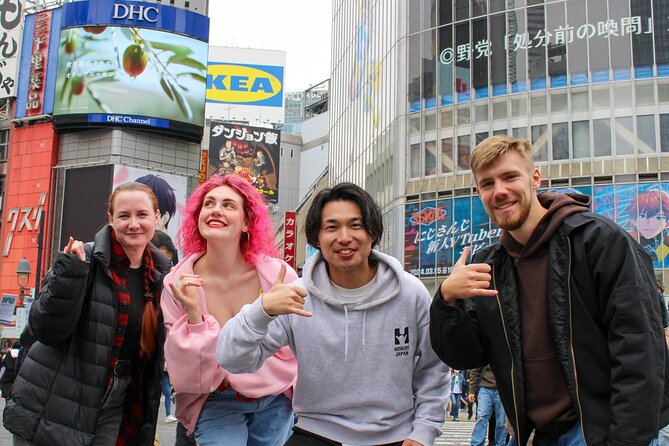
This is designed as an interest-led tour. That means your guide can build a route that avoids wasting time, instead spending your hours on places you actually want to visit.
For the itinerary choices listed, the logic is solid. Tokyo has sharp contrasts within short distances, and mixing those moods helps you feel like you covered more than just one neighborhood. You can also skip parts that do not click. If you want shopping and pop culture, you can lean toward Shibuya and Takeshita Street. If you want quiet greenery, you can spend more time around Yoyogi Park and Meiji Shrine Imperial Garden.
In practical terms, flexibility also helps with timing. Maybe you arrive and want to slow down for photos. Maybe you realize you want more local food stops than shopping. With a private guide, you are not locked into a group schedule.
Shibuya: neon landmarks, youth culture energy, and your first Tokyo hit
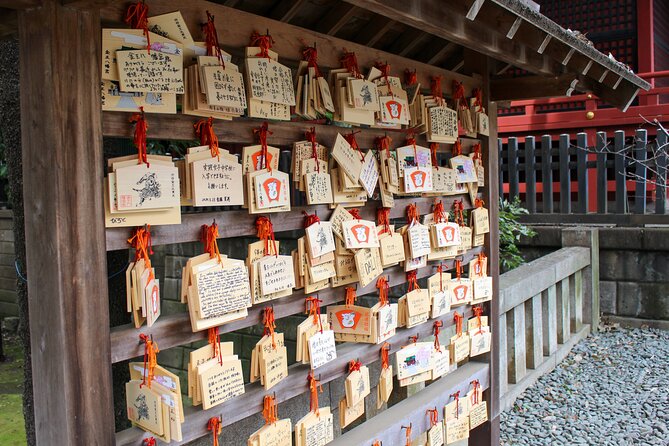
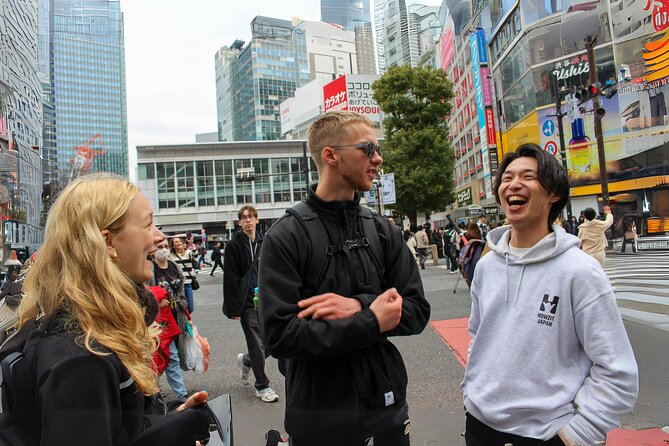
Shibuya is the classic starting pulse of Tokyo. The big draw here is the Scramble Crossing, where thousands of people cross at once. Even if you think you already “know” Shibuya from videos, being there in person hits different.
Why it works on a guided tour:
- Your guide can help you pick viewpoints and timing so you are not constantly crowding through foot traffic.
- You can decide how long you want in Shibuya before moving on, instead of being forced to stay until a tour group finishes.
Potential drawback: Shibuya can feel intense. If you are sensitive to noise or crowds, it helps to manage your expectations and treat this as a quick hit, then shift toward the calmer parks listed later.
Same corner of Japan, a different kind of day:
- Tokyo: teamLab Planets TOKYO Digital Art Museum Entry Ticket
★ 4.6 · 9,779 reviews - Mt Fuji & Hakone Cruise, Drum Show Bullet Train 1 Day from Tokyo
★ 4.0 · 7,413 reviews - Tokyo: Sumo Show Experience with Chicken Hot Pot and a Photo
★ 4.8 · 6,678 reviews - Tokyo: Shinjuku Food Tour (13 Dishes at 4 Local Eateries)
★ 5.0 · 6,603 reviews
Yoyogi Park and Meiji Shrine Imperial Garden: the calm reset in the middle
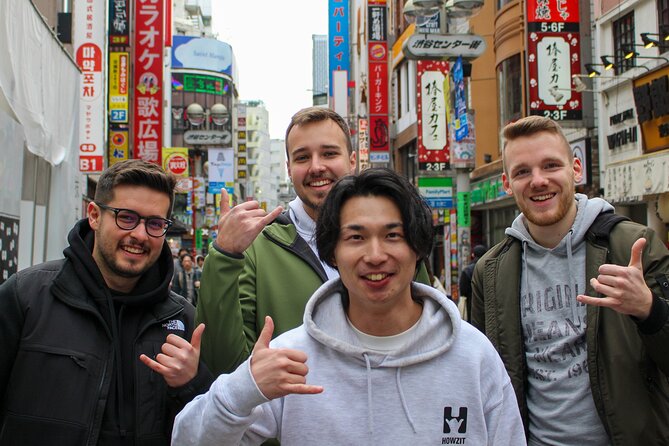
After the energy of Shibuya, the route often shifts into nature and calm. Yoyogi Park is a large, event-friendly space where you can walk, picnic, jog, and generally breathe. It’s a smart contrast to the city’s nonstop motion.
Then comes Meiji Shrine Imperial Garden, described as a tranquil shrine surrounded by nature. This is where you slow down. Walking through the green paths gives you a break from the dense streets and a chance to notice a different side of Tokyo.
Why I like putting these together:
- You get variety fast, which helps the tour feel longer and more satisfying in a short time.
- It also gives you a natural rhythm. City first, green reset, then onward.
Practical note: both stops are outdoors and involve walking. Plan for weather, and bring sun or rain protection if you are touring in shoulder seasons or summer.
Takeshita Street and Shinjuku Gyoen: pop culture stops paired with designed calm
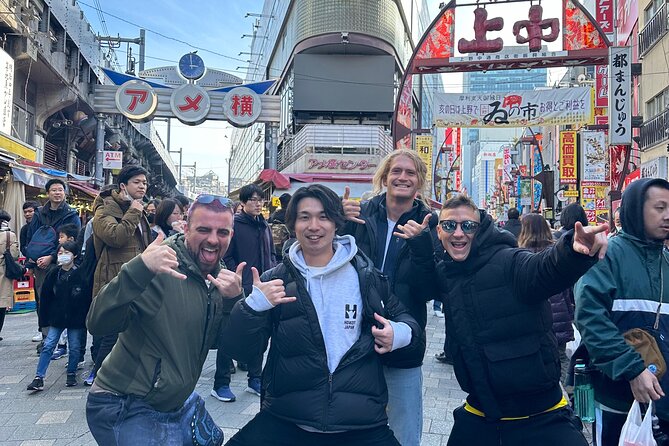
Takeshita Street is one of the best-known places for youth fashion and pop culture. Expect a dense mix of shops, cafes, and trendy items. The candy and snack focus is real too, with crepes and ice cream called out, so come ready for a treat stop if that’s your thing.
Then the route may include Shinjuku Gyoen National Garden, listed as a Japanese garden with ponds, streams, and bridges. The big appeal is the seasonal change of flora. Even without knowing the exact bloom schedule, a garden stop is a useful reset after shopping streets.
How to decide if this pairing works for you:
- If you want style, sweets, and street energy, Takeshita Street will be fun.
- If you want photos with calmer compositions, water, and walkable paths, Shinjuku Gyoen can balance that out.
Possible drawback: Shinjuku Gyoen is easier to enjoy if you keep a steady pace and do not expect to sprint through. If your plan is extremely tight, ask your guide to adjust time based on what you care about most.
Senso-ji Temple and the street-food style of Ame Yoko Center Building
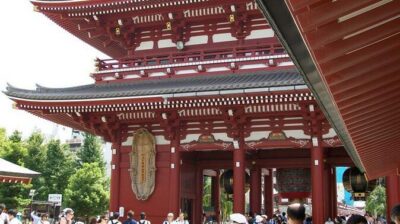
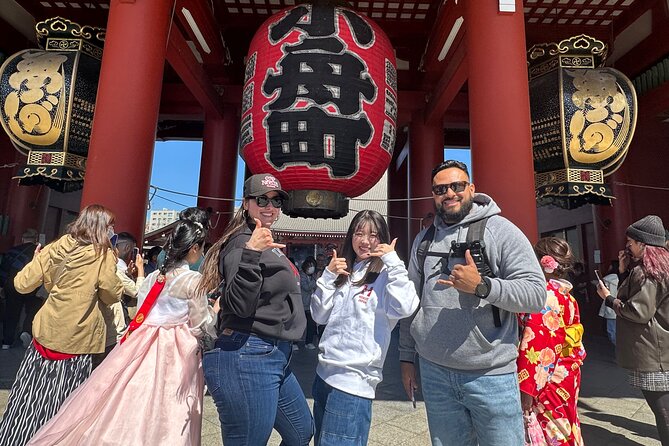
Senso-ji Temple is one of Tokyo’s oldest traditional temples, and the approach path is part of the experience. There’s also mention of drawing fortune slips and buying amulets, which adds a hands-on cultural moment beyond just sightseeing photos.
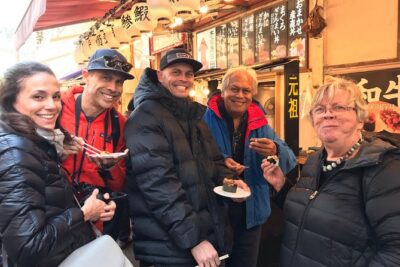
Then you might head to Ame Yoko Center Building, a traditional shopping street atmosphere in Ueno, with stalls and eateries. Street food is specifically called out, like takoyaki, okonomiyaki, and skewers, plus clothing and knick-knacks.
Why this section is valuable:
- It mixes cultural sights with food culture, so the tour feels like you are living Tokyo, not just looking at it.
- You can treat it as a “snack and explore” block, especially since food is not included.
A drawback to keep in mind: street markets can be crowded and loud. If you are not a fan of dense crowds, keep an eye on your comfort level and ask for a pace adjustment. One feedback note I saw mentioned a guide actively accommodating a mobility issue, which suggests the guides pay attention to real needs, not just a fixed script.
Ueno Park and a museum-free kind of stroll
Ueno Park is described as a place where nature and culture coexist, with facilities like the Ueno Zoo and the Tokyo National Museum listed nearby. Even if you do not plan museum time, the park itself is useful for a breather: strolls, seasonal scenery, and a less chaotic vibe than central shopping streets.
For many people, this stop works best when you treat it like “time to regroup.” Your guide can help you choose the walking loop that fits your energy level and keep you moving without rushing you.
Akihabara and Tsukiji Fish Market: two very different Tokyo worlds
Akihabara is known for electronics and otaku culture, with anime and electric stores lining the streets. If you like gadgets, games, collectibles, or simply want to see how niche fandom becomes part of everyday retail, this is a natural place to spend time.
Then Tsukiji Fish Market is a switch in mood. It’s described as Tokyo’s most famous market, with fresh seafood and ingredients, plus sushi and seafood restaurants and shops selling seafood and condiments. For people who love food, this is the kind of stop that gives you more than souvenirs, it gives you ingredients and flavors you can talk about later.
Two ways this segment can go well:
- If you plan to buy something small at each stop, your guide can help you navigate what is worth the effort.
- If you want food impressions rather than meals, you can sample or browse without committing to a full sit-down lunch.
Important practical reality: food and drinks are not included, and lunch for you and your guide is usually 1,000 to 3,000 JPY per person. That means you should budget for a snack or a meal depending on your day plan, especially around Tsukiji.
Odaiba: when to add it for views and a more futuristic vibe
Odaiba District is listed as a futuristic island with entertainment facilities and a resort-like atmosphere. The tour notes Odaiba Seaside Park for walks or picnics, plus views like Rainbow Bridge at night, and shopping malls and attractions.
This stop can be a great add-on if you want:
- A different Tokyo feel, more modern and open-space compared to older districts
- Longer sight lines for photos and waterfront walks
Potential drawback: in a short 2 to 4 hour format, Odaiba is best when you genuinely want that change of pace. If your top priorities are more cultural and street-focused, you might get more value by keeping your time clustered around the earlier stops.
What you learn when your guide is local, not just a translator
The biggest reason people rate these tours so highly is the guidance, not the monuments. In the feedback I reviewed, named guides like Yu and Yuki were praised for flexible, relaxed planning that still feels organized. Kanta and Ikumi were also mentioned as tailoring the day closely to different family interests, from market time to temple grounds and later food moments like matcha.
Ayumi got especially strong mentions for making an area feel less intimidating. One note I saw described a wish to explore a nightlife alley area that can feel awkward to navigate without local help, and the guide made it work comfortably. Another note said Ayumi slowed things down when someone had a bad leg day, while still showing memorable places.
That kind of flexibility matters because Tokyo is practical, not just scenic. You will likely learn things like:
- where to stand for the best views without fighting the crowd
- how to move between neighborhoods without wasting your energy
- what to skip if the crowd level or the timing does not match your priorities
Even if you are an experienced traveler, having a local friend who can steer you can make Tokyo feel more manageable and more personal.
Practical tips so your 2 to 4 hours feel effortless
A few things I’d plan for before you start:
- Wear shoes you can walk in for a while. This tour is walking-focused, with public transit as needed.
- Bring a small umbrella or rain layer if weather is iffy. The experience notes good weather is required, and if it is canceled due to poor weather, you will be offered a different date or a full refund.
- Do not plan on a full lunch included. Food and drinks are not included, and lunch for you and your guide is usually 1,000 to 3,000 JPY per person, so plan a snack budget.
- Decide your “must haves” before meeting. If you do not know yet, your guide can help shape it, but having a short list makes the first hour smoother.
Also note the tour uses a mobile ticket. That is helpful in Tokyo since apps and digital confirmation can save you time at the start.
Should you book Chill Out in Tokyo?
Book it if you want a Tokyo day that feels like you have a local friend with a plan, not a rigid group schedule. This is a strong choice for first-timers who want to get their bearings quickly, and it also works well for families or mixed-interest groups who need different priorities handled in one route.
Skip it or rethink if you hate walking, because this is a moving tour. Also, if you only care about one or two specific attractions and want a deep visit, you might prefer a slower, single-location plan.
If you do want the best kind of short Tokyo experience, this one fits nicely: a private, interest-led route out of Shibuya, with a smart mix of famous landmarks and the daily-life feel that makes Tokyo memorable.
Fresh options around Tokyo
- Private Harajuku Omotesando Architecture Tour★ 4.9 · 18 reviews
- Tokyo Shopping Street Hopping Private Tour with Government Licensed Guide★ 5.0 · 18 reviews
- Tokyo: Private Mount Fuji and Hakone Day Trip with Guide★ 4.5 · 18 reviews
- Small-Group Osaka-Style Okonomiyaki Cooking Class★ 5.0 · 18 reviews
- Hakone Private One Day Tour From Tokyo: Mt Fuji, Lake Ashi, Hakone National Park★ 5.0 · 18 reviews
- Shinto Shrine Tour: Explore Japanese Culture in Tokyo★ 5.0 · 18 reviews
- PERFECT 1 Day Tokyo Highlights Tour with a Private Car★ 5.0 · 19 reviews
- Tokyo: Shinjuku Bar Hopping & Karaoke Night Tour★ 4.9 · 19 reviews
Private, compared.
Tokyo 6hr Private Tour with Government-Licensed Guide
Read our review →
Private Tour to Mt. Fuji and Hakone (Fully Licenced Operator)
Read our review →
Fushimi Inari Hidden Hiking Tour (Private Option Available)
Read our review →
Private Kyoto Tour with a Local, Highlights & Hidden Gems, Personalised
Read our review →
Tokyo Customized Private Tour (Must See Places in 1 Day)
Read our review →
Mount Fuji Full-Day Private Tour from Tokyo (Customizable)
Read our review →
Private City Highlights Tour with Local Guide
Read our review →