Reviewed · PRIVATE
Tokyo Top 10 Highlights & Hidden Gems Private Tour with a Local
Tokyo feels easier with a local by your side. This private 8-hour tour is built around your interests, with a real person guiding you through major sights and the side streets between them. You start in Asakusa, then mix temple time, market energy, and Tokyo pop-culture, with stops shaped by a pre-trip questionnaire.
I like the private, tailored pace. You are not stuck following a script, and guides like Hirotake and Kento are praised for English that makes the day feel like a chat with a smart friend, not a lecture. I also love that it combines walking with public transport when it saves time, which helps you see more without turning the day into one long grind.
One drawback: it is a long walking day, and the tour does not include entry fees or transport costs. Plan for extra spending on tickets and lunch, and wear shoes you trust, especially if you want to keep up with stops that go beyond the usual postcard shots.
Key Points That Make This Tokyo Private Tour Work
- Local customization before you leave, using a short questionnaire plus direct messaging with your guide
- Asakusa start point in the real action zone, with an easy meeting location near public transit
- Temple plus markets, including time around Senso-ji and Tokyo food shopping
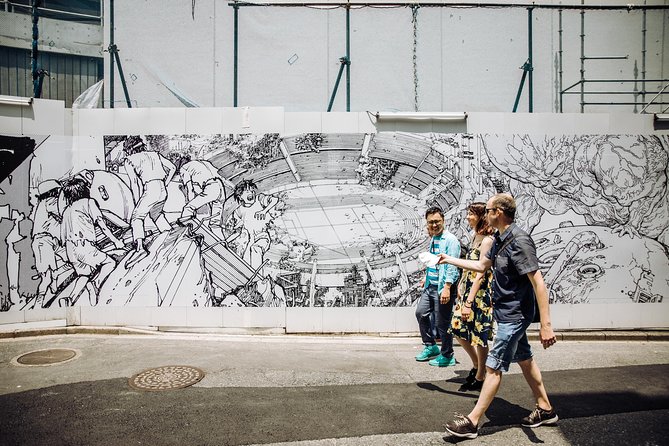
- Akihabara explained in human terms, where your guide can connect the history to the present-day shopping
- A calmer reset at a garden site, so the day does not feel nonstop
- Your guide can adjust the mix, which is why different guides bring in different add-ons like department stores or a river boat segment
How a Tokyo Private “Top Highlights” Day Feels Personalized
This tour is marketed around top sights, but the real value is the human planning behind it. Before you go, you fill out a questionnaire about what you want to see, what you hate, and what matters most to you. Then your guide reaches out to shape the route, so the day supports your style, not just their calendar.
Because it is private, you are not squeezed into a group photo schedule. That matters in Tokyo, where the difference between enjoying a place and getting annoyed is often just timing, crowd flow, and knowing where to stand when things get busy. In the feedback, guides such as Hirotake and Martin were highlighted for staying flexible and going for what the group asked for, including adding time to find niche interests.
You should also know what kind of day this is. It is walking-first. Public transport or local taxis may be used to connect sites, but a vehicle is not part of the plan. That makes it great for first-time orientation, but it also means you need to be comfortable with an all-in day.
A few more Tokyo days worth comparing
- Mt Fuji and Hakone 1-Day Bus Tour Return by Bullet Train
★ 5.0 · 26,383 reviews - 1-Day Tokyo Bus Tour
★ 5.0 · 14,250 reviews - Tokyo: TOKYO SKYTREE® Admission ticket
★ 4.5 · 11,192 reviews
Asakusa Meet-Up and the Easiest Way to Start Right
The tour meets at the Asakusa Culture Tourist Information Center, near Kaminarimon. This is a smart starting spot because it anchors you close to the area’s classic street geometry and temple approach routes. You also return to the meeting point at the end, so the day forms a loop rather than scattering you across town.
If you are staying in central Tokyo, pickup can be provided for your hotel area. That is a comfort boost if you do not want to fight the first station transfer after jet lag. Even if you do not get pickup, the meeting point is described as near public transport, which helps you stay calm about logistics.
Practical tip: Asakusa is one of those neighborhoods where orientation helps. A good local will point you toward the direction of main sights and also where the nicer side streets begin, so you are not stuck walking the tourist lane the whole time. That kind of guidance is exactly why I think this format works for many people, from first-timers to return visitors who just want a smoother day.
Senso-ji and Thunder Gate, What to Notice Beyond the Obvious
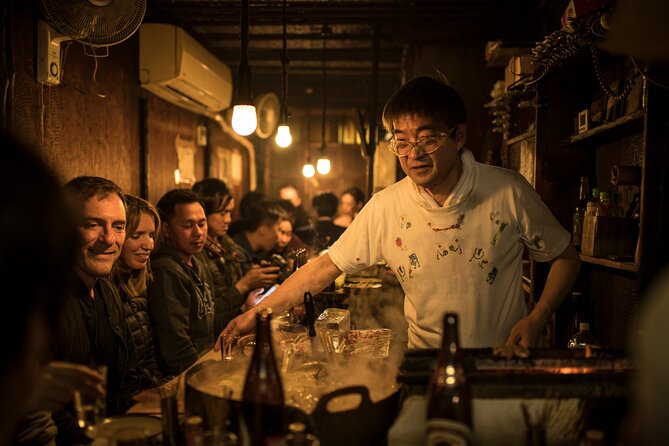
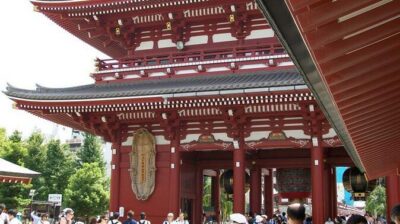
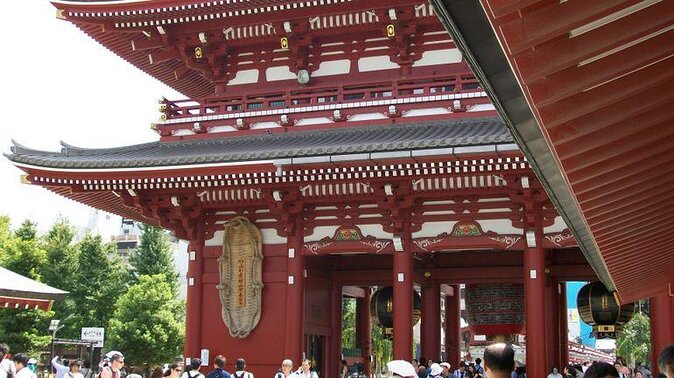
Your tour includes Tokyo’s oldest and most famous Buddhist temple stop in Asakusa. You will see the iconic Thunder Gate with its giant red lantern, and you will get the background that helps the place make sense beyond photos.
Here is what you should look for when you are there with your guide:
- The temple approach as a street experience, not just a waypoint
- How daily practice shows up around you, like small rituals and the rhythm of visitors
- What areas are best for photos at different moments, since crowd density can change quickly
The feedback names guides who made this part feel natural, not rushed. Kento, for example, is praised for covering major anchors while still keeping the mood light, with humor and clear English. That is useful in temples, because the best information often comes as context, like why certain traditions matter and what you are actually seeing.
One consideration: temples plus markets means you may spend time standing and moving slowly. If you have limited mobility, you might need to set expectations early with your guide, because the tour is designed as a walking experience.
Street Market Time for Snacks, Shopping, and Tokyo Habit-Spotting
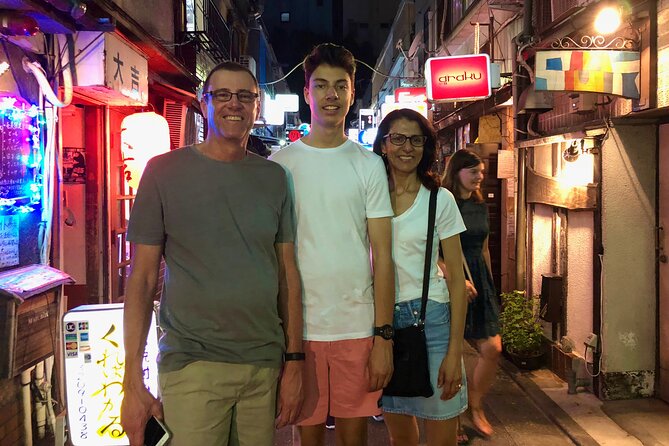
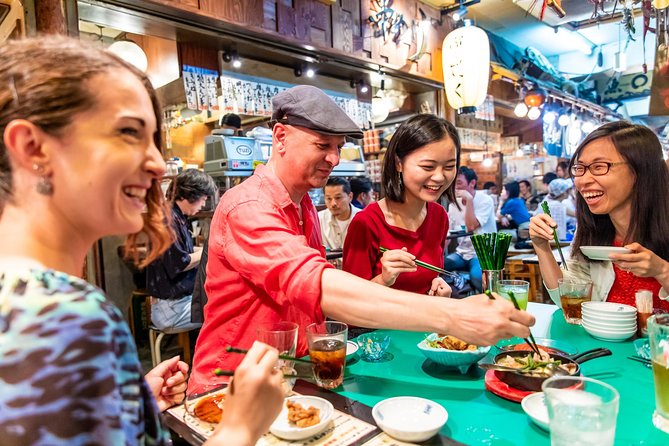
After Senso-ji, the route includes a street market filled with fresh produce, street food, and bargain shops. This is the part of Tokyo where you get to see real daily life in action, not just the tidy version.
What makes this stop valuable is the guide’s judgment call on where to go:
- Which stalls are worth a quick bite
- When to take a break from shopping to just watch the flow
- How to keep your budget sane when you feel tempted by every snack
You should expect that food and drinks are your expense. But that is part of the fun here. The best guides do not try to force a single lunch spot. Instead, they help you choose something you will enjoy in the moment, like a matcha café stop that showed up in Hirotake’s day mix.
Also, this is where bargains can happen, and not the kind you get online. One guide experience in the feedback includes a cheap second-hand kimono stop, which is exactly the sort of “only in person” shopping you cannot replicate at home. If you like small finds and handmade touches, this market timing can pay off.
Same corner of Japan, a different kind of day:
- Tokyo: teamLab Planets TOKYO Digital Art Museum Entry Ticket
★ 4.6 · 9,779 reviews - Mt Fuji & Hakone Cruise, Drum Show Bullet Train 1 Day from Tokyo
★ 4.0 · 7,413 reviews - Tokyo: Sumo Show Experience with Chicken Hot Pot and a Photo
★ 4.8 · 6,678 reviews - Tokyo: Shinjuku Food Tour (13 Dishes at 4 Local Eateries)
★ 5.0 · 6,603 reviews
Akihabara, Anime, and Electronics Explained Without the Lecture
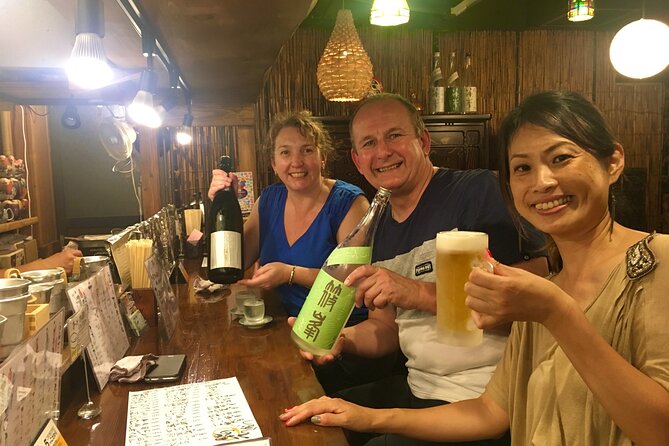
Akihabara is next in the tour plan, and it is not just about walking past electronics towers. Your local host shares insights into how Akihabara became the tech and otaku paradise it is known for today.
Even if you are not a hardcore anime shopper, you will probably enjoy this section if you like:
- Neon-bright retail streets
- Gaming arcades and gadget stores
- Pop culture as a window into modern Japanese youth culture
The best part is how a guide connects what you see to what it means. In the feedback, Fulvio’s day is described as customized for a teenage daughter and included a balance of history, culture, and touristy and non-touristy stops. That kind of tailored mix is what keeps Akihabara from feeling like a checklist item.
What to consider: Akihabara can be overwhelming. If you love browsing, great. If crowds or flashing displays drain you fast, tell your guide early. A good guide will adjust pace and route, maybe even swapping out one of the storefront-intensive blocks for a quieter nearby route.
A Seafood Market Stop That Turns Food Into a Story
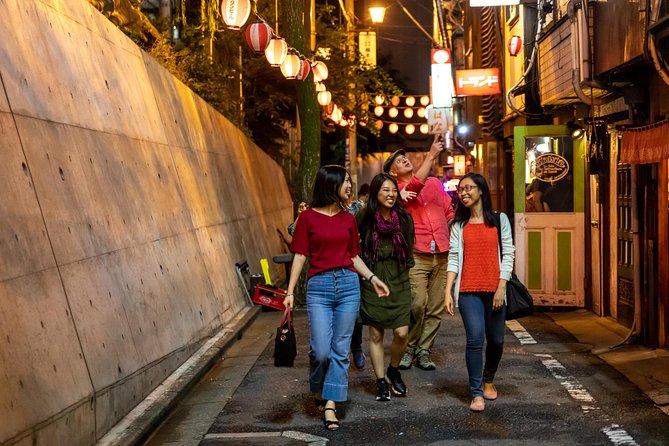
Tokyo has a reputation for seafood, and this tour adds time at an energetic seafood market. You will get a chance to enjoy fresh local bites while soaking in the sights, sounds, and aromas of one of the city’s culinary landmarks.
This stop is ideal for two kinds of travelers:
- Food lovers who want to taste rather than just photograph
- People who want a guide to help them order and pick without feeling stuck
Because food is not included, you will control your own budget. That said, I think the guide’s presence is still worth it. Markets can be chaotic, and the smartest move is often knowing what is fresh right now and what is actually worth your money. A guide can also point out smaller snack options so you do not go from one expensive plate to another.
From the feedback, guides were praised for taking people to places they would not have found on their own, including lunch spots. That matches how I expect a seafood market stop to work best: you get the local version of the experience, not just the main drag.
Gardens and Imperial-Era Ruins as Your Midday Reset
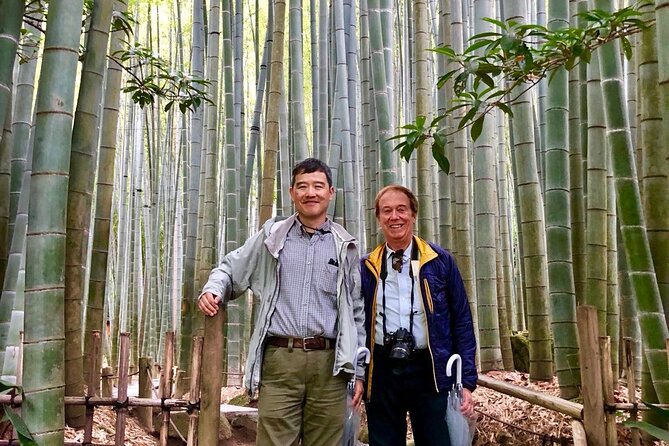
After the energy of markets, the tour includes a garden stop with landscaped green space and historic ruins, tied to Japan’s imperial heritage. This is a smart pairing because it cools down your senses after hours of noise, browsing, and standing.
What I like about this garden timing is that it gives you a contrast. Tokyo can feel like two cities at once, the loud retail streets and then the quiet, carefully maintained spaces where time slows down. With a guide, you also get context on what you are seeing, so it is not just pretty scenery.
Practical note: gardens are calmer, but they still often involve walking on uneven paths. Bring shoes with grip. If you are tracking steps, this is usually a good place to slow down and recover before the final stretch.
The 8-Hour Walking Reality, Plus How to Survive It
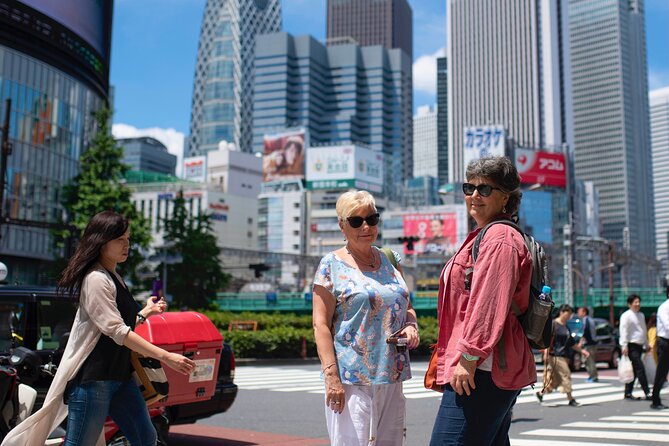
The tour is about 8 hours, and it is walking-forward. One feedback note mentions more than 25,000 steps on an eight-hour day, which tells me this is not a sit-and-sightseeing ride. If you want to enjoy it, plan for stamina.
Here is how I would prepare:
- Wear broken-in shoes, not new ones
- Bring a small water bottle if it helps you
- Keep a light layer, since mornings and afternoons can vary
Public transport may be used between sites, and taxi use can also come up. Costs are discussed with your host after your reservation is finalized. That flexibility matters because it helps a guide protect your time, especially if you want to add or skip a stop based on how you feel.
Start time is flexible. You get to choose your preferred time when booking. In Tokyo, the difference between starting early versus late is crowd behavior and photo opportunities, so choosing a time that fits your energy level is more than convenience.
Price and Value: Why It Costs More Than a Standard Group Tour
At $231.13 per person, this is not a budget bargain. But for Tokyo, private guide time has value, especially when it includes customization, language support, and a plan that connects multiple neighborhoods.
What is included:
- A private, personalized walking experience with insider tips
- A pre-tour questionnaire and direct communication with your host
- Flexible duration and start times
- A private setup where only your group participates
What costs extra:
- Food, drinks, and attraction tickets
- Transportation tickets, since the walking experience is the base
So where is the value? It is in reducing guesswork. If you are new to Tokyo, the hardest part is figuring out what to do and when to do it without wasting half your day in transit or ending up at the wrong kind of place. A guide helps you avoid that spiral.
Also, you might find the day stretches to match your interests. In feedback, some days included major anchors across Tokyo, like Shibuya and Meiji Shrine, plus options like a river boat segment. That kind of flexibility is often the reason people feel they got their money’s worth, even though lunch and tickets are on you.
One more thing: the listing notes group discounts. If you are traveling with family or friends, you may be able to bring the per-person value down a bit by booking as a small group.
Who This Tour Fits Best (and Who Might Want a Different Plan)
This tour fits best if you want:
- A private guide who can tailor your route
- A blend of classic Tokyo anchors and off-the-beaten-track street time
- A walking day that helps you get a feel for neighborhoods
- Real cultural context, explained in clear English by guides like Kento, Kenji, Martin, Patrick, and others named in the feedback
It might not fit as well if:
- You want minimal walking
- You dislike planning for extra ticket and food costs
- You prefer a fixed itinerary with guaranteed entrances included
If you have teenage kids, this kind of customization can work well. Fulvio’s customized day for a teenage daughter is one of the examples given, and it suggests the route can balance history, culture, and modern Tokyo interests.
Should You Book This Tokyo Top Highlights and Hidden Stops Private Tour?
Book it if you are the kind of traveler who likes to ask questions and adjust on the fly. The tour’s biggest strength is that you get a local host who can shape the day around what you care about, and guides in the feedback are praised for English clarity and cheerful flexibility.
Skip or consider another option if you know you will struggle with long walking, or if you want the price to include all tickets and transit. This one keeps entry fees and transport tickets as extras, and that means your final spend depends on your choices for food and attractions.
If you do book, choose a shoe plan, decide your top priorities in the questionnaire, and message your guide early with any must-sees. You will get far more out of the day when your guide has time to build a route that matches your pace and interests.
FAQ
Where does the tour start?
It starts at Asakusa Culture Tourist Information Center, 2-chōme-18-9 Kaminarimon, Taito City, Tokyo 111-0034, Japan, and it ends back at the meeting point.
How long is the private tour?
The tour duration is about 8 hours.
Is this tour walking-focused?
Yes. It is primarily a walking experience, with public transportation used when needed. A private vehicle is not included.
Are tickets and transportation included in the price?
No. Entry and transport tickets cost extra.
Does the tour include food or drinks?
Food and drinks are not included. The tour includes stops for cafes and markets, but you pay for what you eat and drink.
Can I choose the start time?
Yes. You can choose your preferred time when booking, and the tour offers flexible durations.
Is this only for my group?
Yes. This is a private tour/activity, and only your group participates.
Can I cancel for a full refund?
Yes, you can cancel for a full refund if you cancel at least 24 hours in advance of the experience start time.
Is service animal access supported?
Service animals are allowed. The tour also states that most travelers can participate.
Fresh options around Tokyo
- Private Harajuku Omotesando Architecture Tour★ 4.9 · 18 reviews
- Tokyo Shopping Street Hopping Private Tour with Government Licensed Guide★ 5.0 · 18 reviews
- Small-Group Osaka-Style Okonomiyaki Cooking Class★ 5.0 · 18 reviews
- Tokyo: Private Mount Fuji and Hakone Day Trip with Guide★ 4.5 · 18 reviews
- Hakone Private One Day Tour From Tokyo: Mt Fuji, Lake Ashi, Hakone National Park★ 5.0 · 18 reviews
- Shinto Shrine Tour: Explore Japanese Culture in Tokyo★ 5.0 · 18 reviews
- PERFECT 1 Day Tokyo Highlights Tour with a Private Car★ 5.0 · 19 reviews
- Tokyo: Shinjuku Bar Hopping & Karaoke Night Tour★ 4.9 · 19 reviews
Private, compared.
Tokyo 6hr Private Tour with Government-Licensed Guide
Read our review →
Private Tour to Mt. Fuji and Hakone (Fully Licenced Operator)
Read our review →
Fushimi Inari Hidden Hiking Tour (Private Option Available)
Read our review →
Private Kyoto Tour with a Local, Highlights & Hidden Gems, Personalised
Read our review →
Tokyo Customized Private Tour (Must See Places in 1 Day)
Read our review →
Mount Fuji Full-Day Private Tour from Tokyo (Customizable)
Read our review →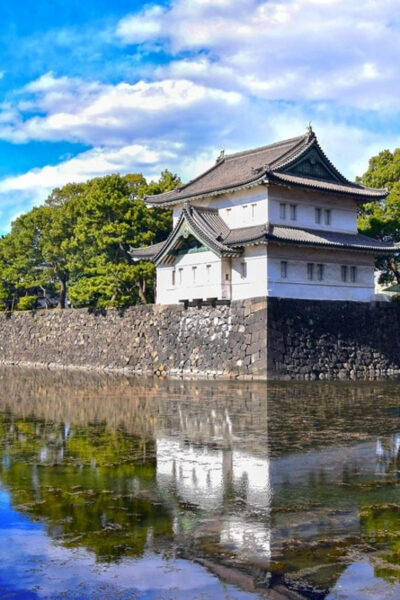
Private City Highlights Tour with Local Guide
Read our review →