
Reviewed · TEMPLE & SHRINE TOURS IN TOKYO
Tokyo Early Morning Tour Asakusa Meiji Shrine (Private Opt)
Early streets, big Tokyo hits. The early morning timing helps you see Asakusa, Tsukiji, Meiji Jingu, and Shibuya Crossing before the afternoon crush. I also like the English-speaking guide who ties the stops together with context so it feels like more than checkboxes.
Because it covers four big sights in about five hours, you’ll keep moving at a steady pace, and the Shibuya Crossing moment is brief. You’ll also want to budget for the transit cost (about 600 yen) and plan for food on your own since meals and drinks are not included.
Key things to know before you go
- Early morning crowd control: Hit the landmarks when sidewalks are calmer and it’s less hot.
- Up to 8 people: Small group size keeps the pace friendly and questions easy.
- Free admissions at each stop: You’re paying mostly for time, routing, and a guide, not tickets.
- Guide-led explanations: Clear storytelling at Sensoji, Tsukiji, Meiji Jingu, and Shibuya.
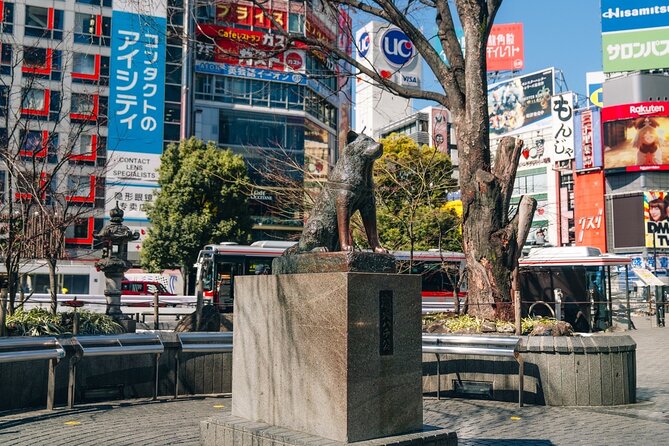
- Ends at Hachiko: A story-heavy finish right outside Shibuya Station is easy to build your next plan.
- Options for private or self-guided: You can choose more structure or more independence.
Early morning Tokyo, one tight route that actually works
This tour is built for people who want a first hit of Tokyo landmarks without spending your whole day figuring out what to do next. The biggest win is the scheduling. You start early, so you’re not fighting the later-day crowds at the most famous sights.
The route is also logical. It moves from traditional Asakusa to Tokyo’s food scene at Tsukiji, then shifts into a quiet forest break at Meiji Jingu, and ends with one of the most chaotic intersections in the world at Shibuya Crossing. If you like order and momentum, this feels like a well-run day.
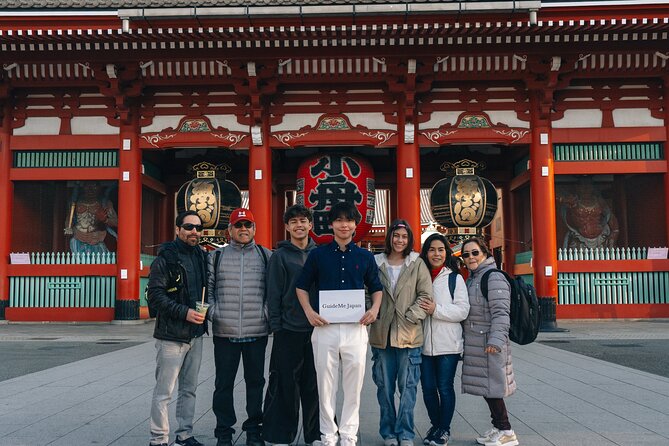
One more practical point I like: the group size caps at 8. That matters because you get more back-and-forth with your guide, especially if you’re traveling with kids, teenagers, or anyone who asks lots of questions.
More Temple & Shrine Tours in Tokyo
- Tokyo: Meiji Shrine, Asakusa, Skytree Bus Tour and Cruise
★ 4.7 · 1,986 reviews - Tokyo: Asakusa Walking Tour with Sensoji Temple Visit
★ 4.8 · 1,583 reviews - Nikko: Kegon Falls, Lake Chuzenji & Toshogu Temple
★ 4.6 · 1,577 reviews
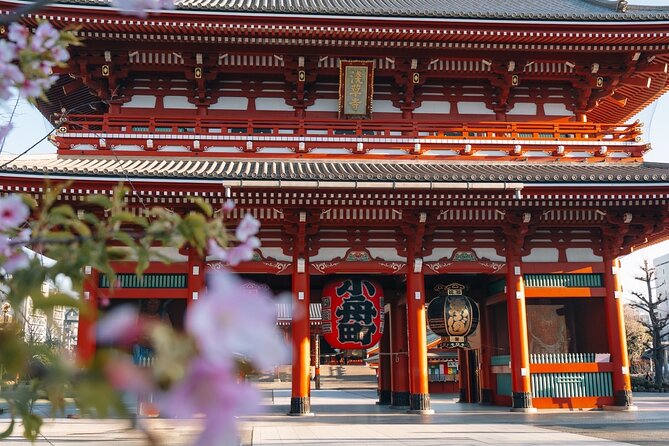
Asakusa and Sensoji: start with Tokyo’s oldest temple vibe
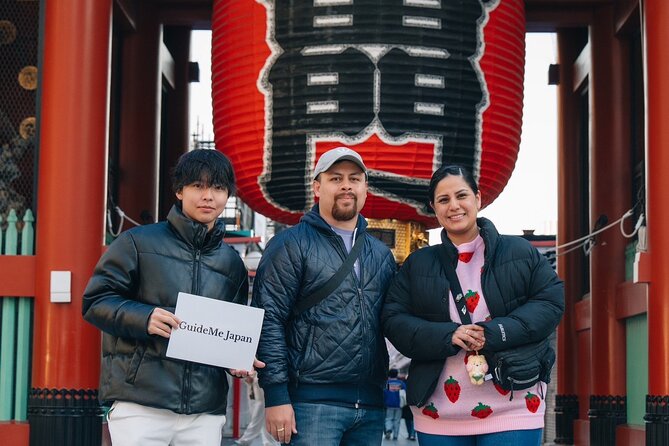
In Asakusa, your main anchor is Sensoji, Tokyo’s famous Buddhist temple. You get about an hour here, so it’s long enough to take in the main area and still keep the day moving.
What makes this stop work best on an early itinerary is the feel. Asakusa blends old-school temple culture with street energy. The morning timing means you’ll likely spend more time looking around and less time stuck in slow-moving lines.
You’ll also run into Nakamise Shopping Street during this period. This is the classic food and souvenir street attached to Sensoji, the kind of place where you can graze and pick up small gifts without it feeling like a chore. Since you’re on a tight route, think of Nakamise as a stroll, not a shopping marathon.
A possible drawback to know up front: because you only have about an hour, you can’t do everything at Sensoji and nearby streets at a leisurely pace. If you want to shop every shop and linger for photos, you may feel a bit rushed.
Tsukiji Fish Market: outer market energy without the inner wholesale chaos
Next comes Tsukiji Fish Market, a stop that food lovers treat like a Tokyo rite of passage. Even though the inner wholesale market moved to Toyosu, the outer area is still active, and it keeps its reputation for great snacks and seafood-focused browsing.
You get about an hour here. That’s actually a smart amount of time for Tsukiji, because you’re not locked into one long sit-down meal. It works well if you want to try a few bites, wander, and understand what makes this area such a big deal in Tokyo.
The best way to use your hour is to pick a simple plan: walk first, then buy second. Start by looking around so you know what you’re drawn to. Then you can decide what to try while your feet are already oriented to the layout.
One more thing that helps: a guide can point you toward good options and local habits, instead of leaving you to guess what’s worth your money and time. If you like asking questions, this is where you’ll get a lot of payoff, because there’s plenty of food culture to explain.
If you’re the type who wants to spend half a day eating your way through Tsukiji, a one-hour window might feel short. But as a landmark stop inside a bigger day, it’s a solid balance.
Meiji Jingu Shrine: the calm forest break you didn’t know you needed
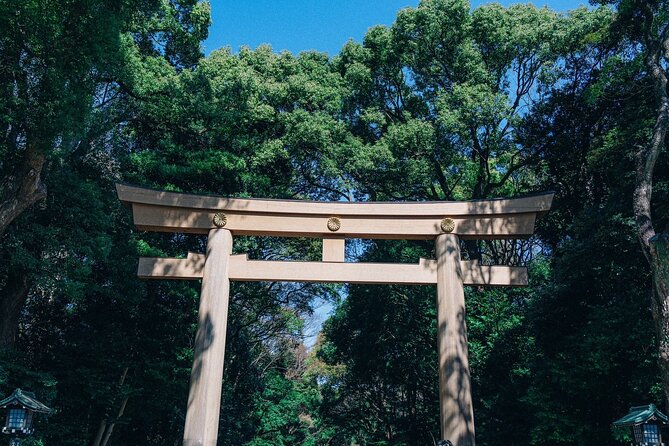
After busy streets, you shift into a totally different mood at Meiji Jingu Shrine. This is a Shinto shrine dedicated to Emperor Meiji and Empress Shoken, and it’s set in a lush, forested area that cools the pace of the whole morning.
You get about 1 hour 30 minutes here, which is longer than the other stops. That extra time matters because shrine grounds feel best when you slow down a bit and let the space settle. Instead of sprinting from photo spot to photo spot, you can actually read signage, watch people’s routines, and notice the sound changes when you step deeper into the wooded area.
The key value for me is the contrast. Without this kind of quiet reset, a day built around crowds can start to feel like sensory overload. Meiji Jingu gives you breathing room, and it makes the day feel more Tokyo-specific, not just Instagram-specific.
The one consideration: you’re still walking a moderate amount across the day. Wear shoes you’re comfortable in, and plan to be steady on your feet.
More temple and shrine tours in Tokyo:
- Tokyo: Nikko Toshogu Shrine and Kegon Waterfall Tour
★ 4.5 · 1,266 reviews - Tokyo Panoramic 1 Day: Meiji Shrine, Asakusa, Odaiba and SKYTREE®
★ 4.5 · 1,222 reviews - Tokyo: Zen Meditation at a Private Temple with a Monk
★ 5.0 · 510 reviews - Mt. Fuji Heritage Tour: Traditional Villages, Lakes & Shrine
★ 4.5 · 509 reviews
Shibuya Crossing and Hachiko: pop-culture chaos with a story finish
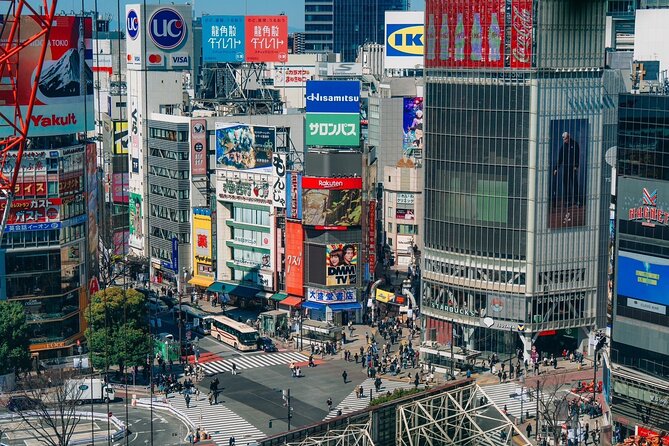
You close the tour at Shibuya Crossing, outside Shibuya Station, where the famous scramble turns a street into a moving, cross-directional pattern. You get about 30 minutes here, which is enough time for a couple of viewpoints and a few photos, without turning it into a drawn-out stop.
This is the kind of place where you either love the energy or you just tolerate it. If you love it, you’ll appreciate how quickly your eyes adapt to the movement, and how the intersection feels like a live set for Tokyo life.
The tour end includes time at the Hachiko Statue, just outside Shibuya Station. Hachiko is known as the loyal dog in Japan, and the story sticks with you even after the tour ends. It’s a strong landing point because once you’re done, you’re already in an easy transit hub for whatever comes next.
The one thing to know: Shibuya is busy by nature. Even early tours can still feel crowded here because it’s a global landmark. The 30-minute window keeps it manageable, so you don’t get stuck in the middle of the flow for too long.
The guide makes the difference, especially when you ask questions
This tour is built around explanation, not just movement. An English-speaking guide helps you connect what you’re seeing to why it matters, and that’s especially helpful at sites where the symbolism is dense.
I’ve seen how this plays out with guides like Hana Tanaka and Kouta. They’re the kind of guides who answer questions on the spot, and they’ll also find the answers if they’re not right away. That matters because Tokyo can feel confusing if you don’t know the cultural context, and it can feel frustrating if signage and customs blur together.
Hana Tanaka in particular is noted for being personable, not stiff. She’s also the kind of guide who can handle different ages in a group, from first-time visitors to families with teenagers. If you’re traveling with kids or you want a day that feels natural, not like a lecture, this is a big plus.
There’s also a practical side. In at least one tour experience, the guide helped people learn how to ride the train, which is a real value on your first Tokyo day. Even if you’re comfortable on your own, a quick “how to not get confused” moment can save stress.
Price and value: what you’re really paying for
The price is listed at $59.46 per person, and that’s a fair way to pay for a day that includes multiple landmarks. The strongest value piece is that admissions at each stop are free, so you’re not paying extra ticket fees on top.
What’s not included is just as important. Food and drinks are on you, and you’ll also pay the local transportation cost (around 600 yen). The tour timing assumes you’ll cover getting between stops and you’ll choose your own snack strategy.
Here’s how I’d budget realistically:
- Allow some cash or card for the about 600 yen transit portion
- Plan at least one or two Tsukiji bites and a drink of your choice
- Keep a little extra for souvenirs from Nakamise Shopping Street and the Asakusa area
If you’re the type who likes structure and you want a guide to reduce uncertainty, this price tends to make sense. If you’re already comfortable navigating and you don’t care about commentary, a cheaper self-guided approach might feel better. The tour does offer flexible options, but the included guide value is where the money is most likely to pay off.
Logistics that matter, from meeting points to walking pace
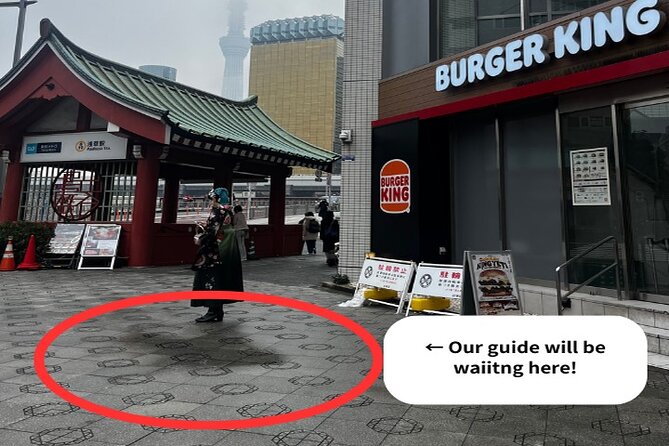
The tour starts at a clear landmark meeting point near public transportation: Burger King Asakusa Azumabashi in Kaminarimon (Taito City). Ending point is equally easy to find: the Hachiko Statue near Shibuya Station.
You should plan on moderate walking. The experience also lists a moderate physical fitness level requirement, so it’s not an all-couch tour. Bring comfortable shoes, especially because the day includes temple paths, market browsing, and city sidewalks.
As for timing, it’s listed around 5 hours (approx.). Some tours may run closer to six hours depending on pace and how many questions you ask. If you have a hard ticket reservation later the same day, give yourself breathing room.
Who this tour suits best
This is a great fit for first-time visitors who want a fast, structured introduction to Tokyo’s big-name highlights. It’s also good for people who hate afternoon crowds and want to avoid the heat factor.
I also think it works well for families and mixed-age groups. The guide approach can adapt to different energy levels, and the stops themselves give both “look and learn” and “walk and snack” options.
If you’re the kind of traveler who wants to linger at each place for hours, this route might feel too scheduled. You’ll likely want a longer independent day for Asakusa and Tsukiji in particular.
Should you book this early morning landmark tour?
If you want a clean, efficient day that hits Asakusa, Tsukiji, Meiji Jingu, and Shibuya Crossing without spending your morning lost, I’d book it. The early timing, free admissions, and small group size make it a strong value for your first Tokyo visit.
Skip it only if you know you dislike guided pacing, or if you want to spend long stretches eating your way through Tsukiji and shopping slowly. In that case, you might prefer a slower plan built around just Asakusa and Tsukiji.
FAQ
How long is the Tokyo Early Morning tour?
It runs for about 5 hours (approx.).
What stops are included in the itinerary?
The tour includes Asakusa, Tsukiji Fish Market, Meiji Jingu Shrine, and Shibuya Crossing.
Are admissions included for the sights?
Yes. Admission is listed as free for each stop.
Do I need to bring money for food and drinks?
Yes. Food and drinks are not included, so you’ll want to plan your own meals and snacks.
Is there an English-speaking guide?
Yes. An English-speaking guide is included.
What’s the group size limit?
The tour has a maximum of 8 travelers.
Can I cancel for a full refund?
Yes, it offers free cancellation, and you can cancel up to 24 hours in advance for a full refund.
Fresh options around Tokyo
- Tokyo: Nikko Kegon Falls Lake Chuzenji Toshogu Temple & More★ 4.9 · 12 reviews
- Tokyo: Samurai History Walking Tour★ 5.0 · 12 reviews
- Harajuku: Kawaii Fashion and Pop-Culture Tour★ 4.7 · 12 reviews
- Tokyo: Mt. Fuji & Lake Kawaguchi Instagram Full Day Trip★ 4.1 · 12 reviews
- Shibuya Tokyo: Modern Kintsugi Workshop in Shibuya★ 5.0 · 12 reviews
- Tokyo: GTR Guided Daikoku Experience at Night★ 5.0 · 12 reviews
- Tokyo: Daikoku JDM Car Culture Tour★ 4.6 · 12 reviews
- Mt Fuji Private Day Trip from Tokyo with English speaking driver★ 5.0 · 13 reviews
Temple & Shrine Tours in Tokyo, compared.
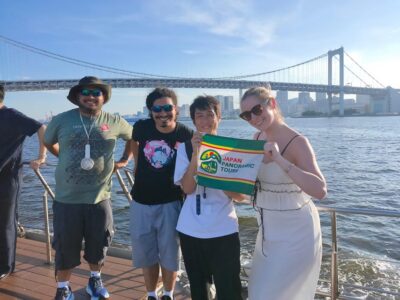
Meiji Shrine, Asakusa, Skytree Bus Tour and Cruise
Read our review →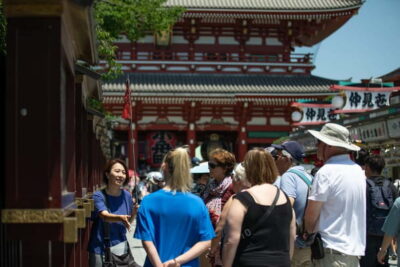
Asakusa Walking Tour with Sensoji Temple Visit
Read our review →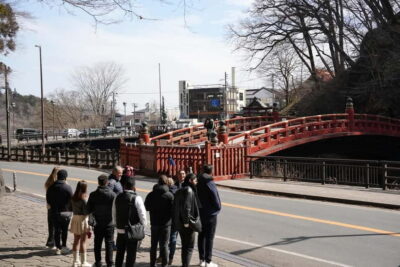
Nikko: Kegon Falls, Lake Chuzenji & Toshogu Temple
Read our review →
Nikko Toshogu Shrine and Kegon Waterfall Tour
Read our review →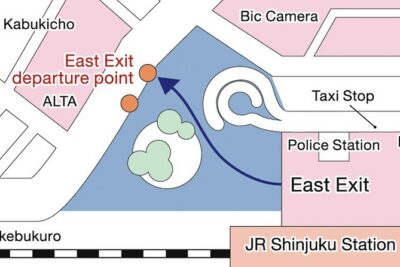
Tokyo Panoramic 1 Day: Meiji Shrine, Asakusa, Odaiba and SKYTREE®
Read our review →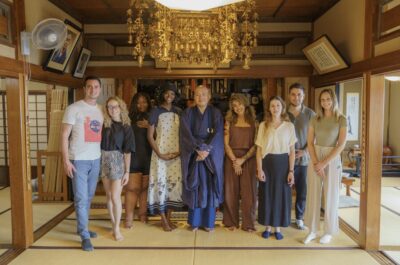
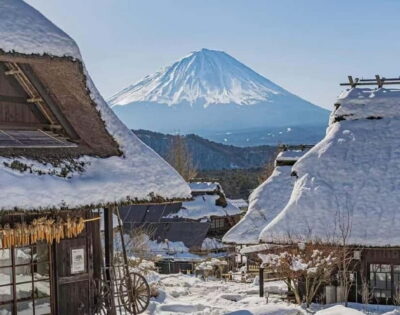
Mt. Fuji Heritage Tour: Traditional Villages, Lakes & Shrine
Read our review →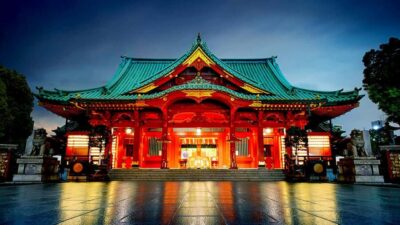
Samurai Entertainment Night Show in Kanda Shrine
Read our review →Browse the lists this tour appears in