
Reviewed · TEMPLE & SHRINE TOURS IN TOKYO
Tokyo: Zen Meditation at a Private Temple with a Monk
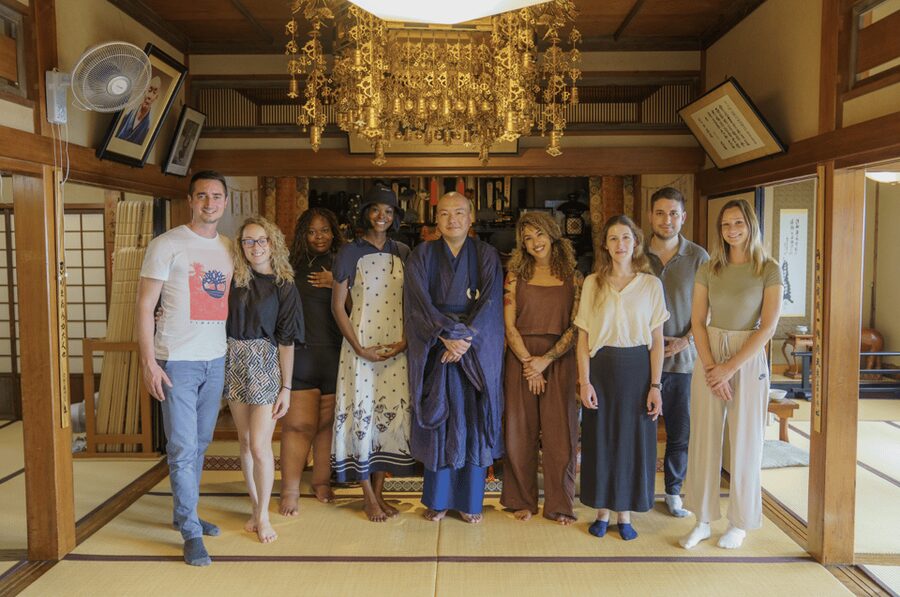
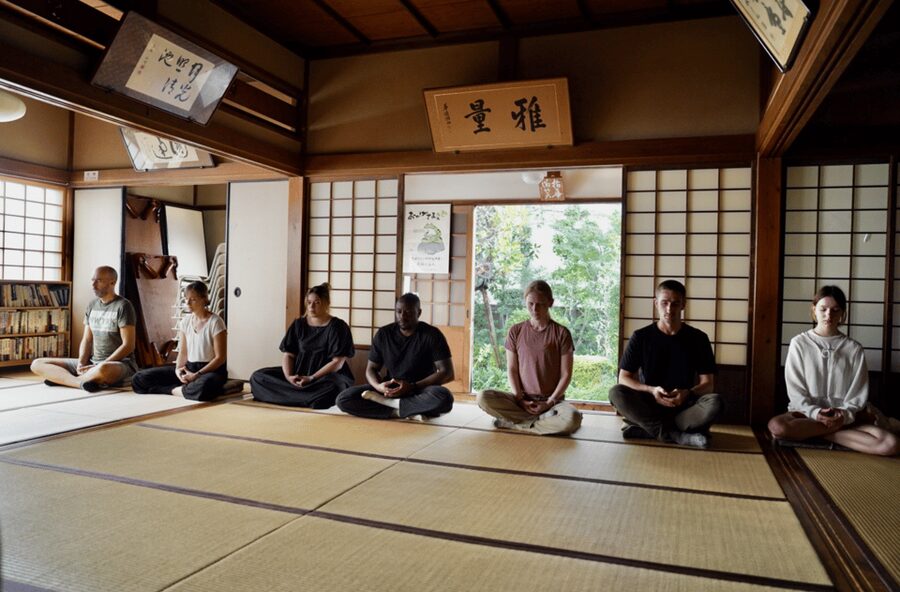
I still think about how quiet a city can feel inside a temple. This private Zen meditation session in Asakusa pairs a monk’s Zazen guidance with a calm, centuries-old setting. You also finish with a matcha tea ceremony and time to ask questions.
What I like most is the hands-on feel. You get real instruction for Zazen (seated meditation) and then actually practice, not just watch. I also love the personal tone, with English translation from guides such as Tamami-san and Kazu, and a monk like Namiki-san who stays patient with questions.
One consideration: the full 90 minutes gets split across multiple activities, so the meditation time can feel short if you’re expecting a long silent retreat.
Key takeaways before you go
- A private temple, away from public crowds in Asakusa, with history said to span 400+ years
- Zazen instruction plus practice, so you leave with a method, not just an idea
- Calligraphy and tea included, which makes the experience feel like more than a single meditation session
- English support is built in, often with guides like Tamami-san or Kazu translating the monk’s talk
- You get Q and A time, including a guided discussion after the sitting and tea
A 400-year Asakusa temple session that feels personal
Tokyo is full of temples you can see from the street, but this experience is different because it happens in a temple that is not open to the general public. You’re going in through a separate entrance, which also helps the visit stay calm and focused instead of turning into a quick sightseeing stop.
The setting matters. You’re in an Asakusa temple associated with Zen practice, with a history spanning more than 400 years. That age shows up in the atmosphere: quiet rooms, a sense of routine, and the way the monk teaches like this is daily life, not a performance. Multiple participants also describe how the scent and stillness inside the temple helped them settle quickly, which makes sense. When you’re surrounded by the same kind of space people use for meditation every day, your brain stops bargaining and starts paying attention.
There’s also something surprisingly grounding about the format. Instead of being rushed from one photo spot to another, you’re led step-by-step toward stillness. Even the breathing emphasis during Zazen feels practical, like someone is giving you a rhythm you can hold onto when your mind starts spinning.
More Temple & Shrine Tours in Tokyo
- Tokyo: Meiji Shrine, Asakusa, Skytree Bus Tour and Cruise
★ 4.7 · 1,986 reviews - Tokyo: Asakusa Walking Tour with Sensoji Temple Visit
★ 4.8 · 1,583 reviews - Nikko: Kegon Falls, Lake Chuzenji & Toshogu Temple
★ 4.6 · 1,577 reviews
The 90-minute flow: Zazen talk, silent sitting, and guided rhythm
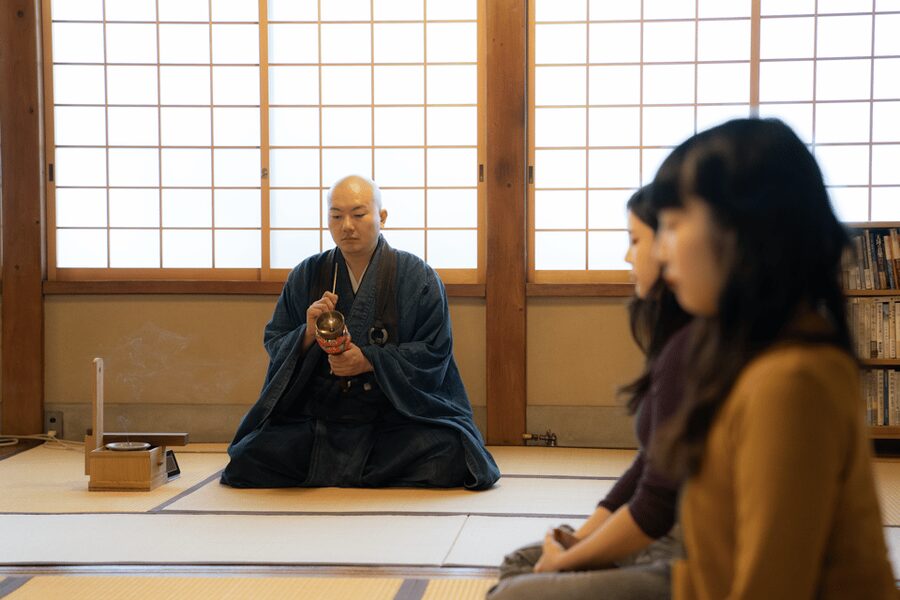
This is a 90-minute experience with an English-speaking guide, and it typically runs like a mini lesson plus practice. The monk begins with principles and techniques of Zazen, the core Zen seated meditation. Then you sit and do it, with supervision and guidance so you’re not guessing what to do with your body or your attention.
From descriptions of how it plays out, it often includes two meditation sittings. People have noted two rounds, around 10 minutes each, sometimes on tatami mats. That structure is helpful because it gives you a chance to experience the start of a meditation session twice. In the first sitting, you learn the basics and settle. In the second, you usually feel more steady because you know what’s coming.
You may also be guided with small cues. One participant specifically called out the use of a stick during meditation as a fun element, which matches the idea that Zen instruction is sometimes very physical and direct, not mystical language. If you like clear direction, that kind of cue can make the practice easier.
The “mind stuff” comes in too. You’re taught how to unify your mind, confront yourself, and detach from ego and worldly concerns. I’d translate that into something simple you can carry out of the temple: don’t fight your thoughts, but don’t follow them either. The guide and monk’s job is to help you notice what your mind does, then return to the present moment.
Calligraphy and chanting: when meditation moves to your hands
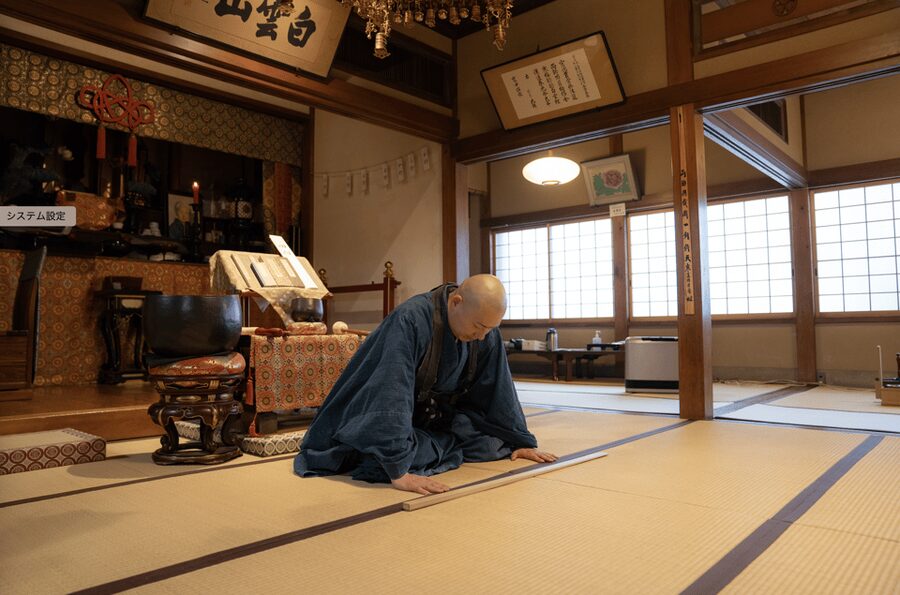
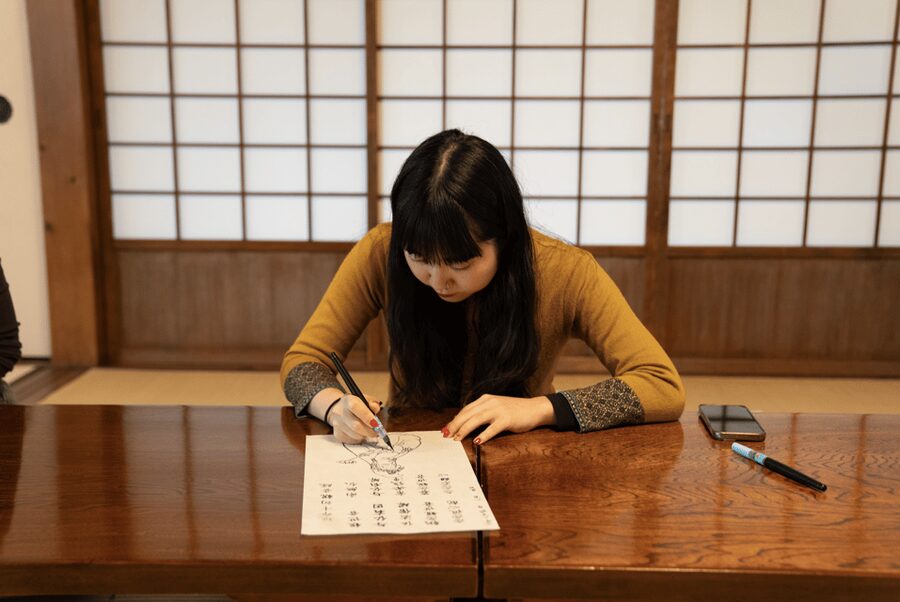
After sitting, the experience adds calligraphy. This is one of the reasons I think this tour is a strong value. You’re not just learning one Zen skill. You’re practicing a second way of focusing, through form, rhythm, and attention.
In past sessions, people have mentioned calligraphy of a sutra and even calligraphy practiced with chanting. That detail is important. Chanting keeps time and structure, and it turns what might look like an art activity into something closer to a moving meditation. Your attention has to stay with the strokes and the sounds, and that naturally pulls you away from mental multitasking.
What I like about calligraphy here is that it isn’t treated like a souvenir workshop. It fits the theme of the day. When you write slowly and carefully, you end up practicing patience without needing extra instructions. One participant even said they kept their calligraphy and planned to hang it somewhere at home, which is a nice way to extend the calm feeling beyond the temple.
Tea ceremony at the end, plus real Q and A with the monk
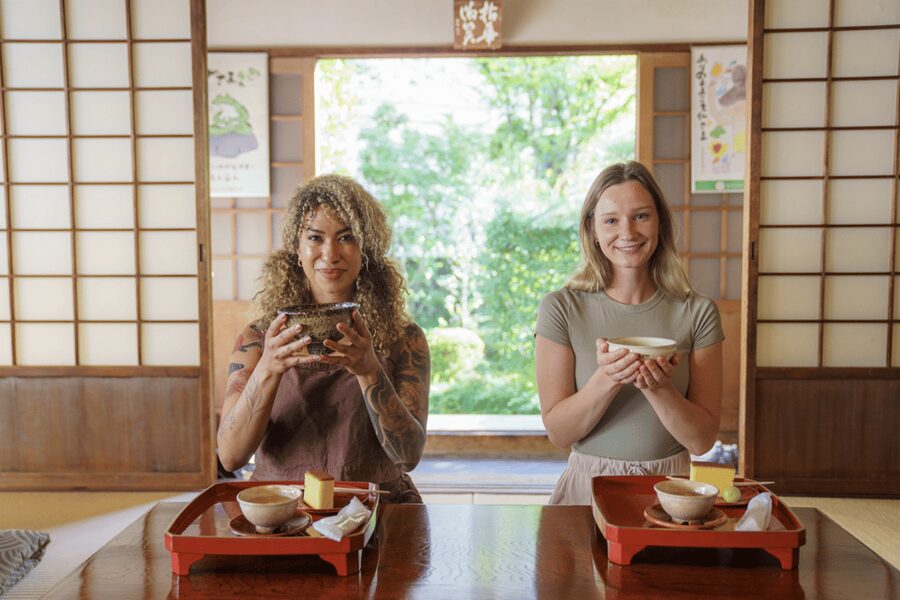
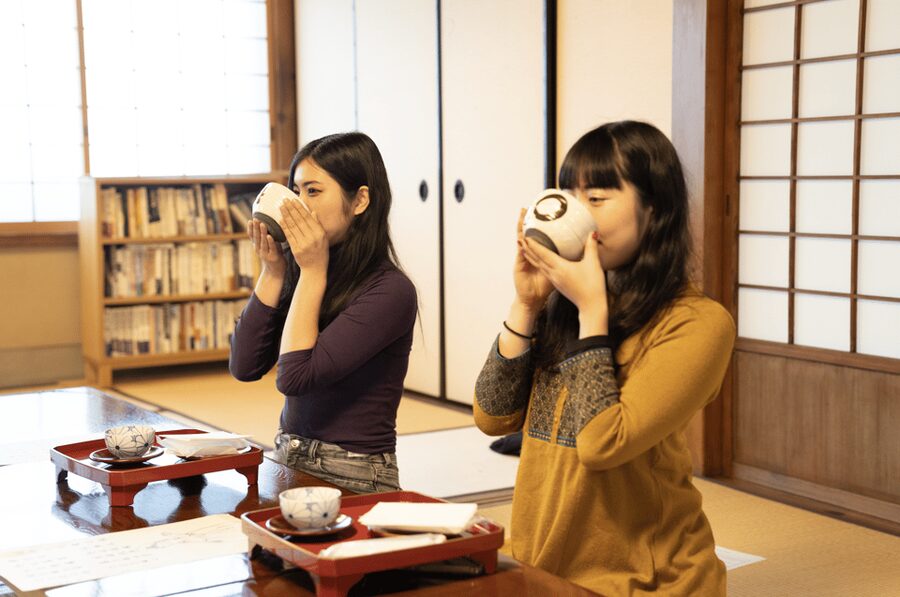
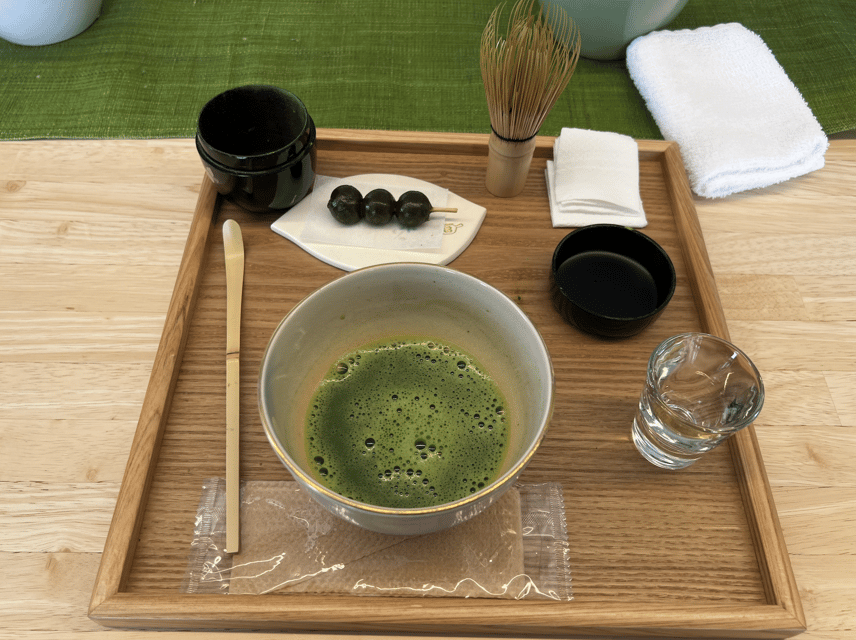
The last part of the experience is matcha, sweets, and conversation. You get a tea ceremony and then a discussion with the monk, often described as free talk or a Q and A session. This is where the Zen teaching turns from technique into everyday meaning.
The questions can cover Japanese culture, temple life, Zen Buddhism basics, and personal stress. In one example, the monk shared practical guidance for handling anger and stress: focus fully on small tasks, keep your environment tidy, avoid comparing yourself to others, and investigate the root of strong emotions. Even if you’re not seeking religion, that kind of advice is useful because it’s not vague. It points to habits you can try immediately.
It’s also a good moment to ask questions you were too distracted to think of during meditation. When you’re sitting, your mind can feel loud. After you stand up and drink tea, your questions tend to come back in a clearer way. Plus, having an English-speaking guide like Tamami-san or Shota makes it easier for the monk’s answers to land in your language.
If you care about memories, photography is also allowed during the visit, including pictures with the monk and inside the temple. Just be respectful with timing and silence, since this is still a sacred space and the mood is part of the point.
More temple and shrine tours in Tokyo:
- Tokyo: Nikko Toshogu Shrine and Kegon Waterfall Tour
★ 4.5 · 1,266 reviews - Tokyo Panoramic 1 Day: Meiji Shrine, Asakusa, Odaiba and SKYTREE®
★ 4.5 · 1,222 reviews - Mt. Fuji Heritage Tour: Traditional Villages, Lakes & Shrine
★ 4.5 · 509 reviews - Tokyo: Samurai Entertainment Night Show in Kanda Shrine
★ 4.6 · 417 reviews
Meeting point near Tawaramachi: Family Mart matters
Logistics here are simple but require a bit of attention. You meet in front of a Family Mart in the Asakusa area, about a two-minute walk from Tawaramachi Station on the Ginza line. There are two Family Mart locations nearby, so you need the correct one. This is worth double-checking before you walk over.
After booking, your guide contacts you through WhatsApp. So download WhatsApp before you go. This is one of those small steps that prevents your day from starting with stress. Once you’re connected, the guide can help you match faces quickly, which matters because you’re entering a private temple experience that runs on a tight 90-minute schedule.
One more practical detail: the tour includes skip-the-line access through a separate entrance. That helps keep the experience smooth, and it also supports the “quiet and private” feel.
Price and value: what $55 gets you in Tokyo
At $55 per person for 90 minutes, this isn’t a bargain deal like a street museum ticket. But it also isn’t an overpriced gimmick. The value comes from a few specific things you’re unlikely to get elsewhere in Tokyo at this level of access.
First, you’re paying for a monk-led teaching inside a temple that is not for general public entry. That access is the core value. Second, you get English guidance throughout, which matters in meditation. Zazen instruction can be subtle, and having translation helps you practice the right things rather than guess. Third, you’re getting multiple components included: the meditation itself, entry to the temple, and matcha tea.
The calligraphy add-on is also part of the value. It turns the session into a complete cultural and mindful experience, not just a sitting block. If you’re the kind of person who learns better with variety, this format will feel well-balanced.
The only cost-related tradeoff is time. Because the total is 90 minutes, the experience packs in lecture, sitting, calligraphy, tea, and conversation. If your personal goal is a long meditation retreat day, you may wish there were more silent time. If your goal is a focused introduction you can actually finish in a day of sightseeing, 90 minutes is a very workable length.
Who should book this Zen meditation, and who might not love it
You’ll likely enjoy this if you want something calmer than typical Tokyo tours. It’s a good fit for first-timers to meditation who still want clear instruction. Multiple participants describe how the session feels grounding, relaxing, and intimate, and how it helps them start the day with perspective.
It also works if you’re curious about Zen Buddhism beyond stereotypes. The monk teaching, the Q and A, and the blend of Zazen, calligraphy, and tea gives you more than one angle on the practice.
You might think twice if you strongly prefer purely silent activities. Even though you do sit in silence, the session includes instruction and additional cultural elements. A participant suggested that the meditation could be longer, which lines up with the structure. So if your perfect day is 60 to 120 minutes of silence only, this might feel like a taste rather than a feast.
Should you book Zen meditation at a private temple?
If you want one Tokyo experience that slows you down and teaches you something you can use at home, I’d book it. The combination of Zazen practice, calligraphy, and matcha tea, plus the monk’s time for questions, gives you a full mindful package for $55.
Book it especially if you like experiences where you’re not just looking, you’re participating. Just plan to arrive on time at the correct Family Mart, and bring your best attitude for sitting still. If you do that, this tour tends to leave people feeling centered, not overwhelmed.
FAQ
How long is the Zen meditation experience?
The experience lasts 90 minutes.
What is included in the price?
It includes the Zen meditation experience, a guide, entry to the temple, explanation from the monk, and matcha tea.
Is transportation included?
No. Transportation is not included.
Where do I meet the guide?
Meet in front of a Family Mart in the Asakusa area, about 2 minutes from Tawaramachi Station on the Ginza line.
What if there are two Family Mart locations?
There are two branches in that area, so make sure you go to the correct Family Mart.
Does the guide contact you before the tour?
Yes. The guide contacts you through WhatsApp, so you should download WhatsApp before the tour.
Is the tour taught in English?
Yes, the tour guide speaks English.
Is there a way to avoid lines?
Yes, there is skip-the-line access through a separate entrance.
Can I take photos during the temple visit?
Yes, photos are allowed, including photos with the monk and within the temple.
FAQ
Is free cancellation available?
Yes. You can cancel up to 24 hours in advance for a full refund.
What happens at the end of the experience?
You end with a matcha tea ceremony and a discussion with the monk.
Fresh options around Tokyo
- Tokyo: Nikko Kegon Falls Lake Chuzenji Toshogu Temple & More★ 4.9 · 12 reviews
- Tokyo: Samurai History Walking Tour★ 5.0 · 12 reviews
- Harajuku: Kawaii Fashion and Pop-Culture Tour★ 4.7 · 12 reviews
- Tokyo: Mt. Fuji & Lake Kawaguchi Instagram Full Day Trip★ 4.1 · 12 reviews
- Shibuya Tokyo: Modern Kintsugi Workshop in Shibuya★ 5.0 · 12 reviews
- Tokyo: GTR Guided Daikoku Experience at Night★ 5.0 · 12 reviews
- Tokyo: Daikoku JDM Car Culture Tour★ 4.6 · 12 reviews
- Mt Fuji Private Day Trip from Tokyo with English speaking driver★ 5.0 · 13 reviews
Temple & Shrine Tours in Tokyo, compared.
Meiji Shrine, Asakusa, Skytree Bus Tour and Cruise
Read our review →
Asakusa Walking Tour with Sensoji Temple Visit
Read our review →
Nikko: Kegon Falls, Lake Chuzenji & Toshogu Temple
Read our review →
Nikko Toshogu Shrine and Kegon Waterfall Tour
Read our review →
Tokyo Panoramic 1 Day: Meiji Shrine, Asakusa, Odaiba and SKYTREE®
Read our review →
Mt. Fuji Heritage Tour: Traditional Villages, Lakes & Shrine
Read our review →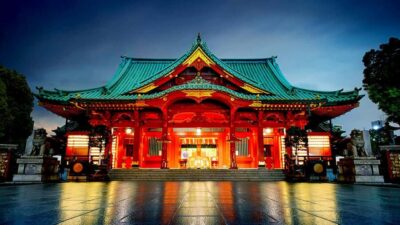
Samurai Entertainment Night Show in Kanda Shrine
Read our review →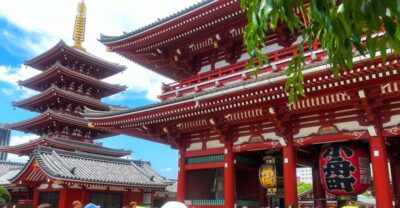
Asakusa and Tokyo’s Oldest Temple Senso-ji Tour
Read our review →Browse the lists this tour appears in