
Reviewed · MORNING
Sumo Morning Training Watch in Tokyo,Hotel-pickup w/English guide
Waking up early is worth it for sumo. This sumo morning training tour takes you to a working stable in Tokyo, not a staged performance, with an English-speaking guide who helps you understand what you’re seeing. You’ll watch drills, serious practice bouts, and the small rituals that make sumo feel so different from other sports.
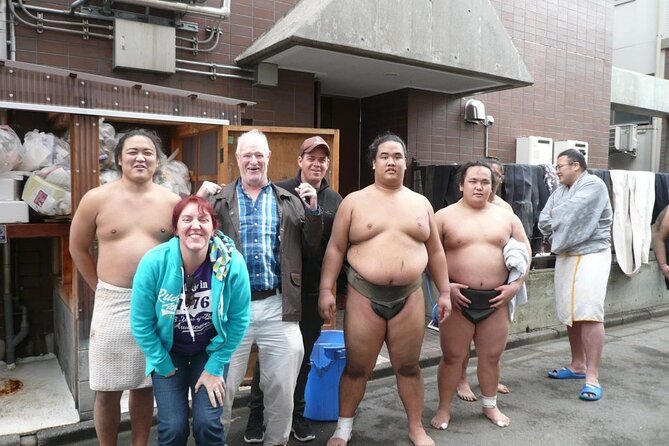
I especially like the hotel pickup included, because it removes the first big stress of an early start. I also like the way the tour gives you context, with English support and time to ask questions so the sport makes sense, fast. Seeing wrestlers up close, and having a photo chance at the end, turns a simple viewing into a real memory.
One drawback to plan for: this is a 7:30 am start and the stable visit runs about 3 hours, so you’ll want an easy morning and comfortable walking shoes. Also, food is not included, so plan to eat before or after on your own.
Key things that make this tour worth your morning
- Real stable access: You visit an authentic sumo stable where training and practice bouts actually happen.
- Hotel pickup: Your guide meets you at your hotel, which helps a lot when schedules are tight and it’s still early.
- English guidance during a silent sport: Sumo practice is structured so you can watch closely while your guide explains what matters.
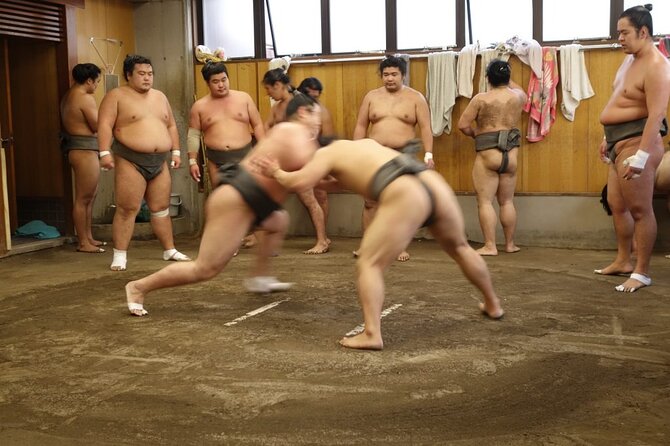
- Up close training details: You’ll see basic strength exercises, plus practice matches between rikishi (sumo wrestlers).
- Photo time depends on the schedule: Some sessions include a chance to take photos with wrestlers at the end.
Sumo training at a real Tokyo stable, not a staged show
This tour’s core appeal is simple: you’re going to a genuine sumo stable and watching training as it’s done for real. Sumo isn’t built for casual sightseeing, and that’s exactly why this feels authentic. In many stables, guests are expected to be quiet while wrestlers train, so you get the sense of discipline and focus rather than a performance vibe.
Your guide helps you read what’s in front of you. In past tours, guides like Hiromi and Koichiro have led groups through the basics, including how training is organized and what actions mean. That matters because sumo is full of small signals, from posture and footwork to how wrestlers reset and respond during drills.
Another plus is proximity. Several guides and groups note how close you can get to the ring area. When you’re near the action, you don’t just see size, you feel the effort. The contact and impact are part of what makes training so intense to watch.
More sumo experiences in Tokyo:
- Tokyo: Sumo Show Experience with Chicken Hot Pot and a Photo
★ 4.8 · 6,678 reviews - Tokyo: Sumo Show and Dining Experience
★ 4.8 · 2,742 reviews - the SUMO show
★ 5.0 · 1,960 reviews
Hotel pickup and the 7:30 am start time
The tour starts at 7:30 am, and that early timing is a feature, not a bug. If you want the real training mood, you have to show up while the stable is in its working rhythm. This is why the hotel pickup is such good value. You are not left figuring out rail transfers at dawn with a deadline.
Pickup is included, but hotel drop-off is not. In practice, this means you’ll return on your own or with your guide to a transit point depending on the flow of the day. Many guides do guide you back to a station at the end, so you’re not stranded, but you should still plan for the final steps on your own.
Max group size is 15 travelers, which usually keeps things calm and easier for your guide to manage. It also helps if you want time to ask specific questions, especially because sumo training itself has quiet rules.
Your English guide: what they do before, during, and after training
You’re traveling with a nationally-licensed English-speaking guide, and you’ll feel the difference in how the morning moves. The big value is not just translation. It’s that your guide turns a confusing sport into something you can track in real time.
A common pattern is: background first, then watch. Guides may provide handouts and quick explanations so you understand basic terms, the structure of training, and what to look for. Some tours also point out what’s important to notice, and in a few cases your guide might use tools like a dry-erase board during the matches to keep communication simple while staying quiet in the stable.
During the action, there’s typically no chatting while wrestlers are training. The trade-off is worth it: you get to watch without the distraction of constant explanations. Then your guide creates time after training to talk through what you saw and answer questions.
Guides you may encounter include Hiromi, Koichiro, Midori, Atsushi, Tadashi Umebayashi, Yuka, and Mari. The style varies by person, but the theme stays consistent, friendly help plus clear explanations that make the sport click.
What happens in the 3-hour session: drills, serious practice bouts, and photos
This is not a quick peek. The stable training visit is about 3 hours (approx.), and it’s structured around how a morning session typically runs.
Here’s the flow you should expect:
- Basic sumo exercises
This includes conditioning and muscle-strength work. You may see drills aimed at legs and hips, plus upper body exercises. This part can feel technical if you don’t know what you’re looking at, but your guide should connect the movements to sumo performance.
- Practice matches (serious bouts)
This is the part most people came for. You’ll watch practice bouts between two rikishi at a time. These are not random sparring. Training bouts are serious, and you can often see strategy in how wrestlers commit and reset.
- After-session photo opportunity (schedule depending)
Depending on the stable and the timing, you may get a chance to take photos with wrestlers after training. Reviews mention photo time at the end as a standout moment, so it’s worth being ready for that moment emotionally, even if it’s not guaranteed for every session.
A key detail: the schedule can vary by session and stable, so your exact order may shift. But the “exercises, then practice bouts, then possible photos” rhythm is the consistent backbone of the experience.
A few more Tokyo days worth comparing
- Mt Fuji and Hakone 1-Day Bus Tour Return by Bullet Train
★ 5.0 · 26,383 reviews - 1-Day Tokyo Bus Tour
★ 5.0 · 14,250 reviews - Tokyo: TOKYO SKYTREE® Admission ticket
★ 4.5 · 11,192 reviews - Tokyo: teamLab Planets TOKYO Digital Art Museum Entry Ticket
★ 4.6 · 9,779 reviews
How the guide helps you understand the rules and rituals
Sumo looks simple if you only watch tournament highlights. Up close, it’s more like controlled chaos with a lot of rules and routine. Your guide’s job is to help you connect the dots without overwhelming you.
You’ll likely learn:
- Why rituals matter and how they show respect within the stable
- Basic rules so you can follow the match without guessing
- What different actions mean so you recognize the difference between setups and real attempts
Some guides also bring tools like written notes or sketched explanations during the session, which helps you learn visually. When you’re standing there and trying to watch what matters, that kind of support turns confusion into understanding quickly.
One thing to keep in mind: the stable experience is not set up for constant conversation. You’ll learn in phases, briefing, watching, then Q&A after. If you like quiet observation, this will feel natural.
Getting to the stable: public transit, walking, and your shoe choice
Even with hotel pickup, the trip to the stable is often done using public transportation, and you may do some walking. Some groups note subway segments plus short walks and occasional bus legs depending on the route and stable location.
Two practical tips from the way guides handle this:
- Get a Suica or similar transit card before you go, so you’re ready without hunting for ticket machines mid-morning.
- Wear good walking shoes. Stable areas can require walking on uneven sidewalks or short stretches where you’ll be glad your feet are comfortable.
Also, stables can be hard to find on your own. Having your guide leads the way is not just convenient, it saves time and reduces the chance you arrive late and miss the start of training.
Price and value: what $159.88 buys you (and what it doesn’t)
At $159.88 per person, this isn’t the cheapest way to see sumo in Tokyo. But it does bundle three things that are hard to assemble yourself on a tight morning:
- Hotel pickup
- A licensed English-speaking guide
- A visit to a real stable with structured access to watch training and practice bouts
That’s real value if you want the easiest path to an authentic experience. If you’re comfortable navigating transit, you might find standalone options. But without a guide, you lose the explanation layer that helps you interpret the sport, plus you may lose the built-in timing that keeps you from arriving after the action starts.
What’s not included is also important:
- No hotel drop-off
- No food and drink
So think of this as a morning “event ticket” plus guide support, not a full day tour with meals. Plan breakfast before you’re picked up, and keep a light snack or money for something after.
Who should book this sumo morning training tour
This tour fits best if you:
- Want an authentic, behind-the-scenes view of professional training
- Appreciate structure and explanations, even if the sport itself is quiet during practice
- Like sports and want to understand the craft, not just the outcome
It can also work well for first-time sumo fans because guides are there to teach you what matters. In fact, many groups say this is a great starting point if you have only basic familiarity with sumo rules.
You might consider another option if:
- You don’t handle early mornings well (7:30 am is the real deal)
- You need frequent breaks or a chatty guide throughout the match, since stable rules typically require silence during training
- You’d rather spend less money and do the visit at your own pace
Quick practical tips so your morning goes smoothly
- Bring your transit card ready for public transport segments.
- Wear shoes you can walk in without regret.
- Expect a quiet environment during training, so don’t plan to chat during the bouts.
- Eat before the tour, because food and drink are not included.
- If photos with wrestlers are on the schedule for your session, follow your guide’s cues so you’re ready when the moment comes.
Should you book this sumo morning training tour?
Book it if you want the simplest route to a real stable training session with English support and hotel pickup. The price makes sense for people who value logistics and interpretation, and the experience is short enough to fit into a Tokyo trip without eating the entire day.
Skip it if you’re hunting for a relaxed, late-start sightseeing style or you want meals included. This is a focused morning with serious training at the center.
If you want sumo the way it’s practiced, not the way it’s packaged, this tour is one of the most direct ways to get there.
FAQ
What time does the Sumo Morning Training tour start?
The tour starts at 7:30 am.
How long is the tour?
The duration is about 3 hours (approx.).
Is hotel pickup included?
Yes. Hotel pickup is included. Hotel drop-off is not included.
Does the tour include an English-speaking guide?
Yes. You get a nationally-licensed English-speaking guide.
Is food and drink included?
No. Food and drink are not included.
Do I need to bring a transit card or plan for walking?
The tour involves getting to the stable, and practical advice from the experience is to be ready for public transit and some walking, so having a Suica card and good walking shoes helps.
How many people are in the group?
The tour has a maximum of 15 travelers.
Will I be able to take photos with the wrestlers?
There may be a chance to take photos with the wrestlers after the session, depending on the schedule.
What dates is the program not available?
It is not available on May 10 – June 5, June 26 – August 6, September 13 – October 8, and October 23 – December 3 of 2025.
What’s the cancellation policy?
You can cancel for a full refund up to 24 hours in advance of the experience start time. If you cancel less than 24 hours before, the amount paid is not refunded.
Fresh options around Tokyo
- Tokyo: Nikko Kegon Falls Lake Chuzenji Toshogu Temple & More★ 4.9 · 12 reviews
- Tokyo: Samurai History Walking Tour★ 5.0 · 12 reviews
- Harajuku: Kawaii Fashion and Pop-Culture Tour★ 4.7 · 12 reviews
- Tokyo: Mt. Fuji & Lake Kawaguchi Instagram Full Day Trip★ 4.1 · 12 reviews
- Shibuya Tokyo: Modern Kintsugi Workshop in Shibuya★ 5.0 · 12 reviews
- Tokyo: GTR Guided Daikoku Experience at Night★ 5.0 · 12 reviews
- Tokyo: Daikoku JDM Car Culture Tour★ 4.6 · 12 reviews
- Mt Fuji Private Day Trip from Tokyo with English speaking driver★ 5.0 · 13 reviews
Morning, compared.
Kyoto Early Morning Tour with English-Speaking Guide
Read our review →Early Morning Tour with English-Speaking Guide
Read our review →
World Heritage Shirakawa-go Morning Guided Tour
Read our review →
Nara Early Morning Tour (Kyoto or Osaka Departure Available)
Read our review →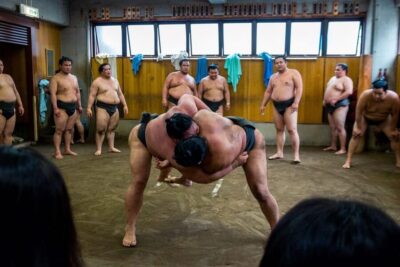

Hiroshima in a Nutshell: Morning Bike Adventure
Read our review →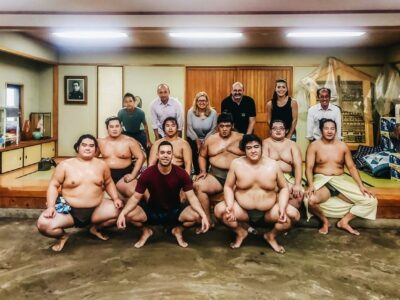
Browse the lists this tour appears in