
Reviewed · LUNCH EXPERIENCES
Tokyo: Mt.Fuji & Lake Kawaguchiko 1-Day Bus Tour w/Optional Lunch
Mt. Fuji from Tokyo, minus the stress. This day trip is built for big Mt. Fuji views and easy logistics, with central transfers and live guide commentary. I like that the stops are timed for photography, not just check-the-box browsing, and that you get both famous viewpoints and calmer village time. One tradeoff: you will climb stairs at key viewpoints, and Mt. Fuji visibility depends on weather, so you cannot plan around guaranteed blue-sky peaks.
What really makes this outing feel worth your time is how the itinerary stacks perspectives. You go from the iconic Chureito Pagoda scene to Lake Kawaguchiko’s craft stops, then to flower viewpoints at Oishi Park, and finish at Saiko’s thatched-roof village. If you want a day that feels efficient but still varied, this hits that sweet spot.
A final heads-up: this is a long day (about 9 to 10 hours), and you end back in Shinjuku, not at your hotel. If your dinner plans are tight, build in a buffer for traffic and weather changes.
Key things to notice before you go
- Central Shinjuku meeting point makes the day start simple and end back where Tokyo life is
- Live commentary on the bus helps you connect the dots between views, shrines, and local crafts
- Photo stops with Fuji from multiple angles rather than one viewpoint only
- Optional lunch upgrade if you want less decision-making and a proper sit-down meal
- Stairs are part of the deal, especially near Chureito Pagoda and at the observation deck
- Smallish group feel with a maximum of 94 people on board
The value of a guided Mt. Fuji day trip from Shinjuku
At about $78 per person for a 9 to 10 hour outing, this is not a bargain, but it is a practical purchase if you are optimizing your time in Tokyo. You are paying for three things that are hard to replicate solo without extra planning: smooth transportation, a planned route that hits the main photo and culture zones, and a guide who keeps the schedule moving.
The tour also avoids one common first-time Japan headache: figuring out which rail lines, bus transfers, and departure times best match your day. Here, you board an air-conditioned vehicle in Shinjuku, get live narration as you travel, and return to the same Tokyo area in time for dinner.
You will not have hotel pickup or drop-off. You meet at Shinjuku Post Office near the Shinjuku Station West Exit area, and you end back there. That is good if you are already near Shinjuku, and it is annoying if you are far across town.
More Mt Fuji tours from Tokyo:
- Mt Fuji and Hakone 1-Day Bus Tour Return by Bullet Train
★ 5.0 · 26,383 reviews - Mt Fuji & Hakone Cruise, Drum Show Bullet Train 1 Day from Tokyo
★ 4.0 · 7,413 reviews - Tokyo Mt Fuji 5th St & Hakone Cruise Bus Tour w/Bullet Train
★ 4.4 · 5,024 reviews
Entering the Fuji zone at Chureito Pagoda, Arakurayama Sengen Park
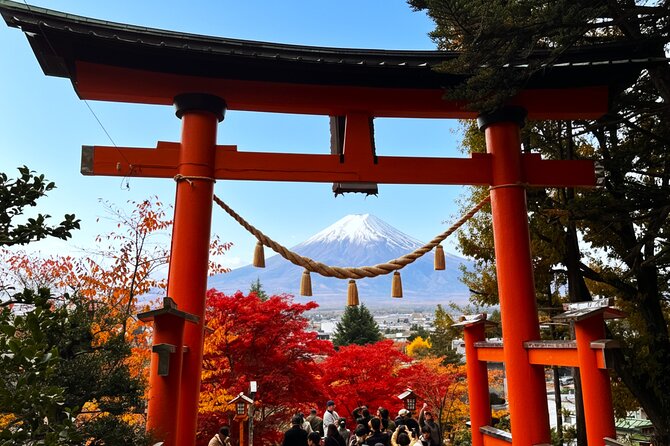
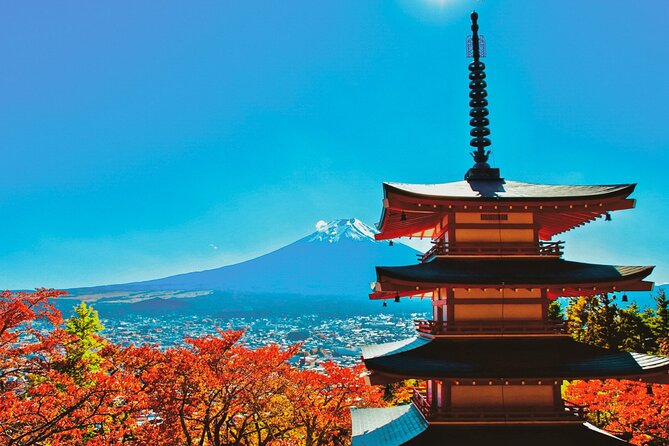
Your first big moment is Mt. Arakurayama Sengen Park, the spot famous for the Chureito Pagoda scene, where the pagoda frames Mt. Fuji in the background. You start with a climb up stairs to reach the viewpoint, and it is one of those places where you will feel the hype immediately once you crest the top.
The upside of this first stop is pacing. Early in the day often means calmer conditions and better odds of clear views before clouds move in. Even if the mountain is partly hidden, this area still gives you a strong sense of why Mt. Fuji is such a cultural icon in Japan.
The possible drawback is physical. You should treat this as a moderate stair experience. If stairs make you nervous, plan on taking it slow, stopping for photos, and keeping your footing in winter or after rain.
A second viewpoint break: Niikurayama Asama Park observation deck
One itinerary stop includes Niikurayama Asama Park Observation Deck, reached after climbing 398 steps. That is a clear signal that this tour is not only about standing still for photos. You are trading effort for reward: the higher platform is built for seeing Mt. Fuji from above the surrounding hills.
This is one place where your timing matters. If you are hoping for the cleanest visibility, being at the deck when the air is clear is your best bet. The guide’s job here is useful, because they watch conditions and help you make sense of what you are seeing.
Bring a realistic attitude: if the view is hazy, you will still come away with a sense of the region’s scale. Mt. Fuji is part mountain, part weather story.
Lake Kawaguchiko time: craft browsing and optional lunch
Lake Kawaguchiko is where the trip turns from pure viewpoint mode into lakeside Japan. You head to the northern side area and spend time at Kawaguchiko Craft Park, with time for a stroll by the water.
This is also where lunch fits in. Your lunch is either at your own expense or available as an upgrade, depending on what you booked. If you choose the lunch option, you can simplify your day because you are not hunting for a restaurant while buses are loading and unloading around you.
I like this setup because it gives you flexibility. If you eat light and snack your way around, you can keep moving. If you want a real sit-down meal, the included lunch option can be a relief on a long day.
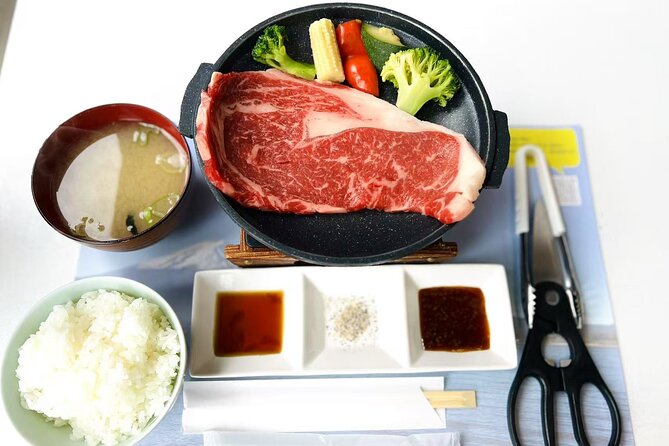
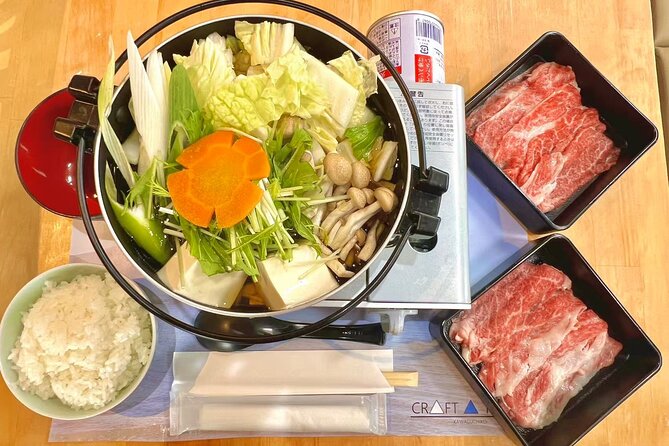
Past lunch choices mentioned by guests include Japanese meals and steak upgrades such as Kobe beef. Others have noted noodles as well. The key point is that this tour is designed so lunch does not become a scheduling problem.
A few more Tokyo days worth comparing
- 1-Day Tokyo Bus Tour
★ 5.0 · 14,250 reviews - Tokyo: TOKYO SKYTREE® Admission ticket
★ 4.5 · 11,192 reviews - Tokyo: teamLab Planets TOKYO Digital Art Museum Entry Ticket
★ 4.6 · 9,779 reviews - Tokyo: Sumo Show Experience with Chicken Hot Pot and a Photo
★ 4.8 · 6,678 reviews
More lakeside culture stops: shrines, trains, crafts, music, and art
Between the main stops, the route includes several culture-minded side stops around the Kawaguchiko area. Expect shorter visits that feel like a sampling platter rather than a full museum day.
Some of the named stops you may see along the way include:
- Shinkura Fuji Sengen Shrine, a historic shrine founded in 750 AD, with a five-storied pagoda symbol
- Shimoyoshida Station Blue Train Terrace, a rail-themed spot with cultural character
- Oishi Tsumugi Traditional Craft Museum, focused on traditional silk techniques connected to the Edo period
- Kawaguchiko Music Forest, a music-themed park with a European Alps atmosphere
- Itchiku Kubota Art Museum, tied to the Tsujigahana dyeing works and set with views toward Mt. Fuji and the lake
Not every stop will feel equally important to everyone, but the mix is smart. Mt. Fuji is not only a mountain you photograph, it is a cultural magnet. These stops help you understand why the region leans into crafts, art, and seasonal spectacle.
If you are the type who loves shops, this is good news. If you prefer quiet walking over showy attractions, keep your priorities in mind and use the lake time for decompression.
Oishi Park and flower season photography
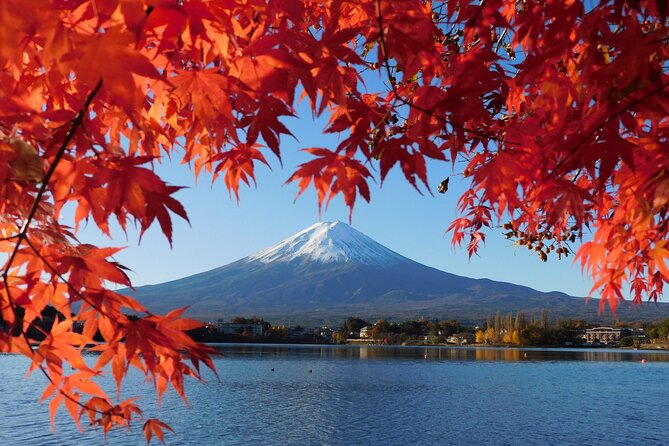
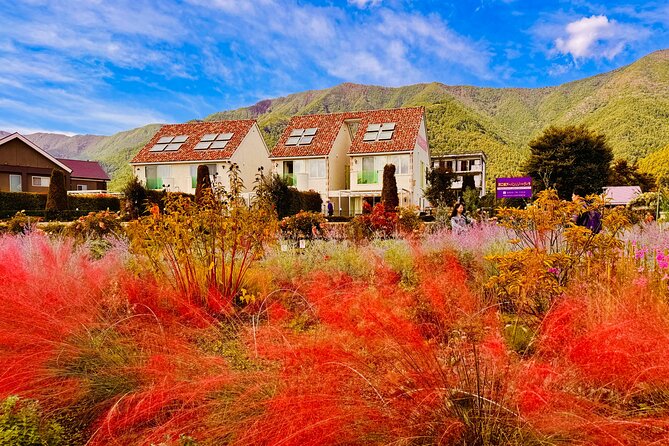
Oishi Park is a classic Fuji photo stop, especially for travelers who want the mountain reflected in a lakeside scene. The park is known for seasonal flower displays, with pathways that make it easier to find angles rather than just wandering randomly.
This is where you see the tour’s emphasis on multiple perspectives pay off. Chureito gives you the iconic pagoda silhouette. Oishi gives you Fuji paired with flowers and the calmer rhythm of the lake.
You typically get around 30 minutes here, which is enough for a few photo rounds if you keep your expectations focused. The main trick is to arrive with your own plan for where you want to stand and what kind of shot you want, because that time goes quickly once the views are good.
If the mountain is slightly hidden, you can still photograph flower beds and the lakeshore vibe, but your “wow” factor will depend on visibility.
Saiko Iyashi no Sato Nenba: the thatched-roof village finale
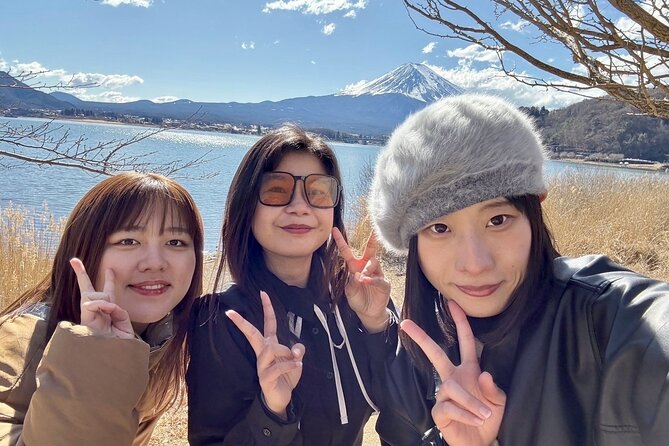
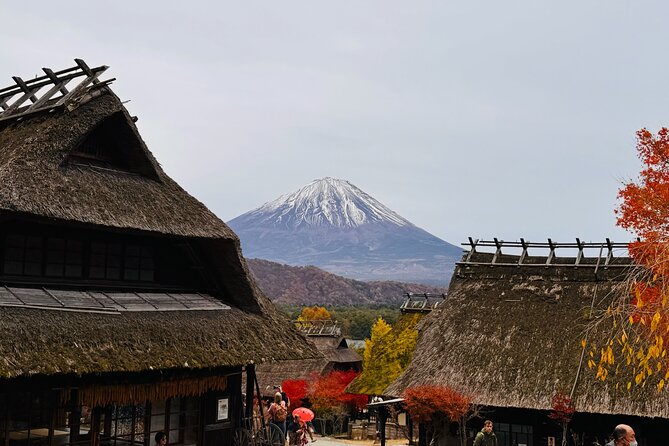
The final stop is Saiko Iyashi no Sato Nenba, a traditional village on the shore of Lake Saiko. Admission here is included, and you get about an hour to stroll the village and take in the thatched-roof houses.
This is a great ending choice because it changes the emotional tone of the day. Earlier you are climbing, photographing, and moving from place to place. Here you slow down. The village gives you a sense of how rural Japan shaped daily life before modern roads and crowds.
It also helps that Lake Saiko can feel more relaxed than the busier lake zones. Even if you are tired, this stop is built for wandering at a human pace.
How the bus ride, live commentary, and timing really work
The bus portion is not filler here. You get live commentary as you are driven around, and the guide’s job is to translate what you are seeing into something meaningful and useful.
From the guides highlighted by past guests, the common thread is how they manage time based on weather and visibility. If Mt. Fuji is clear, they push you toward the best viewpoints. If clouds roll in, they still keep the day moving and help you find the value in what is visible.
You might also hear commentary in English and Chinese depending on the group mix. Either way, you get better context than you would from signage alone.
The day runs about 9 to 10 hours, and you return to Shinjuku in time for dinner. That matters because one of the biggest problems with self-guided Fuji day trips is losing track of time and ending up stuck late.
Also note the tour does not necessarily include breaks long enough for a full standalone meal plan outside the lunch window. The schedule respects the group clock, not your personal curiosity loop. That is a good thing if you want an easy day.
Price, comfort, and what you are actually paying for
Let’s talk value. For $77.96, you are paying for:
- Air-conditioned vehicle transport
- Live guide commentary
- Planned stops that bundle Mt. Fuji viewpoints and lakeside culture
- A structured day that returns you to Shinjuku
Some parts of the itinerary are marked as free admissions at the viewpoints and parks, while the Nenba village admission is included. You are not paying entry fees at every stop, and you are also avoiding the cost and time of building the route yourself.
The comfort level sounds solid as well. Guests have described the bus as clean and well maintained, with a smooth ride. That is not guaranteed everywhere in the world, so it is worth noting because comfort matters on long driving days.
If you are traveling as a couple, solo, or as a family that benefits from a planned pace, guided value climbs quickly. If you already know the local transit system and do not mind driving your own day, you could do it cheaper. But then you also accept more uncertainty and more work.
Practical tips for clear Fuji, less stress, and better photos
Mt. Fuji visibility cannot be guaranteed. Weather does what it wants, and this tour explicitly warns you about that reality. The best you can do is set yourself up for success.
Bring the right expectations:
- If the mountain is clear, you will want to be ready to shoot immediately when you arrive at a viewpoint
- If the mountain is cloudy, focus on the village scene, the lakeshore, and the flower displays, because you can still enjoy the region even without a perfect peak
Wear shoes built for stairs and uneven walkways. A lot of the “best shot” spots sit on paths and stair routes, and you do not want to feel rushed by blisters.
Dress in layers. Even when Tokyo feels mild, Fuji-area weather can feel cooler. Past guests have described chilly conditions.
For photos, timing matters as much as location. The guide can point out less crowded spots to photograph and share tips on where the best angles tend to be. If you want that kind of guidance, keep your schedule flexible at the stops rather than sprinting to the first overlook.
One more detail: bring manageable luggage. You get to store one piece per person, and trunk-stored items are not accessible between stops. Keep valuables with you.
When this tour is the best fit, and who should skip it
This tour is a strong match if you:
- Want Mt. Fuji sights without navigating public transport across Tokyo and the lakes
- Like structured time and a route that hits multiple Fuji angles
- Appreciate craft, culture, and a traditional village as part of the day, not just scenic pull-offs
- Travel with limited days in Tokyo and want a full, organized outing
It may not be the best fit if you:
- Hate stairs and standing/walking for extended periods
- Prefer slow, independent exploration where you choose every stop
- Have another time-sensitive commitment right after the tour, because return time can be affected by traffic and weather
There is a special note about December 14, when Mt. Fuji Marathon traffic could cause congestion near the area. If your dates fall around then, plan extra buffer time.
Should you book this Mt. Fuji and Lake Kawaguchiko day trip?
If your top priority is an easy, guided Mt. Fuji day that returns you to Shinjuku for dinner, I think you should book this. The strongest reason is how the tour reduces effort: one meeting point in Shinjuku, a full day route planned for viewpoints, craft culture, and a thatched-roof village, plus live narration that makes the stops feel connected.
I would only hesitate if you know you cannot handle stairs, or if your entire trip depends on getting an uncrowded, perfect Mt. Fuji skyline in every photo. Weather can change that fast, and the tour does not pretend otherwise.
If you go with a flexible mindset, comfortable shoes, and a plan to enjoy the lakeside region even on a hazier day, this is a very sensible way to see one of Japan’s most famous landscapes.
FAQ
Where is the meeting point for the tour?
You meet at Shinjuku Post Office in the Shinjuku Station West Exit area, at 1-chōme-8-8 Nishishinjuku, Shinjuku City.
Where does the tour drop off at the end?
The only drop-off location is back in Shinjuku, at Shinjuku Station West Exit area (Shinjuku Post Office).
Is hotel pickup included?
No. The tour does not include hotel pickup or hotel drop-off.
How long is the tour?
It runs about 9 to 10 hours, with approximate transfer times depending on traffic and the time of day.
Is lunch included?
Lunch is included only if you select the lunch option when booking. Otherwise, lunch is at your own expense.
Will I definitely see Mt. Fuji?
Visibility of Mt. Fuji cannot be guaranteed. It depends on weather conditions.
What should I know about physical activity?
You should have a moderate fitness level. Reaching the viewpoint near Chureito Pagoda requires climbing stairs, and other viewpoints may also involve steps.
How much luggage can I bring?
You can bring one piece of luggage per person. Items stored in the trunk are not accessible between stops, and the max size for trunk storage should not exceed a combined total of 155 cm (height plus width plus depth).
Can I cancel for a full refund?
Yes. You can cancel up to 24 hours in advance of the experience start time for a full refund.
Fresh options around Tokyo
- Tokyo: Nagano Snow Monkeys and Zenkoji Tour with Temples★ 4.9 · 19 reviews
- Yokohama Port: Private Customizable Tour with Transfer★ 5.0 · 19 reviews
- Explore Unique Tokyo Streets / Learn with a Pro Photographer★ 5.0 · 19 reviews
- Sushi Making with Interactive Samurai Experience at JIN-ASAKUSA★ 5.0 · 19 reviews
- DAIKOKU excursion by car DRIFT automobile encounter★ 4.5 · 19 reviews
- Official Street Go Kart Tour Akihabara 2nd★ 5.0 · 19 reviews
- Cosplay Experience with Professional Makeup and Photo Shoot!★ 5.0 · 19 reviews
- Tokyo: Name Seal & Pouch or Tote Bag Making Experience★ 4.5 · 19 reviews
Lunch Experiences, compared.
Osaka/Kyoto: Arashiyama, Nara & Fushimi Inari Shrine w/Lunch
Read our review →
Kyoto Zen Meditation & Garden Tour at a Zen Temple with Lunch
Read our review →
Five Must-See Highlights Walking Tour & Ramen Lunch
Read our review →
Naha, Okinawa: Keramas Island Snorkeling Day Trip with Lunch
Read our review →
Snow Monkey 1 Day Tour with Beef Sukiyaki Lunch
Read our review →
Browse the lists this tour appears in