Reviewed · PRIVATE
Private tour Tokyo – The Harmony of Modernity and Tradition
Tokyo, but not the tourist route.
This private 8-hour walk connects traditional Tokyo with the tech-and-crowds energy of modern neighborhoods, while you still get the big-name stops like the Imperial Palace, Meiji Jingu, Tsukiji, Senso-ji, Ueno Park, and Shibuya. I especially like the hotel pickup plus the way your guide helps tailor the pace and order to your group. One thing to keep in mind: transport costs during the day are not included (an average estimate is JPY 1,500 per person per day), so plan for a little extra on top of the tour price.
You’ll spend less time guessing how to get around and more time actually seeing the city. In past tours, guides like Yoko and Xavier are praised for being on time, helpful, and practical with subway directions, and other named guides (like Mikato, Faustine, and Raphaela) show up in feedback as well. The tour also runs in all weather, so dress for rain or heat.
The route is set up to feel like a guided “whoa, this is Tokyo” sampler, but with control in your hands. If your priority is to maximize big sights without getting lost, this is a strong match, especially as a first or second day in the city.
Key highlights you actually feel during the day
- Hotel pickup and drop-off helps you start the day without logistics headaches
- Private, small-group format so your pace and needs shape the day
- Free admission stops at each scheduled site (Imperial Palace, Meiji Jingu, Tsukiji, Senso-ji, Ueno Park, and more around the plan)
- Transit guidance that makes subways and street navigation feel doable
- Weather-ready operations with a plan to keep moving
- Guide customization so you can adjust what matters most to your group
A private day that blends Imperial grounds and Shibuya chaos
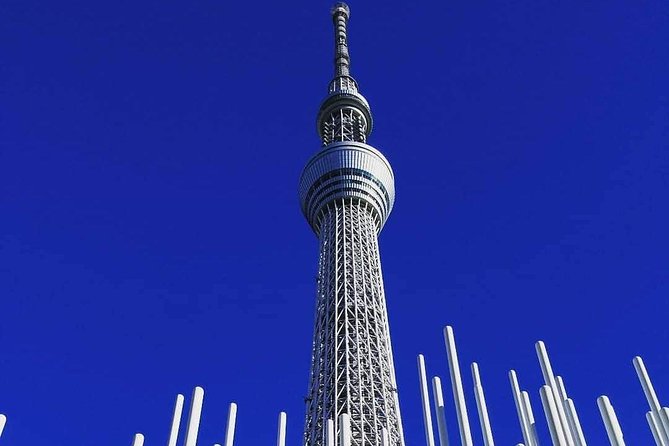
Tokyo is two cities at once. One city follows rules older than most modern nations. The other runs on speed, screens, and crowds so dense you feel like you’re standing inside a living video game.
This tour’s value is that it refuses to treat those parts of Tokyo like separate vacations. You move from the Emperor’s grounds area at the start, into the calmer ritual space of Meiji Jingu, then out into the energy zones around Tsukiji, Senso-ji, Ueno Park, and finally Shibuya Crossing. It’s basically a guided way to see how the “old” and “new” Tokyo overlap in real daily life.
I like that the itinerary is built from places that do not require you to be an expert to appreciate them. Even if you know little about Japanese culture, you can still read the atmosphere: the scale of the Imperial Palace area, the forest-like hush of a Shinto shrine, the sensory intensity around a market district, the steady flow at a temple, and the relentless motion of Shibuya.
And because it’s private, your guide can shuffle the order or pacing based on how your group is doing. That matters when you have a mix of ages, walking levels, or interests.
A few more Tokyo days worth comparing
- Mt Fuji and Hakone 1-Day Bus Tour Return by Bullet Train
★ 5.0 · 26,383 reviews - 1-Day Tokyo Bus Tour
★ 5.0 · 14,250 reviews - Tokyo: TOKYO SKYTREE® Admission ticket
★ 4.5 · 11,192 reviews
8 hours, set start time, and what a walking tour really means
The tour starts at 10:00 am and runs about 8 hours. The day is designed as a walking experience, with public transportation used to connect neighborhoods. That means you should treat it like a half-day plus something extra, not like a gentle stroll where you pop in and out for photos.
You’ll also want to come prepared for walking and standing. The tour operates in all weather conditions, so bring shoes that can handle wet sidewalks or long subway station corridors. If your group includes someone with mobility limits, it helps that guides in the past have been patient and adjusted pacing to real needs.
One practical note: while hotel pickup and drop-off are included, transportation to and from attractions is not. The average estimate given is JPY 1,500 per person per day. That number is useful because it helps you budget realistically, rather than assuming everything is covered.
Hotel pickup and mobile tickets: the stress-reducer
Tokyo is easy to enjoy once you’re moving, but it can be stressful before you’re moving. This tour cuts that pre-day anxiety by offering pickup at your Tokyo hotel and drop-off afterward.
You’ll also use a mobile ticket, which helps keep things simple on your end. Less paper, fewer steps.
In reviews, punctual meeting at the hotel lobby is mentioned as a plus. That kind of reliability matters because Tokyo timing can be strict, and you do not want to start your sightseeing day chasing a guide.
Imperial Palace: free entry area that sets the tone
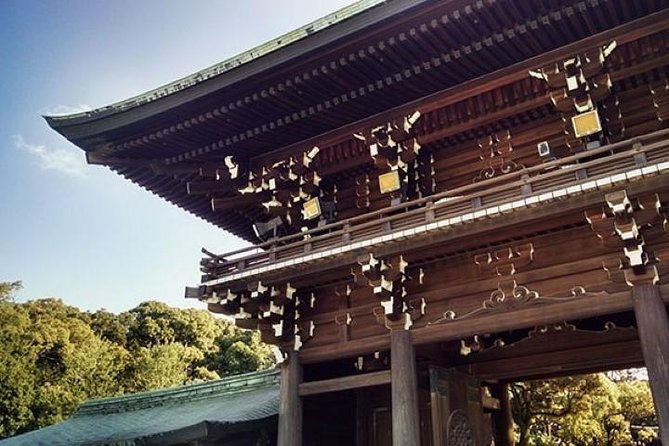
Your first scheduled stop is the Imperial Palace, the primary residence of the Emperor of Japan. The plan shows 30 minutes and free admission.
Why this stop works at the beginning of the day is simple. It gives you a sense of scale and order right away. Even if you skip deeper background reading, you’ll still notice how different the space feels from the surrounding city energy. It’s not just a landmark, it’s a mood.
Practical tip: at the Imperial Palace stop, keep your expectations flexible. This is part of a large, significant area, so you may want your camera ready but your focus on the atmosphere first. A good guide will help you understand what you’re looking at without turning it into a lecture.
Same corner of Japan, a different kind of day:
- Tokyo: teamLab Planets TOKYO Digital Art Museum Entry Ticket
★ 4.6 · 9,779 reviews - Mt Fuji & Hakone Cruise, Drum Show Bullet Train 1 Day from Tokyo
★ 4.0 · 7,413 reviews - Tokyo: Sumo Show Experience with Chicken Hot Pot and a Photo
★ 4.8 · 6,678 reviews - Tokyo: Shinjuku Food Tour (13 Dishes at 4 Local Eateries)
★ 5.0 · 6,603 reviews
Meiji Jingu Shrine: a quiet reset from the city machine
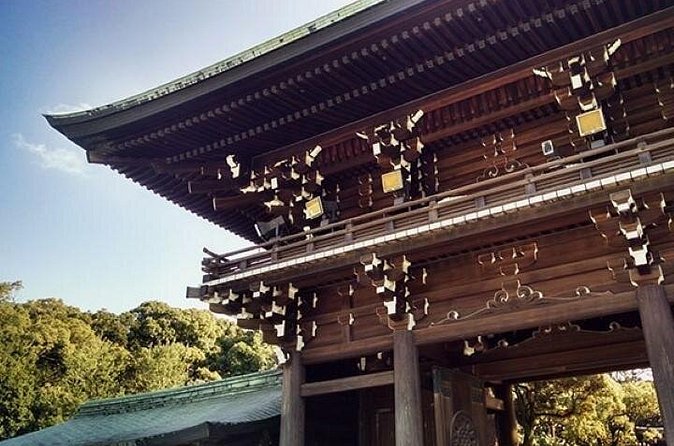
Next up is Meiji Jingu, a Shinto shrine dedicated to the deified spirits of Emperor Meiji and his wife. Again, the schedule shows 30 minutes and free admission.
This is your reset button. After the structured feel of the palace area, you shift into a shrine environment where the soundscape changes and the crowds feel more purposeful. It’s also one of those Tokyo experiences that works for first-timers because the atmosphere explains itself.
I like placing a shrine after the palace stop, because it makes the day feel like it has a rhythm. You’re not just checking boxes. You’re stepping between Tokyo themes.
What to watch for: shrine etiquette basics can matter in a small space. Your guide will help with what to do and where to stand so you can focus on respect, not guessing.
Tsukiji Fish Market: from former mega-market to real Tokyo energy
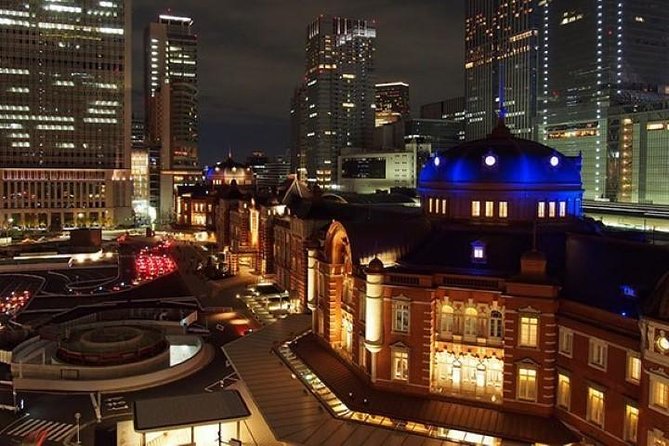
Stop three is Tsukiji Fish Market, described here as the former home of the world’s largest fish market. The plan again lists 30 minutes with free admission.
Even if you don’t care about seafood processing, Tsukiji-type districts tend to be educational because they show how Tokyo’s daily economy moves. You see the intensity of workers, the speed of stalls, and the sheer number of details going on in a small area.
Practical reality: a fish-market district can be crowded and sensory-heavy. If your group has sensory sensitivities, let your guide know early so they can keep you moving at the right pace. The private format is your advantage here.
Because the stop is 30 minutes, you’ll want to decide what you’re trying to capture with your time. Is it photos, food smells, the scene, or shopping? Pick one focus and let the guide handle the route.
Senso-ji Temple: Tokyo’s oldest temple with a visitor-friendly feel
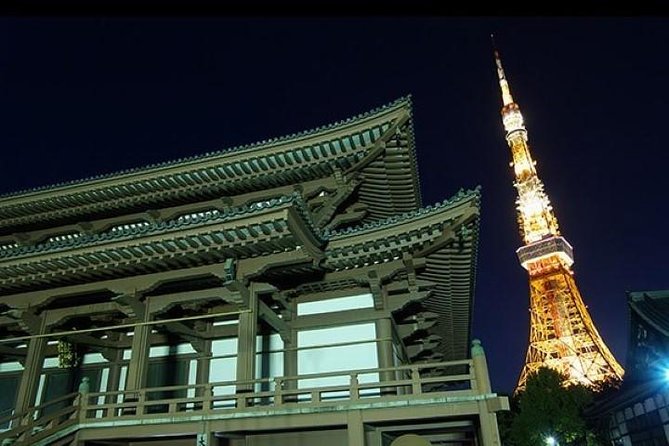
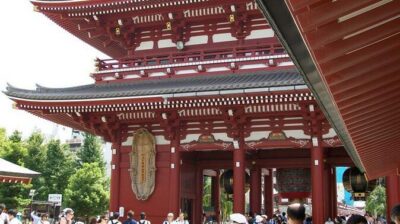
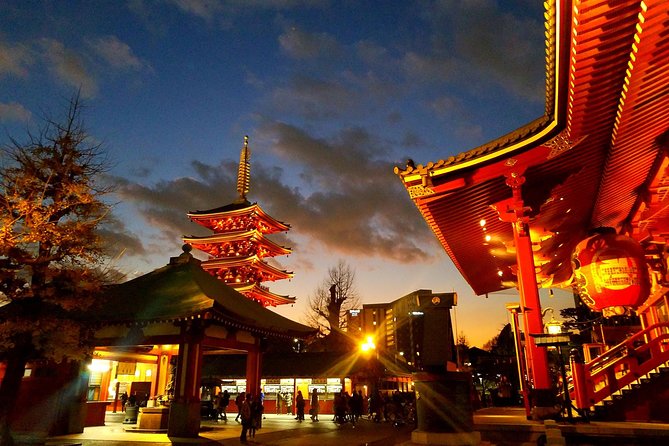
Then you head to Senso-ji Temple, described as Tokyo’s oldest temple and one of its most significant. The schedule lists 30 minutes and free admission.
Senso-ji tends to feel approachable because it is active and widely known. But “widely known” doesn’t mean “generic.” The space still has spiritual weight, and your guide helps you understand what you’re seeing without needing a background course.
This is also where a tailored guide helps you get better out of your time. If your group likes stories, you can lean into explanations. If your group prefers walking and photos, you can keep it lighter.
A good rule: at temple stops, don’t rush the first look. Let your eyes adjust to what’s going on around you. Once you’re oriented, photos get easier and your understanding improves.
Ueno Park: big-city leisure plus major attractions
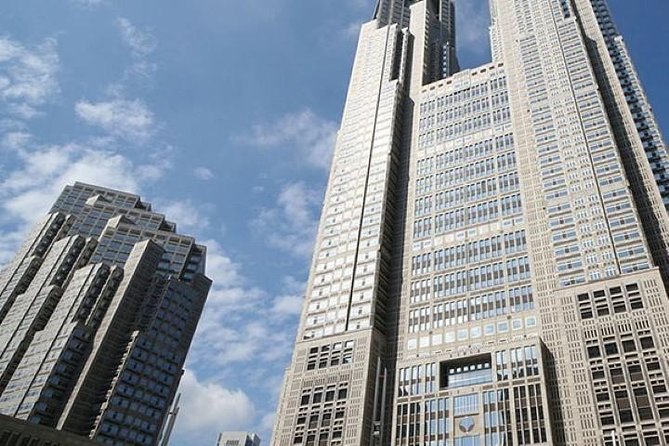
Next is Ueno Park, a favorite destination of Tokyo residents. The plan notes that within it are many main attractions, including the Tokyo National Museum and Toshogu.
This is a smart mid-day choice. Parks break up the density of temples and shopping zones and give your group a chance to breathe. Ueno Park also changes the pace, which helps if you’ve got kids, teens, or adults with mixed energy levels.
Because the schedule lists this stop at 30 minutes and free admission, you should treat it as a scenic orientation stop. Your guide can point out what’s most worth seeing based on your interests. If your group loves museums, you might want to return later. If not, simply walking through the park edges and noticing the local flow can still be valuable.
Shibuya Crossing: the most identifiable Tokyo moment
Finally, you reach Shibuya Crossing, described as the most identifiable landmark in the city.
The schedule keeps this at 30 minutes and free admission. That’s enough time to experience the crossing itself and take photos, even if you only have moderate interest in the area. Shibuya works because it’s dynamic. People, street lights, and movement patterns make it feel like Tokyo in fast-forward.
One practical note: Shibuya can be overwhelming if you’re tired. This is exactly where your guide’s job matters. In past feedback, guides are praised for guiding people around Tokyo’s subway system and for pacing the day. The same kind of practical help pays off here too.
How the guide tailoring actually helps your day
This tour is built around customization. That might sound marketing-like, but in practice it changes your experience in three ways:
First, it helps you reorder priorities. If you care more about temples than markets, or more about neighborhoods than museums, your guide can adjust.
Second, it helps you manage your group’s stamina. There are reviews praising patience and adapting to real physical needs, including walking comfort. For you, that means you do not have to stick rigidly to the plan if your group is flagging.
Third, it helps you learn transit in a way you can use later. Several past experiences mention that the guide taught navigation using public transportation. Even if you’re not trying to “learn Tokyo” like a local, getting your bearings fast saves time for the rest of your trip.
Named guide examples show up in feedback: Yoko and Xavier are repeatedly credited for planning and making things smooth. Other guides named include Mikato, Faustine, and Raphaela, plus Shotaro as part of cultural explanation around the day. That suggests consistent coaching and customer-focused guiding style.
Price value: why $196.48 can be fair, or not
The listed price is $196.48 per person for an approximately 8-hour private walking tour with hotel pickup and a local guide included.
Is that expensive? It can be, depending on your group size and what you’d otherwise pay for transport, museum tickets, and a guide.
Here’s the value logic that matters for you:
- You get multiple major stops in one day.
- Several scheduled stops are free admission in the plan, which means you are paying primarily for guidance, time, and logistics.
- You get private attention, not a crowd shuffle.
- You get pickup and drop-off, which is a real cost and convenience saver in Tokyo.
The main add-on cost is transportation during the day, with an average estimate of JPY 1,500 per person per day. If your group stays centrally located and you already planned to use transit anyway, that often feels manageable.
Balanced caution: one negative experience points to confusion in the booking and quote process, so take a simple precaution. Before you go, confirm the total cost clearly in writing and understand what is included versus any separate services. That’s not about mistrust, it’s about protecting your own expectations.
Timing and weather: what to pack for an all-conditions tour
The tour runs in all weather conditions. That means your best packing move is boring but smart: comfortable walking shoes, a light rain layer, and sun protection if you’re visiting in hot months.
Since the tour is mostly outdoors and involves subway and street walking, weather can affect how enjoyable it feels. Your guide can still keep things moving, but you will enjoy the day more if you come prepared.
Also, be ready for a day that includes standing and walking even if each stop is 30 minutes. The “8 hours” includes transit time between neighborhoods.
Who this tour suits best
This private Tokyo walking tour fits best if you want:
- A first-time Tokyo orientation that mixes tradition and modern energy
- A guide to help you navigate subways and streets
- A smooth day with pickup and drop-off
- A flexible itinerary where your group can influence what gets emphasized
It’s also a good choice for families, since a guide can adjust to different ages and energy levels. Just remember the rule that children must be accompanied by an adult.
If you are the type of traveler who hates being on a schedule, you might find a fixed 30-minute structure less freeing. But because the tour emphasizes tailoring, you can usually make it work by telling your guide what you want to prioritize early.
Should you book this private Tokyo walking tour?
I’d book it if your goals match the design: see the biggest Tokyo landmarks, learn how to move around the city with help, and do it without wasting half your day figuring out logistics.
Skip or rethink if:
- You already know your way around perfectly and prefer to build your day on your own.
- Your group has very limited mobility and you suspect the walking nature will be too much. (The guide can pace you, but the format is still a walking day.)
- You want a tour where every detail is fully fixed and there’s no room for your preferences. This one is set up for adjustment.
If you book, do one smart thing. Before the day starts, confirm the full cost and how the day’s transportation estimate will be handled. Then you’re set up for the best part: a guided Tokyo day where the Imperial Palace quiet, shrine calm, market energy, temple flow, Ueno park breathing room, and Shibuya motion all happen in one connected story.
FAQ
What time does the tour start?
The tour start time is 10:00 am.
How long is the tour?
The duration is approximately 8 hours.
Is hotel pickup included?
Yes, hotel pickup and drop-off in Tokyo are included.
Are the admissions included for the main stops?
The schedule lists free admission for the scheduled stops, including the Imperial Palace, Meiji Jingu, Tsukiji Fish Market, Senso-ji, and Ueno Park.
Do I need to pay for transportation during the tour?
Transportation to and from attractions is not included. The average estimate provided is JPY 1,500 per person per day.
Is this tour private?
Yes, it’s a private tour/activity, and only your group participates.
What is the cancellation policy if my plans change?
Free cancellation is available. You can cancel up to 24 hours in advance for a full refund, but if you cancel less than 24 hours before the experience start time, you will not receive a refund.
Fresh options around Tokyo
- Private Harajuku Omotesando Architecture Tour★ 4.9 · 18 reviews
- Tokyo Shopping Street Hopping Private Tour with Government Licensed Guide★ 5.0 · 18 reviews
- Tokyo: Private Mount Fuji and Hakone Day Trip with Guide★ 4.5 · 18 reviews
- Small-Group Osaka-Style Okonomiyaki Cooking Class★ 5.0 · 18 reviews
- Hakone Private One Day Tour From Tokyo: Mt Fuji, Lake Ashi, Hakone National Park★ 5.0 · 18 reviews
- Shinto Shrine Tour: Explore Japanese Culture in Tokyo★ 5.0 · 18 reviews
- PERFECT 1 Day Tokyo Highlights Tour with a Private Car★ 5.0 · 19 reviews
- Tokyo: Shinjuku Bar Hopping & Karaoke Night Tour★ 4.9 · 19 reviews
Private, compared.
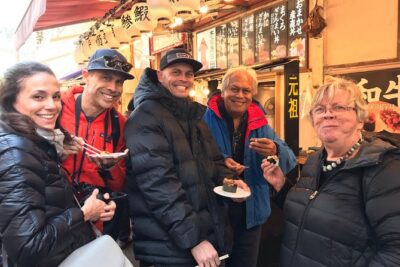
Tokyo 6hr Private Tour with Government-Licensed Guide
Read our review →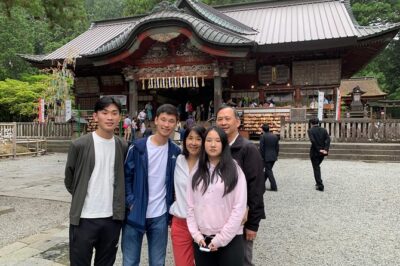
Private Tour to Mt. Fuji and Hakone (Fully Licenced Operator)
Read our review →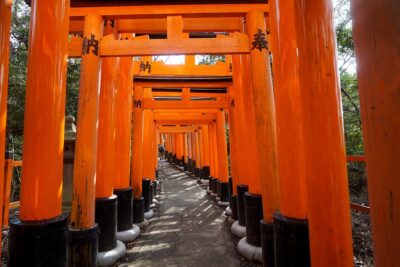
Fushimi Inari Hidden Hiking Tour (Private Option Available)
Read our review →
Private Kyoto Tour with a Local, Highlights & Hidden Gems, Personalised
Read our review →
Tokyo Customized Private Tour (Must See Places in 1 Day)
Read our review →
Mount Fuji Full-Day Private Tour from Tokyo (Customizable)
Read our review →
Private City Highlights Tour with Local Guide
Read our review →