
Reviewed · DESSERT TOURS
Japanese Traditional Sweets making
A sweet class with an art project built in. This Japanese Traditional Sweets making session teaches you to shape Nerikiri using real bean paste from Kyoto’s long-established shops, and you leave with two seasonal sweets you made yourself. I really like that you can eat on the spot, and the whole thing feels hands-on from minute one, not like a demo. One thing to consider, though, is that the pacing can feel fast, so if you want slow, unhurried crafting, plan to keep up.
You’ll start with a quick rundown of what makes these sweets special, then jump right into making a flower-shaped Nerikiri and a second sweet called Kinton Nerikiri. I also appreciate that the staff tends to support solo travelers, and people who book for value often come away happy. Just note that the room can feel big, and some seats may make it harder to see closely what the instructor is doing.
Key highlights you should care about
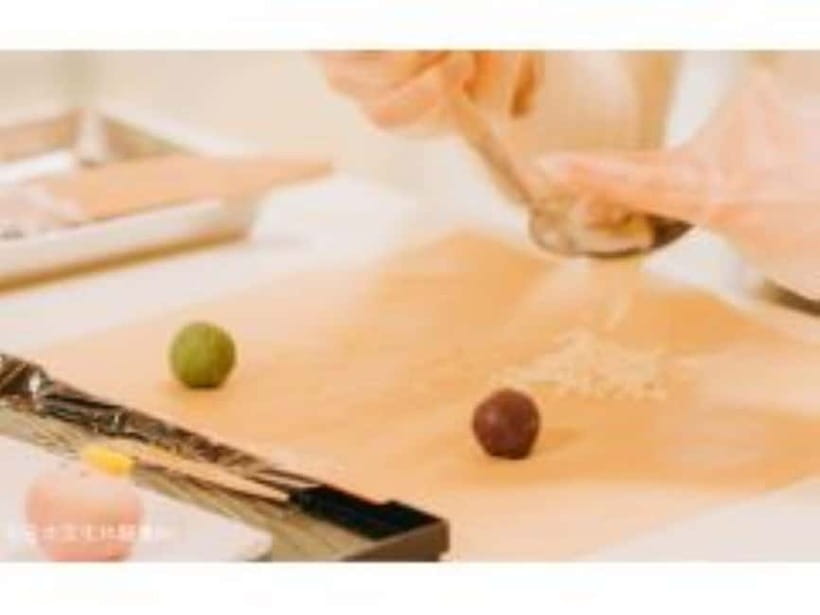
- Kyoto bean paste quality: White and red bean paste from long-established Kyoto shops
- Two seasonal sweets: You make 2 Nerikiri that match the season
- Hands-on shaping: Flower design first, then Kinton Nerikiri
- Made-to-eat timing: You eat your sweets on the spot after photos
- Solo-friendly vibe: A good option if you want to meet people during a short activity
- Fast pace reality check: Some classes run with tight time for each step
Nerikiri in plain terms: what you’re actually making
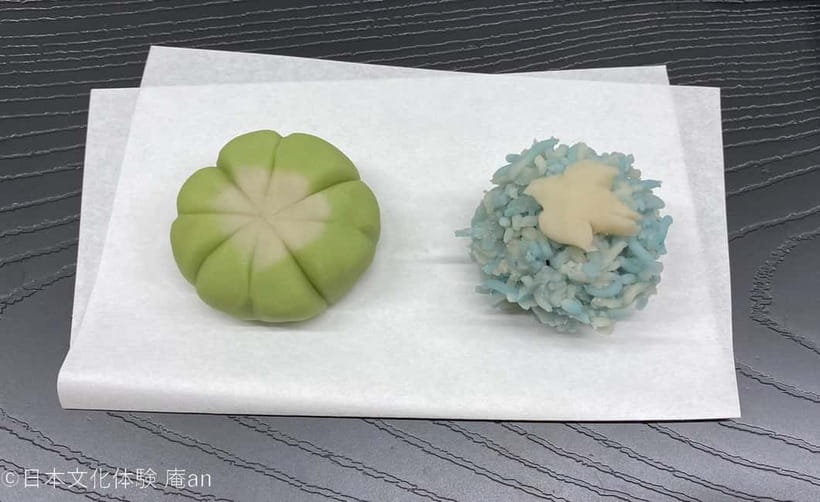
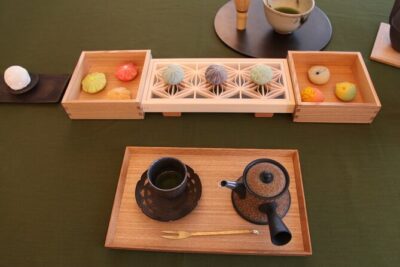
If you’ve eaten wagashi before, Nerikiri is that smooth, sculpted side of Japanese sweets. It’s not about baking or frying. It’s about shaping a paste into a small edible artwork that fits the season. That’s why it feels part dessert, part craft project.
Here, you’re working with real ingredients: white or red bean paste produced by Kyoto’s long-established shops. That matters more than it sounds. Bean paste is the base flavor and texture of Nerikiri. When the paste is good, your finished sweets taste more balanced, and the shaping feels easier to control. It also helps you understand why Japanese sweets can be so expressive, even though the ingredient list is simple.
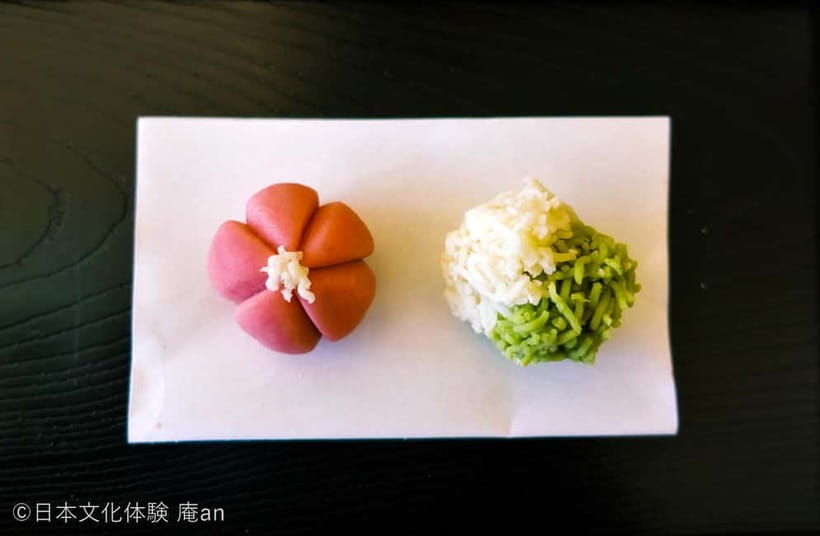
You’ll make two sweets that match the season. One is flower-shaped, and the other is Kinton Nerikiri. The goal is not just to copy a model, it’s to learn the basic idea of how the shape leads the look, and the paste quality leads the taste.
A few more Tokyo days worth comparing
- Mt Fuji and Hakone 1-Day Bus Tour Return by Bullet Train
★ 5.0 · 26,383 reviews - 1-Day Tokyo Bus Tour
★ 5.0 · 14,250 reviews - Tokyo: TOKYO SKYTREE® Admission ticket
★ 4.5 · 11,192 reviews
Where the class happens: AN TOKYO Japanese Culture Experience
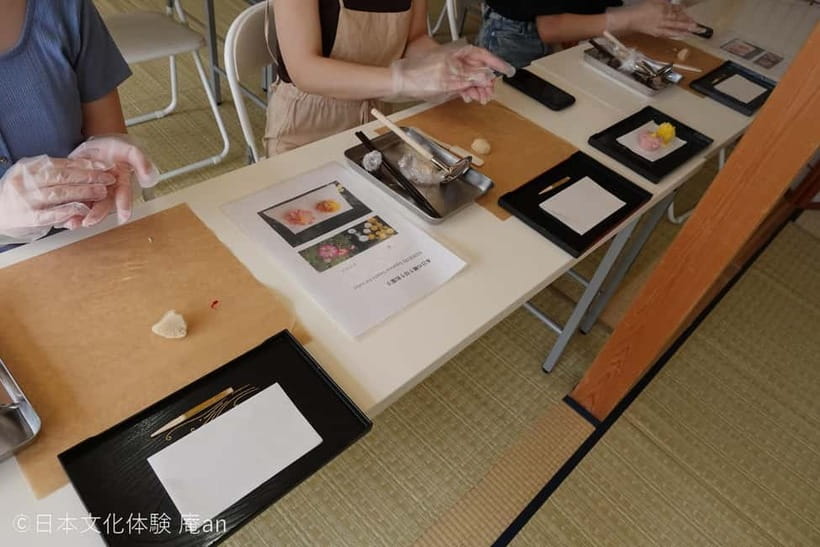
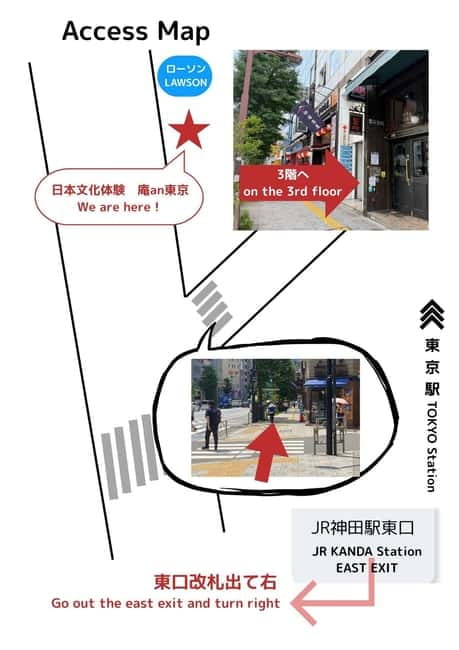
The meeting point is AN TOKYO Japanese Culture Experience, at the coordinates 35.6916541, 139.7715022. The program runs in a classroom-style space, so expect “watch, then do” more than a cozy, quiet atelier.
A practical tip: arrive a few minutes early and get settled fast. This kind of class is time-centered, and the staff won’t hold the session to accommodate delays. If you arrive late, you can miss part of the shaping instructions and then feel rushed catching up.
Also, keep your belongings simple. One downside that comes up in feedback is limited coat space. In other words, don’t plan to bring a huge bag and expect perfect storage. If you can, travel light for this one.
The 65-minute rhythm: flower Nerikiri, Kinton Nerikiri, then photos and tasting
The whole experience is designed to fit into about 65 minutes, with a clear sequence. Here’s how the flow typically feels, and how to make it work for you.
Step 1: Start with an explanation
At the beginning, you get an explanation of Japanese traditional sweets, then you move into Nerikiri shaping. The instructor’s language is Japanese, and English translation is provided as much as possible. If you want additional English support, you can contact them ahead.
What to focus on here: not every word, but the technique. Nerikiri shaping has a few key moves, like handling the paste without drying it out and using gentle pressure to create clean edges. The fastest way to have a good result is to treat the intro as your “how not to panic” moment.
Same corner of Japan, a different kind of day:
- Tokyo: teamLab Planets TOKYO Digital Art Museum Entry Ticket
★ 4.6 · 9,779 reviews - Mt Fuji & Hakone Cruise, Drum Show Bullet Train 1 Day from Tokyo
★ 4.0 · 7,413 reviews - Tokyo: Sumo Show Experience with Chicken Hot Pot and a Photo
★ 4.8 · 6,678 reviews - Tokyo: Shinjuku Food Tour (13 Dishes at 4 Local Eateries)
★ 5.0 · 6,603 reviews
Step 2: Flower-shaped Nerikiri making
Next is the flower-shaped Nerikiri. This is the design that helps you understand how Japanese sweets can look delicate even though you’re making them with your hands. You’ll form the paste, shape the petals, and build the look piece by piece.
Because the class is short, you’ll want to stay mentally ready. Some feedback highlights a tight window for each stage, with the instructor moving through tasks quickly. That doesn’t mean it’s complicated, it means you should pay attention, then act. If you want to ask questions, do it early rather than during the final moments.
Step 3: Kinton Nerikiri making
After you finish the flower, you shift to Kinton Nerikiri. Kinton is a style that typically leans into a richer, sweet-centered flavor profile. Even if you’re not familiar with it yet, the real learning here is texture and shaping control. Your hands get smarter the second you stop trying to be perfect and start working steadily.
This is also where the class pacing can make or break your experience. If you’re someone who likes to take your time and think through every step, you’ll still be able to finish, but you might feel pressure. In a short class, “pressure” can be the difference between relaxed crafting and feeling like the clock is watching you.
Step 4: Picture time, then eating your sweets
After making, there’s picture time. Then the tasting part kicks in. You can eat the sweets on the spot, so you don’t need to worry about bringing anything home to enjoy your work.
This is one of the best parts of the experience for me, because it closes the loop. Many food activities stop at “look what you made.” Here, you get the payoff immediately: taste your shaped sweets while they’re fresh and at the right softness.
Why Kyoto bean paste actually changes your finished sweets
The class emphasizes bean paste produced by Kyoto’s long-established shops. You might wonder if this is marketing or whether it changes anything. In practice, the paste quality affects three things you’ll notice right away.
First, the taste. Bean paste is the core flavor, and it shows up in every bite. Second, the texture while shaping. A good paste behaves better under your fingers, so your petals, folds, and edges feel more consistent. Third, the final mouthfeel when you eat it.
The workshop also positions the taste as guaranteed, and the overall structure supports that. You’re not just making shapes for show. You’re crafting sweets you will eat, and the ingredient focus gives you a realistic chance of tasting something truly representative of Japanese traditional sweets.
Seasonal themes: learning wagashi through the calendar
You’ll make two seasonal Nerikiri sweets. The season isn’t just decorative. In Japanese sweets culture, seasonal changes are part of how people express nature, mood, and time.
Practically, seasonal Nerikiri also makes the class feel more interesting than a fixed menu. Even if you’ve done other food workshops before, this one gives you a reason to care about the specific sweets for the moment you’re in Japan.
One heads-up: the exact seasonal designs aren’t listed in the details you provided. So treat it as a “follow what they set for your date” experience. If you’re the type who loves matching colors and symbolism, you’ll probably enjoy the idea of leaving with sweets that fit your visit timing.
Price and value: what $11 buys you in real-world time
The price is listed as $11 per person, and the experience duration is 65 minutes. That’s not a lot of time, but it’s meaningful because you’re doing the shaping yourself and then eating your results.
What you get for that money is the set of Nerikiri making. That’s the key value point: you pay for the full workflow, not just a short tasting.
There are a couple of add-ons you should know about. A take-out box costs 100 JPY, and an experience completion certificate costs 300 JPY. If you want a nominative certificate, you’ll need to share your names in advance, otherwise a blank space is left for your name.
How to judge value for yourself: if you want a hands-on cultural activity that fits into a short window, this price can be a strong deal. If you want a slow, calm workshop where you can linger and refine every detail, the fast pacing you may experience could feel like less value than the price suggests.
What to expect from the instructor and translation support
The instructor is Japanese, and English translation is provided as much as possible. If English support is important to you, contact them ahead to add what you need.
In a class like this, translation quality affects one thing most: whether you can follow the shaping steps without guessing. Even if the instructions are mostly technical, you still benefit from being able to ask a quick question and understand timing cues.
Also, be aware of viewing angles. Feedback points to a room that can hold around 30 people, and seats toward the back can be harder for seeing details. Your best move is simple: choose a seat where you can watch the instructor’s hands clearly, not just the general area.
Getting the best results: how to avoid the most common frustration
This experience can be great, but it has a couple of predictable pain points. Here’s how to avoid them.
- Move with the class. If you freeze, you lose time. Nerikiri shaping looks forgiving, but the session can move quickly.
- Sit near the front if you can. You want to see how the paste is handled and how the shapes are formed.
- Keep your coat situation simple. Limited hanging space has been mentioned, so plan to store items without creating a mess.
- Ask questions early. When the instructor progresses quickly, waiting until the end makes it harder to catch up.
The good news is that when the class runs well, you get an upbeat, social vibe. One of the most praised parts is that it’s informative and fun, and it can be a solid way to meet people if you’re traveling solo. If you like hands-on activities where you can chat while you work, this fits that style.
Should you book this Nerikiri class?
Book it if you want a short, hands-on Japanese food craft that ends with you eating your own seasonal sweets. The combination of Kyoto bean paste, two Nerikiri designs, and on-the-spot tasting is strong value for the money. It’s also a good match for people who travel alone and want something structured that still feels social.
Think twice if you’re easily stressed by time pressure. Some sessions are run with very tight pacing, and the room setup can make it harder to see from the back. If you need slow, step-by-step attention without rushing, you might find this format less comfortable.
My practical recommendation: if you book, show up early, sit where you can see clearly, and treat the class like a fast craft session, not a slow art workshop. Do that, and you’ll likely come away with two sweets you can actually taste, not just admire.
FAQ
How long is the Japanese Traditional Sweets making experience?
The duration is 65 minutes.
What is the price per person?
The price is listed as $11 per person.
What will I make during the class?
You will make two seasonal Japanese traditional sweets called Nerikiri.
Can I eat the sweets during or right after making them?
Yes, you can eat the sweets on the spot.
Is the class taught in Japanese or English?
The instructor uses Japanese, and English translation is provided as much as possible.
Where do I meet for the experience?
You meet at AN TOKYO Japanese Culture Experience, at the coordinates 35.6916541, 139.7715022.
Are any extra costs available?
Yes. A sweets take-out box costs 100 JPY, and an experience completion certificate costs 300 JPY.
What are the operating hours?
The operation hours are from 10:00 to 17:00, and reservations received after 17:00 are processed the next day.
Fresh options around Tokyo
- Tokyo: Nagano Snow Monkeys and Zenkoji Tour with Temples★ 4.9 · 19 reviews
- Yokohama Port: Private Customizable Tour with Transfer★ 5.0 · 19 reviews
- Explore Unique Tokyo Streets / Learn with a Pro Photographer★ 5.0 · 19 reviews
- Sushi Making with Interactive Samurai Experience at JIN-ASAKUSA★ 5.0 · 19 reviews
- DAIKOKU excursion by car DRIFT automobile encounter★ 4.5 · 19 reviews
- Official Street Go Kart Tour Akihabara 2nd★ 5.0 · 19 reviews
- Cosplay Experience with Professional Makeup and Photo Shoot!★ 5.0 · 19 reviews
- Tokyo: Name Seal & Pouch or Tote Bag Making Experience★ 4.5 · 19 reviews
Dessert Tours, compared.

Matcha Making Class in Tokyo with Authentic Japanese Sweets Set
Read our review →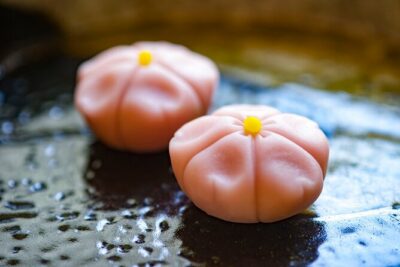
Matcha Making Class in Osaka with Authentic Japanese Sweets Set
Read our review →
Matcha Making Experience with Mochi Sweets in Asakusa
Read our review →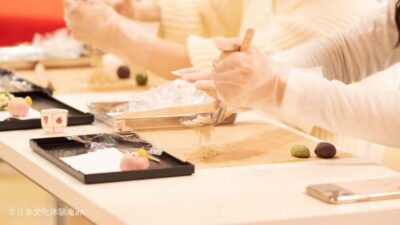
Japanese Traditional Sweets Making and Tea Ceremony
Read our review →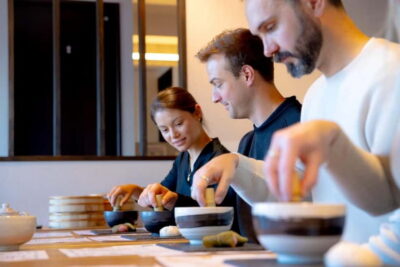
Make Traditional Nerikiri Sweets & Matcha experience in Shibuya
Read our review →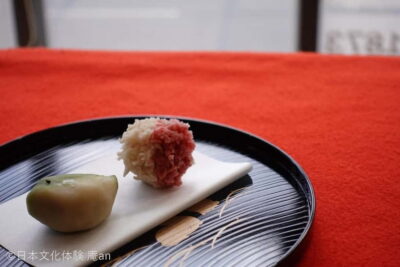
Japanese Traditional Sweets Making and Tea Ceremony
Read our review →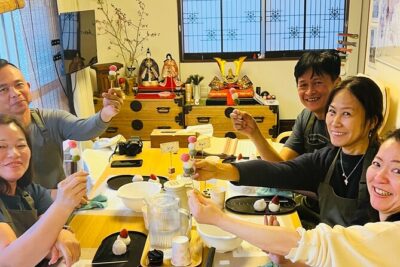
Private Mochi Sweets Making class near Shibuya area
Read our review →Browse the lists this tour appears in