
Reviewed · COOKING CLASSES
Gyoza Making from Scratch- Tokyo Ultimate Cooking Class
Gyoza from scratch, in Tokyo. I love how this class takes you all the way through wrappers and filling from scratch using fresh ingredients, and I also like the focus on folding and pan-frying yaki-gyoza so you understand why good dumplings taste better. The main drawback to consider is that the whole experience is only about 1 hour 50 minutes, so you need to treat it as a technique session, not a long food festival.
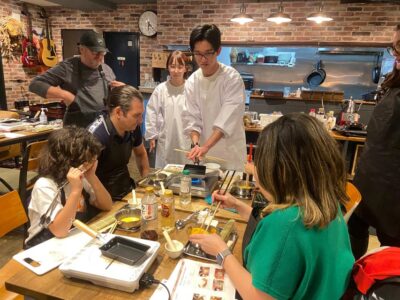
You’ll do the cooking in the modern Patia Kitchen studios in central Tokyo with a small group (maximum 12). It’s step-by-step with a friendly English-speaking instructor, and you’ll get a mobile ticket and instructions that keep things simple once you arrive.
Plan on leaving hungry in a good way. You’ll cook both handmade and store-bought wrappers to compare texture, then enjoy your gyoza with several dipping sauces, plus a soup and a side dish. If you want chicken instead of pork filling, you can request it with at least 48 hours’ notice, and you’ll also get downloadable photos and an English recipe to recreate the dumplings at home.
Key things that make this gyoza class worth your time
- Hands-on wrapper dough plus filling, not just assembly
- Compare homemade and store-bought wrappers so you can taste the difference in texture
- Learn folding techniques and how to make dumplings look right (and seal well)
- The juicy filling secret, taught as a practical method you can repeat
- Yaki-gyoza pan-frying, so you learn that crisp, browned base people chase
- Several dipping sauces, plus soup and a side dish for a full meal
Wrappers, filling, and the fold: what you’re really learning
This is a Japanese cooking class built around one goal: making gyoza you’d actually want to repeat at home. The big win is that you don’t just shape pre-made dumplings. You make gyoza wrappers and filling from scratch, then practice the mechanics that make pan-fried dumplings work.
Here’s what that means for you in real terms. Wrapper dough teaches you how thin is thin, how elastic dough should feel, and how it affects the final bite. If your dough tears, sticks, or turns rubbery, you learn why quickly because you’re tasting as you go.
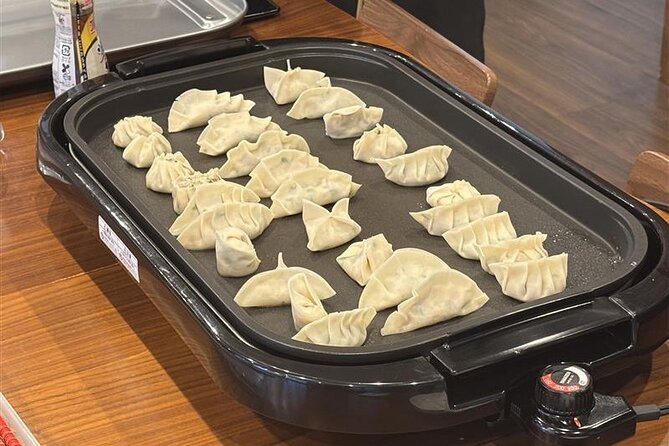
Then comes the most “do it again tomorrow” part: the fold. The class teaches folding techniques so your dumplings look neat, but also so they seal during pan-frying. If you’ve ever had dumplings burst in the pan or leak filling, you know that folding is not a cosmetic detail.
The class also focuses on the filling. You’ll learn the secret to making a juicy filling, which is exactly what you want if you’ve only had gyoza that tastes dry or overly salty. Even without getting overly technical, the lesson is practical: the class is guiding you toward a texture that stays satisfying after cooking.
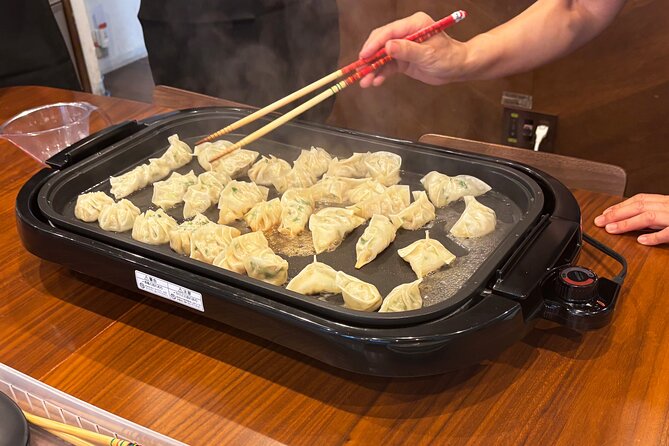
Finally, you get to cook pan-fried yaki-gyoza. That’s where technique matters most, because you’re managing heat, timing, and steam in one go. You’re not just cooking, you’re learning what “good” looks like in the pan.
More Cooking Classes in Tokyo
- Ramen & Gyoza Cooking Class in Tokyo with Local Supermarket Visit
★ 5.0 · 823 reviews - Tokyo: Easy Ramen Cooking Experience in Kabukicho, Shinjuku
★ 4.6 · 321 reviews - Ramen and Sushi Cooking Class with Sake Pairing Set in Tokyo
★ 5.0 · 291 reviews
Patia Kitchen in central Tokyo: practical setup for a smooth class
Location matters when you’re squeezing activities into a Tokyo trip. This class runs in central Tokyo at the Patia Kitchen studios, and it’s near public transportation. That’s a big deal because a cooking class doesn’t feel relaxing if you’re spending half your day routing across town.
The studio setup is also described as spacious and fully equipped. Translation: you’re not battling for space at a tiny counter. Even with a group up to 12, you should be able to work comfortably, spread ingredients, and follow along with less bumping.
You’ll also get a mobile ticket, which reduces the paperwork hassle. If you’re traveling with a phone-first mindset, this is the kind of small convenience that actually helps.
One more practical point: hotel pickup and drop-off are not included. That’s normal for city classes, but it affects planning. You’ll want to map your route to the studio ahead of time so you arrive on time. Cooking classes move in real time, and the biggest time-saver is being ready when the lesson starts.
From dough to dumplings: the flow you’ll follow
Think of the class as a guided production line, but with plenty of hands-on practice.
You start by making gyoza wrappers and filling from scratch with fresh ingredients. This is where you build confidence. You’re not guessing. Your instructor guides you step by step, and the process is designed so you understand what you’re doing, not just copy motions.
Next, you fold and cook both handmade and store-bought wrappers. This comparison is genuinely useful. You can taste the difference in texture and bite, and it also helps you understand what you should aim for when you cook at home. It’s one thing to learn a recipe, but another to learn why your version might feel different.
While you’re folding, the instructor teaches techniques. The class gives you the chance to practice your folding rather than watching once and hoping it sticks. With a small group size, there’s more attention on your progress.
Then you move to the filling lesson. You learn the secret to making a juicy filling, which matters because yaki-gyoza cooking changes everything. Heat firms up dumpling filling, so if your filling is already dry, the pan just makes it worse. If your filling has the right balance from the start, it stays juicy and satisfying.
The final production step is pan-frying. You cook yaki-gyoza using a method designed for gyoza texture, the crispy-browned base paired with a tender interior.
By the time you sit down to eat, you’ve built a full mental map of the dumpling, from dough handling to pan technique to flavoring.
Yaki-gyoza pan-frying: where crisp happens
Pan-frying gyoza is the part that turns “dumplings” into “your new favorite thing.” This class includes cooking pan-fried yaki-gyoza, and you’ll learn the process in the studio setting with instruction.
What makes this valuable is that yaki-gyoza has a specific texture goal. You want browned edges, a crisp base, and dumplings that don’t dry out. That balance is hard if you only understand boiling or steaming, which is why this class is so worth it if you typically buy gyoza and wonder how it gets that crunch.
Since the class compares homemade and store-bought wrappers, you can also notice how wrapper type changes the pan result. Thinner wrappers may brown faster. Dough thickness can change how the dumpling steams and sets. This is one of those lessons that sticks because you can taste it immediately.
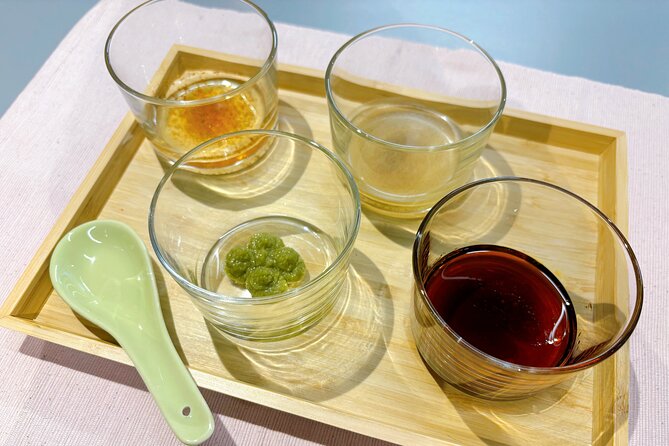
Also, the class includes several dipping sauces. Sauces are part of the yaki-gyoza experience in Japan, and they help you translate the flavors beyond the dumpling itself. When you can pair sauce choices with your dumpling texture, you gain a repeatable habit, not just a one-time meal.
Same corner of Japan, a different kind of day:
- Mt Fuji and Hakone 1-Day Bus Tour Return by Bullet Train
★ 5.0 · 26,383 reviews - 1-Day Tokyo Bus Tour
★ 5.0 · 14,250 reviews - Tokyo: TOKYO SKYTREE® Admission ticket
★ 4.5 · 11,192 reviews - Tokyo: teamLab Planets TOKYO Digital Art Museum Entry Ticket
★ 4.6 · 9,779 reviews
Beyond dumplings: soup, side dish, and how the meal comes together
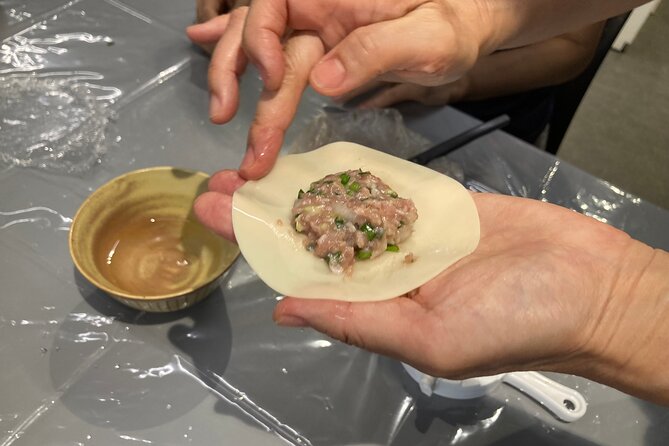
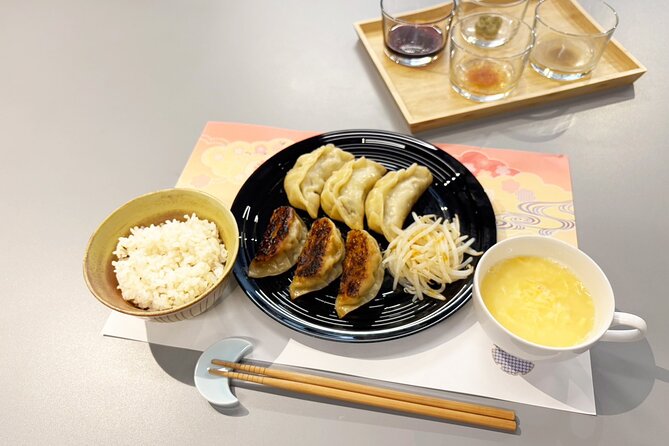
A lot of cooking classes stop at the main dish. This one nudges you into the full meal experience by including instructions for soup and a side dish to enjoy with your gyoza.
That matters because Japanese meals often work as a balance. Crispy dumplings are rich, and something warm and lighter helps reset your palate between bites. Even if you’re not recreating the entire menu at home, learning to pair flavors and temperatures makes you cook smarter later.
The class also includes several dipping sauces. Between sauces, soup, and a side, you’ll taste gyoza in more than one role: plain dumpling, sauced dumpling, and dumpling as part of a bigger plate.
So when you leave, you’re not just holding a recipe for gyoza. You’re leaving with a framework for putting it together at home in a way that feels like a real meal, not a solo snack.
Price and value: is $92.24 a good deal?
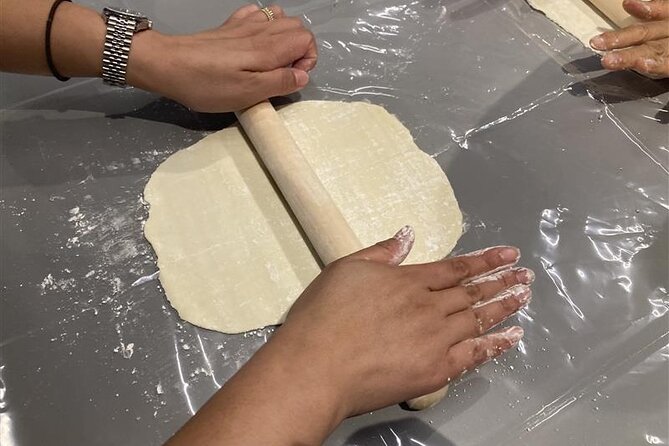
At $92.24 per person for about 1 hour 50 minutes, this is not a cheap activity. The question is: does it give you enough technique to justify the cost?
For me, it pencils out if you care about cooking and you want to bring skills back to your own kitchen. You get more than one dish component. You make wrappers and filling from scratch, learn folding, and practice pan-frying. You also compare homemade wrappers with store-bought ones, which improves your ability to troubleshoot when you cook later.
You also get a later-downloadable photo set and an English recipe. That means you’re leaving with more than food and a full stomach. You’re leaving with a way to recreate the dumplings without translating chaos.
Small-group format helps the value. With a maximum of 12 travelers, the class is likely to feel less like a factory and more like coached practice. That’s important in a folding and pan-frying class, where you need feedback.
The average booking window being about 35 days in advance is a clue that this is a popular slot. If you wait too long, you may lose the date you want.
If you’re only looking for a quick bite of Japanese food, there are cheaper options in Tokyo. But if you want technique and a repeatable result, this class is priced like a hands-on skill session, and it fits that category well.
Who should book this cooking class, and who might skip it
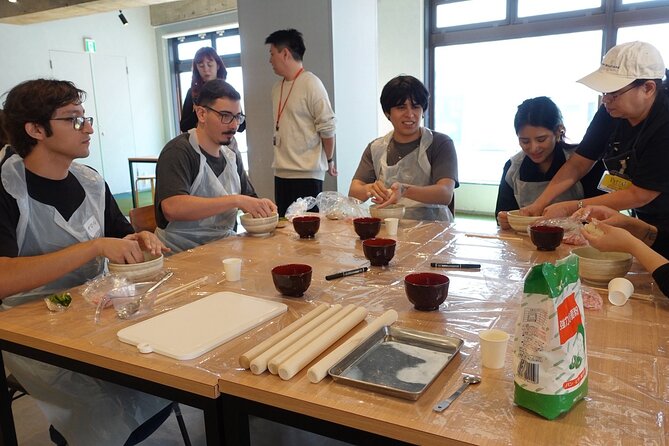
This tour fits best if you like hands-on activities and you want a clear takeaway you can use at home. It’s also great for different ages since it’s described as good for all age groups, from young children to seniors.
You’ll probably enjoy it most if:
- you like learning by doing, not just watching
- you want to understand what makes gyoza taste right, especially the filling texture and pan-fried method
- you want a meal outcome, not just a workshop snack
You might consider skipping if:
- you don’t really cook and you mainly want to eat
- you’re short on time and this 1 hour 50 minute block will force you to rush other plans
- you dislike any cooking activity that involves dough handling, pan work, and active participation
The class is also a smart choice if you’re traveling with family or a small group of friends who want one shared activity that doesn’t feel like a museum stop.
Tips so you get the most out of your gyoza day
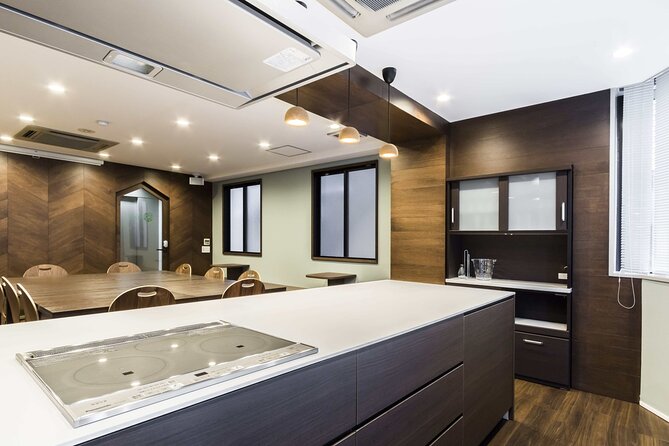
A cooking class goes smoother when you plan a little like a cook.
First, arrive with good time buffers. Since hotel pickup is not included, your arrival depends on transit timing. Being early helps you settle in and start the dough work calmly.
Second, if you want chicken filling, request it more than 48 hours in advance. Don’t wait until the last minute, because the class may not be able to switch filling types quickly.
Third, wear comfortable clothes. You’ll be working close to food preparation, and you’re likely to be leaning over a work area while folding.
Fourth, treat the homemade versus store-bought comparison as part of your learning. Taste differences are how your brain locks in technique. When you notice wrapper texture changes, you’ll understand why your future attempts succeed or fail.
Finally, watch for the instructor’s cues on folding and filling. The class focuses on the folding technique and the secret to juicy filling, so the “small” instruction is actually the whole game.
Should you book this Tokyo gyoza making class?
If you want a true skill-based Japanese cooking experience, I’d say yes. You’re making wrappers and filling from scratch, learning folding, and cooking yaki-gyoza in a pan-frying style you can repeat. You also leave with an English recipe and downloadable photos, plus a complete meal including soup and a side.
Book it especially if you’ve ever bought gyoza and wondered how restaurants get that texture balance. This class is built to answer that question through practice, not guesses.
If you’re price sensitive and you only want a short food stop, you may decide it’s too much. But if you value technique, the $92.24 is paying for guided hands-on cooking, not just dinner.
FAQ
Is this gyoza class made from scratch?
Yes. You’ll make gyoza wrappers and filling from scratch using fresh ingredients.
How long is the cooking class?
It runs for about 1 hour 50 minutes.
What food do you get to eat?
You’ll cook and enjoy your gyoza, and you’ll also learn how to prepare soup and a side dish to enjoy with it. The class includes meals.
Can I request chicken filling instead of pork?
Yes. Chicken filling is available upon request if you let the provider know more than 48 hours in advance.
Do I get recipe instructions and photos?
Yes. You’ll receive an English recipe to recreate gyoza at home, and you’ll get later-downloadable photographs as a souvenir.
Is hotel pickup included?
No. Hotel pickup and drop-off are not included.
FAQ
What is the maximum group size?
The class has a maximum of 12 travelers.
How do I cancel if my plans change?
Free cancellation is available. You can cancel up to 24 hours in advance for a full refund, based on local time.
If you want, tell me your travel dates and whether you prefer pork or chicken filling, and I’ll help you pick the best time to fit this into a Tokyo day.
Fresh options around Tokyo
- Tokyo: Nagano Snow Monkeys and Zenkoji Tour with Temples★ 4.9 · 19 reviews
- Yokohama Port: Private Customizable Tour with Transfer★ 5.0 · 19 reviews
- Explore Unique Tokyo Streets / Learn with a Pro Photographer★ 5.0 · 19 reviews
- Sushi Making with Interactive Samurai Experience at JIN-ASAKUSA★ 5.0 · 19 reviews
- DAIKOKU excursion by car DRIFT automobile encounter★ 4.5 · 19 reviews
- Official Street Go Kart Tour Akihabara 2nd★ 5.0 · 19 reviews
- Cosplay Experience with Professional Makeup and Photo Shoot!★ 5.0 · 19 reviews
- Japanese Traditional Sweets making★ 4.1 · 19 reviews
Cooking Classes, compared.
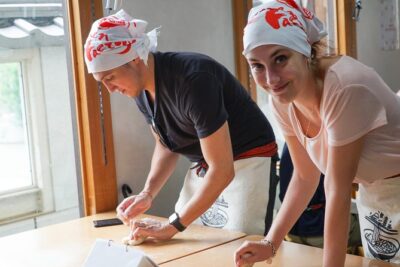
Ramen Cooking Class at Ramen Factory in Kyoto
Read our review →
Ramen & Gyoza Cooking Class in Tokyo with Local Supermarket Visit
Read our review →
Ramen Cooking Class at a Ramen Factory with Souvenir
Read our review →
Japanese Washoku Bento Small Group Cooking Class
Read our review →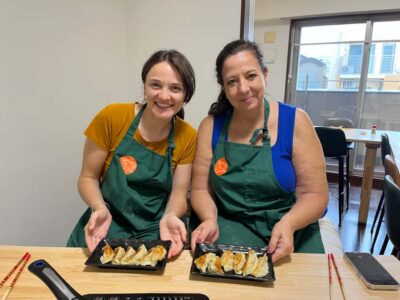
Easy Ramen Cooking Experience in Kabukicho, Shinjuku
Read our review →
Ramen and Sushi Cooking Class with Sake Pairing Set in Tokyo
Read our review →Browse the lists this tour appears in