
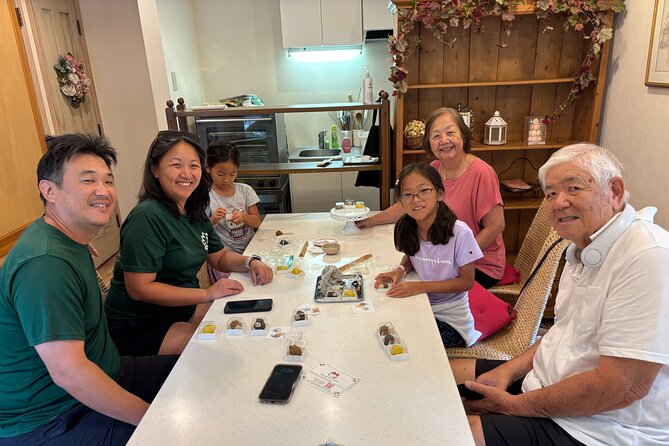
Reviewed · DRINKING TOURS
Making Japanese desserts Nerikiri & drinking matcha in Tokyo
A Tokyo dessert class by hand is a rare treat. This small-group nerikiri and matcha experience is built for real participation, from kneading seasonal doughs to learning why the sweets change with the seasons. I like that you get a true craft lesson, not just watching someone else work. You also leave with something you made yourself.
I really like the personal attention. With a maximum of 8 travelers, the instructor can guide you step by step while you shape three types of seasonal kneaded dough. And you get a proper matcha break, since the instructor prepares authentic green tea for you to enjoy right after making your sweets.
One consideration: if you want specific shapes like an owl or a needle mouse, you need to request it by email, and even then it may depend on timing. Also, the location can switch between Shimokitazawa and Toritsu Daigaku Station, so you should check your email details closely.
Key things to know before you go
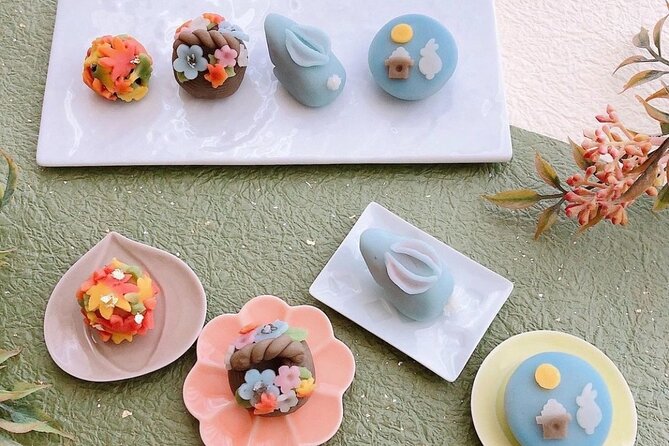
- Small group size (up to 8) means more hands-on help while you knead and shape
- Three seasonal nerikiri dough types so you learn more than one technique
- All ingredients and tools included, so you show up ready to work
- Matcha is prepared for you, and you can eat your nerikiri on the spot
- Take-home packets are provided, so you can bring your sweets back to your next meal
Nerikiri and matcha in Setagaya, the hands-on way
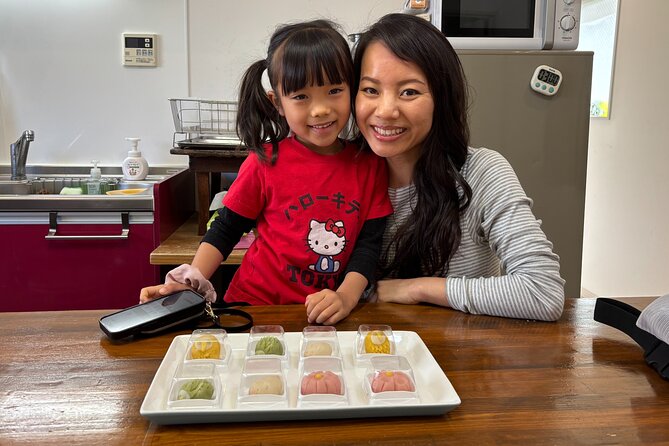
Tokyo is full of food experiences, but not many teach you how Japanese sweets are made at the craft level. Nerikiri, those beautifully shaped kneaded sweets, is one of the most skill-based categories of wagashi. In this class, the point is not perfection. It is learning the process, understanding the seasonal logic, and getting comfortable using your hands.
What makes it feel especially satisfying is the pairing: you knead and shape seasonal doughs, then you reset with matcha green tea. That rhythm matters. Your hands get warm and busy, and then you slow down to taste, notice flavors, and connect the food to culture and timing.
More Tea Ceremonies in Tokyo
- Matcha Making Class in Tokyo with Authentic Japanese Sweets Set
★ 5.0 · 744 reviews - Tokyo: Traditional Tea Ceremony with a Tea Master
★ 5.0 · 528 reviews - Tokyo: Matcha Making Experience with Mochi Sweets in Asakusa
★ 4.9 · 388 reviews
The 1 hour 30 minutes game plan (what you actually do)
This class runs about 1 hour 30 minutes, and it stays focused. You are not bouncing around the city. You are doing the work in the kitchen, then you are free to explore the nearby Setagaya-ku area afterward.
Here is the flow you can expect:
- You meet at the set address in Setagaya, but it can shift to Toritsu Daigaku Station if the kitchen in Shimokitazawa is unavailable.
- The instructor explains the nerikiri process and the seasonal approach.
- You make three types of seasonal kneaded dough, using the tools and ingredients provided.
- After the class, the instructor prepares matcha, and you can eat what you made right there.
- If you want to take sweets home, you get packets for that too.
You end up with both an experience and a tangible souvenir. That is better value than a photo, and it is more fun than a single tasting flight.
Making seasonal kneaded doughs: nerikiri, step by step
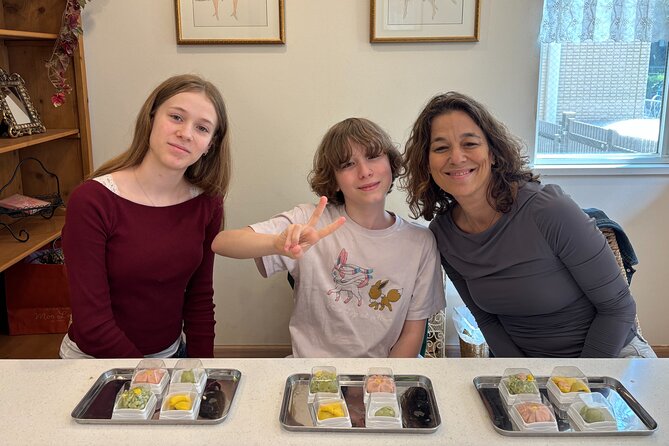
The most important part is that you actually make nerikiri with your own hands. You will work with kneaded rice ball style dough, shaped according to the season of your visit. The specific shapes follow seasonal timing, so what you learn ties directly to what Japan is celebrating and emphasizing at that moment.
You are not just copying one final product. You make three types of seasonal kneaded dough, which means you get multiple practice rounds in a short time. For beginners, this is huge. One attempt teaches you the basics. Three attempts teach you how to adjust when things feel different.
What the instructor is doing for you
You get guidance through the process, plus the background behind why nerikiri is seasonal. The class includes facts about Japanese cuisine that many guidebooks skip, particularly the idea that sweets are not only for flavor. They are for season, mood, and presentation.
In practical terms, that means you can understand what you are doing beyond the steps. You also avoid the common cooking-class problem, where you finish a craft but do not really know what matters.
Same corner of Japan, a different kind of day:
- Mt Fuji and Hakone 1-Day Bus Tour Return by Bullet Train
★ 5.0 · 26,383 reviews - 1-Day Tokyo Bus Tour
★ 5.0 · 14,250 reviews - Tokyo: TOKYO SKYTREE® Admission ticket
★ 4.5 · 11,192 reviews - Tokyo: teamLab Planets TOKYO Digital Art Museum Entry Ticket
★ 4.6 · 9,779 reviews
Optional shapes: owl and needle mouse
If you want extra creativity, the class notes you can request specific forms like an owl and a needle mouse. You must tell the provider by email when you send your booking. But the key detail is the timing, it may not be possible depending on when you apply. If you have a must-do shape, plan to email quickly after booking.
The matcha moment: taste it the way the class frames it
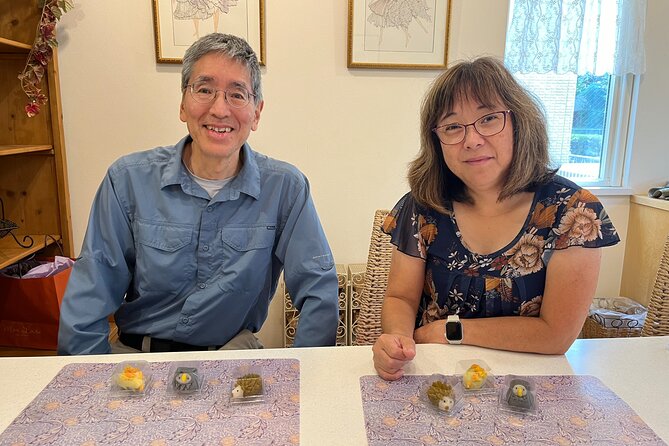
After shaping your nerikiri, you get matcha prepared by the instructor. This is a simple part, but it is not an afterthought. Matcha is the right companion for nerikiri because it balances sweetness and gives you something grounded and earthy right after working with sticky dough.
You can drink it on the spot, then eat the nerikiri you made. The class setup supports that, meaning you get a chance to taste what you made while it is fresh and before your focus moves on to logistics.
If you are the type who always wonders what matcha quality means, this is a comfortable way to learn by pairing. You taste, then you connect that flavor to the sweets you shaped.
Where it happens: Shimokitazawa kitchen, with a backup plan
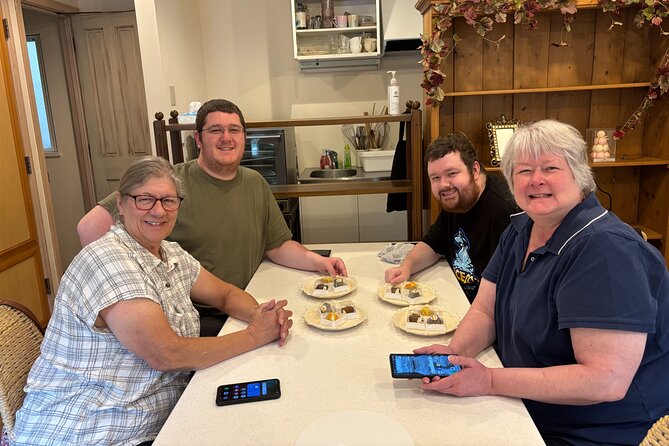
Meeting location is in Setagaya City, starting at 3-chōme-20-4 Kitazawa, Setagaya City, Tokyo 155-0031, Japan. But there is a clear backup plan. Basically, the class is held at the kitchen in Shimokitazawa. If that space is not available, it may be held at Toritsu Daigaku Station instead, and the instructor contacts you by email.
For you, the takeaway is simple: check your email details after you book. Tokyo workshops can shift based on rental space. This one tells you what to expect, so you can stay calm and just follow the updated meeting point.
Also, the activity is listed as near public transportation. That matters in Tokyo. You do not want to burn half your class day on directions.
Exploring after class: Setagaya has easy rewards
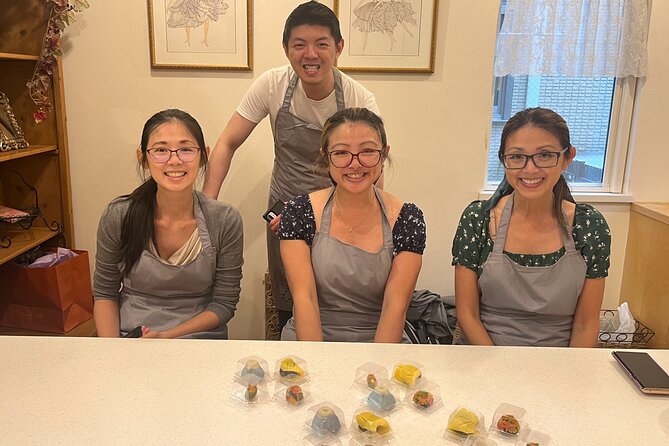
After the session, the class ends back at the meeting point, and you can explore the nearby Setagaya-ku district. Since the kitchen is in Shimokitazawa most of the time, you can likely get a nice post-class walk in a real neighborhood area rather than a fenced-in attraction zone.
How to make your free time work:
- Do a slow wander before you eat anything else, because you will still be thinking about your sweets and tea.
- If you brought a friend, talk through what you made while it is still fresh in your mind. It makes the experience stick.
You will get more value by turning that neighborhood walk into part of the ritual, not just a transfer to your next plan.
Price and value: what $65.69 buys you in Tokyo
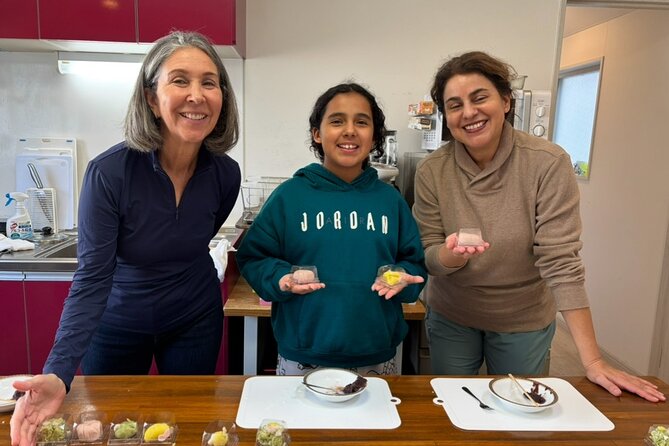
The price is $65.69 per person for about 1 hour 30 minutes. That sounds like a lot if you compare it to a supermarket snack. But cooking classes need ingredients, tools, a kitchen space, and a trained instructor. In this case, the class also includes matcha preparation and take-home packaging.
Here is the value angle that matters most for you:
- Small-group format (up to 8) lowers the chance you get rushed or ignored.
- All ingredients and tools included means zero shopping and less stress.
- You make three seasonal dough types, so you get more than a one-item demo.
- You get matcha and your finished nerikiri, either eaten on the spot or packed up.
If your goal is to learn a craft you can explain and repeat, that is where the price starts to feel reasonable. If your goal is only to eat a few sweets quickly, you might feel the class is too hands-on. But if you want a cultural food skill, this is closer to paying for a workshop than paying for a dessert tasting.
Also, there are group discounts. If you are traveling with family or friends, check if your group qualifies. The overall cost can become easier to justify when you split the experience across multiple people.
Who should book this nerikiri and matcha class
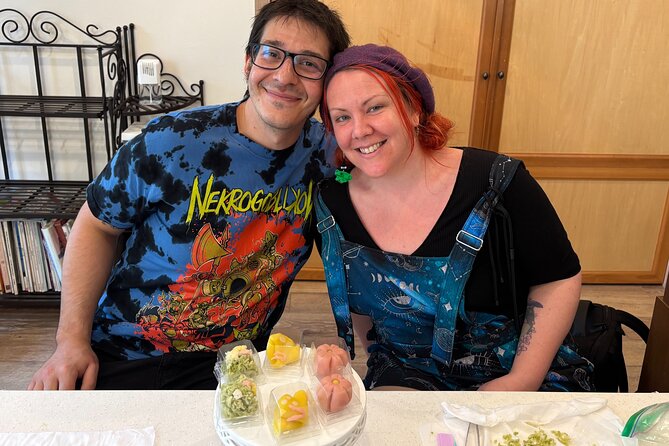
This one fits best if you want something cultural but not intimidating. The class is beginner friendly in feel, and the structure is built around guided hands-on steps.
You should book if:
- You like cooking classes where you do real work, kneading and shaping yourself
- You want seasonal food context, not just a generic dessert
- You enjoy matcha and want a more meaningful pairing
- You want a small-group experience with enough attention to feel comfortable
You might skip or reconsider if:
- You dislike anything sticky or hands-on (nerikiri dough work is tactile)
- You are short on time and need a quick hit only
- You are hoping for a long meal experience, this is a compact 1 hour 30 minutes class
A smart strategy is to book it earlier in your Tokyo stay. Then you can use the food skills and context as you explore other wagashi and cafés afterward.
Practical tips that make your class smoother
These are the details that help you enjoy the experience more.
- Go with a mindset of practice, not perfection. Nerikiri is craft work, and the class is built for learning the process.
- If you want the owl or needle mouse shapes, email the request soon after booking. Timing can affect whether it is possible.
- If your meeting point changes, trust the email update. The kitchen may be in Shimokitazawa, but Toritsu Daigaku Station is the backup.
- Plan your photos after shaping, not during. Your hands will be busy, and you will enjoy the lesson more if you stay present.
Also, think ahead about what you will do with take-home sweets. Since packets are provided, you can pack them and store them for your later plans, but you should avoid leaving them in heat for too long.
Should you book this nerikiri and matcha class?
If you want a Tokyo food experience you can feel in your hands, this is an easy yes. The combination of small-group attention, three seasonal nerikiri dough types, and matcha you drink right after makes it more than a cute activity. It becomes a skill you understand, plus sweets you can eat or share.
Book it if you like hands-on learning and you want something more grounded in Japanese culinary culture than a generic tasting. Consider skipping if you only want to sample quickly or you are traveling with strict time limits and need something shorter and simpler.
FAQ
FAQ
How long is the nerikiri and matcha class?
It takes about 1 hour 30 minutes.
What group size should I expect?
The class has a maximum of 8 travelers.
What will I make during the class?
You will make three types of seasonal kneaded dough for nerikiri.
Is matcha included?
Yes. The instructor prepares popular matcha after the class.
Can I take the sweets home?
Yes. Packets for taking home are provided, and you may eat the nerikiri you made on the spot or take them home.
Can I request specific shapes like an owl or a needle mouse?
You can request those shapes by email when you send your message. Meeting the request depends on timing and may not be possible for all applications.
Where is the meeting point?
The meeting point is at 3-chōme-20-4 Kitazawa, Setagaya City, Tokyo 155-0031, Japan. If the Shimokitazawa kitchen is unavailable, it may be held at Toritsu Daigaku Station, and the instructor will email you.
Can I cancel for a full refund?
Yes. You can cancel up to 24 hours in advance of the experience for a full refund.
More Drinking Tours in Tokyo
- Tokyo Bar Hopping Tour in Shinjuku (All-You-Can-Drink + Dinner)
★ 5.0 · 3,587 reviews - Best of Shinjuku: Izakaya Food Tour (4 Stops, 14+ Tastings)
★ 5.0 · 1,863 reviews - Tokyo: Shinjuku Local Bar and Izakaya Guided Walking Tour
★ 4.9 · 1,794 reviews - Shibuya Meltdown Nightlife Tour: All-You-Can-Drink Bar Hopping
★ 5.0 · 1,058 reviews
Fresh options around Tokyo
- Tokyo: Nagano Snow Monkeys and Zenkoji Tour with Temples★ 4.9 · 19 reviews
- Yokohama Port: Private Customizable Tour with Transfer★ 5.0 · 19 reviews
- Sushi Making with Interactive Samurai Experience at JIN-ASAKUSA★ 5.0 · 19 reviews
- Explore Unique Tokyo Streets / Learn with a Pro Photographer★ 5.0 · 19 reviews
- DAIKOKU excursion by car DRIFT automobile encounter★ 4.5 · 19 reviews
- Official Street Go Kart Tour Akihabara 2nd★ 5.0 · 19 reviews
- Cosplay Experience with Professional Makeup and Photo Shoot!★ 5.0 · 19 reviews
- Tokyo: Name Seal & Pouch or Tote Bag Making Experience★ 4.5 · 19 reviews
Drinking Tours, compared.
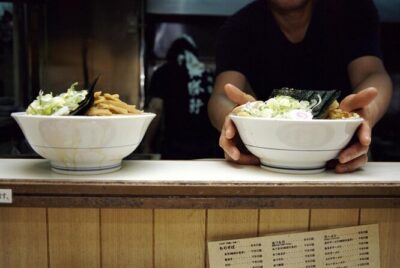
Tokyo Bar Hopping Tour in Shinjuku (All-You-Can-Drink + Dinner)
Read our review →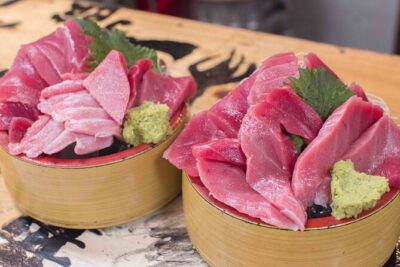
Best of Shinjuku: Izakaya Food Tour (4 Stops, 14+ Tastings)
Read our review →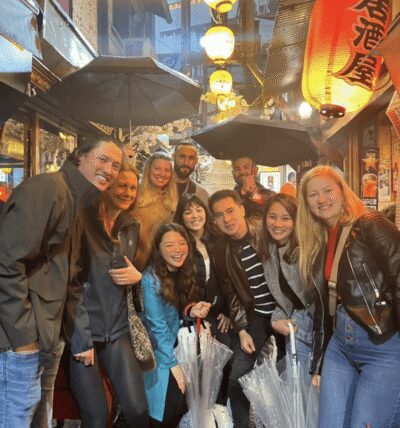
Shinjuku Local Bar and Izakaya Guided Walking Tour
Read our review →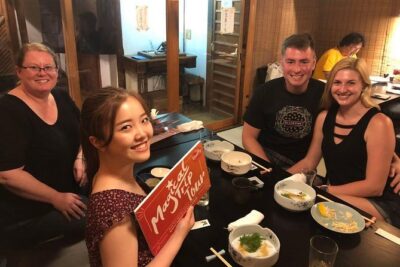
Kyoto Night Foodie Tour in Gion (9+ dishes + 6 Sake tastings)
Read our review →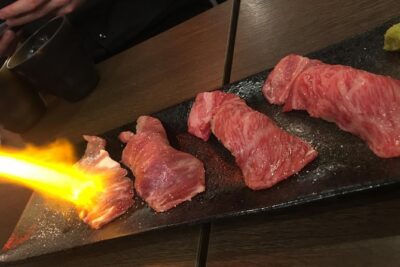
Shibuya Meltdown Nightlife Tour: All-You-Can-Drink Bar Hopping
Read our review →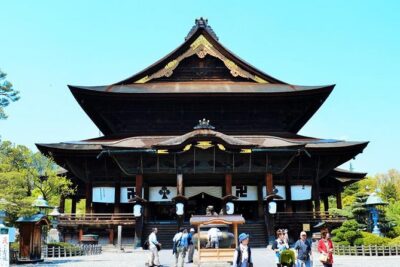
1-Day Snow Monkeys, Zenko-ji Temple & Sake in Nagano
Read our review →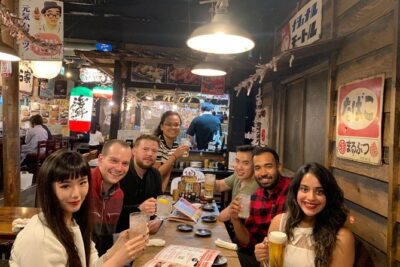
Osaka Bar Hopping Night Walking Tour in Namba (3 bars, 6 tastes)
Read our review →
Browse the lists this tour appears in