
Reviewed · COOKING CLASSES
Hands-on Japanese Cooking in a Shinjuku Home Kitchen with Satoru
Tokyo food tastes better when it comes from someone’s kitchen. This private Shinjuku class with Satoru is a hands-on way to cook Japanese comfort food and then sit down for a real home meal. I especially like the private, local setting and the way the class turns ingredients into stories you can actually use later. The main drawback to know up front is that the menu is tied to the weekday, so you need to check and request changes early if you have preferences.
You’ll meet at JR Shinjuku Station, walk together to a small but efficient apartment kitchen, and spend about an hour and a half cooking before sharing the food. You get a drink with your host, plus a gift of a Japanese utensil and an ingredient to take home. Just be aware that the exact dishes depend on the day, and if you don’t communicate your choices, you’ll cook the menu of that day.
Key Points You’ll Care About
- Weekday menus change: Teishoku on Sat to Tue, and popular favorites like okonomiyaki or karaage on Wed to Fri
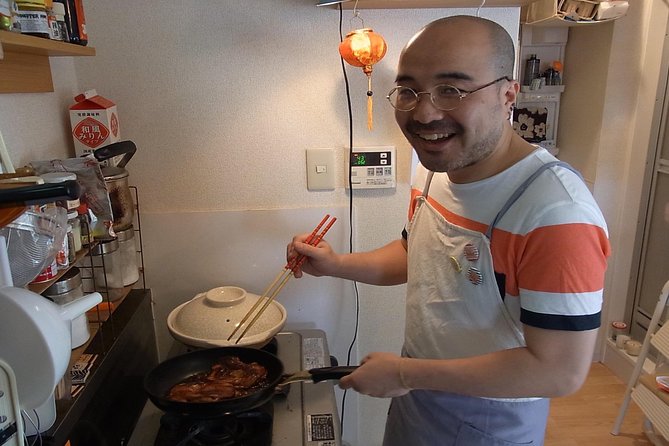
- Private home kitchen: small and efficient, with Satoru guiding you step by step
- You cook 2 to 5 dishes depending on the menu, then you eat them together with your host
- A drink is included (1 to 2 glasses of local alcohol) during the meal
- You take home a gift: a Japanese utensil and an ingredient
Meeting Satoru in Shinjuku and Heading to a Real Apartment Kitchen
This starts the way real Tokyo plans often start: at a major rail hub, then a short walk into the neighborhood feel. You meet Satoru at Shinjuku Station (3-chōme-38-1 Shinjuku, Shinjuku City), and you head to his home together in the middle of the city. It’s not a formal studio setup. You’re going to a simple, cozy apartment, and that matters because the vibe stays casual and personal.
The kitchen is small, but Satoru runs it like it has a job to do. You are not just watching from across a counter. You’re in the working space, chopping, mixing, and learning how Japanese home cooking is built around a few key flavors and techniques. From the start, the lesson feels friendly and grounded, not like a performance.
A big part of the value here is that you get to ask the questions you actually have as you travel. What makes the dashi taste different? Why is honey used a certain way? Where do ingredients fit in a Japanese meal rhythm? Satoru shares tips and background with stories, and that conversation continues into the meal.
More Cooking Classes in Tokyo
- Ramen & Gyoza Cooking Class in Tokyo with Local Supermarket Visit
★ 5.0 · 823 reviews - Tokyo: Easy Ramen Cooking Experience in Kabukicho, Shinjuku
★ 4.6 · 321 reviews - Ramen and Sushi Cooking Class with Sake Pairing Set in Tokyo
★ 5.0 · 291 reviews
What You’ll Cook: Teishoku Sets and Weekday Favorites
Here’s the crucial planning point: the dishes depend on the day, and you should check the menu in advance. The class does not operate like one fixed “best of Japan” menu.
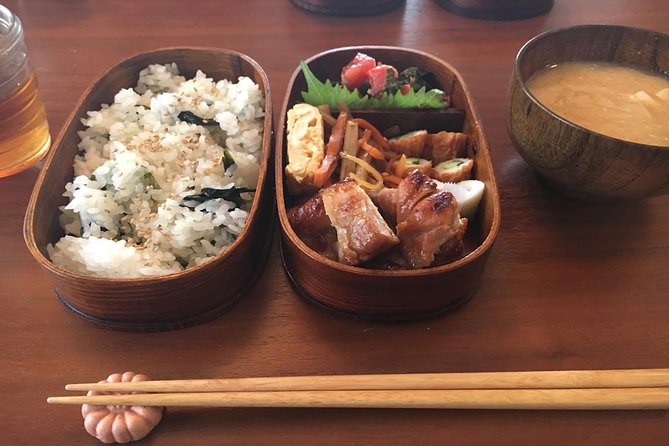
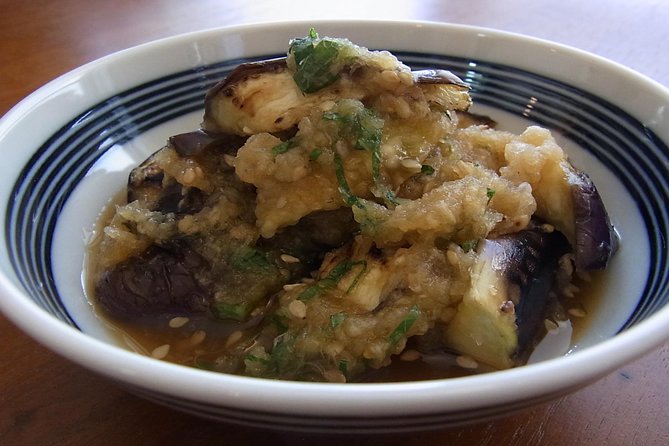
On Sat, Sun, Mon, and Tue, you’ll make Teishoku, which is a Japanese set meal structure. You can expect miso soup, rice, and two side dishes. Teishoku is a great fit if you want the most “everyday Japan” version of a meal, because it teaches balance: hot soup, plain rice, and sides that bring different tastes and textures.
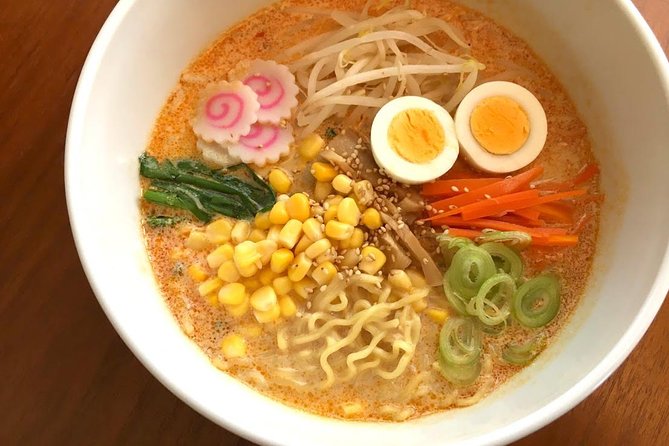
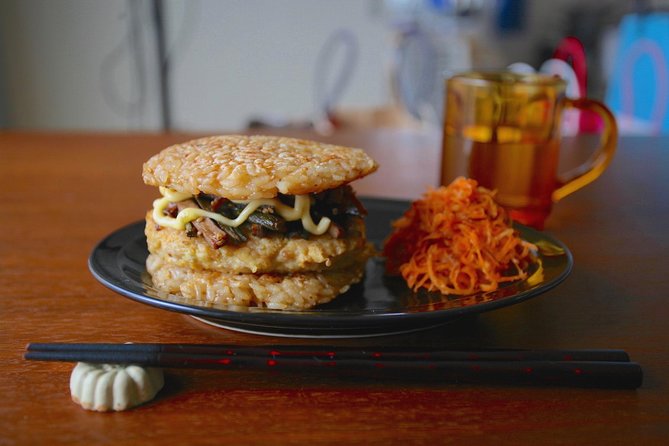
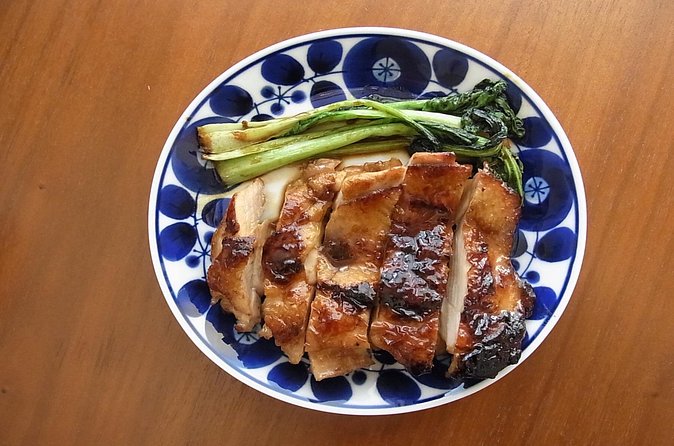
On Wed, Thu, and Fri, the menu shifts to more popular, crowd-pleasing Japanese foods. The options may include Okonomiyaki (Japanese pancake), Karaage (fried chicken), Yakisoba (pan-fried noodles), Katsu curry rice, Ramen, or Gyoza. Which one you cook depends on that day’s menu, so you’ll want to match your expectations to the schedule.
The class is described as cooking 2 to 5 authentic homestyle dishes from scratch. That range matters because it changes how fast you’ll feel the kitchen tempo. A multi-dish day can mean more switching between steps, while a smaller menu day can feel a bit more relaxed. Either way, the meal portion is where everything comes together.
One more practical note: if you want changes or have restrictions, you need to tell the host one week in advance. If you don’t share a preference, you cook the menu of the day. If you want a vegetarian option, you should request it at booking.
The Hands-On Cooking Hour, From Dashi to Sweet Notes
The cooking part is about an hour and a half. In that time, you’re not doing one task and calling it a day. You’re learning the flow of Japanese cooking in a practical way.
You can expect Satoru to guide you through making dishes from scratch. That typically includes the “foundation” flavors, like the savory base used in many Japanese recipes. You’ll also hear how ingredients matter, from dashi flavor building to sweeter elements like organic honey when it fits the dish. Even if you aren’t a confident home cook, the class is paced to get you moving while keeping the process understandable.
I like how the instruction stays connected to taste, not just steps. You learn why something is seasoned a certain way, and you get chances to ask questions while you cook rather than waiting until later. If you enjoy learning by doing, this is the kind of class where you’ll remember what you did because you did it with your hands.
The best part for families is that Satoru’s teaching style seems to work across ages. People describe him as patient, funny, and good at keeping the energy up, including for teenagers. So if you’re planning this as a group activity, it doesn’t feel like an adult-only lecture.
Sharing the Meal and Drink, The Part That Feels Like Real Tokyo
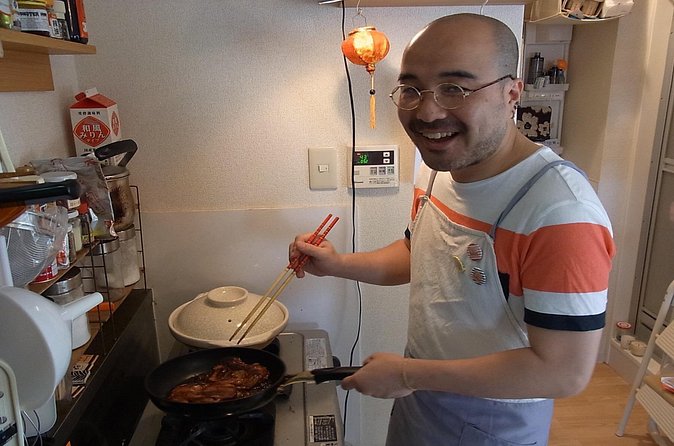
After cooking, you sit down together and eat the meal you made. This is private, so you are not squeezed into a group dynamic. You also share conversation with your host, which is the whole point of a home-kitchen experience. You get to talk through ingredients and choices, and you can ask about what you don’t fully understand yet.
A local drink is included with the meal, 1 to 2 glasses. That small inclusion helps the meal feel like it’s happening in someone’s real evening rhythm, not like a dining show. It also gives the conversation a natural soft landing.
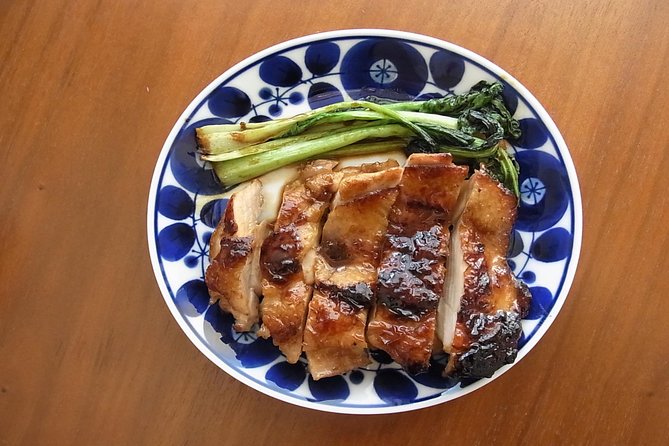
The meal structure depends on the day’s menu. If it’s a Teishoku day, you’ll have a straightforward, balanced plate with miso soup and rice plus side dishes. If it’s one of the popular foods days, you’ll get the comfort food feel, the kind you see people order and share casually.
There’s also a “lesson you can carry home” element here. When you cook the dish yourself, you start to understand what to look for next time you order it. You become less reliant on restaurant menus and more capable of choosing what you want to taste and why.
Same corner of Japan, a different kind of day:
- Mt Fuji and Hakone 1-Day Bus Tour Return by Bullet Train
★ 5.0 · 26,383 reviews - 1-Day Tokyo Bus Tour
★ 5.0 · 14,250 reviews - Tokyo: TOKYO SKYTREE® Admission ticket
★ 4.5 · 11,192 reviews - Tokyo: teamLab Planets TOKYO Digital Art Museum Entry Ticket
★ 4.6 · 9,779 reviews
The Utensil and Ingredient Gift, Plus Why It Helps After Your Trip
Most cooking classes teach you how to cook once, then you’re done. This one adds a take-home piece: you receive a gift of a Japanese utensil and an ingredient. That’s more useful than it sounds. It gives you a real reminder of the class and a starting point for recreating something later.
If you shop in Tokyo, you’ll notice that Japanese kitchens often use tools that make a job easier, not just fancy. Even a small utensil can change how you handle cutting, mixing, or serving. The ingredient gift also nudges you toward actually using what you learned, not just remembering the taste.
This is one reason I think the class works well as a “memory with function.” You’re not only buying a photo moment, you’re bringing home an item you can use.
Price and Value at $130: When a Private Home Class Makes Sense
At $130 per person, you’re paying for a few things that group cooking classes often can’t offer. First is the setting: a local apartment kitchen in Shinjuku, not a rented commercial space. Second is the time and attention: it’s private, meaning you and your group cook together with your host rather than competing with a large class for instruction.
Duration is about 2 hours 30 minutes including the cooking and the meal. You also get pickup from JR Shinjuku Station. Hotel pickup and drop-off are not included, so you’ll want to plan to start from Shinjuku Station.
If you compare this to the price of a good private experience plus a nice meal, the math starts to look more reasonable. You’re essentially combining a cooking workshop, an adult portion of cultural conversation, a prepared meal experience, and a small drink inclusion. The utensil and ingredient gift adds a final practical layer.
One more angle: advance booking. This is commonly booked about 72 days in advance on average. That’s usually a sign it stays popular, not a last-minute filler. If you want a particular weekday menu (Teishoku versus one of the popular favorites), don’t wait.
Who This Suits Best in Tokyo (And Who Should Think Twice)
This class is best for you if:
- You want Japanese home cooking, not just restaurant dining
- You enjoy asking questions and learning through conversation
- You like hands-on activities and want to cook in a real kitchen setting
- You’re traveling as a pair or with a small group and want privacy
- You’re bringing teens or older kids who can participate actively
It might not be the best fit if:
- You want a specific dish and are not willing to check the weekday menu ahead of time
- You have tight time windows and don’t want to walk from Shinjuku Station to the apartment area
- You prefer large, structured classes where everything is standardized start to finish
If you’re flexible and curious, the menu schedule becomes part of the fun. Teishoku teaches you the everyday structure of a Japanese meal. The weekday favorites give you the “I want to make this at home” satisfaction of cooking familiar popular dishes.
Should You Book Satoru’s Shinjuku Cooking Class?
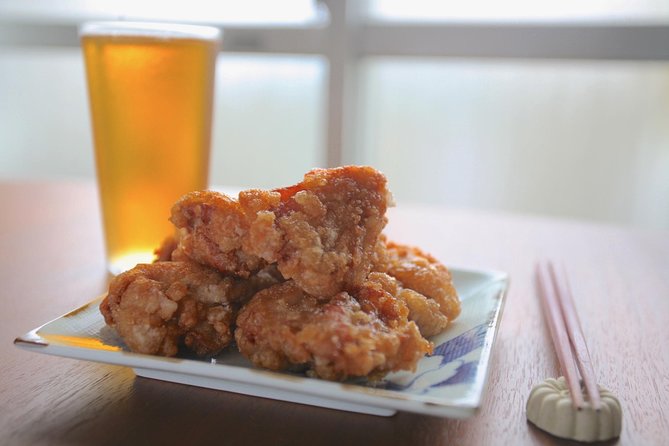
I’d book this if your Tokyo trip includes at least one day where you want to feel more like a visitor in a home than a customer in a business. The combination of a private kitchen, a host-guided cooking session, and a shared meal with a drink is exactly the kind of experience that makes Tokyo feel personal.
Before you book, do two things. First, check the menu for your exact day and decide what you want to make. Second, if you need any adjustments or a vegetarian option, request it early and communicate your restrictions one week in advance so your menu can match your needs.
If that sounds like your travel style, this is a solid use of time in Shinjuku. You’ll walk away with both a full meal and practical cooking know-how you can actually repeat.
FAQ
Where do I meet Satoru for this cooking class?
You meet at Shinjuku Station (3-chōme-38-1 Shinjuku, Shinjuku City, Tokyo 160-0022, Japan). The activity ends back at the meeting point.
How long is the experience?
It lasts about 2 hours 30 minutes (approx.). The cooking portion is about 1.5 hours, followed by the meal.
What dishes will I cook?
You’ll cook 2 to 5 Japanese homestyle dishes from scratch. On Sat to Tue, it’s Teishoku with miso soup, rice, and two side dishes. On Wed to Fri, it’s one of the listed popular options, such as okonomiyaki, karaage, yakisoba, katsu curry rice, ramen, or gyoza.
Can I request a vegetarian option?
Yes. A vegetarian option is available, and you should advise the host at the time of booking.
Do I need to choose a menu in advance?
Yes. The menu depends on the day. If you want changes or have restrictions, you should inform the host one week in advance. If you do not share a preference, the menu of the day will be cooked.
Is the class private?
Yes. This is a private tour or activity, so only your group participates.
What’s included with the price?
Included items are the private cooking class, local alcohol (1 to 2 glasses), and pickup from JR Shinjuku Station. You do not get hotel pickup or drop-off.
Do I get anything to take home?
Yes. You receive a gift of a Japanese utensil and ingredient.
What if I need to cancel?
You can cancel for a full refund if you cancel at least 24 hours before the experience start time. If you cancel less than 24 hours before, the amount is not refunded.
Fresh options around Tokyo
- Tokyo: Nikko Kegon Falls Lake Chuzenji Toshogu Temple & More★ 4.9 · 12 reviews
- Tokyo: Samurai History Walking Tour★ 5.0 · 12 reviews
- Harajuku: Kawaii Fashion and Pop-Culture Tour★ 4.7 · 12 reviews
- Tokyo: Mt. Fuji & Lake Kawaguchi Instagram Full Day Trip★ 4.1 · 12 reviews
- Shibuya Tokyo: Modern Kintsugi Workshop in Shibuya★ 5.0 · 12 reviews
- Tokyo: GTR Guided Daikoku Experience at Night★ 5.0 · 12 reviews
- Tokyo: Daikoku JDM Car Culture Tour★ 4.6 · 12 reviews
- Mt Fuji Private Day Trip from Tokyo with English speaking driver★ 5.0 · 13 reviews
Cooking Classes, compared.
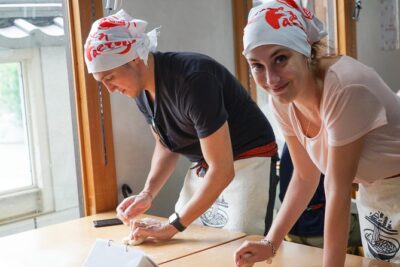
Ramen Cooking Class at Ramen Factory in Kyoto
Read our review →
Ramen & Gyoza Cooking Class in Tokyo with Local Supermarket Visit
Read our review →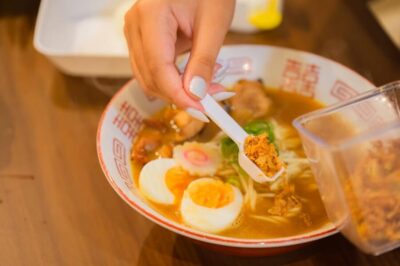
Ramen Cooking Class at a Ramen Factory with Souvenir
Read our review →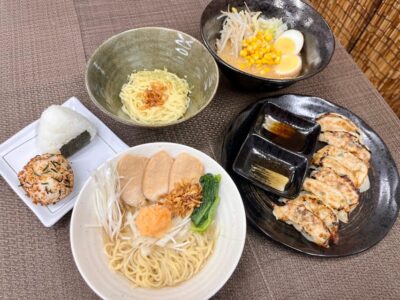
Japanese Washoku Bento Small Group Cooking Class
Read our review →
Easy Ramen Cooking Experience in Kabukicho, Shinjuku
Read our review →
Ramen and Sushi Cooking Class with Sake Pairing Set in Tokyo
Read our review →Browse the lists this tour appears in