
Reviewed · COOKING CLASSES
Vegan/Vegetarian Ramen and Gyoza by Bentoya cooking
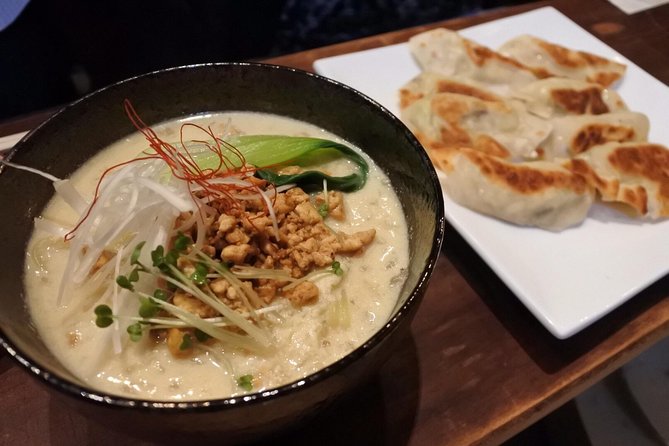
Your next ramen starts with grocery skills. This vegan ramen and gyoza class in Komae turns Japanese comfort food into something you can actually cook at home. It also deals with one of the biggest hurdles for vegetarians in Japan: dashi, the fish-based soup stock that usually flavors ramen.
I love two things most: the ramen soup from scratch process, and how instructors like Kaori (with support from Miwa and other hosts such as Rina) teach cutting, seasoning, and presentation clearly. The one drawback to keep in mind is that you are cooking, not just watching, so it helps if you are ready for a fast kitchen pace and for learning a vegetarian approach to classic flavors.
Key Things to Know Before You Go
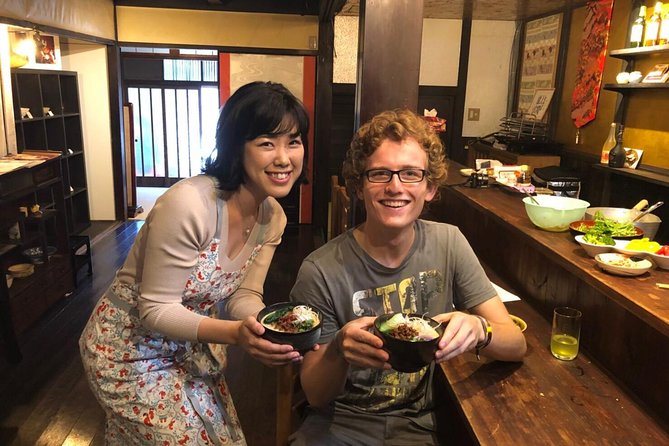
- A local supermarket stop in Komae so you learn what Japanese ingredients look like and how people actually shop
- Ramen soup from scratch using a vegetarian framework that works around dashi concerns
- Real gyoza technique, including how to handle, season, and finish dumplings for good results
- Max group size of 6, which makes hands-on help easier when you hit a snag
- Clear English instruction from hosts like Kaori and Rina, plus practical tips you can use later
- Instruction files after class, so you can recreate your ramen and gyoza at home without guessing
Vegan Ramen and Gyoza in a Real Tokyo Kitchen
Ramen in Japan can feel like a game you cannot win as a vegan or vegetarian. The reason is dashi, the soup stock made mainly from fish, and it shows up everywhere. This class is built to help you get the ramen experience without relying on that fish-based base.
What makes this experience especially appealing is that you are not just learning recipes on paper. You are working with ingredients, practicing techniques, and getting the logic behind flavor. That is why people come away saying they can make it again at home, not just once.
And the vibe is personal. With a small group capped at 6, you are more likely to get direct help when your dough, dumpling fold, or seasoning balance is off. It feels like you are borrowing someone’s kitchen skills, not sitting in a demo seat.
More Cooking Classes in Tokyo
- Ramen & Gyoza Cooking Class in Tokyo with Local Supermarket Visit
★ 5.0 · 823 reviews - Tokyo: Easy Ramen Cooking Experience in Kabukicho, Shinjuku
★ 4.6 · 321 reviews - Ramen and Sushi Cooking Class with Sake Pairing Set in Tokyo
★ 5.0 · 291 reviews
Meeting at Komae Station, Then Shopping for Japanese Basics
You start at Komae Station (1 Chome-7 Motoizumi, Komae, Tokyo). The activity ends back near the meeting point, so you are not stuck figuring out your way across town after you are done.
A highlight is the short walk to a local supermarket. This matters more than it sounds. Japanese grocery stores are where you learn what to buy and what to avoid, from ingredient brands to the way products are labeled. Even if you already cook, you often need this kind of in-country orientation to recreate a dish successfully later.
The class also runs on a schedule window, Monday through Sunday from 10:00 AM to 1:00 PM, and it lasts about 2 hours 30 minutes. The timing is long enough to do real cooking, but not so long you feel like your whole day is gone.
Practical tip: arrive a little early and be ready to move. You are meeting near public transportation, and the day flows from meet-up to shopping to cooking, with little downtime.
Ramen Soup From Scratch, Without Fish-Based Dashi
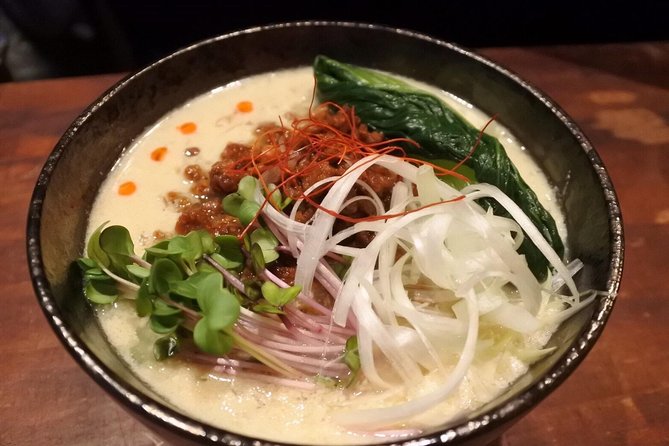
The core of the lesson is learning vegan/vegetarian Japanese ramen, including the soup made from scratch. In Japan, getting that deep umami taste without fish-based dashi can be tricky. This is exactly what the class aims to solve.
Instead of treating ramen like a mystery, you learn how to build flavor through the ingredients and cooking steps. You also get context on why vegetarian food can be difficult in Japan. That background turns the class from just recipe following into actual food understanding.
From the way the instructors teach, you also focus on process, not only end results. Many people highlight that the cooking includes cutting and cooking techniques and a clear approach to seasoning and presentation. That means you come away with skills, like how to prep toppings and how to think about balance in the bowl.
One more practical point: the ramen you make is a lunch-style payoff. If you are the type who likes to taste as you go, this class works well because you end up eating what you produce, and it is described as delicious.
Gyoza Skills You Can Actually Repeat at Home
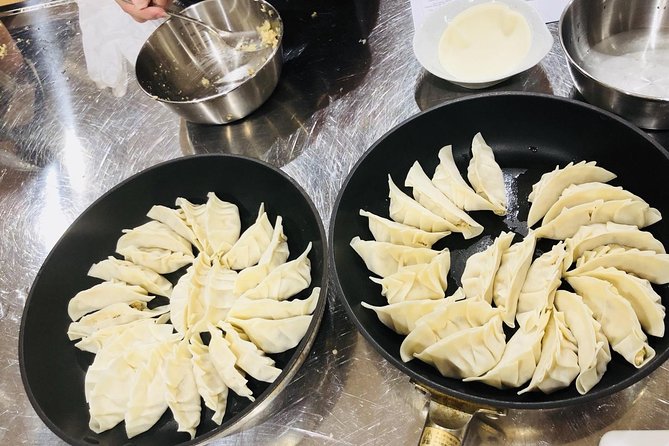
Gyoza is the other big star: dumplings with a minced stuffing, pan-cooked to get that mix of tender interior and crisp edges. The class teaches you how to make vegan/vegetarian gyoza, and it is not just about assembly.
What I like about learning gyoza this way is that you get technique. Reviews point to instruction that covers the basics clearly, plus the kind of hands-on coaching that helps you correct mistakes before they become a plate of sadness.
You also get an outcome that feels repeatable. Several people say they successfully recooked the ramen and gyoza later, and one common theme is that the instruction includes detailed guidance after the class. That follow-up matters. Without it, cooking classes can turn into a memory that fades fast. With it, you have a real reference.
And because gyoza is fairly technique-driven, this is where you benefit most from a small group. If your fold is too thick, or you are unsure about how to shape or season, you want a teacher to point you in the right direction while you are still in the cooking phase.
More Ramen Tours in Tokyo
- Eat and Drink Like a Local: Tokyo Ueno Food Tour-Taverns&Ramen
★ 5.0 · 957 reviews - Tokyo: Ramen Tasting Tour with 6 Mini Bowls of Ramen
★ 4.9 · 432 reviews - Professional Ramen & Gyoza with Ramen Chef in a restaurant!
★ 5.0 · 223 reviews - Shibuya: Ramen Dojo Tokyo | Make All 3 (Tonkotsu/Shoyu/Miso)
★ 5.0 · 214 reviews
Small Group Attention, Friendly Hosts, and Useful Takeaways
BentoYa Cooking runs this Japanese vegan/vegetarian cooking school experience with a maximum group size of 6. In practice, that means less waiting and more direct help. It is also a setting where you can ask questions, and hosts can tailor advice if you hit a specific issue.
The hosts people talk about most often include Kaori, plus other team members such as Miwa and Rina. Multiple reviews mention friendly, welcoming hosting, and strong English. That matters because ramen and gyoza have lots of small steps, and you do not want to guess your way through them.
Another key takeaway is that the class is built for home repetition. People specifically mention instruction files after the session, and they also mention how fun it was to learn ingredients and see what goes into the meal. That is the kind of learning that sticks.
Also, you get a mobile ticket, which is a small convenience but useful in Tokyo. Less paperwork, fewer pieces of paper to lose on the train.
Price and Value for a 2.5 Hour Hands-On Session
The price is $75.00 per person, and the class runs for about 2 hours 30 minutes. It is booked on average about 27 days in advance, which is your signal to reserve early if you want a specific date.
So is $75 a good value? Here is the practical way to think about it:
- You are not paying just for entertainment. You are paying for skills you can use again, plus a focused lesson in vegetarian ramen and gyoza.
- You also get a supermarket component, which makes the ingredients part of the learning, not an afterthought.
- You end up with the meal you make. Multiple people describe the results as delicious, which means you are not just leaving hungry.
If you already cook a lot, you may wonder how much new information you will find. For me, the value is less about learning one rare trick and more about getting the Japanese ingredient logic and technique so the dish works in your own kitchen.
If you are newer to cooking, this kind of structured, guided class tends to pay off quickly, because you learn both the how and the why.
Weather, Pace, and Who This Class Fits Best
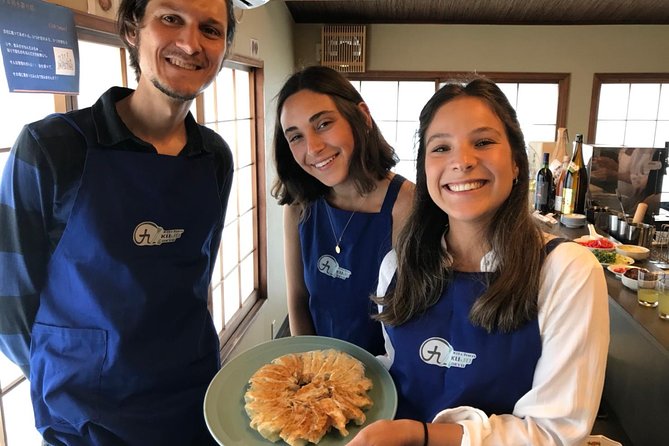
This experience requires good weather. If it is canceled due to poor weather, you will be offered a different date or a full refund. Since there is also a shopping stop and time moving around, weather can affect comfort and timing, so plan to be flexible.
As for pace, this is a cooking class. You should expect active participation, like chopping, mixing, and helping with each stage of ramen and gyoza. If you prefer to watch rather than do, this may feel more hands-on than you want.
Who this is best for:
- Vegans and vegetarians who want a ramen and gyoza approach that avoids the fish-based dashi issue
- People who want real home-cook results, not just a fun meal
- Anyone who likes learning through ingredients, especially if you find Japanese grocery shopping confusing
- Food lovers who enjoy small group settings where you can ask questions and chat
It is also a great choice if you are doing a Tokyo trip and want something more grounded than sightseeing alone. This is about a skill you can take home, not only photos.
Should You Book BentoYa Vegan Ramen and Gyoza in Tokyo?
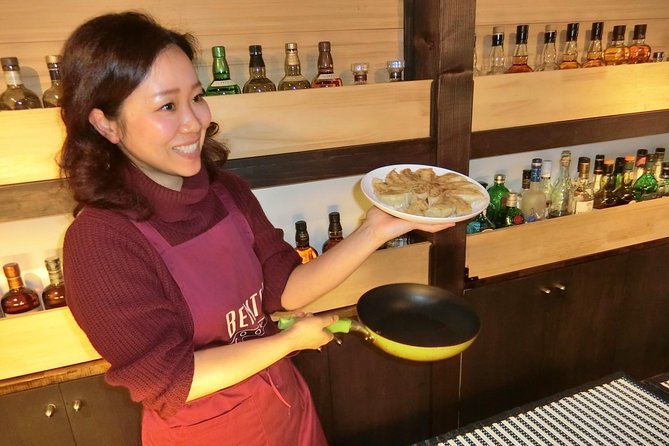
Book it if you want the most useful souvenir from Tokyo: the ability to make vegan ramen and gyoza yourself. The combination of a local supermarket walk, ramen soup from scratch, and hands-on dumpling technique gives you more than a recipe. It gives you a repeatable approach.
Don’t book it if you hate cooking tasks, want a purely passive experience, or you are not interested in vegetarian flavor building in a context where dashi is the usual baseline. Also, keep an eye on weather. Good conditions make the day smoother.
If you decide to go, I would reserve ahead, since it fills faster than many classes. And when you arrive, go in with a simple goal: learn what to buy, understand the ramen logic, and practice the gyoza steps well enough to recreate them without fear.
FAQ
Where is the meeting point for the vegan ramen and gyoza cooking class?
You meet at Komae Station, 1 Chome-7 Motoizumi, Komae, Tokyo 201-0013, Japan.
How long is the experience?
The class lasts about 2 hours 30 minutes.
How much does it cost?
It costs $75.00 per person.
Is it vegan and vegetarian friendly?
Yes. The experience is specifically a Japanese vegan/vegetarian cooking school focused on vegan/vegetarian ramen and gyoza.
What is the group size?
The tour/activity has a maximum of 6 travelers.
Do I get a mobile ticket?
Yes, the tour uses a mobile ticket.
What is the cancellation policy?
You can cancel for a full refund if you cancel up to 24 hours in advance. If you cancel less than 24 hours before the start time, the amount paid is not refunded.
More Ramen Experiences in Tokyo
- Shibuya: Ramen Dojo Tokyo | Make All 3 (Tonkotsu/Shoyu/Miso)
★ 4.8 · 207 reviews - Ramen Tasting – Mini Bowl Ramen Tour
★ 5.0 · 127 reviews - Mt. Fuji & Hakone: Fuji Sengen Shrine, Cruise, and Ramen-Making
★ 5.0 · 124 reviews - Ramen Making from Scratch +Akihabara Tour –Tokyo Cooking Class
★ 5.0 · 107 reviews
Fresh options around Tokyo
- Tokyo: Nikko Kegon Falls Lake Chuzenji Toshogu Temple & More★ 4.9 · 12 reviews
- Tokyo: Samurai History Walking Tour★ 5.0 · 12 reviews
- Harajuku: Kawaii Fashion and Pop-Culture Tour★ 4.7 · 12 reviews
- Tokyo: Mt. Fuji & Lake Kawaguchi Instagram Full Day Trip★ 4.1 · 12 reviews
- Shibuya Tokyo: Modern Kintsugi Workshop in Shibuya★ 5.0 · 12 reviews
- Tokyo: GTR Guided Daikoku Experience at Night★ 5.0 · 12 reviews
- Tokyo: Daikoku JDM Car Culture Tour★ 4.6 · 12 reviews
- Mt Fuji Private Day Trip from Tokyo with English speaking driver★ 5.0 · 13 reviews
Cooking Classes, compared.

Ramen Cooking Class at Ramen Factory in Kyoto
Read our review →
Ramen & Gyoza Cooking Class in Tokyo with Local Supermarket Visit
Read our review →
Ramen Cooking Class at a Ramen Factory with Souvenir
Read our review →
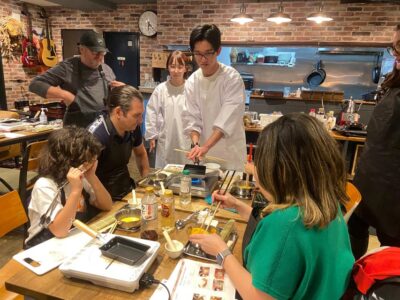
Japanese Washoku Bento Small Group Cooking Class
Read our review →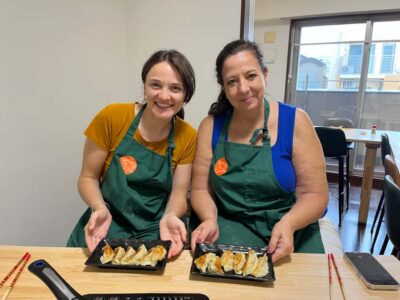
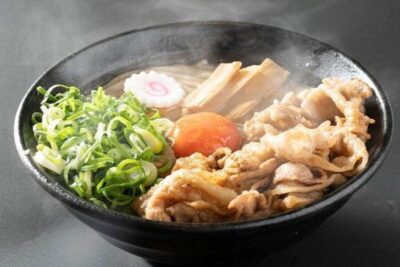
Easy Ramen Cooking Experience in Kabukicho, Shinjuku
Read our review →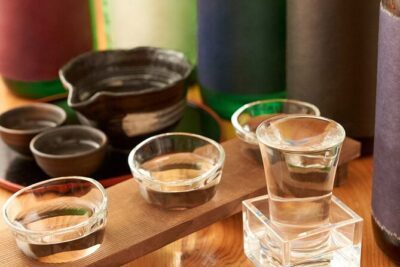
Ramen and Sushi Cooking Class with Sake Pairing Set in Tokyo
Read our review →Browse the lists this tour appears in