
Reviewed · SAPPORO & HOKKAIDO TOURS
Sapporo Private Tour with a Local – Highlights & Hidden Gems
A walk with a local is the fastest way to learn Sapporo. You skip map stress, you get a plan that bends to your interests, and you end up at the kind of spots that do not show up on most generic itineraries.
I especially like the flexible pacing and the way the stops mix famous Sapporo landmarks with day-to-day local life.
There is one watch-out: the route is mainly on foot, so rain, cold, and long stretches can turn into a test of patience if your host does not adjust well.
Key things that make this Sapporo tour work
- A private, personalized itinerary built around your tastes after a short questionnaire
- Seasonal Sapporo experiences like Maruyama Park, which changes dramatically through the year
- Classic landmarks plus local culture, including the Sapporo Clock Tower and Hokkaido Jingu
- Food-focused stops such as a beer museum and a seafood market for Hokkaido ingredients
- Guide names you can meet (people rave about Emilio, Shuinn, Leo/Ryo, Akihiro, Zarina, and more)
Why a local-guided walk feels like a cheat code in Sapporo
Sapporo has a way of rewarding people who slow down. With this kind of private walking tour, you are not stuck following signs and hoping you picked the right turn. A guide keeps you moving with a real sense of order, and then they tailor the day so it matches what you actually care about.
Two things I find most valuable. First, you get less decision-making. After booking, you answer a short questionnaire, and the host uses that to build your route around history, parks, food, or whatever you list as must-dos. Second, you get local problem-solving. In winter, the city looks different. In rain, you need indoor options. Guides can pivot based on the weather and your energy level.
The big drawback is not the itinerary. It is the format. This is primarily a walking experience, and transportation between stops may use public transit or a taxi if needed. If the day is miserable, you want a host who is proactive about switching streets, using covered walkways, or swapping an outdoor stop for something easier.
A few more Sapporo days worth comparing
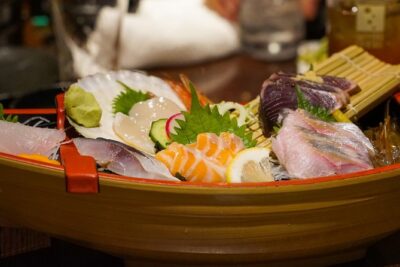
- Sapporo Bar Hopping Food Tour
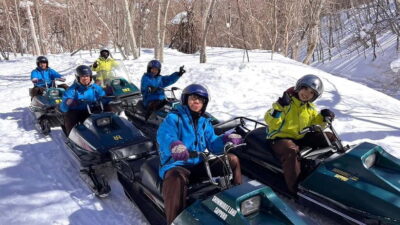
★ 5.0 · 232 reviews - Hokkaido Seasonal: Lake Toya & Noboribetsu Jigokudani Valley
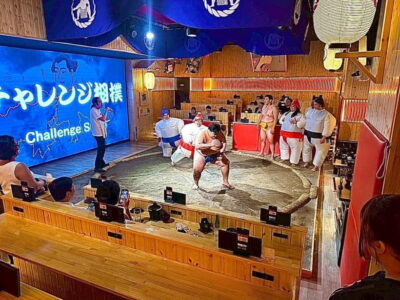
★ 4.7 · 173 reviews - Sapporo: Sumo Show Experience with Japanese food & Photo
★ 4.9 · 81 reviews
Price and value: what $109.98 per person buys you
At about $109.98 per person, you are paying for time with a local who can steer you through Sapporo without you spending hours researching. For many people, that value shows up fast, especially if you have only a day (or two half days) and you want both overview and food.
Here is how the math tends to work in real life:
- You are not just buying photos. You are buying route planning and guidance on where to go next.
- You avoid wasted time. A good guide helps you reduce backtracking and makes sure you hit the right areas efficiently.
- You can choose the length. Duration is listed as 3 to 8 hours, which helps if you want a quick highlights run or a longer food and neighborhood day.
What is not included matters for budgeting. Food, drinks, and attraction tickets are not included, and transportation is also not included (public transport may be used at extra cost). So the total day cost depends on what you choose to eat and whether you add tickets or tastings.
If you want a day that feels like a friend showing you around, this price can make sense. If you only want the top photo spots and you do not care about local explanations, you might be able to self-tour for less. But you are likely to spend more time working out logistics yourself.
Getting started at Sapporo Station and keeping navigation off your plate
The meeting point is the Hokkaido-Sapporo Tourist Information Centre, on the JR Sapporo Station west concourse (Kita 6 Jōnishi, 4-chōme, Kita Ward). The tour ends back at the meeting point.
Two practical benefits here:
- You get a clean starting hub. If you are coming in from the airport or arriving from Hakodate or other cities, Sapporo Station is the natural anchor point.
- Your guide walks with you. The whole point is no map juggling, no guessing which street is the right entrance, and no translating everything on the fly.
Pickup is listed as offered. If that matters for you, ask early. Since the tour is mostly walking, pickup can reduce the stress of getting to the starting point in weather.
Also, you are not sharing the experience with strangers. This is a private tour, meaning your group only.
The core route: how the big sights connect into one Sapporo day
The best part of this tour is that the day does not feel like a checklist. The order can vary based on your interests and the timing, but the stops cluster around parks, landmarks, and food areas, so the day has flow.
A typical mix looks like this:
- Start with a big green space and seasonal atmosphere at Maruyama Park
- Move into a classic Sapporo landmark like the Sapporo Clock Tower
- Learn about Sapporo’s beer story at the Sapporo Beer Museum
- Head to Nijo Market for seafood tasting and local culinary culture
- Finish with a calmer, spiritual stop at Hokkaido Jingu, known for forest paths and seasonal blossoms
Then guides often add extra context stops if time allows. In real-world experiences, guides have also taken people for tunnel walks (useful for weather), ski-jump area views, and meals like curry soup noodle or local ice cream. Think of these as good add-ons rather than guaranteed anchors.
Same corner of Japan, a different kind of day:
- Popular in SapporoExperience authentic hand-made soba at a real soba shop!
★ 5.0 · 77 reviews - Mondo’s most popular plan! Experience making soba noodles and the king of Japanese cuisine, tempura, in Sapporo!
★ 5.0 · 71 reviews - 【Private Car】Asahiyama Zoo, Blue Pond, Shirahige Falls, Ningle Terrace (from Sapporo)
★ 5.0 · 60 reviews - Sapporo 6hr Private Tour with Government Licensed Guide
★ 5.0 · 57 reviews
Maruyama Park: the park that changes personality with the seasons
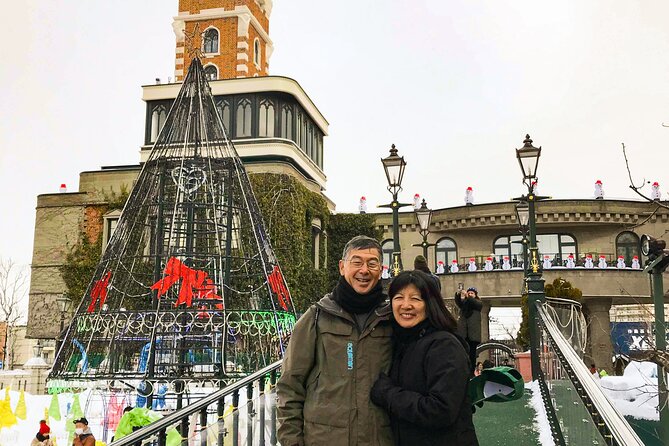
Maruyama Park is a strong anchor because it is not one experience. It is different depending on when you go.
If you are visiting around winter events, you might see the area’s snow-sculpture energy, which makes the park feel like a seasonal festival hub rather than just a place to stroll. In spring and summer, the mood shifts toward flowers and color, which is great if you want photos that look less like city streets and more like Hokkaido outdoors.
This stop is usually a walk, and that matters. You are not just dropping in for 15 minutes. A good host uses the park as a rhythm reset, slowing the day down so you can enjoy the spacing and views rather than speed-running sights.
Practical tip: if it is hot or rainy, ask your guide to keep the park portion efficient. Some days need a “less time, more satisfaction” plan, and a flexible host can help you do that.
Sapporo Clock Tower: a 19th-century landmark with real city context
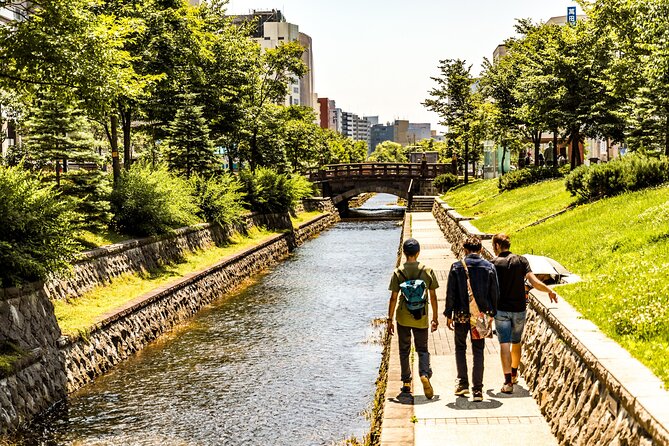
The Sapporo Clock Tower is one of those buildings people recognize instantly, even if they do not know much about it yet. It is a 19th-century wooden landmark, and a local guide can connect why it matters to the modern city.
Why I like this stop in a private format: it gives meaning to the photo. Instead of standing there and reading a sign, you get context about how that kind of structure fits into Sapporo’s growth and identity.
It is also a useful pivot point. After a park or before a museum, it breaks the day into manageable sections. You get a clear visual marker, and then you move on to the next theme.
If you are the type who likes history but not lectures, this is usually a good balance.
Sapporo Beer Museum: Japan’s beer story, plus tasting options
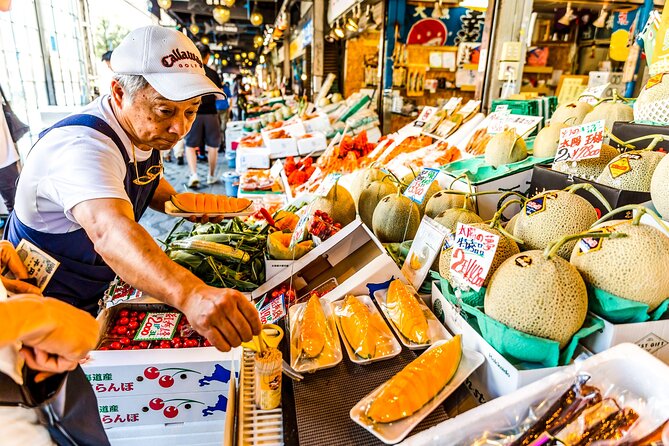
Sapporo has a strong beer identity, and the Sapporo Beer Museum is the place to understand where that comes from. The tour stop is built for learning, and it also leaves room for tasting based on your guide’s local recommendations.
You should plan for this as a spend area if you actually want drinks. Tastings and anything you add are not included, but the museum stop can make your whole day feel more specific to Sapporo rather than generic Japan sightseeing.
One reason people enjoy this part of the day is that it ties into the wider city story. Sapporo is not just about snow and parks. It is also about production, industry, and the culture that grew around that.
Nijo Market: seafood culture you can taste, not just read
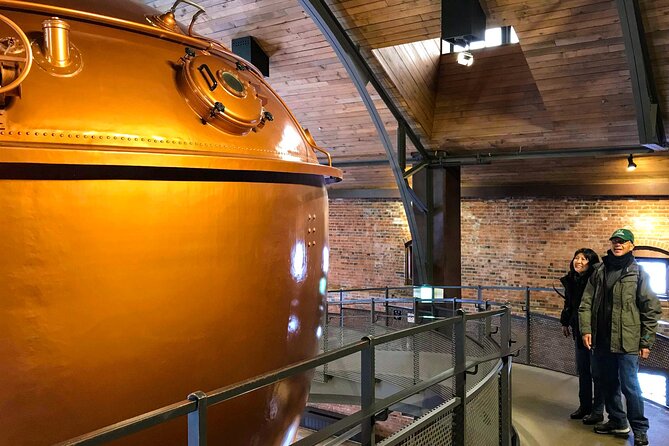
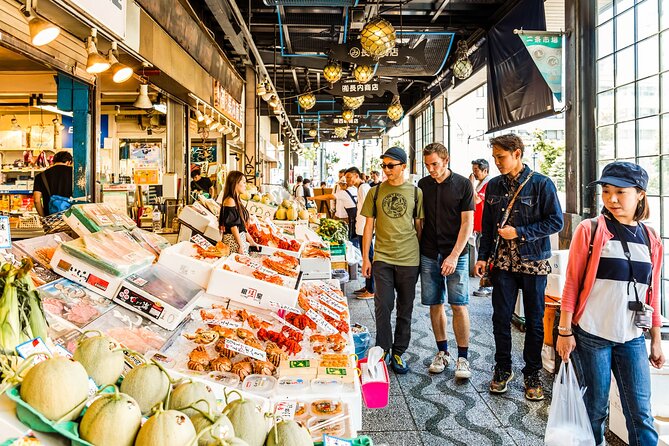
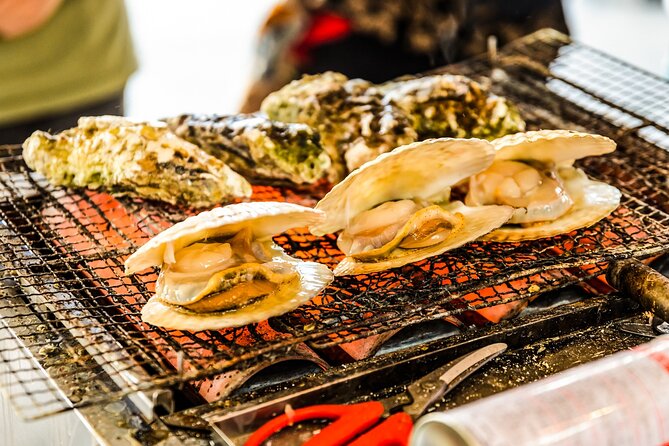
At Nijo Market, the experience is about ingredients and local food habits. The market stop is a chance to sample Hokkaido classics like crab and sea urchin, and to understand what locals look for when it comes to seafood quality.
This stop works best if you go in hungry and with an open mind. Even if you do not want everything, you can still use the guide to navigate what to order, how to ask questions, and where to sit.
A nice bonus from real-world guide styles: some hosts pair the market with other comfort-food stops afterward. People have mentioned things like curry soup noodle and other local favorites, which turn the market stop into more than a snack and a photo.
Watch-out: markets can be overwhelming. You will be happier if you ask your host to lead you directly to the stalls or places that match your tastes.
Hokkaido Jingu: calm forest paths and a spiritual break
After food and landmarks, a quiet stop is exactly what your body needs. Hokkaido Jingu is described as a tranquil park and spiritual site with walking paths, seasonal blossoms, and a serene forest setting.
In a walking tour, this stop does double duty. It gives you a mental reset, and it gives your day contrast. You go from city structure and shopping energy into a quieter space where the pace naturally slows down.
If you are traveling with someone who wants something less food-heavy or less photo-heavy, this is a good compromise stop. Even if you are not deeply religious, the setting and atmosphere are often what people remember.
Extra moments worth planning for, like tunnels, ski-jump views, and curry meals
A big reason these tours get high marks is the small stuff that makes the day feel local. Depending on timing and weather, guides have included:
- Walking through covered tunnels, especially helpful when rain hits
- Okurayama Ski Jump area views, where the city looks different from above
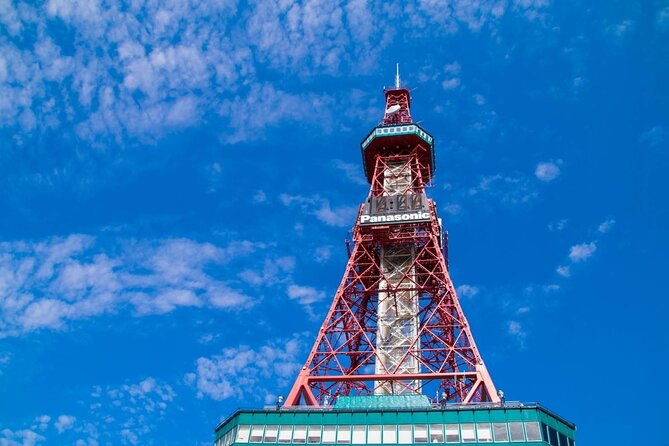
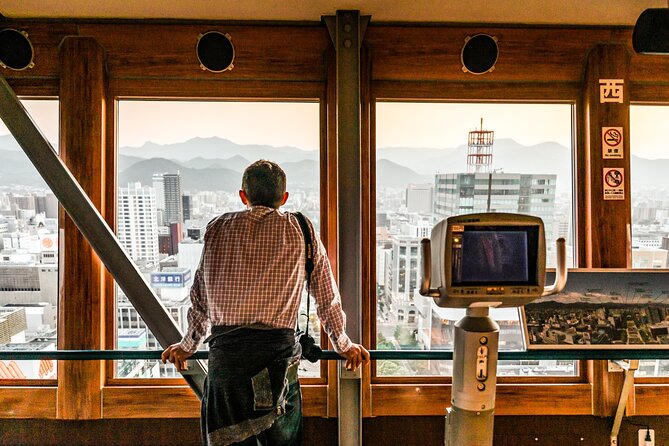
- A view from JR Tower, if your route and timing allow
- Food pivots such as local seafood, ice cream, and curry soup noodle
None of these are listed as guaranteed every time, but they show the strength of a personalized host. If you like views, food, or weather-smart walking, ask your guide to build a plan around that.
Also, communication matters. Some hosts are known for early messaging and practical help, like assisting with transit setup for subway and buses. That kind of support can reduce the stress of traveling around Sapporo on your own.
Who this tour is best for
This tour is a great fit if any of these sound like you:
- You want a fast orientation to Sapporo but still want real personality in the day
- You like parks, landmarks, and food, and you want them connected rather than separated
- You do not want to negotiate directions in Japanese
- You are traveling with people who need flexibility, such as a slower pace or weather changes
It may be less ideal if you have a strict agenda and hate walking. Since this is mainly on foot, plan for weather layers and footwear that can handle snow, slush, or wet pavement.
Should you book this Sapporo Private Tour with a Local?
If you want Sapporo in one day without the hassle of planning every step, this is an easy yes. The value comes from the private, tailored route, the mix of big sights like Maruyama Park and the Clock Tower, and the ability to aim for food stops such as the beer museum and seafood market.
Book it especially if:
- You have limited time and want efficiency
- Food is part of your travel style
- You appreciate a guide who can adjust when the weather does not cooperate
Skip it or be cautious if:
- You dislike walking for long stretches
- You expect tickets and meals to be included in the base price
- You tend to prefer a fully scripted, fixed itinerary
If you do book, set yourself up for success by telling your guide your walking tolerance and your top 2 food or sight priorities. That is where the day usually clicks.
FAQ
How long is the Sapporo Private Tour with a Local?
The tour duration is listed as 3 to 8 hours, approximately.
Is this a private tour?
Yes. It is a private tour, and only your group participates.
Is pickup available?
Pickup is offered, and you will meet at the Hokkaido-Sapporo Tourist Information Centre unless other arrangements are discussed with your host.
Where is the meeting point?
The meeting point is the Hokkaido-Sapporo Tourist Information Centre in Sapporo (Kita Ward, Kita 6 Jōnishi, 4-chōme, JR Sapporo Station west concourse).
What is included in the tour price?
Included are the private and personalized walking experience, insider tips from a local, flexible durations and start times, a pre-tour questionnaire, and direct communication with your host for planning.
Are food, drinks, and attraction tickets included?
No. Food, drinks, and tickets to attractions are not included.
Is transportation included?
Transportation is not included. The experience is primarily walking, and public transport or local taxis may be used between sites at additional cost.
Will I get help planning the route before the tour?
Yes. After booking, you receive a short questionnaire about your interests and preferences, and the host reaches out to craft a customized itinerary.
Is the tour mainly walking?
Yes. It is described as a walking experience, and a private vehicle is not included.
Are service animals allowed?
Yes, service animals are allowed.
Can I cancel for a full refund?
The policy listed is free cancellation up to 24 hours in advance for a full refund.
Fresh options around Sapporo
- Wherever you want! 1-Day Private Tour from Sapporo to Furano more★ 5.0 · 20 reviews
- Private Japanese Cooking Class in Sapporo with Local Host Kanae★ 5.0 · 20 reviews
- [Otaru & Yoichi] Let’s go to Otaru Canal, Sakaimachi Street, Music Box Hall, and Yoichi Nikka Whiskey by private car (arriving and departing from Sapporo)★ 5.0 · 21 reviews
- Sapporo TV Tower Admission Ticket★ 4.7 · 21 reviews
- Hokkaido, Sappro, Otaru & Cape Kamui One-day Tour★ 4.4 · 21 reviews
- Sapporo: Custom Highlights and Hidden Gems Tour with a Local★ 4.9 · 21 reviews
- Sapporo: The Indigenous Ainu People & Jozankei walking tour★ 4.9 · 25 reviews
- Full Day Indigenous Ainu of Hokkaido and Jozankei★ 5.0 · 25 reviews
Sapporo & Hokkaido Tours, compared.
Hokkaido Seasonal: Lake Toya & Noboribetsu Jigokudani Valley
Read our review →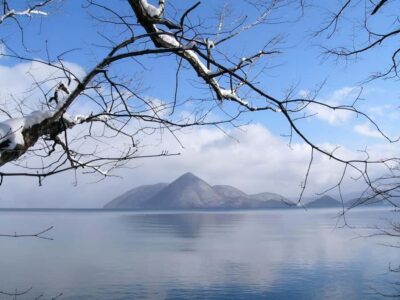
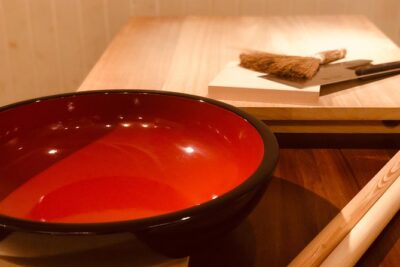
Popular in SapporoExperience authentic hand-made soba at a real soba shop!
Read our review →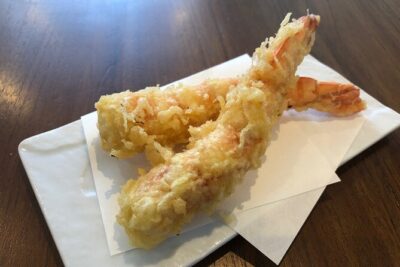
Mondo’s most popular plan! Experience making soba noodles and the king of Japanese cuisine, tempura, in Sapporo!
Read our review →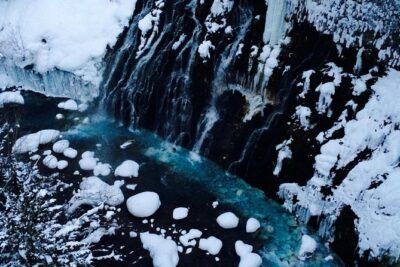
【Private Car】Asahiyama Zoo, Blue Pond, Shirahige Falls, Ningle Terrace (from Sapporo)
Read our review →
Sapporo 6hr Private Tour with Government Licensed Guide
Read our review →Browse the lists this tour appears in