
Reviewed · SHOW
Traditional Japanese Music show & Experience Tour in Osaka
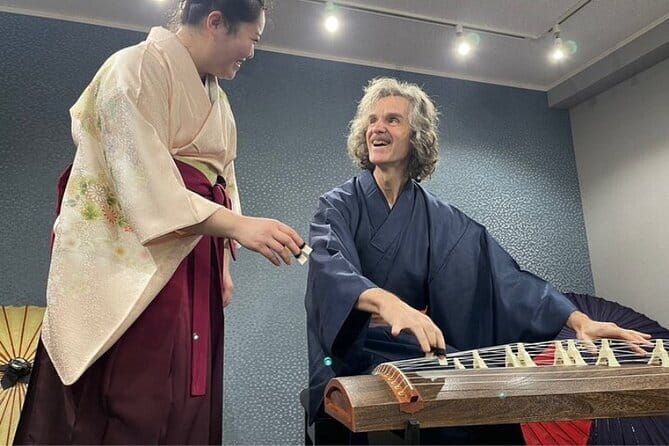
There’s something hypnotic about close-up Japanese instruments. This 60-minute Osaka experience pairs a real concert with hands-on time, so you hear shamisen and wadaiko up close and then try playing traditional instruments yourself. For me, the best part is the way it turns passive watching into an active, learn-as-you-go session.
You’ll also like that the show runs in a tight, easy-to-follow flow: a live performance first, instrument practice second, and quick photo time to cap it off. One consideration: the program changes depending on the day, so the exact instruments you handle may vary a bit.
Key Points You Will Actually Care About
- Small group size (max 7) keeps the session personal enough for questions.
- 25 minutes of playing, not just watching, gives you real hands-on contact with traditional instruments.
- Concert plus explanations helps you understand what you’re hearing as the pros play.
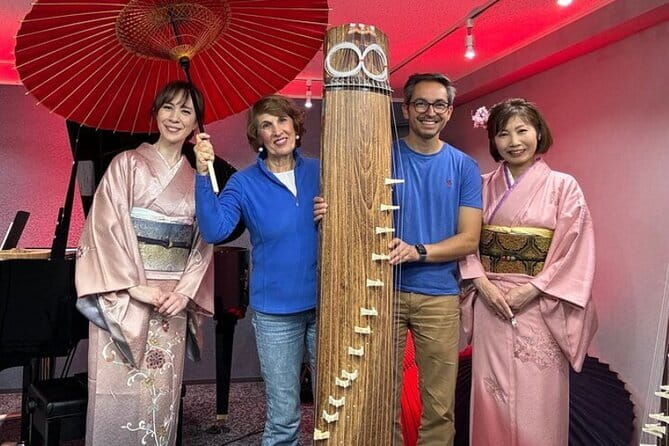
- Photo time with instruments and performers turns the experience into a keepsake you can use right away.
- Day-by-day concert variation means you get a slightly different hogaku program on Wednesday vs Friday.
Why This 60-Minute Hogaku Show Works in Osaka
Osaka can be packed with big sights and long days, so I like tours that respect your time. This one is only about 60 minutes, and it feels designed for travelers who want something authentic without committing to a half-day or a full evening.
The format also matters. You’re not stuck reading about instruments you’ve never touched. You hear the sounds first, you learn what to listen for, then you get a chance to hold and play instruments during the second half. That rhythm helps most people pick up basics fast, even if you know zero Japanese music terms going in.
Finally, the focus is narrow on purpose: traditional Japanese music and instruments. That means you’ll leave with a stronger sense of what hogaku feels like, not just a checklist of things you saw.
A few more Osaka days worth comparing
- Osaka Go Karting Tour with Funny Costume
★ 5.0 · 2,658 reviews - Osaka Castle: Museum and Tower Entry Ticket
★ 4.5 · 2,380 reviews - Osaka: Shinsekai Food Tour with 13-15 Dishes at 5 Eateries
★ 4.8 · 2,204 reviews
How the 25-25-10 Schedule Feels in Real Life
The session is cleanly timed, so you always know what’s coming next.
First, there’s 25 minutes of concert time. You’ll enjoy a live performance where the pros play multiple traditional instruments. This is when the sounds get under your skin, especially when instruments are close enough that you can see the technique, not just hear it through a wall.
Next is 25 minutes for hands-on playing. This is the part that makes the experience worth it for most people. You’re given a chance to handle and play instruments yourself, which turns the concert from entertainment into learning. You might still be clumsy at first, but that’s normal, and that’s also why this segment is so fun.
Then you get 10 minutes for photos. This is a practical moment. You’re not scrambling for pictures at the end of a long show. You have a set block of time to take souvenir photos holding the instruments and standing with the performers.
Net result: you get the joy of a performance and the satisfaction of doing something, all in one compact chunk.
Shamisen, Koto, Wadaiko, and the Surprise of What Else Appears
The tour highlights the main traditional instruments you’ll likely see and experience, including shamisen, koto, and wadaiko. Those three alone cover very different sounds and playing styles, so even if you’ve never heard Japanese music before, you’ll hear variety quickly.
- Shamisen (Japanese lute): often sounds sharp, rhythmic, and expressive. Watching how a musician controls timing and pressure helps you hear more than just melody.
- Koto (Japanese harp): tends to feel more airy and flowing. Seeing the way notes are produced makes the sound feel less mysterious.
- Wadaiko (Japanese drum): gives energy fast. Even when you are not fully playing yet, you’ll likely feel the physical impact of the rhythm.
The best detail here is that the lineup can include additional instruments beyond those listed, and the concert content varies by day. That matters because you can treat Wednesday and Friday as two different mini-programs, not just two runs of the same thing.
If you’re a music lover, this structure is ideal. If you’re not, it’s still good because your brain can grab onto sound differences fast. Each instrument brings a different personality to the same tradition.
What the Pros Teach You While You Play
The tour is designed around interaction, not one-way performance. You can ask professional musicians questions as much as you like, and they’re there to help you connect what you’re doing with what you’re hearing.
That is a big deal. A lot of cultural shows are fascinating, but they leave you wondering what you’re looking at. Here, the explanations are part of the experience, so you’re not stuck guessing how a shamisen phrase is formed or why a drum pattern sounds the way it does.
When you move into the playing segment, you’ll likely get simple guidance focused on technique and timing rather than long lessons. Since your hands are involved, the learning clicks faster. I find this kind of instruction particularly helpful for travelers who worry they will feel awkward. You’re not expected to perform like a musician. You’re expected to try, learn, and have fun.
Same corner of Japan, a different kind of day:
- Osaka Food Tour: 13 Dishes at 5 Local Eateries
★ 5.0 · 2,149 reviews - Hungry Osaka Street Food Tour:15 Tastings & 3 Drinks with a Local
★ 5.0 · 1,727 reviews - Osaka: teamLab Botanical Garden Entry Ticket
★ 4.5 · 1,710 reviews - Osaka: Tea Ceremony Experience
★ 4.9 · 1,426 reviews
Photo Time That Actually Works for Souvenirs
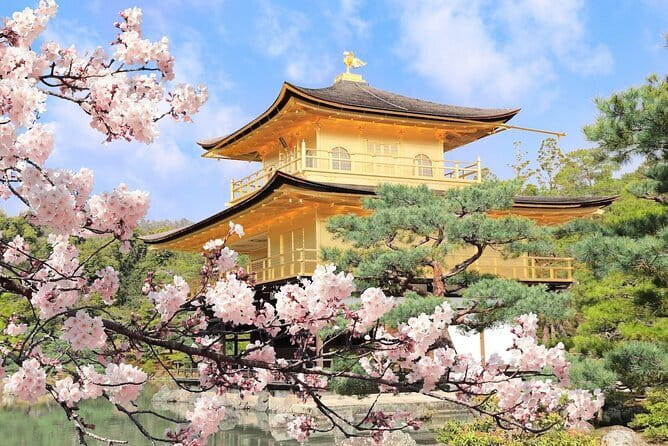
That final 10 minutes of photos is short, but it’s set aside for you. You’re allowed to take pictures holding traditional instruments as souvenirs, along with shots with the performers.
A small practical note: phones work fine, but have your camera ready at the start of the photo window. When time is limited, you want fewer button presses and fewer awkward pauses. Also, since you’ll be handling instruments, be mindful of your space. Your goal is to get a few good shots without bumping into others.
This is the moment where the experience becomes personal. You don’t just walk away with memories. You walk away with visible proof you tried the instruments yourself.
Max 7 People, Mobile Ticket, and Choosing Wednesday vs Friday
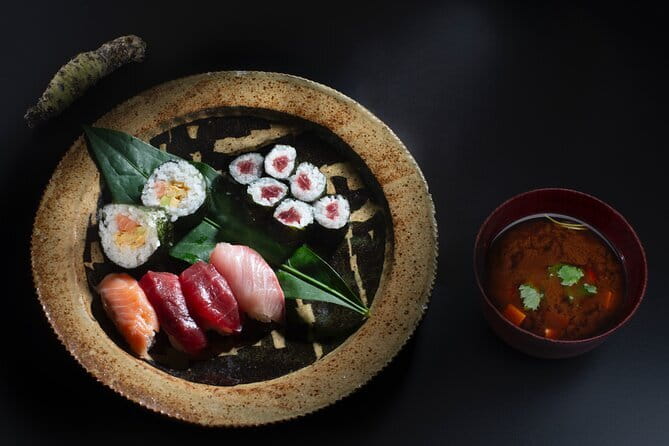
The group size limit is 7 travelers, and that’s a sweet spot for interaction. With fewer people, it’s easier for questions to get answered and easier to keep the playing time flowing.
You’ll also get a mobile ticket, which is convenient in Japan. No paper pass to misplace while you’re bouncing between neighborhoods.
Timing is straightforward but worth planning around. The experience runs:
- Wednesday at 11:00
- Friday at 18:30
Choosing between them is mostly about your schedule. The practical part is that the content can differ by day, so if you’re in Osaka for multiple days and you really care about variety, it’s worth picking the slot that fits your itinerary.
Also, the experience requires a minimum number of participants. If the minimum isn’t met, you’ll be offered a different date or a full refund. If you’re booking late, double-check your calendar so you’re not stuck rescheduling on your last day.
Meeting Point in Minamisenba: Easy to Plug Into Your Osaka Day
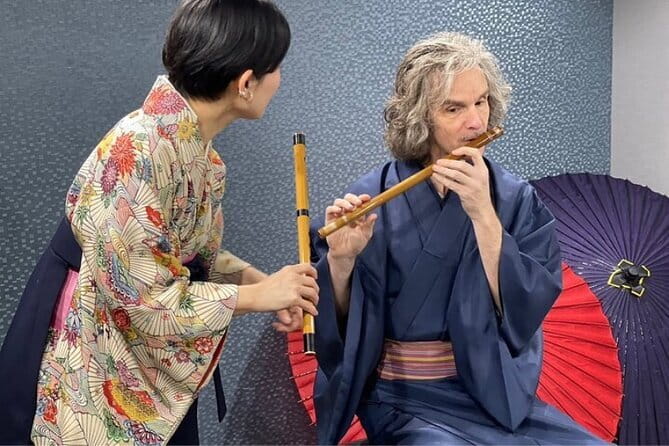
You meet at:
アルファ 心斎橋3-chōme-5-27 Minamisenba, Chuo Ward, Osaka, 542-0081, Japan
The good news: it’s near public transportation, and you return to the same meeting point at the end. So you can pair it with nearby sightseeing or dinner without worrying about a long transfer.
One thing to plan for: there is no private transportation included. In other words, you’ll want to handle getting there on your own using transit or walking. The experience itself is compact, so you don’t want to show up stressed from travel delays.
If you like building a day that flows, this meeting-point setup helps. It’s also a relief if you hate complicated logistics.
Price and Value: What $46.12 Actually Buys You

At $46.12 per person for about 1 hour, the value comes from what’s included.
Included:
- A Japanese musical instrument for experience
That sounds simple, but in practice it means your money is paying for three things at once:
1) a live concert by professionals,
2) time to hold and try traditional instruments,
3) a structured photo window.
What’s not included is also clear: private transportation. So your total cost depends mostly on how you get to Minamisenba.
Compared with a lot of cultural performances where you only watch, this one puts your hands in the mix for a meaningful chunk of time. That’s what makes the price feel fair rather than just “ticket-price for sitting and listening.”
Also, the show is in a small group. You’re not paying for a crowd experience. You’re paying for a format that gives you access to the musicians.
What to Expect When You Show Up
Most travelers can participate, and service animals are allowed. That’s helpful for planning, and it suggests the activity is set up for a wide range of visitors.
Still, keep your expectations realistic. This is a short, structured experience. You’re not going to master instruments in an hour. What you can get is:
- a strong sense of what each instrument sounds like,
- basic hands-on experience with technique,
- answers to your questions from professionals,
- a chance to take photos holding the instruments.
If you’re someone who likes learning by doing, you’ll get the most out of this.
If you’re expecting a long lecture or a deep conservatory-style lesson, you might feel it’s brief. The upside is you don’t waste time sitting through material you didn’t come for.
Who This Tour Suits Best
This experience is a great fit if you want an authentic Osaka activity that doesn’t require a big time commitment.
You’ll likely enjoy it if:
- you love live music and want to hear traditional Japanese instruments in person,
- you want hands-on cultural learning, not just observation,
- you like small-group settings where questions are welcome,
- you want a reliable evening or midday plan (based on the fixed Wednesday and Friday times).
It might feel less ideal if:
- you need door-to-door transportation provided,
- you only want a passive show with zero interaction,
- you’re looking for a longer multi-hour cultural program.
FAQ
FAQ
How long is the Traditional Japanese Music show and instrument experience?
It lasts about 60 minutes total, with 25 minutes of concert time, 25 minutes to try playing, and 10 minutes for photos.
When does this experience run in Osaka?
It runs on Wednesday at 11:00 and Friday at 18:30.
How many people are in the group?
The maximum group size is 7 travelers.
What instruments will I experience?
You can expect traditional instruments including shamisen, koto, and wadaiko, plus possibly other instruments depending on the day.
Will I be able to play the instruments or is it only watching?
You’ll get time to try playing and handling the instruments during the second half of the session.
Can I ask questions to the musicians?
Yes. You can ask professional musicians questions during the experience.
Where do I meet for the tour?
The meeting point is アルファ 心斎橋3-chōme-5-27 Minamisenba, Chuo Ward, Osaka, 542-0081, Japan. The activity ends back at the meeting point.
Is private transportation included?
No private transportation is included.
What is the cancellation policy?
You can cancel for a full refund up to 24 hours in advance of the experience start time. If you cancel within 24 hours, it is not refundable.
Should You Book This Osaka Instrument Experience?
If you want a short, well-structured cultural activity that actually involves you, I think this is worth booking. The combination of live concert time, meaningful hands-on playing time, and planned photo moments is the key reason the experience feels satisfying instead of rushed.
Book it if you’re in Osaka for a few days and you want something real and musical that doesn’t require special skills. Skip it only if you strongly prefer passive watching, or if you need transportation handled for you.
If you like instruments and you want to leave with both understanding and souvenirs, this one hits the sweet spot.
Fresh options around Osaka
- Osaka : Cooking Class Okonomiyaki & Takoyaki course in Nanba★ 4.9 · 25 reviews
- Osaka: Kimono or Yukata Rental &Photos Service Options★ 4.9 · 25 reviews
- Osaka Half-day E-bike Adventure: Minoh Falls & Katsuoji Temple★ 5.0 · 25 reviews
- 【Family Friendly】Traditional Mochi Pounding Experience★ 5.0 · 26 reviews
- Osaka: PICCADILLY PREMIUM DINNER SHOW&NIGHTCLUB with Tasting★ 5.0 · 26 reviews
- 4/5/6 Hours Private Osaka Tour Designed for Cruise Passengers★ 5.0 · 26 reviews
- Private arrival transfer from Osaka Itami International airport to Kyoto City★ 5.0 · 26 reviews
- 3.5h Osaka Night guided Local Bar Hopping, Sake & Karaoke★ 5.0 · 27 reviews
Show, compared.

Mt Fuji & Hakone Cruise, Drum Show Bullet Train 1 Day from Tokyo
Read our review →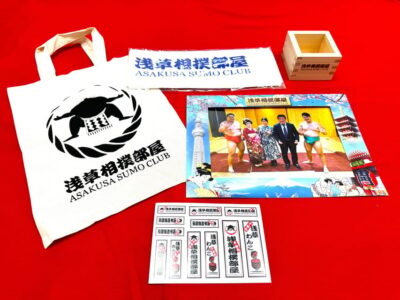
Sumo Show Experience with Chicken Hot Pot and a Photo
Read our review →
Tokyo Shinjuku Sumo Show & Experience with Photo
Read our review →

Mt Fuji & Hakone Cruise, Drum Show Bus 1 Day from Tokyo
Read our review →
Browse the lists this tour appears in