
Reviewed · HISTORICAL TOURS
Historical Walking Tour of Niigata Port Town
Niigata port streets teach you to look. I like the private tour pace, and I love the Old Saito Residence garden, so calm you forget you are near Niigata shopping. With a mobile ticket and a guide who links the 1800s shipping boom to what you see on the ground, the story feels practical, not museum-y.
One watch-out: the meeting point is a specific address in Chuo Ward, and the tour ends in a different neighborhood, so plan your transport in advance. Also, the experience needs good weather, so a rainy stretch can mean a date change or refund.
Key things to know before you go
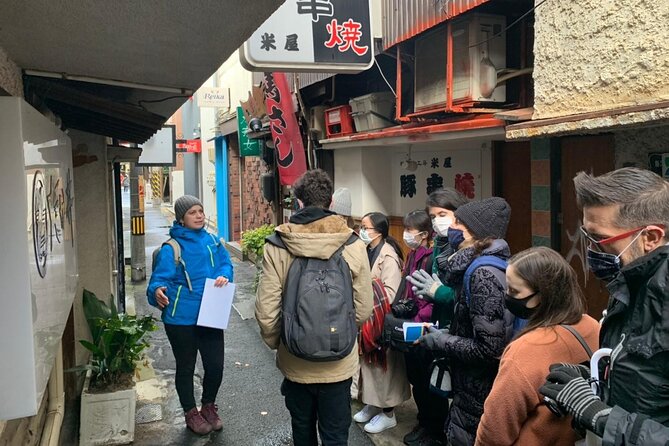
- Small group up to 10 keeps it personal and lets you ask questions.
- Old Saito Residence (admission included) brings you into a merchant-era home with a garden you can actually slow down in.
- Former Ozawa Family Estate (built in the 1860s) shows what older design kept, plus what later modernization added.
- Minato Inari Shrine (free) is a short stop that adds a Shinto angle to the port-town story.
- Tea and sweets may be an option after the tour, if you stay in the building.
Niigata port town history in plain sight
Niigata grew as Japan’s port connected to ships and sailors from around the world, especially during the 1800s. That mix helped shape a city where Western influence and Japanese life rubbed shoulders in everyday ways.
What I like about this tour approach is that it does not treat history like distant trivia. You walk into real places like old residences and a shrine, so the past becomes something you can point to, not just read about.
Private and small group, with a real guide story
This is sold as a private tour, with a maximum of 10 travelers, so you are not stuck in a huge crowd. That matters in a walking experience, because you can move at a comfortable pace and actually hear explanations without shouting.
From the way the guides are described, the biggest strength is how they connect details into a story you can remember. I especially like that the tour is designed for questions and follow-ups, and guides such as Isabella and Jenya are known for making the walk feel tailored to the group.
Stop 1: Old Saito Residence garden and merchant-era calm
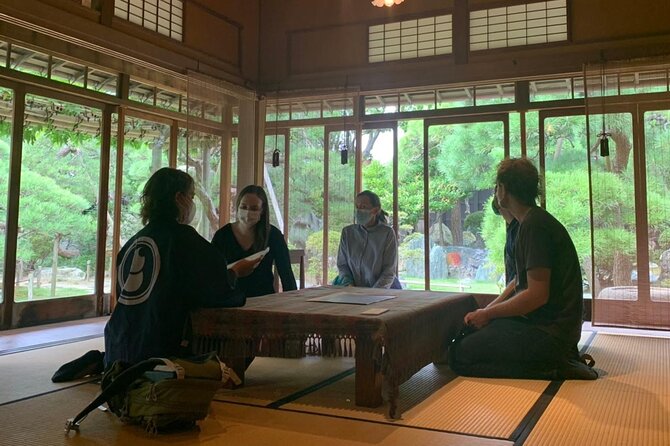
The first stop is the Old Saito Residence, a building that is more than 100 years old. You spend about 40 minutes here, and admission is included.
The star is the garden and the way the layout invites you to pause. The funny part is that you are only around a 10-minute walk from the busy Niigata shopping district, yet the residence experience can feel like a reset button.
A couple of practical tips help this stop land well. Wear shoes you can comfortably walk on because you will likely spend more time lingering than you think, and bring a small snack mindset, not just water, since you are not eating immediately at this stage. On some days, you might also see events happening nearby, like wedding photo shoots, so it can feel like living tradition rather than staged viewing.
Stop 2: Former Ozawa Family Estate, 1860s roots with updates
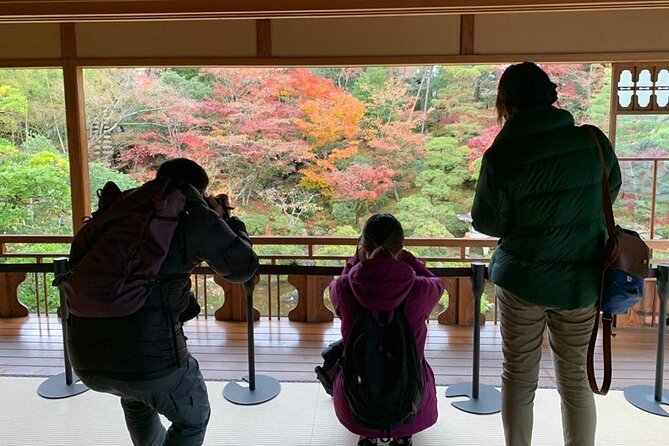
Next you head to the former Ozawa Family Estate, a historic building built in the 1860s. The stop runs about 30 minutes, and admission is included.
This one hits differently because it is still tied to a family story, and the building was occupied until 2005. You will be looking at original features, but you should also notice modernizations that keep the space usable and protected.
That blend is exactly why this stop is worth your time. Many historic sites keep everything frozen in one time period, but here you can see how older domestic design can survive changing needs, which makes the place feel honest and not overly polished.
Stop 3: Minato Inari Shrine, a free stop with surprises
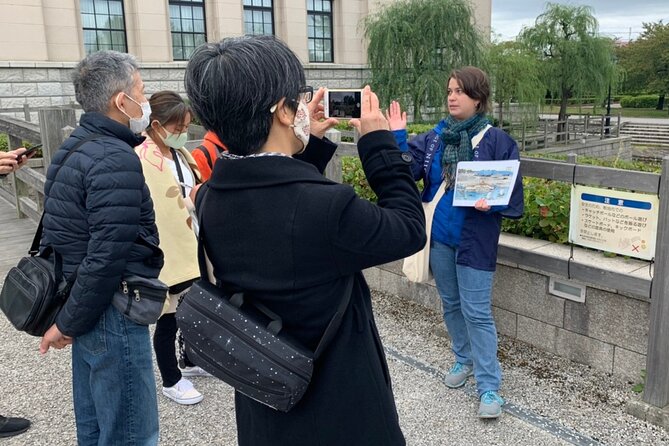
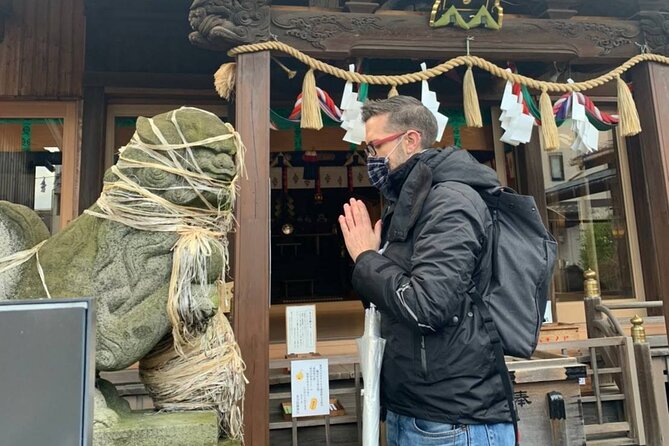
The final stop is Minato Inari Shrine, a traditional Shinto shrine. You get about 10 minutes here, and admission is free.
Even with a short time block, this shrine stop matters because it adds a spiritual and cultural layer to the port-town story. You are not just looking at architecture and merchant homes, you are also seeing how religious spaces fit into a city shaped by trade.
The shrine is described as having surprising features and an exciting history, so treat this as a quick chance to look carefully, not just a photo break. If you are the type who likes small details, you will probably enjoy this stop more than you expect.
How the full 3 hours 30 minutes actually flows
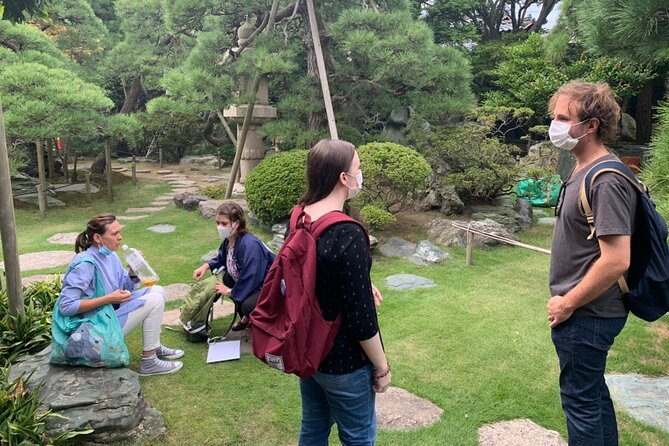
The total duration is about 3 hours 30 minutes, and the itinerary is built around three anchors: Old Saito Residence, the Ozawa estate, and Minato Inari Shrine. Between them, you also have walking time, plus enough breathing room to take in the garden and house details without feeling rushed.
In my opinion, the pacing is one reason this tour keeps scoring high. A small group means your guide can slow down for questions or speed up if everyone is moving quickly, and the stops are short enough to stay energetic.
If you hate rushing through interiors, this works well because the garden and residence stops each get a dedicated chunk of time. If you prefer nonstop sightseeing, you might wish for more time at each place, but the trade-off is you get a better sense of how the pieces connect.
Price and value, what you get for $52.55
The price is $52.55 per person, and it includes all fees and taxes. Two major things are included that help the value feel real: admission tickets for the Old Saito Residence and the former Ozawa Family Estate.
Minato Inari Shrine is free, so you do not pay anything at the final stop. Bottled water and masks are not included, so you will want to bring your own water and follow any local mask guidance you personally prefer.
Where the price really becomes a smart buy is in the mix of included admissions and guide storytelling. A walking tour without entry fees can still be worthwhile, but here you are paying for access to two historic sites, plus time with a guide who connects the port-town theme to what you see.
Getting to the start, and why the end point matters
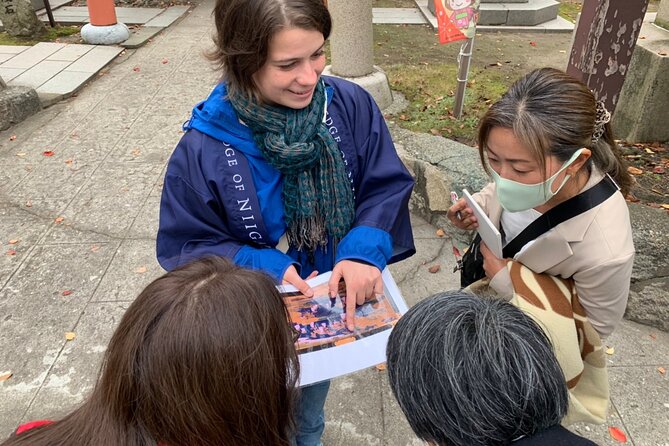
The tour starts at 2-chōme-10 Yanagishimachō, Chuo Ward, Niigata, and ends at 576 Nishiōhatachō, Chuo Ward, Niigata. It is near public transportation, which helps a lot if you are using buses or trains.
Still, plan your logistics, especially if you are arriving from a cruise ship or another part of the city. The addresses are in different parts of Chuo Ward, so you do not want to assume you can just walk back to where you started.
If you do not want to waste time at the end, make sure you already know your next step before the tour starts. This will save you from the classic tourist move, standing there with a phone map asking it to solve everything.
What to do after: tea, sweets, and a short hop to Furumachi
At the end of the tour, you may have an option to stay in the building to enjoy green tea with some sweets. That sounds small, but it is the kind of quiet bonus that turns a standard walk into a slower, more memorable experience.
You can also take a short walk to the Furumachi area where buses run regularly. If you want an easy next stop for shopping or just a place to regroup, Furumachi is a practical choice.
And if you feel like you need a steer, the tour team can assist you with where you want to go next, which is useful when your Japanese brain is on vacation mode.
Cultural details you might catch on the way
The port-town theme is the main engine of the tour, especially the way Niigata’s 1800s trade brought in foreign ships and sailors. The guide also tends to connect that to the lives of merchant families, which helps you understand why these residences were built the way they were.
There are also hints of cultural side stories, like references to geisha culture and how entertainment fits into port life. You should treat these as conversation breadcrumbs, not guaranteed set pieces, but they can be fun if you enjoy learning how different social worlds operated in the same city.
Who this tour is best for
This is a strong fit if you want history that you can actually walk through. You will enjoy it most if you like architecture, gardens, and the kind of city context that explains why a place looks the way it does.
It also works well if you want a guide who can adjust pace to your group. If you are traveling with family members who move slower, or you just prefer a calm pace over sprinting from site to site, the small-group format helps.
If you are the type who only wants big-name landmarks, you might find the residences and shrine style more subtle than you expect. But that is also the point. Niigata’s port story is best understood through these lived-in, human-scale sites.
Should you book this Historical Walking Tour of Niigata Port Town?
Book it if you want a small-group private walking tour that pairs included admissions with a guide story about Niigata’s port past. It is especially worth it if you like gardens, old homes, and cultural context that connects shipping history to daily life.
Skip it or rethink it if your schedule is so tight that ending in a different area will be a hassle, or if you are only interested in large, ticket-free sightseeing stops. And since the experience requires good weather, plan to keep one flexible option in your day plan.
If your goal is to understand Niigata as a working port city, not just a stopover, this tour gives you a smart, efficient way to do it.
FAQ
How long is the Historical Walking Tour of Niigata Port Town?
It runs for about 3 hours 30 minutes.
How much does the tour cost?
The price is $52.55 per person.
Is this tour private?
It is described as a private tour with a maximum of 10 travelers.
Do I get a mobile ticket?
Yes, the tour includes a mobile ticket.
Are any admission tickets included?
Yes. Admission tickets are included for The Old Saito Residence and the Former Ozawa Family Estate. Minato Inari Shrine is free.
What is included in the price?
All fees and taxes are included.
What is not included?
Bottled water and masks are not included.
Where does the tour start and end?
It starts at 2-chōme-10 Yanagishimachō, Chuo Ward, Niigata, and ends at 576 Nishiōhatachō, Chuo Ward, Niigata.
When will I receive confirmation after booking?
Confirmation is received within 48 hours of booking, subject to availability.
What happens if the weather is poor?
The tour requires good weather. If it is canceled due to poor weather, you will be offered a different date or a full refund.
More Historical Tours in Niigata Prefecture
- World Heritage Shirakawa-go and Experience Tours from Kanazawa
★ 5.0 · 4,049 reviews - World Heritage Kyoto & Nara Uji Authentic Matcha Experience
★ 5.0 · 1,573 reviews - Kyoto Gion: 2-Hour Geisha Culture & History Walking Tour
★ 5.0 · 1,186 reviews - Kanazawa: World Heritage Shirakawa-go Morning Guided Tour
★ 4.9 · 988 reviews
More Walking Tours in Niigata Prefecture
- Kyoto Geisha Walking Tour: Gion District & Hidden Gems
★ 4.7 · 3,273 reviews - Tokyo Tsukiji Fish Market Food and Culture Walking Tour
★ 5.0 · 3,184 reviews - Kyoto: Gion Magical Night Walking Tour with Geisha Trivia
★ 4.9 · 2,393 reviews - Tokyo: Imperial Palace and Shogun Historical Walking Tour
★ 5.0 · 2,251 reviews
Historical Tours, compared.

World Heritage Shirakawa-go and Experience Tours from Kanazawa
Read our review →
Imperial Palace and Shogun Historical Walking Tour
Read our review →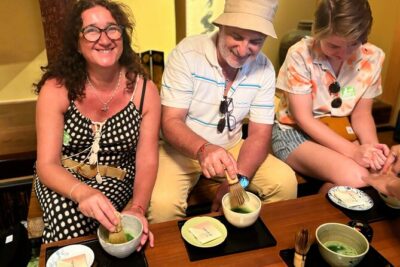
World Heritage Kyoto & Nara Uji Authentic Matcha Experience
Read our review →
Kyoto Gion: 2-Hour Geisha Culture & History Walking Tour
Read our review →
World Heritage Shirakawa-go Morning Guided Tour
Read our review →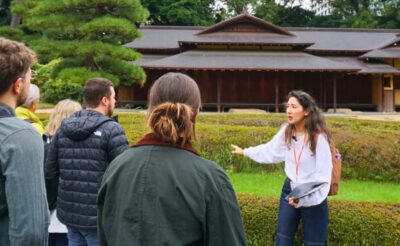

Hiroshima Historical Walking Tour – Why A-Bomb was Dropped
Read our review →
Hiroshima Peace (Heiwa) Walking Tour at World Heritage Sites
Read our review →Browse the lists this tour appears in