

Reviewed · SAMURAI & NINJA EXPERIENCES
Skip the lines Basic Ticket at SAMURAI NINJA MUSEUM KYOTO
Shuriken time in Kyoto, guided and hands-on. This hour-long, small-group visit to the Samurai Ninja Museum Kyoto mixes quick history with photo moments and real activities like armor trials.
I especially like the shuriken throwing segment, plus the way guides such as Naromi and Raito turn feudal-era basics into something you can actually picture. You get swords, costumes, and an explanation that stays upbeat.
One drawback to consider is expectation-setting: the museum is fairly small, and the whole experience moves fast, so it may feel more like an organized activity than a slow, deep museum browse.
Quick hits before you book
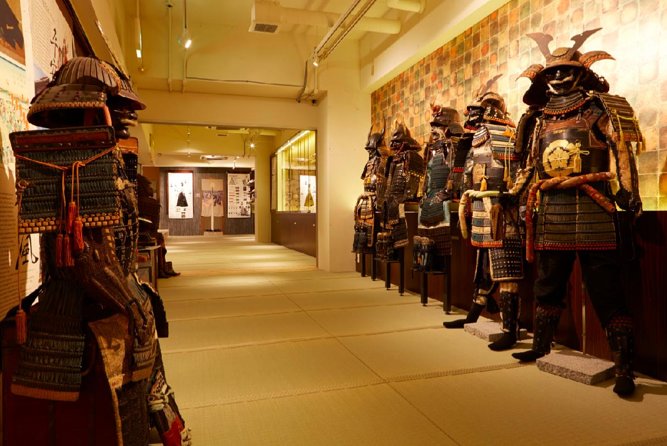
- Hands-on armor and dress-up, with costume time built into the tour flow
- Shuriken throwing competition that keeps the hour from feeling static
- Guides with energy, including Naromi, Raito, Saku, Jasmine, and Nobu mentioned in visitor feedback
- Great photo setup with replica swords and a costume photo backdrop
- Short visit length (about 1 hour), ideal when you want something fun but efficient
- Small-group feel, with the tour capped at either 30 or 15 travelers depending on the info you see, so still expect a compact space
Samurai and Ninja Museum Kyoto: what you actually get in about an hour
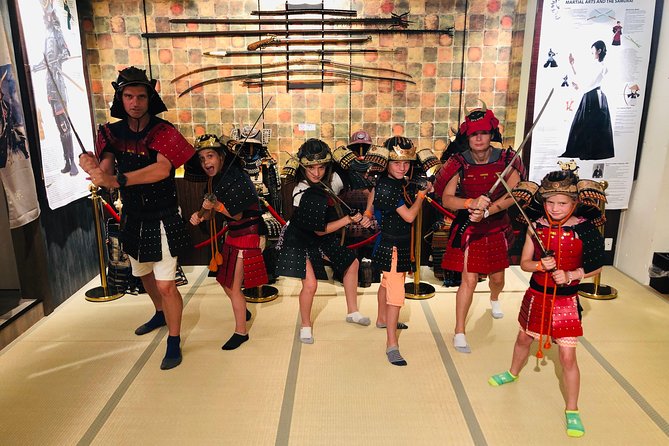
This is a short, structured experience built around one idea: you learn samurai and ninja culture by doing a few memorable things. You start at the Samurai Ninja Museum Kyoto, then move through guided stops focused on weapons and daily life during Japan’s feudal era. It is not a half-day museum crawl. Think quick orientation, then hands-on fun.
The tour runs about an hour, which matters in Kyoto. You can slot it between temples and markets without your day turning into a rush of long waits. Also, the “mobile ticket” format helps you keep things simple. You show up, get checked in, and you are off.
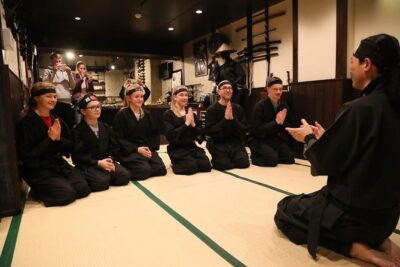
Most of what you will remember is tied to the activities: wearing samurai-style gear, trying a sword-related experience (katana and samurai sword is described as optional), and joining a ninja star throw. Add in the guided commentary, and you get a mix of facts plus the kind of visuals that stick.
More Samurai & Ninja Experiences in Kyoto
- Kyoto Samurai Experience
★ 5.0 · 1,294 reviews - Kyoto: Kendo and Samurai Experience with Uniform and Gear
★ 4.9 · 815 reviews - Kyoto: Samurai Sword Class by Experts in Traditional Arts
★ 4.9 · 657 reviews
Where the tour starts, and how the meeting works in central Kyoto
You make your own way to the Samurai Ninja Museum Kyoto, located in the heart of the city. The tour provider is Maikoya, and your first step is meeting your guide and the small group of fellow ninja fans. Since the site is near public transportation, you likely will not need a taxi once you are in central Kyoto.
Time slots are available, so you can pick a slot that fits your schedule. That sounds basic, but it’s useful in practice because this kind of activity can be tighter in peak periods. A later slot can sometimes feel calmer simply because you avoid the worst of the day.
The experience uses a guided flow, but you still get a “do it with your body” type of tour rather than just a lecture. You will be in a group, you will follow directions, and you will rotate through the parts of the museum that are most relevant to the theme.
Price and value: is $28.52 worth it?
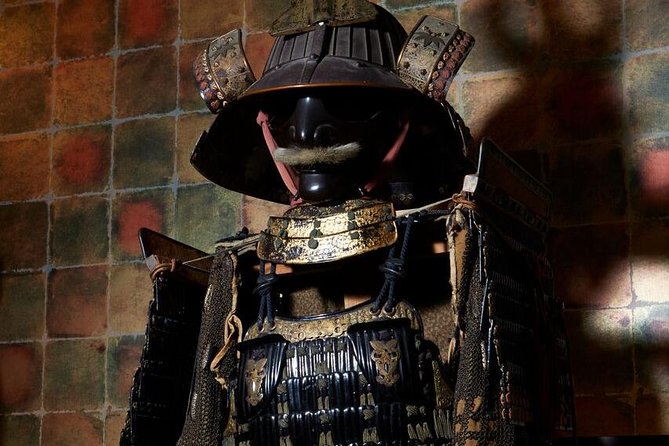
At $28.52 per person for about an hour, this is priced like a guided experience, not like a long, self-guided museum visit. The value comes from the combination of things included: a professional guide, costume time, and the ninja star throw segment. Admission is included, so you are not stacking separate ticket costs on top.
A key point is what you get for the price beyond entry. The tour includes structured interaction, like samurai armor trials and shuriken throwing, plus guidance about samurai culture and the feudal system. If you want an educational experience that also gives you props, photos, and a participation moment, this is a fair match.
If you mainly want a large collection of rare artifacts and quiet time to read every label, the pricing might feel less justified because the visit is short and the museum setup is compact. In other words, it can be good value for active learners, less ideal for people who want to slow down.
Samurai armor trials and katana handling: the best photo opportunities
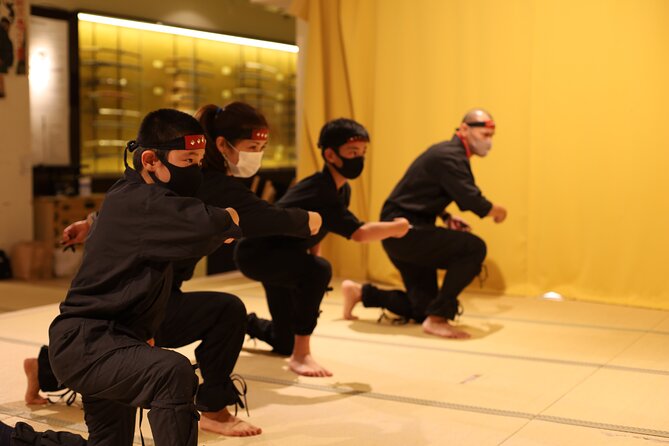
This part is one of the most praised elements because it turns costumes into real experiences. You may try samurai armor, and the katana and samurai sword are described as optional activities. Even if you keep your hands mostly in the guided role, the point is to make you feel the culture in a tangible way.
Photo opportunities are a big deal here, and you should plan to use them. The museum experience is designed around visible moments: swords, traditional gear, and a setup that makes it easy to capture your time in period clothing. Guides also help you with the “what to do and how to do it” pacing, so you are not just standing around waiting for your turn.
Practical advice: if you care about photos, show up a little ready. Wear comfortable clothing you can manage for costume and movement. Your goal is to enjoy the pose moment without turning it into a fussy clothing-change session.
More samurai and ninja experiences in Kyoto:
- Ninja 1-hour Hands-on Lesson by Japanese master in Kyoto -Entry
★ 5.0 · 489 reviews - Kyoto: Ninja Weapon Forging Experience
★ 4.8 · 478 reviews - Kyoto: Samurai Kenbu Traditional Sword Dancing Show
★ 4.5 · 426 reviews - Samurai Training with Modern day Musashi in Kyoto
★ 5.0 · 256 reviews
Ninja star throwing competition: fun that still feels structured
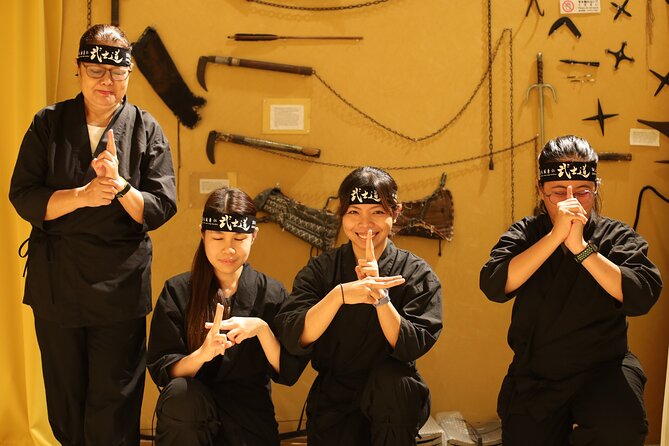
Shuriken throwing is the activity that usually turns a theme museum into a you-are-here memory. You get a ninja star throw competition as part of the tour. People specifically mention winning and having a good time with the games, including guides who keep it friendly and upbeat.
This section also tends to work for families. One common pattern in feedback is that kids enjoy the action, not only the storytelling. Even if you are more into history than games, the throwing segment gives your brain a break between facts.
What to expect during the throw portion is simple: you follow the guide’s instructions, you take a turn, and you join the playful competition format. Your group size and room layout may influence how much space you feel you have, but the activity itself is built into the one-hour package.
If you are sensitive to crowds, pick a time slot that avoids peak rush. Some visits can feel crowded in small rooms, and in those moments you may spend more time waiting than swinging. The best strategy is choosing a slot when the museum is less packed.
The guided explanation of samurai and ninja life

The tour is built around commentary about samurai culture, and it also covers the broader feudal system context. Guides are repeatedly described as energetic and informative, with people naming hosts like Naromi, Raito, Saku, Jasmine, and Nobu.
What I like about this kind of guide-led history is the pacing. You do not need to know anything before you arrive. The guide starts from the basics, then ties the activities back to meaning. Armor is not just a costume. It becomes a visual shortcut for status, role, and culture. Weapons are not just props. They become a starting point for how people lived and trained.
That said, you should set expectations. This is not an academic lecture and it is not a museum where you slowly read every detail in silence. You get a guided overview, and the tour quickly moves to the hands-on parts.
If you want history plus participation, it hits the sweet spot. If you want a deep, quiet study session, you may find it too fast.
How the museum setup affects your experience (and your comfort)
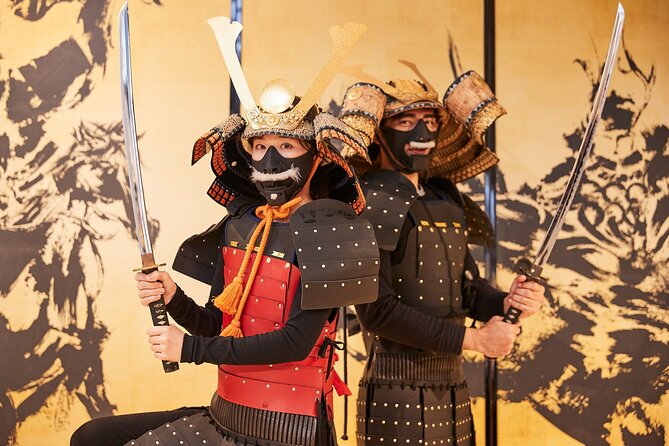
This museum can feel small, and it is split over two levels, with the whole place described as tucked into a shopping arcade. That matters because the experience depends on movement through tight spaces. When the tour is well-paced and the group size is controlled, it feels lively and easy to follow. When it is crowded, it can feel rushed.
Comfort is another practical factor. Some visitors mentioned issues like limited air-conditioning, which can matter in summer or during hot days. If you are visiting in warm weather, plan to pace yourself, drink water, and remember the whole experience is about an hour, so you will not be stuck there for long.
Finding the museum is also a real-world consideration. Even with signage, some people said it can be hard to locate, but in most cases in-app directions help you lock in the exact spot quickly.
Group size, energy, and what guide quality really changes
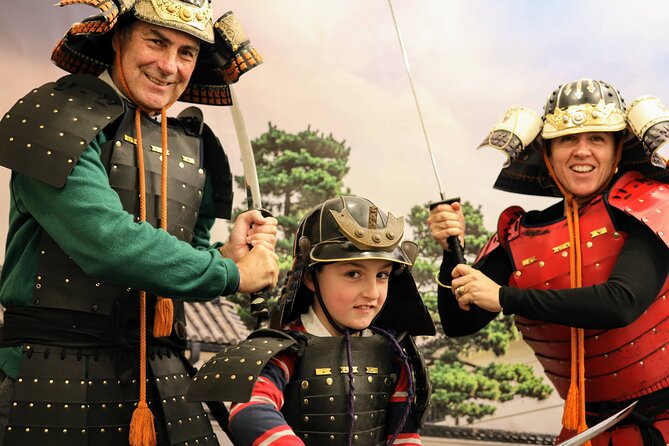
The tour is capped, and the info you see points to either a maximum of 30 or a maximum of 15 travelers. Either way, you should expect a small group format. That is a plus for interaction, but it also means you will be together in compact rooms.
Guide quality is a major driver of satisfaction. Names that show up in visitor feedback include Naromi, Raito, Saku, Jasmine, and Nobu. The common thread is that these guides can explain history in a way that stays fun, and they keep the flow moving during the activities like armor trials and shuriken throwing.
If you are the type who enjoys a lively host, you will likely love this tour format. If you prefer quiet museum time and self-guided wandering, this may feel too structured. I treat it as an activity-first history lesson, not a slow museum day.
Also, crowding can be an issue. Some people complained about being packed in, so it is smart to avoid the most crowded time slots if you can. If you end up in a crowded group, lean into the guided parts, take your photos, and don’t expect long, calm browsing.
Who should book this tour, and who should skip it
Book it if you want a fast, fun Kyoto activity with hands-on moments. This works especially well for first-timers who want a sense of samurai and ninja culture without planning an entire research trip. Families often like it because kids get a costume and can participate in the shuriken throwing game.
Book it if you like guided interaction. The tour is built for participation, with costume time and a weapons-themed segment. You also get a guide who provides commentary about the feudal system and the culture behind the symbols.
Skip or reconsider if you expect a large, traditional museum experience. Multiple mentions point to the museum being small and the visit feeling quick. If you are hoping to spend time studying a big collection of artifacts at your own pace, you might feel like you could read similar information elsewhere and spend the time doing a different Kyoto stop.
If you have mobility needs, pay attention to the elevator note below. And if you are visiting during busy periods, choose a time slot thoughtfully to reduce crowding.
Practical tips for a smoother Samurai Ninja Museum visit
A few things can make a surprising difference in how smooth your hour feels.
Wear comfortable clothes and plan for costume time. Even if the armor trial is not full-body for everyone, you will likely spend time dressing and posing. Comfortable shoes help too, since you will move between parts of the museum.
Use your maps app to find the exact location. This museum is in central Kyoto but described as tricky to locate. Once you land there, you are close to the action.
Bring a phone for photos and charge it. The photo opportunities with swords and costumes are a big part of why people love the tour.
If you visit in January 24, 2026 through February 19, 2026, note that the elevator is listed as out of service. If stairs are a problem for you, plan your timing accordingly.
Service animals are allowed, which is helpful to know if you travel with one. Children must be accompanied by an adult, so plan family logistics around that rule.
Weather can also matter because the experience is listed as requiring good weather. If weather turns, you may be offered a different date or a full refund.
Should you book this Samurai Ninja Museum Kyoto guided ticket?
I think it’s a strong booking choice if your goal is a fun, efficient Kyoto activity with hands-on cultural learning. The included samurai costume element and the ninja star throw competition make it feel like more than just paying for a ticket. Add energetic guides like Naromi or Nobu, and you get a tour that stays lively while still explaining the feudal context behind samurai and ninja culture.
I would not book it if you need a slow, expansive museum day. The visit is short, the space is compact, and comfort can depend on crowd levels and the time of year.
If you want a “one hour, big memory” experience that’s friendly for families and fun for first-timers, this is worth your time.
FAQ
How long does the Samurai Ninja Museum Kyoto guided tour take?
The tour is listed as about 1 hour.
What is included with the Basic Ticket?
It includes a professional guide, a samurai costume, ninja star throw competition, and admission ticket inclusion. Activities like a samurai armor trial and katana or sword handling are part of what you do during the visit, with some elements marked optional.
Do I need a paper ticket?
No. The experience uses a mobile ticket.
Is the group large?
The tour information states a maximum group size of either 30 travelers or 15 travelers. Either way, it is designed as a small-group experience.
Is the elevator always available?
No. The listing notes an elevator out-of-service period from January 24, 2026 to February 19, 2026.
Can I cancel for free?
Yes. Free cancellation is allowed if you cancel up to 24 hours in advance for a full refund, based on the experience’s local time. If you cancel less than 24 hours before the start time, the amount paid is not refunded. The experience also requires good weather, and if it is canceled due to poor weather you are offered a different date or a full refund.
More Museums in Kyoto
- Kyoto: Tea Museum Tickets and Matcha Grinding Experience
★ 4.9 · 739 reviews - Kyoto : Geiko Maiko Dance of Kyoto & Visits of Gion Museum
★ 4.6 · 415 reviews - Kyoto Sword Experience – includes Museum Ticket/Ninja Experience
★ 4.5 · 149 reviews - Kyoto: Samurai Ninja Museum guided tour
★ 4.8 · 145 reviews
Fresh options around Kyoto
- Kyoto: Quiet and Graceful Tea Ceremony★ 4.5 · 19 reviews
- Oboro | Mindful Tea Ceremony in a 100-Year-Old Kyoto Teahouse★ 5.0 · 19 reviews
- Ikebana Traditional Japanese Art of Flower Arranging★ 4.5 · 19 reviews
- Kyoto Satoyama Cycling with Lunch and English Guide★ 5.0 · 19 reviews
- Kyoto International Party Solo Friendly Expats and Locals★ 5.0 · 19 reviews
- Tea Ceremony Experience in Traditional Kyoto Townhouse★ 5.0 · 19 reviews
- Kyoto: Amanohashidate Ine Funaya Tour★ 4.4 · 19 reviews
- Kyoto Private Food Tours with a Local Foodie: 100% Personalized★ 4.5 · 19 reviews
Samurai & Ninja Experiences, compared.

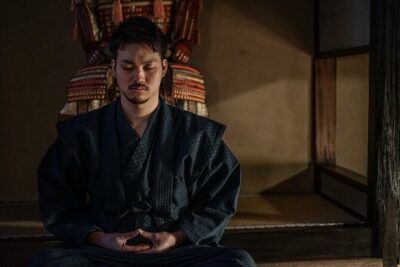
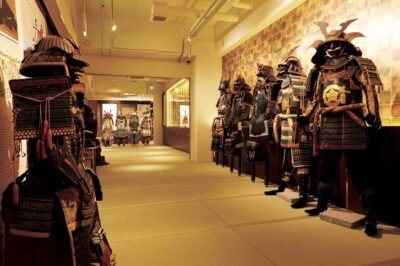
Samurai Ninja Museum Guided tour and Experience
Read our review →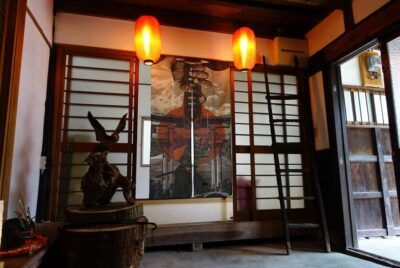
Kendo and Samurai Experience with Uniform and Gear
Read our review →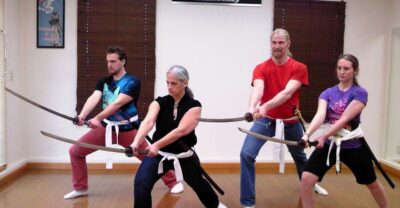
Samurai Sword Class by Experts in Traditional Arts
Read our review →
Samurai Sword & Archery Class from Samurai Descendant
Read our review →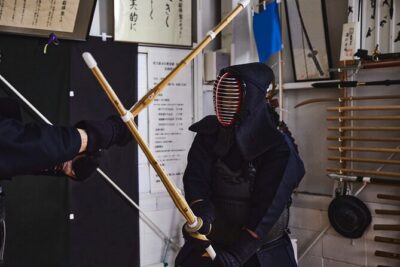
Ninja 1-hour Hands-on Lesson by Japanese master in Kyoto -Entry
Read our review →Browse the lists this tour appears in