Reviewed · FULL-DAY
Kyoto Private & Personalized Full-Day Tour with a Local Guide
Kyoto makes more sense on foot. This private, full-day walking tour is built around your interests, so you can hit the classic sights without wasting time, with a local who helps you read the city as you go.
I especially like the pre-tour questionnaire and planning chat, because it steers your day toward what you actually want (history, neighborhoods, food, quieter spots). I also like the walking-first approach, which gets you into the lanes where buses just do not go, especially later around Higashiyama.
One thing to consider: you will mainly walk, but you may need extra transfer costs by public transport or taxi, and food, drinks, and attraction tickets are not included. If you are budgeting tightly, ask your host early how you will handle transportation between far-apart stops.
Key Points to Know Before You Go
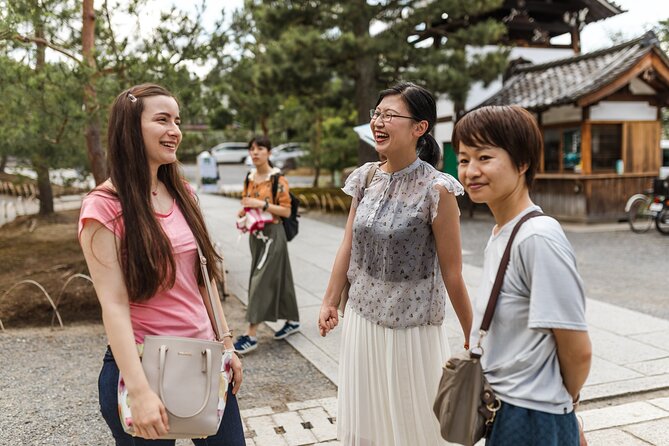
- Customized route that matches your pace, not a fixed checklist
- Walking over car access, so you spend more time on foot and less time stuck in transit
- Temples plus neighborhoods in one day, including Kinkaku-ji and Kiyomizu-dera
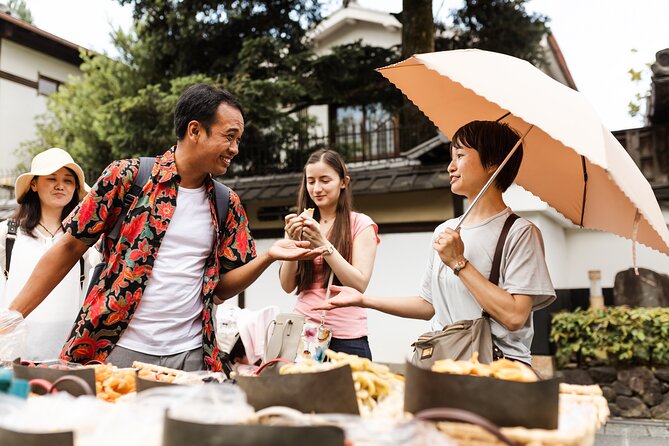
- Plum blossoms shrine stop focused on Sugawara no Michizane, plus a lively monthly market
- Local guide communication before the day, so you arrive with a plan (and local tips)
Why This Kyoto Day Feels Personal (Not Like a Script)
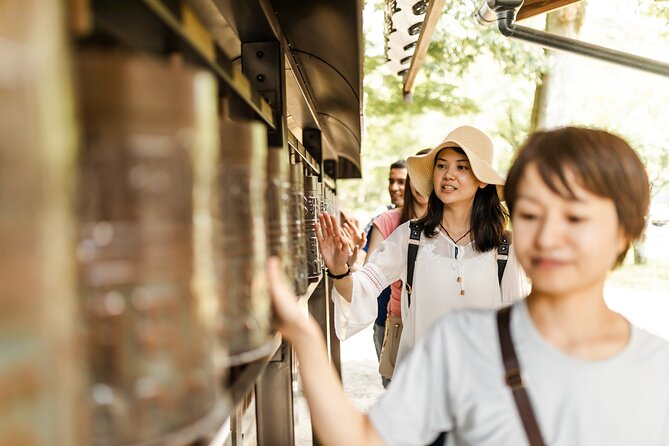
Kyoto can feel overwhelming fast. You see a temple in photos, then you look at a map and realize those places are miles apart, and the crowded areas are always crowded. This tour tackles that problem with a simple idea: you pick what you care about, then your route is built around it.
The big win is the planning loop. You get a short questionnaire after booking, and your guide reaches out so the schedule fits your interests and your speed. That means you are not just being taken to highlights, you are steering the day. Want more time photographing or lingering in quieter side streets? You can build that into your pacing.
You also get the human part. The best moments in Kyoto rarely come from just seeing a structure. They come from understanding what you are looking at, why it matters, and what you should notice at eye level. In the feedback I saw, guides like Alex and Oussama stood out for adjusting quickly to what guests wanted, including helpful photo pacing. Others, like Eko and Vanessa, were praised for turning gardens and temple details into something you can actually understand while you are there.
A few more Kyoto days worth comparing
- PERFECT KYOTO 1-Day Bus Tour
★ 5.0 · 13,518 reviews - Kyoto: Fushimi Inari, Kinkakuji, Bamboo Grove 1 Day Bus Tour
★ 4.8 · 4,316 reviews - Kyoto: Tea Ceremony in a Traditional Tea House in Kiyomizu
★ 4.9 · 3,519 reviews
Getting Started at Sanjo-ohashi: Easy Meeting, Flexible Timing
The meeting point is Starbucks Coffee at Kyoto Sanjo-ohashi Bridge (Nakajyo Ward). It is a practical start location because you will likely be able to get there via public transport, and you are not trying to meet inside a maze of back streets.
You can also choose a flexible start time when booking, which matters in Kyoto. A morning start can help you avoid some of the heaviest foot traffic. A later start can be great if you want softer light for photos or you are combining this day with other plans.
Pickup is listed as offered, but the tour still runs as a walking experience with the meeting point as the default anchor. My advice: if pickup is important to you, confirm it clearly before the day. And if you are arriving from outside Kyoto that morning, plan to be on the safe side with timing so you do not feel rushed once the walking portion begins.
A Modern Orientation Stop With Rooftop Views
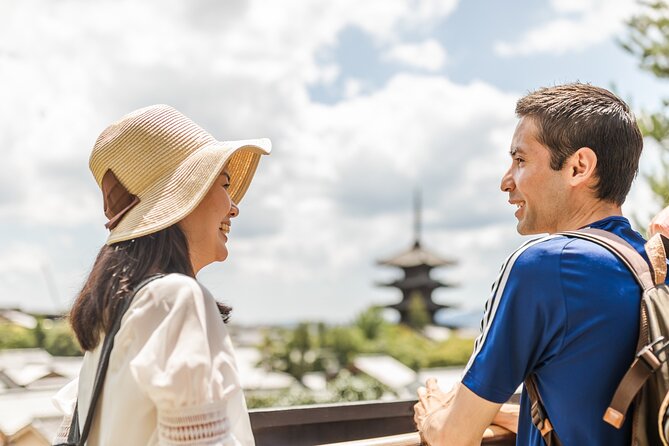
Early in the day you will visit a striking modern landmark with dramatic architecture, rooftop gardens, and panoramic city views. This is a smart setup stop because it gives you scale. Kyoto is famous for temples and old streets, but you still want a mental map for where neighborhoods sit relative to each other.
From a practical standpoint, the view stop also helps you later. Once you see the city spread out, you are better at understanding why the walking routes and transitions make sense. It turns the day from a sequence of distant sights into a route with logic.
The tradeoff: since this is part of a walking day, time spent here can feel short if you prefer uninterrupted time in traditional areas. If that is your style, tell your guide you want the view for orientation, then move quickly into the temple and neighborhood sections.
The Sugawara Shrine Stop: Plum Blossoms and a Monthly Market
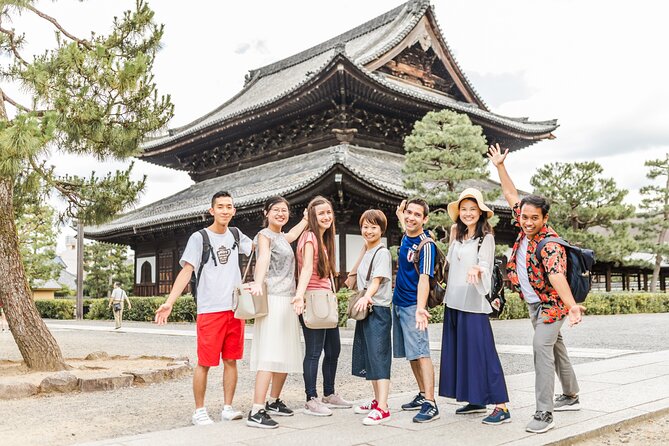
Next you head north to a revered shrine dedicated to Sugawara no Michizane, known for two big draws: plum blossoms in late winter and a lively monthly market. Even if you are not in plum blossom season, this stop is worth it because the shrine is tied to Japanese scholarship culture, and it is the kind of place where atmosphere matters.
A guide matters here because shrines can look similar from far away, but the details tell you what is important. You will get context on the shrine’s significance, and you can also build in time for market browsing if it is running during your visit.
Possible drawback: markets can add walking and crowding. If you want a calmer, quieter experience, ask your guide to balance market time with shrine time so you do not feel rushed. The tour is designed to adapt, but it helps if you say what you prefer.
Same corner of Japan, a different kind of day:
- Kyoto Geisha Walking Tour: Gion District & Hidden Gems
★ 4.7 · 3,273 reviews - Kyoto: Tea Ceremony Ju-An at Jotokuji Temple
★ 4.9 · 3,207 reviews - Kyoto: Gion Magical Night Walking Tour with Geisha Trivia
★ 4.9 · 2,393 reviews - Kyoto: 45-Minute Tea Ceremony Lesson Experience
★ 4.3 · 2,378 reviews
Kinkaku-ji Gold Leaf Without the Stress
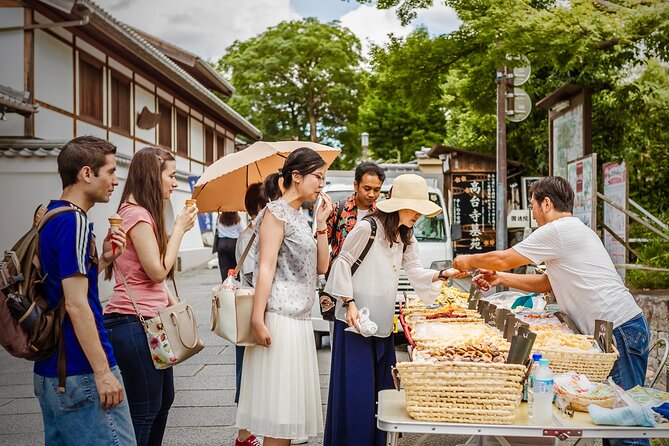
Kinkaku-ji is the iconic one: a Zen temple famous for its gleaming gold-leaf exterior and its status as a UNESCO World Heritage Site. The story behind it adds meaning too. It began as a shogun’s villa, then became a Zen temple in the 1400s.
For many people, this is a must-see. The value here is less about the temple existing, and more about how you experience it. With a guide, you are less likely to wander around aimlessly, and you can time your attention toward the areas that actually help you understand the design.
There is also a practical benefit. On a full-day walking plan, your guide can place Kinkaku-ji at a point in the day that fits your energy and your walking tolerance. The tour is built around your interests, so if Kinkaku-ji is a top priority, you can ask for more time there. If it is a checkbox for you, you can keep it shorter and spend the saved time on the neighborhood segments that often feel more unique.
Higashiyama Lanes: Where Kyoto Feels Like Kyoto
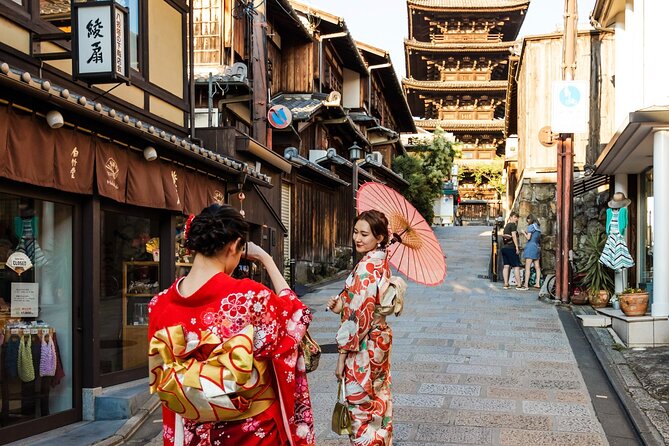
After Kinkaku-ji, you head south into the atmospheric lanes of Higashiyama. This is where Kyoto becomes less about single monuments and more about the experience of moving through old streets.
You will wander sloping lanes lined with traditional wooden townhouses, merchant shops, and cafés and restaurants serving Kyoto specialties. What makes Higashiyama shine on a guided walk is that you are not just passing storefronts. You are learning how the streets function, what to notice, and how to read the neighborhood mood.
This is also one of the biggest “why walking” moments. Higashiyama streets can be hard to access efficiently by car or bus in a way that lets you truly stroll and stop. A walking route lets you slow down, turn corners, and choose what to photograph next.
Two practical tips for you:
- Wear shoes you can walk in for hours. Kyoto sidewalks and temple approaches can be uneven.
- If you have food in mind, remember food is not included. You can still eat your way through Higashiyama, just plan a budget.
Kiyomizu-dera Final Act: The Stage and Otowa Water
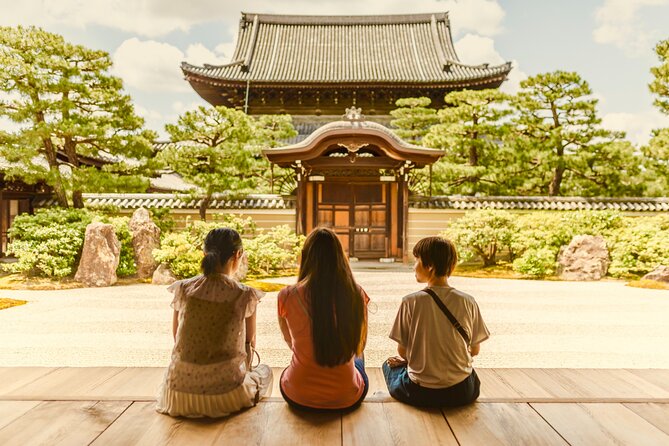
You finish at Kiyomizu-dera, one of Japan’s best-known temples, famous for its massive wooden stage and sweeping city views. This is a natural closing point because the temple is designed for dramatic impact, and the view helps tie the city theme of the day together.
You also get a specific local detail to watch for: Otowa. While the tour information does not spell out exactly how you experience it, it does highlight Otowa as something you should not miss. A guide can help you understand what Otowa is in this context and how to behave while you are there.
Timing note: Kiyomizu-dera is especially beautiful during autumn foliage season. If you are traveling in fall, ask your guide to prioritize view time near the stage and the surrounding viewpoints. If you are not in peak season, you can still get great results by prioritizing the architecture and the ways the temple frames the streets below.
Price and Value: What $253.22 Buys You Here
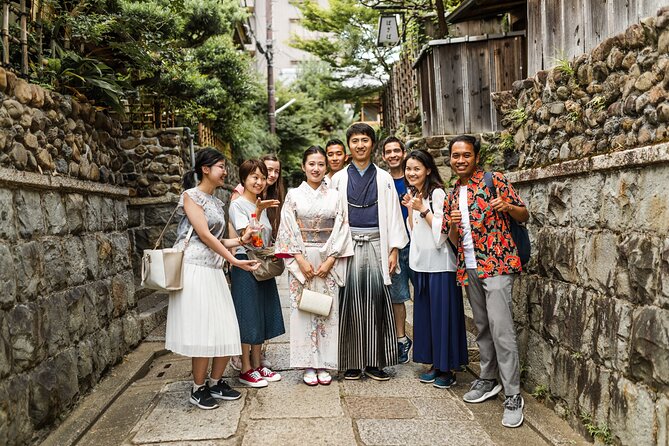
At $253.22 per person for an 8-hour private walking tour, the price is not the cheapest way to see Kyoto. But it is also not just paying for transportation. You are buying three things that are hard to replicate:
- Personal time with a local who can adjust the route to your interests and your walking pace. That customization is the heart of the value.
- Time-saving logistics, especially in a city like Kyoto where distances and crowd flow can work against you.
- Meaningful context at the main sites, like Kinkaku-ji and Kiyomizu-dera, and at the lesser-known moments between them.
One caution on value: food, drinks, tickets, and attraction costs are not included. And transportation between stops is not included either, though walking is the core plan. That means your final cost can run higher depending on how many transfers you need and how you eat during the day.
So here is how I would judge value for myself: if you want a smooth, guided route with flexibility and you would otherwise bounce around Kyoto on your own, this can feel like a fair trade. If you already have a tight plan and you prefer to follow your own map, you might find a cheaper approach. But if you want to spend your Kyoto day actually enjoying and not figuring out where to go next, the private format makes sense.
Guides, Pacing, and the Small Things That Matter
A private tour only works well if the guide gets the job done beyond just names and dates. The feedback you have here points to a few strong patterns.
- Fast interest matching: Guides like Alex were described as figuring out interests quickly and then steering the day, including helpful extra experiences.
- Photo help and pacing: Some guides were praised for helping take a lot of photos and for meeting the guests at their preferred tempo.
- Efficient navigation: Eko was noted for navigating public transportation well across multiple days, which is a big deal when you are trying to see a lot without feeling frantic.
- Local connection: Taibi was described as Moroccan, lived in Japan for over 20 years, and able to connect temple and history explanations to everyday life. If you like cultural context that feels human, that style tends to land well.
Still, there is one practical warning sign from a negative experience: if you expect a certain depth of historical or cultural detail, clarify your preferences early. You might also want to mention how you like your guide to structure time, since language understanding and guide communication style can affect whether you feel the day is truly worth it.
Walking Day Logistics You Should Plan For
This is primarily a walking experience. You should assume that you will cover a fair amount of distance, and that you may make a few transfers with public transport or taxis to connect between areas. Exact transportation costs can be discussed with your host after your reservation is finalized.
Because of that, I recommend you travel ready:
- Bring a payment method for possible transit top-ups.
- Keep cash for small purchases if you plan to snack or buy market items at the shrine and neighborhood segments.
- Plan for food costs, since food and drinks are not included.
Also, the tour ends back at the meeting point. That is convenient for planning your evening, and it keeps the day anchored.
Who Should Book This Kyoto Private Walking Tour
Book this if:
- You are short on time and want multiple top sites in one day, including Kinkaku-ji and Kiyomizu-dera.
- You like walking routes and want to explore neighborhoods like Higashiyama on foot.
- You want a local perspective that adapts to you, not a rigid itinerary.
Skip it or think twice if:
- You want only one or two major sights and you prefer independent travel.
- You hate walking long distances or you strongly dislike the idea of possible extra transit costs.
- You prefer a tour that includes food, tickets, and all transport inside one fixed price.
Should You Book This Private Kyoto Walking Tour?
If you want Kyoto to feel guided but still flexible, this is a strong pick. The customization process, the walking-first route, and the temple-and-neighborhood mix make it a practical way to see a lot without turning your day into a stress march.
My final advice: before the day starts, message your host with your priorities and also ask how you expect to handle transfers between the far-apart stops. If you do that, you protect the value and end up with a day that feels like Kyoto, not just a checklist.
FAQ
How long is the Kyoto private walking tour?
It runs for about 8 hours.
Is this tour private or shared?
This is a private tour/activity. Only your group will participate.
Where do we meet, and where do we end?
You meet at Starbucks Coffee – Kyoto Sanjo-ohashi Bridge in Kyoto, and the tour ends back at the meeting point.
Can I choose the start time?
Yes. Flexible start times are available, and you choose your preferred time when booking.
Does the guide tailor the itinerary?
Yes. You fill out a pre-tour questionnaire about your interests and must-sees, and your guide contacts you to plan a customized itinerary.
Is transportation included?
Not in the price. The tour is primarily walking, but public transportation or local taxis may be used at additional cost, discussed with your host.
Are food and attraction tickets included?
No. Food, drinks, and tickets to attractions are not included.
Is there a mobile ticket?
Yes, the tour includes a mobile ticket.
Are service animals allowed?
Yes, service animals are allowed.
What is the cancellation window for a full refund?
You can cancel up to 24 hours in advance for a full refund.
Fresh options around Kyoto
- Kyoto: Beyond the Insider Sake Tasting Experience★ 5.0 · 30 reviews
- Kyoto: Japanese Koto & Shamisen Concert and Koto Class★ 4.9 · 31 reviews
- Kyoto: Arashiyama Bamboo, Togetsukyo bridge, Sanso, and more★ 4.6 · 31 reviews
- Private Pewter Sake Cup Experience with a Kyoto Artisan★ 5.0 · 31 reviews
- Kyoto Home Cooking Class &Supermarket tour near Fushimiinari★ 5.0 · 31 reviews
- Kyoto: Casual Pontocho Evening Food Tour★ 4.8 · 31 reviews
- Kyoto: Maiko, Samurai, or Kimono Rental and Tea Ceremony★ 4.3 · 31 reviews
- Kyoto: Historic Higashiyama Walking Tour★ 5.0 · 31 reviews
Full-Day, compared.
Mount Fuji Full-Day Private Tour from Tokyo (Customizable)
Read our review →
Hiroshima / Miyajima Full-day Private Tour with Government Licensed Guide
Read our review →
Tokyo Private Full-Day Tour by Car or Van
Read our review →

5 Top Highlights of Kyoto Full Day Bike Tour (E-bike option)
Read our review →
Full Day Biking Tour Exploring the Best of Kyoto
Read our review →