Reviewed · GUIDED
Kyoto 4hr Private Tour with Government-Licensed Guide
Torii gates to tea houses, on your schedule. I love the government-licensed English guide who puts real context to what you see, and I love the custom 2-3 site plan that keeps the day from turning into a stamp-collecting sprint. The possible drawback: it is a walking-focused tour, and entrance fees and transit costs are extra.
You choose the sites you want from Kyoto’s big “must-see” list, then you spend 4 hours moving at a pace that actually fits your interests. Pickup is offered on foot near your hotel, and you stay with just your group for a more personal, question-friendly experience.
Key Things That Make This Kyoto Private Tour Click
- Government-licensed guide in English for clear explanations and better understanding of temples, shrines, and historic sites
- Choose 2-3 stops so you get time to look, not just pass by
- On-foot pickup and easy navigation using public transportation or taxis when needed
- A smart mix of classic Kyoto across shrine, castle, street neighborhoods, and temple districts
- Small details that improve the day, like photo stops and practical suggestions for moving around
Why This Kyoto Plan Fits Real Schedules in 4 Hours
Kyoto can eat your whole day fast, especially if you are trying to hit iconic sights plus figure out transit plus decode signs. This tour’s main advantage is simple: in 4 hours, you select 2-3 locations and build a path that makes sense. That means you are not rushing from one huge crowd to the next with zero time to enjoy anything.
I also like that the experience is private. You are not dealing with a megaphone group rhythm or being pulled along when you want to pause. It becomes much easier to ask, point, and adjust on the fly, especially around places where the details matter, like gates, gardens, and temple halls.
The walking part matters too. If you like long walks and hills, you will enjoy the flow. If you prefer minimal steps, you will want to pick closer stops or consider upgrading to a private vehicle when offered. Either way, your guide helps you shape the route so you spend energy on the sightseeing, not on confusion.
A few more Kyoto days worth comparing
- PERFECT KYOTO 1-Day Bus Tour
★ 5.0 · 13,518 reviews - Kyoto: Fushimi Inari, Kinkakuji, Bamboo Grove 1 Day Bus Tour
★ 4.8 · 4,316 reviews - Kyoto: Tea Ceremony in a Traditional Tea House in Kiyomizu
★ 4.9 · 3,519 reviews
Government-Licensed Guide: The Difference You Feel at Each Stop
A guide is not just for translation. The best guides help you notice what you would otherwise miss, and they explain the “why” behind the “what.” On this tour, you get a nationally licensed local English speaking guide, which shows up in the way the day is paced and how the stories are tied to the actual place.
In the experience, you can see different guide styles from different tour matches. For example, Yuri is noted for turning transit into something manageable, handling signage questions, and even coordinating taxis when needed. Tomy is praised for planning routes that move smoothly, adding history and practical tips, and suggesting areas to walk and eat after the tour. Nabet stands out for answering questions thoughtfully and keeping the schedule organized.
What I like about this format is that it works for different travel types. If you are history-first, your guide can connect temples, shrines, and Kyoto neighborhoods to how power and culture shifted over time. If you are photos-first, guides often steer you toward better angles and photo moments. Even in rain or heat, guides such as Seiko and Mizu are highlighted for keeping the mood positive and making the day feel easier to manage.
And since you only choose a few stops, you actually get to ask deeper questions about what you are seeing, instead of rushing through topics.
Walking Pickup and Getting Around, Without the Chaos
This is a walking tour. Pickup is offered on foot, where you meet the guide within a designated Kyoto area and then head out from there. That is convenient if you want to start right from your hotel area, and it avoids the awkward logistics of meeting at a faraway station.
Travel within the tour can use public transportation or taxi. That matters because Kyoto is not laid out like a grid. Some temples and neighborhoods sit in different zones, and some are uphill. A well-planned route means less time stuck in station lines and less backtracking.
One practical tip I pulled from guide experience is that having a transit card ready can save time. A Suica card (or similar transit card) helps you glide through stations, and cash in yen is still useful because not every place is smooth with card payments. Also, wear comfortable shoes. One guide-match review mentioned hitting over 20,000 steps, so you should assume you will walk a lot, even if your route is only a few stops.
If you are visiting in hot summer weather or during sudden rain, go lighter on valuables you do not need, and plan for slower pace. Guides like Seiko are specifically mentioned for making rainy days still feel like a win.
Your Stop-by-Stop Plan, From Torii Gates to Zen Gardens
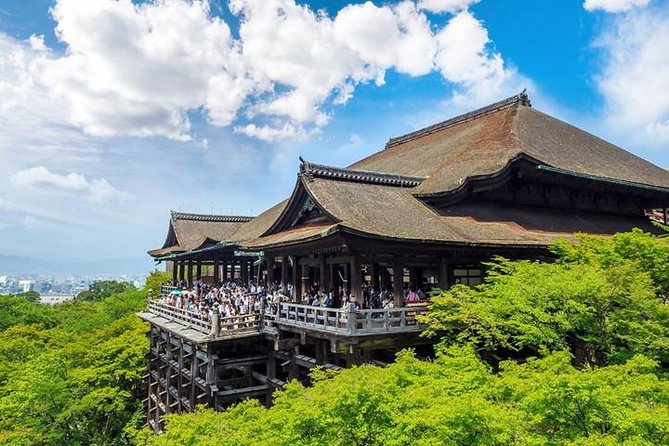
You choose 2-3 sites from a larger list, so think of this as a menu. Below is what each option offers, what makes it special, and what to watch for.
Same corner of Japan, a different kind of day:
- Kyoto Geisha Walking Tour: Gion District & Hidden Gems
★ 4.7 · 3,273 reviews - Kyoto: Tea Ceremony Ju-An at Jotokuji Temple
★ 4.9 · 3,207 reviews - Kyoto: Gion Magical Night Walking Tour with Geisha Trivia
★ 4.9 · 2,393 reviews - Kyoto: 45-Minute Tea Ceremony Lesson Experience
★ 4.3 · 2,378 reviews
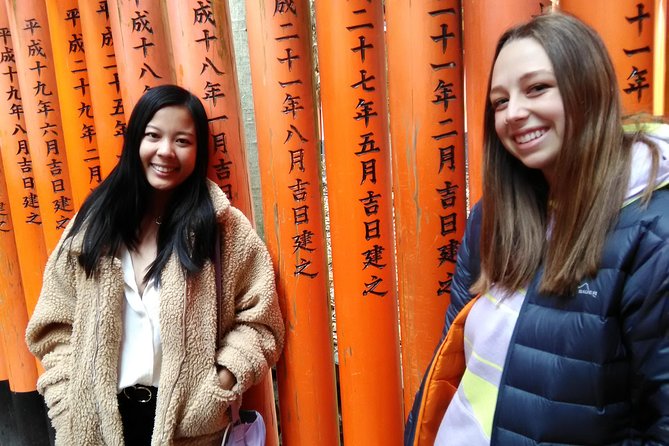
Fushimi Inari-taisha Shrine
Fushimi Inari is famous for its vermillion-red torii gates, but the appeal is bigger than photos. The guide helps you see the place as more than a tunnel, with the shrine’s story and rituals tied to how people move through the space. Expect crowds, especially mid-day, and plan to arrive early if you can with your guide’s schedule.
Nijo Castle
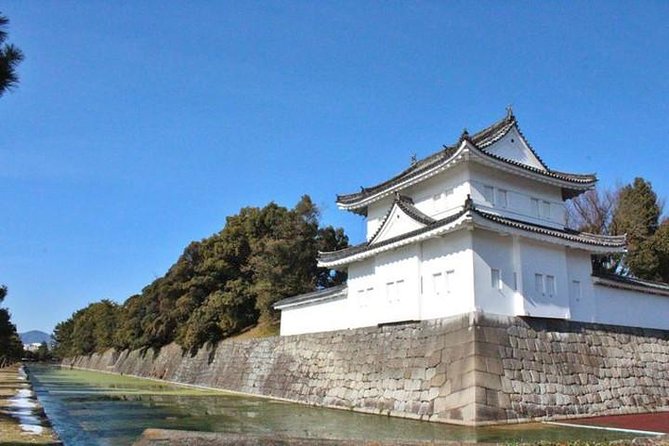
This UNESCO-listed castle gives you a strong sense of how Tokugawa-era power showed up in architecture. It is a great choice if you want something more formal than temples and street neighborhoods. Be ready for ticket steps on site, since entrance fees are not included.
Gion
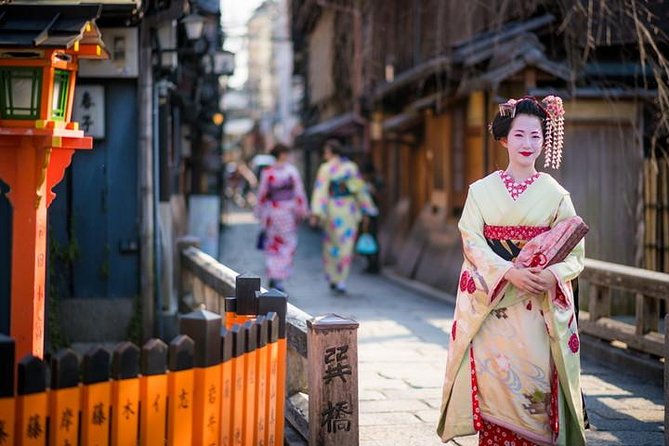
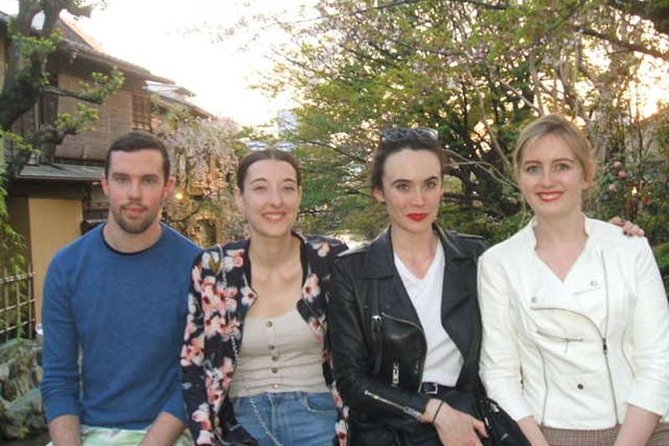
Gion is a first-time navigation test for many people. With a guide, you can walk the Geisha district streets without losing your bearings, and you can understand the cultural context behind the district’s traditions. Crowds can be heavy, so your guide’s route choice really matters.
Nishiki Market Shopping District
Nishiki Market is often described as Kyoto’s kitchen, and it lives up to that name with food counters and snacks. This stop is ideal if you want a lively sensory break between temples. The drawback is that it can be tight and busy, and you will likely spend yen on little things while you stroll.
Kiyomizu-dera Temple
Kiyomizu-dera is one of Kyoto’s biggest draws, and it works well with a guided visit because there is a lot to understand on the grounds. Entrance is not included, so you should budget for tickets. If you go, plan for stairs and walking, and keep your expectations flexible around crowd levels.
Kyoto Imperial Palace
This is where you go when you want “old Kyoto” in a more official, state setting. It connects Kyoto to Japan’s imperial household history before the capital moved to Tokyo in 1868. Like many temple and historic sites here, entrance fees may apply.
Pontocho
Pontocho is an atmospheric dining lane running along the river area, with narrow street energy. It is a smart add-on if your route still has time for a meal break or a slow stroll. It is best when you can pair it with dinner plans, since you are there for vibe as much as sight.
Higashiyama Ward
Higashiyama is a historic district feeling, especially on the eastern slopes. It is a great “Kyoto atmosphere” pick if you want traditional streets without the pressure of just one landmark. You may still face stairs and uneven walking, so pair it with a nearby site to reduce travel time.
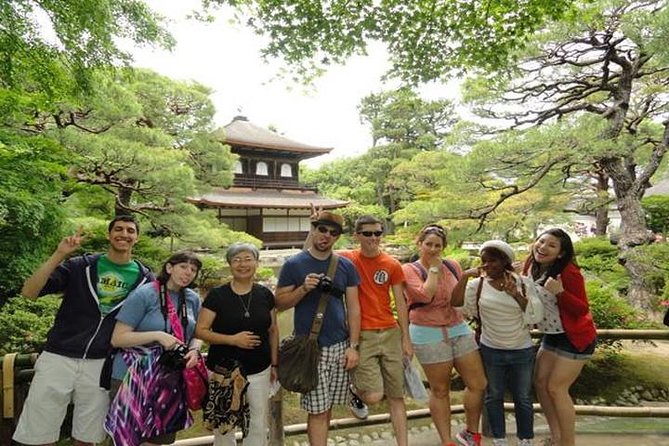
Ginkakuji (Silver Pavilion)
Ginkakuji is a Zen temple experience where the setting and design are part of the point. If you care about gardens and quiet visual rhythm, this one is a good fit. Tickets are likely not included, so budget for admission and plan for walking on the grounds.
Nanzenji Suirokaku
Nanzenji and its Suirokaku area are a strong temple choice when you want spacious grounds and a calm pace. This is often less frantic than Kyoto’s topmost fame stops, though it still draws visitors. Entrance fees are not included, so check what you will need before you go in.
Tofuku-ji Temple
Tofuku-ji is known especially for seasonal beauty, including autumn color displays. If you visit during peak season, it can be a stand-out temple pick. Like other big-name temples, entrance fees may apply, and the grounds involve walking.
Toji
Toji is a temple option that brings you back to early Kyoto history after the capital moved to Kyoto. It can work well if you want a classic temple with a slightly different feel than the most crowded tourist clusters. Budget for any admission requirements.
Kinkakuji (Golden Pavilion)
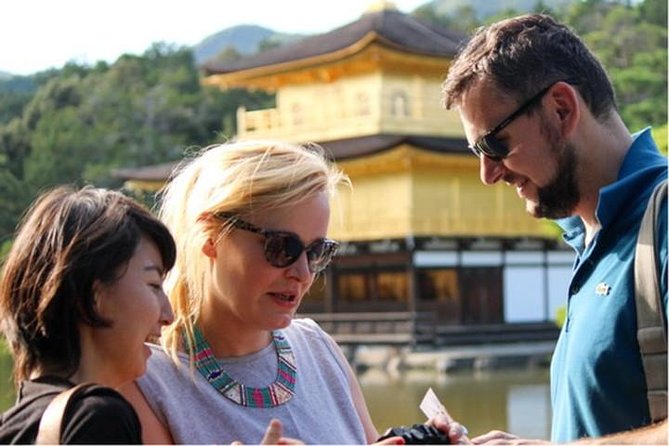
Kinkakuji is Kyoto in one image, with its gold-leaf look and Zen temple identity. It is one of the best “I came to Kyoto” moments, but it can be crowded, so your guide’s timing helps. Entrance fees are not included, so plan money for tickets.
Ninna-ji
Ninna-ji is a World Heritage listed temple that gives you another strong temple-and-gardens contrast to the flashier highlights. It can be a good choice if you want the quieter side of Kyoto temple culture. Entrance fees may apply.
Shugakuin Imperial Villa
Shugakuin is an imperial-villa experience tied to the Imperial Household Agency. The big idea here is landscaped villa grounds, not a single object. Since entrance is not included, you should budget for admission, and plan enough time for slower walking through gardens.
Kibune River
Kibune is a small town in a forested valley area, built around a shrine and local legends. This is a nice option if you want a break from the dense city centers and a more nature-based Kyoto feeling. It may involve more travel time, so it pairs better with other northern-friendly stops.
Kurama-dera
Kurama-dera is tied to the northern mountains and a temple experience with extra scenery energy. It is a fit if you want Kyoto’s outskirts vibe, not just city streets. Entrance fees may apply, and it can involve more walking depending on your route.
Ryoan-ji Temple
Ryoan-ji is famously associated with Japan’s rock garden style. This is a great stop for people who like quiet, minimal composition and want a place where the details reward attention. It involves admission costs not included, and it can get crowded, so go with your guide for timing.
Arashiyama
Arashiyama is the big western Kyoto nature and heritage zone, and it is a top pick when you want variety in one area. Expect a mix of temples, river views, and the well-known bamboo groves walking paths. It is also a place where crowds can spike, so you will be glad you have only 2-3 targets.
Katsura Imperial Villa
Katsura Imperial Villa is a standout for Japanese architecture and garden design. If you care about design, symmetry, and layout, this is a strong choice. Entrance fees are not included, and it may require additional scheduling time within your 4-hour window.
Daikaku-ji Temple
Daikaku-ji adds another historic temple viewpoint in the Arashiyama-Sagano area. It is a calmer, larger temple space option if you want to avoid stacking too many “peak crowd” stops. Entrance fees are not included.
Tenryu-ji Temple
Tenryu-ji is often described as one of Arashiyama’s most important Zen temples. It is a good option when you want temple grounds plus a sense of significance. Entrance is not included, and you should expect walking inside the grounds.
Yoshimine-dera
Yoshimine-dera is a Tendai sect temple option that focuses on forested mountain atmosphere and structure built along the terrain. This is a choice for people who want the Kyoto outdoors feel. Entrance fees are not included.
Togetsukyo Bridge (Moon-Crossing Bridge)
The bridge is Arashiyama’s iconic landmark, and it gives you a classic photo moment over the river. It is also useful as a waypoint so you do not feel lost in the area. Crowds can build fast, especially when tour groups stack.
Bamboo grove walking paths
The bamboo groves are the signature walking experience in this district, especially when you can hear the wind moving through the stalks. This is where the “Kyoto atmosphere” becomes physical, with your footsteps and the view lines guiding you. It can be crowded, so your guide’s timing is key.
Okochi Sanso Garden
Okochi Sanso is a former villa garden area tucked behind the bamboo groves, with multiple garden sections and buildings. If you want something a bit more curated than just walking through bamboo, this is a strong fit. Entrance fees are not included.
Jojakkoji, Nisonin, and Gioji (the hillside temple cluster)
These three options overlap on the vibe level: hillside temples, steps, and a quieter, garden-forward experience. They are best when you want “less street, more stone and moss mood.” Entrance fees are not included, and you should plan for uneven walking surfaces.
Adashino Nenbutsu-ji and Otagi Nenbutsu-ji
These temples are known for stone statue walks, with Otagi Nenbutsu-ji specifically famous for its many rakan statues. If you like odd, specific, and photo-friendly details that still feel spiritual, these are excellent picks. Entrance fees are not included, and they usually work better when you group them with nearby locations.
Kennin-ji Temple
Kennin-ji is near the bustle of the center streets and gives you a temple pause close to everyday Kyoto life. It is a smart choice if you want a temple stop without committing to a long travel hop. Entrance is not included.
Byodoin Temple (Uji day extension)
Byodoin Temple is outside central Kyoto, in Uji, and it is known for the Phoenix Hall. Your tour data notes extra travel time here, so it is less of a “fit anywhere” stop and more of a deliberate choice. Entrance fees are not included, and you need to be realistic about your 4-hour cap if you pair it with other distant sites.
Price and Value: What You Pay For, What You Still Need to Budget
The price listed is $109.43 per person for an approx 4-hour private tour. That can sound high until you compare what you are getting: a government-licensed guide, private attention, and a customized route built around the sites you choose.
What is not included matters for your total budget:
- Transportation fees during the tour (if you use taxis or other paid transit segments)
- Entrance fees at the sites you pick
- Lunch and personal expenses
So the value is highest if you choose 2-3 major paid sites you truly want, and you let the guide handle the planning and pacing. If you pick only free, quick stops and skip paid temples, you might feel like the price is less justified.
The tour also mentions group discounts and a mobile ticket. Group discounts are a plus if you are traveling with friends or family and can book together, since the guide stays focused on your group only.
Finally, you can upgrade to include a private vehicle for an additional cost if walking and transit time are concerns. That is a sensible option for older travelers, mobility limitations, or anyone who wants to reduce hill stress.
Tips to Make the Day Feel Good, Not Exhausting
Kyoto rewards good logistics. Here’s how to keep your half day enjoyable.
Wear comfortable shoes. Even guides in this experience are described as pushing for efficient routes, and one highlight involved a visitor who cracked over 20k steps. Bring water and snack smart, especially in warmer months.
Bring cash in yen. A transit card helps, but not every vendor is equally card-friendly in every moment. If your tour day includes marketplaces like Nishiki, money for small bites is part of the fun.
If you are going for photos, plan to move quickly between “icon shots” and “quiet moments.” Guides like Yuri are praised for finding photo spots, and that’s where a private guide pays off: you get better angles without wasting time roaming.
Also, accept that Kyoto crowd levels shift hour by hour. With only 2-3 stops, you can rely on your guide’s timing and route decisions so you spend time looking, not waiting in crush lines.
Should You Book This Kyoto Private Tour?
Book it if you want a guided Kyoto highlights day without the stress of route planning. This is especially worth it if it is your first time in Kyoto, if you want explanations that connect shrines, temples, and neighborhoods, or if you want a flexible plan that fits your energy level.
Skip or adjust if you dislike lots of walking, because it is a walking tour with on-foot pickup. If you fall into that category, consider picking closer neighborhoods or upgrading to a private vehicle when offered.
If you are deciding what to choose, pair one “icon” stop with one quieter experience and one street or market stop. That combo tends to give you the best mix of story, scenery, and Kyoto daily life within a 4-hour window.
FAQ
Is this tour private for my group?
Yes. It is a private tour or activity, and only your group will participate.
How long is the Kyoto tour?
The duration is about 4 hours.
Is there hotel pickup?
Pickup is offered, and the guide meets you on foot within a designated area of Kyoto.
Can I customize the itinerary?
Yes. You can build your own itinerary by choosing from the tour’s available heritage attractions. Your selection is based on 2-3 sites.
Do I need to buy tickets for the attractions?
Entrance fees are not included, so you should expect to pay tickets for sites that require admission.
How do we get around between stops?
The tour uses public transportation or taxi as needed, and transportation fees are not included.
Is there an option for a private vehicle?
Yes, there is an option to upgrade to include a private vehicle for an additional cost.
What is included in the price?
Included are a licensed local English speaking guide, the customizable 2-3 site plan, and meet up on foot within the designated Kyoto area.
Does the booking include a mobile ticket?
Yes. The tour includes a mobile ticket.
What is the cancellation policy?
Free cancellation is available up to 24 hours in advance for a full refund.
Can I combine multiple tour groups?
No. You cannot combine multiple tour groups.
Fresh options around Kyoto
- Kyoto: Quiet and Graceful Tea Ceremony★ 4.5 · 19 reviews
- Oboro | Mindful Tea Ceremony in a 100-Year-Old Kyoto Teahouse★ 5.0 · 19 reviews
- Ikebana Traditional Japanese Art of Flower Arranging★ 4.5 · 19 reviews
- Kyoto Satoyama Cycling with Lunch and English Guide★ 5.0 · 19 reviews
- Kyoto International Party Solo Friendly Expats and Locals★ 5.0 · 19 reviews
- Tea Ceremony Experience in Traditional Kyoto Townhouse★ 5.0 · 19 reviews
- Kyoto: Amanohashidate Ine Funaya Tour★ 4.4 · 19 reviews
- Kyoto Private Food Tours with a Local Foodie: 100% Personalized★ 4.5 · 19 reviews
Guided, compared.
Tokyo 6hr Private Tour with Government-Licensed Guide
Read our review →
Shinjuku Local Bar and Izakaya Guided Walking Tour
Read our review →
Private City Highlights Tour with Local Guide
Read our review →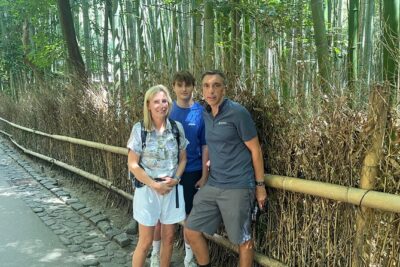
Kyoto Early Morning Tour with English-Speaking Guide
Read our review →
Tokyo 4hr Private Tour with Government-Licensed Guide
Read our review →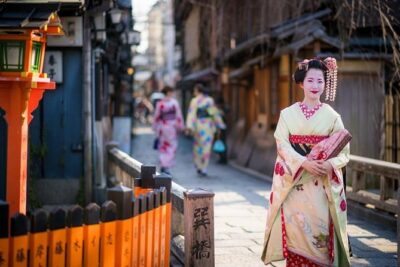
Kyoto 6hr Private Tour with Government-Licensed Guide
Read our review →