Reviewed · KYOTO TOURS
Early Half Day to Kyoto Highlights
Kyoto can feel like a race if you wing it. This early half-day plan gets you to Kyoto’s top sights with less waiting, plus real context on Shinto and Buddhism from an English-speaking local guide, including Indra. I love the tight pacing and small group feel, and I also like that it uses public transport so you learn how to move around the city. The one drawback: you still need to budget for Kinkakuji admission and the train or bus rides.
The day starts at Starbucks Kyoto Tower Sando near Kyoto Station, then moves in a smart order: Fushimi Inari first, Arashiyama next, and Kinkakuji when you’re ready for the big finale. You’ll get history and culture woven in as you walk, not just a checklist. If you want maximum freedom to linger at each site, the schedule may feel a bit full, since it’s built to fit all three areas plus Kyoto Station back in about five hours.
Key Points Before You Go
- 8:00 am start helps you see the headline sights with fewer crowds
- Small group limit (max 8) keeps the pace manageable and questions easy to ask
- Indra’s storytelling and planning keep the morning organized and on time
- Two free stops bookend the day at Kyoto Tower Sando and Kyoto Station Building
- Kinkakuji entry costs extra (¥500), so plan cash or card for that moment
Why This 8:00 am Half-Day Works in Kyoto
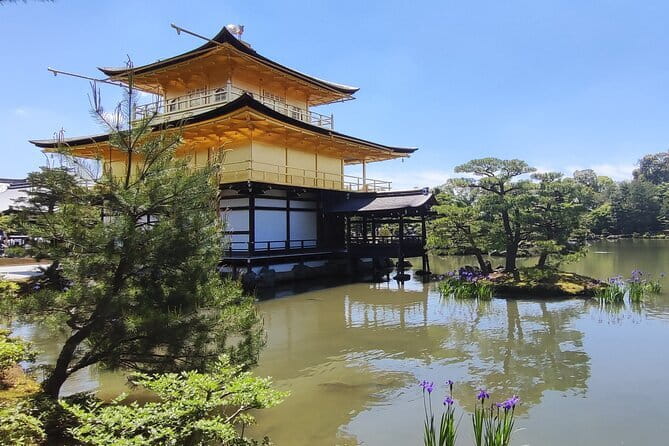
Kyoto has a way of stealing your time. One wrong turn, one long line, and suddenly your afternoon is gone. This tour’s logic is simple: go early, hit the most famous places while energy is high, then come back before you feel wrecked.
It runs about five hours, which is the sweet spot for travelers who want highlights without committing to an all-day schedule. You’ll still get breathing room later that day, which matters because Kyoto rewards unplanned wandering. You can pair this morning with lunch, a riverside stroll, or browsing shops near your next hotel area.
One more thing I really like: the tour uses the city’s public transport instead of private cars. That means you’re not only being shown places, you’re also learning how the routes work in the real world. When you’re done, you usually feel more confident navigating the rest of Kyoto on your own.
A few more Kyoto days worth comparing
- PERFECT KYOTO 1-Day Bus Tour
★ 5.0 · 13,518 reviews - Kyoto: Fushimi Inari, Kinkakuji, Bamboo Grove 1 Day Bus Tour
★ 4.8 · 4,316 reviews - Kyoto: Tea Ceremony in a Traditional Tea House in Kiyomizu
★ 4.9 · 3,519 reviews
Meet at Kyoto Tower Sando: Fast Start, Easy Orientation
The meeting point is Starbucks Coffee – Kyoto Tower Sando, right by Kyoto Station. The address is listed as Japan, 600-8216 Kyoto, Shimogyo Ward, Higashishiokōjichō, 7211 京都タワービル. It’s a practical start because Kyoto Station is a hub for trains, buses, and taxis, so you can get there without drama.
The tour includes a short 15-minute stop at Starbucks Kyoto Tower Sando. “Admission ticket free” here mainly means no entry fee or site ticket. Think of this as your setup moment: meet your guide, get any group instructions, and get your bearings before you head out.
If you’re jet-lagged or you hate scrambling in the morning, starting at Kyoto Station is a big comfort. You already know you can find restrooms, coffee, and transit connections close by. It’s one of those small logistical wins that makes the rest of the day smoother.
Fushimi Inari-taisha Before the Crowds: Shinto Walk-Through
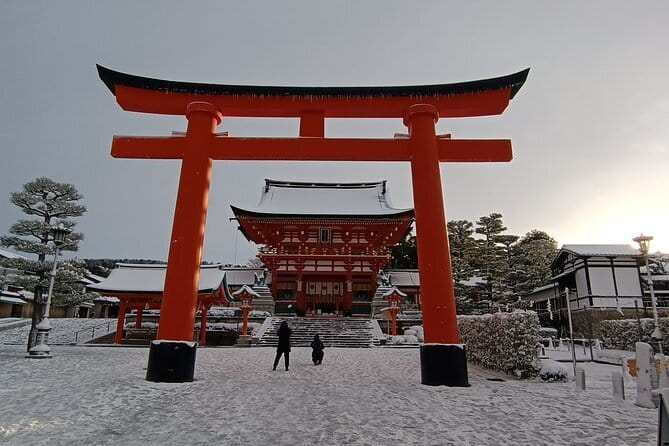
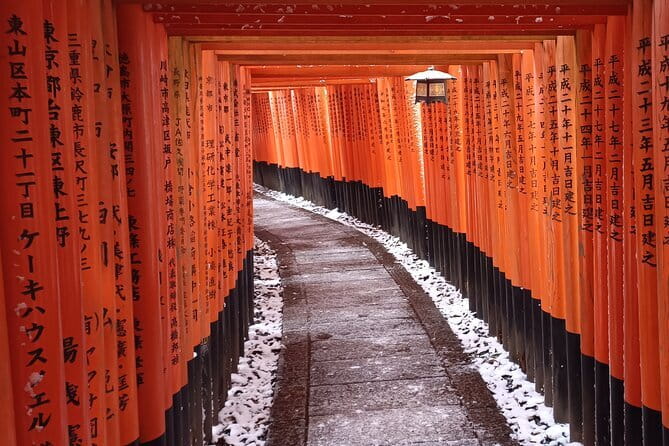
Fushimi Inari-taisha is the name everyone knows. This tour goes directly there after the meet-up, with about 1 hour 30 minutes on site. You’ll see the iconic red torii gates, and you’ll also get the meaning behind them through explanations of Shintoism and how it shows up in daily Japanese life.
Here’s why the early timing really matters. The shrine is famous enough that even “short” visits can turn into slow ones if you’re stuck behind a crowd. Going early gives you a better chance to enjoy the views and the walk itself, not just the photo line. The tour is built specifically for that crowd-beating idea.
Also, you’re not just walking randomly through the torii tunnels. You’ll learn what to watch for, so the visit feels more grounded. Instead of treating it like a theme park corridor, you start noticing the cultural logic behind the shrines and rituals. That context can change how you remember the place later.
Possible consideration: Fushimi Inari includes stairs and uneven paths as you go deeper. The tour time is generous enough to enjoy the experience, but it’s still a walking-heavy stop. Wear comfortable shoes with grip.
Arashiyama Bamboo Forest: Nature, Motion, and Cultural Context
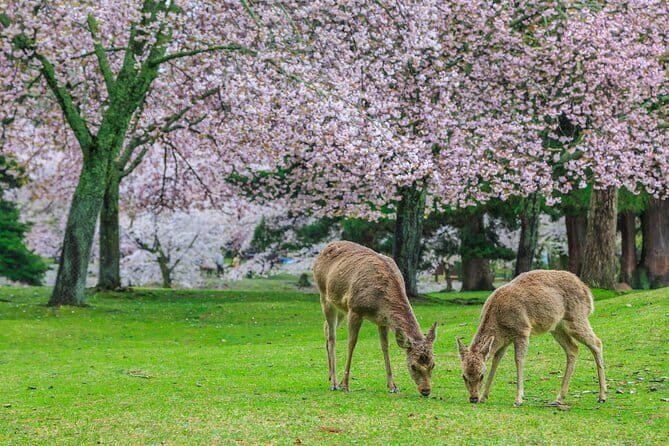
After Fushimi Inari, you head to Arashiyama Bamboo Forest for about 1 hour 30 minutes. This stop is all about atmosphere. The bamboo creates that instantly recognizable walkway feel, with light filtering through stalks and a calm that’s hard to reproduce anywhere else.
What makes this stop work on a half-day tour is the pacing. One hour and a half is long enough to slow down, take photos, and actually experience the changing soundscape as the crowd level shifts. You get time to walk, stop, and reset instead of racing through.
You’ll also hear commentary that connects the setting to Japanese society and daily life. The bamboo forest isn’t explained as an isolated “pretty spot.” The guide frames it as part of how Japan values nature, tradition, and the way people move through public space.
Practical tip for you: build in a little buffer for photo moments. If you rush, you end up with photos but no memory of the feeling. If you slow down just 2 or 3 times during your walk, the place sticks.
Same corner of Japan, a different kind of day:
- Kyoto Geisha Walking Tour: Gion District & Hidden Gems
★ 4.7 · 3,273 reviews - Kyoto: Tea Ceremony Ju-An at Jotokuji Temple
★ 4.9 · 3,207 reviews - Kyoto: Gion Magical Night Walking Tour with Geisha Trivia
★ 4.9 · 2,393 reviews - Kyoto: 45-Minute Tea Ceremony Lesson Experience
★ 4.3 · 2,378 reviews
Kinkakuji Golden Pavilion: The One Paid Ticket
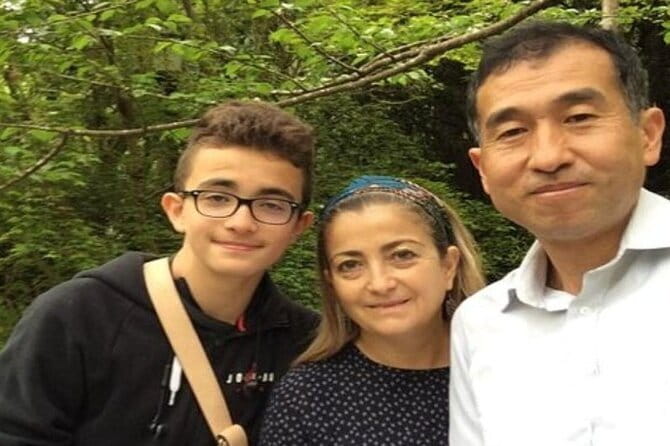
Then comes the big finisher: Kinkakuji, the Golden Pavilion. You get about 1 hour 30 minutes here as well, plus an explanation of Buddhism in Japan and the temple’s history.
One important detail for your budget: Kinkakuji entrance is not included. The tour lists the entrance fee as ¥500 per person. That’s not a huge amount, but it is the one cost you must plan for since the rest of the main stops are marked free.
Why this matters for value: a lot of “highlights” tours advertise a low base price, then stack entrance fees later. This one is pretty transparent. You can actually predict what your morning will cost in total, then decide you’re happy with it.
This temple is also one of those places where expectations can be tricky. The outside is eye-catching, yes. But what you gain from a guided visit is the sense of why the site is sacred and how it fits into broader Buddhist practice. You don’t just see gold. You understand what the temple represents.
Practical consideration: since Kinkakuji entry is paid separately, make sure you have the fee ready when you arrive. If you only travel with a card and no cash, you might still be fine, but the tour data only specifies the yen amount, so plan accordingly.
Kyoto Station Building: Wrap-Up Without Losing the Day
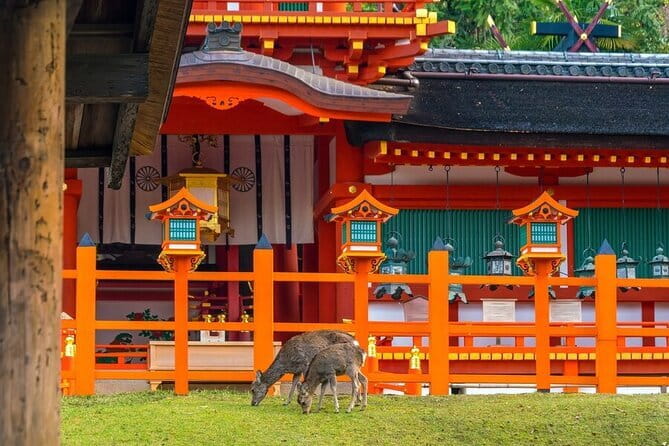
The final stop is back at Kyoto Station Building, with about 15 minutes. It’s “admission ticket free,” which makes it a clean close to the experience. You end back at the starting point, which means you’re not dropped somewhere random and sent on your own.
I like this style of finishing because it reduces stress. You know exactly where you’ll be at the end of the tour, and Kyoto Station is the easiest place to recover, eat, or hop onto your next route.
If you still want to keep exploring after the tour, Kyoto Station also gives you options. You can move toward whatever neighborhood you’re aiming for next with less guesswork.
Price and What You Really Get for $94.71
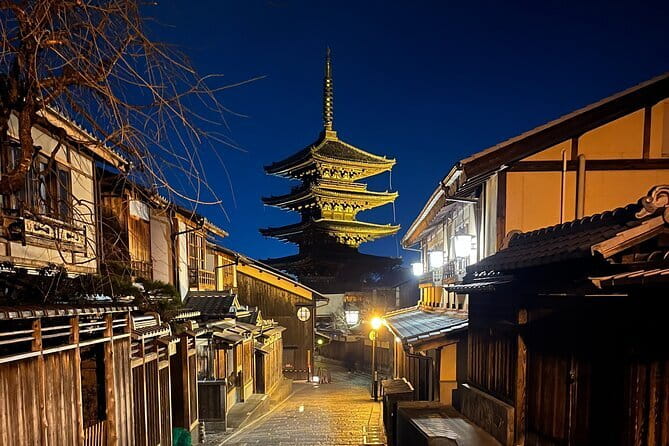
The tour price is listed as $94.71 per person. For a half-day, that’s not the cheapest option in Kyoto. But it’s also not random pricing, because you’re paying for three things that are hard to DIY efficiently:
- An experienced local guide with good English
The guide is the reason the cultural context clicks, and the reason the schedule holds together.
- A tight morning route across three major areas
Getting from Fushimi Inari to Arashiyama to Kinkakuji takes planning, and early timing means you want it correct.
- Small group limits (max 8)
That small size changes the feel from a rushed bus tour to something closer to a personal walking plan.
What’s not included is the part where you should do your math. The tour lists:
- Kinkakuji entrance fee: ¥500 per person
- Public transportation: ¥1,300 per person
- Gratuity: not included
So your real cost is the tour price plus those additions. Still, the trade is usually worth it if you hate organizing transit, want a guided cultural lens, and want to protect your morning time.
One more value point: the tour uses a mobile ticket, which makes it easier to keep your day organized once you’re on the move.
Indra’s Impact: Efficient Pacing and Room for Questions
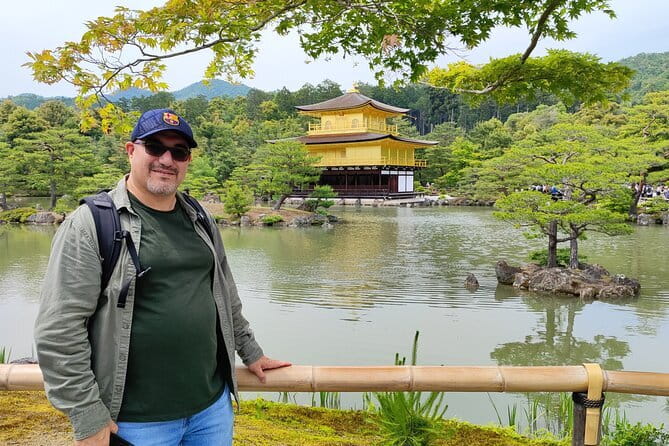
In the reviews, the guide name that stands out is Indra, and that matches the way this tour is built. This isn’t a long lecture. It’s a walking day with explanations that fit the places you’re seeing.
What you want from a Kyoto guide is simple: get you to the right places at the right times, keep the group moving, and know how to handle the real-world flow of people. The tour is described as efficiently organized and friendly, and that matters because early mornings can easily fall apart if someone is slow with timing.
The small group size also matters in practice. With a group capped at eight, you can ask questions without feeling like you’re interrupting a crowd. That turns your walk into a conversation, especially when you’re learning about Shinto and Buddhism in a way that connects to what you’re physically seeing.
If you like learning but you also like moving, this format hits the balance.
Who This Tour Is Best For
This tour fits best if you’re:
- Visiting Kyoto for a short time and want the headline sights without an all-day commitment
- Happy to walk for a few hours if the payoff is clear
- Interested in cultural context, not just selfies at famous landmarks
- Traveling with a group size that stays small, so you can actually interact with your guide
If you’re the type who wants to spend half your time lingering at each site with zero structure, this may feel tight. The tour is designed to cover multiple areas in one morning and keep the schedule.
But if your goal is to see Kyoto highlights efficiently, then this half-day plan is a strong match.
Quick Practical Advice for Your Morning
A few things to get right so you enjoy the tour instead of negotiating with it:
- Wear comfortable shoes. You’ll be walking across multiple sites and likely on stairs.
- Keep your phone charged. You’ll be out for about five hours, moving between spots.
- Plan for extra costs at Kinkakuji and for public transport, since both are listed separately.
- Go in with a relaxed mindset. The point is to see more than one side of Kyoto in a single morning, with guidance.
This is also the kind of tour where your energy matters. If you’re rested and ready at 8:00 am, you’ll feel like the day flows. If you start groggy, you’ll likely wish you had more time at just one stop.
Should You Book This Early Highlights Tour?
I’d book it if you want a guided way to hit Fushimi Inari, Arashiyama Bamboo Forest, and Kinkakuji in one organized morning. The early start, the small group cap, and the focus on cultural meaning are the reasons this works so well.
Skip it or rethink it if you dislike schedules or you prefer to control every minute yourself. Also, if you hate paying entrance fees on the spot, note that Kinkakuji costs extra.
Overall, this is a solid value for travelers who want Kyoto’s biggest icons plus real explanations, without sacrificing your afternoon.
FAQ
What time does the tour start?
It starts at 8:00 am.
How long is the tour?
The duration is about 5 hours.
Where do I meet the guide?
Meet at Starbucks Coffee – Kyoto Tower Sando, near Kyoto Station (address provided in the listing details).
How many people are in the group?
The tour has a maximum group size of 8 travelers.
What are the main stops?
The tour includes Starbucks Kyoto Tower Sando, Fushimi Inari-taisha, Arashiyama Bamboo Forest, Kinkakuji, and then Kyoto Station Building to return to the meeting point.
Is the entrance fee for Kinkakuji included?
No. The Kinkakuji Golden Pavilion entrance fee is not included and is listed as ¥500 per person.
Are public transport costs included?
No. Public transportation is listed as ¥1,300 per person and is not included.
Is gratuity included?
No. Gratuity is not included.
Do I get a mobile ticket?
Yes. The tour includes a mobile ticket.
What if the weather is bad?
The experience requires good weather. If it is canceled due to poor weather, you will be offered a different date or a full refund.
Fresh options around Kyoto
- Osaka & Nara: Private Tour with English speaking guide★ 3.9 · 15 reviews
- Kyoto Sagano Insider: Rickshaw and Walking Tour★ 5.0 · 15 reviews
- Start from Kyoto Station: Early Morning E-Bike Tour with Kyotoite★ 5.0 · 15 reviews
- Private Kyoto Market Tour and Authentic Cooking Class with Aki★ 5.0 · 15 reviews
- Private Customized Tour with Local Guide In Kyoto★ 4.5 · 15 reviews
- KYOTO-NARA: Giant Buddha Deer Pagoda “Geisya” (Italian, full day)★ 4.7 · 15 reviews
- One-Day Walking Tour of Amazing 8th Century Capital Nara★ 5.0 · 15 reviews
- Kyoto & Nara Private Customized, Guided Tour★ 4.3 · 15 reviews
Kyoto Tours, compared.
Fushimi Inari, Kinkakuji, Bamboo Grove 1 Day Bus Tour
Read our review →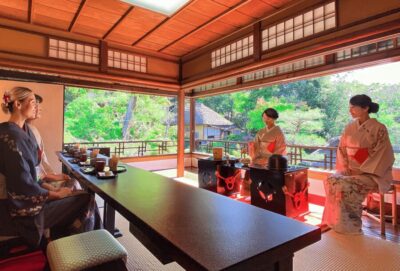
Tea Ceremony in a Traditional Tea House in Kiyomizu
Read our review →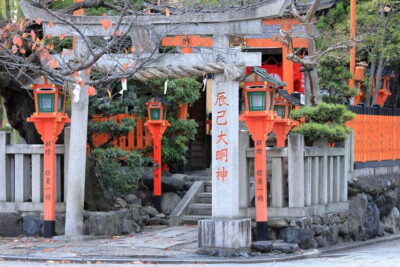
Kyoto Geisha Walking Tour: Gion District & Hidden Gems
Read our review →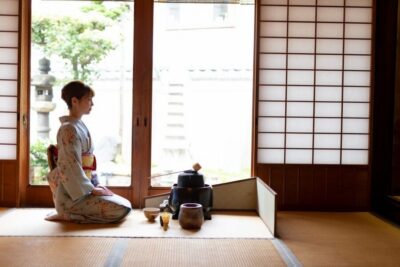
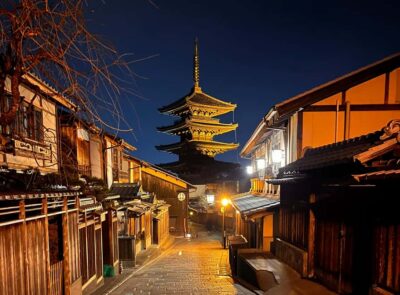
Gion Magical Night Walking Tour with Geisha Trivia
Read our review →