
Reviewed · SAMURAI & NINJA EXPERIENCES
Kyoto 2 Hours Genuine Kendo / Samurai Experience In Japan
Kyoto kendo feels surprisingly real. I like the English-friendly teaching style, and I love that your kendo gear is included, so you can focus on learning right away. One thing to plan for is the heat, because full armor gets warm fast.
You meet at Hanazono Station, and the whole class runs about 2 hours with an easy flow from basics to practice. The group size cap of 30 helps keep it manageable, though it still involves moderate physical effort in the equipment.
Key things that make this Kyoto kendo lesson worth your time
- Hanazono Station meetup, easy access: near public transportation, with the dojo reached quickly.
- Included equipment plus towel and water: no hunting for rentals or figuring out what to bring.
- English instruction that actually explains: especially helpful if your Japanese is limited.
- Structured progression: warm up, bowing and terminology, then techniques, then practice sparring.
- Etiquette and mindset, not just fighting: the class stresses manners and the idea of lifelong practice.
Starting at Hanazono Station, then straight to the dojo
If you want a samurai-style experience that feels practical instead of touristy, this one starts in a way that makes sense. You begin at Hanazono Station (Hanazonoteranouchicho, Ukyo Ward, Kyoto, 616-8043), and the activity ends back at the meeting point. That simple start and finish matters in Kyoto, where navigation can eat time you would rather spend learning.
Getting there is straightforward because it is near public transportation. And once you arrive, you are not left wandering. Several participants note that the instructor meets you at the station and walks you to the dojo, keeping your first minutes stress-free. In one case, the instructor was specifically named Takahiro Hayashi, which is a nice touch because it signals you are working with real people, not just a random handoff.
This setup is also friendly for families. The format is structured, the pacing stays clear, and you get a guided explanation from an instructor experienced in teaching in English.
More Samurai & Ninja Experiences in Kyoto
- Kyoto Samurai Experience
★ 5.0 · 1,294 reviews - Kyoto: Kendo and Samurai Experience with Uniform and Gear
★ 4.9 · 815 reviews - Kyoto: Samurai Sword Class by Experts in Traditional Arts
★ 4.9 · 657 reviews
Two hours of kendo basics: rules, armor, and the core drills
This is a true beginner experience in the best way. You do not spend the whole time watching. You practice. The focus is on the basic rules of kendo and how to use the armor properly, which is the foundation for everything else.
Expect a progression that usually follows this pattern:
- A warm up to get your body moving in the right stance
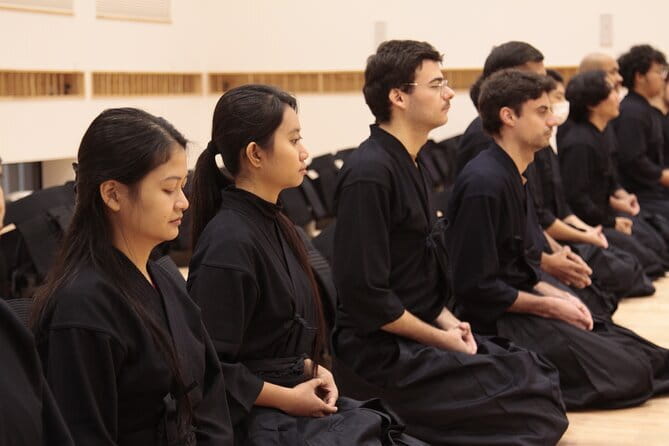
- Bowing and practice etiquette, so you understand how kendo should feel
- Footwork and basic technique work
- Practice weapons on a dummy, so you learn safe, controlled movements
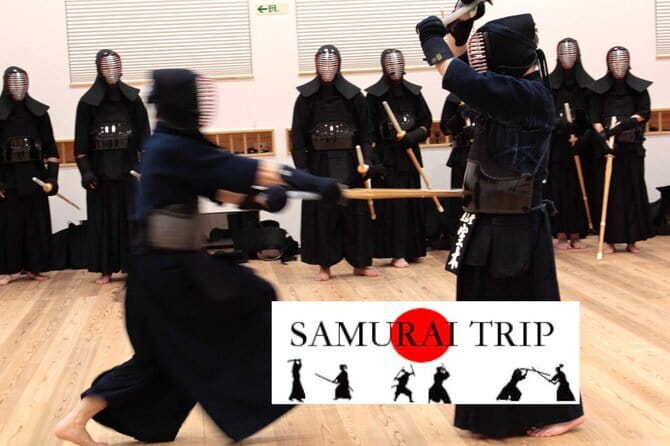
- Sparring or match-style practice with other participants
That sequence is smart for first-timers. The dummy stage gives you a mental script for what your hands and feet should do. Then, when it is time to face someone, you already know the shape of the movement instead of guessing under pressure.
Wearing the armor without panicking
Kendo armor can look intimidating. The good news is that the class is designed for beginners. You learn what it is for and how to wear it correctly, instead of being thrown into the gear and told to figure it out.
The practical goal is safety and control. You are guided through how to move in the armor and how to handle the bamboo swords, so you can try without feeling lost.
Bowing, manners, and the three goals of kendo practice
Kendo is not only about technique. It is also a culture of behavior, discipline, and mindset. This lesson explicitly connects practice to three classic benefits: unifying your spirits, manners, and lifelong kendo.
Here is why you should care as a visitor:
- When you learn the etiquette, you understand why the bowing, the spacing, and the gestures are part of the training.
- When you hear the terminology and the purpose behind drills, it clicks faster because you are learning meaning, not just motion.
- When the instructor frames it as lifelong practice, it stops being a one-time stunt and turns into something you can keep reflecting on after the session.
One review highlights bowing in practice, terminology, and a tour of the basic techniques within a short time. That matters because the first 15 to 20 minutes can make or break your experience. If it is chaotic, you feel like you are failing. If it is structured, you start getting value fast.
More samurai and ninja experiences in Kyoto:
- Skip the lines Basic Ticket at SAMURAI NINJA MUSEUM KYOTO
★ 4.5 · 632 reviews - Ninja 1-hour Hands-on Lesson by Japanese master in Kyoto -Entry
★ 5.0 · 489 reviews - Kyoto: Ninja Weapon Forging Experience
★ 4.8 · 478 reviews - Kyoto: Samurai Kenbu Traditional Sword Dancing Show
★ 4.5 · 426 reviews
From footwork to bamboo-sword sparring, what you actually do
The part most people remember is the moment you move from drills into match-style practice. Reviews point out that the progression is easy to follow: first you build skills in smaller steps, then you practice in pairs.
You can expect to use bamboo swords (the typical kendo equipment) during the session. The lesson structure often includes:
- Footwork training first, so your stance and timing get set
- Basic strikes and controlled swings
- A match or sparring segment where you apply what you learned
Some participants even describe fighting against the sensei, which is about as authentic as it gets in a beginner class. Even if you are not paired with the instructor directly, you still get the feeling of what kendo practice is like when it becomes interactive.
Safety and instructor experience
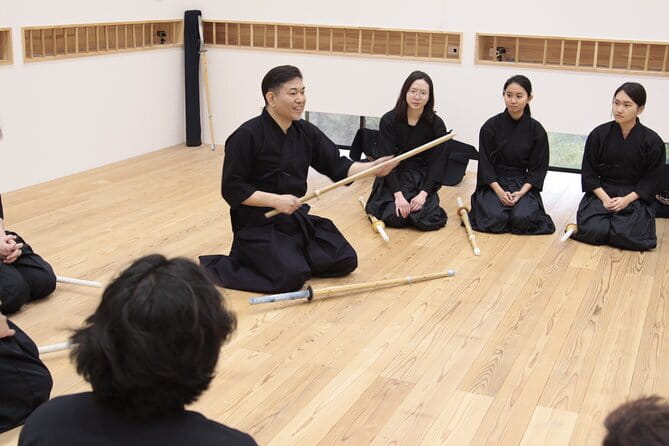
Kendo has a reputation for intensity, but a good beginner class should feel safe. Here, the lesson description emphasizes that experienced teachers guide you in a safe and fun experience. You are not just handed equipment and a sword. You are coached.
That coaching is why beginners often come away saying it is more educational than they expected, and also why it feels respectful rather than risky.
Gear plan: heat, towel, and staying comfortable
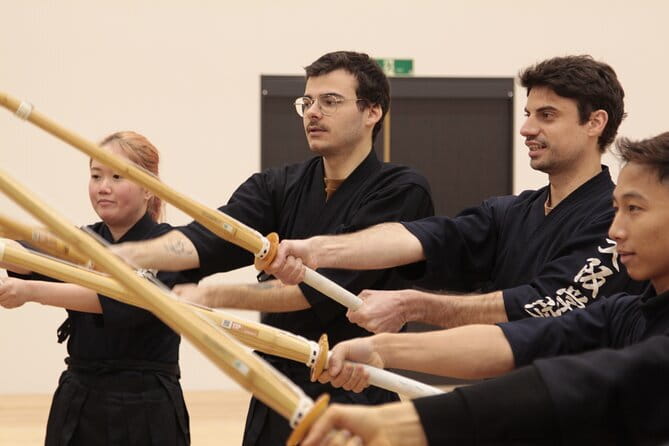
This class is hands-on with full kendo equipment, which means you should plan for warmth. Several participants specifically suggest that the outfit gets hot. That does not mean you should avoid it. It means you should dress and prepare smartly.
What is included:
- All kendo equipment
- A free kendo towel
- Bottled water
What you should still consider:
- If you run hot easily, bring your own extra towel for comfort. The free towel is helpful, but it may not be enough for everyone.
- Wear comfortable clothing under the gear. You want to be able to move naturally once you are in armor.
This is also where the 2-hour duration works in your favor. You are getting a full experience, but it is not a long endurance event where you fade before sparring.
After practice, the class includes a towel and water, so you do not leave feeling dehydrated or grimy. It is a small detail, but it makes the experience feel complete.
Pricing value in Kyoto: what $118.89 buys you in real-world terms
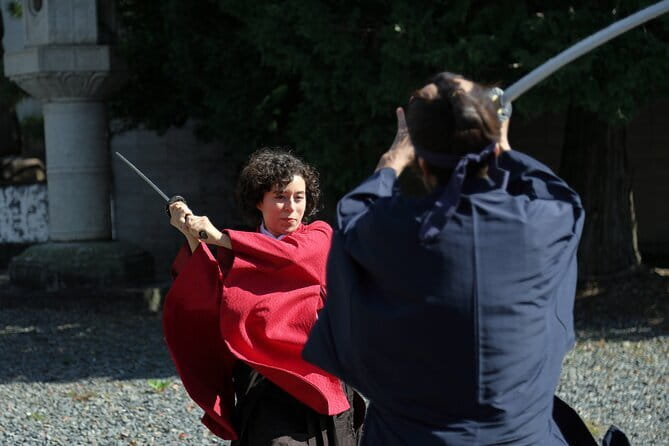
At $118.89 per person for about 2 hours, this is not a bargain basement activity. You are paying for structured instruction, English support, and the equipment plus recovery items.
So where does the value come from?
- Equipment is included. Kendo gear rental can be confusing to arrange on your own. Here, it is handled.
- An English-capable instructor removes friction. Many kendo teachers do not speak English, and that can turn a beginner class into a guessing game. The lesson is set up to explain concepts clearly.
- You practice, not just watch. The biggest cost for any class is instructor time plus hands-on guidance. You get a sequence that builds skill, then lets you apply it.
- You get more than technique. Etiquette, terminology, and the mindset elements help this feel like a cultural experience, not only a workout.
One more detail that helps justify the price is the small-group feel. The class has a maximum of 30 travelers, and the experience descriptions point to a paced setup where you are not lost in a huge crowd.
If you want an authentic Kyoto activity that connects to Japanese culture through a living practice, this is a strong option. If you only want a quick photo opportunity, it may feel like too much work for too little scenery.
Who this Kyoto kendo experience fits best
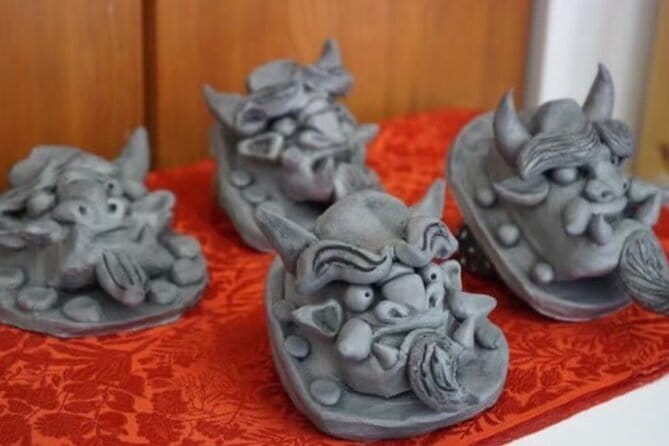
This lesson is a great fit if you want a hands-on Japanese martial arts experience that is not intimidating. You learn the basics, you get guidance on armor, and you build toward sparring.
It is especially good for:
- Beginners who want structure and coaching
- People who want an authentic activity that includes etiquette, not just action
- Visitors who appreciate English-friendly teaching
The description also notes a moderate physical fitness level. That means you should be comfortable with movement and standing in stance for stretches of time, plus wearing gear for a while. If you have mobility limitations, you might want to read the general physical requirements carefully before booking.
Should you book this Kyoto kendo experience?
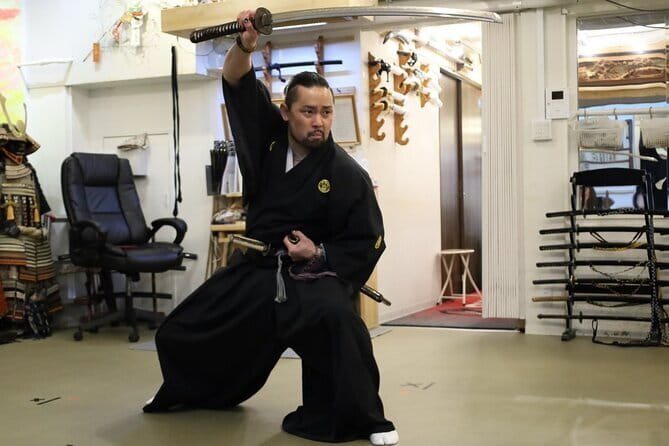
If you are looking for a Kyoto activity that feels real, educational, and active, I think this is a smart booking. The combination of included armor, English-capable instruction, and a class flow that goes from basics to match practice gives you something you can actually understand and remember.
Book it if:
- You want to learn kendo rules and etiquette, not only swing a sword
- You want a short, focused session that fits easily into a day
- You like hands-on cultural experiences
Skip it if:
- You hate heat or do not want to move around much in gear
- You only care about sightseeing and prefer zero physical effort
- You want a longer, more advanced training arc
If you want a first taste of kendo in Kyoto, where the basics are taught clearly and safely, this is the kind of experience that sets a strong tone for the rest of your trip.
FAQ
How long is the kendo experience in Kyoto?
It runs for about 2 hours.
Where do we meet for the session?
You meet at Hanazono Station (Hanazonoteranouchicho, Ukyo Ward, Kyoto, 616-8043, Japan).
What is included in the price?
All kendo equipment is included, along with a free kendo towel and bottled water.
Is hotel pickup or drop-off included?
No, hotel pickup and drop-off are not included.
Do I need to bring food?
Food is not included, so plan to eat before or after.
Can I cancel and get a refund?
Yes, you can cancel for a full refund up to 24 hours before the experience starts.
Fresh options around Kyoto
- Kyoto Aquarium Admission Ticket★ 4.7 · 12 reviews
- Kyoto Gion Photoshoot – Private Session | Pro Photographer★ 5.0 · 12 reviews
- Gyoza Cooking Class in Kyoto: Traditional Japanese Dumplings★ 5.0 · 12 reviews
- Kyoto: Guided Food Tour with 12 Dishes & 3 Drinks★ 5.0 · 12 reviews
- Kyoto: Avoid the Crowds at the Hidden Gems of Arashiyama★ 4.9 · 13 reviews
- Kyoto Early Bird English Tour: Gion & Higashiyama(Private opt)★ 5.0 · 13 reviews
- Otsu-e Folk Art Workshop & Local Culture Walk Near Kyoto★ 5.0 · 13 reviews
- Kyoto, Osaka, Nara Full Day tour by Car English speaking Driver★ 3.5 · 13 reviews
Samurai & Ninja Experiences, compared.

Samurai Ninja Museum Guided tour and Experience
Read our review →
Kendo and Samurai Experience with Uniform and Gear
Read our review →
Samurai Sword Class by Experts in Traditional Arts
Read our review →
Skip the lines Basic Ticket at SAMURAI NINJA MUSEUM KYOTO
Read our review →
Samurai Sword & Archery Class from Samurai Descendant
Read our review →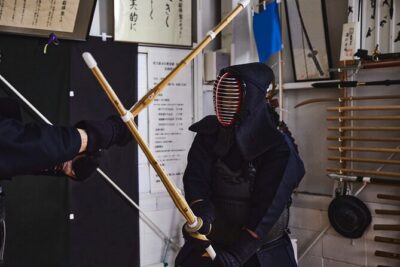
Browse the lists this tour appears in