
Reviewed · HISTORICAL TOURS
Kamakura Historical Walking Tour with the Great Buddha
Kamakura hits different when you walk it. This 5-hour small-group historical route strings together street food on Komachidori, major shrines and temples, and the Daibutsu at Kotoku-in, with entrance fees, snacks, and lunch handled for about $98.44. I especially like that you get a focused plan for a short visit, but you should plan for solid walking (about 5 km, with slick parts) and bring good shoes.
I also like how the day mixes big landmarks with quieter moments, like the coastline viewpoints from Hasedera. Past groups have been led by guides such as Isao, Mark, Ken, Fuji, and Yoko, and their job is to make the customs make sense fast. The one practical catch is that vegetarian and vegan options exist, but choices can be limited, and allergy-free guarantees are not provided.
Key Things You Should Know Before You Go
- Komachidori street food samples to get you going before the walking starts
- Tsurugaoka Hachimangu as your cultural anchor for Kamakura’s Shinto traditions
- Hasedera Temple viewpoints with big coastline energy and photo angles
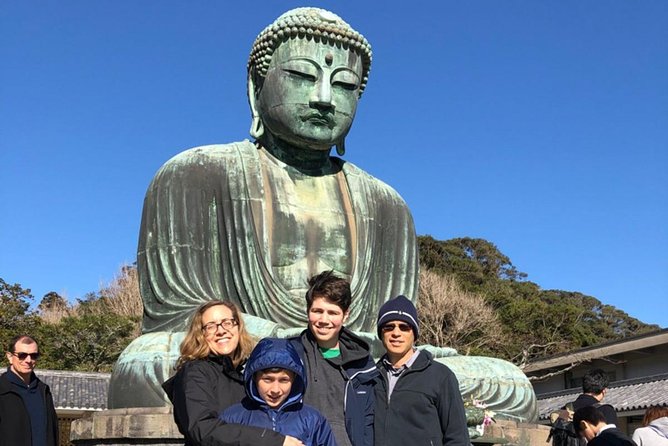
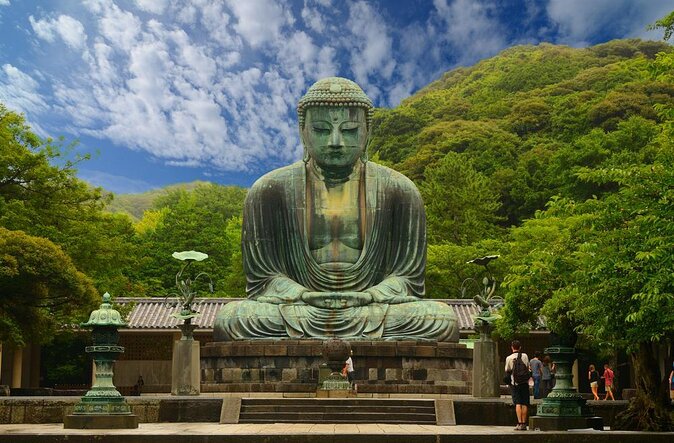
- Kotoku-in and the Great Buddha (Daibutsu) with entrance included
- Yuigahama Beach plus Mt. Fuji views when skies cooperate
- Small group size (max 7) helps the pace feel human and questions get answered
A 5-hour Kamakura day with street food, temples, and the Daibutsu
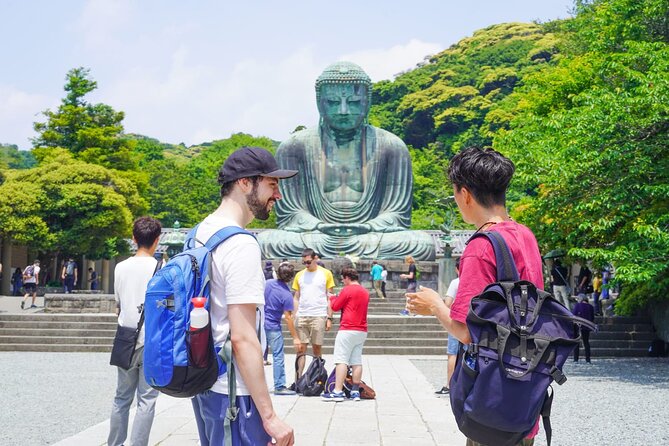
If you are basing yourself in Tokyo, Kamakura is one of the best day trips you can take. The trick is not trying to do everything on your own at once. This tour gives you a tight route that packs in the main hits without feeling like you are sprinting through a checklist.
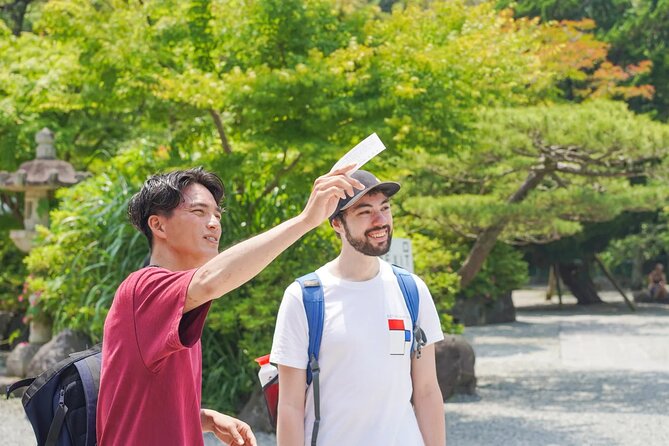
You start with energy and context. Komachidori is where you sample Japanese snack and street food favorites before heading into the temple-and-shrine stretch. Then you move through three high-value cultural stops, including Tsurugaoka Hachimangu Shrine, Hasedera Temple, and the Great Buddha at Kotoku-in. The walking portion is long enough to feel like an actual Kamakura experience, but it stays organized, guided, and timed for you.
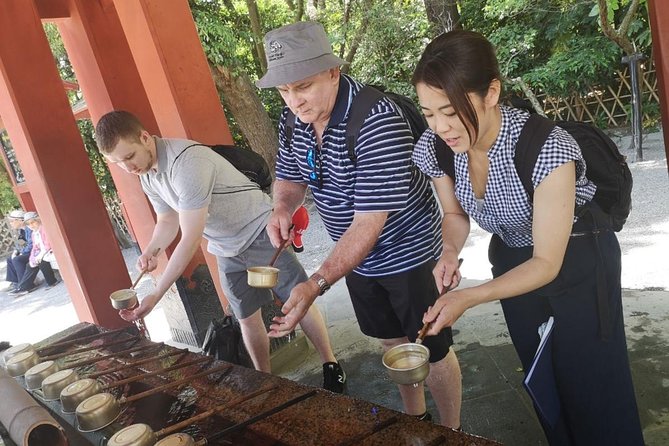
It is also a smart choice if this is your first time in Japan. You get to see religious sites as living places, not just photo backgrounds, with your guide explaining what you are looking at and how visitors are expected to behave.
More walking tours in Kamakura:
- Kamakura Walking Tour – The City of Shogun
★ 5.0 · 100 reviews - Kamakura: Private Guided Walking Tour with Local Guide
★ 4.8 · 60 reviews - Buddha, Bamboo & Zen – Bespoke Kamakura Private Walking Tours
★ 5.0 · 25 reviews
Meeting near JR Kamakura Station, and how to be comfortable on the trail
The tour meets at the clock tower plaza by Kamakura Station, west exit side. The plan ends back at the same meeting point, which makes it easier to build the rest of your day in Tokyo or Yokohama.
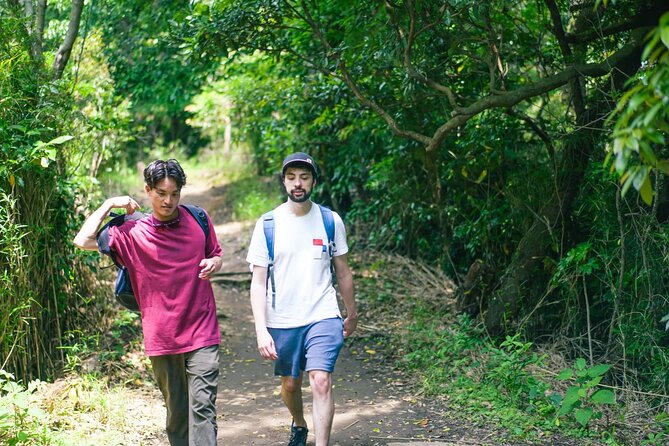
Expect about 5 km of walking and hiking, with the actual hiking trail around 2.5 km. That matters because the route includes slippery parts, so your shoes are not a minor detail. Wear footwear with grip. Bring a water bottle and a towel, especially if it is warm.
One nice safety net: if hiking trails are unusable due to weather, routes can change. And if rain hits, you use train to see the Great Buddha statue instead of relying on the hike path. That keeps the tour focused on the goal, not on whether the hillside cooperates.
Also, plan your day around the fixed start time. The tour has a strict start, so arriving early is the easiest way to prevent stress.
Komachidori to Tsurugaoka Hachimangu: street life meets shrine tradition
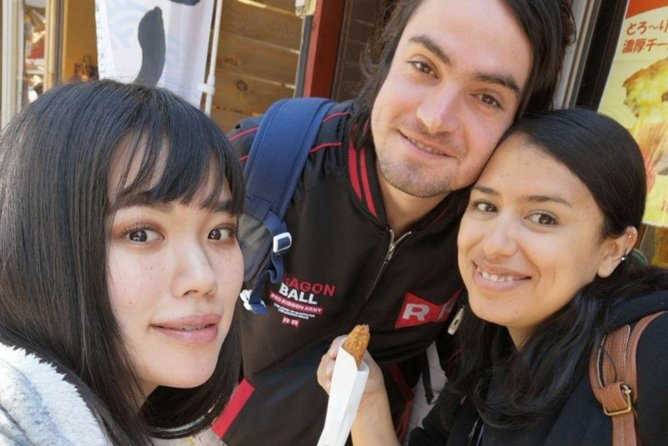
You begin on Komachidori, Kamakura’s famous shopping street. This is not just sightseeing, it is the warm-up phase. Snacks and small food samples are included, so you can nibble without worrying about where to find a good bite first. It is a great way to get into the rhythm of the city before you start climbing into temple grounds.
Then you shift to the spiritual anchor: Tsurugaoka Hachimangu Shrine. This shrine is a major Shinto site, and the guide’s value here is translation. You will learn what to notice, how the shrine functions in Japanese culture, and what the formal setting means. In a single stop, you get a fast education on why Kamakura became so important historically.
The time at this stop is short but purposeful. You should walk slowly here for a minute or two and let the space register. If you rush, you miss the atmosphere and the details your guide is pointing out.
Hasedera Temple: the coastline viewpoints you will remember
Next comes Hasedera Temple, and it is where the tour’s “views” side starts to earn its keep. The temple grounds are known for scenic lookouts, including perspectives over the coastline. If you want a Kamakura moment that feels more cinematic than crowded, this is it.
Hasedera is also one of Kamakura’s older temples, and you get context about its long history during the visit. I like this stop because it is not just about one iconic photo. The walk through the grounds encourages you to slow down and look around, especially when you hit those higher viewpoints.
Practical note: the route includes some hiking and slippery sections. Even if you feel “fine” on flat streets, the ground inside temple paths can change quickly. Go steady. This is the place where good shoes pay off immediately.
A few more Kamakura days worth comparing
- World Heritage Shirakawa-go and Experience Tours from Kanazawa
★ 5.0 · 4,049 reviews - Tokyo: Imperial Palace and Shogun Historical Walking Tour
★ 5.0 · 2,251 reviews - World Heritage Kyoto & Nara Uji Authentic Matcha Experience
★ 5.0 · 1,573 reviews - Kyoto Gion: 2-Hour Geisha Culture & History Walking Tour
★ 5.0 · 1,186 reviews
Kotoku-in and the Great Buddha: the headliner with entrance included
Then you reach the main event: Kotoku-in Temple and the Great Buddha of Kamakura (the Daibutsu). The Great Buddha is the reason many people pick Kamakura in the first place, and having the entrance fee included saves time and decision-making.
This is where the tour earns its name. The guide helps you understand what you are seeing, so the statue feels meaningful instead of just massive. And because it is the most iconic stop, it is also where your photo breaks make sense. You will have time to orient yourself, look from multiple angles, and take pictures without feeling rushed out the gate.
If weather forces a switch from hiking trails, you still prioritize this visit via train. That flexibility is valuable because the Great Buddha is the one stop you do not want to miss.
Yuigahama Beach and seaside photo time with Mt. Fuji views
After temples and shrines, you get a change of pace: the ocean. You stop at Yuigahama Beach, plus you pass and spend time around the Kamakura seaside area where you can frame beach photos with Mt. Fuji across the water when conditions allow.
Even if Mt. Fuji is faint or not visible that day, the seaside break still works. It gives your legs a reset and gives your photos a different look than the temple stone and green gardens. The beach section is also short, so it does not turn into a long detour away from the tour’s main purpose.
I recommend using this time for practical photos first, not just artistic ones. Get a wide shot, then one close detail like sailboats or shoreline textures, and then enjoy the view without constantly checking your camera settings.
Temple lunch and snacks: included value, plus vegetarian limits
A big part of the value here is what you do not have to plan. Temple lunch is included, and vegetarian and vegan menus are available. On top of that, you get snack food samples on Komachidori and photos included as well.
That said, there is an important food reality in Japan: vegetarian choices can be limited depending on where you eat, and you should not expect allergy-safe cooking. The tour notes that it cannot guarantee allergy-free diets and that substitutions may not always be possible at every stop.
So here is the practical approach I suggest: if you need strict allergy control, double-check what you can safely eat before the tour, and bring your own snacks only if that is allowed for you personally. If you are vegetarian and flexible, you should be fine, since the lunch is designed with vegetarian and vegan needs in mind, even if options can be narrower than a typical Western menu.
Price and value: what $98.44 gets you, and what to budget extra

At $98.44 per person, this tour can be a strong deal for a day trip. You are not just paying for a guide and walking. Entrance fees for major stops are included, including the Great Buddha and Hasedera Temple, plus lunch, snack sampling, and photos.
If you tried to replicate this solo, you would pay for entries, spend time figuring out transit, and still need to decide where to stop for food. The tour essentially bundles those choices into one plan.
There are two extras to keep in mind:
- Additional foods are available to buy during the day.
- Transportation fee is noted as 440 yen.
That 440 yen is not a deal-breaker, but it is worth budgeting so you do not get surprised. The bigger win is that the tour structure reduces decision fatigue, especially if you are only in the Tokyo area for a short time.
Who this Kamakura walk is best for (and who may want a different plan)
This tour is a good fit if you want a guided “greatest hits” day in Kamakura without spending hours mapping routes. It is ideal for first-time visitors to Japan or for travelers staying in the wider Tokyo area.
It also works well if you like learning the “why,” not only the “what.” The guides on past departures, including Isao, Mark, Ken, Fuji, and Yoko, are praised for being friendly and answering questions about customs. That makes the shrines and temples easier to understand, even if you did not grow up with Japanese religious traditions.
Choose a different plan if:
- You struggle with slippery trails and long walking distances.
- You need strict allergy-safe meal handling.
- You prefer fully self-paced sightseeing with no structure at all.
Should you book this Kamakura Historical Walking Tour with the Great Buddha?
I think you should book this if you want high value in limited time and you like having your day stitched together for you. The combination of street food start, big cultural stops, the Great Buddha, and the seaside finale is a smart use of a half-day-ish schedule.
Do it with confidence if:
- You can handle about 5 km on foot and hiking paths.
- You want a guide to explain what you are seeing.
- You are happy with vegetarian or vegan lunch options that are available but may be limited.
Skip it if you want minimal walking or you have complex dietary and allergy needs that go beyond what is guaranteed. Otherwise, this is one of those practical tours where you get a lot of Kamakura meaning without spending your whole day managing logistics.
FAQ
What is the duration of the Kamakura Historical Walking Tour?
The tour lasts about 5 hours.
Where does the tour start, and what time does it begin?
It starts at 鎌倉駅西口駅前時計台広場12-3 Onarimachi, Kamakura, Kanagawa 248-0012, Japan. The start time is 10:00 am. The tour ends back at the meeting point.
What is included in the price?
The tour includes entrance fees (Great Buddha and Hasedera Temple), snacks on Komachi street, temple lunch (vegetarian, vegan menu available), photos, and a certified guide.
Is there a vegetarian or vegan lunch option?
Yes. The lunch is vegetarian, and a vegan menu is available. The tour notes that vegetarian choices can be limited in Japan and that it cannot guarantee allergy-free or fully meet all dietary restrictions.
How much walking should I expect, and what should I bring?
You should expect around 5 km of walking and hiking. Hiking trail distance is about 2.5 km. Bring water and a towel, and wear suitable hiking clothes and shoes since some parts can be slippery.
What happens if it rains?
If rain makes hiking trails unusable, the tour uses train to see the Great Buddha statue instead of using the hiking trail. Routes may also change depending on weather conditions.
Fresh options around Kamakura
- Kamakura Half Day Tour with a Local Expert Guide★ 4.4 · 23 reviews
- Your Own HANKO Name Seal Activity in Kamakura.★ 5.0 · 24 reviews
- Buddha, Bamboo & Zen – Bespoke Kamakura Private Walking Tours★ 5.0 · 25 reviews
- Kamakura: A Journey Through Medieval Japan★ 4.9 · 32 reviews
- Exciting Kamakura – One Day Tour from Tokyo★ 5.0 · 40 reviews
- When Emperors Reigned and Shoguns Ruled★ 5.0 · 43 reviews
- Kamakura 4hr Private Trip with Government-Licensed Guide★ 5.0 · 58 reviews
- Kamakura: Private Guided Walking Tour with Local Guide★ 4.8 · 60 reviews
Historical Tours, compared.
World Heritage Shirakawa-go and Experience Tours from Kanazawa
Read our review →
Imperial Palace and Shogun Historical Walking Tour
Read our review →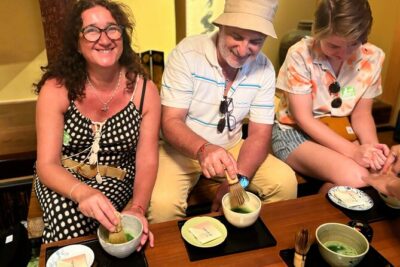
World Heritage Kyoto & Nara Uji Authentic Matcha Experience
Read our review →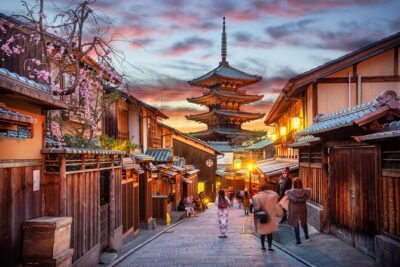
Kyoto Gion: 2-Hour Geisha Culture & History Walking Tour
Read our review →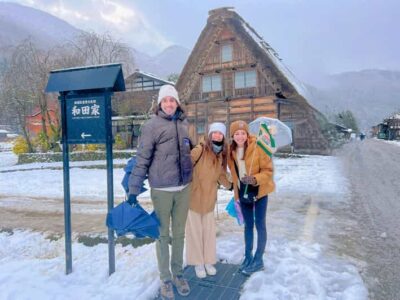
World Heritage Shirakawa-go Morning Guided Tour
Read our review →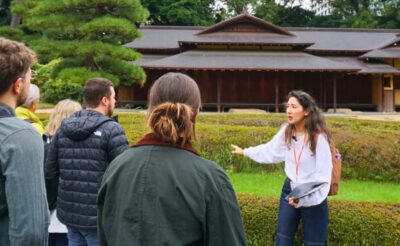
Hiroshima Historical Walking Tour – Why A-Bomb was Dropped
Read our review →
Hiroshima Peace (Heiwa) Walking Tour at World Heritage Sites
Read our review →Browse the lists this tour appears in