
Reviewed · CYCLING TOURS
Hiroshima 2hr Peace Cycling Tour with Local Guide
Pedaling Hiroshima Peace Park feels oddly personal. I love how electric bikes make the ride easy, and I love the local guide who ties the monuments to real family memories. The one drawback is the tour is only about 2 hours, so you may want a longer day if you also plan to hit the Peace Memorial Museum.
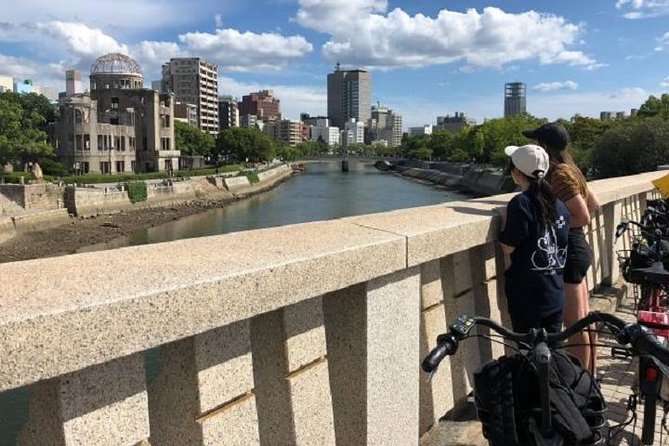
This experience covers more than the famous sights. You cycle around UNESCO-listed Hiroshima Peace Memorial Park and visit major memorial stops like the Cenotaph, Children’s Peace Monument, and the Peace Bell, plus viewpoints that show the A-Bomb Dome from angles most people miss.
Group size stays tight, max 10, which helps keep the pacing respectful and the streets manageable. Guides I’ve heard about in this format, including Shin, Kana, Bella, and Tomas, are known for mixing clear English explanations with personal details that make the history hit harder.
Key things to know before you ride
- Two hours, but you cover a lot of meaning, from the Peace Park monuments to Hiroshima city streets beyond the main memorial area
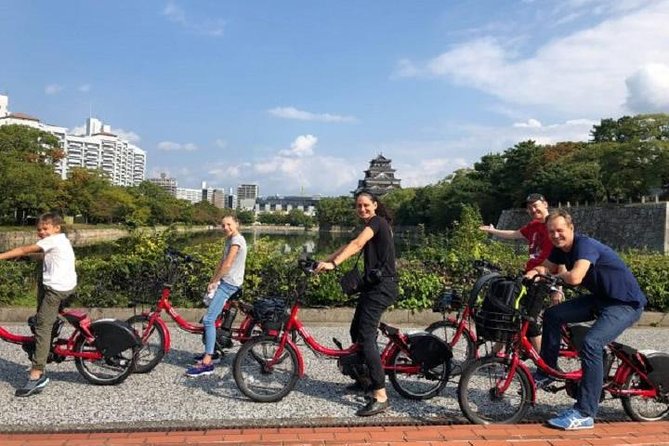
- Electric bikes level the playing field, so you can focus on the sites instead of getting worn out
- Dome viewpoints from the city let you see how it fits into everyday Hiroshima, not just from one iconic spot
- Family-connected guides are a standout, including stories shared by guides like Shin and Kana
- A rainy-day plan exists, with a route switch to walking so you still visit the core areas safely
Why this bike tour hits differently than a walk
A bicycle changes your speed and your angle. You can glide from one memorial to the next without feeling like you are rushing, and you get small breaks in the quiet as the city carries on around you.
The Peace Park area is solemn, but it is also a living part of Hiroshima today. This tour helps you see both parts, the memorial meaning and the rebuilt city life, without forcing you to choose one or the other.
I also like the “local raised” element. Many guides in this style grew up in Hiroshima and explain not just what happened, but how Hiroshima talks about it now, in daily places like streets and neighborhoods you would not naturally wander into on your own.
More Bike Tours in Hiroshima
- Hiroshima in a Nutshell: Morning Bike Adventure
★ 5.0 · 524 reviews - Hiroshima: Peace Cycling Tour with Local Guide
★ 4.8 · 286 reviews - Hiroshima and Miyajima by Bike and Boat
★ 5.0 · 172 reviews
Your 2-hour route, from the Rest House to Peace Park viewpoints
You start at the Hiroshima Peace Memorial Park Rest House. This is where you meet your guide, get your bike sorted, and get oriented before you head out.
From there, you ride into Hiroshima Peace Memorial Park for the core segment. The focus stays on the monuments and the story of the bombing, with time for you to understand what each landmark is pointing at, not just what it looks like.
After the Peace Park time, the ride continues beyond the park. One of the most useful moments is the “real city” perspective, including the guide showing the townscape of Hiroshima and mentioning that a train that survived the atomic bombing is still running today, known as the A-Bombed Streetcars.
The tour finishes back at the meeting point. That loop matters because it keeps the logistics simple, even though you will feel like you went further than you expected.
Stop-by-stop: what each Peace Park moment is really for
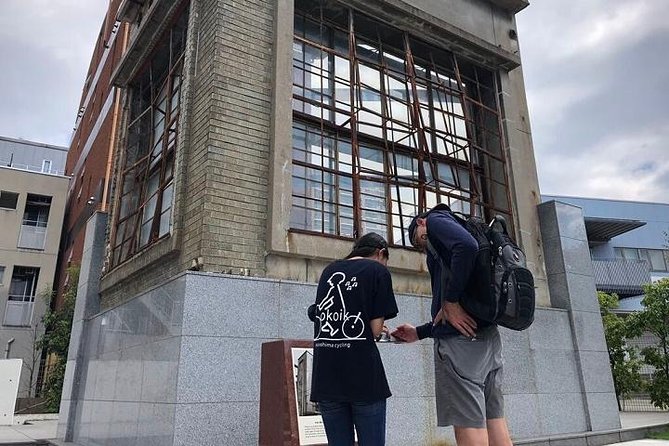
Rest House of Hiroshima Peace Park, where the tour begins
This is the calm starting point. Admission there is free, and it gives you a chance to get comfortable with the electric bike before you roll into the memorial area.
If you are bringing children, this is also where you can confirm the right bicycle setup. The tour uses adult electric bikes and children’s cross bike style options depending on height and needs.
Same corner of Japan, a different kind of day:
- Peaceful Hiroshima & Miyajima UNESCO 1 Day Bus Tour
★ 5.0 · 5,309 reviews - Hiroshima: Hiroshima and Miyajima UNESCO Sites 1-Day Tour
★ 4.9 · 2,330 reviews - Hiroshima / Miyajima Full-day Private Tour with Government Licensed Guide
★ 5.0 · 1,298 reviews - Hiroshima Historical Walking Tour – Why A-Bomb was Dropped
★ 4.8 · 893 reviews
Peace Memorial Park, where the monuments do the teaching
The Peace Memorial Park stop is the heart of the experience, with about 55 minutes set aside. Here you learn what the monuments remember, and you also see the Atomic Bomb Dome in context.
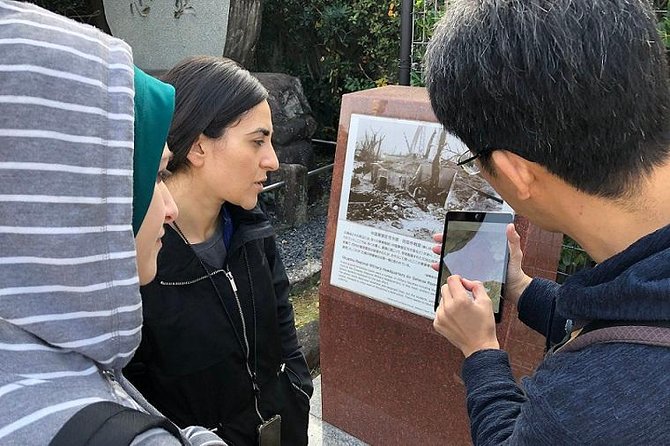
What I like is that you do not only stare at the dome. Your guide explains what the memorials are doing, emotionally and historically, and you get help connecting the signage and symbolism to the larger story of 70 years of remembrance.
Important note: Peace Memorial Park admission is not included in the price for this tour. So if you are counting every yen, plan on paying that separately.
Cenotaph, Children’s Peace Monument, and the Peace Bell
These stops are listed as core highlights, and they each bring a different emotional angle. The Cenotaph anchors remembrance and grief, while the Children’s Peace Monument makes the tragedy and responsibility feel immediate, and the Peace Bell connects the past to a message of peace that Hiroshima repeats out loud.
The practical bonus is that a bicycle lets you visit them in an efficient loop. On foot, you would either feel rushed or you would spend too long backtracking.
A-Bomb Dome from city viewpoints, not just one postcard angle
One of the most praised parts of this experience is the chance to see the A-Bomb Dome from city viewpoints off the main path. That matters because the dome is not only an object, it is a piece of Hiroshima’s rebuilt geography.
Guides often connect what you see with how the city changed around it. That is a different feeling than seeing the dome from one fixed viewpoint and calling it done.
Hiroshima city beyond the park, the place where life continues
This segment is about connecting the memorial area to the wider city. The guide talks about the impact on Hiroshima’s inhabitants, then and now, and points out things you might miss if you only stick to the park bubble.
The A-Bombed Streetcars detail is a good example. It is a reminder that the bombing did not just change buildings, it also changed systems, and some parts of those systems kept moving even after everything.
Electric bikes, small-group pacing, and why it works for first-timers
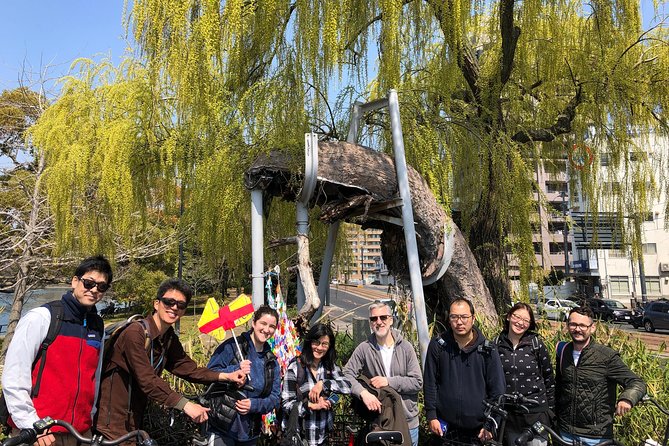
This is a mixed group tour for up to 10 people. That small size is not just a feel-good detail, it helps the guide manage stops, traffic crossings, and slower riders without losing the thread.
The tour uses electric bikes. Reviews and the tour design both point to the same reality: Hiroshima is not a hard city to cycle, and the electric assist makes it manageable even if you are not an experienced cyclist.
If you are worried about controlling a bike in a city, you still should respect the basics. Bring a bit of common sense, keep a steady pace, and let the guide set the tempo. One review specifically calls out how manageable the ride was for someone 64, which lines up with the “easy if you follow the group” experience.
Luggage and what you can do if you are carrying bags
There is no place to leave luggage at the Rest House. If you need storage, coin lockers are available at the International Conference Center Hiroshima and at Hiroshima Peace Memorial Museum, about a 6-minute walk away.
This is the kind of small detail that can save you stress later, especially if you start from the park area while juggling day packs.
The guides: where the personal stories make it stick
A local guide born and raised in Hiroshima leads the way. That matters because the stories tend to sound grounded in places, not just facts on a page.
Many of the strongest impressions center on family connection. Guides mentioned include Shin, Kana, Tomas, and Bella, and you may hear personal accounts tied to Hiroshima before, during, and after the bombing.
You also feel the care in how they answer questions. Several guides in this tour format are described as answering a wide range of questions and keeping the tour moving at a good pace, which is huge when you are traveling with a mix of ages.
English-speaking explanations
The tour is designed for most travelers to participate, and multiple guide names in the reviews are praised for English ability. If you care about understanding every stop, this is a strong bet compared to tours that feel scripted or shallow.
How the itinerary holds your attention without feeling rushed
The timing is structured but not frantic. You meet, ride into the Peace Park, spend focused time at the memorials, then spend the rest of the ride connecting history to present-day Hiroshima.
That rhythm helps you process what you are seeing. It is easy to feel overwhelmed if you cram everything into one massive day, especially with a subject this heavy. Here, you get a clear arc: memorial space first, city context next.
Also, the tour includes data of photos taken on the day. It is a small extra, but it can be useful since you are riding and you will not want to be juggling a camera at every stop.
Rainy day and safety: you still get the core experience
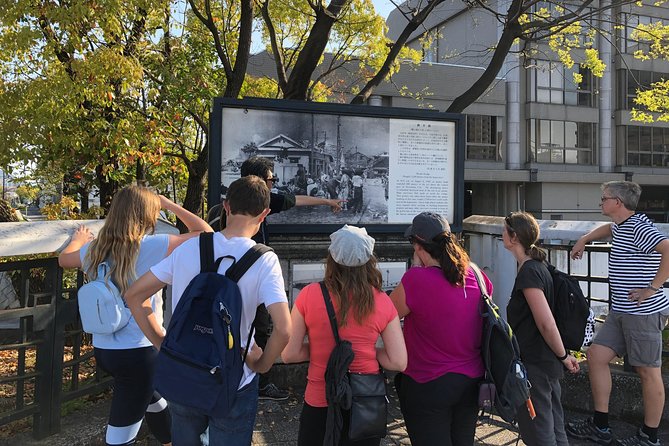
Weather can shut tours down, especially when bike safety is involved. This experience says it requires good weather, and if it is canceled due to poor weather, you can choose a change to the Rainy Day Limited Peace Route or get a full refund.
If the plan continues on a rainy day, the route changes. The Rainy Day Limited Peace Route follows this order: Peace Memorial Park, Atomic Bomb Dome, Hypocenter, Former Bank of Japan, Fukuromachi Elementary School, then Main street, with the scheduled end time adjusted to 13:00 or 17:00 depending on your slot.
On top of that, there is an option to convert to a walking tour for rainy days only. The walk covers about a 0.5 km to 1 km radius around the hypocenter area.
This flexibility is worth noting because it means the tour provider is trying to keep the experience meaningful, not just cancel it.
Price and value: is $59.69 worth it?
At $59.69 per person for an approximately 2-hour tour, you are paying for three things that add up quickly on your own: a local guide, electric bike access, and a small-group route design.
The guide part is the biggest value. Hiroshima’s memorials can be read with signage, but a local guide can connect the monuments to the living city and help you understand why certain spots matter beyond what a visitor might guess.
The electric bikes also change what you can realistically cover in two hours. Without them, you would either shorten the route or feel more tired, which is not what you want when the tour topic already calls for emotional attention.
One caution on value: Peace Memorial Park admission is not included. So you should treat the tour price as the guided, bike-based experience, and plan on any separate site fees as extra.
Finally, bicycle accident insurance is included in the price. That is not glamorous, but it is practical peace of mind.
Practical tips that make your ride smoother
First, dress for comfort even if the bike is electric. Weather can cool fast around the Peace Park area, and you will spend time outside looking up, pausing, and walking your bike a bit.
Second, use the height rules to plan ahead. Adult electric bike participation requires height 145 cm or more. If you have kids, children’s cross bike style options are available, and there are also rules around child weight for bikes with seats.
Third, keep your meeting time strict. If you are late without prior notice, the tour can be canceled and a 100% cancellation fee may apply on the day, and it is non-refundable.
Wi-Fi and phone charging reality check
The tour itself has no free Wi-Fi. Hiroshima Free Wi-Fi is available around the city, so you may still find connectivity, but do not count on it inside the tour plan.
Who should book this tour, and who might want another option
This is ideal if you want a thoughtful Hiroshima Peace Park day without being stuck in one place. If you already plan to see the Peace Memorial Museum, this bike tour can complement it by showing where memorial meaning connects to the city around it.
It also suits families and mixed-age groups because the tour is designed for shared pace and uses electric bikes. If you have non-cyclers in your group, the guide pace can adjust, especially if children or first-timers are involved.
Where it may not fit is if you want maximum freedom to linger at each stop or if you need a longer deep museum-style experience. This is built around a two-hour guided flow.
Should you book this Hiroshima Peace Cycling Tour?
If you care about understanding Hiroshima beyond the headline facts, I think this is a smart booking. The combination of electric bikes, small group size, and local guide storytelling gives you a “see the sights” day that also helps the sites make sense.
I would book it if you want the A-Bomb Dome viewpoints, the key memorial stops like the Cenotaph and Children’s Peace Monument, and a ride that connects the Peace Park to everyday Hiroshima. You will finish feeling like you covered the essentials, not just the most famous photo spot.
But if you are the type who likes to spend half a day at one site, plan time on your own too. This tour is powerful, and two hours goes fast when the stories start landing.
FAQ
How long is the Hiroshima Peace Cycling Tour?
The tour runs for about 2 hours.
What time do the tours start?
There are start times listed at 11:00 and 15:00, with the meeting and stops following that schedule.
Where do I meet the guide?
You meet at the Hiroshima Peace Memorial Park Rest House in Hiroshima, Naka Ward, Nakajicho (address listed in the tour details).
How big is the group?
It is a mixed group tour with a maximum of 10 travelers.
What are the height requirements for the bikes?
Adult bicycle (electric) requires height 145 cm or more. Children’s bicycles options are available for height and child rules listed in the details.
Can children join, and what bike options are available?
Yes. The tour can provide two children’s bicycles (cross bike type) per booking. Children under 15 can use both children’s bicycles and adult bicycles at the child rate for children with height 110 cm to 145 cm. There are also bikes with child seats for children under 22 kg and under 115 cm.
Is anything included in the price besides the tour itself?
Bicycle accident insurance is included. Also, the meeting point ticket is free, but Peace Memorial Park admission is not included.
What happens if it rains?
If rain cancels the plan, you can choose a different rainy-day route or receive a full refund. There is also a Rainy Day Limited Peace Route, and the tour can switch to a walking tour for rainy days only.
Is Wi-Fi available during the tour, and are photos included?
There is no free Wi-Fi provided in the tour. You will be given data of the photos taken on the day, and bicycle accident insurance is included in the price.
What if I arrive late to the meeting point?
If you are late for the meeting time without prior notice, the tour may be canceled. In that case, a 100% cancellation fee can be incurred on the day of the tour and is non-refundable.
Fresh options around Hiroshima
- Hiroshima and Miyajima Full Day Private Tour★ 4.5 · 19 reviews
- 4 Hour Miyajima PRIVATE Tour★ 5.0 · 19 reviews
- Hiroshima Private Walking Tour with a Local★ 4.5 · 19 reviews
- Hiroshima Scenic Cycling Guided Tour★ 5.0 · 19 reviews
- Miyajima Guided Tour and Fresh Oyster Farm Tour★ 5.0 · 20 reviews
- Hiroshima: Atomic Bomb Dome and Peace Memorial Museum 3 hours★ 5.0 · 20 reviews
- Hiroshima: Tour of Atomic Bomb Dome & Peace Memorial Museum★ 5.0 · 20 reviews
- Hiroshima: City and Miyajima Bike and Boat Tour★ 5.0 · 20 reviews
Cycling Tours, compared.
3h Tokyo E-Bike Tour: Hidden Gems, and Local Life with guide
Read our review →
Arashiyama Bamboo Forest & Hidden Gems Bike Tour (Early Bird)
Read our review →
Hiroshima in a Nutshell: Morning Bike Adventure
Read our review →Browse the lists this tour appears in