
Reviewed · TEA CEREMONIES IN TOKYO
Tokyo: Tea Ceremony in Shibuya Tokyo
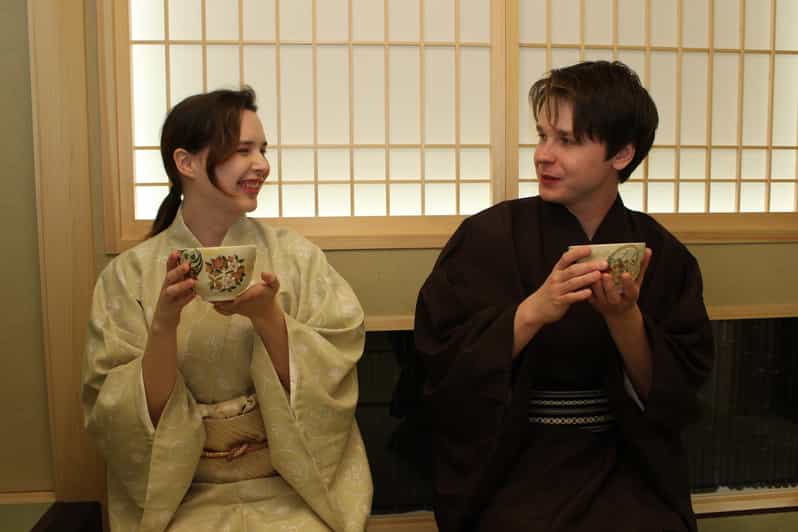
Tea in Shibuya is a time-out from the city. You get a private Japanese tea ceremony in a prestigious tea room, taught in English, with a structure that makes the culture easy to understand and fun to practice. I love the hands-on part, where you actually make your own matcha, and I also love the order of it all, history first, then Otemae, then tea plus traditional sweets.
The ceremony is built around clear etiquette and repeatable steps, not just a quick demo. You may even get to meet an instructor like Mako-san, who has a reputation for calm, friendly guidance in past experiences. One consideration: you will need to cover your knees during the class, though they can lend clothing, and this is not the cheapest way to experience Japanese culture, so it helps to go in with an interest in craft and tradition.
Quick hits
- Private class for your group (1 to 4 people), no mixed sessions
- English-speaking teacher with hands-on instruction for matcha
- Otemae demonstration plus etiquette and tea history explained
- Traditional sweets tasting before you whisk your own matcha
- Souvenir browsing, including Pokemon made from kimono material
- Pickup can be included if you need it, so the experience stays easy
Private Tea Ceremony in Shibuya: What You’re Really Booking
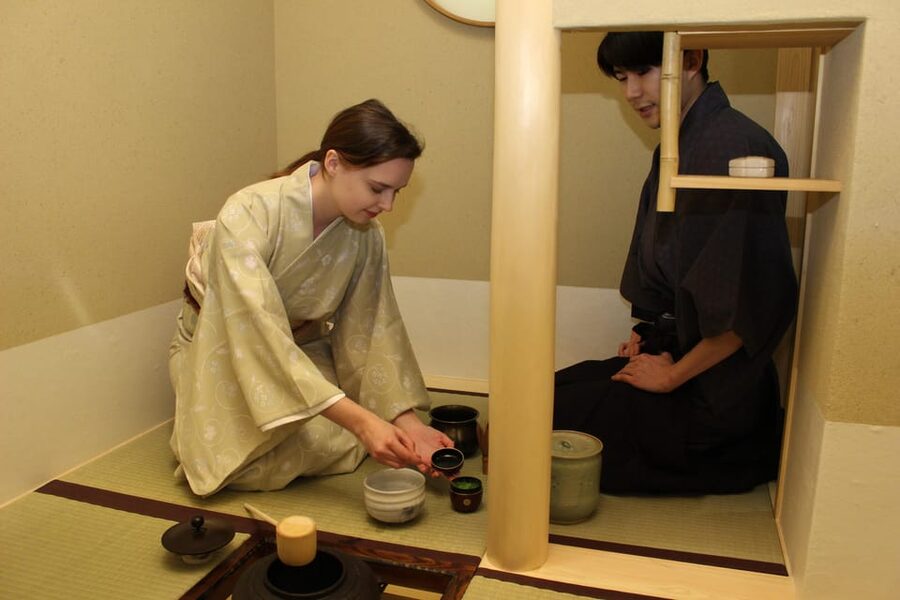
This is one of those Tokyo experiences that feels simple on paper, then surprises you in the details. You are not just watching tea being made. You are learning the reasoning behind the movements, the etiquette behind the silence, and the small choices that make matcha taste the way it does.
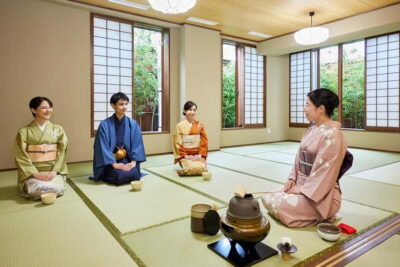
What you get is a private tea ceremony lesson in Shibuya, hosted by English-speaking teachers experienced in tea. Your group stays together, from the welcome through the final taste, with no mixing with other bookings. That matters in Tokyo, because a quiet room with a calm pace is exactly what makes tea ceremony work.
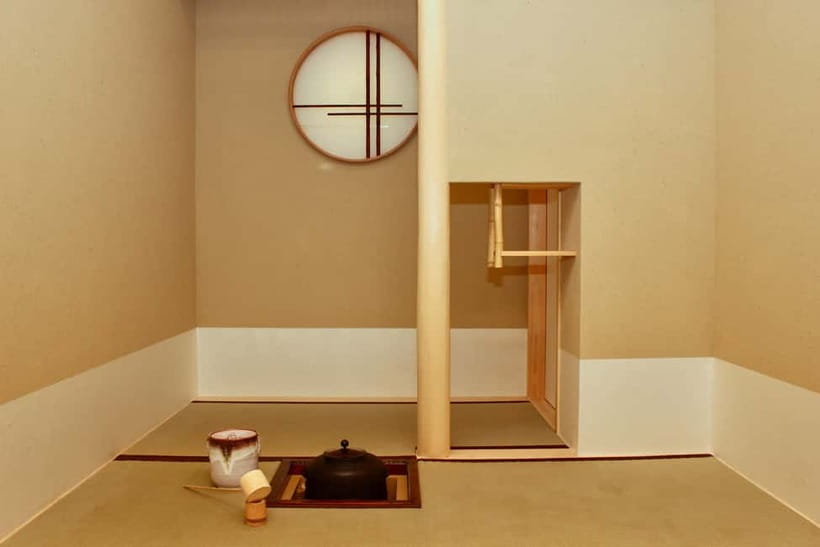
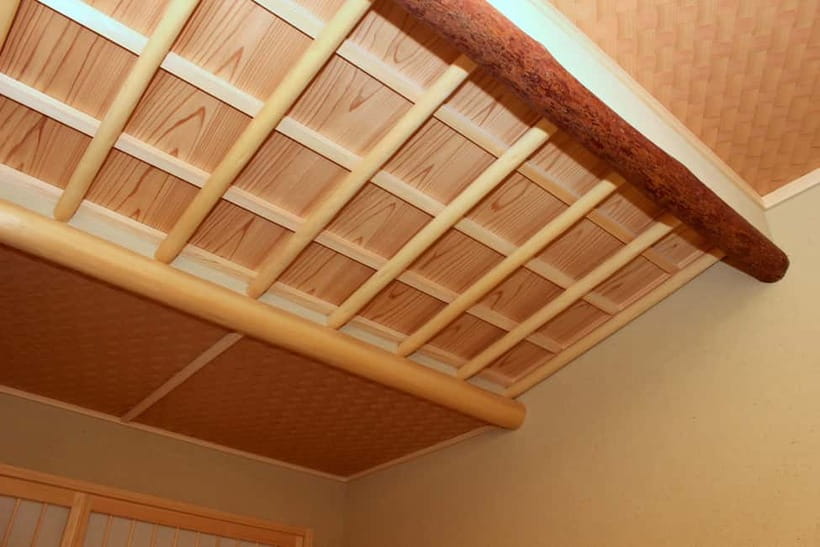
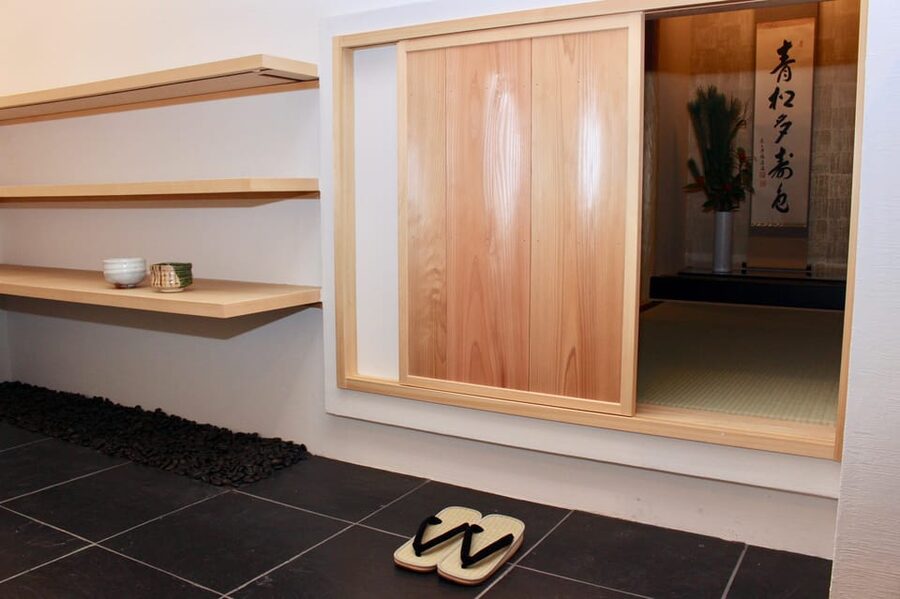
Also, the setting is in a “prestigious tea room.” Even if you are not chasing fancy aesthetics, it helps you feel like you entered a different rhythm. In a city that moves fast, the ceremony gives you a slower tempo on purpose.
More Tea Ceremonies in Tokyo
- Matcha Making Class in Tokyo with Authentic Japanese Sweets Set
★ 5.0 · 744 reviews - Tokyo: Traditional Tea Ceremony with a Tea Master
★ 5.0 · 528 reviews - Tokyo: Matcha Making Experience with Mochi Sweets in Asakusa
★ 4.9 · 388 reviews
Step-by-Step: From Tea Room Etiquette to Otemae
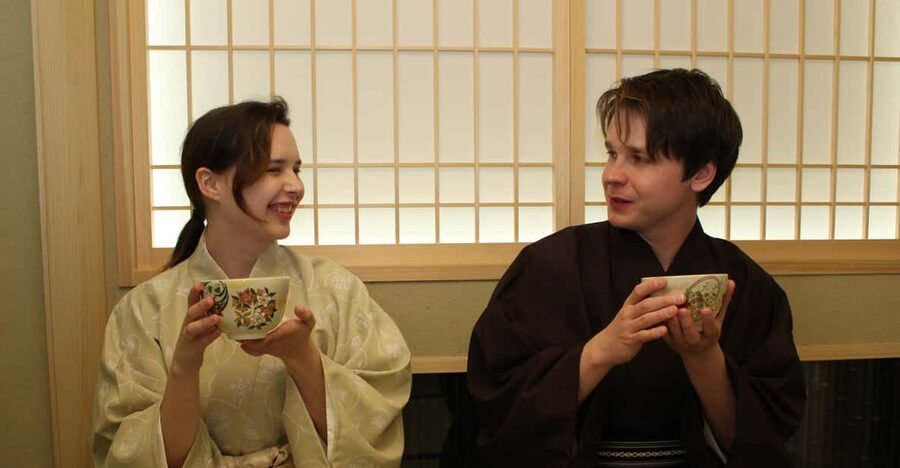
The class starts with orientation, and I really like that the experience begins with context, not just tools. You will get an explanation of the history and culture of the tea ceremony, along with etiquette. This is where you learn what to do with your hands, how to behave around the tea space, and why the ritual is designed to be precise.
Then you move into the centerpiece skill: Otemae. Otemae is the formal preparation of matcha, and it is the sequence you will later try yourself. In many experiences, the host does a quick demonstration and you are left guessing. Here, the demonstration is guided and tied directly to what you will do next.
In practice, this means you are not memorizing motions like a dance. You are learning a process, one step at a time, with explanations in English. That helps if you are new to Japanese culture, because you can follow the logic even if you do not know the terminology.
Making Your Own Matcha: The Part You Will Remember
The highlight is hands-on matcha making. After watching the Otemae demonstration, you get to experience making your own Matcha. This is where the tea ceremony becomes personal, not just observational.
The teacher guides you through the steps, and you take turns during the process depending on your group size. For solo travelers, it is your own turn. For couples or small families, it becomes a shared activity where everyone gets a fair moment with the whisk.
And this part is not purely about getting it right. It is about feeling the texture, noticing aroma, and learning how matcha changes when you prepare it with care. Even if you have had matcha before, the ceremony-style preparation tends to make the flavor feel more balanced and intentional.
If you are coming with kids, the structure helps. Younger participants can still take part, especially during the making and tasting sections. And because the group is private, you are not trying to compete with strangers or a tight schedule.
Tea, Sweets, and That Calm Pause in Shibuya
Before you make your tea, you get to taste traditional Japanese sweets. This is a small detail with a big payoff. In tea ceremony tradition, sweets often set the stage for the matcha, and tasting first helps you understand how different flavors work together.
Then you taste your matcha tea. The class includes tasting the matcha and the Japanese traditional sweets as part of the experience flow. This is one of the most satisfying parts because you can immediately connect what you did, to what you taste.
There is also an emotional side to the ceremony. You are in a tea room, with a paced instructor, following etiquette, and focusing on your senses. In a busy part of Tokyo like Shibuya, that shift in pace is not a gimmick. It is genuinely relaxing.
Same corner of Japan, a different kind of day:
- Mt Fuji and Hakone 1-Day Bus Tour Return by Bullet Train
★ 5.0 · 26,383 reviews - 1-Day Tokyo Bus Tour
★ 5.0 · 14,250 reviews - Tokyo: TOKYO SKYTREE® Admission ticket
★ 4.5 · 11,192 reviews - Tokyo: teamLab Planets TOKYO Digital Art Museum Entry Ticket
★ 4.6 · 9,779 reviews
Souvenirs Like Pokemon From Kimono Material
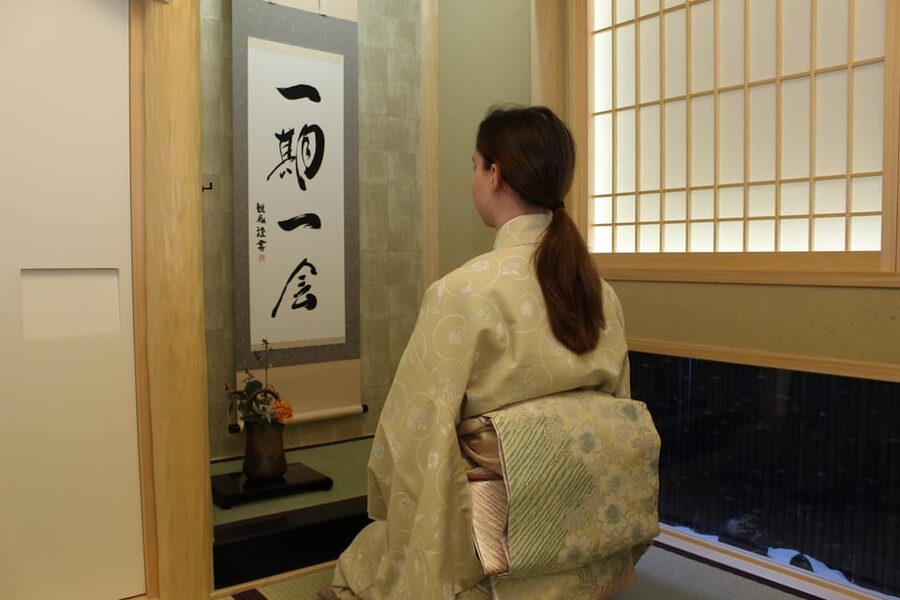
I like that the experience includes room for small shopping moments at the end. You may find souvenirs such as Pokemon made from kimono material, which is exactly the kind of Tokyo detail that makes the memory feel tangible.
It is not a hard sell, since tea ceremony experiences are mostly about the lesson and tasting. But having the option to pick up something small and cultural is a nice finish, especially if you are traveling with someone who wants a souvenir that is fun and locally themed.
Price of $81: Is It Worth It?
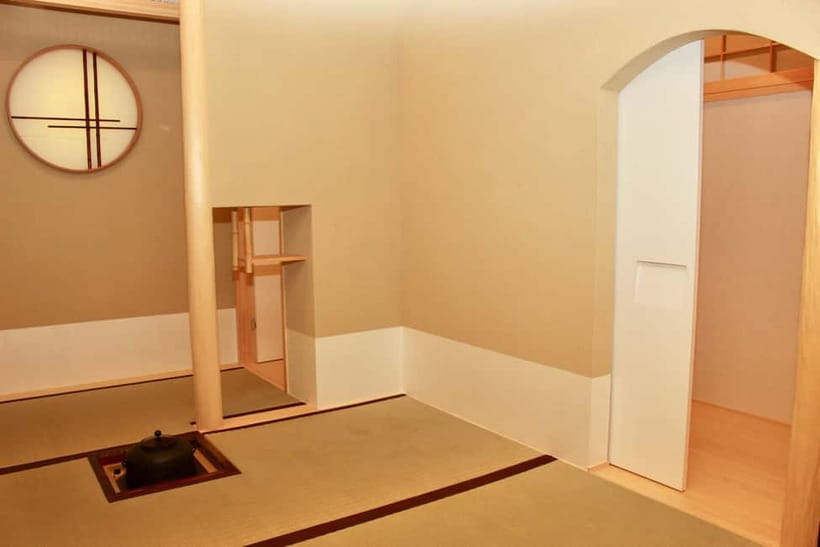
At $81 per person, this is a mid-range activity for Tokyo. The key is what that price includes. You are not paying just for tea. The cost covers tea and sweets fees, facility charges, and taxes.
You are also paying for the format: a private session for a group of 1 to 4, taught in English, with an experienced tea instructor leading both the explanation and the hands-on portion. In other words, the value comes from time and instruction, not just a cup of matcha.
Does that mean it is worth it for everyone? Not automatically. If you are only trying matcha once and you want maximum sightseeing per hour, a classroom-style ceremony may feel like it takes too much time. But if you want a structured cultural experience in a calm setting, this price is easier to justify.
I also think the private setup helps. Shared experiences can be less flexible and more rushed. Here, the experience is designed for your group, and that usually improves the quality of questions you can ask and the chance to actually make tea rather than watch from the sidelines.
Who This Shibuya Tea Ceremony Fits Best
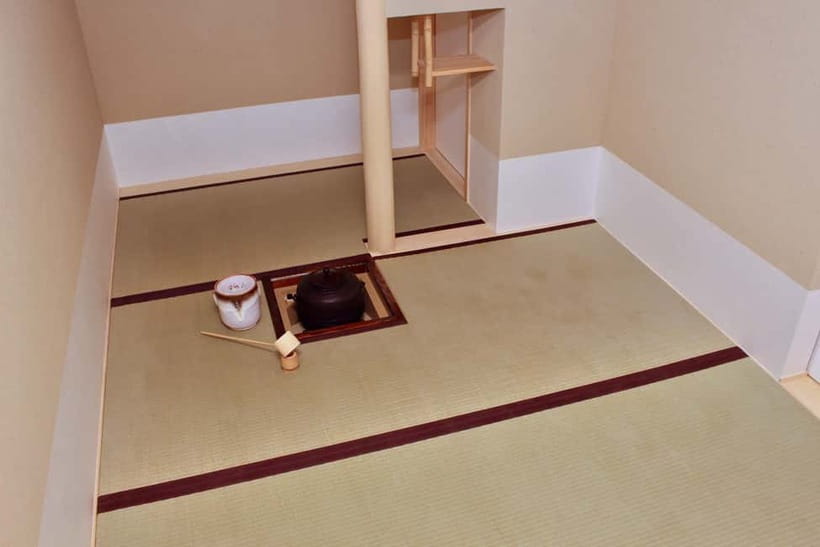
This class is a strong match for:
- First-timers to Japanese tea culture who want an English-led explanation
- Couples and friends who want a calmer activity in Tokyo and do not want to join a mixed crowd
- Families who want something structured, with a private setting and hands-on participation
- Solo travelers who like guided experiences but prefer not to be surrounded by strangers
It is less ideal if you hate rules or you want a fast, casual food-and-drink stop. Tea ceremony etiquette asks for attention and calm behavior. If you are in a hurry, it can feel too slow.
Clothing and Comfort: A Small Rule That Matters
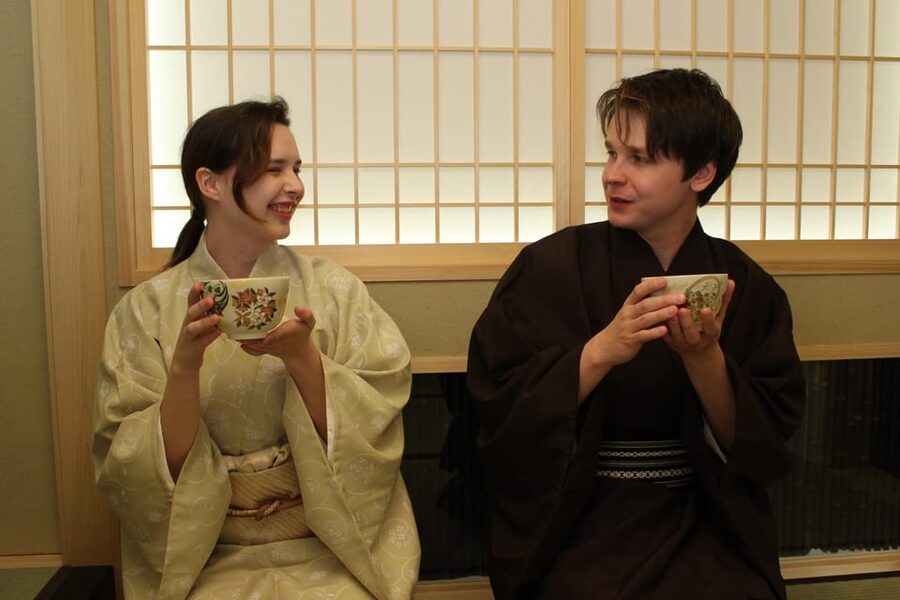
You do not need to bring anything special, but you do need to plan around clothing. You should wear skirts or pants long enough to cover your knees. If your outfit is not suitable, the team can lend pants or a wrap skirt for free.
This is one of those practical details that can make or break your day. Tokyo is very fashion-forward, and many people bring clothes that are perfect for walking around Shibuya but not perfect for sitting properly in a tea room setting. If you check this ahead of time, you avoid awkward last-minute fixes.
Also, because this experience focuses on posture and etiquette, you will enjoy it more if you wear something comfortable that lets you sit and move easily.
Pickup in Shibuya: Keeping It Effortless
Transportation can eat time in Tokyo, so I appreciate that pickup is included if needed. If you are staying far from Shibuya or you do not want to think about navigating trains with your class schedule, this can make the experience feel more relaxed from the start.
That said, pickup is not automatic in every situation, so you should plan based on what you choose when arranging the experience. If pickup is important for you, it is worth confirming early.
Booking and Payments: How to Set Yourself Up
Booking and payment need to be done in advance, but the experience also mentions reserve and pay later options to keep things flexible. The provider also asks you to contact them by email before you book.
It is a simple step, but it matters. Tea ceremony experiences run on fixed schedules and private group timing, so you want to make sure your details are right before you arrive.
If you are the type who hates last-minute uncertainty, do this early in your travel planning. Your future self will thank you.
Quick Practical Tips for a Better Tea Ceremony Day
Here are the small choices that tend to improve the experience:
- Wear knee-covering clothing, or expect to use the free wrap or pants option.
- Go in with a relaxed mindset. Tea ceremony is not speed learning. It is calm practice.
- Ask questions about etiquette while it makes sense. The English guidance is there for a reason.
- Take the tasting seriously. Sweets first, then matcha, helps you understand how flavors pair.
And if you want something beyond the basic souvenir, consider asking about what is available inside the tea room area. The Pokemon kimono material souvenirs are a fun extra if you like clever, Japanese-themed collectibles.
Should You Book This Shibuya Tea Ceremony?
If you want a Tokyo experience that is calm, guided, and actually hands-on, I recommend booking it. The private size, English instruction, Otemae demonstration, and the chance to make your own matcha are the ingredients that make this more than a cultural photo stop.
Skip it only if you are looking for a super flexible, casual activity with no etiquette focus, or if the $81 price feels too high for your trip budget. But if you value quality instruction and a slower pace in the middle of a loud city, this is a smart use of your time.
FAQ
FAQ
How big is the group for this tea ceremony?
It is private for your group, with a minimum of 1 person and up to 4 people per booking. Mixed sessions are not arranged.
Is the tea ceremony taught in English?
Yes. The classes are led by English-speaking teachers.
What will we do during the class?
You will receive an explanation of tea ceremony history and etiquette, watch a demonstration of Otemae and tea preparation, taste traditional Japanese sweets and matcha, and make your own Matcha.
Do we get to taste anything during the ceremony?
Yes. Before making tea, you can taste traditional Japanese sweets, and you also taste the Matcha tea after.
What is included in the price?
The price includes tea and sweets fees, facility charges, and taxes. A pickup service is included if needed.
Is pickup available?
Pickup is included if needed. You should contact the provider to arrange it.
What should I wear?
Wear skirts or pants long enough to cover your knees. If needed, you can be lent suitable pants or a wrap skirt for free.
Is kimono included?
Kimono is not stated as included for everyone. Some experiences mention getting to wear kimono for an extra charge, so you should confirm what is available for your date.
How do I book and pay?
Booking and payment must be done in advance, and you can reserve with pay later. You are also asked to contact the provider by email before you book.
What is the cancellation policy?
Cancellation up to 24 hours in advance allows a full refund.
Fresh options around Tokyo
- Tokyo Dome City Attractions 5-Ride Ticket★ 4.2 · 14 reviews
- Tokyo Morning City Tour with Pick-up Service from 28 Hotels★ 4.5 · 14 reviews
- Tokyo to Kawagoe: Private Historical Day Trip★ 4.5 · 14 reviews
- Shibuya: Pachinko Gaming Experience★ 4.4 · 14 reviews
- 100% PRIVATE Anime, Manga, Game & Pop Culture Tour in Akihabara★ 5.0 · 14 reviews
- Mount Fuji Private day tour from Tokyo private & Customized★ 4.5 · 14 reviews
- Tokyo: SEGA Joypolis E-Tickets with Optional Tokyo Metro Pass★ 4.0 · 14 reviews
- Fish Market & Tokyo Skyline Private Walking Tour★ 5.0 · 14 reviews
Tea Ceremonies in Tokyo, compared.

Matcha Making Class in Tokyo with Authentic Japanese Sweets Set
Read our review →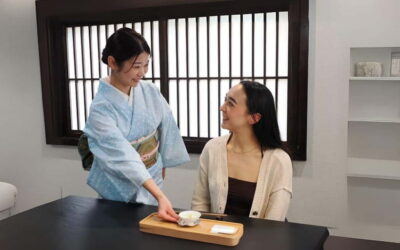

Matcha Making Experience with Mochi Sweets in Asakusa
Read our review →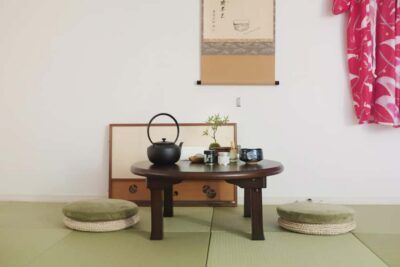
Tea Ceremony Workshop in Tokyo by the Experienced Instrucor
Read our review →
Asakusa: Kimono Tea Ceremony with Matcha and Sweet
Read our review →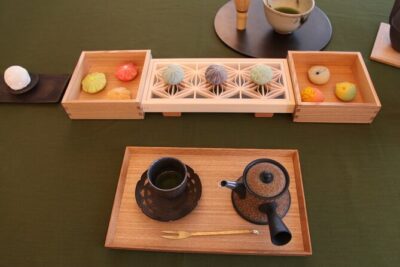
Make Traditional Nerikiri Sweets & Matcha experience in Shibuya
Read our review →Browse the lists this tour appears in