
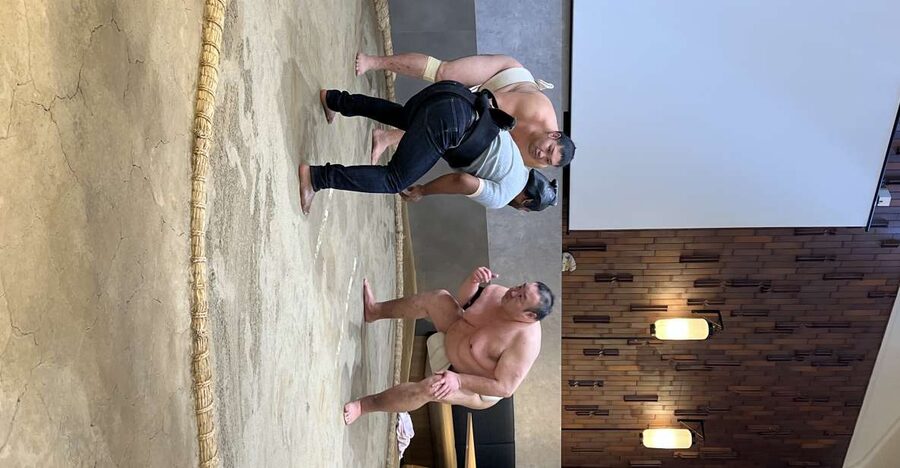
Reviewed · LUNCH EXPERIENCES
Tokyo: Sumo Experience and Chanko Nabe Lunch
Sumo gets real when you step into the ring. This Tokyo experience brings you face to face with former pro sumo wrestlers, with English explanations, a playful demo, and a filling lunch of chanko nabe hot pot.
I especially like two things: the English teaching, which makes the rules and rituals finally click, and the chanko nabe, prepared by the wrestlers themselves. You do not just watch sumo, you understand why each piece matters.
One consideration: the costume and ring demonstrations are voluntary and only some participants are chosen, so the most interactive moment might depend on timing and how the session flows.
Quick hits
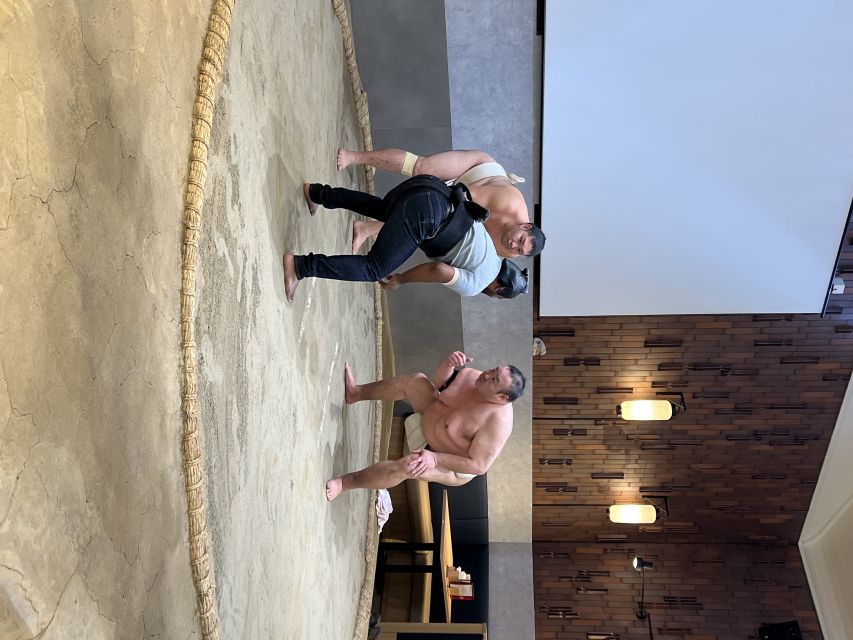
- Former professional wrestlers explain sumo in English so first-timers can follow along
- Playful ring practice with the chance to go head to head (in a safe, fun way)
- Chanko nabe hot pot made by the wrestlers for a proper post-training meal feel
- Two Tokyo locations: Asakusa on Mondays, Ryogoku on Thursdays
- Small group of up to 6 for close-up interaction and better Q and A
- Plenty of focus on photos and participation during the demonstration portion
Former pro sumo instruction in plain English
Sumo can feel mysterious from afar. This experience solves that problem by having retired wrestlers explain it in English, with enough clarity for you to follow both the “what” and the “why.”
You learn that sumo is not only about strength. It is also about ritual, timing, and respect for tradition. When someone who lived that routine explains it step by step, you start to notice details you would otherwise miss in a match on TV.
I like that the format stays human and fun. The lesson turns into a conversation, not a lecture. If you have ever wondered what the rituals mean, or what training looks like behind the scenes, this is the kind of session that answers it.
And since it is a small group, you are not stuck at the back. You are close enough to see body language, feel the energy of the ring, and ask questions while the wrestlers are still in “teacher mode.”
More sumo experiences in Tokyo:
- Tokyo: Sumo Show Experience with Chicken Hot Pot and a Photo
★ 4.8 · 6,678 reviews - Tokyo: Sumo Show and Dining Experience
★ 4.8 · 2,742 reviews - the SUMO show
★ 5.0 · 1,960 reviews
Asakusa on Mondays, Ryogoku on Thursdays
The tour location changes by day, which is a nice way to match your Tokyo plan.
On Mondays, it takes place in Asakusa. On Thursdays, it runs in Ryogoku. Both are well-known areas for visitors, so either day can fit naturally into a sightseeing route.
Asakusa often works well if you like classic Tokyo streets, temples, and old-style neighborhoods. Ryogoku, on the other hand, is closely tied to sumo culture, so it feels extra fitting for a wrestling-focused lunch and workshop.
One practical note: because the meeting point is handled by voucher map, double-check your exact location before you head out. Tokyo has many “nearby” streets that can look identical at first glance.
How the sumo rituals make sense before anyone wrestles
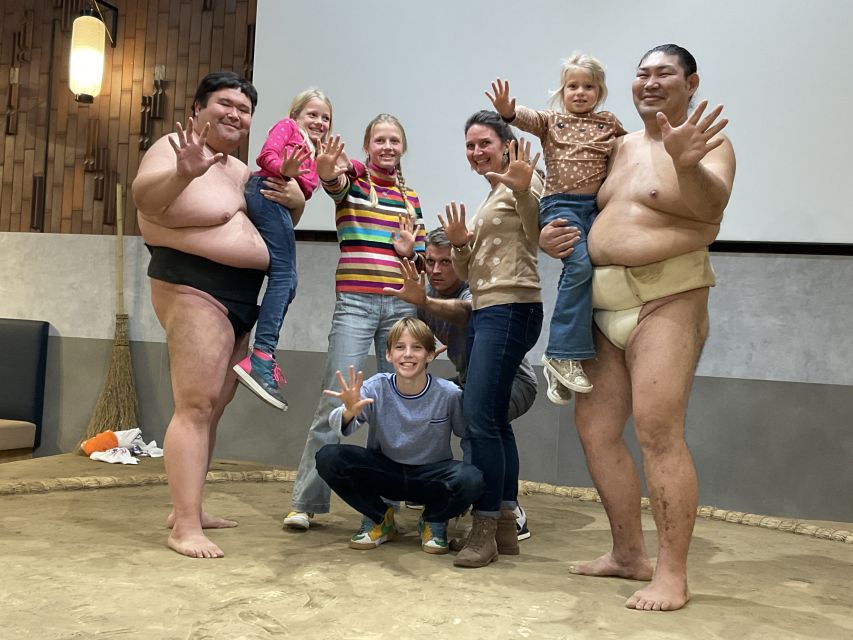
This is not a random show. You get context first.
You will learn why sumo is considered Japan’s national sport and how its traditions shape everything from pre-match behavior to technique. That matters because sumo is full of meaning. If you show up without the basics, you can miss the point and only see quick collisions.
The wrestlers explain key elements in a way that is easy to understand. You learn about the training mindset and how competition works, not just the final result on the dohyo. When you later try a playful bout yourself, it feels less like “random wrestling” and more like part of a real sport experience.
I also appreciate that the vibe stays welcoming. You get the sense that the goal is to teach visitors, not to gatekeep a centuries-old tradition.
The result: you leave knowing more than the highlights. You can talk about rituals and rules with confidence, and you understand why the wrestlers do what they do.
The playful duel part, and how to get the most from it
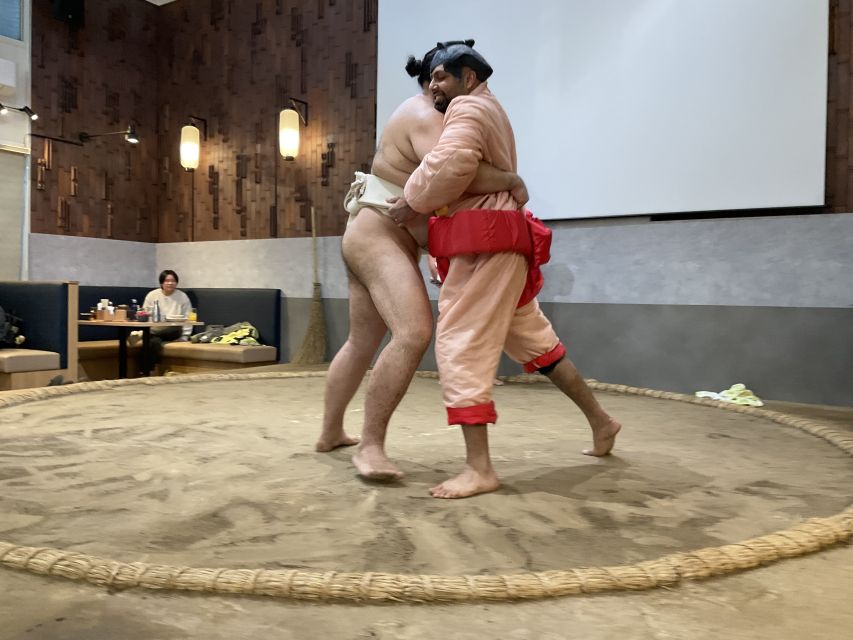
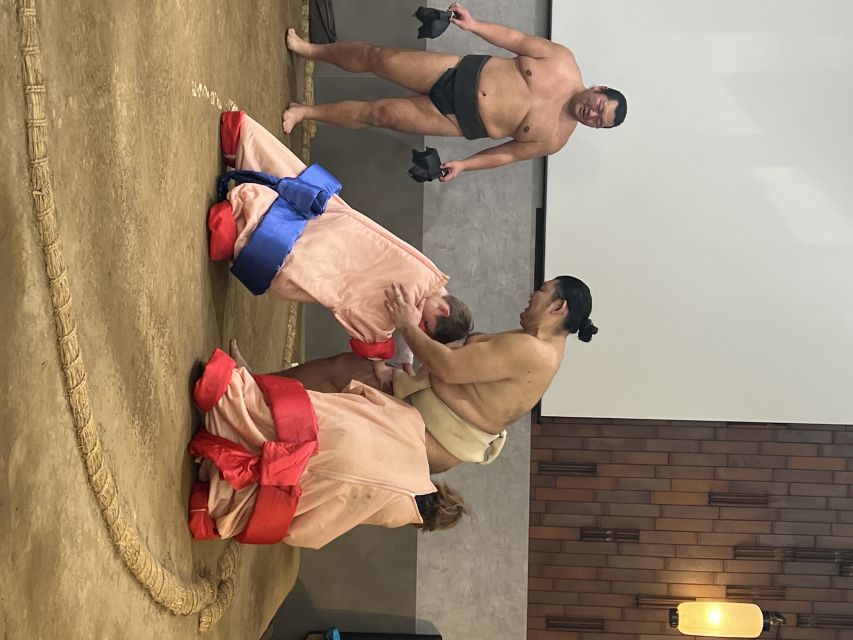
Yes, you can get involved. During the session, you get the chance to (playfully) fight sumo wrestlers. The point is fun and interaction, not intimidation.
What makes this segment valuable is that it is guided. A former wrestler knows exactly how to let you try something difficult without turning it into chaos. You will feel the difference between “knowing” and “trying,” and that is where sumo becomes memorable.
The workshop is also set up so you can get close. In a small group, the line between “audience” and “participant” shrinks. You are standing near the ring, watching how the wrestlers move, and then getting your turn.
There is also a voluntary costume piece. Some participants may be chosen to put on a sumo wrestler costume and help with the demonstration. Not everyone will be picked, but even if you are not, you still get a real sense of the performance side of sumo culture.
Tip for maximum enjoyment: loosen up. If you treat it like a playful sport demo, you will have more fun and you will get better guidance. If you go in stiff and nervous, you will miss the laughs that make this part work.
A few more Tokyo days worth comparing
- Mt Fuji and Hakone 1-Day Bus Tour Return by Bullet Train
★ 5.0 · 26,383 reviews - 1-Day Tokyo Bus Tour
★ 5.0 · 14,250 reviews - Tokyo: TOKYO SKYTREE® Admission ticket
★ 4.5 · 11,192 reviews - Tokyo: teamLab Planets TOKYO Digital Art Museum Entry Ticket
★ 4.6 · 9,779 reviews
Chanko nabe lunch cooked with a wrestler’s mindset
After the training lesson comes the meal.
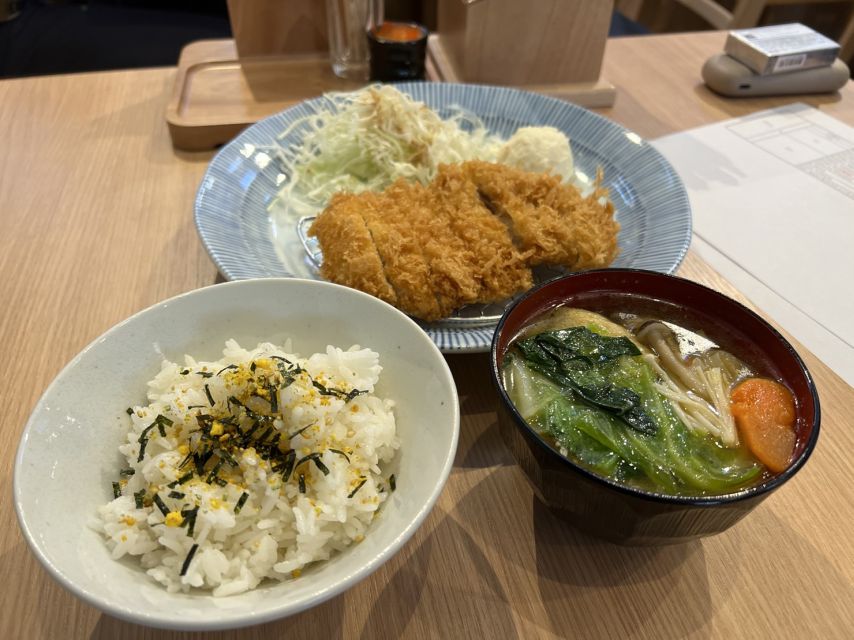
You will enjoy chanko nabe hot pot, prepared by the wrestlers themselves. Chanko is a classic staple for wrestlers, and here it is served as a stamina-building style lunch. Think hearty, warm, and designed to make you feel fueled, not just fed.
What I like most is that the meal feels connected to the sport you just learned. It is not an unrelated “tour lunch.” It is part of the same story: training, ritual, and then the food that supports the lifestyle.
You eat in a setting that keeps you engaged with the atmosphere. The experience is set up for close-up interaction, so you are not just consuming food in silence. You can talk with your instructors, ask questions, and soak in the culture while you eat.
If you are the kind of traveler who likes meaningful food experiences, this one is a strong fit. You get to taste the dish and learn the role it plays in sumo life, all in one go.
If you have dietary needs, note this clearly in your reservation or contact the team by email at least two days before your date. Options for vegetarian or Halal needs are mentioned, but you should plan ahead so they have time to accommodate you.
Small group size, close-up access, and what that means for you
This is limited to a small group, with a maximum of 6 participants. That number matters more than it sounds.
With fewer people, the wrestlers can explain at a more personal pace. You also get better chances to ask follow-up questions, rather than watching the lesson move on while you wait for a moment to speak.
Small-group also improves the participation vibe. The playful duel feels less like a timed show and more like a guided try. You can see reactions close up, and the energy stays friendly instead of rushed.
It also means the whole schedule runs smoothly. The workshop is designed to fit into a two-hour window, and everyone knows where to be at each step.
One more plus: the experience is wheelchair accessible. That is rare in hands-on workshops, and it makes the event more welcoming for a wider range of visitors.
Timing and meeting point tips for a smooth 1:00 PM start
The activity starts on time at 1:00 PM. You need to arrive before that. The door opens at 12:40.
This is important. If you arrive late, you will miss the beginning of the explanations, and that is the part that turns sumo from “cool to watch” into “I actually get it.”
Meeting logistics are straightforward. You receive a voucher with a map of the exact meeting place. The activity ends back at the meeting point, so you do not have to plan for an odd end location.
Pickup and drop-off are not included. So build in time to get yourself there using public transport or a short taxi ride.
Practical tip: wear comfortable clothes. You might not be doing full training gear, but you will be moving, standing, and likely stepping into the active zone for photos and participation.
How much it costs, and whether it feels like value
The price is $95 per person for about two hours, including the entrance fee, participation fee, and lunch.
At first glance, it can sound like a splurge. But for Tokyo, the value comes from three things working together:
- You get retired wrestlers teaching in English, plus participation time.
- You get an included meal that is not a generic set lunch, it is chanko nabe prepared by the wrestlers.
- The group is tiny, up to 6 participants, so you are paying for access, not just a seat.
If you want a sumo experience that is more than watching and snapping photos, the price starts to make sense. You are buying interpretation, participation, and a real cultural meal.
If you prefer only passive sightseeing, you might feel the interactive part is not your thing. But if you enjoy hands-on learning and a lively atmosphere, it tends to be worth it.
The overall rating is 4.8 with 257 reviews, and the most common praise centers on the intimate setting, the fun participation moment, and the delicious lunch.
Who should book this sumo and chanko workshop
This is a great match if you are a first-time sumo fan, or if you have watched sumo and want to understand what you were seeing. The English explanations make the rituals and rules easier to grasp quickly.
It is also a strong family option. The interactive format is built to include kids and adults, and the playful tone keeps it from feeling overly serious.
If you like food as part of culture, you will appreciate the chanko nabe served right after the wrestling lesson. It ties the whole experience together.
A good fit also includes travelers who enjoy meeting experts face to face. You spend time up close with former pros, not just a guide pointing from far away.
If you hate participation activities, you may still enjoy the explanation and lunch, but the biggest moments may not hit as hard. Still, even “watching” here is close-up, not distant.
Should you book this sumo and chanko nabe experience?
I think you should book if you want a Tokyo activity that mixes sport, culture, and a real meal, all in a tight two-hour window. The small group format keeps it personal, and the retired wrestlers teaching in English turns sumo from confusing to clear fast.
Also book if you like experiences where you can laugh a little and try something physical, even in a playful, guided way. The costume and ring participation are not guaranteed for every person, but the event is designed so you feel involved anyway.
Skip it only if you want strictly passive sightseeing, or if you have dietary needs and you have not planned to message the team at least two days in advance for vegetarian or Halal accommodations.
FAQ
Where is the sumo workshop held in Tokyo?
It takes place in Asakusa on Mondays and in Ryogoku on Thursdays. Your voucher includes a map showing the exact meeting location.
What time does it start, and how long is it?
The experience starts on time at 1:00 PM and runs for about 2 hours. The door opens at 12:40 so you can arrive before it begins.
What is included in the $95 per person price?
The ticket includes the entrance fee, participation fee, and lunch. Pick-up and drop-off are not included.
How big is the group?
The group is small, limited to 6 participants.
Is the experience wheelchair accessible?
Yes, the activity is wheelchair accessible.
Can I request a vegetarian or Halal meal?
Yes. If you need vegetarian or Halal meals, note it in your reservation or contact the team by email at least two days before your participation date.
Will I be required to wear a sumo costume or enter the ring?
Some participants might be chosen voluntarily to wear a Sumo wrestler costume and help with demonstrations, and not all participants can be picked. You should expect interaction, but selection is not guaranteed.
Is there a cancellation option if plans change?
Yes. You can cancel up to 10 days in advance for a full refund.
If you tell me your travel dates and whether you are doing Monday or Thursday in Tokyo, I can help you pick the best match for Asakusa versus Ryogoku and plan what to do before and after.
Fresh options around Tokyo
- Tokyo: Nagano Snow Monkeys and Zenkoji Tour with Temples★ 4.9 · 19 reviews
- Yokohama Port: Private Customizable Tour with Transfer★ 5.0 · 19 reviews
- Explore Unique Tokyo Streets / Learn with a Pro Photographer★ 5.0 · 19 reviews
- Sushi Making with Interactive Samurai Experience at JIN-ASAKUSA★ 5.0 · 19 reviews
- DAIKOKU excursion by car DRIFT automobile encounter★ 4.5 · 19 reviews
- Official Street Go Kart Tour Akihabara 2nd★ 5.0 · 19 reviews
- Cosplay Experience with Professional Makeup and Photo Shoot!★ 5.0 · 19 reviews
- Tokyo: Name Seal & Pouch or Tote Bag Making Experience★ 4.5 · 19 reviews
Lunch Experiences, compared.
Mt.Fuji & Lake Kawaguchiko 1-Day Bus Tour w/Optional Lunch
Read our review →
Osaka/Kyoto: Arashiyama, Nara & Fushimi Inari Shrine w/Lunch
Read our review →
Kyoto Zen Meditation & Garden Tour at a Zen Temple with Lunch
Read our review →
Five Must-See Highlights Walking Tour & Ramen Lunch
Read our review →

Naha, Okinawa: Keramas Island Snorkeling Day Trip with Lunch
Read our review →
Snow Monkey 1 Day Tour with Beef Sukiyaki Lunch
Read our review →Browse the lists this tour appears in