
Reviewed · SAMURAI & NINJA EXPERIENCES
Tokyo: Samurai Ninja Museum Guided tour and Experience
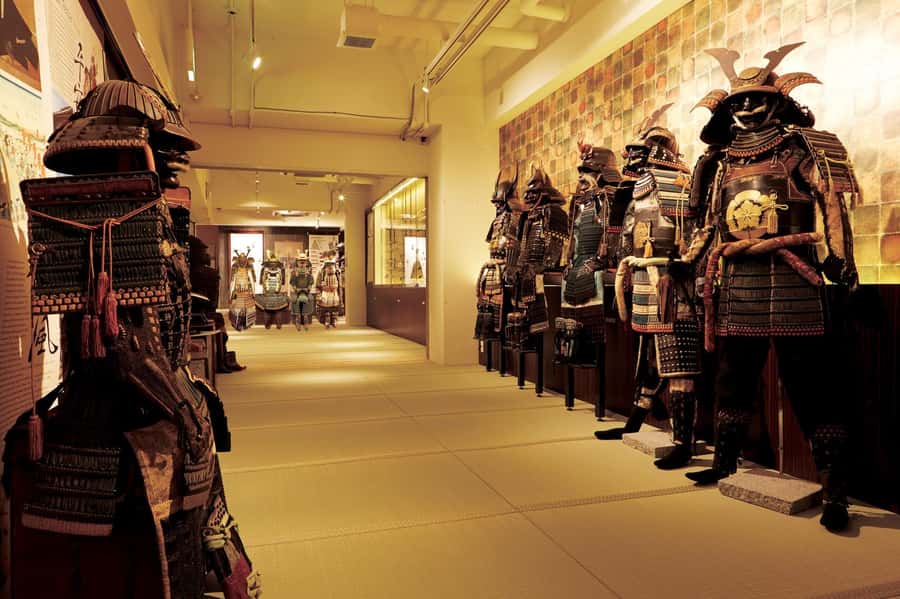
Tokyo history, with a twist. This Samurai Ninja Museum experience pairs a guided English tour with up-close exhibits that make samurai and ninja culture easier to understand. I especially like that the armor and weapons on display are the anchor, so the story feels grounded, not just theatrical.
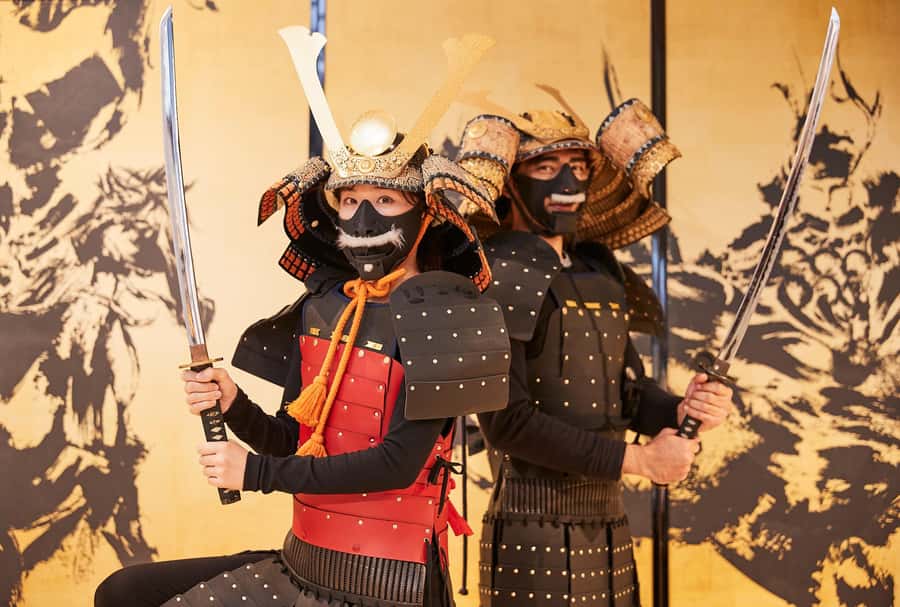
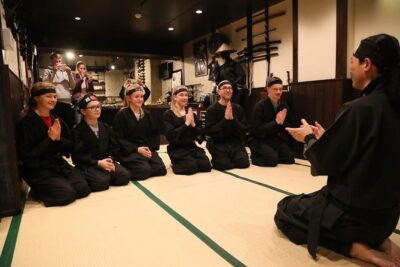
Next, the hands-on parts are where the fun really kicks in. You’ll get shuriken throwing practice and a proper samurai dress-up moment, including a real helmet and a metal sword for photos and posing. It is the kind of activity that turns a museum visit into something you can actually do, not only watch.
One thing to consider is group size. If you book through GetYourGuide, it is capped at 15 people for a reservation, but other booking sites may allow more participants, so the pacing can vary a bit depending on the group.
Key Things You’ll Notice Right Away
- English-speaking guides that keep the pace lively and the explanations clear
- Real armor, helmets, and swords that you can look at closely while you learn
- Interactive ninja star throwing where you practice accuracy at the end
- Samurai dress-up with a real helmet and a metal sword for memorable photos
- Hands-on, kid-friendly structure that still works for adults with only about an hour to spare
Entering Samurai Ninja Museum Tokyo: What This Tour Really Gives You
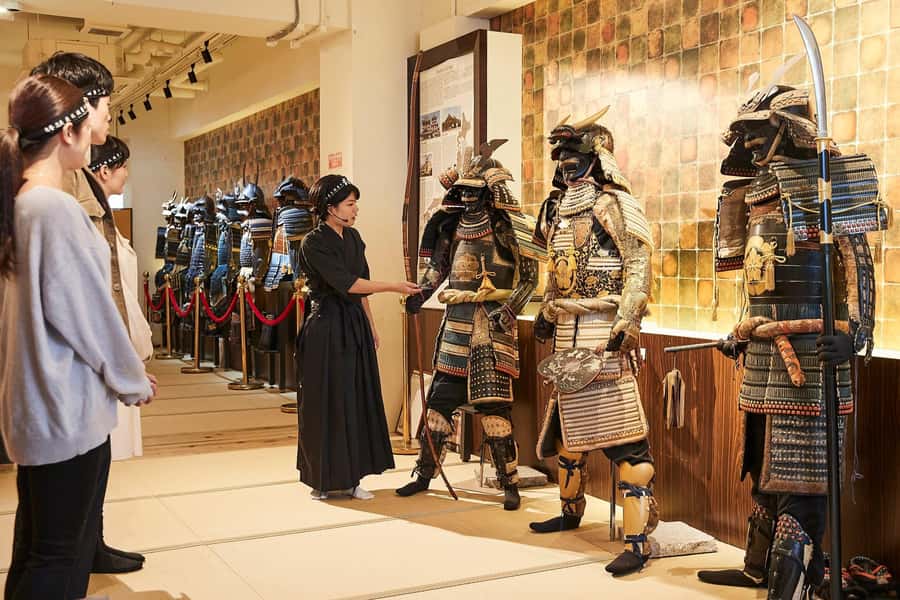
This is not a long, sit-and-stare museum day. It is built like a short story with stops: history first, then participation. You start with an entry ticket and a guided tour (English speaking), and the guide uses the exhibits to explain what samurai and ninja were, how they fit into Japanese life, and why the myths are so sticky in pop culture.
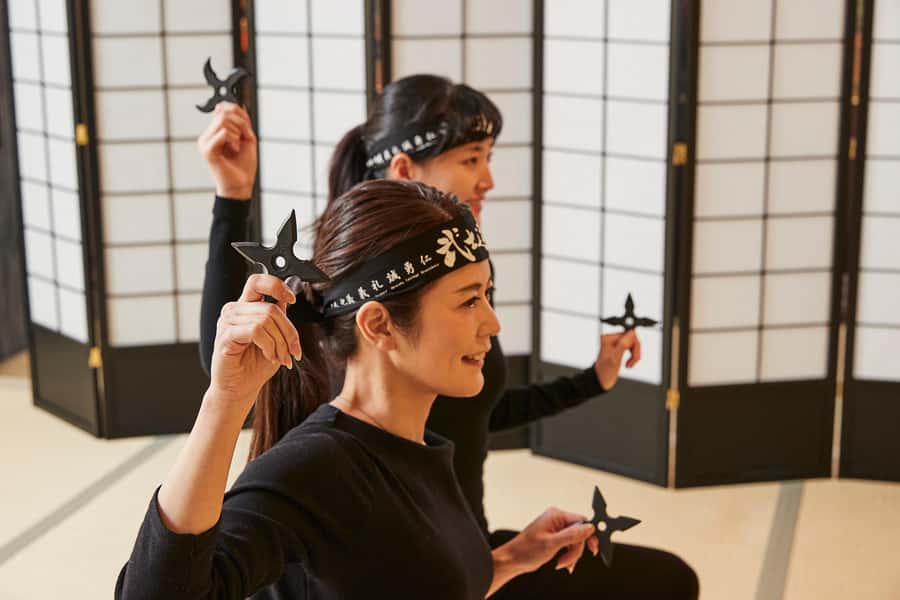
Then you shift gears into activities that match what you learned. The shuriken throwing experience is at the end, which makes the final segment feel earned. And the samurai dress-up is the photo moment many people want, but it also helps you get the look and feel of the era so the guide’s details land better.
The price, $27 per person, makes sense only if you treat it as a package: museum entry plus a guide plus hands-on practice. If you were planning to visit on your own, you might still find exhibits, but you would likely miss the fast, guided context that ties it all together.
More Samurai & Ninja Experiences in Tokyo
- Tokyo: Samurai Restaurant Show Ticket with 2 Drinks
★ 4.5 · 1,307 reviews - Tokyo: Samurai Sword & Archery Class from Samurai Descendant
★ 5.0 · 603 reviews - Best Samurai Experience in Tokyo
★ 5.0 · 458 reviews
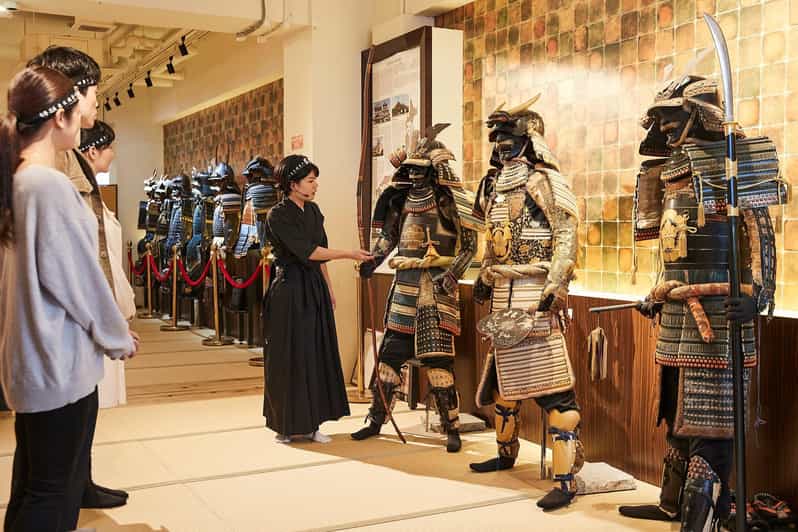
Samurai Armor Up Close: What You Gain From the Real Exhibits
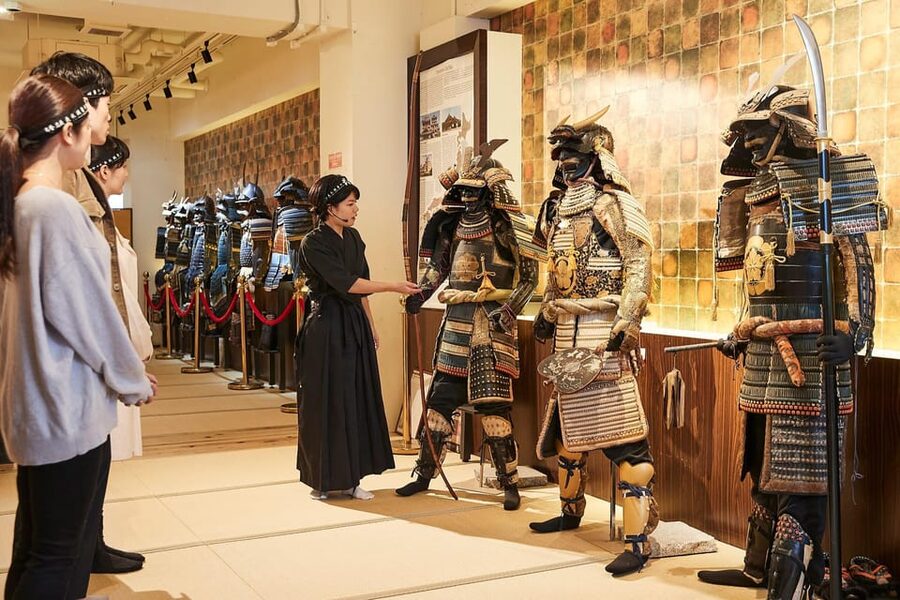
What I like most about this museum is the emphasis on physical artifacts. You get to admire impressive samurai armor, helmets, and swords, and the guide uses those objects as visual proof for the story being told.
That matters because samurai culture is often shown through movies or simplified stereotypes. When you can see the scale, shape, and practical design of armor and headgear, it makes the whole thing more real. You stop thinking in terms of costumes and start thinking in terms of gear made for a specific role and lifestyle.
For photography, this is also a strong segment. One reason people keep mentioning the armor is that it looks dramatic up close, and you do not need to be a history expert to appreciate the craft and construction.
Ninja Stories That Go Beyond Movie Myths
The ninja side is handled with a similar approach: you learn their mysterious reputation, but you also get context for their role in history. The guide explains how ninjas fit into real-world conditions, not just ninja-movie theatrics.
A memorable detail from the experience is that the guide also helps bust myths and correct common misunderstandings. That is a big deal for anyone who grew up on samurai and ninja films, because the goal here is not to replace your favorite stories. It is to add real-world layers so the fictional version makes more sense.
If you like history but hate lectures, this section tends to work. The museum format plus a guide means you are not left alone with labels. You get the narrative thread, including why certain symbols and stories stuck around.
Shuriken Throwing Practice: The Fun Accuracy Test
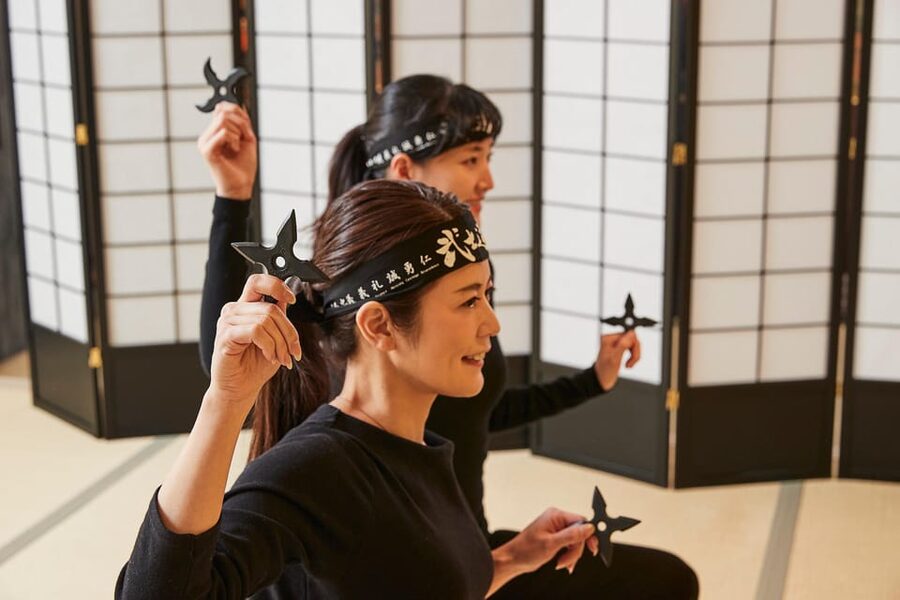
The ninja star throwing part is a highlight for a reason. It is not random entertainment tacked on at the end. It is a quick practice game that connects to what you just learned about ninja imagery and tools.
You practice accuracy and you get a shot at memorable photos while you do it. One extra detail worth knowing: the experience can include a mini contest at the end, and if you win, you might be able to keep your star. That is the kind of small reward that turns a simple activity into a souvenir moment.
Even if you are not competitive, this segment gives your brain a break from reading and listening. You swap to hands-on learning, and you leave with an actual skill attempt to remember.
More samurai and ninja experiences in Tokyo:
- Ninja Experience (Family Friendly) at Samurai Ninja Museum TOKYO
★ 5.0 · 441 reviews - Tokyo: Samurai Entertainment Night Show in Kanda Shrine
★ 4.6 · 417 reviews - Tokyo Sword Experience – includes Museum Ticket/Ninja Experience
★ 5.0 · 314 reviews - Samurai Ninja Museum Asakusa: Samurai Sword Lesson & Tour
★ 4.8 · 306 reviews
Samurai Dress-Up With a Real Helmet and Metal Sword
If you have ever seen a samurai costume photo and thought, I could never pull that off, this is your fix. You get to dress up like a samurai, wear a real samurai helmet, and hold a metal samurai sword.
This part hits two goals:
- It gives you a strong, visual memory of the era.
- It makes the guide’s weapon-and-armor explanations feel more personal.
The helmet is the key prop. It changes your posture, your stance, and how you imagine a samurai moving. Then when you hold the metal sword for photos, the entire story of sword design and use stops feeling abstract.
Try different poses for photos, but also listen to the guide’s tips in the moment. When guides guide the photo setup or explain what you are wearing, your pictures come out better and you understand more than just the costume look.
Meet the Guides: Why the English Tour Style Matters
This tour stands or falls on the guide, and you can see the pattern in the names people mention. Guides like Nami, Ken, Megan, Kenny, Shin, Nao, Hashan, and Leon are repeatedly praised for making the session fun and engaging.
What that usually means on the ground:
- The guide keeps explanations moving at a pace that works for mixed ages.
- They use humor without turning the history into pure joke material.
- They include people in the activities, not just watch from the sidelines.
That is a big value point. In Tokyo, you can find lots of attractions that are educational, but not all of them translate that education into interaction. Here, the guide acts like your translator between the exhibits and your questions.
If you are traveling with kids or teens, the guide’s ability to keep attention is especially important. Several families note that younger kids stay captivated from start to finish, while adults still learn enough to feel the visit was worth the time.
Timing and Group Size: How to Slot This Into Your Tokyo Day
The experience is about an hour long, and many people describe the pacing as just right, not too short and not dragged out. That makes it a good fit on a day when you want something hands-on without committing to a half-day excursion.
Group size is the only variable that can change your comfort level. GetYourGuide reservations are limited to a maximum of 15 people, but other booking options may include more participants. In practice, strong guides handle this by guiding activities smoothly and making sure people get turns.
My advice: if you are sensitive to crowds, pick a time earlier in the day. An hour with a larger group can feel busier, but with a good guide, it still stays friendly.
Also, because this is not a whole-day commitment, you can pair it with nearby Tokyo plans. It is in a shopping area and is easy to reach by train or taxi, which helps when you are designing a day with multiple stops.
Price and Value: Is $27 Worth It in Tokyo?
At $27 per person, this experience looks modest, but the value comes from the bundle.
Here is what you effectively get:
- Museum entry ticket
- A guided tour with an English-speaking guide
- Ninja star throwing practice
- Samurai dress-up, including a real helmet and holding a metal sword
So you are paying for three things at once: context, access, and participation. Many Tokyo attractions charge for one or two of those elements. This one tries to give you all three in around an hour.
Where the value is strongest:
- Families with kids who want an activity, not just a room of displays
- Teens who like action components and quick games
- Adults who want a focused history lesson without a long time commitment
- Anyone who likes taking photos but also wants the costume moment to connect to learning
Where you might hesitate:
- If you are only interested in reading deep history for hours, this may feel short.
- If you do not care about dress-up or throwing games, you may be paying for parts you will not use.
What This Is Best For: Families, History Fans, and Photo People
I think this tour is a great match for mixed groups. It works because it combines:
- Visual museum exhibits
- A guided narrative
- Physical participation at the end
Kids tend to enjoy the dress-up and ninja star throwing. Teens often like the energy and the chance to do something. Adults usually appreciate the straight-to-the-point explanation and the fact that the guide helps connect myths to real roles in history.
History buffs also get a win because you are not just told that samurai and ninjas were important. You see artifacts and get context for what those figures did and why their images persist.
If Tokyo is your first big Japan trip and you want one compact experience that covers two famous cultural themes, this one is easy to justify.
Before You Go: A Few Practical Tips That Help
You will be standing, moving around for exhibits, and taking photos while wearing props. Wear something comfortable and easy to move in. Also, plan on being present for the guide’s instructions during the dress-up and throwing parts, since those moments are where the experience becomes memorable.
If you care about photos, aim for your best outfits that day, but do not stress about perfection. The helmet and sword are the stars of the show, and the guide and staff help the session run smoothly so you can focus on getting good shots.
Finally, go in with the right mindset. This is not a quiet museum visit. It is a guided, interactive history stop. If you expect participation, you will enjoy it more.
Should You Book the Samurai Ninja Museum Guided Tour?
Yes, you should book this if you want a short Tokyo stop that mixes real exhibits, a guided English story, and hands-on fun you can remember. The $27 price feels reasonable because you get more than entry. You get instruction, interaction, and photo-ready samurai dressing-up with a helmet and metal sword.
Skip it only if you want a long, self-paced deep-dive history day or if you dislike interactive activities. Otherwise, this is one of the more straightforward ways to experience samurai and ninja culture in a single hour.
If you want one thing to prioritize, prioritize the guide. People repeatedly praise guides like Nami, Ken, Megan, Kenny, Shin, Nao, Hashan, and Leon for keeping the session engaging, funny, and understandable, which is exactly what makes the history stick.
FAQ
How long is the Samurai Ninja Museum guided tour?
The tour is about an hour long for most groups.
Is the tour guided in English?
Yes. It includes a guided tour with an English-speaking guide, and the experience language is English.
What is included in the price?
The experience includes the entry ticket, the guided tour, ninja star throwing, and the samurai experience (dress up, wear a real samurai helmet, and hold a metal samurai sword).
Do I get to throw ninja stars?
Yes. There is a ninja star throwing experience where you can practice accuracy.
Can I dress up as a samurai?
Yes. You can dress up like a samurai, wear a real samurai helmet, and hold a metal samurai sword.
Where is the museum area like for getting there?
The location is in a shopping area and is described as easy to access by train or taxi.
Is it family-friendly?
It’s often described as engaging for kids and as a good family activity, with children captivated during the visit.
How much does it cost?
The price is listed as $27 per person.
Can I reserve now and pay later?
Yes. It offers reserve and pay later, meaning you can book your spot without paying today.
What is the cancellation policy?
You can cancel up to 24 hours in advance for a full refund.
How large are the groups?
GetYourGuide reservations are limited to a maximum of 15 people, but other booking sites may have more participants.
More Museums in Tokyo
- Tokyo: teamLab Planets TOKYO Digital Art Museum Entry Ticket
★ 4.6 · 9,779 reviews - Tokyo Studio Ghibli Museum and Ghibli Film Appreciation Tour
★ 4.5 · 421 reviews - Tokyo: Art Aquarium Museum GINZA Entry Ticket
★ 4.5 · 278 reviews - Samurai Sword Experience (Family Friendly)at SAMURAI MUSEUM TOKYO
★ 5.0 · 168 reviews
Fresh options around Tokyo
- Tokyo: Nagano Snow Monkeys and Zenkoji Tour with Temples★ 4.9 · 19 reviews
- Yokohama Port: Private Customizable Tour with Transfer★ 5.0 · 19 reviews
- Explore Unique Tokyo Streets / Learn with a Pro Photographer★ 5.0 · 19 reviews
- Sushi Making with Interactive Samurai Experience at JIN-ASAKUSA★ 5.0 · 19 reviews
- DAIKOKU excursion by car DRIFT automobile encounter★ 4.5 · 19 reviews
- Official Street Go Kart Tour Akihabara 2nd★ 5.0 · 19 reviews
- Cosplay Experience with Professional Makeup and Photo Shoot!★ 5.0 · 19 reviews
- Tokyo: Name Seal & Pouch or Tote Bag Making Experience★ 4.5 · 19 reviews
Samurai & Ninja Experiences, compared.
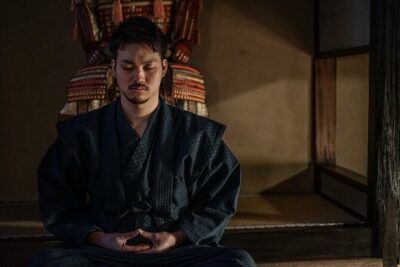
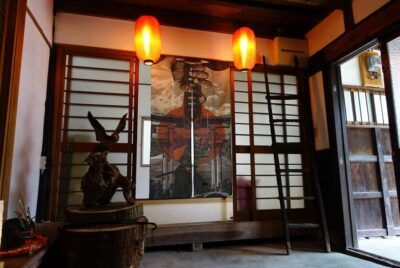
Kendo and Samurai Experience with Uniform and Gear
Read our review →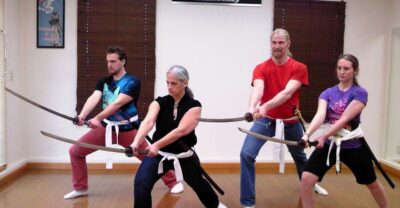
Samurai Sword Class by Experts in Traditional Arts
Read our review →
Skip the lines Basic Ticket at SAMURAI NINJA MUSEUM KYOTO
Read our review →
Samurai Sword & Archery Class from Samurai Descendant
Read our review →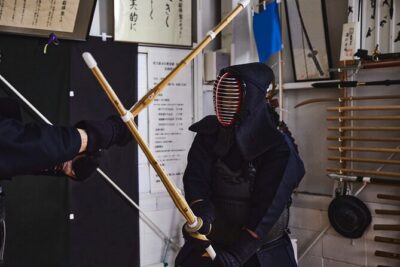
Ninja 1-hour Hands-on Lesson by Japanese master in Kyoto -Entry
Read our review →Browse the lists this tour appears in