
Reviewed · AQUARIUMS
Tokyo: Art Aquarium Museum GINZA Entry Ticket
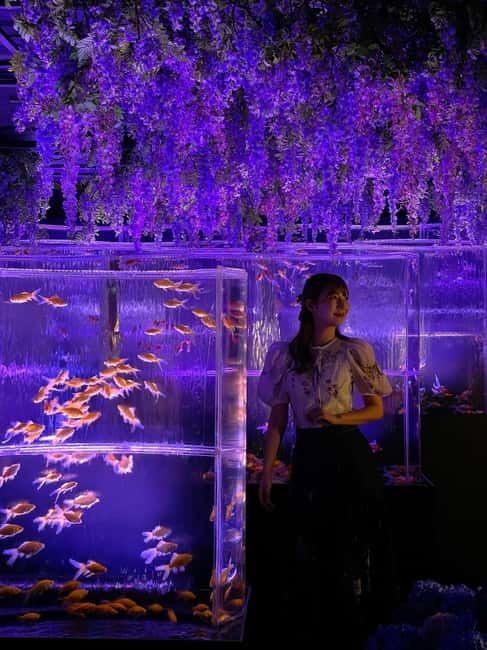
Goldfish turn into light art in Ginza. The Art Aquarium Museum GINZA is a small-but-special indoor show where light, music, and scent shape how you watch goldfish, taking an Edo-period tradition and presenting it like modern art. It’s set in the heart of Ginza, so it fits neatly into a day of shopping, food, and galleries.
I especially love the goldfish displays and the lighting that makes even simple-looking fish feel like part of a design. I also like that the exhibits include English goldfish information, so you’re not just looking, you’re learning while you shoot photos.
One consideration: the museum is compact, and your visit is estimated at about 1 hour. If you want a long, slow, wandering experience with lots of extra time, you’ll likely want something planned right after.
Key highlights before you go
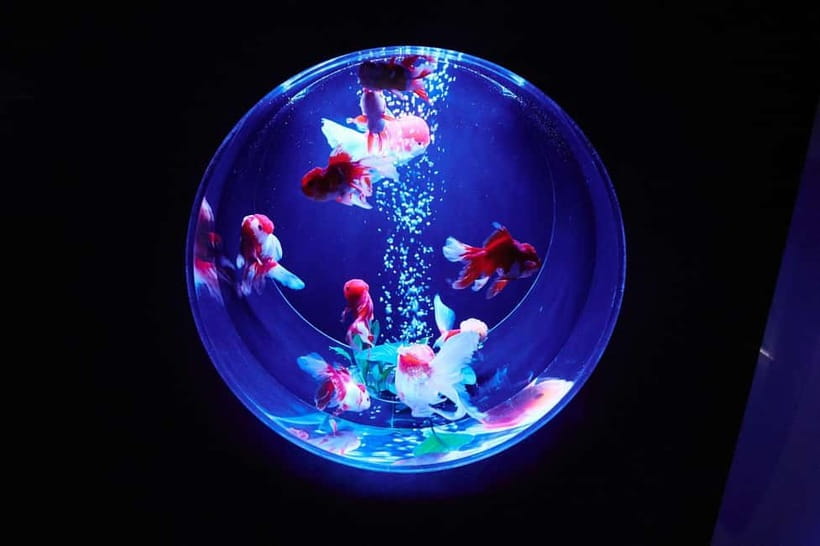
- Light, music, and scent combine into an art-aquarium atmosphere, not a typical tank-and-brochure layout
- Photo-friendly lighting helps you get strong shots, as long as you follow the no-tripod rules
- Edo-period goldfish appreciation reimagined with modern spatial design, so it feels more like an installation than a zoo
- Seasonal changes at a permanent venue mean it can feel different across visits
- English support helps you understand what you’re seeing, especially around goldfish traits
Ginza Mitsukoshi is the shortcut to finding it
The fastest way to picture this museum is as an art stop inside a major department store. You’ll enter at Ginza Mitsukoshi, and the reception for admission and same-day tickets is on the 9th floor of the new building. That sounds like a minor detail, but in Ginza, it saves you stress because you’re not hunting for a standalone venue.
Getting there is straightforward. From Tokyo Metro, you can use Ginza Line, Marunouchi Line, or Hibiya Line and exit at A7 from Ginza Station. If you’re coming from the Yurakucho Line, it’s about a 5-minute walk from Ginza 1-chome Station (Exit 9). From Higashi Ginza Station, there’s a short underground passage connection via the Toei Asakusa Line and Tokyo Metro Hibiya Line.
You don’t need a complicated plan. Just pick the station you’re already near, follow the signs for Ginza Mitsukoshi, and then target the 9th floor.
A few more Tokyo days worth comparing
- Tokyo: teamLab Planets TOKYO Digital Art Museum Entry Ticket
★ 4.6 · 9,779 reviews - Tokyo: Samurai Ninja Museum Guided tour and Experience
★ 4.6 · 1,010 reviews - Ninja Experience (Family Friendly) at Samurai Ninja Museum TOKYO
★ 5.0 · 441 reviews
Tickets, timing, and how long to plan for
This is a 1-day entry ticket with valid use on the day you choose, and you check availability to see starting times. The estimated viewing time is about 1 hour. In practice, that means you can treat it as a focused add-on, not a whole-day mission.
It’s also non-refundable, so only book once you’re confident your schedule is real. If your Tokyo day is fluid because of rain or a last-minute food line, I’d still book a time you can protect.
Families get a helpful perk. Up to two children under elementary school age can enter free with one adult. If you’re traveling with kids, this can make the price feel much less painful for the whole group.
What the Art Aquarium Museum GINZA actually feels like
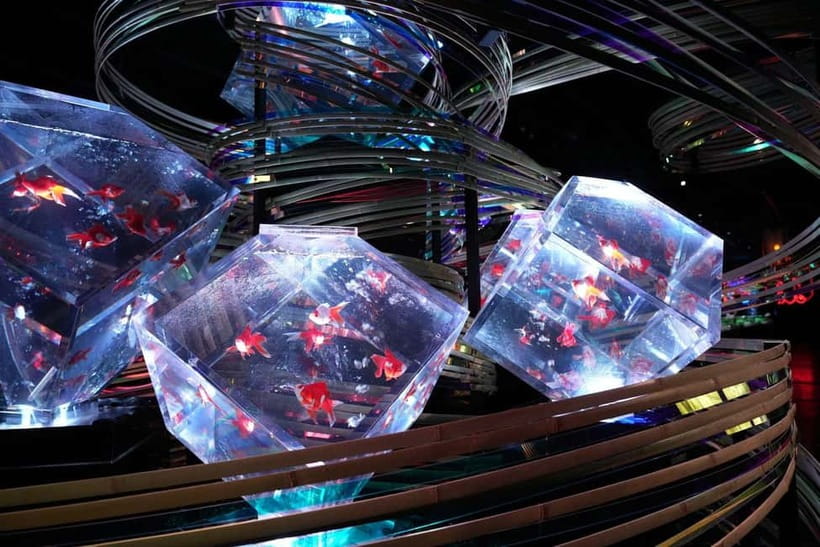
The museum is built around one idea: goldfish viewing as art. Instead of a museum where you read panels first and then look second, the experience pushes you to watch how the setting changes the mood of the fish.
You’ll encounter a sequence of aquarium displays where light, music, and scent are part of the show. One review highlights tranquil background music, and another mentions aromatherapy-like scent. That’s a clue to what kind of experience this is. You’re not meant to sprint. You’re meant to pause and notice how the environment shifts what you perceive.
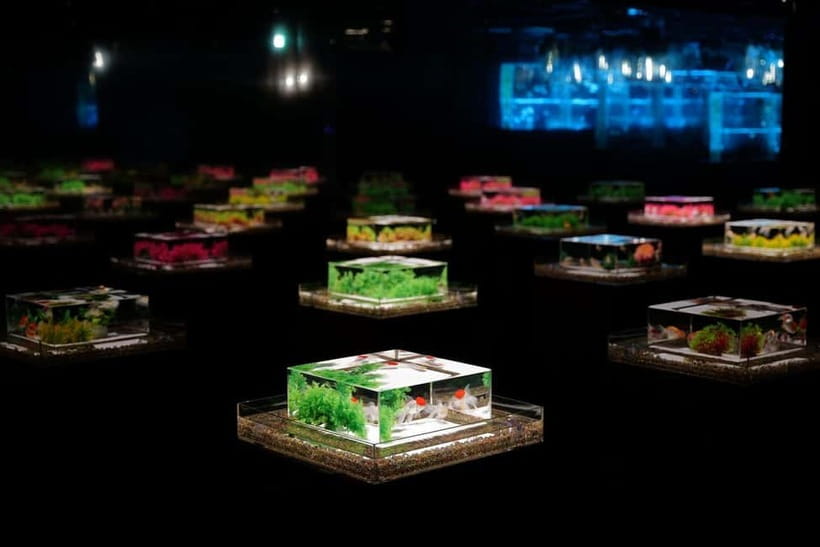
Goldfish are the star, but the staging matters. The exhibits use unique spatial presentations, so it’s not just a straight line of tanks. You’ll likely feel like you’re moving through rooms where the fish are placed in scenes, not just containers.
A small note for your expectations: this is compact. Even reviewers who loved it described timeframes like around 30 minutes to an hour depending on pace and how many photos you stop for. So go with the mindset of a focused installation, not a sprawling aquarium complex.
Goldfish displays with lighting made for cameras
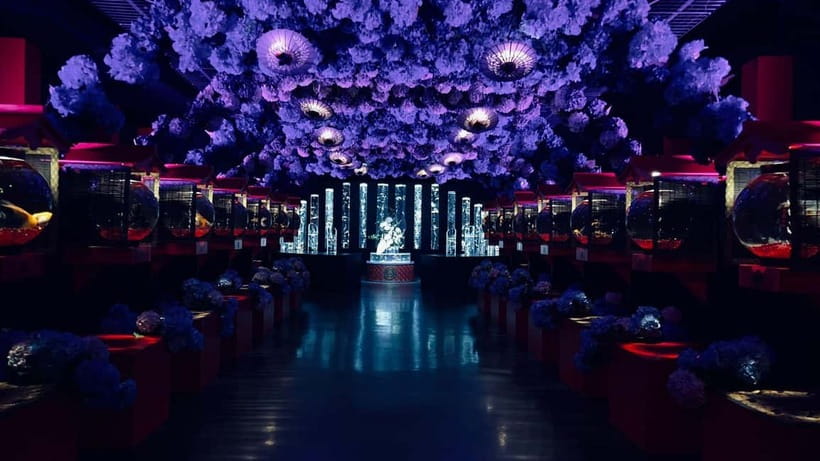
I love when a museum respects photography without turning into a free-for-all, and this one mostly does that. Reviews repeatedly call out the exhibits as beautiful and camera-friendly. The lighting is a big part of it. It makes the colors feel intentional, and it helps you get shots without having to guess where the best angle is.
But there are clear rules to keep things from getting chaotic:
- Tripods, monopods, and similar equipment aren’t allowed.
- Strobes and other lighting equipment aren’t permitted.
So if you have a phone, a compact camera, or even a larger camera, you’re in business. Just plan to shoot handheld. The tradeoff is that you’ll need patience when other people line up for the same photo moment. The good news is that the museum has a reputation for not being overly crowded at many times, including midweek mornings.
If you’re serious about photos, here’s how to make it work without breaking rules:
- Use burst mode lightly or quick shutter bursts to catch swimming patterns.
- Watch for reflections in glass and tilt slightly rather than pounding the shutter.
- Wait for a pause in people flow, then take your sequence fast and move on.
Your goal is to capture the moment without turning the exhibit into your personal photo studio.
Same corner of Japan, a different kind of day:
- Mt Fuji and Hakone 1-Day Bus Tour Return by Bullet Train
★ 5.0 · 26,383 reviews - 1-Day Tokyo Bus Tour
★ 5.0 · 14,250 reviews - Tokyo: TOKYO SKYTREE® Admission ticket
★ 4.5 · 11,192 reviews - Mt Fuji & Hakone Cruise, Drum Show Bullet Train 1 Day from Tokyo
★ 4.0 · 7,413 reviews
The Edo-period connection, explained through design
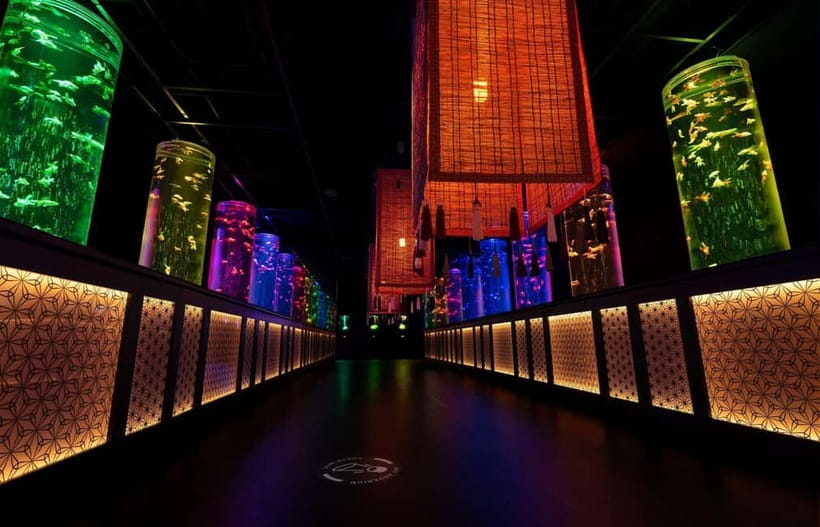
This museum reimagines Edo-period goldfish appreciation for a modern audience. You’ll probably notice the curatorial approach right away: the goldfish aren’t treated only as animals. They’re treated as part of a designed viewing culture.
Why that matters for you is simple. Edo goldfish appreciation wasn’t about checking a tank list. It was about observing form, color, and movement in a way that feels aesthetic. By presenting that idea through modern light and space, the museum helps you understand the tradition without drowning you in lectures.
You’re also getting practical interpretation. One review mentions English information about the goldfish, which is perfect if you want to know what you’re seeing while you enjoy the mood.
Scent and music: the “extra senses” part
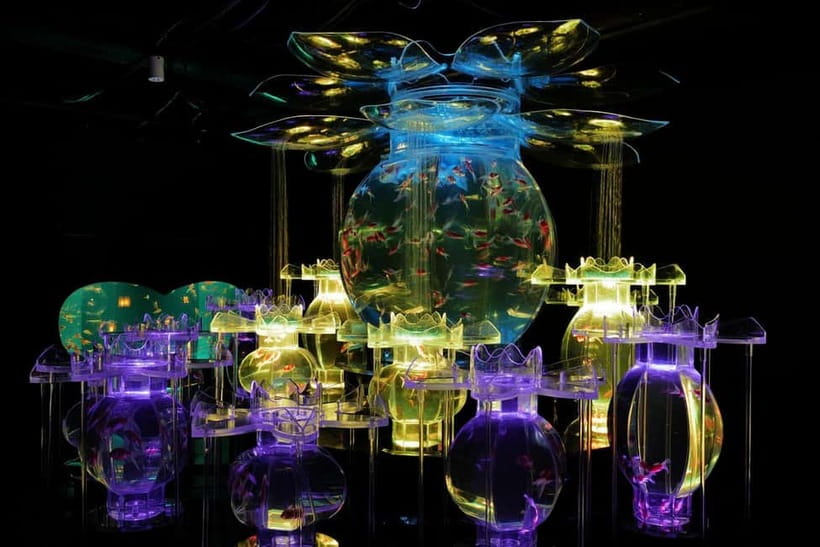
Not every museum plays with smell and sound in a thoughtful way. Here, that’s one of the main selling points. The museum uses music as part of the experience, and at least one review specifically calls out aromatherapy-like scent.
What I like about this approach is that it changes your attention. If you’ve ever been in a quiet museum with boring acoustics, you know how much ambiance shapes memory. Here, the soundtrack helps you slow down. The scent adds another layer that makes the rooms feel like more than just a set of tanks.
Is it for everyone? If you are sensitive to fragrances or prefer silence, this might not be your favorite. But if you like sensory art installations and calm background soundscapes, it’s one of the most distinctive parts of the visit.
Seasonal changes: why it can feel new on a second trip
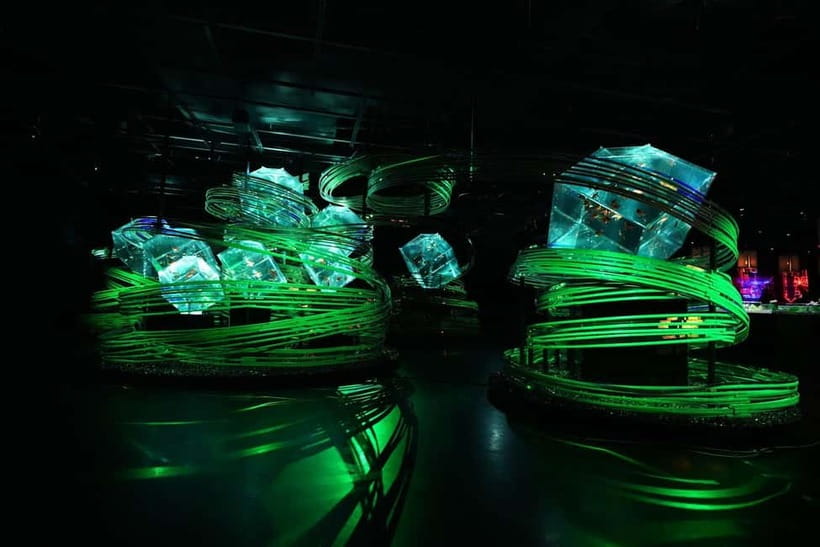
A museum that changes with seasons is more valuable than one-and-done content. This one is a permanent venue and offers seasonal changes throughout the year. That means the exhibits can evolve, so you’re not guaranteed to see the exact same layout every time.
One review mentions returning after two years and finding that the art was more than half new. That’s not a promise, but it matches the concept of seasonal updates. So if you’re spending multiple days in Tokyo and you’re the type who enjoys seasonal art, it’s worth considering for a repeat visit.
For first-timers, seasonal changes don’t complicate things. They just mean you might see a different emphasis depending on when you go. Either way, the core concept of goldfish viewing as light, sound, and scent art stays consistent.
Location reality check: Ginza means easy logistics
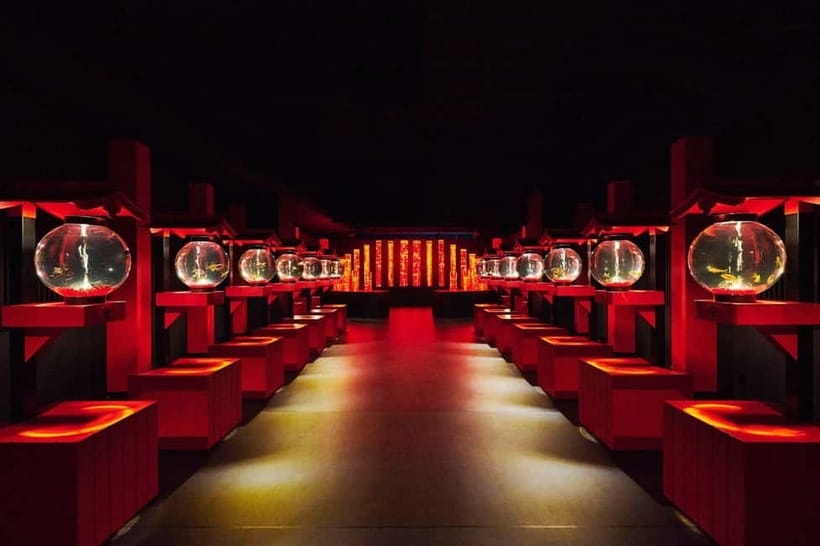
The museum’s Ginza address is a big part of its value. You’re not taking a long train to a remote site. You’re within walking, subway, and department-store convenience. One review points out how easy it was to find because it’s inside a department store.
That matters because Tokyo days move fast. If your goal is to cover major neighborhoods, Ginza can eat time. This museum helps you use that time well, since it’s quick, photogenic, and indoors.
If you feel like the area around it is light on activities, that’s a valid consideration. One review said it felt more out of the way than expected and didn’t feel like there was much else to do nearby. My take: treat it as a stop inside a larger Ginza plan. Pair it with a meal, a dessert, or a nearby gallery so you never feel stuck after.
Gift store and souvenirs, because you’ll want something small
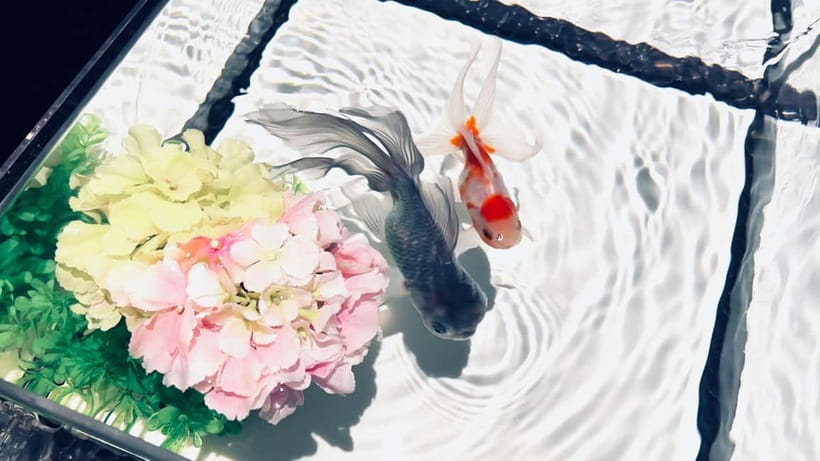
One consistent note in the reviews is the gift store. Multiple comments mention it having wonderful souvenirs. That’s useful because it means you’re not only leaving with photos, you’re leaving with something tangible that feels connected to the experience.
Department store gift shops can be hit or miss, but here it seems tied closely to the museum’s theme. If you like collecting small art-style items and aquariums-themed souvenirs, you’ll likely have an easy win.
Value and price: is $17 worth it?
At about $17 per person, the ticket price is in the realm of a mid-priced Tokyo attraction. The key question isn’t the number itself, it’s what you get for the time.
You’re getting:
- A unique presentation where goldfish are staged as art
- Light, music, and scent as part of the show
- Photography-friendly exhibits (with rules that keep things considerate)
- An expected visit time around 1 hour
For me, that makes it good value if you want something different from standard aquariums or typical museum halls. If you expected a large-scale aquarium with lots of tanks and long walking distances, this will feel too compact. But if you want a design-forward experience with strong photo appeal, the price makes sense.
Also, remember the “department store advantage.” Ease of location can be part of the value too. Fewer transfers, less time wasted, and you can squeeze it into a Ginza day without reworking your itinerary.
Who this experience is best for (and who should reconsider)
This museum fits best if you:
- Like art installations as much as animals
- Want something indoor and photo-friendly
- Enjoy seasonal experiences and returning when changes happen
- Are traveling in a day with limited time, because it’s short
It might not be ideal if:
- You dislike fragrances or sound-driven environments
- You need a long, multi-hour experience with lots of space to roam
- You expect a traditional aquarium format with extensive animal exhibits
And one gentle reality check: a review includes a concern that some fish looked maltreated. I can’t judge conditions from a description, but if you’re very sensitive about animal welfare, trust your instincts once you see the displays. You can always leave if something feels wrong to you in the moment.
Should you book the Art Aquarium Museum GINZA?
Book it if you want a Tokyo experience that’s small, art-forward, and very “camera plus calm.” The combination of light, music, and scent is what makes it memorable, and the rules around tripods and strobes keep it from turning chaotic.
Skip it, or at least reconsider, if you need a long attraction. You should plan on roughly an hour, and you’ll want a nearby plan after. And if sensory effects like scent are a problem for you, think carefully before going.
If you’re already in Ginza, I’d treat this as an easy yes. It’s a distinctive change of pace, it’s convenient to reach, and it’s the kind of place where a quick ticket can still end up being one of your more interesting stops.
FAQ
How long should I plan to spend at Art Aquarium Museum GINZA?
The estimated viewing time is about 1 hour. Some visits may feel quicker or longer depending on how much time you take for photos.
Where do I enter and buy tickets at Ginza Mitsukoshi?
Admission reception and same-day tickets are on the 9th floor of Ginza Mitsukoshi (the new building). The meeting point is listed as Ginza Mitsukoshi.
Can children enter for free?
Yes. Up to two children under elementary school age may enter free of charge with one adult.
Can I take photos inside the museum?
Photography is permitted, but you cannot use tripods, monopods, or similar equipment. Strobes and other lighting equipment are not permitted.
Is the museum offered in multiple languages?
The information provided includes English details about the goldfish, based on what’s described in reviews.
Is the ticket refundable?
No. The activity is listed as non-refundable, and cancellation follows that policy.
Fresh options around Tokyo
- Tokyo: Nikko Kegon Falls Lake Chuzenji Toshogu Temple & More★ 4.9 · 12 reviews
- Tokyo: Samurai History Walking Tour★ 5.0 · 12 reviews
- Harajuku: Kawaii Fashion and Pop-Culture Tour★ 4.7 · 12 reviews
- Tokyo: Mt. Fuji & Lake Kawaguchi Instagram Full Day Trip★ 4.1 · 12 reviews
- Shibuya Tokyo: Modern Kintsugi Workshop in Shibuya★ 5.0 · 12 reviews
- Tokyo: GTR Guided Daikoku Experience at Night★ 5.0 · 12 reviews
- Tokyo: Daikoku JDM Car Culture Tour★ 4.6 · 12 reviews
- Mt Fuji Private Day Trip from Tokyo with English speaking driver★ 5.0 · 13 reviews
Aquariums, compared.

Naha: North Okinawa Sightseeing Tour & Churaumi Aquarium
Read our review →
Okinawa: Churaumi Aquarium, Ryukyu Village & Manza Bus Tour
Read our review →

Okinawa HIP-HOP BUS B – 1 Course Tour (Okinawa Churaumi Aquarium)
Read our review →
<1Dya Tour>Churaumi Aquarium, Cape Manzamo, American Village
Read our review →
Okinawa Full Tour: Castle, Manza, Kouri, Aquarium & American
Read our review →
Okinawa Miyako Natural Aquarium! Tropical Snorkeling Tour
Read our review →Browse the lists this tour appears in