
Reviewed · SUSHI MAKING CLASSES IN TOKYO
Tokyo Professional Sushi Chef Experience
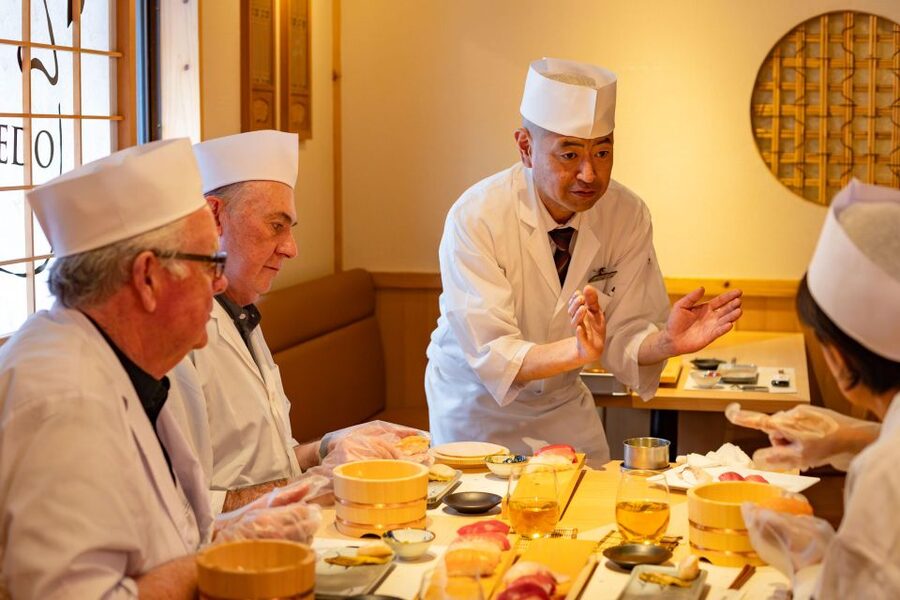
A two-hour sushi class can feel too short, but this one is built for speed and skill. You work in a real Tokyo sushi restaurant setting with an English-taught Itamae backed by 30 years of experience. I especially love learning to grate real wasabi and understand what makes it taste like wasabi, not something green from a tube.
Second, I like the hands-on structure for a small group, capped at 8 participants, so you get real feedback instead of standing at the edge. The main drawback to consider is the time limit, 2 hours goes by fast, so go in hungry and ready to focus if you want the technique to stick.
Key things that make this sushi experience special
- Real wasabi by hand, so you can smell the difference and learn how it changes when fresh
- Shari rice basics, including how to get sushi rice right for nigiri and hand rolls
- Nori and hand-rolling practice, not just tasting, so you leave with repeatable steps
- Fish prep and sushi technique demonstrations, so you understand what you are building
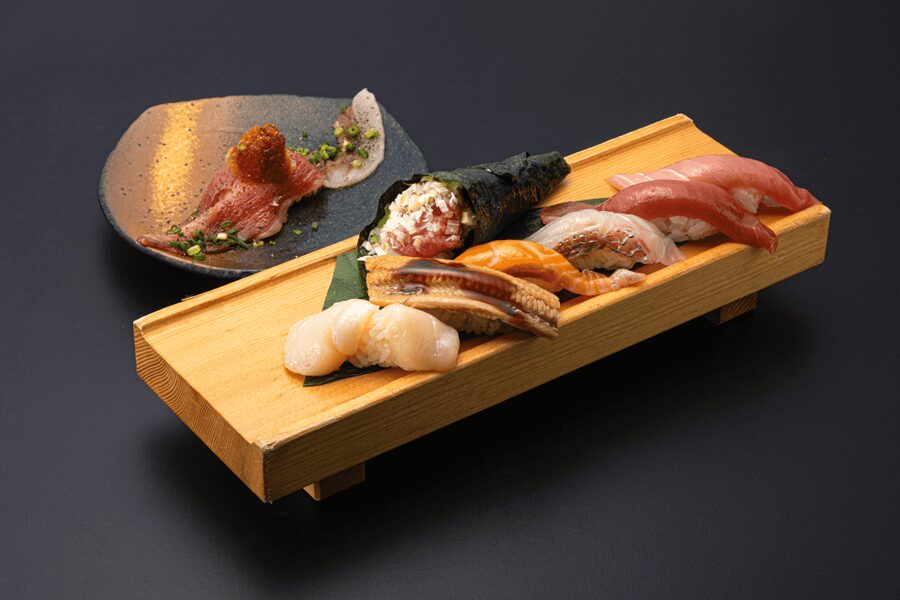
- Tasting variety like uni, negitoro, hirame, kuruma-ebi, chutoro, and akami
- Restaurant-style pacing, finished with wakame udon and a complimentary drink choice
Tokyo’s Itamae-run sushi lab, inside a working restaurant
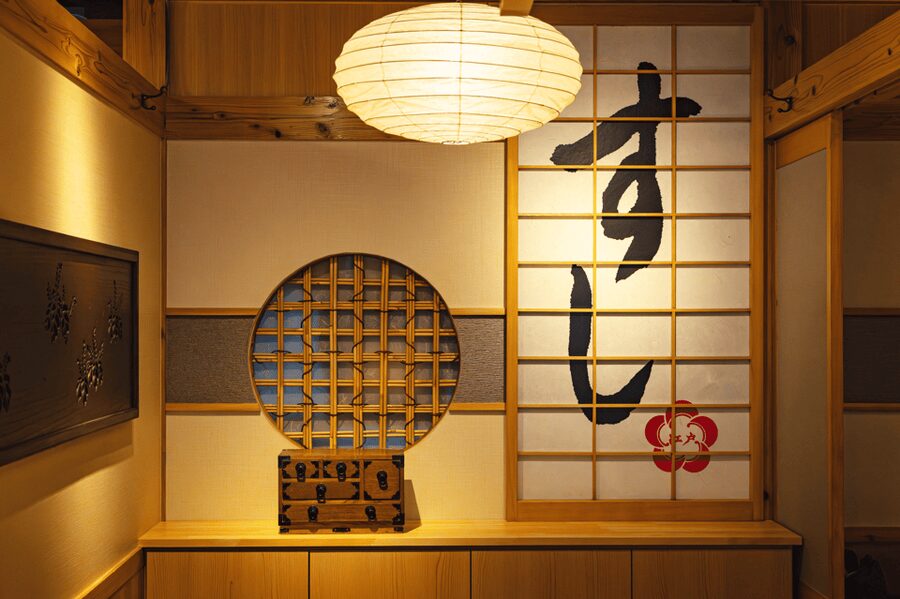
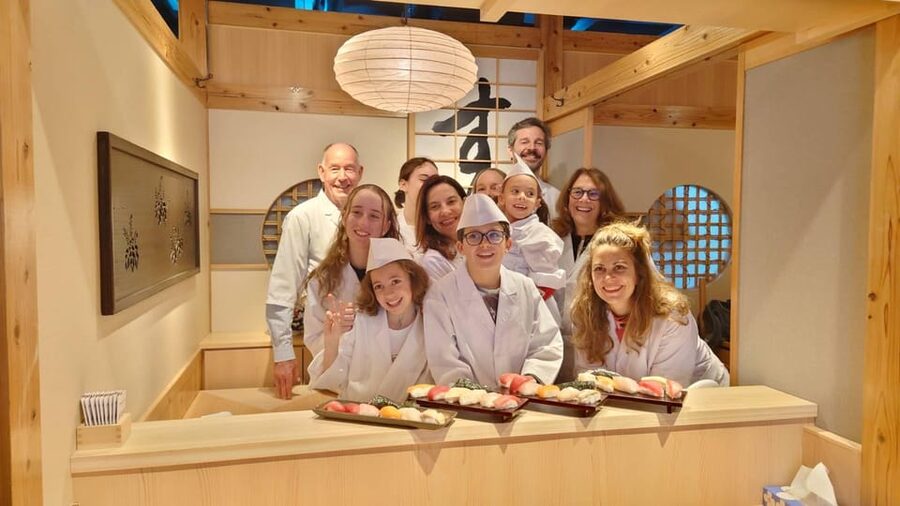
Tokyo has plenty of sushi experiences, but most fall into two buckets: watch-and-eat or make-and-try in a classroom. This one aims for the sweet spot between both, because you learn in an actual restaurant environment. That matters. The lighting, the counter height, the ingredient flow, even the way tools are set out all push you to behave like you are working with professionals, not just performing a food craft for a photo.
The chef leading you is an Itamae with 30 years of experience. In plain terms, that is what you want for this kind of class. Sushi technique is subtle. If someone only teaches the surface, you miss the small things that make nigiri hold together and taste balanced. Here, the focus stays on essential steps you can actually repeat at home.
You also get English instruction with interpretation support. That is a big deal for food classes in Japan. Sushi has specific terms and texture cues, so you want a guide who can translate the intent, not just the recipe.
More Sushi Making Classes in Tokyo
- Sushi Making Tokyo Roll and Authentic Japanese Sushi Class
★ 5.0 · 3,971 reviews - Tokyo: Roll and Authentic Sushi Making Class in Asakusa
★ 4.9 · 1,957 reviews - Make Sushi and Create Unforgettable Memories in Tokyo
★ 5.0 · 1,413 reviews
What you learn in 2 hours: wasabi, shari, nori, and nigiri
This class is tightly focused on core skills. You are not just assembling sushi. You are learning how each component behaves.
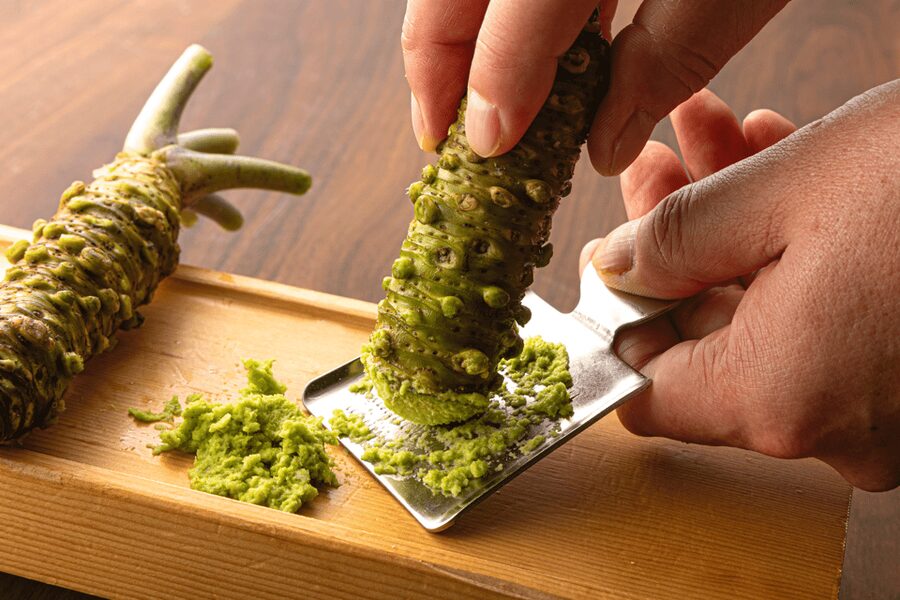
Start with freshly grated wasabi. Wasabi is one of those ingredients people think they already understand until they smell and taste it made fresh. Freshly grated wasabi changes fast, and the flavor is sharper and more aromatic than most people expect. In class, you also get to experience how it is used in a sushi context, not as a random side dip.
Next comes sushi rice, called shari in Japanese culinary talk. The course highlights the secrets of making perfect shari. Sushi rice is not just cooked rice. It is seasoned and handled so it stays glossy, firm enough to shape, and pleasant to eat alongside fish. If your rice is off, your whole nigiri balance suffers.
You then work with premium nori to make hand-rolled sushi. Nori quality shows quickly. It should feel crisp but not brittle, and it should not overpower the fish. Learning how to handle it matters too, because nori gets soggy if you wait too long or press too aggressively.
Finally, you build and shape nigiri and hand rolls with guidance. The experience also includes professional demonstrations of fish preparation and sushi techniques, which helps you connect the steps you perform with the bigger professional workflow.
The hands-on flow: aprons on, counter work, and first bites
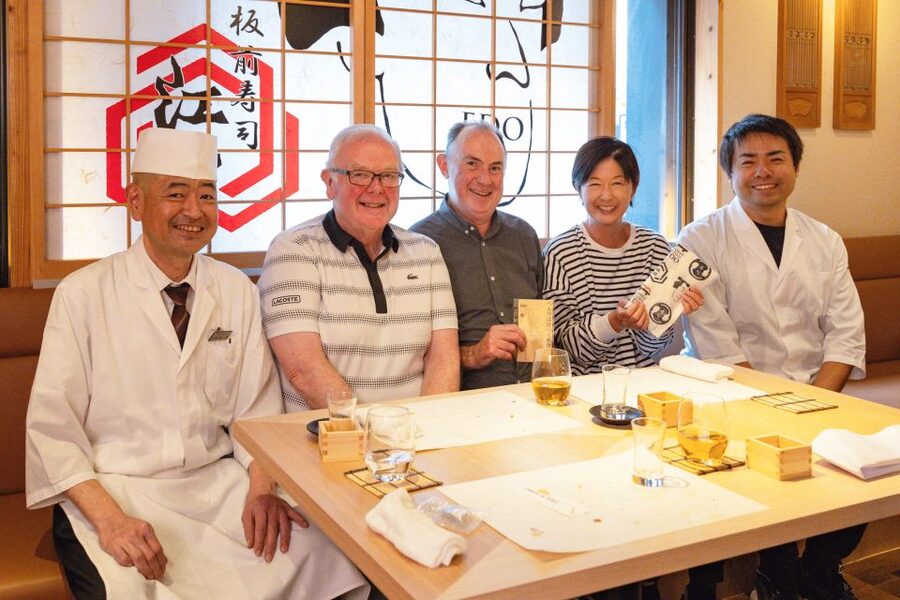
For many people, the best part of this kind of class is the moment you stop watching and start doing. The pace here is set so you can go from prep to plate without feeling lost.
You will begin with instruction in a real restaurant setting, where you can follow along at the counter. Expect the typical sequence of learning basics and then applying them immediately. This includes practical tasks like tying on an apron, grating wasabi, and working through the rice steps.
Then the session becomes more technique-forward: you watch fish preparation and sushi technique demonstrations, and then you produce your own pieces. That is the key. Sushi training works best when you see an expert motion, then try the same motion with coaching.
A highlight is that you do not only make sushi, you also taste what you create. The course includes tasting multiple fish varieties such as uni, negitoro, hirame, kuruma-ebi, chutoro, and akami. Tasting is not just eating. It is how you learn the flavor differences between fat, sweetness, firmness, and texture.
You also finish with a special meal component: wakame udon. That gives you a calmer, comforting contrast to the concentrated flavors of sushi, and it also helps you pace the meal so you do not leave stuffed in an uncomfortable way.
Uni, negitoro, hirame, kuruma-ebi, akami, and chutoro: what to notice
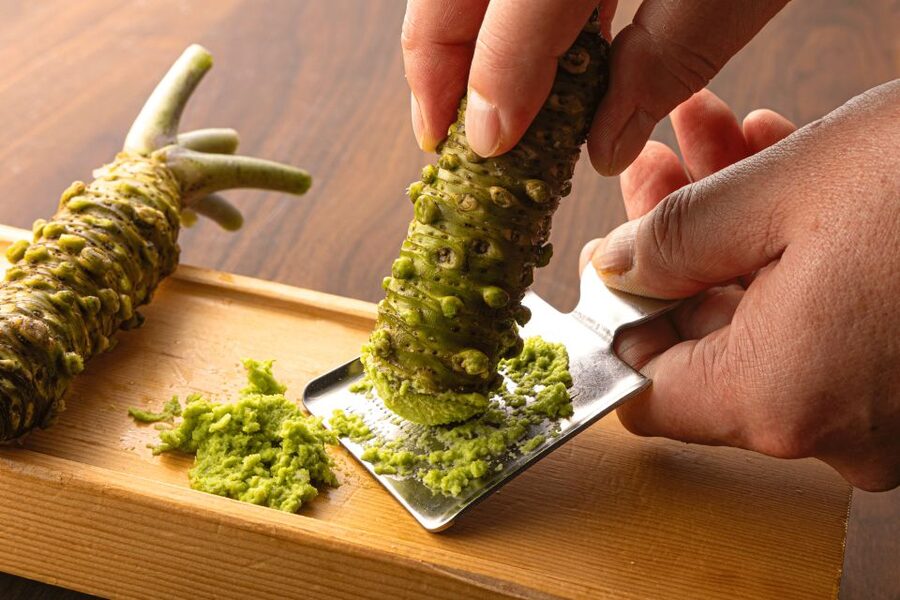
The class includes tasting a spread of sushi types, which is great because each one teaches you something different. When you are learning technique, tasting is what tells you whether you succeeded.
Here is a simple way to approach it while you eat:
- Uni: Pay attention to creaminess and how quickly the flavor spreads across your palate. This is where rice seasoning and temperature feel important.
- Negitoro: This typically pairs tuna with scallion notes. You are tasting how freshness and fat interact with a green bite.
- Hirame: A plaice style fish, generally gentler and clean. This is where texture becomes your compass.
- Kuruma-ebi: Shrimp. Notice sweetness and springiness. It also helps you understand why slicing and handling fish matters.
- Chutoro and akami: These let you compare fatty tuna against lean tuna. Chutoro leans richer, akami tends to feel brighter and more direct.
You are not asked to become a tuna expert in two hours. But you will leave with a much clearer mental map of how sushi pieces can taste different even when they look similar. That mental map is what lets you order better sushi later, at home or in Japan.
Same corner of Japan, a different kind of day:
- Mt Fuji and Hakone 1-Day Bus Tour Return by Bullet Train
★ 5.0 · 26,383 reviews - 1-Day Tokyo Bus Tour
★ 5.0 · 14,250 reviews - Tokyo: TOKYO SKYTREE® Admission ticket
★ 4.5 · 11,192 reviews - Tokyo: teamLab Planets TOKYO Digital Art Museum Entry Ticket
★ 4.6 · 9,779 reviews
Ingredients and tools: why this feels more professional than a cookbook class
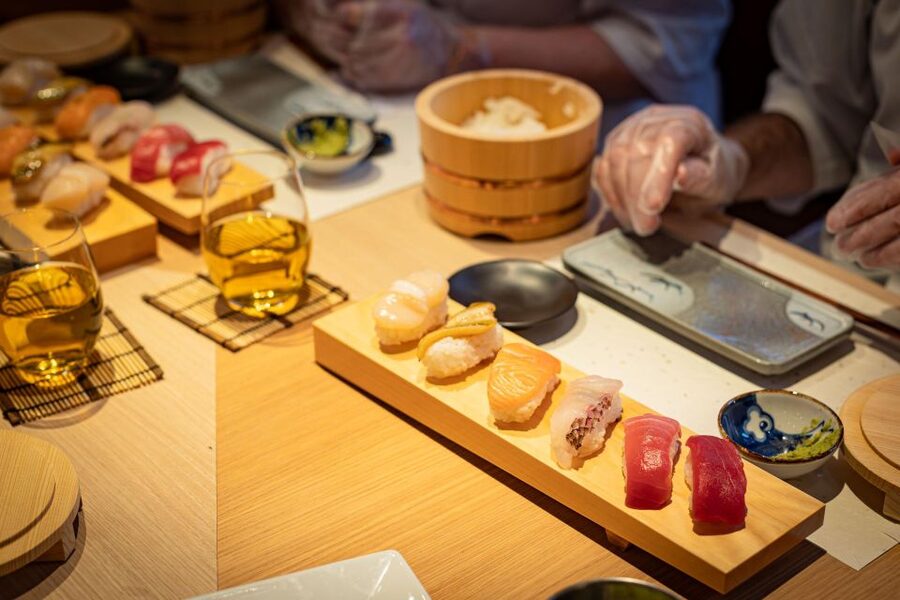
The “Included” list matters here: tuition, food, tools, and equipment are provided. In a sushi class, that is the difference between learning technique and learning how to operate someone else’s kitchen gadgets.
You work with premium nori and real ingredients for tasting. You also experience fish preparation demonstrations, which is a major piece of context. Sushi technique is not only shaping rice and fish. It is also how fish is handled before it ever reaches your plate.
Also, you get a premium wasabi experience because the wasabi is real and grated fresh. That removes one of the most common “tour class” shortcuts, where wasabi is either missing or swapped for something mild and convenient.
Then you wrap up with food beyond just sushi, including wakame udon and a complimentary drink option such as beer, sake, cola, or green tea. That is a practical bonus. It turns the class into an actual meal experience, not only a snack workshop.
Vegetarian and allergy-friendly options that still feel like sushi class
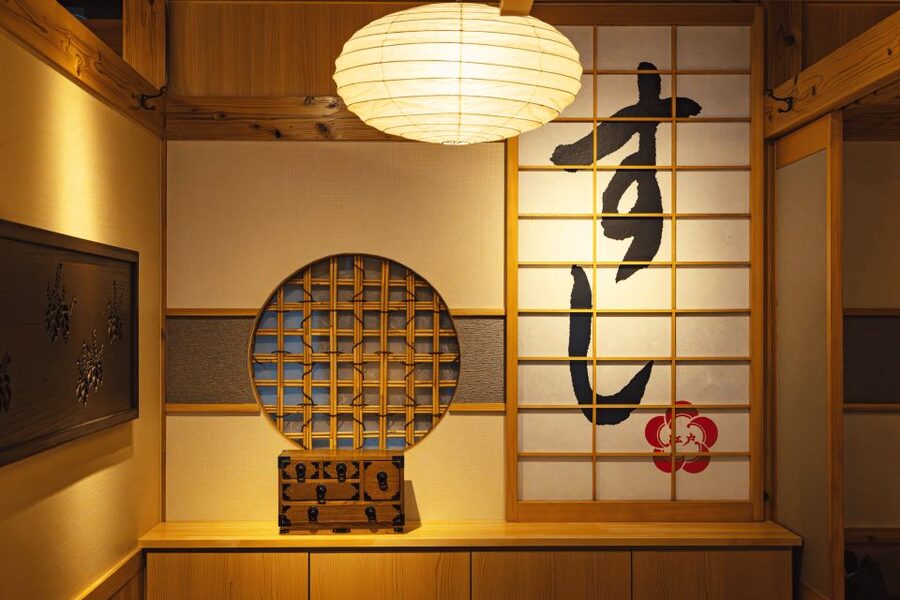
Sushi gets complicated for people with dietary limits, mostly because fish is the default. This experience specifically notes vegetarian and allergy-friendly options.
That matters for two reasons. First, it means you will not sit out while others do the fish pieces. Second, it signals that the class has a plan for substitutions that still let you practice the core techniques: rice, shaping, nori handling, and flavor balancing.
I would treat the vegetarian or allergy-friendly options as a different menu choice within the same technique-focused lesson. You are still learning the fundamentals of shari and hand-rolling, which are the skills you want to take home.
If you have strong allergies, it is smart to communicate them in advance. The class is designed to be accessible, but clear details help the chef keep your experience smooth.
English instruction, small group size, and how you get feedback
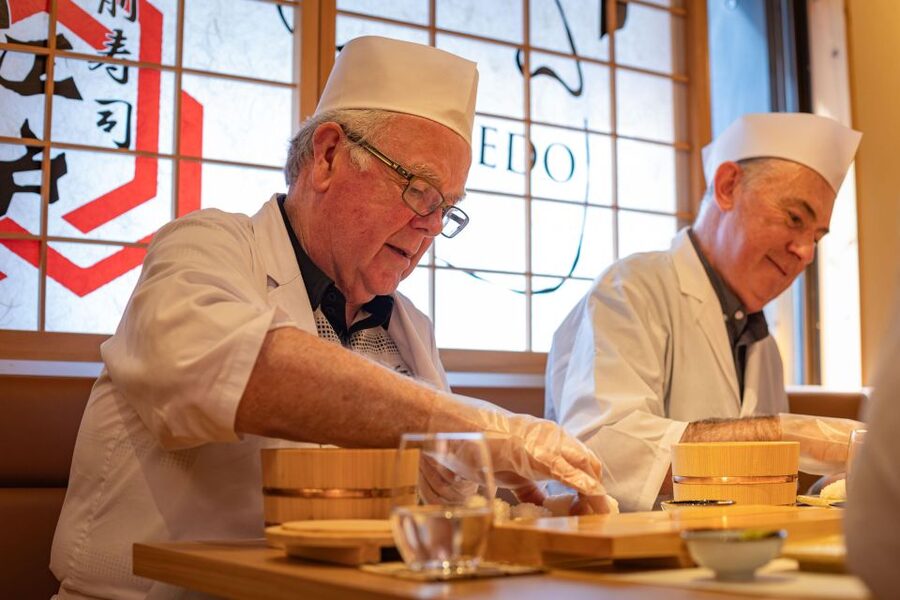
With small groups limited to 8 participants, this experience avoids the most frustrating format of sushi classes, where you watch, make one piece, and then wait. In a class this short, feedback is everything.
You also get English instruction, plus interpretation support. Sushi technique is hands-on, and a translator who can explain what to feel and why you are shaping a certain way makes the learning faster. When the chef can point out what looks off in your rice handling or the way you place fish, you improve immediately.
The atmosphere matters too. Based on the tone of typical feedback for this kind of lesson, people tend to appreciate patience. Sushi rice and nigiri shaping is not intuitive at first. You need a teacher who will let you try again without rushing you.
Price and value: what $161 buys you in Tokyo
At $161 per person, this is not a bargain-class price. It is, however, the kind of cost that starts to make sense when you look at what is included and how much “real chef time” you are getting.
You are paying for:
- A true Itamae-led lesson with interpretation support
- Tools and equipment provided
- Food included, including sushi and wakame udon
- A complimentary drink choice
- Ingredient access you would not realistically replicate at home in the same way, especially fresh wasabi and the variety of fish for tasting
In Tokyo, sushi ingredients and professional instruction do not come cheap. The value here is not only what you eat, it is the technique transfer. Two hours is short, but if the class helps you actually learn steps like rice seasoning, nori handling, and correct nigiri shaping, you can turn this into repeat experiences later.
My practical take: this is a strong value choice if you are the type of traveler who likes doing skills, not only touring sights, and if you want a restaurant-style lesson rather than a generic cooking workshop.
Practical details that affect your experience
A few rules and setup notes can make or break your comfort in a restaurant-based class.
You cannot smoke indoors, and strong fragrances are not allowed. If you are sensitive to scents, this is a small but meaningful comfort point.
Not suitable for children under 10 is important, even though elementary school students and up are allowed. That means the lesson is designed for participants who can follow instructions and focus on technique.
The meeting point may vary depending on the option booked. Keep that in mind so you do not arrive late or confused. Also expect that the class duration is 2 hours, so plan your day around that block.
Who should book this sushi chef experience
This is a great fit if:
- You want a hands-on class with real Tokyo restaurant energy
- You care about technique, especially shari rice, wasabi, and sushi shaping
- You want to taste multiple fish types you might not choose on your own at first
- You can benefit from English instruction and small group coaching
It may be less ideal if:
- You are looking for a long, sightseeing-heavy day rather than a focused skill session
- You need a highly flexible schedule, because this is a timed 2-hour experience
- You expect a purely casual demo with no active work on your part
Should you book it?
I would book this if your goal for Tokyo is to leave with something you can actually use, not just photos and memories. The strongest reason to say yes is the combination of an Itamae approach, small group coaching, and core skills like fresh wasabi, shari rice, and nori-based hand rolls. Add in the tasting variety and the meal finish with wakame udon and a drink, and it becomes a complete, satisfying experience for the price.
If you hate structured activities or you are not comfortable participating in making the food yourself, look for a more passive tasting format instead. But if you want to learn, taste, and come away with confidence, this is a solid call.
FAQ
How long is the Tokyo Professional Sushi Chef Experience?
It runs for 2 hours.
How many people are in the group?
It is a small group limited to 8 participants.
Is there an English instructor?
Yes, the instructor is English, with interpretation support.
What sushi skills will I practice?
You will learn authentic sushi techniques such as making sushi rice (shari), grating fresh wasabi, preparing hand-rolled sushi with nori, and forming nigiri with guidance.
Is there vegetarian or allergy-friendly food?
Yes. Vegetarian and allergy-friendly options are available.
What fish or sushi items are included in the tasting?
The experience includes making and tasting uni, negitoro, hirame, kuruma-ebi, chutoro, and akami sushi.
Are beverages included?
A complimentary drink is included, with options such as beer, sake, cola, or green tea. Other drinks are available separately.
Can I cancel and get a full refund?
You can cancel up to 3 days in advance for a full refund.
Fresh options around Tokyo
- Private Tour Through the Tokyo National Museum & Ukiyo-e★ 4.7 · 17 reviews
- Variety of Tokyo or Yokohama Tours Customizable and Memorable★ 5.0 · 17 reviews
- Tokyo: 2-Hour Night E-Bike Tour of the City’s Hidden Gems★ 5.0 · 17 reviews
- Private Transfer from Haneda Airport Tokyo★ 4.0 · 17 reviews
- Calligraphy Experience at Tokyo Ginza and Tsukiji Area★ 5.0 · 17 reviews
- Tokyo Private photo tour with Nightstreet Neon photographer★ 5.0 · 17 reviews
- Unlimited Local Night《ALL-Y-CAN-DRINK》Find SHIBUYA Hidden gems!★ 5.0 · 17 reviews
- Tokyo: Samurai Adventure! Authentic Sword Action Experience★ 5.0 · 17 reviews
Sushi Making Classes in Tokyo, compared.
Sushi Making Tokyo Roll and Authentic Japanese Sushi Class
Read our review →
Roll and Authentic Sushi Making Class in Asakusa
Read our review →
Make Sushi and Create Unforgettable Memories in Tokyo
Read our review →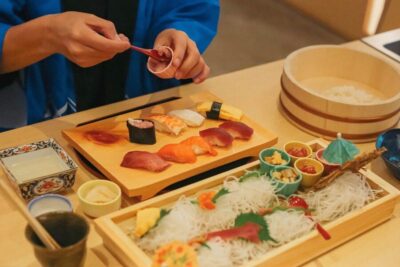
Sushi Making Class in a Happi Coat near a Famous Spot
Read our review →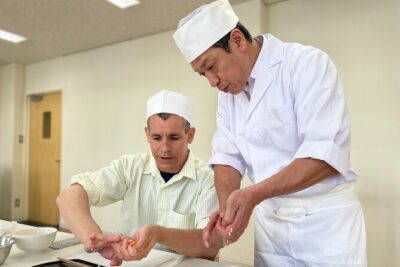
Tokyo Sushi Making Class in Tsukiji with Professional Chef
Read our review →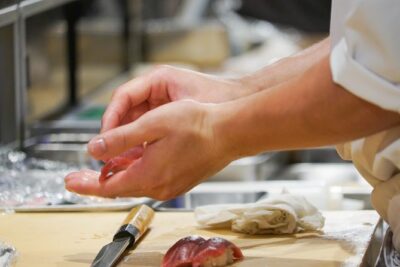
Tokyo Night Foodie Tour in Shinjuku – Seasonal Sushi, Wagyu Beef
Read our review →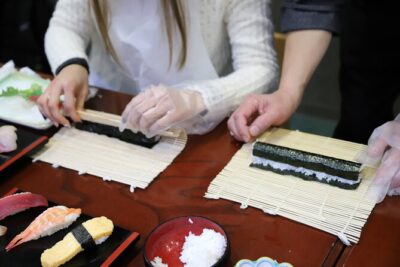
Tsukiji Fish Market Guided Tour and Sushi Making with Pro Chef
Read our review →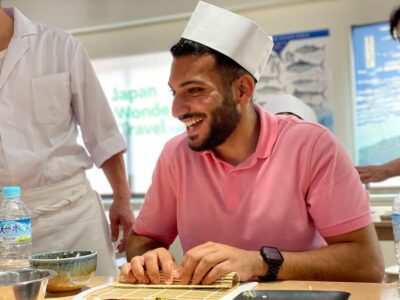
Tsukiji Fish Market Sushi Making Class with Pro Chef
Read our review →Browse the lists this tour appears in