Reviewed · TOKYO TOURS
Tokyo: Imperial Palace East Gardens and Tokyo Station Tour
A castle story ends at Tokyo Station. This guided walk stitches together imperial grounds, Edo-era clues, and modern Marunouchi in about 2.5 hours. You start where the moat-and-garden calm still feels real, then work your way toward one of Tokyo’s most recognizable stations.
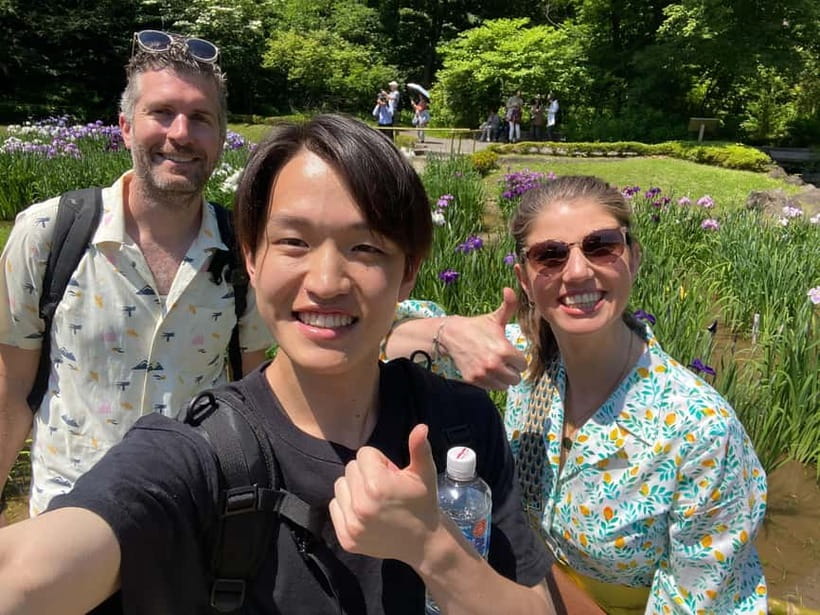
I really like two things here: Yuki’s storytelling and the route’s built-in “then and now” contrasts. She explains the Edo Castle ruins and palace-era details in a way that’s easy to follow, with humor that helps you picture what this area looked like centuries ago.
One consideration: it’s a moderate walk with plenty of outdoor time, so you’ll want comfortable shoes and a weather plan. If you’re sensitive to sun or cold, bring what you need because you will spend real stretches on your feet.
Key Things To Look Forward To
- Yuki’s clear, funny explanations that help the area click fast, including Edo-period details
- Nijubashi Bridge viewpoint time while you connect the palace grounds to Japan’s imperial story
- Hands-on landmark stops like Ote-mon Gate and the Hyakunin Bansho Guardhouse
- Edo Castle context you can see, including a scale model of the main keep and ruin locations
- Marunouchi architecture and art walking right after the traditional palace setting
- A satisfying finish at Tokyo Station, where restoration makes the red-brick exterior feel fresh
Meeting Point Mood: Starbucks by the Imperial Outer Garden
Your tour starts at スターバックス コーヒー 皇居外苑 和田倉噴水公園店, a practical pick because it’s easy to locate and you can get a coffee before the walking begins. Even if you’re not a coffee person, I like this start because it gets you near the garden precinct quickly, without wasting time on transit or confusion.
From there, the day shifts from city noise to the palace area’s calmer rhythm. You’re not just seeing buildings, you’re learning how the grounds were arranged, and why that matters to how power and protection used to work in Tokyo.
The pacing is a “walk, stop, understand” style. You’ll get guided time inside the Imperial Palace East Gardens, then keep going through other districts with direction that turns sightseeing into a story you can track.
A few more Tokyo days worth comparing
- Mt Fuji and Hakone 1-Day Bus Tour Return by Bullet Train
★ 5.0 · 26,383 reviews - 1-Day Tokyo Bus Tour
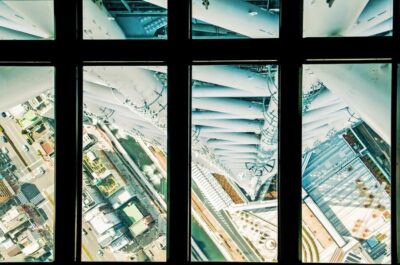
★ 5.0 · 14,250 reviews - Tokyo: TOKYO SKYTREE® Admission ticket
★ 4.5 · 11,192 reviews
Imperial Palace East Gardens: Moats, Garden Design, and Edo Castle Clues
The heart of the tour is the Imperial Palace East Gardens. This is the part where you start noticing how much structure is built into the landscape, even when it looks naturally peaceful. Expect moats, designed paths, and sightlines that feel intentional rather than random.
What I love is how the route gives you both the modern palace setting and the older Edo Castle context. You don’t have to be a scholar to follow it, because the guide ties what you’re seeing to what used to be here. That includes ruin locations and watchtower references, not just generic background.
Inside the gardens, you’ll spend around 30 minutes on a guided walkthrough. That’s long enough to notice details like how sections feel different from one another, but short enough that you don’t end up exhausted before the tour’s best city contrast.
And yes, there’s an important value point: entry to the Imperial Palace East Gardens is included, and the tour notes that no admission fee is required for you for this stop. For $38, that matters, because admission fees in central Tokyo add up fast.
Ote-mon Gate, Hyakunin Bansho Guardhouse, and the Nijubashi Moment
A standout part of this route is how it anchors the story in specific stops. You’ll visit major palace-era landmarks such as the Ote-mon Gate and the Hyakunin Bansho Guardhouse. These are the kind of sites where a good guide changes the experience, because gates and guardhouses make sense when you understand their job.
You’ll also get scenic viewing time for Nijubashi Bridge. If you’ve only seen palace images from postcards, Nijubashi is where it becomes real. It’s a strong visual marker that helps you connect the moat-and-bridge geometry to imperial symbolism and the way the grounds were managed.
This is also where Yuki’s style pays off. Based on what I picked up from her approach to other palace-area explanations, she tends to make the details feel practical, like you’re imagining daily movement and security rather than memorizing dates. The humor is part of that, but the best thing is that you can follow the logic without feeling lost.
Ninomaru Garden and the Edo-Period Setup
After the big garden entry, you’ll also visit Ninomaru Garden. This stop works well because it gives you another slice of palace-era design, not just one “main” view. It helps you see the place as a set of sections with different roles, rather than one large park.
Ninomaru also helps you connect the dots between the imperial story and the older Edo world. The tour is built to show how the palace area relates to Edo Castle, and Ninomaru is one of the places where you can feel that continuity in the layout.
If you like history that you can point to on foot, this section is a good fit. If you’re hoping for museums with indoor artifacts, you might find it more atmosphere than object-heavy, but the guided interpretation helps you get more out of what you see.
Same corner of Japan, a different kind of day:
- Tokyo: teamLab Planets TOKYO Digital Art Museum Entry Ticket
★ 4.6 · 9,779 reviews - Mt Fuji & Hakone Cruise, Drum Show Bullet Train 1 Day from Tokyo
★ 4.0 · 7,413 reviews - Tokyo: Sumo Show Experience with Chicken Hot Pot and a Photo
★ 4.8 · 6,678 reviews - Tokyo: Shinjuku Food Tour (13 Dishes at 4 Local Eateries)
★ 5.0 · 6,603 reviews
Honmaru Area and Kokyo Gaien National Garden
Next comes the Honmaru area and the surrounding Kokyo Gaien National Garden walk. This is where the tour’s “ruins and planning” angle becomes more concrete. You’ll move through areas linked to the former Edo Castle core, and your guide connects the spatial layout to power and defense.
One practical benefit of this route is that it doesn’t overload you with stops at random. The timing feels planned, so you’re not sprinting from one viewpoint to another. Instead, you’re getting small clusters of meaning, then moving onward.
You’ll also get insight into the Edo Castle ruins and the Fujimi-yagura watchtower. Those names sound like trivia until you hear why they were positioned where they were. The scale model stop reinforces this. You’ll get to view an Edo Castle main keep scale model, which is helpful if your brain needs a “bigger picture” shape before it can understand ruins.
Marunouchi on Foot: Modern Architecture and Art After the Palace Calm
Once the palace district time is done, the tour shifts gears into Marunouchi. This is Tokyo’s office-and-connection zone, and walking through it right after the gardens gives you a strong contrast.
I like how this portion feels like Tokyo’s everyday life, not a stage set for tourists. You see modern architecture and public-facing design, plus art elements encountered as you stroll. It’s a reminder that the imperial grounds you just explored sit inside a living city that keeps evolving.
The guided time in Marunouchi helps you look beyond the obvious. Instead of just thinking, big buildings, you’ll notice how the district reads visually and how it relates to the station finish you’re heading toward.
There’s also a practical timing advantage here. The transition from gardens to city streets is smooth enough that you’re not left disoriented, and it’s a good moment to reset your energy before the final stretch.
Tokyo Station Finish: Restored Red-Brick Exterior, Big-City Energy
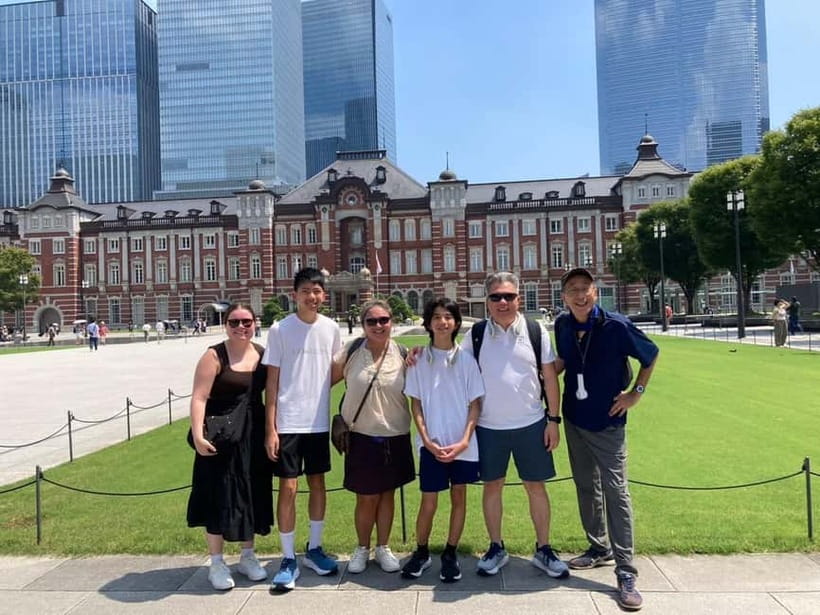
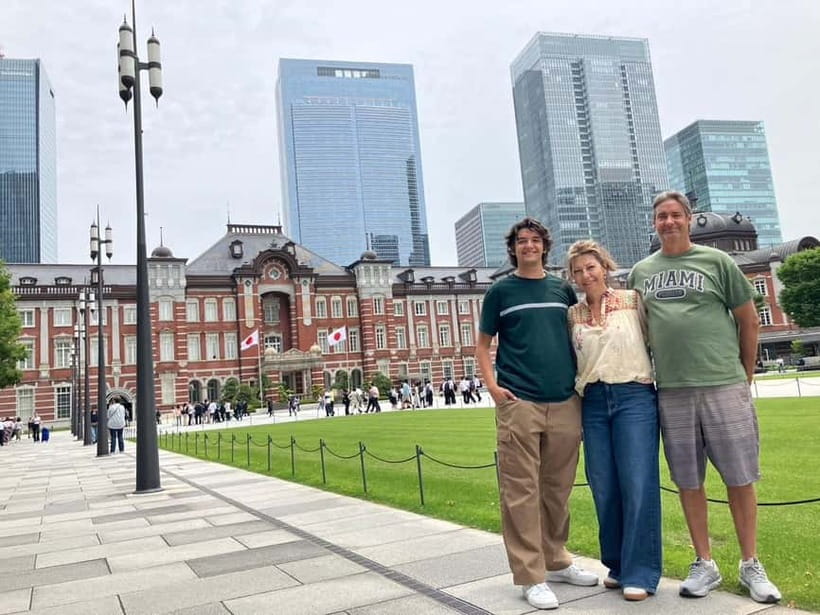
You end at Tokyo Station (東京駅) after a guided visit that focuses on the exterior and the feel of the restored building. This ending works because it turns your final “big photo spot” into a meaningful capstone.
Tokyo Station is more than a transport hub. With the red-brick look, it feels like an architectural link between eras, which pairs nicely with the day you just spent learning about how the palace area transitioned from Edo Castle into today’s imperial grounds.
If you’re thinking ahead, this is also a helpful moment to plan your next move. You’ll be placed right where trains, buses, and airport connections are easiest, so you’re not forced to reverse-engineer your route at the end of a walking-heavy morning or afternoon.
Price and Value: Why $38 Can Actually Feel Fair Here
At $38 per person for about 150 minutes, the value is mainly in three places.
First, you’re paying for a guide who can translate architecture, gates, and garden layout into something you understand quickly. With Yuki’s humor and clear structure, you’re not just walking around taking photos, you’re learning what you’re looking at.
Second, entry is not an extra headache. The tour notes entry to the Imperial Palace East Gardens is included and that no admission fee is required for you for this specific stop. When you stack that with a guided route through multiple key landmarks, the cost feels more reasonable than a “just a walk” sightseeing deal.
Third, the route includes a range of settings that you’d otherwise need multiple separate plans for. You’re mixing palace grounds, Edo Castle context, a bridge viewpoint, then the Marunouchi district, then Tokyo Station. That blend is hard to recreate efficiently on your own without spending time researching and coordinating.
What To Bring, and How To Avoid Common Friction
You’ll walk on foot for a moderate amount, and you’ll spend time outdoors. Bring comfortable shoes, water, sunscreen, a hat, and weather-appropriate clothing. Tokyo weather can be sneaky, even when the forecast looks mild.
A few rules matter for comfort and photos. Smoking isn’t allowed, and flash photography is not allowed. Backpacks aren’t allowed, so consider a small day bag you can manage easily while moving between stops.
Also, plan to be ready to listen. This is a tour where the guide’s explanations matter, so keep your phone use light when you’re at key stops like the gates and bridge viewpoint.
Who This Tour Fits Best
This is a great match if you want Japan’s imperial story with Edo-era context, and you like learning by walking. History buffs will appreciate the specific landmarks and references to Edo Castle and watchtower elements.
It also works well for culture-focused travelers who want a “then and now” day. The garden calm, then Marunouchi’s modern architecture, then Tokyo Station’s restored exterior gives you a balanced snapshot of the city’s layers.
If you’re the type who only wants indoor museums, you might feel more satisfied with a different tour. But if you enjoy outdoors-with-explanations, this one is a strong choice.
Should You Book This Tour?
Yes, if you value a guide who makes complicated place names and old layouts make sense fast. Yuki’s style, with humor and organized explanations, is a major reason people leave with the feeling that they actually understood what they saw.
I’d skip it only if you hate walking in daylight or you’re expecting a heavily museum-style itinerary. This route is more about seeing and understanding key places in context, not about sitting in galleries.
If you want a clean, efficient way to connect Imperial Palace East Gardens, Nijubashi viewpoints, Marunouchi city life, and the iconic Tokyo Station finish, this is a smart use of about 2.5 hours.
FAQ
Where does the tour start?
The starting location is スターバックス コーヒー 皇居外苑 和田倉噴水公園店.
How long is the tour?
The duration is 150 minutes.
What’s the main focus of the route?
You’ll walk from the Imperial Palace East Gardens area through key historical stops, then into Marunouchi for modern architecture and art, and end at Tokyo Station.
What are some of the landmarks included?
Key stops include Ote-mon Gate, Hyakunin Bansho Guardhouse, Ninomaru Garden, Edo Castle ruins and Fujimi-yagura watchtower, plus Honmaru and Kokyo Gaien National Garden. The tour also includes viewing an Edo Castle main keep scale model.
Is there an admission fee for the Imperial Palace East Gardens?
The tour notes that entry to the Imperial Palace East Gardens requires no admission fee required.
What language options are available for the guide?
Live guides are available in English, Japanese, Spanish, Chinese, and French.
Is the tour wheelchair accessible?
Yes, the tour is wheelchair accessible.
What should I bring for the walk?
Bring comfortable shoes, a hat, a camera, sunscreen, and water, plus weather-appropriate clothing.
What restrictions should I know about?
Smoking is not allowed, flash photography is not allowed, and backpacks are not allowed.
Is there free cancellation and a pay-later option?
Yes. Free cancellation is available up to 24 hours in advance for a full refund, and you can reserve now and pay later.
Fresh options around Tokyo
- Tokyo Shibuya and Harajuku Walking Tour With A Guide★ 4.5 · 16 reviews
- Half-Day Local Tokyo Tour in Adachi Market and Shibamata★ 5.0 · 16 reviews
- Private Kamakura Early Morning Tour (Tokyo Departure Available)★ 5.0 · 16 reviews
- Shibuya All You Can Eat & Drink Private Tour★ 5.0 · 16 reviews
- Hands On Wagyu Sushi Making Experience★ 5.0 · 16 reviews
- Asakusa Night Evening Walking Tour with English-Speaking Guide★ 5.0 · 16 reviews
- Shibuya Bar Hopping Adventure Unique and Drank Experience★ 5.0 · 16 reviews
- Kamakura Full Day Walking Tour with Local Expert Guide and Pickup★ 4.5 · 16 reviews
Tokyo Tours, compared.
Mt Fuji and Hakone 1-Day Bus Tour Return by Bullet Train
Read our review →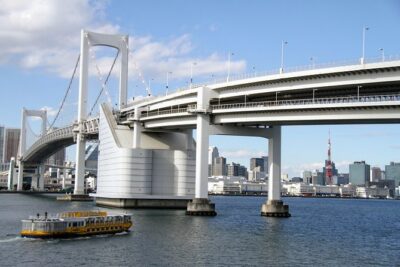

teamLab Planets TOKYO Digital Art Museum Entry Ticket
Read our review →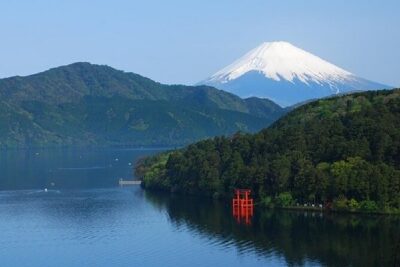
Mt Fuji & Hakone Cruise, Drum Show Bullet Train 1 Day from Tokyo
Read our review →
Sumo Show Experience with Chicken Hot Pot and a Photo
Read our review →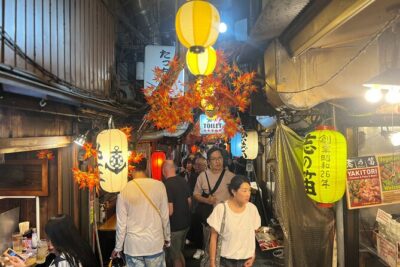
Shinjuku Food Tour (13 Dishes at 4 Local Eateries)
Read our review →