Reviewed · TOKYO TOURS
Tokyo: Calligraphy Experience with yukata or Samue
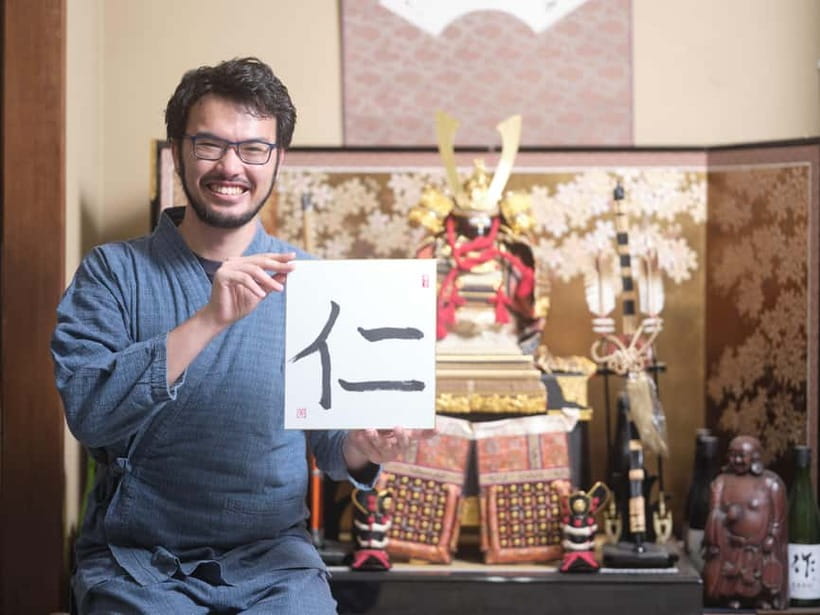
Tokyo calligraphy is quiet in the best way. You learn brush basics from a professional instructor, then make your own piece to take home. It is a hands-on cultural moment that feels grounded, not performative.
What I really like is how practical the teaching is, from controlling ink flow to getting your first clean strokes. I also like that you sip Japanese tea during a relaxed break, so the class ends as an experience, not a rushed workshop.
One drawback to plan for: ink and mess are part of the process, so you will want clothes that can get dirty.
Key things to know before you go
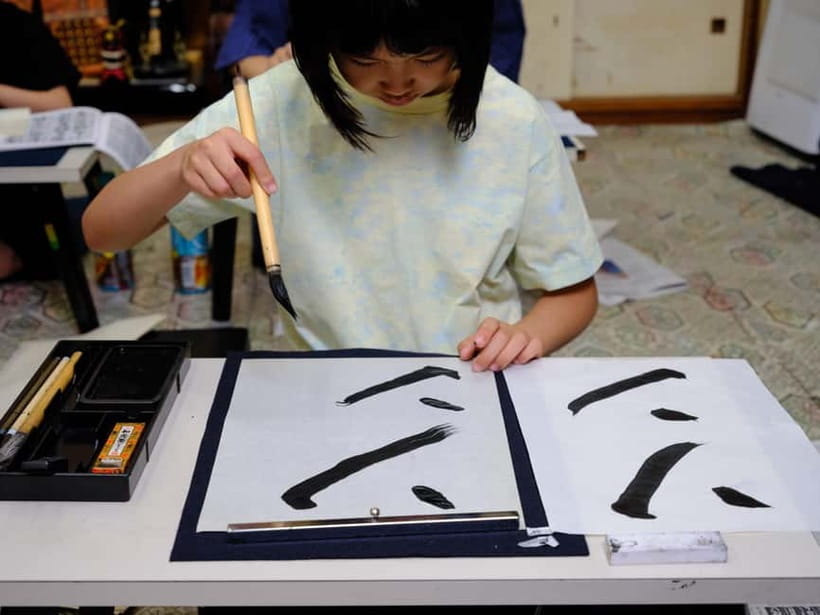
- Hands-on brush time with step-by-step guidance for your first kanji or character work
- Small group limit of 10, so questions do not get lost in the shuffle
- Yukata or Samue option, plus kimono-style dressing in many sessions
- Your finished artwork to take home, so you leave with something real you made
- Japanese tea included, often served at arrival and again during the break
A 90-Minute Calligraphy Class That Fits Real Tokyo Timing
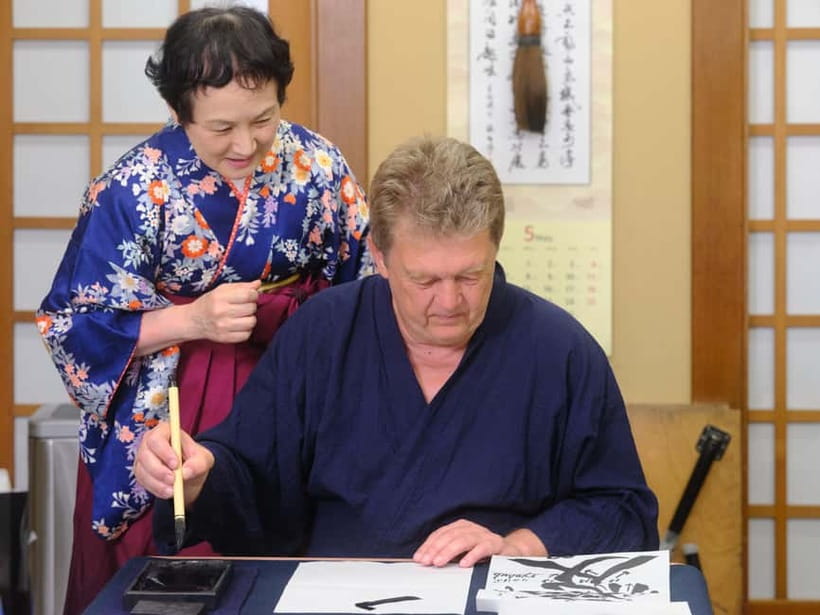
This experience is built for a short schedule, which is exactly what you want in Tokyo. Ninety minutes is enough time to learn the basics of Japanese classical calligraphy, practice with a brush, and finish with a take-home result. You are not just watching, you are doing.
You will likely start with a brief welcome, then move into learning how to hold the brush, trace guiding lines, and build control stroke by stroke. The pace stays steady. The goal is to help you create something you can be proud of, even if you have never written calligraphy before.
A few more Tokyo days worth comparing
- Mt Fuji and Hakone 1-Day Bus Tour Return by Bullet Train
★ 5.0 · 26,383 reviews - 1-Day Tokyo Bus Tour
★ 5.0 · 14,250 reviews - Tokyo: TOKYO SKYTREE® Admission ticket
★ 4.5 · 11,192 reviews
Meeting Near 海德寺, Where Local Life Is Close by
The meeting point is near a nursery, right next to 海德寺. That matters because you are not meeting in a giant tourist building with a factory vibe. The area feels more like lived-in Tokyo, which pairs nicely with an art form tied to everyday rituals.
Practical tip: plan to arrive a few minutes early. With small groups and a short class window, you do not want to be running late while everyone else is already handling brushes and ink.
Dressing in Yukata or Samue, Plus Kimono-Style Starts
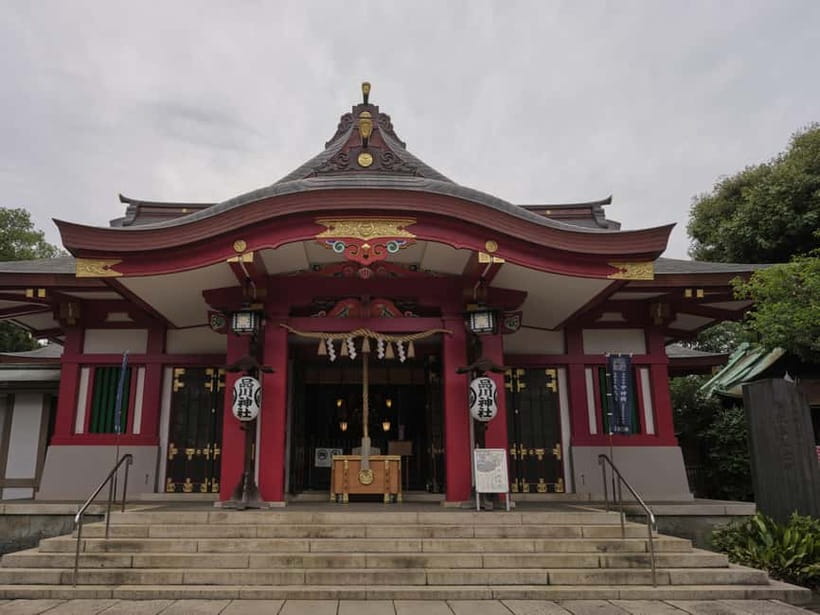
The class is designed around traditional attire, with yukata or Samue mentioned for the experience. In practice, many sessions start with getting dressed in a kimono-style outfit or Samue, and instructors and assistants help you get comfortable before you start writing.
This part is not just for photos. It helps you slow down. When you are dressed for the activity, your posture changes, your movements get more careful, and the whole session feels more deliberate. Reviews highlight that the dressing moment can be a fun reset, especially for families.
The Brush Basics: How Strokes Become Your First Kanji
The core of the class is the instruction: how to start a stroke, how to guide the brush, and how to correct when ink does not land where you expected. You learn step by step, which is important because calligraphy is less about copying perfectly and more about learning the order and pressure behind the stroke.
Expect training that includes:
- tracing lines first to learn spacing and direction
- practicing brush handling so ink comes out evenly
- writing your chosen character, often a kanji, with support as you go
In reviews, people specifically mention learning to trace lines, use the brush correctly, and write a kanji. That is a good sign of what you will experience here: clear, teachable fundamentals, not random flourishes.
Same corner of Japan, a different kind of day:
- Tokyo: teamLab Planets TOKYO Digital Art Museum Entry Ticket
★ 4.6 · 9,779 reviews - Mt Fuji & Hakone Cruise, Drum Show Bullet Train 1 Day from Tokyo
★ 4.0 · 7,413 reviews - Tokyo: Sumo Show Experience with Chicken Hot Pot and a Photo
★ 4.8 · 6,678 reviews - Tokyo: Shinjuku Food Tour (13 Dishes at 4 Local Eateries)
★ 5.0 · 6,603 reviews
Spiritual Roots and History Behind the Characters
This class does not treat characters like decorations. You get insider context on the spirituality and history behind the writing. That does not mean you will sit through a lecture. Instead, the meaning shows up in how your instructor explains what the strokes are doing and why the character formation matters.
You will probably hear connections between calligraphy and Japanese cultural values like mindfulness and respect for form. That framing helps you understand why teachers spend time on basics. Stroke control is not only technical. It is a way to focus and slow down while creating.
Creating Your Final Artwork, Then Taking It Home
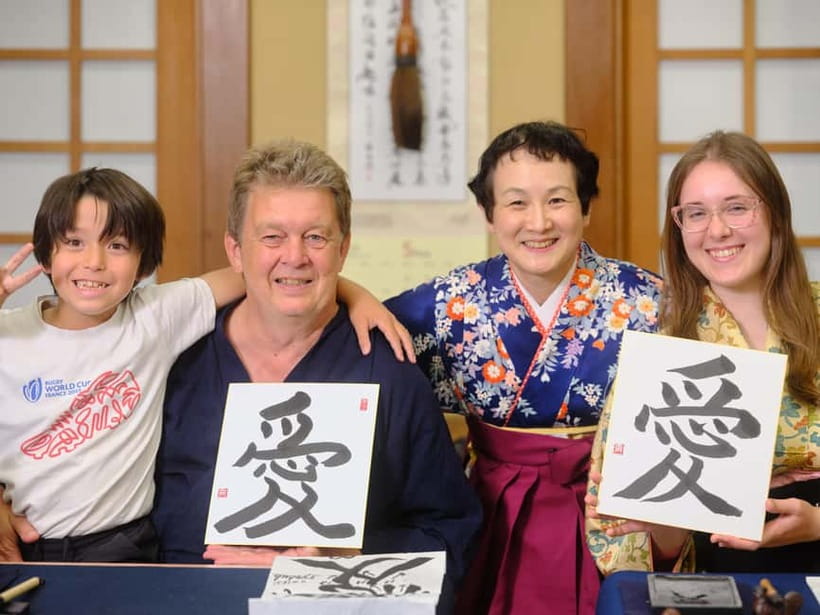
By the end, you produce a finished calligraphy work that you keep as a souvenir. Tools are provided, and you work directly on your final piece rather than just practicing on scraps.
One of the most satisfying parts is how personal it can feel. Some sessions include help with your own name characters. Reviews mention instructors writing people’s names, which turns a general lesson into something specifically yours.
In most cases, you can expect the final artwork to be done on a card or similar surface you can take home. That is huge for value. A class where you leave with nothing is hard to justify. Here, you leave with something concrete that reminds you of the session every time you see it.
Tea Break: The Calm Reset That Makes It Feel Like Culture
Japanese tea is included, and it helps the class land gently rather than abruptly. Reviews also mention tea and biscuits at arrival in some sessions. Even if the exact snack situation varies, tea is consistent in the offering.
This matters because calligraphy benefits from a calm rhythm. Ink work plus stress is not a winning combo. A quiet tea moment gives you time to breathe, look at others’ progress, and soak in what you just learned before heading back to Tokyo life.
Price and Value: What $64 Gets You in Tokyo
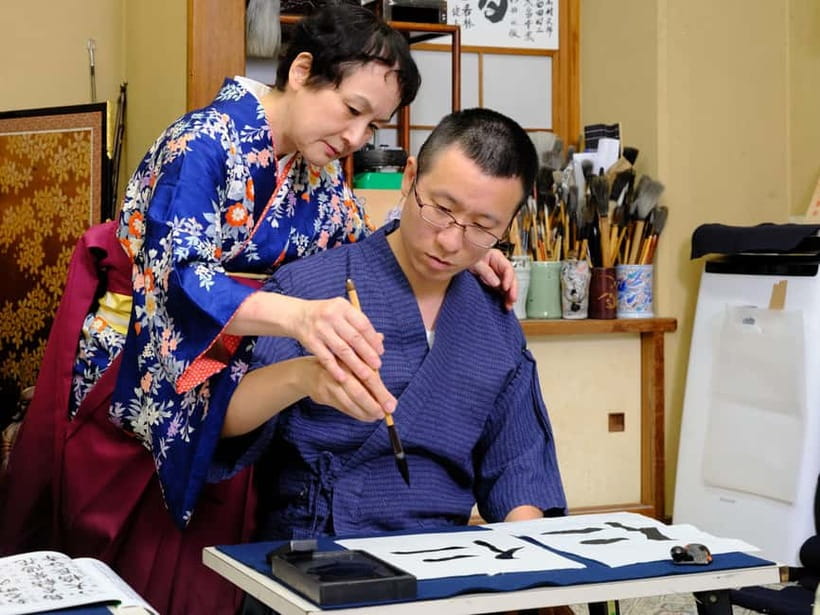
At $64 per person for a 90-minute class, you are paying for more than “a craft.” You get instruction by professional calligraphers, an English-speaking guide, and all necessary calligraphy tools. You also get Japanese tea and your finished work to take home.
When I evaluate value in Tokyo, I look at three things: time, guidance quality, and whether you leave with a real object. This checks all three boxes. Ninety minutes is long enough to practice, the group is small, and the souvenir is included.
Also, the tool cost is handled for you. You do not have to buy a brush set just to try calligraphy once. That lowers the risk if you are curious but unsure you want to invest later.
Small Group Learning: Why Up to 10 People Changes Everything
This is a small group experience, limited to 10 participants. In practice, that makes a difference with something like calligraphy, because technique questions are constant. You might wonder about brush angle, ink thickness, or how to correct a line.
Small groups also support a warmer pace. Reviews repeatedly note teachers who take time to guide step by step and help students before the final piece. That level of attention is hard to get in big classes where you only see the instructor briefly.
Languages: English and French Instruction That Still Feels Personal
The experience is offered in English and French, and the instructor language options match. That is a practical win if you are traveling without perfect Japanese.
Reviews mention that French instruction worked perfectly, and other comments highlight helpful guidance from the guide and assisting staff. You also get support during and after the class, and at least one review mentions help after class with practical needs like arranging a taxi and finding a calligraphy set. That is not something you should expect every time, but it shows the tone can be genuinely helpful.
What to Wear and Bring So You Do Not Stress About Ink
The biggest practical requirement is simple: wear clothes that can get dirty. Calligraphy ink can splatter, and brushes do not always behave like you expect on your first try.
Beyond that, you do not need special gear because tools are included. Plan to wear something comfortable that lets you sit and write without restrictions. If you are used to dressing up for photos, keep it in check here. Comfort beats cute when you are working with ink.
Who Should Book This Calligraphy Experience, and Who Should Skip It
This is a strong fit if you want a cultural activity that is hands-on, short enough for a tight itinerary, and meaningful enough to become a keepsake. Reviews highlight that the atmosphere can feel warm and supportive, with teachers who explain clearly and help you practice before your final piece.
It is also a decent option for families, including kids, in the sense that the class can be friendly and structured. Just note the age limits: it is not suitable for children under 4, and it is not suitable for people over 70.
If you have mobility limitations or concerns about sitting for a structured 90-minute session, you should think carefully. The class is built around focused instruction and manual work.
Should You Book This Tokyo Calligraphy Session?
I would book this if you want something traditional that you can actually participate in. The value is strong because tools, instruction, tea, and your finished artwork are included. Plus, the small group format helps you learn without feeling rushed.
Skip it if you are looking for a quick photo stop with no mess and no practice. This class asks for concentration and a willingness to get a little ink on your clothes. Also, if you fall outside the suitability range, it is not the right match.
If you want a single “Tokyo cultural” activity that feels real and leaves you with a personalized souvenir, this one is easy to recommend.
FAQ
How long is the calligraphy class in Tokyo?
The duration is 90 minutes.
How much does the experience cost?
The price is listed at $64 per person.
What languages are available?
The class is available in English and French.
Is it a small group?
Yes. It is limited to 10 participants.
What is included in the ticket price?
Instruction by professional calligraphers, all necessary calligraphy tools, your finished calligraphy work to take home, Japanese tea, and an English-speaking guide fee are included.
What should I bring or wear?
Wear clothes that can get dirty.
Is there an age limit?
Yes. It is not suitable for children under 4, and it is not suitable for people over 70.
What is the cancellation and payment policy?
You can cancel up to 24 hours in advance for a full refund. You can also reserve now and pay later to keep your plans flexible.
Fresh options around Tokyo
- Explore Kichijoji: Walk Through One of Tokyo’s Beloved Districts★ 5.0 · 21 reviews
- Tokyo: Matcha Tasting and Making Experience★ 4.9 · 21 reviews
- Tokyo: Full Course Tour: Explore 15 Must-Sees & Hidden Gems★ 5.0 · 21 reviews
- Tokyo ⇆ Haneda Airport Private Transfer 1-way or Roundtrip★ 4.5 · 21 reviews
- Private Tokyo Tour with Local Guide★ 4.5 · 21 reviews
- Private Nippori Fabric Town Walking Tour★ 5.0 · 21 reviews
- Ecotourism and Woodcraft with a Mountain Artist Near Tokyo★ 4.5 · 21 reviews
- Daikoku Car meet: Tokyo Drift Car Club membership★ 4.5 · 21 reviews
Tokyo Tours, compared.

Mt Fuji and Hakone 1-Day Bus Tour Return by Bullet Train
Read our review →


teamLab Planets TOKYO Digital Art Museum Entry Ticket
Read our review →
Mt Fuji & Hakone Cruise, Drum Show Bullet Train 1 Day from Tokyo
Read our review →
Sumo Show Experience with Chicken Hot Pot and a Photo
Read our review →
Shinjuku Food Tour (13 Dishes at 4 Local Eateries)
Read our review →