Reviewed · TOKYO TOURS
Ecotourism and Woodcraft with a Mountain Artist Near Tokyo
This tour turns a short train escape into a hands-on day with real purpose. You’ll learn why Nishikawa timber mattered to Tokyo’s architecture, then you’ll actually work with wood, finishing with pyrography you can use every day.
What I like most is the chance to learn forestry as a living craft, not a museum story, and the calm forest time that makes the skills feel grounded. One thing to keep in mind: it runs outdoors in a good-weather dependent setting, and the schedule is short, so you’ll want to plan meals.
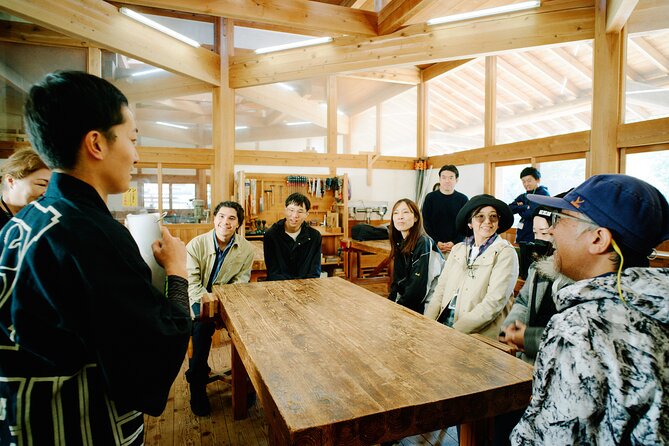
You start and end at Higashi-Agano Station, meet a guide, and head to the Kirari studio in Hannō. The group stays small, up to 8 people, and the day is built around safety, gentle forest “therapy,” and practical woodcraft you can take home.
Key things to know before you go
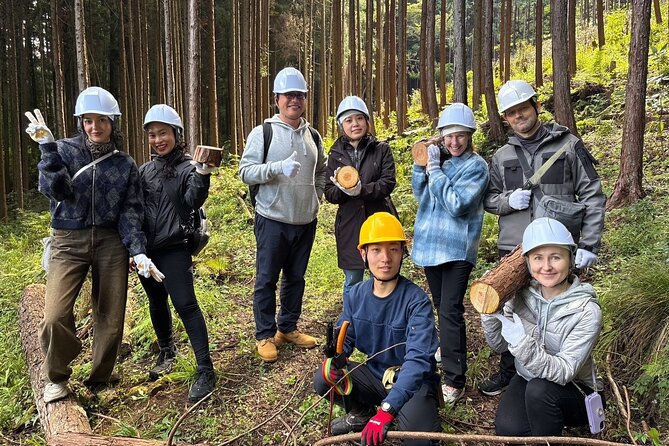
- A certified private forest you normally cannot access, with hands-on time among living cedar and cypress
- A mountain artist forestry lecture, focused on Nishikawa timber and thinning for healthier forests
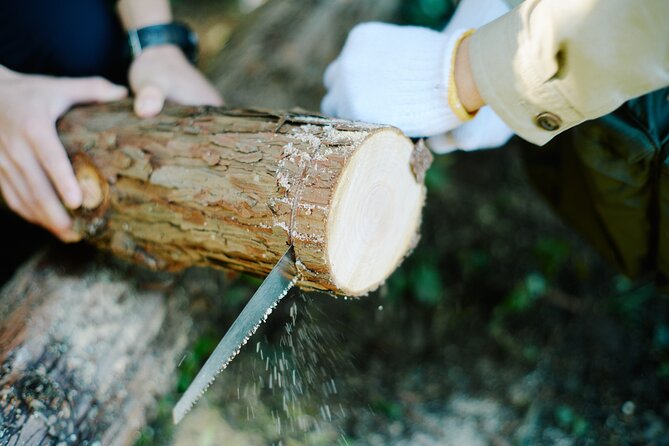
- Log cutting experience with safety gear like helmets and gloves, plus guidance on how to handle the tools
- Pyrography with a purpose: a kanji you choose, burned into a wooden Edo Castle piece that becomes a smartphone stand
- Small group size (max 8) for questions, pacing, and real attention during craft time
- No lunch included, so you’ll want food plans after the return to Hannō
Entering the day at Higashi-Agano Station
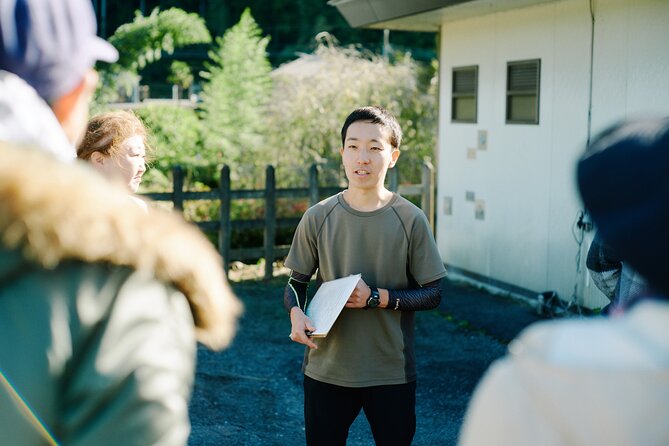
Your day begins at Higashi-Agano Station. When you exit the ticket gate, look for your guide holding a tour placard, then you’ll connect with the rest of the group and get a quick briefing. This first stop is brief, but it matters because you’ll start with the right expectations about how the day flows.
In practice, this is a good setup if you want a Tokyo break without dealing with a confusing maze of transfers. The tour is also near public transportation, which keeps the start easy even if you are not driving.
A few more Tokyo days worth comparing
- Mt Fuji and Hakone 1-Day Bus Tour Return by Bullet Train
★ 5.0 · 26,383 reviews - 1-Day Tokyo Bus Tour
★ 5.0 · 14,250 reviews - Tokyo: TOKYO SKYTREE® Admission ticket
★ 4.5 · 11,192 reviews
The Kirari studio, plus the Nishikawa timber story
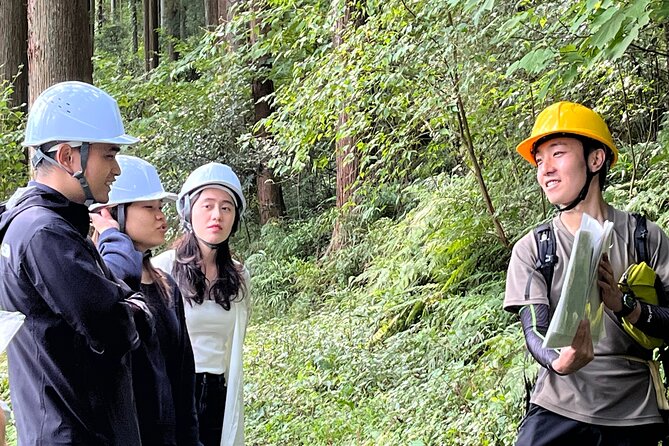
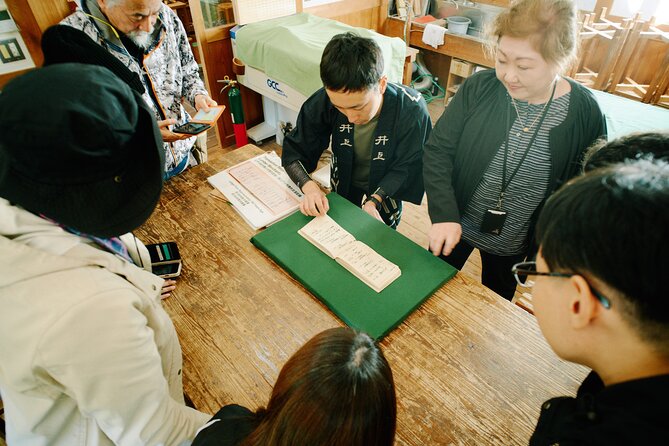
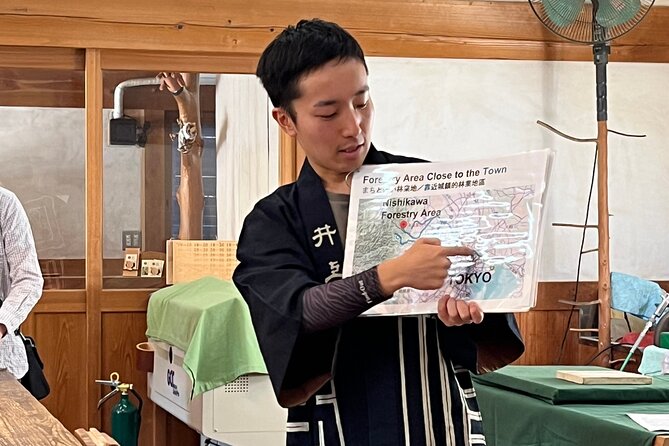
Next you’ll go to 木楽里 (Kirari), the woodworking studio where the core workshop happens. This is where you’ll get the forestry lecture from the forestry master, often described as a mountain artist, with a focus on Nishikawa timber and the local tradition of caring for forests over centuries.
Here’s why this part is valuable: you’re not just learning names of trees. You learn how wood supply depends on human decisions like thinning, which improves forest health and helps the forest keep producing useful timber over time. You also get a sensory start, with the aromas of multiple wood types, so the subject lands on more than just facts.
You’ll likely also hear a small spiritual note before you go deeper into the forest. One guide described the practice of offering thanks to the mountain gods before entering, which helps explain why this work is treated as respectful stewardship rather than extraction.
What you might notice if you care about design
If you’re into architecture or materials, this is one of those experiences that connects the dots between forest management and what people build in the city. Students and architecture-minded visitors tend to leave with clearer ideas about why specific Japanese timbers are prized and how they get from tree to craft.
The private-forest walk and forest “quiet time”
After the studio lecture, you spend time in the forest itself. The setting is an internationally certified private forest, which helps explain the feeling of quiet and care. This is not a quick scenic walk where you’re mostly passing trees and leaving. You slow down and touch living trees, often cedar and cypress, and you’re guided toward a calmer way of being there.
The best reviews highlight how the forest time feels restorative. People describe it as grounding and even therapeutic, especially the emphasis on silence and breathing in the air. If you’ve tried forest bathing elsewhere, you’ll likely recognize the pace here, but with a woodcraft focus that makes it more practical.
Same corner of Japan, a different kind of day:
- Tokyo: teamLab Planets TOKYO Digital Art Museum Entry Ticket
★ 4.6 · 9,779 reviews - Mt Fuji & Hakone Cruise, Drum Show Bullet Train 1 Day from Tokyo
★ 4.0 · 7,413 reviews - Tokyo: Sumo Show Experience with Chicken Hot Pot and a Photo
★ 4.8 · 6,678 reviews - Tokyo: Shinjuku Food Tour (13 Dishes at 4 Local Eateries)
★ 5.0 · 6,603 reviews
A realistic note on the pace
This is not an all-day hike. It’s a short, intentional walk plus hands-on time. If you expect hours of serious trekking, you may feel it’s brisk. But if you want nature time without committing a whole day to uphill walking, the format makes sense.
Log cutting with a guide, not a “try it once” stunt
One of the main activities is log cutting. You’ll be shown how to use the tools, and you’ll get safety gear such as helmets and gloves. In the forest, you’re not just posing with a saw. You learn how the wood resists, how effort and angles matter, and how forestry work is physically real.
A small warning that makes this honest: cutting wood often takes more force and patience than people expect from a casual demo. That can be part of the fun, but if you want effortless hands-on, you might find this portion demanding.
Still, the guidance is the point. The experience is built around doing the work with a knowledgeable mountain artist watching you, correcting technique, and making sure you’re safe.
Pyrography kanji on an Edo Castle smartphone stand
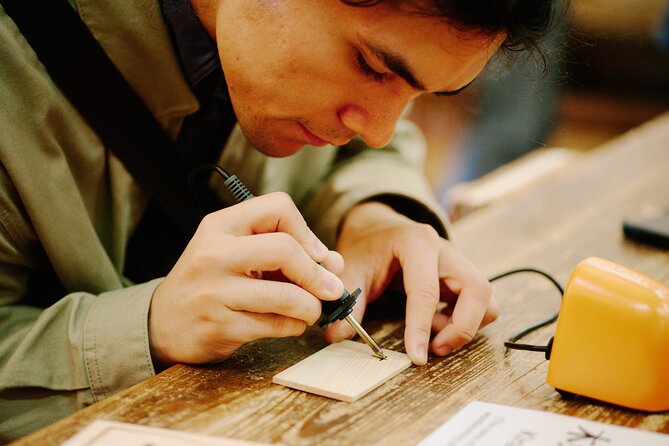
Then you move back into craft mode at Kirari for the take-home piece. Using a pyrography pen, you inscribe a kanji of your choice onto a wooden item shaped like an Edo Castle. When you finish, you end up with a souvenir that actually has a practical use, since it becomes a smartphone stand.
This is a smart design choice from a visitor perspective. Most souvenirs are decorative, then they sit in a drawer. This one earns its keep every time you charge your phone or prop it up.
Also, pyrography tends to work well for many skill levels. Even if your drawing skills are average, the focus is on tracing the character carefully and steadily. Many people describe it as relaxing once they’re set up with the right guidance and tools.
Why the workshop feels more meaningful than a simple souvenir
Because the whole day circles back to forestry, your finished stand doesn’t feel random. You’ve already seen how wood is cared for and processed, and then you touch the final “product” in your hands. That makes the kanji feel like part of a story, not just a burned-on decoration.
Getting back to Hannō (and where lunch fits)
The tour returns you to Higashi-Agano Station to end the experience, and it’s timed so you can hit Hannō Station around lunchtime. Lunch is not included, but your guide may have restaurant recommendations.
This matters for planning. You’ll likely be hungry after the forest walk and cutting activity, and the crafting part keeps you busy. I’d treat lunch like your post-tour reward, and pick something simple and local near Hannō Station so you can keep your day easy.
Price and value near Tokyo
The price is $93.93 per person for about 2 hours 30 minutes. That’s not a cheap add-on, but it also isn’t just a “see and leave” tour. You’re paying for a guided forest experience in a certified private area, instruction from a mountain artist, safety gear for log cutting, and the full craft time with pyrography plus the finished wooden smartphone stand.
Add in that the group stays small and includes an air-conditioned vehicle to get you from the station to the activity site. For a Tokyo-adjacent escape where the “real work” is woodcraft, the value feels fair.
Where it can be less cost-effective is if you already know you won’t enjoy the hands-on cutting or the crafted souvenir. In that case, you might feel the price reflects experiences you didn’t fully want.
Who this experience suits best
This is a great fit if you want a Tokyo-area day that feels authentic and purposeful. It’s especially strong for people who like making things, care about materials, or enjoy nature time that isn’t just sightseeing.
It can also work well for:
- Architecture students or anyone interested in how materials connect to culture
- People who want calm, forest-based “therapy” without traveling far
- Visitors who prefer small groups, direct instruction, and a take-home item with everyday use
If you have zero interest in woodwork or you dislike tool-based activities, you may want to pick a different kind of nature tour. The log cutting portion is not just optional window dressing.
Before you book: practical tips that actually help
- Wear shoes you can walk in and feel stable on, since you’re in a working forest environment.
- Expect to use safety gear. Your comfort with helmets and gloves will make the cutting part much easier.
- Think about your kanji choice before you arrive. A character you like or want to learn beforehand helps you settle faster at the pyrography stage.
- Plan lunch after the return, since the tour itself does not include food.
Also, because the experience requires good weather, keep a flexible mindset. If conditions force a reschedule, treat it like part of the experience rather than an inconvenience.
Should you book this tour?
I’d book it if you want something rare near Tokyo: a forestry tradition you can touch. The combination of a mountain-artist lesson, time in a carefully tended private forest, guided log cutting, and pyrography that turns into a smartphone stand is a strong “full circle” day.
Skip it only if the hands-on parts sound like a chore, or if you need a guaranteed indoor plan. Otherwise, this is exactly the kind of short excursion that makes a Tokyo trip feel more grounded, with a souvenir that comes from real craft.
FAQ
Where does the tour start and end?
The tour starts at Higashi-Agano Station and ends back at the meeting point.
How long is the experience?
It lasts about 2 hours 30 minutes.
How much does it cost?
The price is $93.93 per person.
What’s included in the price?
Included are an air-conditioned vehicle (your guide drives you from Higashi-Agano Station to the activity site) and the tour itself.
Is lunch included?
No. Lunch is not included.
How big is the group?
The tour has a maximum of 8 travelers.
What kinds of activities will I do?
You’ll have a forestry and timber lecture, a forest experience, log cutting, and a hands-on pyrography activity where you inscribe a kanji on a wooden piece shaped like Edo Castle.
Do I need good weather?
Yes. The experience requires good weather, and if it’s canceled due to poor weather, you’ll be offered another date or a full refund.
What’s the cancellation window?
You can cancel for a full refund up to 24 hours before the experience starts.
How do I get my ticket?
The tour offers a mobile ticket.
Fresh options around Tokyo
- Tokyo: Nikko Kegon Falls Lake Chuzenji Toshogu Temple & More★ 4.9 · 12 reviews
- Tokyo: Samurai History Walking Tour★ 5.0 · 12 reviews
- Harajuku: Kawaii Fashion and Pop-Culture Tour★ 4.7 · 12 reviews
- Tokyo: Mt. Fuji & Lake Kawaguchi Instagram Full Day Trip★ 4.1 · 12 reviews
- Shibuya Tokyo: Modern Kintsugi Workshop in Shibuya★ 5.0 · 12 reviews
- Tokyo: GTR Guided Daikoku Experience at Night★ 5.0 · 12 reviews
- Tokyo: Daikoku JDM Car Culture Tour★ 4.6 · 12 reviews
- Mt Fuji Private Day Trip from Tokyo with English speaking driver★ 5.0 · 13 reviews
Tokyo Tours, compared.
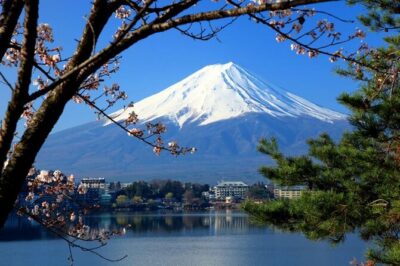
Mt Fuji and Hakone 1-Day Bus Tour Return by Bullet Train
Read our review →


teamLab Planets TOKYO Digital Art Museum Entry Ticket
Read our review →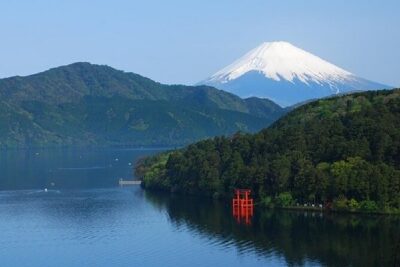
Mt Fuji & Hakone Cruise, Drum Show Bullet Train 1 Day from Tokyo
Read our review →
Sumo Show Experience with Chicken Hot Pot and a Photo
Read our review →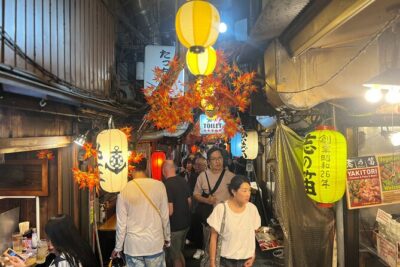
Shinjuku Food Tour (13 Dishes at 4 Local Eateries)
Read our review →