
Reviewed · MORNING
Tokyo: Sumo Morning Practice with Photo Banzuke and Guide
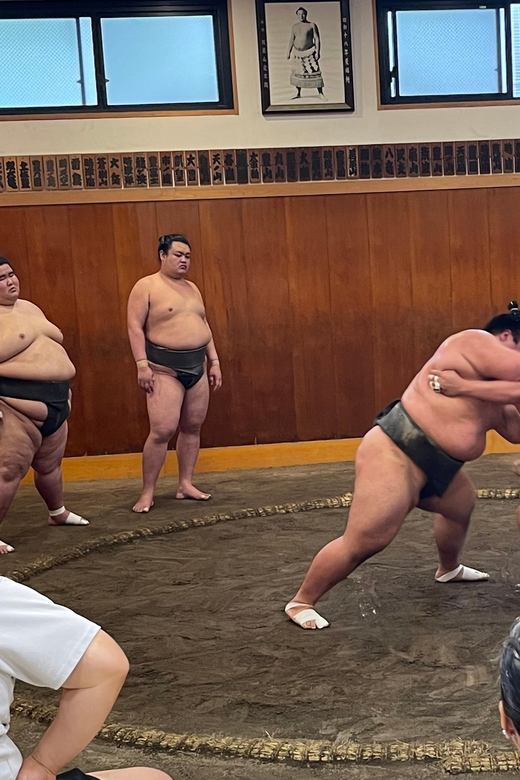
Sumo morning practice is pure power. You’ll watch sumo wrestlers training up close during a rare stable morning session, then hear how the sport works and why the rituals matter. The chance to sit and observe in comfort makes the experience feel intense, not chaotic.
I also like that you get more than watching bodies collide. Your local English guide explains traditions and the basics right after the practice, so you leave with context, not just photos. Plus, there’s a dedicated Photo Banzuke stop that gives you time to capture what you came for.
One possible drawback is timing. This is a group tour, and the day depends on everyone arriving on time, since delays can ripple through the schedule. If you think you might run late, you need to communicate fast.
Key moments that make this Tokyo sumo visit worth your time
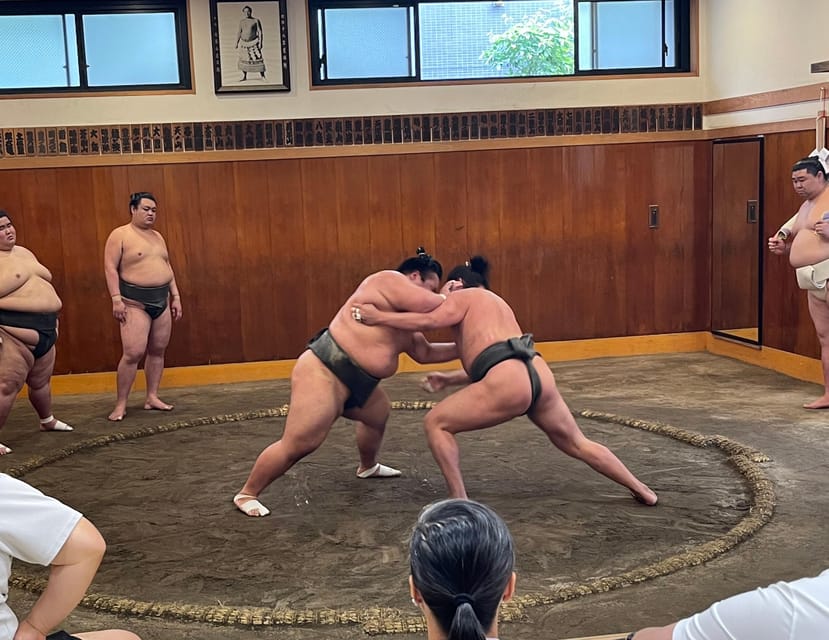
- Close-up practice in a real stable, with a rare morning session you cannot reliably recreate on your own
- Small group size (up to 9 participants), which keeps the guide’s attention useful and questions possible
- Chairs for watching, so you can focus on footwork, throws, and routine without standing the whole time
- English live guide, including a short presentation on sumo basics and tradition
- Photo Banzuke stop, built into the flow so you do not have to rush at the end
Why a Tokyo Sumo Stable Visit Feels Rare (and Not Just Performative)
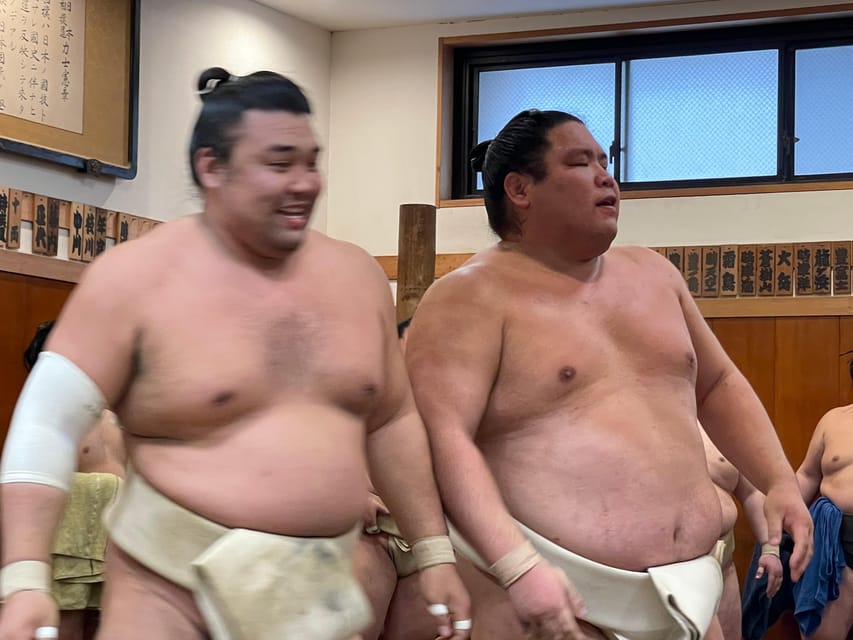
Tokyo has plenty of sumo-themed stops, but a stable morning practice is something else. Sumo is Japan’s national sport, and the official tournaments happen only 90 days of the year, which means there are long stretches where you are not seeing full competition.
That’s exactly why a morning practice session is special. There are 44 sumo stables in Japan, but only a select few allow visitors to watch morning practice. When you find one that does, you are getting a glimpse at how wrestlers prepare for their next big match, not just the final show.
I like that this tour is built around that reality. You are not trying to see sumo as a distant spectacle. You’re watching training up close, where you can actually feel how serious the work is. And because there is no weight class, matches and pairings push the sport in a direction you might not expect if you come from sports with categories.
More sumo experiences in Tokyo:
- Tokyo: Sumo Show Experience with Chicken Hot Pot and a Photo
★ 4.8 · 6,678 reviews - Tokyo: Sumo Show and Dining Experience
★ 4.8 · 2,742 reviews - the SUMO show
★ 5.0 · 1,960 reviews
Meeting at Kiyosumi-shirakawa Exit B1 (Near FamilyMart)
The biggest practical win here is the meeting point clarity. You meet at Exit B1 of Kiyosumi-shirakawa Station, and the instructions emphasize waiting outside near a FamilyMart convenience store. They even note that this spot helps people using taxis not miss the group.
If you’re the type who shows up 2 minutes early and then wonders if you chose the right door, you’ll appreciate how direct these directions are. I’d treat the meeting like a train platform. Be there, be visible, and don’t assume the guide will be able to hunt you down through a crowd.
You also want to come ready to walk. The experience includes both guided time and two on-foot segments before returning to the station. Comfortable shoes matter more than you might think, especially when you’ll likely be moving in and around the stable area.
Bring a camera if you care about photos. The day explicitly includes a photo moment tied to the Photo Banzuke segment.
The First 15 Minutes: Getting Oriented Before the Chaos
Right after you meet, the day starts with a short guided portion (about 15 minutes). I see this as time well spent. It helps you get your bearings before the wrestlers start moving at full practice intensity.
This part is useful because sumo has its own rhythm. The footwork, the pauses, the way wrestlers reset, and the routines around practice all matter. If you go in cold, you might focus only on the loud collisions. A quick orientation helps you notice the structure.
Also, this is the moment where your guide can set expectations for how you will observe and where you should stand or sit. That kind of guidance sounds small, but it keeps you from accidentally blocking the view for others.
The 2.5-Hour Practice Session: Chairs, Power, and Real Training
The heart of the experience is the sumo practice observation, guided for about 2.5 hours. This is not a quick stop with a photo line. You get real time to watch training from inside the stable environment.
One of the tour’s best details is that you will sit in chairs to watch. That changes everything. You can stay focused on technique and timing without constantly adjusting your stance. It also helps if you want to hold still for photos without turning it into a workout.
What you’re watching is wrestlers practicing their moves and routines for the next match. It’s not just about strength. You’ll see patterns, repetition, and the discipline that turns practice into performance.
And yes, you’ll feel the sport’s physical scale. Sumo wrestlers look like they are moving in slow motion, then suddenly they are gone. The impact is real, and the power comes through even from a seated viewing position.
Your guide will also keep linking what you see back to the bigger picture of sumo traditions. That helps you stay engaged through the full 2.5 hours instead of treating it like a one-off spectacle.
A few more Tokyo days worth comparing
- Mt Fuji and Hakone 1-Day Bus Tour Return by Bullet Train
★ 5.0 · 26,383 reviews - 1-Day Tokyo Bus Tour
★ 5.0 · 14,250 reviews - Tokyo: TOKYO SKYTREE® Admission ticket
★ 4.5 · 11,192 reviews - Tokyo: teamLab Planets TOKYO Digital Art Museum Entry Ticket
★ 4.6 · 9,779 reviews
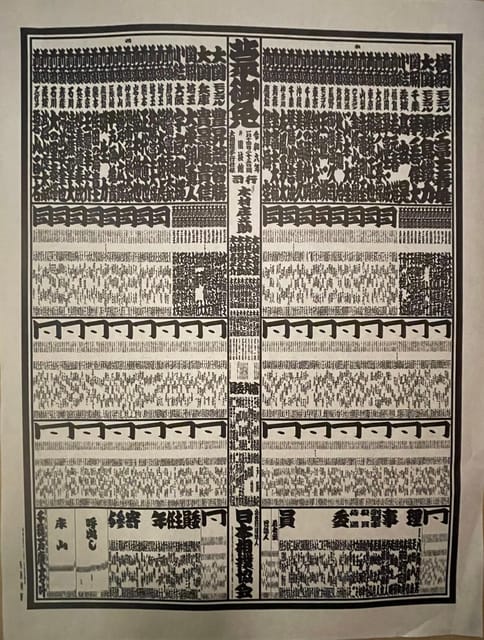
Photo Banzuke: Your Time to Get the Shot Without Rushing
After the practice observation, there’s a 15-minute photo stop for Photo Banzuke. I like this approach because it gives you a separate window for photos. Too many tours cram picture time into the busiest part of the day, and then people rush, miss details, or get distracted from what matters most.
This photo segment is your chance to capture the banzuke-related moment at your own pace. You’ll also have time to step back, look again, and check your shots. If your camera battery is already running low from the morning, this buffer can save you.
The key is to treat the photo time as part of the tour flow, not an optional add-on. If you want the photo moment, you should stay with the group and be ready when it’s offered.
The Walk Back: Two 10-Minute On-Foot Segments That Reset the Day
After the photo stop, the schedule includes two on-foot segments of about 10 minutes each, ending back at Kiyosumi-shirakawa Station.
At first, walking segments can sound like filler. In practice, they serve a purpose. They give your eyes and ears a break from the stable intensity. They also create space for small questions you might not want to ask while people are watching practice.
You can use this time to:
- Confirm you understood what your guide explained during the earlier presentation
- Check your camera settings before the final stretch
- Get oriented for the rest of your Tokyo day, since you end at the same station you started from
The return matters too. Ending back at Kiyosumi-shirakawa is convenient if you want to hop back into your normal sightseeing routine without extra transfers you did not plan.
The Short Presentation on Sumo Basics: What You’ll Actually Take Home
A big reason this tour works for first-timers is that the experience includes a short presentation on sumo basics after you’ve already seen practice. That order is smart. You first understand the sport by watching it, then you get the language to describe what you just experienced.
The guide also covers history and traditions of sumo wrestling, which helps you connect the rituals to why the sport is taken so seriously in Japan. Sumo isn’t just a physical contest. It’s also ceremony, ranking culture, and a tradition that wrestlers live inside every day.
I find that this is where you start appreciating the sport beyond the obvious visuals. You stop seeing only the size and strength, and you start noticing the roles wrestlers play in a world with rules and meaning.
If you want to tell friends what you saw without sounding like you only watched highlights, this guided wrap-up gives you the basics you need.
Price and Value: Does $115 Make Sense for 7 Hours?
At $115 per person for a 7-hour experience, this is not a budget outing. But the value is in the access and the structure.
You’re paying for:
- Observation of a rare morning practice session at a stable that allows visitors
- A live English guide who explains traditions and sumo basics
- A small group capped at 9 participants, which typically makes the experience more watchable and less rushed
- A planned Photo Banzuke stop
Also, there’s a practical benefit that often matters in Japan: skip the ticket line. That saves time and keeps you from adding stress to an already time-sensitive morning practice.
If you try to DIY this, you can quickly spend time figuring out whether a stable will let visitors in, how to get there, and how to understand what you’re watching. Even if you manage to find a place to observe, doing it in a big crowd without a guide can turn the day into pure guesswork.
For me, this tour makes sense if you care about sumo and want more than photos. If your goal is only quick entertainment, you might feel the time is more than you need.
Timing, Group Pace, and Who Should Go
This experience is a group visit, and that comes with rules. The tour instructions emphasize that you should not be late, and they even recommend contacting them if you think you’ll run behind.
Why does that matter? Because late arrivals can slow down the group, and the schedule needs to prioritize the group over one person who’s running late. That’s one of those realities of small-group tours, and it shows up most when you’re on a tight, practice-based schedule.
The tour also includes a lot of time in a single flow: guided orientation, a long observation window, photo time, then walking segments back to the station. In practice, that can feel long if you’re the type who burns out after a quick look.
Who I think this tour suits best:
- You’re a sumo fan, or you want to become one
- You like cultural context, not just the headline image
- You appreciate structured access with a small group
- You want a genuine peek at stable life, not a mass photo stop
Who might want to skip it:
- If you hate long structured days, this is close to a full half day
- If you travel with children under 9, it is not suitable for that age group
Should You Book This Sumo Morning Practice Tour?
Book it if you want the real thing. You are getting access to a stable morning practice that many people never see, and you’re watching from chairs with enough time to actually understand what training looks like. The English guide adds a layer that turns the day into learning, not just viewing.
Skip it if you need a flexible, wandering schedule, or if you know you will struggle with punctuality. This kind of tour runs smoothly only when everyone shows up on time, and the full 7 hours requires a bit of stamina.
If you’re ready to follow the plan and you care about what sumo is beyond the matches, this is a smart use of a Tokyo morning.
Fresh options around Tokyo
- Shinjuku: Private Bar Hopping★ 5.0 · 34 reviews
- [Private]Shinjuku Golden Gai Bar Hopping w/ Japanese Local Guide★ 5.0 · 34 reviews
- Tokyo: Locals´ Secret Food Tour // Eat like a Japanese★ 5.0 · 35 reviews
- Tokyo Traditional Geisha Show and Japanese Fine Dining Experience★ 4.5 · 35 reviews
- Private Drifting Lesson w/ OG Pro Instructor Tokyo Drift Japan★ 5.0 · 35 reviews
- Tokyo: Mt. Fuji, Arakurayama Sengen Park, Oshino Hakkai Tour★ 4.3 · 35 reviews
- Premium Tokyo Go-Kart Tour in Shibuya to Shinjuku (*IDP Required)★ 4.5 · 35 reviews
- Japanese Cooking and Udon Making Class in Tokyo with Masako★ 5.0 · 35 reviews
Morning, compared.
Kyoto Early Morning Tour with English-Speaking Guide
Read our review →Early Morning Tour with English-Speaking Guide
Read our review →
World Heritage Shirakawa-go Morning Guided Tour
Read our review →
Nara Early Morning Tour (Kyoto or Osaka Departure Available)
Read our review →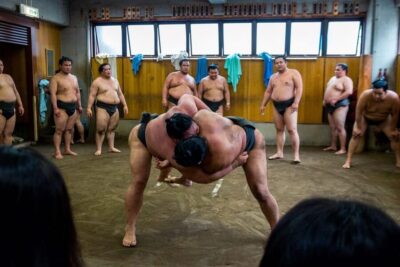

Hiroshima in a Nutshell: Morning Bike Adventure
Read our review →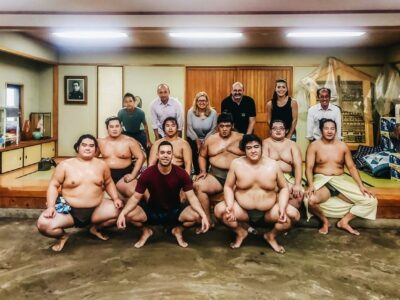
Browse the lists this tour appears in