
Reviewed · TEA CEREMONIES IN OSAKA
Osaka; Japanese Tea ceremony experience, Macha and Sencha
Tea ceremony calm, in the middle of Osaka. You get the full matcha experience in a tatami room, then you also taste sencha, a day-to-day Japanese tea you can actually find back home. It is hands-on, guided by an English-speaking tea master, and it lasts about 1 hour.
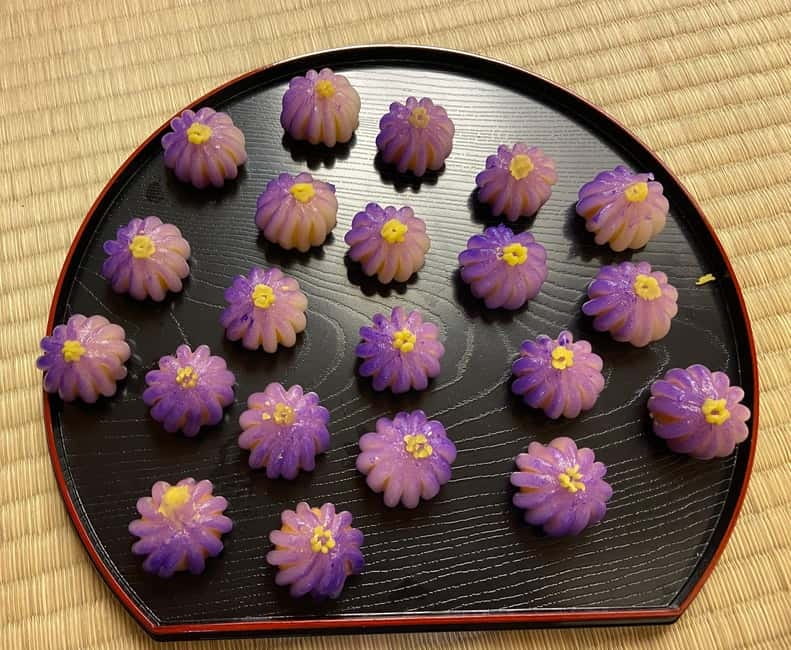
What I like most is how personal the teaching feels, especially with tea master Yuko. You watch the tea prep first, then you make your own tea and learn the etiquette as you go. I also really liked the pairing, matcha with traditional sweets, then sencha with modern Japanese confectionery.
One consideration: food allergies matter here. The experience includes sweets, and the info says people with food allergies should not eat them, so you will need to think carefully before booking.
What Makes This Osaka Tea Ceremony Worth Your Hour
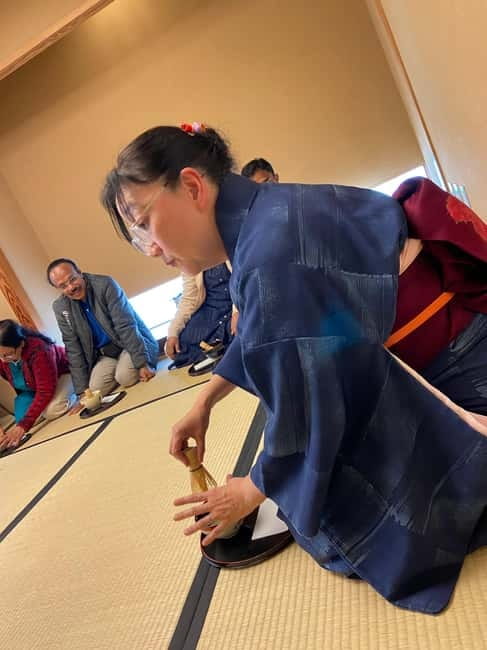
- Tatami-room tea setting that keeps the focus on the ritual, not the crowd outside.
- Two tea styles in one session, matcha first, then sencha, so you get breadth, not just one pour.
- English-speaking tea master coaching, with Yuko specifically noted in real experiences.
- Make-and-learn format, you do the steps, not just watch.
- Sweets included with both teas, giving you context for taste and tradition.
- Optional yukata and photo moment, if you want a little extra memory.
Entering the Tatami Room, Meeting Yuko, and Getting Set Up
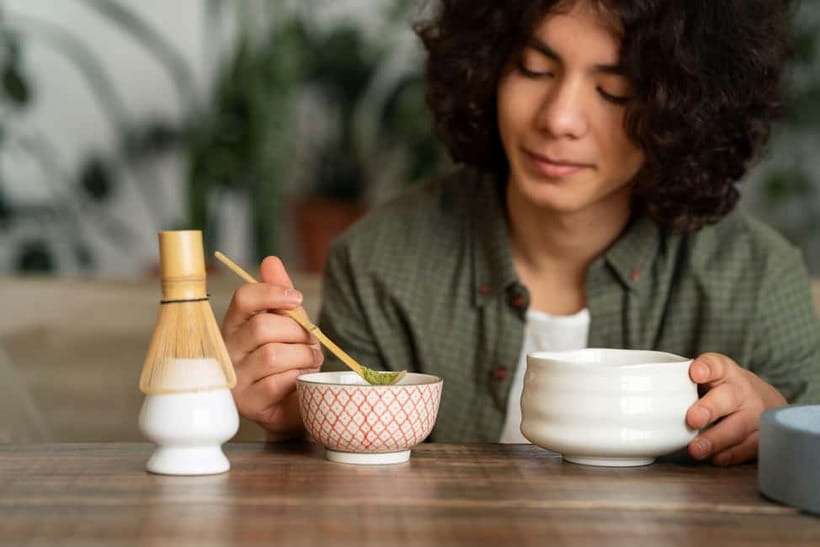
You start by going underground to the Midosuji Line, Exit 3, on the ground floor. From there, you step into a traditional tatami room, where the vibe changes fast, quiet and focused. If you tend to like structured cultural experiences, this one is easy, because it is laid out like a sequence, not a wandering tour.
Once you are welcomed, the tea master speaks English and Japanese. In a number of experiences, tea master Yuko is mentioned for being kind and communicative, which matters because tea ceremony etiquette can feel intimidating if nobody translates the why behind the actions.
This is also where you can decide if you want the optional yukata. The activity notes that yukata is not included but can be rented separately, so if you want that look in your photos, plan for it ahead of time.
More Tea Ceremonies in Osaka
- Osaka: Tea Ceremony Experience
★ 4.9 · 1,426 reviews - Tea Ceremony Experience in Osaka Doutonbori
★ 5.0 · 754 reviews - Matcha Making Class in Osaka with Authentic Japanese Sweets Set
★ 5.0 · 509 reviews
Matcha Etiquette: Watching First, Then Doing It Yourself
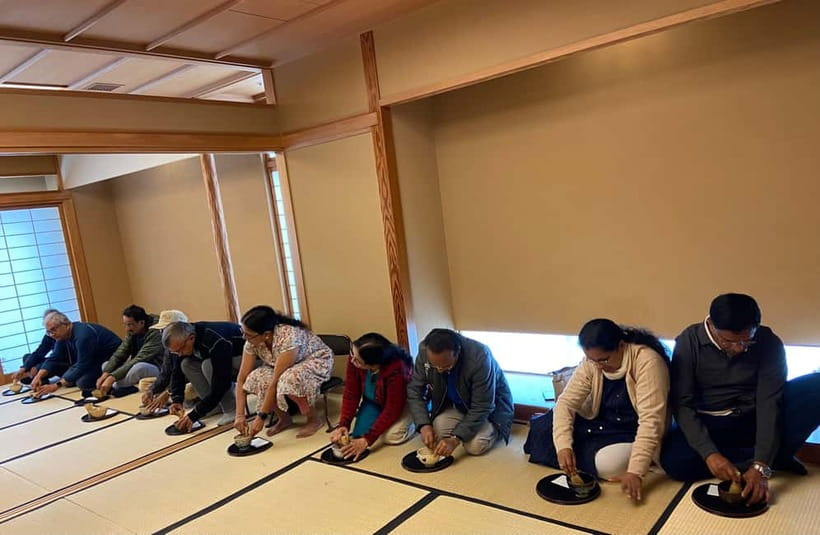
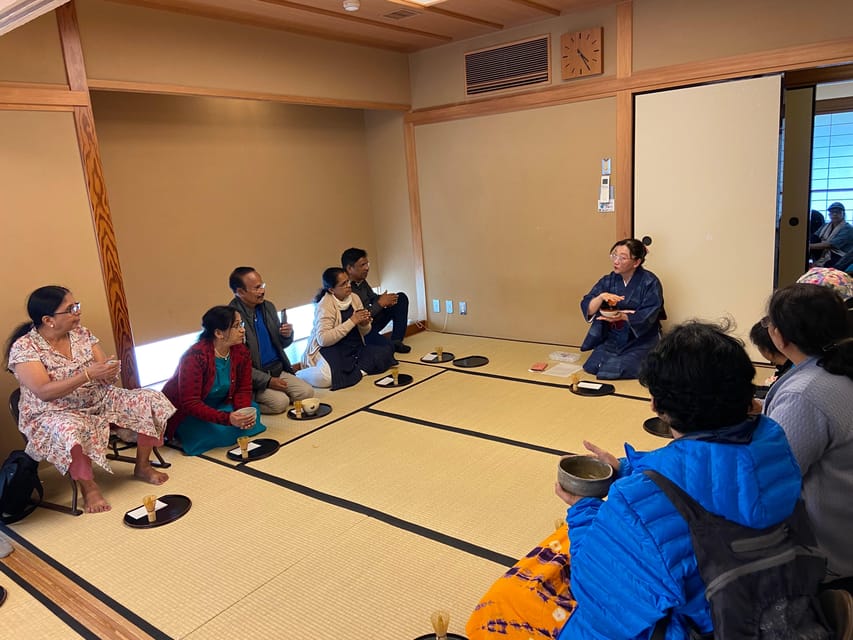
The session begins with matcha green tea preparation, and you get to watch the tea master make it before you try. That order helps a lot, because you see how each step affects the final cup. Then you learn the history and spiritual role of the tea ceremony, which turns the movements into something more meaningful than a performance.
After the explanation, you make tea yourself according to tea ceremony etiquette. This is one of the best parts for most people, because you are not stuck as a passive observer. You leave with muscle memory for the basics, and with a clearer sense of why the ceremony emphasizes calm, respect, and attention.
You will also notice how the room encourages slow behavior. No rushing, no talking over others. That is not just tradition for tradition’s sake, it is part of how you taste the tea properly.
The History and Spirit Part, Why It Actually Matters
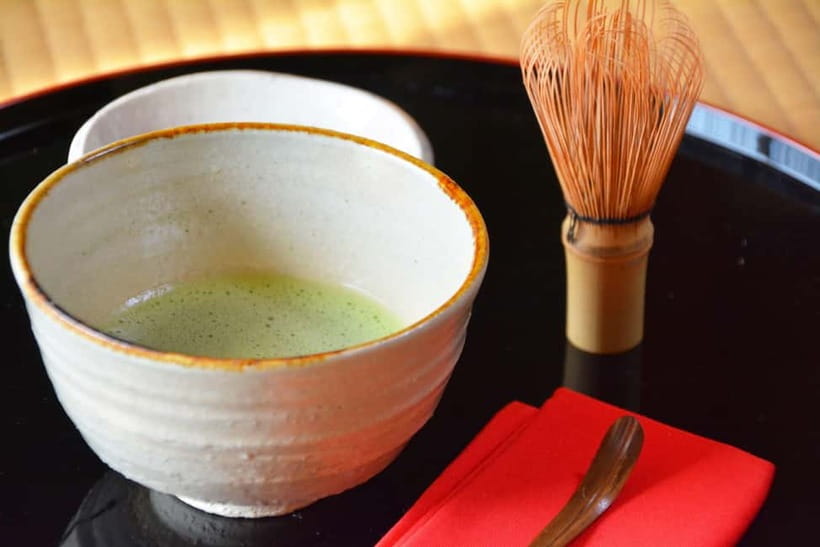
It is tempting to skip the talk and focus only on the tasting, but I think the history and spirit segment is what makes the rest stick. The instructor explains the role of the tea ceremony, and that context changes how you interpret what you are doing with each step.
You also learn etiquette, not just technique. That helps you understand why a tea ceremony does not feel like a simple beverage-making class. It is about presence, manners, and shared experience, and you feel that in how the tea master guides you.
If you like culture that is explained in plain language, this is a good fit. The format gives you enough background without turning it into a lecture you struggle to remember.
Traditional Japanese Sweets with Matcha, Taste and Balance
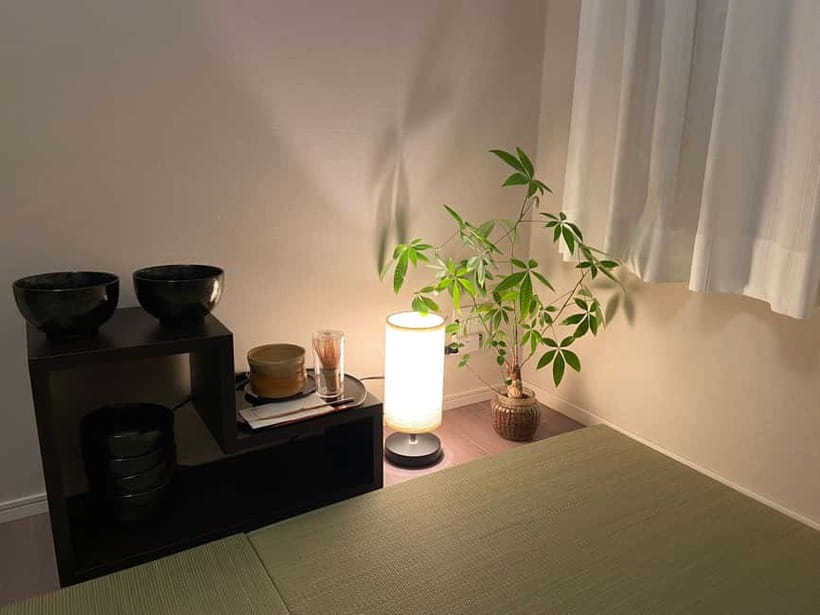
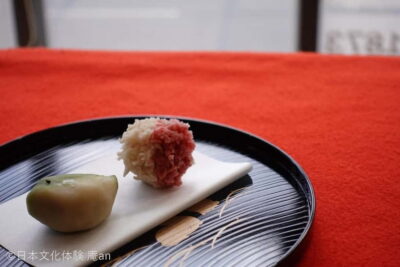
After matcha prep, you taste traditional Japanese sweets. The included sweets are part of the rhythm of the ceremony, and it makes sense, because sweets help balance bitterness and highlight flavors in the tea.
A practical note: if you have food allergies, this is a serious watch-out. The info specifically says persons with food allergies should not eat the Japanese sweets and confectionery. If your allergies are mild, do not assume. You will need to be cautious and confirm your situation with the provider before booking.
If you do not have allergies, tasting the sweets here gives you a quick education in Japanese flavor balance. You get to experience how matcha is not just about bitterness, it is about harmony with what comes alongside it.
Same corner of Japan, a different kind of day:
- Osaka Go Karting Tour with Funny Costume
★ 5.0 · 2,658 reviews - Osaka Castle: Museum and Tower Entry Ticket
★ 4.5 · 2,380 reviews - Osaka: Shinsekai Food Tour with 13-15 Dishes at 5 Eateries
★ 4.8 · 2,204 reviews - Osaka Food Tour: 13 Dishes at 5 Local Eateries
★ 5.0 · 2,149 reviews
Sencha Tea Tasting, Plus What You Learn About It
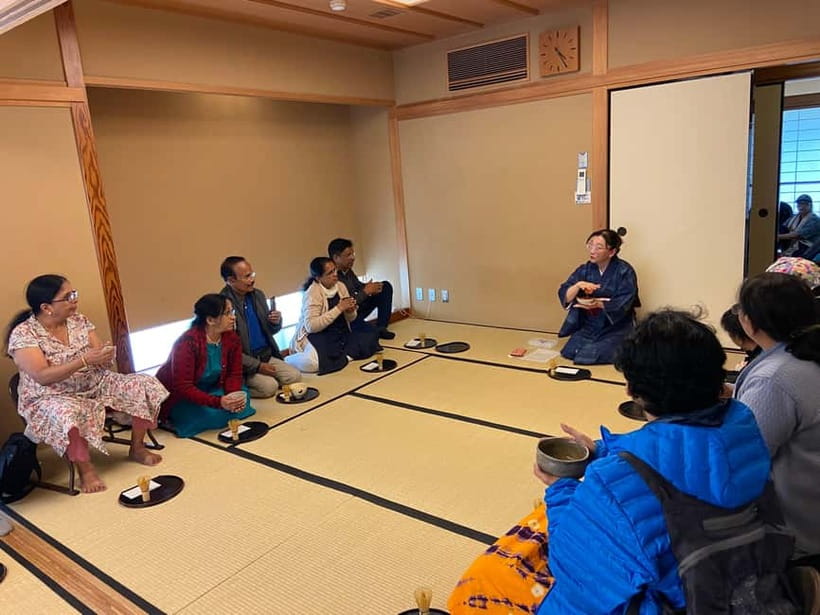
Then the session shifts to sencha tea. You taste sencha and sweets that are described as current Japanese confectionery. Sencha is commonly drunk in Japan today, and the instructor explains its history and other aspects of sencha during this part.
I like this second half because it connects tradition to everyday life. Matcha often gets the spotlight, but sencha is what you will actually see on shelves and in cups across Japan. You get a sense of what tastes you can expect when you order tea like a local.
The sencha portion also keeps the session from becoming repetitive. You are still in a guided ritual, but the tea profile changes, and that gives your palate a fresh moment.
Photo Moment and Optional Yukata: Making It a Real Memory
At the end of the experience, you can have your photograph taken. This is one of those small add-ons that makes the whole hour feel more “complete,” because you capture the moment you were actually in.
If you want a yukata, you can wear one during the tea ceremony experience. Yukata rental is not included, but the option is there, so you can plan for it if it matters to you visually. If you love getting into the look of a place, this is worth considering.
What I suggest: wear something comfortable and easy to move in. The ceremony is gentle, but you are doing hands-on tea steps and sitting in a traditional setting, so mobility matters.
Price and Value: Is $25 for 1 Hour Fair?
At $25 per person for about 1 hour, this is priced like a focused cultural class, not a free-form experience. The value comes from two things you do in one booking: you learn and you participate.
You get:
- Matcha preparation and making your own tea
- Sencha tasting, with its own explanation
- Traditional sweets with matcha, and current confectionery with sencha
- Tea ceremony instructors included
Given how much teaching time you receive and the fact you taste two types of tea with sweets, it is reasonable for Osaka. You are not just buying admission to a room, you are paying for instruction, tasting, and etiquette coaching.
That said, it is best for people who like structured activities. If you want a totally self-directed experience, tea ceremony classes can feel like a schedule. If you like learning with guidance, it is a strong deal for the time.
Who This Osaka Tea Ceremony Suits Best
This experience fits best if you want a calm, authentic cultural moment without complicated logistics. It is a great choice for:
- First-timers who want to learn the tea ceremony basics in a short session
- People who enjoy guided etiquette training
- Tea lovers who want both matcha and sencha in one go
- Couples or small groups looking for something different than temples and shopping
It is also a good fit if you are traveling solo but still want a human, conversational experience in English and Japanese. The format is orderly, and that helps you feel comfortable even if you know nothing about tea ceremonies.
Before You Go: Rules, Comfort, and Allergy Warnings
The activity lists several restrictions. Pets are not allowed, smoking is not allowed, and intoxication is not allowed. You are also asked not to make noise, not to chew gum, and not to bring weapons or sharp objects.
For comfort and planning, note these also matter:
- Wheelchair users are listed as not suitable, and non-folding wheelchairs are not allowed.
- Electric wheelchairs are not allowed.
- You should avoid groups like bachelor and bachelorette parties, since the activity has restrictions on party groups.
The biggest practical warning is food allergies. The information says persons with food allergies should not eat the Japanese sweets and confectionery. If you are allergic, do not treat this as a casual “just skip the sweet” situation. You will need clarity on what is safe for you.
Should You Book This Tea Ceremony in Osaka?
If you want one solid cultural activity that gives you both a story and a skill, I think you should book it. You get matcha making, etiquette teaching, sweets, then sencha tasting and explanation, all within about 1 hour. The inclusion of sweets with both teas also helps you experience the tea properly, not just as a beverage.
I would hold off if you have food allergies and cannot safely participate in the sweets. I would also skip it if you need wheelchair access, because the info says it is not suitable.
For most people, though, this is a high-value way to experience a Japanese tea tradition in Osaka, learn with someone who speaks your language, and leave with a calm memory you can talk about for a long time.
FAQ
What is the duration of the Osaka tea ceremony experience?
It lasts 1 hour.
How much does it cost per person?
The price is $25 per person.
Where do I meet for the experience?
The meeting point is underground at the Midosuji Line, Exit 3, ground floor.
Is matcha included, and do I get to make tea?
Yes. Matcha green tea is included, and you watch the tea master prepare it and then you make tea yourself following tea ceremony etiquette.
What else do I taste besides matcha?
You also taste sencha green tea and sweets described as current Japanese confectionery.
Is yukata included in the price?
No. Yukata is not included, but it can be rented separately if you choose the relevant option when booking.
Are there any food restrictions for people with allergies?
Yes. The experience notes that persons with food allergies should not eat the Japanese sweets and confectionery.
What languages will the instructor speak?
The instructor languages listed are English and Japanese.
Fresh options around Osaka
- Osaka: Osaka Castle & Historical Museum Guided Tour★ 4.8 · 28 reviews
- Osaka: Kendo Workshop Experience★ 4.9 · 28 reviews
- OSAKA:Feel the Power! Learn Taiko Drum from Professionals★ 5.0 · 28 reviews
- Osaka: High-Energy Japanese Variety Night Show (English MC)★ 5.0 · 28 reviews
- Minoh Waterfall and nature walk through the Minoh Park★ 5.0 · 29 reviews
- Osaka: Shinsekai Food Tour – 13 Dishes at 5 Local Eateries★ 4.5 · 29 reviews
- Osaka: Private Japanese Traditional Ceramics Experience★ 5.0 · 29 reviews
- Kyoto Full Day Tour from Osaka with Licensed Guide and Vehicle★ 5.0 · 29 reviews
Tea Ceremonies in Osaka, compared.
Matcha Making Class in Osaka with Authentic Japanese Sweets Set
Read our review →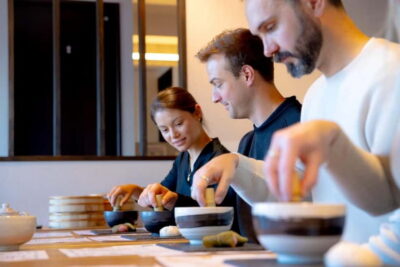
Japanese Traditional Sweets Making and Tea Ceremony
Read our review →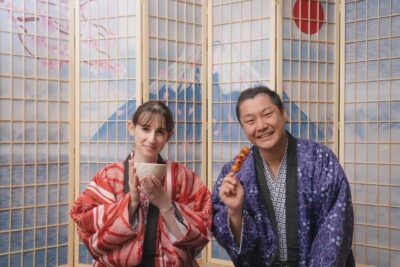
Osaka Temple Cool Foot Bath & Matcha Experience〈45min〉
Read our review →
Samurai Show, Tea Ceremony, Japanese Traditional Activities
Read our review →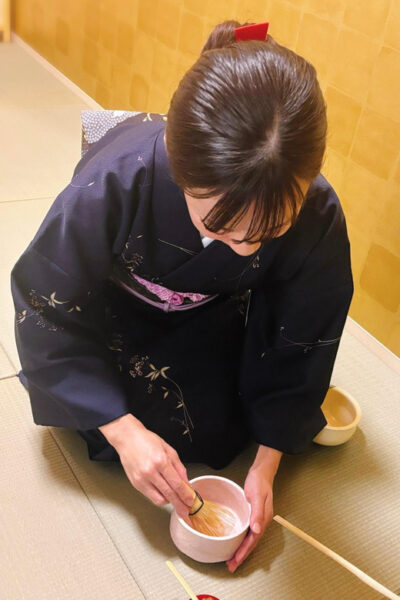
Browse the lists this tour appears in