Reviewed · OSAKA TOURS
Osaka: Private Japanese Calligraphy Experience
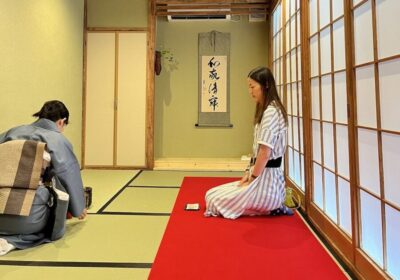
Quiet calligraphy, right in Osaka’s Namba. I like the private lesson with a patient instructor, and I like that you leave with your own take-home kanji art. One consideration: the class is not suitable for wheelchair users.
This workshop turns your name into kanji based on theme and personality, and you move at a calm pace that actually helps your hand learn. You can ask for timing adjustments and take photos anytime, and instructors often capture plenty of photo moments while you write.
Key points I’d bet on before you book
- A private group setup means you can go slower, ask questions, and get real coaching instead of watching from the side.
- Name-to-kanji personalization aims for meaning, not just letters copied on autopilot.
- Patient instruction from Wa No Ma and Womema comes up again and again, including help when strokes get tricky.
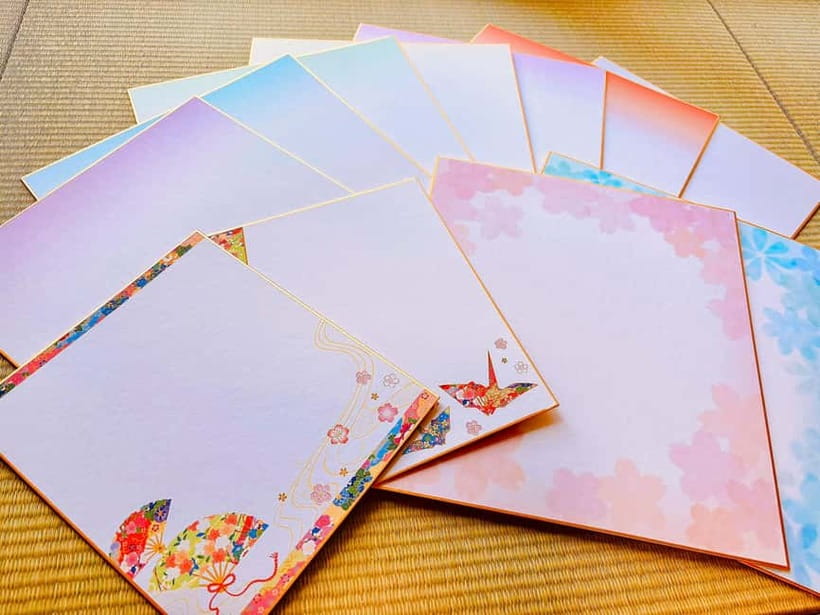
- A finished souvenir you keep: colored paper, your Japanese characters, and a stamped initial mark.
- Family-friendly options, including water calligraphy for young kids to keep things tidy.
- Namba location near Shinsaibashi makes it easy to fit into an Osaka day without a long commute.
Finding the Namba Studio Near Shinsaibashi-Suji Shopping Street
The meeting point is easy to spot if you know what to look for. Meet at the entrance of New Osaka Hotel Shinsaibashi, then walk west about 30 seconds until you see a blue vending machine near the entrance.
A small but helpful detail: your guide waits outside about 5 minutes before your booked time. Several people mention that the instructor wears a kimono, so you can usually spot them fast and avoid the awkward standing around.
The upside of this neighborhood is simple. Namba is central Osaka, so you can combine calligraphy with shopping and food. If you are already planning to be around Shinsaibashi-suji, this workshop becomes a low-friction add-on.
A few more Osaka days worth comparing
- Osaka Go Karting Tour with Funny Costume
★ 5.0 · 2,658 reviews - Osaka Castle: Museum and Tower Entry Ticket
★ 4.5 · 2,380 reviews - Osaka: Shinsekai Food Tour with 13-15 Dishes at 5 Eateries
★ 4.8 · 2,204 reviews
A 90-Minute Private Lesson That Feels Like a Reset
This is a private group experience, with its own time slot. That matters more than you might think, because calligraphy is not a race. The instructor can slow down, repeat strokes, and adjust to your comfort level, including pacing for kids.
Most people come for the art, but they also leave talking about the mood. In the class, you get coached to breathe and move with the brush, and the whole rhythm tends to feel quiet and focused, not performative.
Practical note: you will want to wear socks. The session includes studio time at a desk or work surface, and socks are the stated requirement. Smoking is also not allowed, so keep that in mind if you are planning a quick coffee stop first.
One more reality check: this class is not listed as wheelchair-friendly. If that affects you, you will need a different activity plan for accessibility.
Start With Japanese Writing Systems, Then Choose Your Theme
The session typically begins with an introduction, covering basic points about Japanese writing symbols and how to think about them. You are not expected to know anything beforehand. The goal is to get you oriented so your brain stops panicking about which characters are which.
Then you choose what you want to write. You can select a theme for the day and tell the instructor your favorite letters and words. If you are not sure what to choose, the instructor can suggest the right kanji to express your personal vibe.
This is one of the reasons the class lands well for first-timers. You get structure, but you still end up with something that feels like it came from you.
Turning Your Name Into Personality Kanji
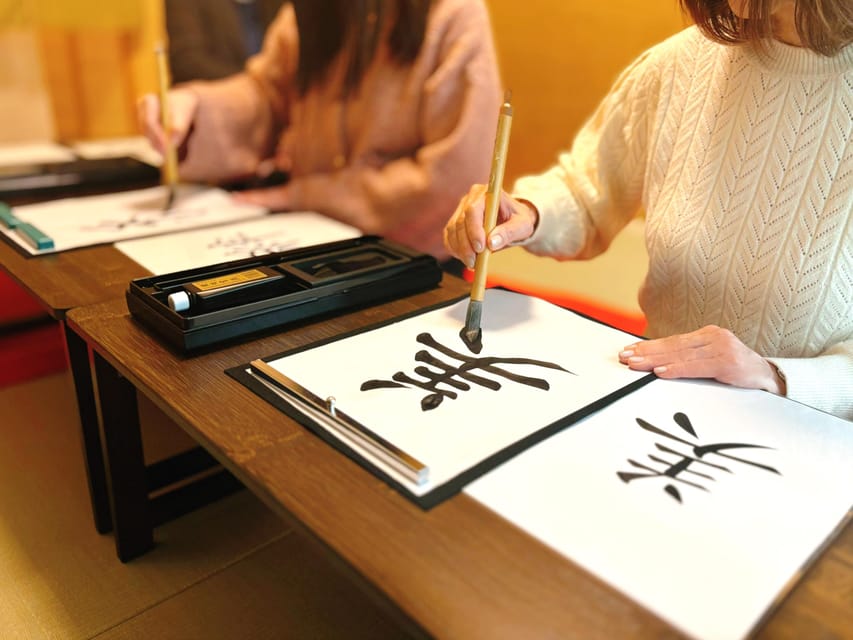
Here is the headline feature: you convert your name into kanji based on your personality. That is a big deal for two reasons.
First, it gives your piece meaning. Instead of leaving with a random character that looks pretty but means nothing to you, the instructor helps you shape the message. People mention leaving proud because the finished piece symbolizes something they care about, like happiness and connection.
Second, it creates a learning moment. The instructor guides you through how the strokes and character choices map to expression. Even if you cannot read much Japanese, you start understanding that calligraphy is about intention and control, not just drawing.
Tip for getting the best result: before you go, think of 2 to 3 words you want your piece to represent. Happiness, calm, courage, family, curiosity. Having that ready helps your instructor steer your name-kanji into something that feels personal.
Same corner of Japan, a different kind of day:
- Osaka Food Tour: 13 Dishes at 5 Local Eateries
★ 5.0 · 2,149 reviews - Hungry Osaka Street Food Tour:15 Tastings & 3 Drinks with a Local
★ 5.0 · 1,727 reviews - Osaka: teamLab Botanical Garden Entry Ticket
★ 4.5 · 1,710 reviews - Osaka: Tea Ceremony Experience
★ 4.9 · 1,426 reviews
Brushwork Basics, Stroke Order, and Why Your Hand Shakes
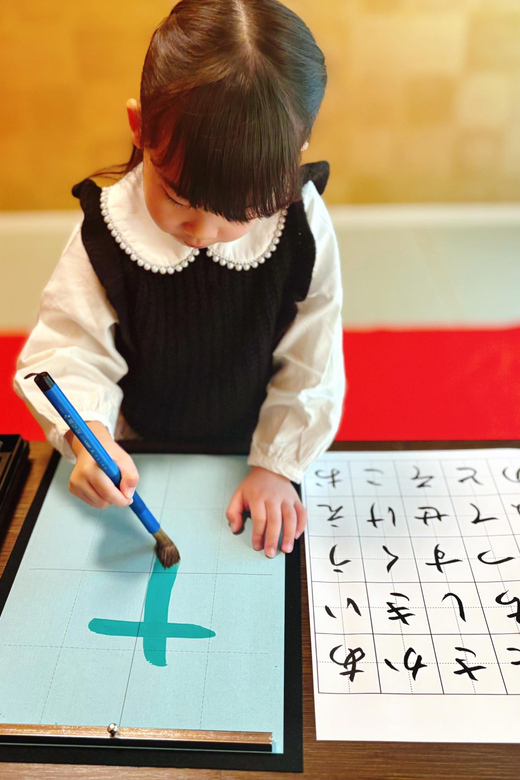
Learning Japanese calligraphy is humbling in the best way. The brush looks simple until you try it. Your hand may shake, especially early on, and that is normal.
The instructor provides hands-on guidance, including feedback on stroke movement and how to correct your form. Several people specifically mention clear coaching while they struggle, and that the instructor does not rush you to the finish line.
You will also get a basic lecture on techniques you can apply to your writing. While the session is art-focused, it is not random doodling. Calligraphy is about consistent stroke order and controlled movement, and you learn enough fundamentals to make your final piece look intentional.
One more thing I really like from the way people describe the class: it tends to feel meditative. You slow down, you focus on pressure and motion, and you end up less stressed than you started. That is rare for a structured activity in a busy city.
Picking Colored Paper, Writing Your Japanese Characters, and Stamping Initials
The final artwork is the part you will actually keep, so it is worth understanding how it comes together.
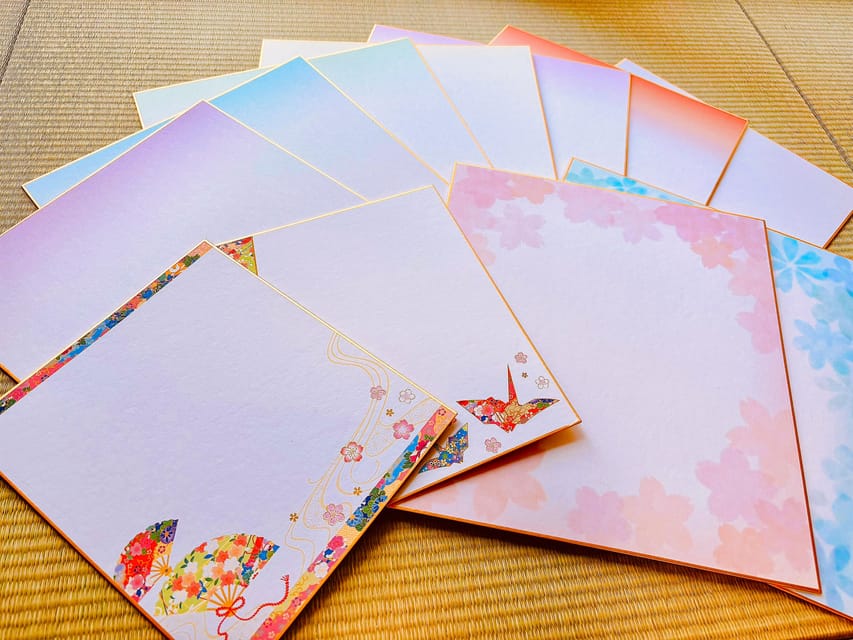
After the teaching portion, you pick your favorite colored paper from the available types. People consistently describe this as part of the fun, because the paper color sets the tone for the whole piece.
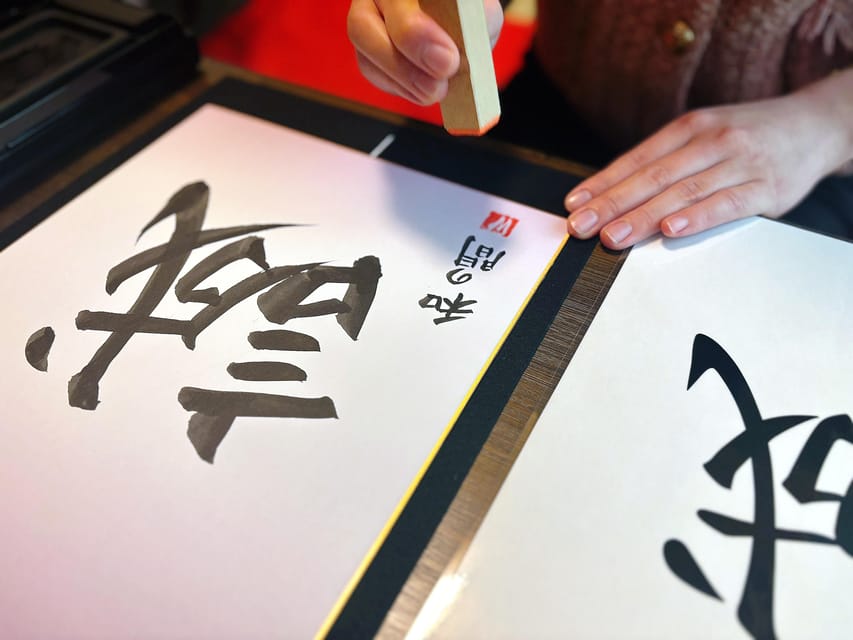
Then you write your name in Japanese characters. Finally, you stamp your initials to complete the work. That stamp detail makes it feel more like real calligraphy art instead of a craft project.
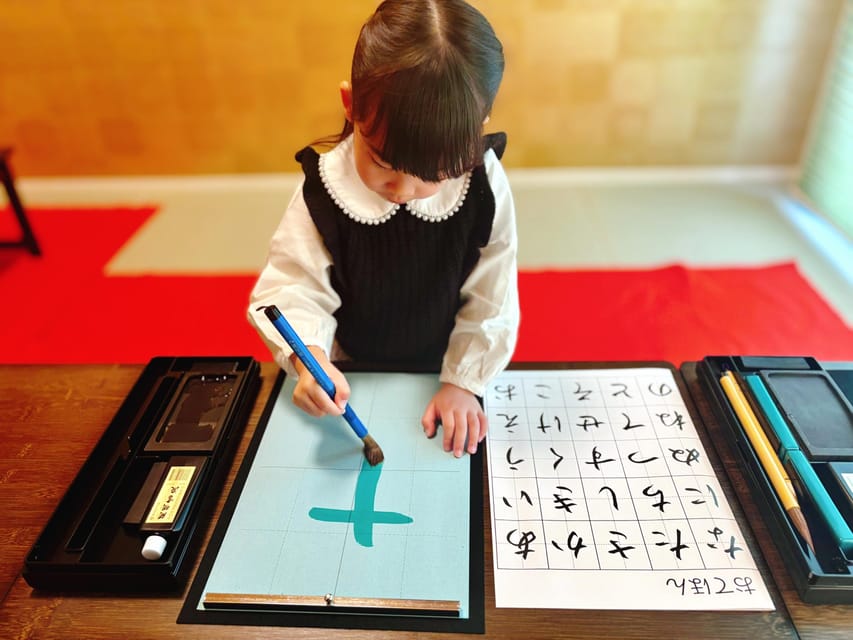
If you are traveling with kids, there is a practical option. For young children, water calligraphy is offered. It prevents messy hands and clothes, while still letting kids experience the brush motion and finish something they can feel proud of.
If you are bringing a family, this is also where the private format helps. The instructor can match a child’s pace, take breaks if needed, and keep the learning smooth.
Photos You Can Use, Not Just Auto-Snapped
Private lesson time is great, because you can take photos anytime and adjust during the session. This matters because calligraphy is a process, not a one-second moment.
In many accounts, instructors like Wa No Ma take lots of photos while you create your final kanji. One reason this is valuable is that calligraphy has a lot going on at once: your hand position, your brush angle, the moment you correct a stroke. If you are busy doing the work, you do not want to also be the photographer.
Also, since the experience is private, you do not feel like you are ruining anyone else’s group photos. You get your own set of images and can focus on learning.
Practical advice: bring your best photo time mindset, meaning be ready to pause for a quick shot once the instructor tells you it is a good moment. You will get more usable photos with one short pause than with frantic, continuous snapping.
Learning Japanese Calligraphy Culture, Not Just Copying Strokes
This class is not only about the physical act of writing. People mention learning a bit of the history of Japanese calligraphy and understanding the meaning behind strokes and their movement.
That cultural context helps your brain connect what you are doing to why it matters. Calligraphy is often treated like visual language plus movement art. When you learn even a small slice of how people view those strokes, your finished piece feels more grounded.
And because the instructor speaks both English and Japanese, it is easier to ask questions. Several people mention asking plenty of questions during the session, which is a sign you will not just be handed paper and sent off.
If your goal is a souvenir plus a story, this format delivers both.
Price and Value: What $51 Buys in Real Time
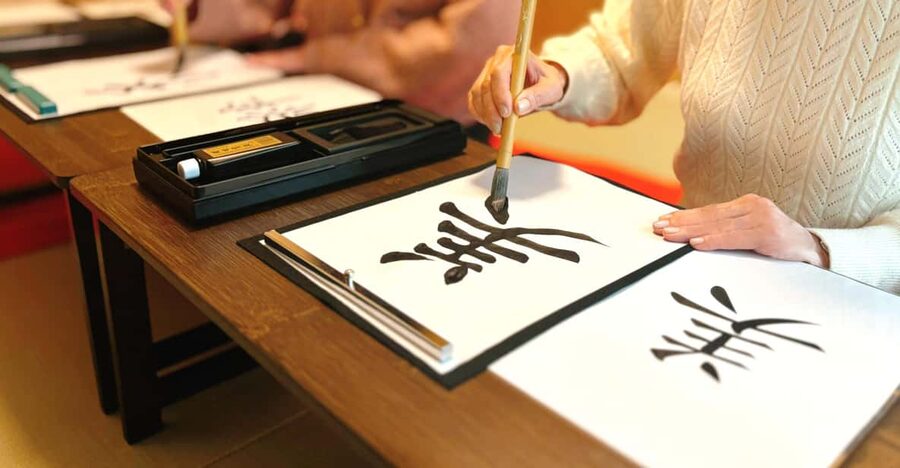
At $51 per person for a 90-minute private session, you are paying for three things at once: personal instruction, materials, and a keepable artwork.
Here is the value breakdown:
- Private guidance reduces wasted time. You learn faster because you can ask questions and get corrections while you write.
- All fees and taxes are included, so you do not get surprised later.
- Colored paper is included, plus the instructor runs the full lesson.
Also, the take-home quality matters. You are not leaving with a rough sketch. You leave with a finished piece with your name in Japanese characters and your stamped initials.
One thing to consider: if you are the type who only wants a quick photo and zero hands-on work, you may feel the value is less than you expected. But if you like slow, focused activities and want something you made yourself, $51 feels very fair for a guided, private creative workshop.
Who This Osaka Calligraphy Class Suits Best
This is a strong fit for first-timers who want authentic Japanese culture without a language barrier. The class is private and guided in English and Japanese, so you are not stuck translating in your head.
It also suits couples and solo travelers. Many people seem to like that it feels personal, not generic. You can request your own theme and favorite letters, and the instructor shapes your piece around that intent.
Families can also do well here. People mention taking the class with kids such as ages 7 and 10, plus teenagers. If your child is young, water calligraphy is available, which helps keep the session comfortable.
The main mismatch is wheelchair accessibility, since the experience is not suitable for wheelchair users.
Should You Book This Osaka Private Calligraphy Experience?
Book it if you want a calming, guided activity in central Osaka that ends with a meaningful souvenir. I especially like that the workshop helps turn your name into kanji tied to personality, and that you get real corrections during brushwork instead of just watching.
Skip it or choose another option if you need wheelchair access, or if you are only looking for a quick, no-effort photo stop. This is hands-on. You will be writing, learning strokes, and taking your time to get it right.
If you are already planning to spend time around Namba and Shinsaibashi, this class is one of the easiest ways to add something genuinely memorable, not just another meal.
FAQ
How long is the Osaka private Japanese calligraphy experience?
It lasts 90 minutes.
What is included in the price?
Included are all fees and taxes, colored paper for making the calligraphy works, and the instructor.
Where do we meet for the class?
Meet at the entrance of New Osaka Hotel Shinsaibashi. Continue walking west for about 30 seconds, where there is a blue vending machine. The guide waits outside the main entrance about 5 minutes before your scheduled time and is wearing kimonos.
What should I bring?
You should bring socks.
What languages are the instructors able to use?
The instructor can speak English and Japanese.
Is the experience suitable for wheelchair users?
No. It is not suitable for wheelchair users.
Fresh options around Osaka
- Osaka Winery Tour with Wine Tasting & Vineyard Walk★ 4.9 · 12 reviews
- Osaka: Early Morning Osaka Castle Guided Tour, Avoid Crowds★ 4.9 · 12 reviews
- Kyoto Day Trip from Osaka Port – Private Shore Excursion★ 5.0 · 13 reviews
- Osaka Private Pop Culture Tour: Historic Tenma to Dotonbori★ 4.5 · 13 reviews
- Osaka Castle Admission Ticket★ 4.0 · 13 reviews
- Hidden Osaka Foodie Tour: Nishinari Backstreets & Local Dining★ 5.0 · 13 reviews
- Discover Real Osaka: A Cultural Walk with Food & Drink★ 5.0 · 13 reviews
- Nara private tour (Shore excursion available from Osaka or Kobe port)★ 5.0 · 13 reviews
Osaka Tours, compared.


Shinsekai Food Tour with 13-15 Dishes at 5 Eateries
Read our review →
Osaka Food Tour: 13 Dishes at 5 Local Eateries
Read our review →
Hungry Osaka Street Food Tour:15 Tastings & 3 Drinks with a Local
Read our review →