Reviewed · TICKETS
Nikko: Edo Wonderland Edomura Cultural Theme Park Ticket
Step into Edo Japan in Nikko and it feels wildly real. What I like most is the live performances you can follow even with limited Japanese and the chance to become an Edo citizen in costume for serious photo ops. The one catch is the day runs on a schedule, and some of the hands-on art experiences cost extra while food is not included.
You’ll spend your day moving between Edo-style streets, theatres, exhibits, and workshops, with plenty to do even if you just want to wander. I especially love how the park mixes comedy and action with craft-style learning, from samurai sword basics to shamisen. One more consideration: the trip from Tokyo can be a puzzle, and the shuttle bus from Nikko to the park does not run constantly.
Plan your timing, bring cash if you can, and you’ll likely have a smooth day. I also think it helps to get there early because shuttle timing and session registration can shape your day.
Key things I’d focus on
- Ninja and oiran shows with clear physical comedy, so you’re not totally lost without Japanese
- Edo costume ranks for photos around Edo architecture, not just a quick dressing room stop
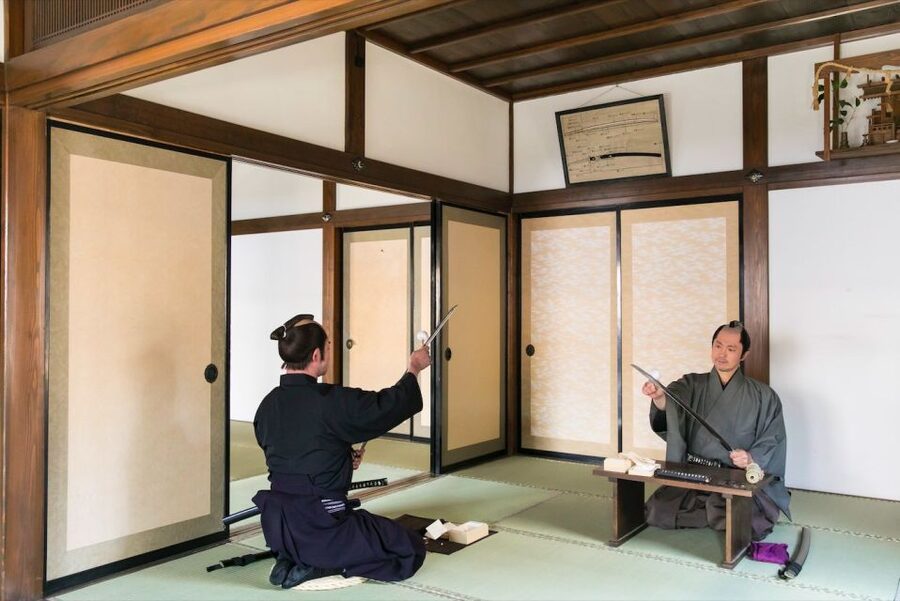
- Hands-on workshops like samurai sword, horseback archery, shamisen, and samurai etiquette
- Edo exhibits such as Edo firefighters and a swordsmith display for context beyond the theatre
- Photo-friendly “ninja world” spots including a ninja house with secrets and a ninja training hall
- Seasonal Edo food, but you’ll pay separately since food and drink are not included
Why Edo Wonderland feels like a time machine in Nikko
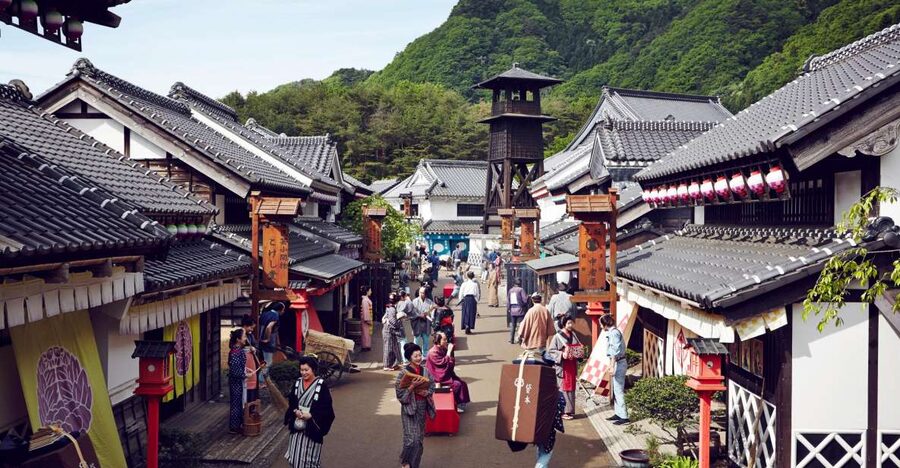
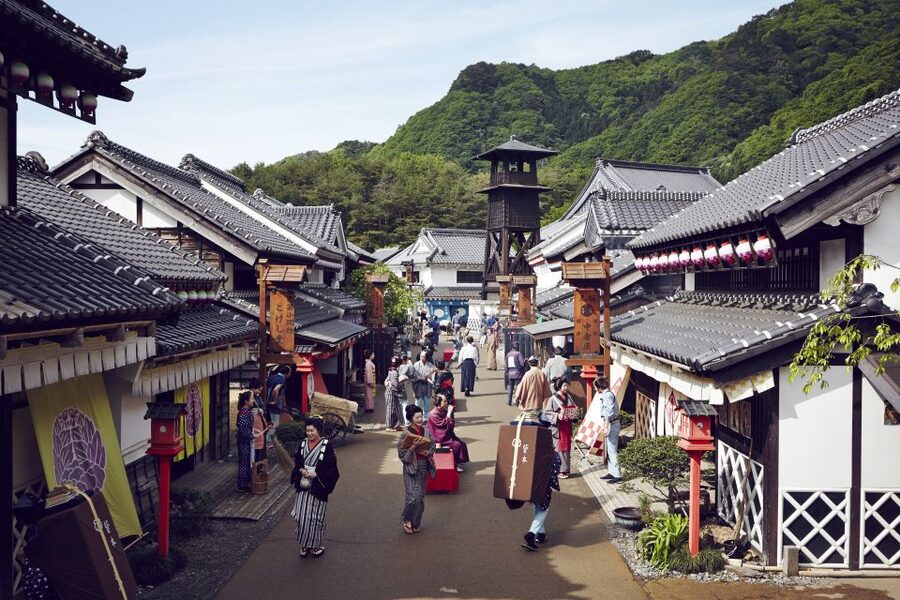
Nikko has a very natural fit for Edo Wonderland. The park sits on a mountainside, and once you pass the entrance you’re walking through a town built to look like the Edo era. That setting matters because it changes how you experience everything inside. Instead of watching history from a distance, you walk through it.
The big payoff is how much of the day is staged but still fun to navigate. You get live shows, costumed characters, and hands-on elements packed into one admission ticket. And the performances are physical, clear, and often funny, so your brain can keep up even if you do not speak Japanese.
If you’re coming for pure theatre, this is one of those places where you should plan around the showtimes. If you’re coming for learning and photos, you can build your day around workshops and costume moments. Either way, the park does a good job keeping your momentum going.
One more thing that stood out from the experience profile is that you can choose from kimono options tied to ranks, then walk around as an Edo citizen. That turns the day into a role you can inhabit, not just a ticket you scan.
A few more Tokyo days worth comparing
- Mt Fuji and Hakone 1-Day Bus Tour Return by Bullet Train
★ 5.0 · 26,383 reviews - 1-Day Tokyo Bus Tour
★ 5.0 · 14,250 reviews - Tokyo: TOKYO SKYTREE® Admission ticket
★ 4.5 · 11,192 reviews
Ticket value: what your $35 entry really covers
The headline price is about $35 per person, and the value is in what you can access with that base ticket. Your admission covers entrance plus access to exhibits, theatres, and performances. You also get entry to several free experiences inside the park, including a sword area and a ninja training hall.
It is also important to understand what is not in that price. Food and drink are not included. Extra craft experiences are also not included, specifically woodblock printing, indigo dying, and Daruma painting. In other words, your day is full and structured, but if you want specific souvenirs or a specific hands-on art output, you’ll need extra cash.
The easiest way to think about value is this: you’re paying for a full day of staged Edo entertainment, plus multiple learning-style activities that do not feel like a museum only. If that sounds like your style, $35 is reasonable for a one-day park experience in Japan.
Also check the practical benefits attached to the ticket. You can skip the ticket line, and the venue is wheelchair accessible. Those details matter in a place where your show schedule is a big part of the fun.
First stop inside: costumes, Edo ranks, and photo-ready streets
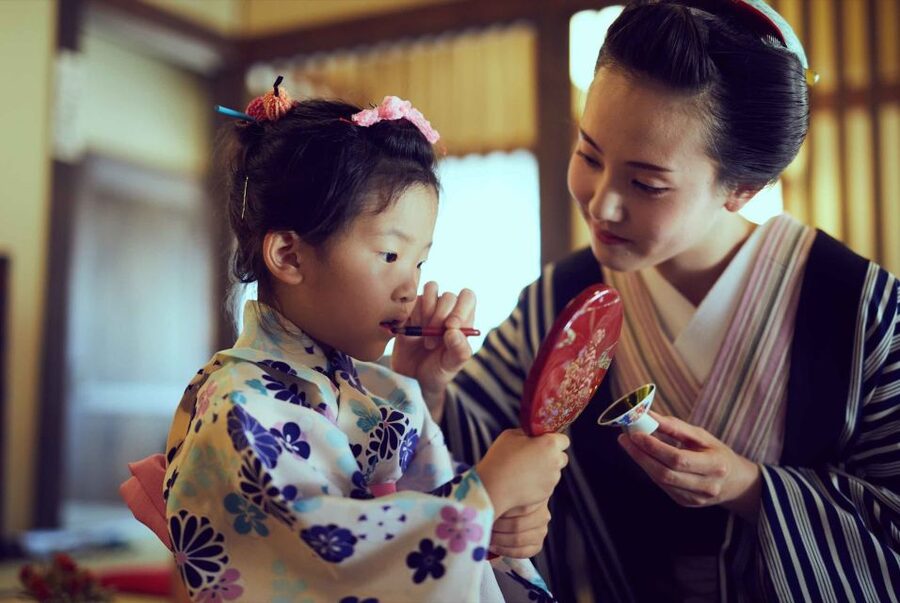
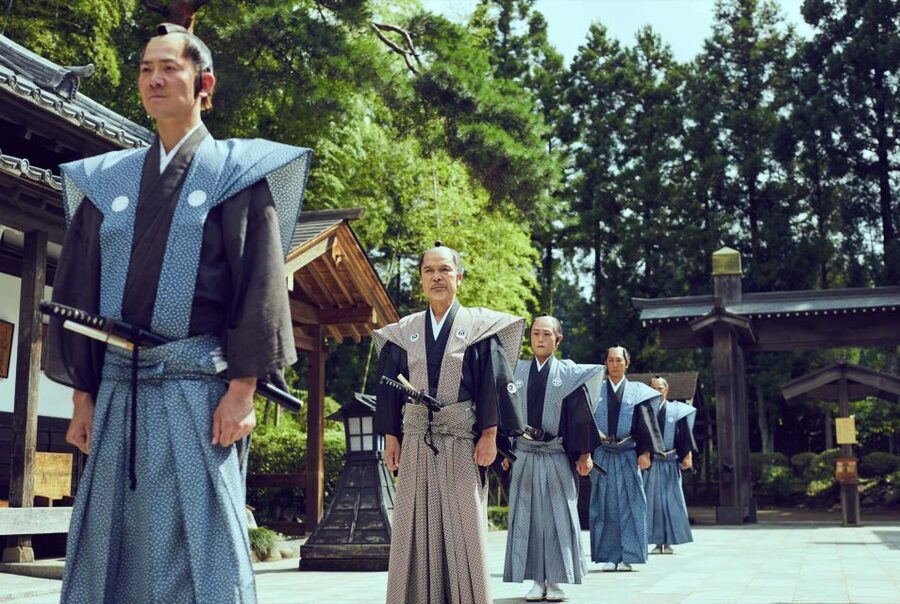
Right after you enter, the park sets you up for immersion, and not in a vague way. You’re given the chance to dress up in kimono from a selection of ranks, and that rank choice becomes part of the day. It’s a smart setup for photos because your outfit stays with you across multiple stops, including theatres and street sets built to look like Edo Japan.
When I’m deciding if a costume option is worth it, I look for two things: will I use it later, and does it change the photo story. Here, yes. The park’s architecture is designed for the costume to look right, so you’re not wearing traditional clothing just for a quick snapshot. You’re walking into a world designed to match it.
One detail to keep in mind, though: kimono rental is not included in your ticket. That means the day can get more expensive if you want the full costume experience. If photos are a priority, it’s still often worth budgeting for it, but you should treat it as an add-on.
Once you’re dressed, your best move is to time your first wandering walk. Walk a loop early to spot the best Edo-looking streets and building backdrops, then return later for more photos when characters and performers are active nearby.
Live performances you should plan around (ninja, oiran, water magic)
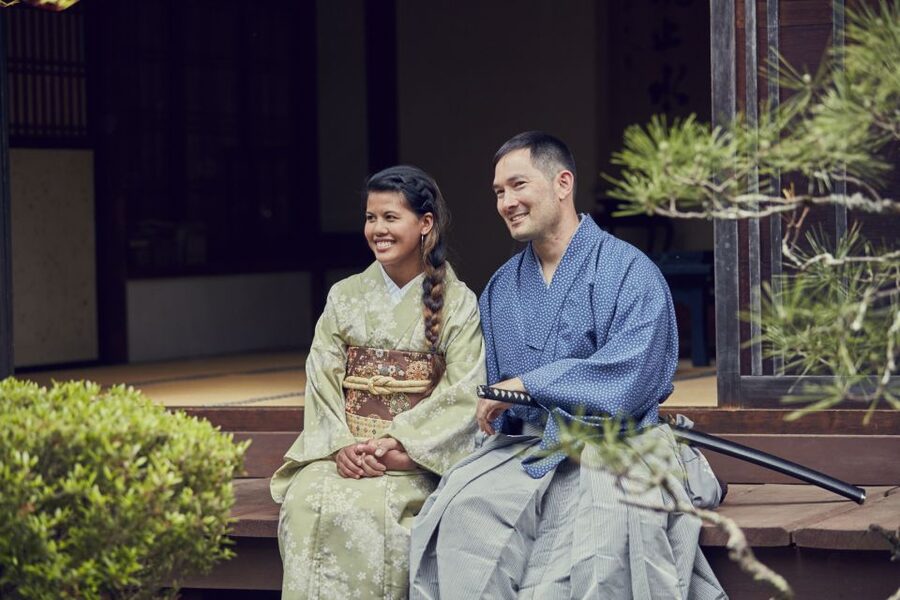
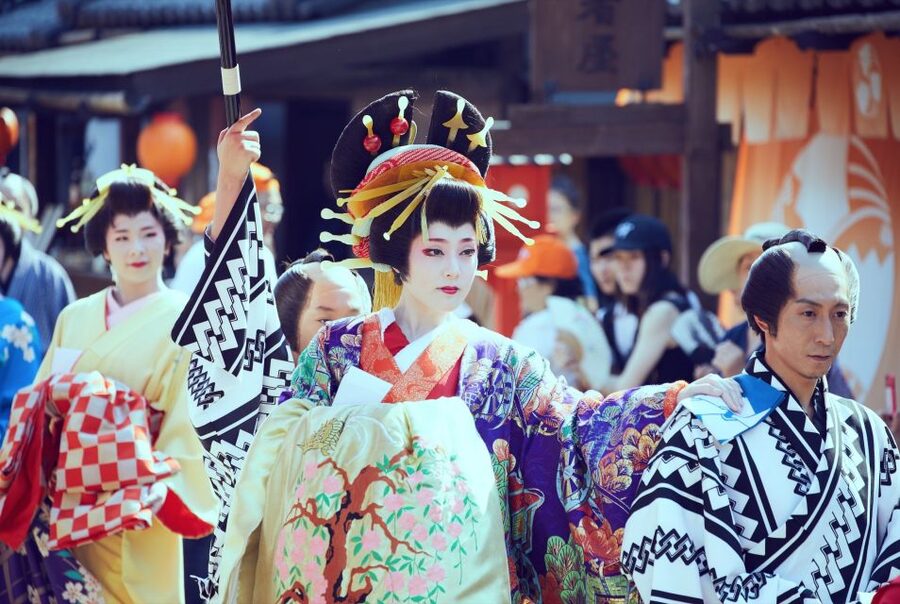
Live theatre is the core energy at Edo Wonderland. The park lists a range of performances, including ninja action style shows, an oiran cultural show, and a water magic style performance, plus other traditional plays.
The ninja performances are often the main reason people remember the day. The action is dramatic, and the physical storytelling is easy to follow. One helpful thing is that the humour and staging are built to land even if you do not speak Japanese. You can watch body language, timing, and interactions, and your understanding catches up fast.
The oiran show adds variety. It shifts the tone from action into a more cultural, performance-focused style, so your day feels balanced rather than repetitive. If you only chase the ninja theatre, you can still have a great time, but you’ll miss some of the contrast that makes the park feel like more than a stunt show.
My practical advice: before you sit down for anything, look at the performance lineup and do a quick priority check. Pick one show you do not want to miss, then choose a second show that complements it. That prevents the common day problem where you end up seeing a lot of small stuff but not your top picks.
Also, keep your phone ready, but do not make capturing photos the entire plan. Shows move, and the best photos usually come from being seated and watching first, then shooting with clean timing once you’re in the right spot.
Same corner of Japan, a different kind of day:
- Tokyo: teamLab Planets TOKYO Digital Art Museum Entry Ticket
★ 4.6 · 9,779 reviews - Mt Fuji & Hakone Cruise, Drum Show Bullet Train 1 Day from Tokyo
★ 4.0 · 7,413 reviews - Tokyo: Sumo Show Experience with Chicken Hot Pot and a Photo
★ 4.8 · 6,678 reviews - Tokyo: Shinjuku Food Tour (13 Dishes at 4 Local Eateries)
★ 5.0 · 6,603 reviews
Workshop time: samurai sword, horseback archery, shamisen, and etiquette
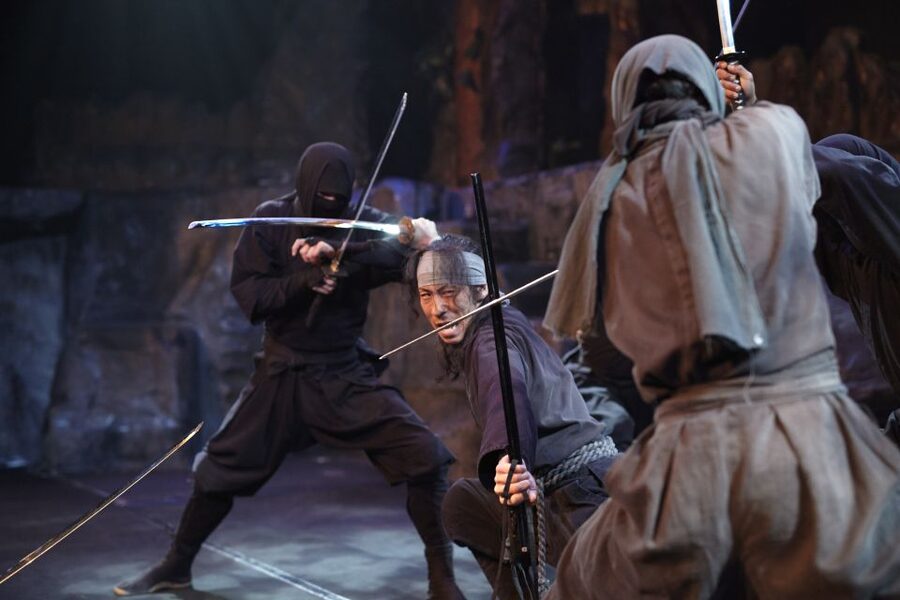
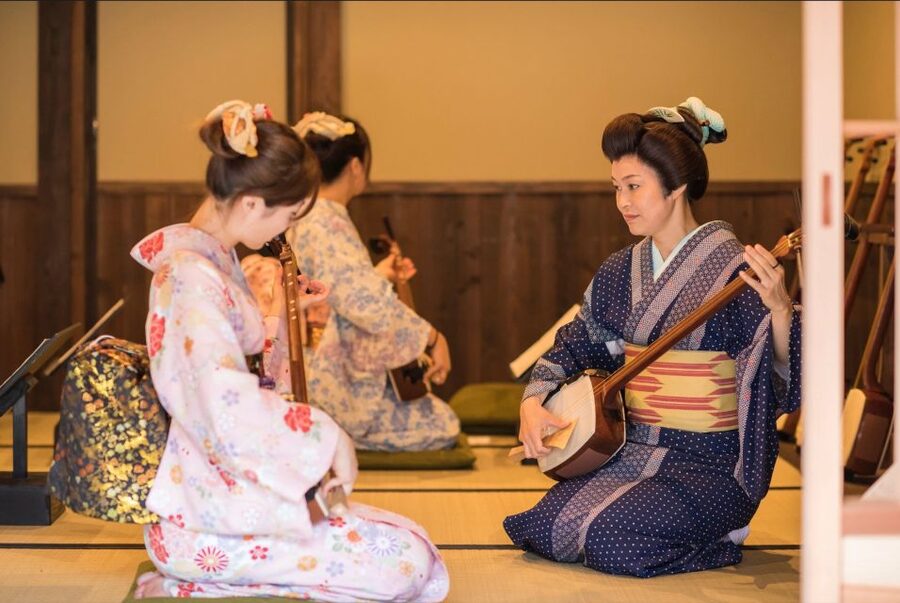
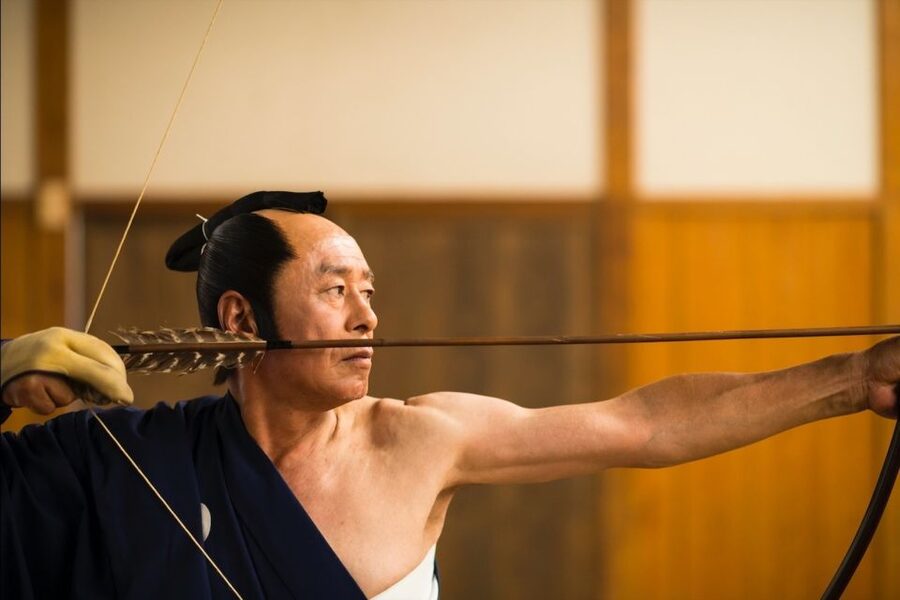
Workshops are where Edo Wonderland shifts from entertainment into skill building. With your base ticket, you can join activities like samurai sword learning, horseback archery, shamisen, and samurai etiquette. These are the kinds of sessions that turn watching into doing.
For the samurai sword workshop, think of it as basics plus practical instruction. You’re not trying to become a martial expert in an afternoon. You’re learning how the tools and posture fit the culture and performance style.
The horseback archery workshop is similar in spirit. It gives you a taste of Edo-era martial themes without requiring you to have years of training. Even if it is short, it’s memorable because it’s physical and visual.
Shamisen learning is a great choice if you want something different from sword and ninja action. Learning about the instrument and how it is played adds another layer to the Edo theme, and it often feels surprisingly approachable.
Samurai etiquette rounds it out. That matters because Edo Japan is not only about weapons. The etiquette element nudges you toward the social side of the era, including how behaviour and roles show rank and status.
Important catch: some craft workshops are not included, including woodblock printing and indigo dying, plus Daruma painting. If you see those options and you care about making something specific, plan to pay extra.
Exhibits and quieter stops: Edo firefighters, swordsmith details, and the maze
Not every moment at Edo Wonderland is a live theatre. The park also has exhibits that add context, including an Edo firefighters exhibition and a swordsmith exhibit. These work well as breaks between shows because they let you slow down and absorb details without committing your whole day to one performance schedule.
If you like hands-on puzzles, the mechanical maze is one of the included amusement-style activities. You also get access to free experiences like the ninja training hall, plus themed experiences that include a ninja house filled with secrets. These spots are great for families too because not every kid wants to sit through shows the whole time.
The ninja training house is especially fun if you like visual trickery. It’s described as a place where the laws of physics seem not to apply, which tells you it’s built for playful, photo-worthy moments. You’ll probably see people laughing while they run through it, and that sets a good tone for the rest of your visit.
A practical plan that works: do one show, then one exhibit or maze-style break, then another show. You’ll avoid show fatigue and you’ll keep your energy up for workshop sessions.
Food, sweets, and cash reality inside the park
Your ticket does not include food or drink. That’s not a dealbreaker because Edo Wonderland still offers plenty of options, and the menus are described as seasonal. You can look for Edo-style dishes, sweets, and drinks within the park.
A practical heads-up: bring cash if you can. One past visitor noted there is no ATM in the park and also that credit card payment was not available. Even if that changes over time, I would still treat it as a risk worth planning around.
So, how do you manage food cost and time? Use the park’s own flow. Eat after a show session when crowds shift, and do not assume you can quickly leave and come back. You’re on a one-day schedule, so your best “value move” is to eat where you are, rather than spending your precious time walking back for supplies.
Also consider that some workshops and extra craft options cost more. If you want both costume rental and extra art, you’ll want to budget ahead so you do not feel rushed later.
How to get there from Tokyo and avoid the shuttle timing trap
Tokyo access is doable, but it’s not the simplest trip in the world. The travel time from Tokyo areas like Shinjuku and Asakusa is described as about 2 to 3 hours, but the route depends on trains and transfers.
A direct route is on Tobu limited express trains from Asakusa to Kinugawa Onsen station, then you continue onward to reach the park area. If you’re using the JR Pass, the described path is Shinkansen from Tokyo to Utsunomiya, then transfer to a local train at JR Nikko station, and then take the free shuttle bus to Edo Wonderland.
This is the part that deserves extra planning: the free shuttle bus from Nikko to Edo Wonderland does not run super often. One visitor missed the 11:30 shuttle and waited nearly an hour for the next one. Another noted the connections can be tough enough that they left Tokyo very early.
My advice is simple and practical. If you can, stay close to Nikko so you reduce transfer stress. If you are doing a Tokyo day trip, set multiple alarms and build buffer time into your plan, especially around the shuttle.
Your meeting point is listed as 470-2 Karakura, Nikko, Tochigi Prefecture 321-2524, Japan. Use that as your anchor once you arrive in the Nikko area.
Who should book Edo Wonderland, and who might not
Edo Wonderland is a great fit if you want a full-day, performance-heavy cultural theme experience. It’s family-friendly because there are kid-focused Edo work experiences and included activities like the maze. It’s also good if you like photos and want to dress for the occasion with Edo architecture as your backdrop.
It’s especially good if you enjoy ninja and samurai themes, because the park’s key shows and activities are built around those interests. If you do not speak Japanese, you can still have a good time because the performances are physical and expressive, and you can pick up the story by watching actions and timing.
The main situation where you might hesitate is if your ideal day is calm, self-guided, and language light. Some explanations inside are mostly in Japanese, and the park does not automatically solve every language barrier for you. You’ll still be able to enjoy the shows and the visuals, but you should not expect museum-style bilingual interpretation.
Also consider costs beyond the ticket. Costume rental is not included, food is not included, and some hands-on arts cost extra. If you want everything, budget for it.
Should you book Edo Wonderland Edomura Cultural Theme Park?
Book it if you want a one-day plan that mixes live ninja and oiran performances, costume photo time, and practical workshops like samurai sword and shamisen. The $35 entry is a solid value for a full day of staged Edo culture, as long as you plan for extra costs like kimono rental, food, and optional crafts.
If you are short on time, worried about Japanese language support, or you cannot handle transfer and shuttle timing, you might feel stressed. But if you can manage logistics and you like theatrical, hands-on history, this is one of the more fun Edo-themed days you can take in Japan.
FAQ
How long is the Edo Wonderland Edomura Cultural Theme Park ticket valid?
The ticket is valid for one day, starting from the first activation.
What is included with the $35 entrance ticket?
Your ticket includes the entrance fee, access to exhibits, theatres, and performances, and access to free experiences such as the sword and ninja training hall. It also includes activities like an Edo work experience for kids and the maze.
Are kimono rentals included?
No. Kimono rental is not included.
Is food or drink included with the ticket?
No. Food and drink are not included.
Are woodblock printing or indigo dying included?
No. Woodblock printing and indigo dying are listed as additional experiences not included in the ticket.
Can I skip the ticket line?
Yes, the ticket allows you to skip the ticket line.
Is there a free shuttle bus from Nikko to the park?
Yes. A free shuttle bus is mentioned as part of the route to Edo Wonderland from JR Nikko station.
How often does the shuttle bus run?
The shuttle bus does not run very often. One account notes that the next shuttle came about an hour later after missing one.
Is the park wheelchair accessible?
Yes, the park is wheelchair accessible.
Is English widely available inside the park?
Some signage or explanations may be limited in English, with multiple sessions described as being in Japanese.
Is there an ATM inside the park?
One visitor noted there is no ATM in the park, so it’s smart to bring enough cash for the day.
Fresh options around Tokyo
- Private Harajuku Omotesando Architecture Tour★ 4.9 · 18 reviews
- Tokyo Shopping Street Hopping Private Tour with Government Licensed Guide★ 5.0 · 18 reviews
- Small-Group Osaka-Style Okonomiyaki Cooking Class★ 5.0 · 18 reviews
- Tokyo: Private Mount Fuji and Hakone Day Trip with Guide★ 4.5 · 18 reviews
- Hakone Private One Day Tour From Tokyo: Mt Fuji, Lake Ashi, Hakone National Park★ 5.0 · 18 reviews
- PERFECT 1 Day Tokyo Highlights Tour with a Private Car★ 5.0 · 19 reviews
- Shinto Shrine Tour: Explore Japanese Culture in Tokyo★ 5.0 · 18 reviews
- Tokyo: Shinjuku Bar Hopping & Karaoke Night Tour★ 4.9 · 19 reviews
Tickets, compared.
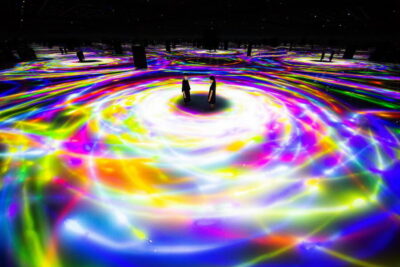
teamLab Planets TOKYO Digital Art Museum Entry Ticket
Read our review →

Japanese Dance Cabaret Theater Asakusa-Kaguwa Ticket
Read our review →