
Reviewed · TEMPLE & SHRINE TOURS IN TOKYO
Nikko: Kegon Falls, Lake Chuzenji & Toshogu Temple
Nikko in one day feels like a reset. I especially love the Toshogu Shrine artistry, all those gold details and symbolic scenes you cannot fully appreciate from a quick stroll, and I love the Kegon Falls viewpoint, where that near-100-meter drop hits you in the best way. You also get a smart mix of sacred sites and nature stops, all paced by a bilingual guide and a driver who knows the mountain roads.
The main thing to weigh is the long day on the coach, plus winter logistics: in January and February, Kegon Falls and Lake Chūzenji are replaced with a panoramic view of Rinnoji Temple and the Futarasan Shrine.
Key things I’d watch for on this Nikko run
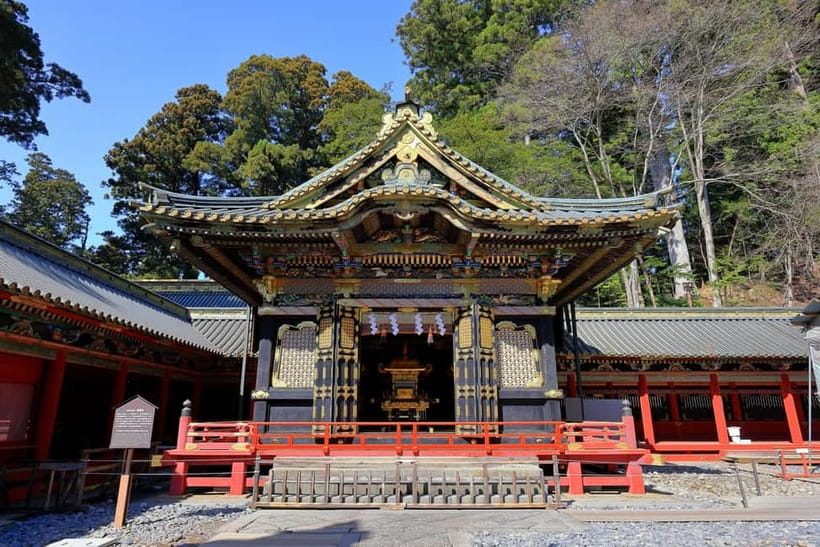
- UNESCO Toshogu time with options: choose the ticket-inclusive add-on for full access to the shrine’s most important gates and buildings
- Kegon Falls from the right angle: a proper observation deck moment, not just a drive-by
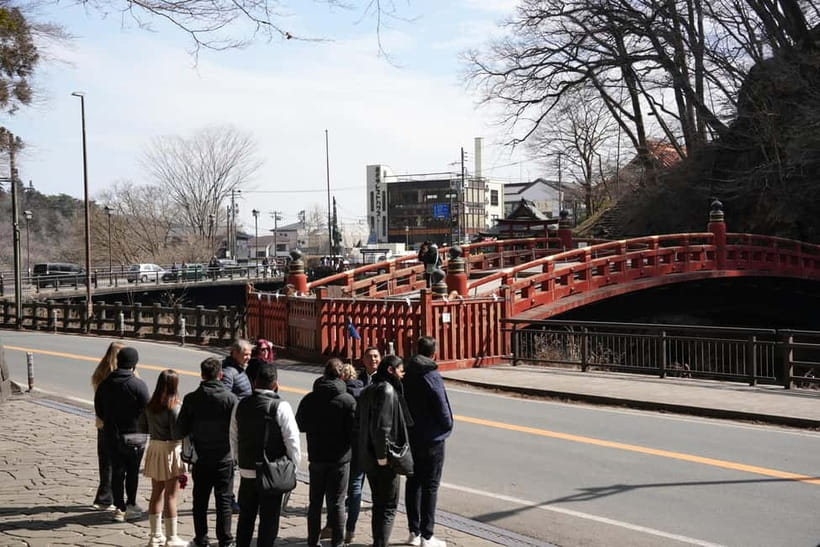
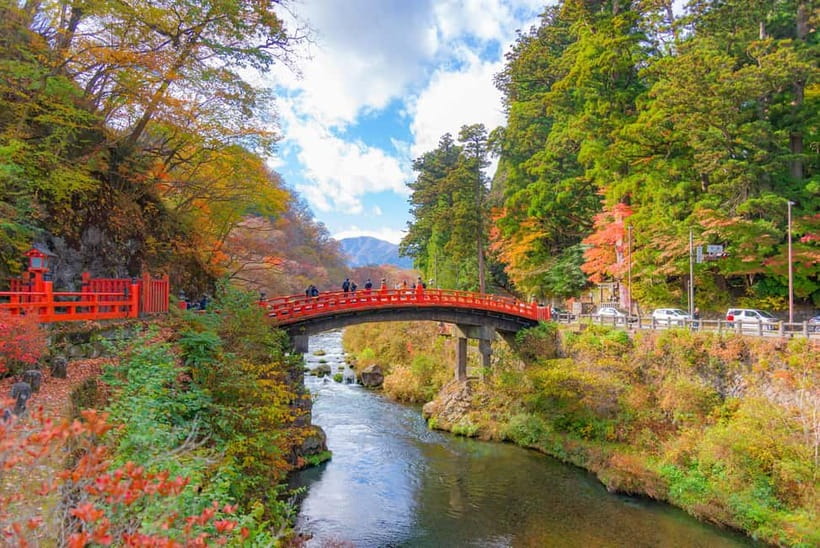
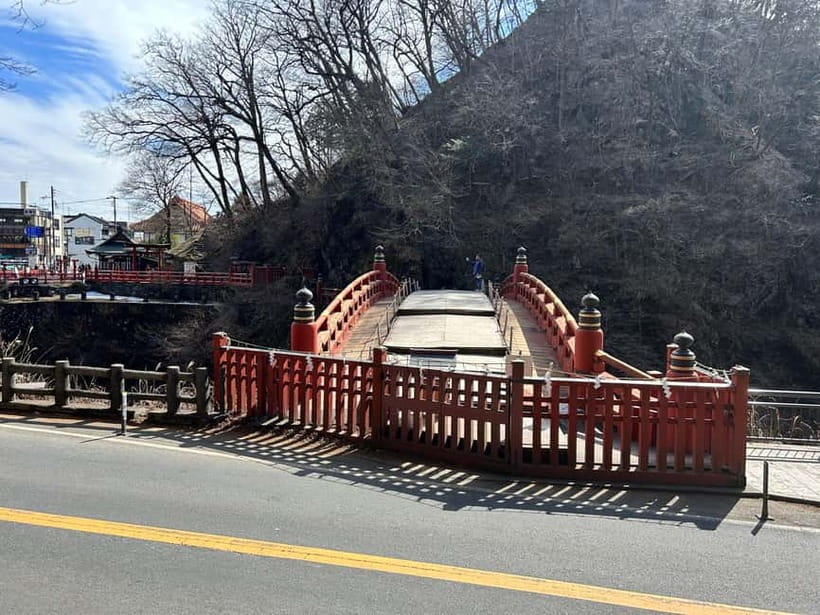
- Shinkyo Bridge panoramic photos: the deep-red bridge over the Daiya River, framed from the bus during the approach
- Lake Chūzenji photo stop: a real shore walk and scenic pause at an alpine volcanic lake
- English and Spanish guidance throughout: guides like Melody, Jorge, Eric, Francisco, and Beru show up often, and they tend to keep groups on track (and laughing)
A one-day Tokyo break that actually feels like travel
This is the kind of day trip that makes Tokyo feel farther away, fast. You start in Ginza, step onto a comfortable, air-conditioned coach, and within a couple hours the city noise fades into mountain roads and greenery. The day is built around Nikko’s two big draws: the spiritual spectacle of Toshogu Shrine and the drama of Kegon Falls, with Lake Chūzenji as the calming reset in between.
At a price point of about $89 per person for an 11-hour day, the value comes from three things you’re not getting if you wing it with local trains: a dedicated driver for a long route, a bilingual guide (English and Spanish) who helps you interpret what you’re seeing, and planned stops that keep you from wasting time figuring out timing.
You will be on the move. But the schedule gives you enough structure to enjoy the sights, without feeling like you’re sprinting from sign to sign.
More Temple & Shrine Tours in Tokyo
- Tokyo: Meiji Shrine, Asakusa, Skytree Bus Tour and Cruise
★ 4.7 · 1,986 reviews - Tokyo: Asakusa Walking Tour with Sensoji Temple Visit
★ 4.8 · 1,583 reviews - Tokyo: Nikko Toshogu Shrine and Kegon Waterfall Tour
★ 4.5 · 1,266 reviews
Getting oriented fast at Shinkyo Bridge
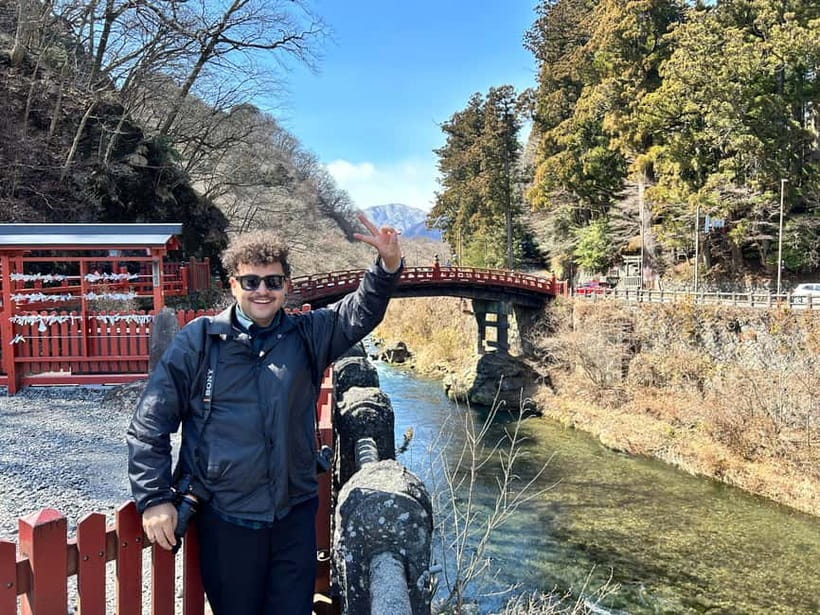
The first visual hit is Shinkyo Bridge. This deep red, curved bridge crosses the Daiya River and works like Nikko’s visual “threshold” before you step into the shrine area. Even when you only see it as a panoramic view from the bus, it sets the tone: man-made beauty aligned with nature.
Here’s what I like about starting with Shinkyo. It turns the day into more than a checklist. You’re not just collecting photos. You’re learning how Nikko groups its key sights, starting with a symbolic crossing, then moving into Toshogu’s spiritual center.
If the weather is clear, this is also when your photos tend to look their best, because the bridge color pops against the forest and river.
Toshogu Shrine: the main event, and why timing matters
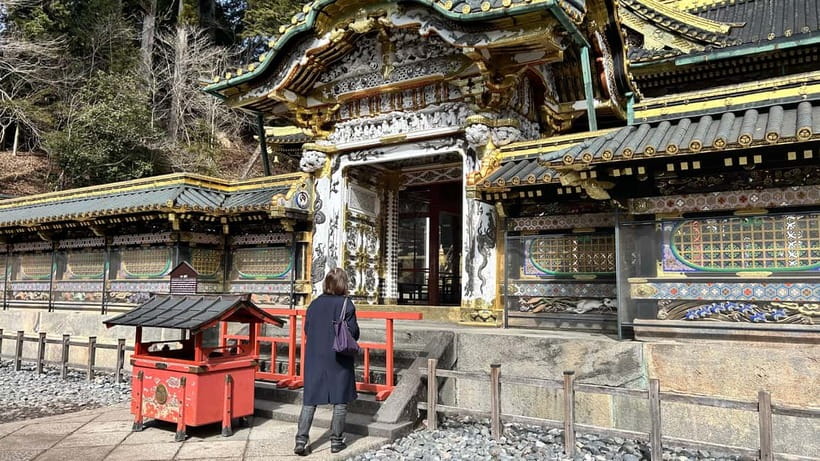
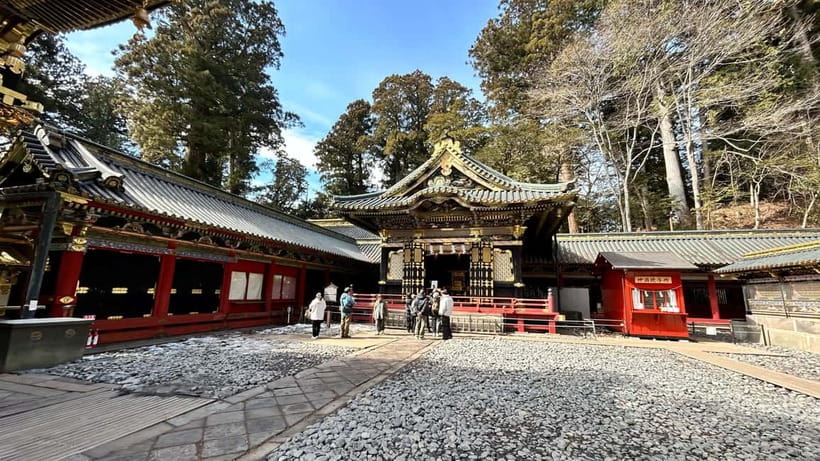
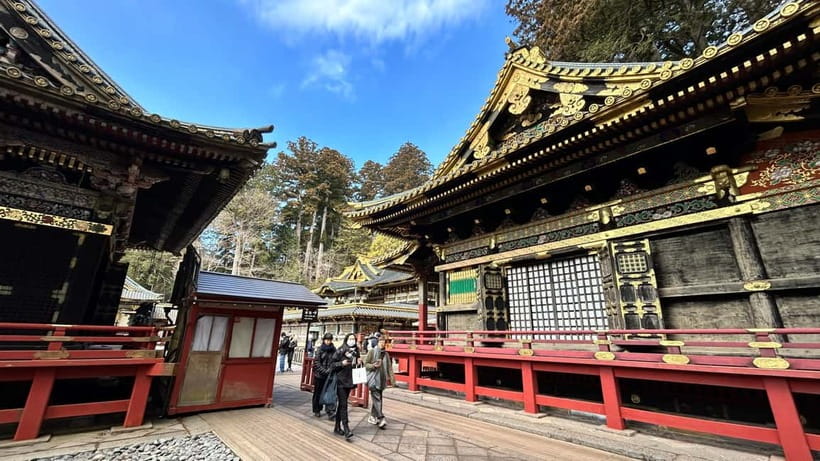
Toshogu Shrine is a UNESCO World Heritage Site, and it is not subtle. It’s the kind of place where the first glance is wow, and the second glance becomes fascination. The ornate decorations and vibrant gold accents can feel overwhelming if you rush. That’s exactly where having a bilingual guide helps.
You get a guided tour of about 2.25 hours, and depending on the option you book, you may also have entrance included. The ticket-inclusive option is the one I’d strongly consider if you want full access to the richly decorated gates and sacred buildings, not only the outer areas.
Look closely for the famous trio of wise monkeys. The guide’s job is to connect that symbolism to the wider cultural story of the site, including its association with the Tokugawa shogunate. Without that context, you can still enjoy the carvings. With it, the carvings feel like a language.
Practical tip for your visit: plan to do a bit of walking and some stairs. One review notes a walk of about 200 steps to the burial site area. Even if your exact path is different, expect that Toshogu is not a flat walk-around.
Should you add the Toshogu ticket option?
If you hate surprises in pricing, do a quick check before booking: one person felt the add-on temple ticket price was high compared with buying separately. But they also still leaned toward the idea that the main shrine experience is worth it.
My take: if you want the guided experience to include the core buildings you came for, choose the ticket-inclusive option. If you already know you’re comfortable buying tickets on your own and you’re confident managing your time inside the complex, you may feel fine selecting the non-ticket option and using free time around the area.
More temple and shrine tours in Tokyo:
- Tokyo Panoramic 1 Day: Meiji Shrine, Asakusa, Odaiba and SKYTREE®
★ 4.5 · 1,222 reviews - Tokyo: Zen Meditation at a Private Temple with a Monk
★ 5.0 · 510 reviews - Mt. Fuji Heritage Tour: Traditional Villages, Lakes & Shrine
★ 4.5 · 509 reviews - Tokyo: Samurai Entertainment Night Show in Kanda Shrine
★ 4.6 · 417 reviews
Kegon Falls: the observation deck moment you plan for
After Toshogu, you head deeper into the mountains for one of Japan’s most dramatic waterfalls. Kegon Falls is nearly 100 meters tall, and you’ll view it from an observation deck. That detail matters. From the right viewing point, you get a sense of scale, the mist, and the vertical drop in a way that feels immediate.
This is also where the day becomes more physical, in a good way. There’s a lunch break built into this segment, and you get about 85 minutes for the falls and time around the area.
Weather reality check in January and February
This tour includes an important winter substitution. During January and February, the itinerary swaps Kegon Falls and Lake Chūzenji for a panoramic view of Rinnoji Temple and the Futarasan Shrine. That means you still get major sights, but you should not count on waterfall views in those months.
If you’re visiting in winter, I’d treat it as a different Nikko day, not a disappointment. The best strategy is to show up flexible and plan your photos around whatever the day offers instead of one fixed expectation.
Lunch in Nikko: simple, timed, and often better than you think
Lunch is handled at a local restaurant in Nikko, and it’s included only with the premium option. In most cases, this is the kind of meal stop that works well on a day trip because it removes decision fatigue.
One practical note from past guests: some restaurants use a ticket-machine style order system. So even if you are ordering in English, be ready for a bit of procedure. If you prefer zero friction, bring a little cash just in case, and follow your guide’s lead.
What you should expect from lunch time: it’s positioned so you can still get your full Kegon Falls experience without feeling stuck waiting around for food.
Lake Chūzenji: the calm shore walk that balances the day
Lake Chūzenji is your scenic breather. You’ll stop at the lakeside with about 40 minutes of free time. The setting is an alpine lake formed by volcanic activity, surrounded by forested hills and often misty views.
This is the stop I treat like my “photo pause plus reset.” The waterfall and shrine are so full-on that you need a quieter segment to digest what you saw. At Lake Chūzenji, the pace makes sense. You can walk along the shore, look for good angles, and just breathe for a bit.
In clear weather, the water and tree lines make it easy to get shots that feel more atmospheric than postcard-perfect. And even if the light is flat, the mist can still give the lake an moody look.
Again, in January and February, this lakeside stop is replaced by that Rinnoji and Futarasan panoramic view option.
Riding the mountain route: drivers make or break this day
Nikko is not close to Tokyo. You’re spending serious time on roads, and that’s why the driver quality matters. Many guests highlight drivers like Hashimoto-san, Ejima-san, Kikuchi-san, Tanaka-san, and Waku for safe, calm handling of the mountain roads.
The coach itself also helps. Reviews note huge windows, which makes the commute more than dead time. When the scenery opens up, you’ll actually enjoy it. When it clouds over, you at least have something to look at while the guide talks through cultural context.
One more bonus: guides frequently use the bus ride to share quick Japanese lessons and etiquette tips, including how to behave around shrines. That kind of micro-prep can change how you experience Toshogu later.
How the pacing usually feels (and what can throw it off)
The structure is straightforward: Tokyo to Nikko by coach, Shinkyo Bridge scenic view, Toshogu Shrine guided time, Kegon Falls with lunch and free time, then Lake Chūzenji free time before the long return trip.
Schedules can shift because of traffic, weather, or local events, and the order of stops may change. That’s normal for day trips in this region. The key thing is that the guide keeps meeting times clear, so you don’t lose yourself after free time.
Plan for this reality:
- You will likely feel tired by the end of the day, mainly from travel time.
- You should wear comfortable shoes for shrine grounds and potential stairs.
- If you want photos at every stop, be ready to move efficiently during free time, not just wander casually.
What I think you get for your money
At $89 per person, you’re not paying only for entry tickets. You’re paying for the whole machine: transport from Tokyo, bilingual guide time, and a schedule that stitches together distant Nikko highlights without forcing you to manage transit.
Here’s where it’s strongest:
- If you want Toshogu Shrine explained clearly in English and Spanish, the guide component is the value.
- If you want Kegon Falls seen properly from an observation deck, this tour handles the hard part.
- If you’d rather not spend your day translating signs and figuring out where to be next, this removes stress.
Where you might feel less thrilled:
- If you already plan to buy Toshogu tickets yourself and you’re comfortable doing everything independently, you may question the ticket add-on cost. One review felt it was overpriced, while another still recommended purchasing for convenience.
My advice: decide based on how you like to travel. If you prefer guidance and a fixed plan, the tour price makes sense. If you prefer maximum control and you are cost-sensitive, check ticket pricing options and choose the route that fits your style.
Who this tour is best for
This is a great fit if you want a “greatest hits” Nikko day with interpretation, not just sightseeing. It’s especially good for:
- First-timers to Nikko
- People who want English and Spanish guidance
- Travelers who don’t want to deal with complicated day-trip logistics
- Anyone who likes their itinerary structured but still includes free time for photos
It’s not suitable for wheelchair users, so plan differently if mobility is a concern.
If you’re traveling with kids, this can work too, as long as your family is ready for a long coach day and some walking at Toshogu and the falls area.
Should you book this Nikko day trip?
If your dream Nikko day includes Toshogu Shrine, Kegon Falls, and Lake Chūzenji, I think this is a smart booking. You get the big sights in one go, and you also get a guide-led explanation that helps the symbolic details at Toshogu land instead of just flying past.
Book it even if you’re short on time in Tokyo. The day is long, but it’s long in a productive way. You’ll leave with photos, stories you can actually explain, and a feel for how Nikko pieces together spirituality and nature.
Just be honest with your season. In January and February, expect the waterfall and lake stops to change. If you can roll with that, you’ll still get a meaningful Nikko day.
FAQ
How long is the Nikko day trip?
The tour duration is 11 hours.
Where does the tour start and end?
The meeting point may vary depending on the option booked. Drop-off locations are listed as Ginza Inz 2.
Is entrance to Toshogu Shrine included?
Entrance to Toshogu Shrine is included only if you select the option that includes the shrine ticket. Otherwise, you get free time to explore the surrounding area independently.
Is lunch included?
Lunch is included if you choose the premium option. Otherwise, lunch is not included.
What languages are the guides?
The guide provides live commentary in English and Spanish.
Will I see Shinkyo Bridge?
Yes. You’ll get a scenic view of Shinkyo Bridge from the bus.
What happens to Kegon Falls and Lake Chūzenji in January and February?
Due to weather conditions in January and February, Kegon Falls and Lake Chūzenji are replaced with a panoramic view of Rinnoji Temple and the Futarasan Shrine.
Is the tour wheelchair accessible?
No, it is not suitable for wheelchair users.
Can I cancel for a full refund?
Yes. You can cancel up to 24 hours in advance for a full refund. The activity also offers a reserve now & pay later option to keep plans flexible.
Fresh options around Tokyo
- Tokyo: Nagano Snow Monkeys and Zenkoji Tour with Temples★ 4.9 · 19 reviews
- Yokohama Port: Private Customizable Tour with Transfer★ 5.0 · 19 reviews
- Sushi Making with Interactive Samurai Experience at JIN-ASAKUSA★ 5.0 · 19 reviews
- Explore Unique Tokyo Streets / Learn with a Pro Photographer★ 5.0 · 19 reviews
- DAIKOKU excursion by car DRIFT automobile encounter★ 4.5 · 19 reviews
- Official Street Go Kart Tour Akihabara 2nd★ 5.0 · 19 reviews
- Cosplay Experience with Professional Makeup and Photo Shoot!★ 5.0 · 19 reviews
- Tokyo: Name Seal & Pouch or Tote Bag Making Experience★ 4.5 · 19 reviews
Temple & Shrine Tours in Tokyo, compared.
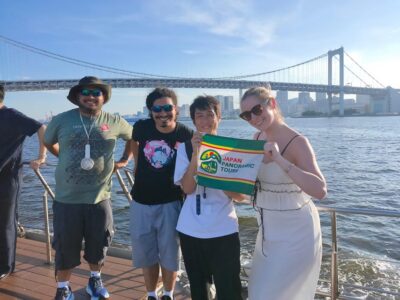
Meiji Shrine, Asakusa, Skytree Bus Tour and Cruise
Read our review →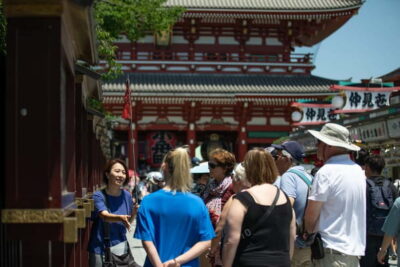
Asakusa Walking Tour with Sensoji Temple Visit
Read our review →
Nikko Toshogu Shrine and Kegon Waterfall Tour
Read our review →
Tokyo Panoramic 1 Day: Meiji Shrine, Asakusa, Odaiba and SKYTREE®
Read our review →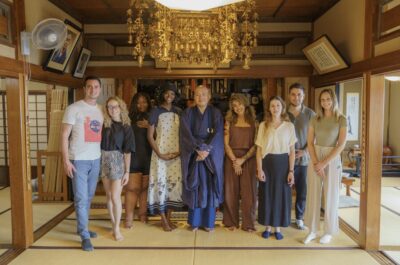
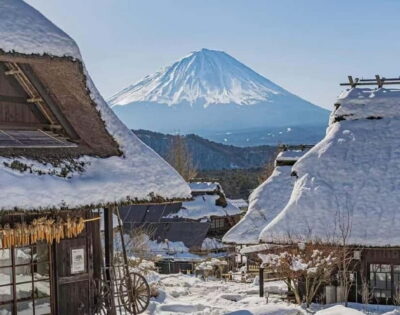
Mt. Fuji Heritage Tour: Traditional Villages, Lakes & Shrine
Read our review →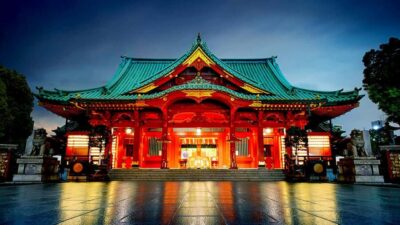
Samurai Entertainment Night Show in Kanda Shrine
Read our review →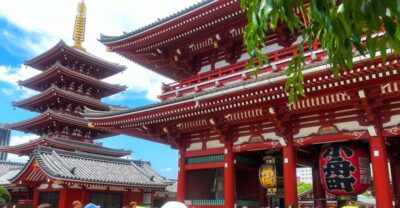
Asakusa and Tokyo’s Oldest Temple Senso-ji Tour
Read our review →Browse the lists this tour appears in