
Reviewed · TAKAYAMA TOURS
From Takayama: Guided Day Trip to Takayama and Shirakawa-go
Samurai-era Japan feels close here. In one day, you pair Takayama Jinya with walking time through Takayama’s old streets, then move on to UNESCO Shirakawa-go for gassho-zukuri village scenery and guided sights.
I love the combo of guided access and your own time to wander. The Takayama Jinya tour is inside a real government outpost building from the Edo era, and the Sanmachi block plus the market stop give you room to eat, shop, and look at what you actually want. One drawback: it’s a long full-day plan with bus rides and multiple walking segments, so you’ll want comfortable shoes and a realistic pace.
Key takeaways before you go
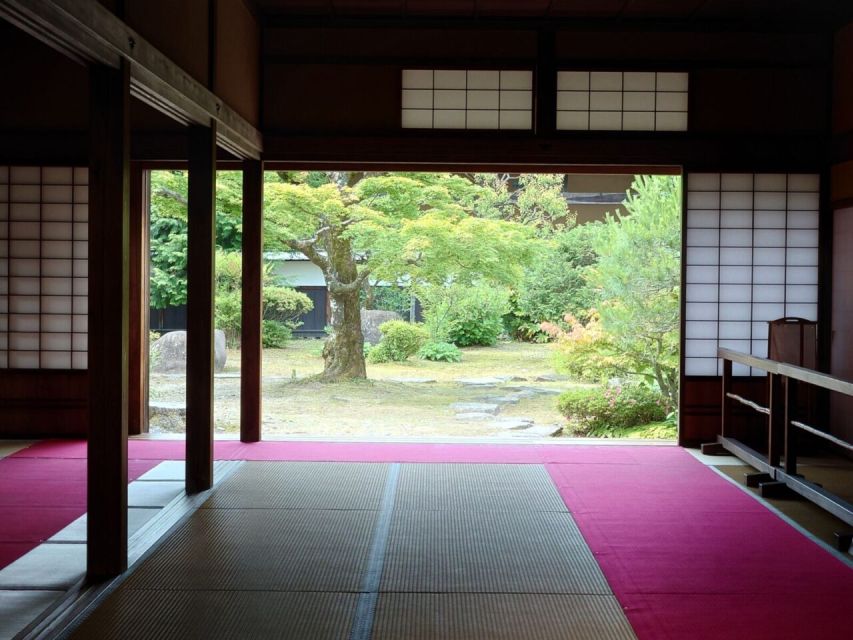
- Takayama Jinya, inside a 300+ year-old outpost with guided explanations of its rooms and artifacts
- Sanmachi old town + Miyagawa Morning Market with guided highlights and then free time to eat and browse
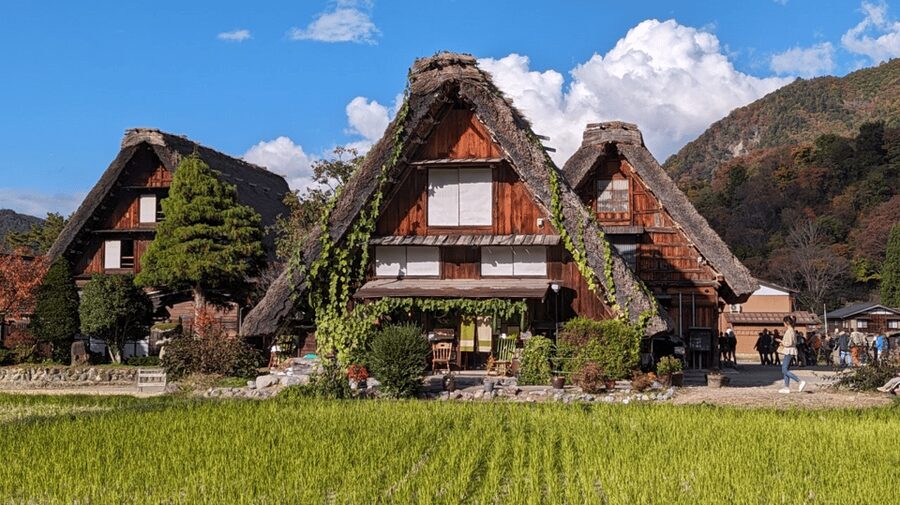
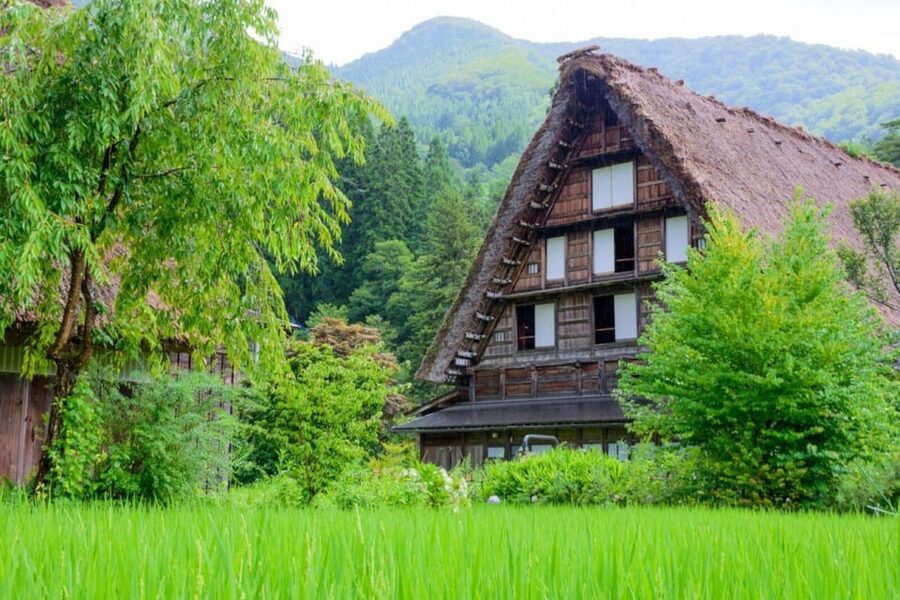
- Shirakawa-go with both viewpoint time and guided walking through rice paddies and gassho-zukuri lanes
- Stops that break up the village experience (lookout, Myozenji Museum area, Kanda House area, and Three Houses photo time)
- Food and photo help from the guide is a repeated highlight, with plenty of practical local suggestions
- Price makes more sense when you want a guide-built day rather than piecing together transport on your own
From Takayama Station to Takayama Jinya’s Edo-era rooms
This day starts at JR Takayama Station, outside the ticket gates. Look left for a walkway with an ornate wagon carving, and keep an eye out for your guide wearing a Snow Monkey Resorts tour tag. There’s a waiting area nearby with benches if you arrive early, but be sure you’re back at the meetup point at 9:00 AM.
The first big win is getting into Takayama Jinya, a local governor’s outpost that dates back over 300 years. You’re not just looking at history behind glass. You walk through the building itself with a guide who explains how an Edo-era government site worked, and you get to see period items like art, books, and tools from the 17th to 19th centuries.
What I like about this start is the grounding. Takayama can feel like a pretty historic town from the outside, but the jinya gives you the “why.” You understand how this region was administered, not only how it looked. If you’ve got even mild curiosity about how places ran in older Japan, this first stop gives your later wandering extra meaning.
One practical note: the jinya tour is guided and timed, so you’ll want to listen and absorb rather than trying to multitask with constant photo breaks inside.
A few more Takayama days worth comparing
- Kanazawa: World Heritage Shirakawa-go Morning Guided Tour
★ 4.9 · 988 reviews - Kanazawa: World Heritage Shirakawa-go & Two Local Experience
★ 4.9 · 274 reviews - Kanazawa/Takayama: Shirakawago & Takayama Private Day Tour
★ 4.8 · 172 reviews
Sanmachi old town and Miyagawa Morning Market: the perfect mix
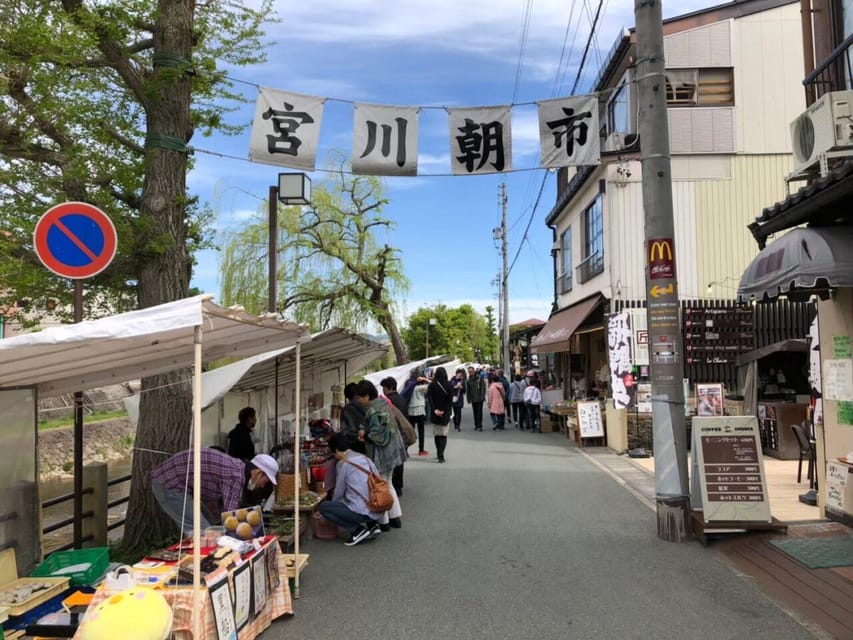
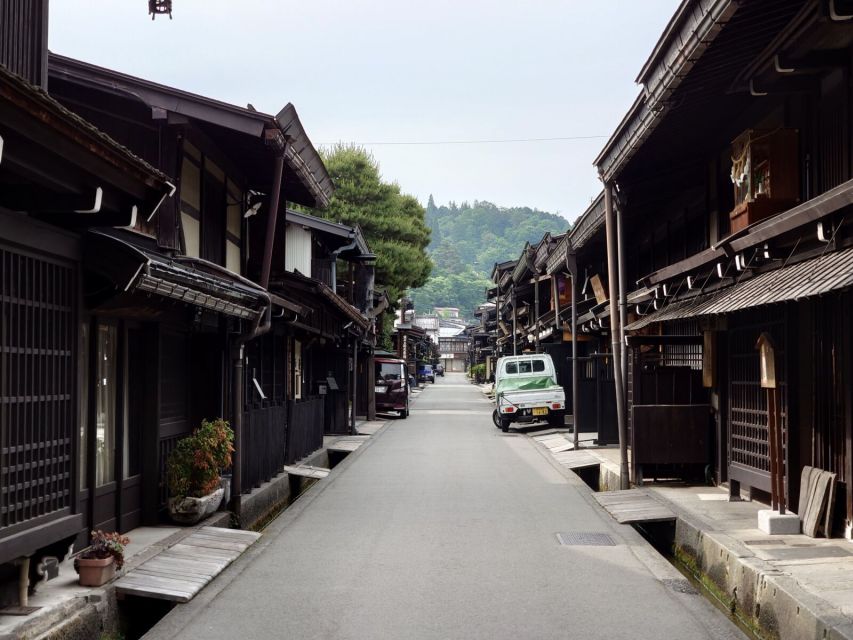
After the jinya, the pace shifts to the streets. Downtown Takayama is known as Sanmachi, the preserved historic area with narrow lanes and traditional wooden merchant houses. Your guide points out what to notice, so you don’t miss the details that make these old blocks special.
You then reach the Miyagawa Morning Market area, where the tour transitions into free time. You get about 1.5 hours to roam. Use that window like a local-style break: browse first, then decide where you want to eat. The market and Sanmachi are great for quick bites, snacks, and small shopping stops, and it’s also a good time to refill water.
Food options you can plan around during this free period include regional flavors from Hida, plus chances for things like sake tasting. There are also mentions of wagyu beef sushi in this area, which tells you the guide is paying attention to what’s worth your time, not only what’s easy to photograph.
If you’re wondering how to spend the free hour without burning it all on wandering, here’s a simple approach:
- Walk the market loop once for atmosphere.
- Pick one snack and one souvenir mission.
- Only then commit to a sit-down lunch if you’re actually hungry.
Your guide can help with recommendations. In the past, guides like Florentina and Yoshi have been praised for organization and for answering lots of questions without making you feel rushed. That matters, because when you’re in historic streets, the “small” questions are often the most fun ones.
Riding to Shirakawa-go: let the scenery do the work
Next comes the bus ride. You’ll transfer from Takayama to Shirakawa-go and use the trip time to reset your legs. The ride takes under an hour, and once you arrive, the schedule is designed to pace the day so you don’t feel like you arrived and immediately got dumped into a crowds-only free-for-all.
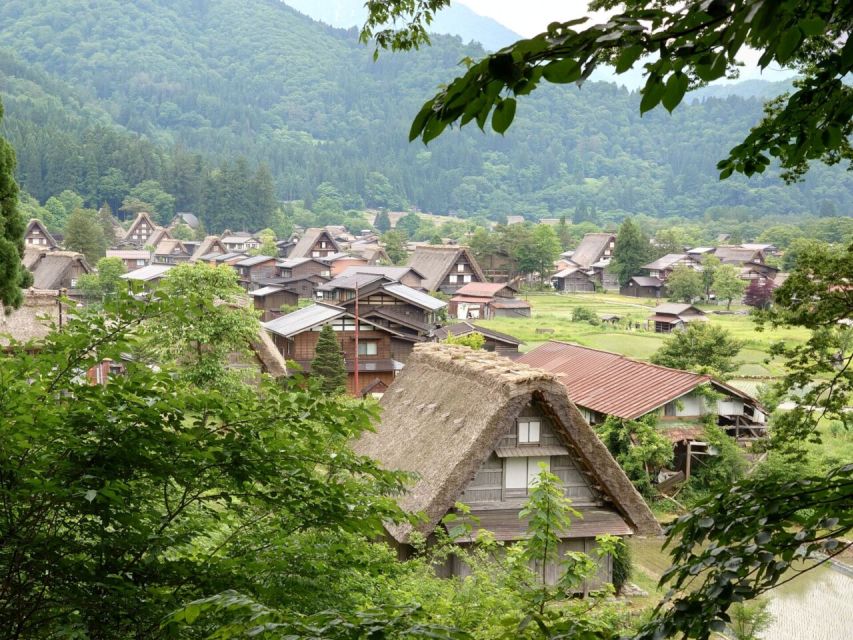
There’s a key step before you descend into the village: a famous lookout point. That viewpoint is your reality check. Shirakawa-go is famous for its thatched-roof gassho-zukuri houses, but the viewpoint is where you see the village shape as a whole, not just as individual buildings.
Then the guide leads you onward down into rice paddies and the quieter village lanes. This is where your day starts to feel like you’re stepping back in time, because the environment is part of the story: the roads, the fields, and the house layout all connect.
If you care about photos, this is also where you’ll get a lot of use out of a guide’s “stand here” advice. Multiple guide reports mention that they helped people capture good angles in the best spots.
Shirakawa-go walking tour: gassho-zukuri, museums, and house time
The guided portion inside Shirakawa-go is built around a loop that balances explanation with walking. You get an intro to the town, then you explore areas connected to the village’s cultural identity.
The walk includes photo stops and guided segments around key sights, including:
- Myozenji Museum photo stop and guided visit
- Kanda House photo stop and guided visit
- Time in the village lanes after the guide introduces what you should notice
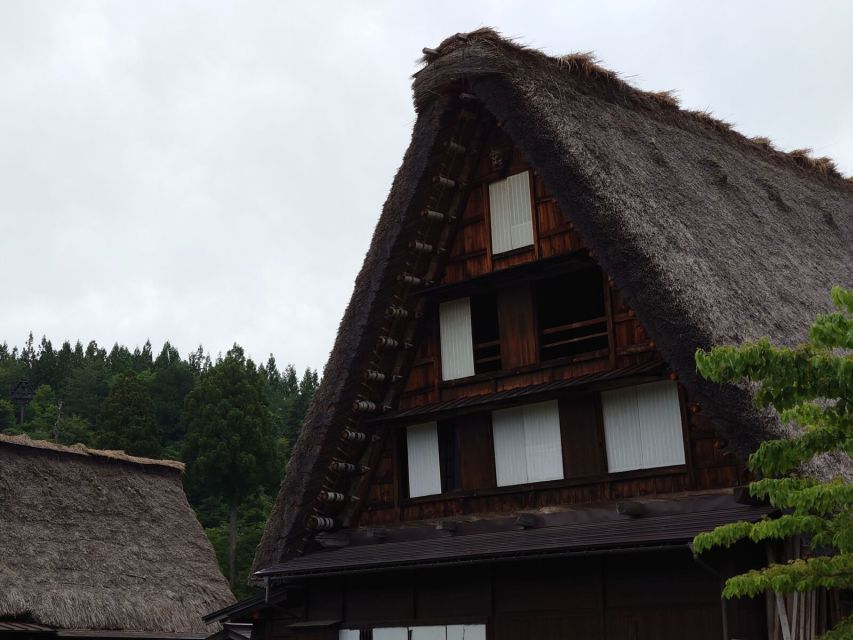
What you’re actually doing here is learning how the houses function as homes and community structures. Shirakawa-go’s gassho-zukuri style is recognizable in pictures, but the guided stops help you understand what you’re looking at: the architecture choices, the village layout, and why these places have persisted.
One thing I appreciate: you’re not trapped in a museum-only format. The “museum stop” energy is spread out across the village. That makes the time feel less like a lecture and more like a guided walk with checkpoints.
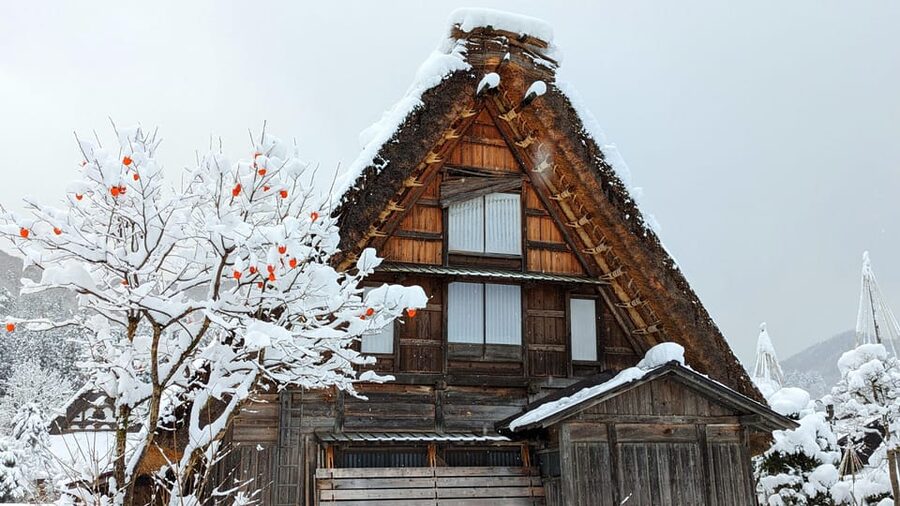
Also, weather can matter a lot in Shirakawa-go since it’s an outdoor village. If conditions are snowy or slippery, your guide’s pacing and the bus timing help keep the day manageable. There’s at least one mention of the smaller vehicle ride being a big comfort factor when snow hit.
Same corner of Japan, a different kind of day:
- Departing from Takayama [Regular sightseeing bus] World Heritage Sites Shirakawago and Gokayama Ainokura
★ 4.5 · 137 reviews - 1-Day Takayama Tour: Explore Scenic Takayama and Shirakawago
★ 5.0 · 113 reviews - Private Afternoon Cycling Tour in Hida-Furukawa
★ 5.0 · 109 reviews - Private-group Morning Cycling Tour in Hida-Furukawa
★ 5.0 · 105 reviews
Your one-hour free time: how to shop, snack, and avoid decision fatigue
After the guided segments and photo moments, you get about one hour to explore on your own. This is where you can tailor the day. The important thing is that you don’t feel like you missed the “must-see,” because the guide covers the core highlights first.
During free time, you can:
- Revisit spots you want from a different angle
- Do shopping along the main street
- Grab lunch or snacks if you want something different from market food
- Spend time around the Three Houses area for extra photos and comparisons
There’s also a hop-on hop-off style stop included in the time you have to work with. Practically, that gives you flexibility if you feel like walking more or less depending on how your legs feel.
Here’s the strategy I recommend for this portion:
- Choose one “shopping lane” and don’t chase every stall.
- Pick one food item you can only justify here.
- Save your longer wandering for the last 20 minutes, because you’ll want to stay oriented for the return.
Lunch, snacks, and what to eat when you only have one day
Lunch is not included in the price. That’s normal for day trips like this, and it can actually be a good thing because it lets you eat what sounds best to you.
In practice, your best bet is to use the market free time for snacks and a casual meal option. Then, if you want a second sit-down meal, Shirakawa-go’s main street is where you’ll find more choices during your free hour.
You might see options like sake tasting and wagyu beef sushi mentioned in the food plans connected to Takayama and Hida region suggestions. If you’re the type who gets decision fatigue at menus, this is one area where a guide’s specific recommendations help a lot. Multiple guides were praised for pointing out what’s actually worth trying, including sweets if you have a sweet tooth.
Price and logistics: does $158 per person feel worth it?
At $158 per person for a full-day trip, this is not a “cheap and cheerful” add-on. But value here is about what you’re buying: you’re paying for a guided day that covers both towns without you stitching together public transport, timing, and transfers yourself.
Consider what you get for that money:
- Roundtrip transportation from Takayama
- A live English-language guide
- Entry to Takayama Jinya
- Guided walking time in Takayama plus a guided walking experience in Shirakawa-go
- Several photo stops and guided explanations so you understand what you’re seeing
If you’re staying in Takayama, this is one of the most efficient ways to reach Shirakawa-go. A couple of guides have also been praised for driving and transport comfort, which matters because long travel days can feel exhausting fast.
Is it pricey? Some people do feel that. But if you want both destinations in one day and you’d rather spend your energy walking and learning instead of planning transport, the cost starts to feel reasonable.
Who should book this day trip (and who should skip it)
This tour is a strong match if you:
- Want the greatest hits of Takayama and Shirakawa-go in one packed day
- Like your history taught where it happened, not only in a museum room
- Enjoy structured walking tours but still want time to wander on your own
- Care about practical guidance like where to eat, what to look for, and photo spots
It may be less ideal if you:
- Plan on moving slowly and hate bus-and-walk days
- Prefer long stays in one place over covering two towns
- Want lunch fully handled for you, since lunch is not included
On guide quality, the pattern is very clear. Names like Mikasa, Florentina, Yoshi, Hemi, Hime, Yogi, Yuko, and Joyce (Aiko) show up across different bookings with consistent praise for organization, professionalism, humor, and answering questions patiently. That matters because these are the kinds of tours where the guide really shapes your experience.
Should you book this Takayama and Shirakawa-go trip?
I’d book it if you’re looking for an easy, well-paced way to connect Takayama’s Edo-era government site and old merchant streets with UNESCO Shirakawa-go, with guided context and enough free time to eat and shop without stress.
You should think twice if you want a slow, unstructured day, because this is built for coverage: guided walking in both towns plus bus time between them. Go with the mindset of one focused day, good shoes, and a flexible attitude about weather.
If you match that, you’ll likely come away feeling like you saw the real shape of the region, not just a postcard version of it.
FAQ
Where do I meet the guide?
Meet outside the ticket gates at JR Takayama Station. Once you’re through the gates, look left for a walkway with an ornate wagon carving, and find the guide wearing a Snow Monkey Resorts tour tag.
What time does the tour start?
The meeting point is set for 9:00 AM, and the guide will expect you there at that time.
How long is the day trip?
The duration is listed as 1 day.
Is transportation included?
Yes. Roundtrip transportation from Takayama is included, with transfers by bus or coach between Takayama and Shirakawa-go.
What activities are included?
You get entry to Takayama Jinya, a guided walking tour of Takayama, and a walking tour of Shirakawa-go with guided time and photo stops.
Is lunch included in the price?
No. Lunch is not included.
Will I have free time to explore on my own?
Yes. You’ll have free time in Takayama (about 1.5 hours around the market and Sanmachi area) and free time in Shirakawa-go (about 1 hour for photos, shopping, and self-guided sightseeing).
What language is the guide?
The tour guide is English-speaking.
Where do I get dropped off at the end?
You’ll have two possible drop-off locations: Kanazawa Station and Takayama Station.
Can I cancel for a full refund?
Yes. Free cancellation is available up to 24 hours in advance for a full refund.
Fresh options around Takayama
- 1-Day Tour from Takayama: Hida Folk Village, Caves & Ropeway★ 5.0 · 24 reviews
- Gifu Samurai Sword Town;Japanese Damascus Knife Making Experience★ 5.0 · 27 reviews
- Takayama: Private Walking Tour with a Local Guide★ 4.6 · 29 reviews
- Knife Making Experience in Samurai Sword Town★ 5.0 · 29 reviews
- Sawanobori River Trekking Tour★ 5.0 · 30 reviews
- Takayama Private Custom Tour with Local Guide★ 5.0 · 31 reviews
- Takayama: Takayama Jinya & Old Town Private Walking Tour★ 4.5 · 32 reviews
- Explore Kiso Valley : Magome – Tsumago Mountain Trail Walk★ 5.0 · 33 reviews
Takayama Tours, compared.
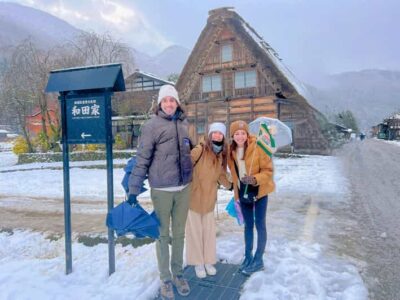
World Heritage Shirakawa-go Morning Guided Tour
Read our review →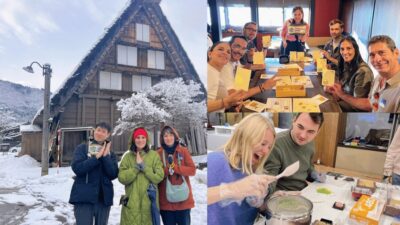
World Heritage Shirakawa-go & Two Local Experience
Read our review →
Kanazawa/Takayama: Shirakawago & Takayama Private Day Tour
Read our review →![Departing from Takayama [Regular sightseeing bus] World Heritage Sites Shirakawago and Gokayama Ainokura](https://review-japan.com/wp-content/uploads/departing-from-takayama-regular-sightseeing-bus-world-heritage-sites-shirakawago-and-gokayama-ainokura-400x267.jpg)
Departing from Takayama [Regular sightseeing bus] World Heritage Sites Shirakawago and Gokayama Ainokura
Read our review →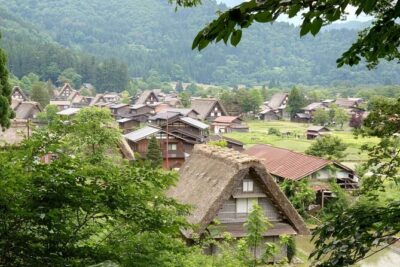
1-Day Takayama Tour: Explore Scenic Takayama and Shirakawago
Read our review →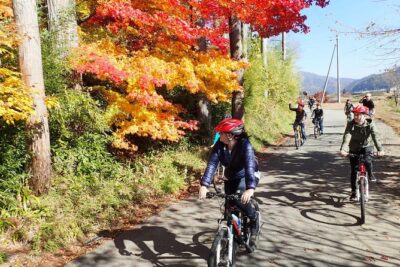
Private Afternoon Cycling Tour in Hida-Furukawa
Read our review →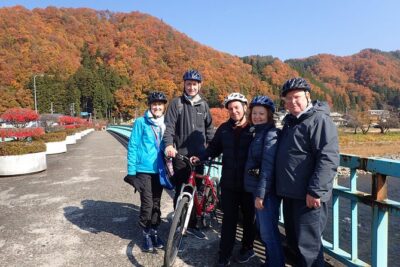
Private-group Morning Cycling Tour in Hida-Furukawa
Read our review →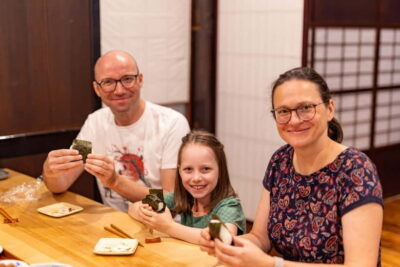
Takayama: Onigiri and miso soup making at a buddhist temple
Read our review →Browse the lists this tour appears in