
Reviewed · HISTORICAL TOURS
Hiroshima: Miyajima Half-day Historical Walking Tour
Miyajima feels like a live shrine postcard. This half-day walk ties together sea views, the iconic O-Torii, and the big-name Itsukushima Shrine, plus a laid-back pace with a small group. Guides like Kaz and Yuji are repeatedly praised for friendly storytelling about both the sacred sites and everyday island life.
I especially like the included food break, because you get to try fresh oysters and fried momiji dumplings made with Hiroshima Prefecture ingredients. You also get context beyond the photo stops, learning how faith and daily habits evolved from the Edo period to today, with time to visit the museum and historical temple grounds.
One thing to plan for: this is still a walking tour, and summer heat can be intense. Wear solid shoes, bring water, and note that restaurant service can run slow at times, which may stretch the day.
Key highlights to look for
- Seto Inland Sea views on the ferry plus big first impressions of the island
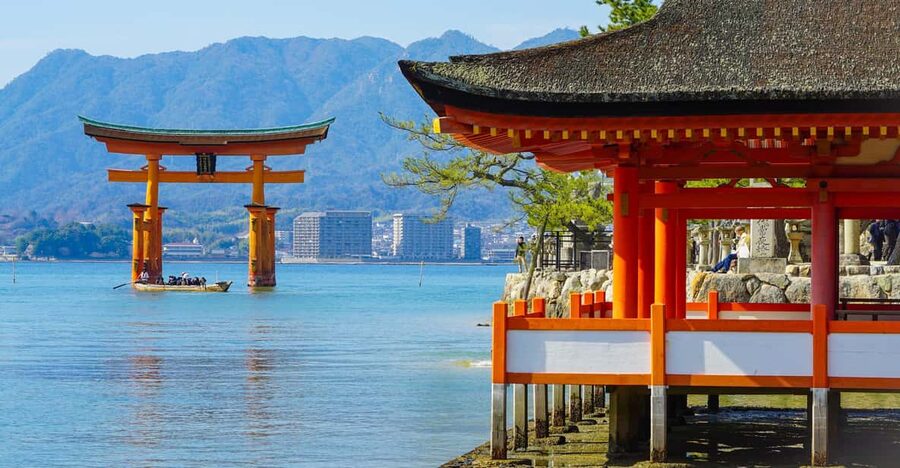
- Itsukushima Shrine built for the tides, with architecture designed to handle ebb and flow
- Daisho-in’s 1,200 years of temple history and statuary to see up close
- Local lunch included, featuring oysters and momiji dumplings, with limited vegan and vegetarian options
- Small group of up to 7 with an English-speaking guide and tour photos
First step: getting to Miyajimaguchi and starting the walk
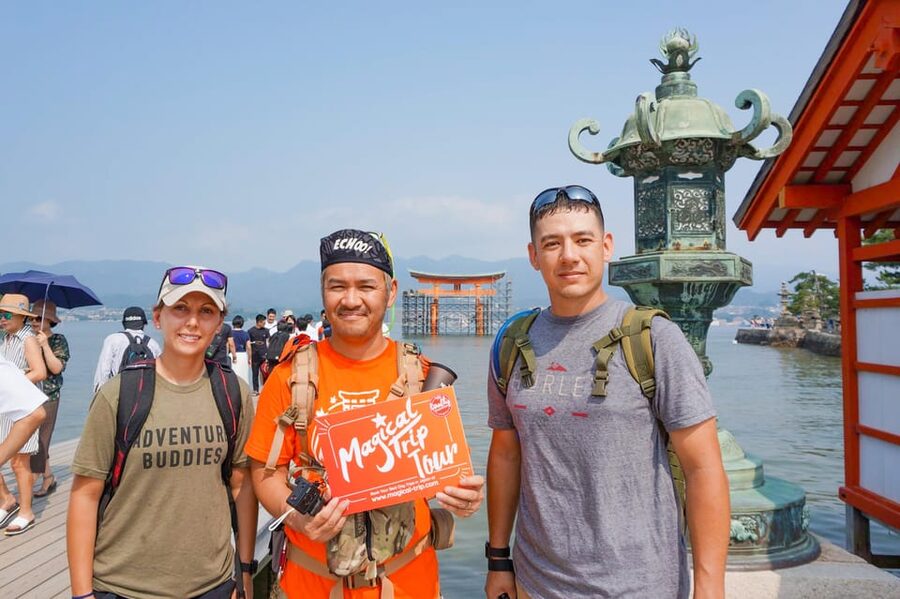
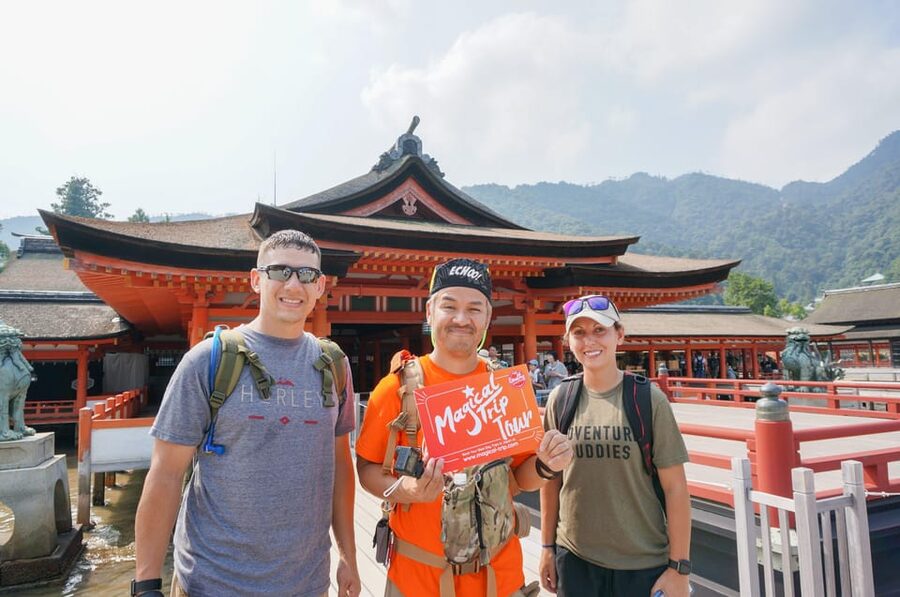
You meet outside the JR Miyajimaguchi Station area, in front of a coin-operated locker, and your guide holds a board with the name Magical Trip. If you’re coming from Hiroshima, plan about 30 minutes by JR Sanyo line to get to Miyajimaguchi.
From there, you’re in ferry country fast. The ferry ride matters here because it’s your first real “welcome to Miyajima” moment, with wide views over the Seto Inland Sea and an early look at the water setting for Miyajima’s famed gate.
Practical tip: bring cash for the ferry. The tour info lists the ferry ticket as JP¥500, while the prep note also mentions JP¥360, so be ready either way and don’t wait for a last-minute ATM search.
More Walking Tours in Hiroshima
- Hiroshima Historical Walking Tour – Why A-Bomb was Dropped
★ 4.8 · 893 reviews - Hiroshima Peace (Heiwa) Walking Tour at World Heritage Sites
★ 5.0 · 872 reviews - Hiroshima City 4hr Private Walking Tour with Licensed Guide
★ 5.0 · 437 reviews
Ferry ride views and the deer greeting you will actually notice
The tour starts by taking the ferry to the island of the gods. Even if you’ve seen Miyajima photos before, the water angle changes everything. You’ll see how the coastline frames the sacred sites and how the island feels more intimate once you arrive.
Then there are the deer. They’re not a side show. They shape how you walk, where you pause, and how quickly you learn to keep your eyes up and your snacks handled.
If you’re prone to seasickness, skip this tour. The experience is built around that ferry crossing, and the tour explicitly isn’t a match for people who get sick on boats.
Finding the O-Torii by walking the coast like a local
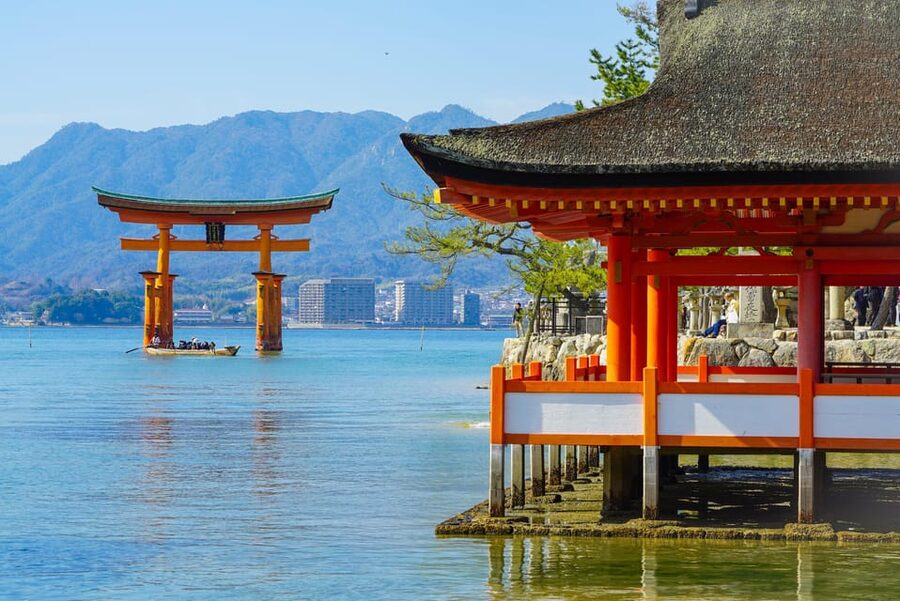
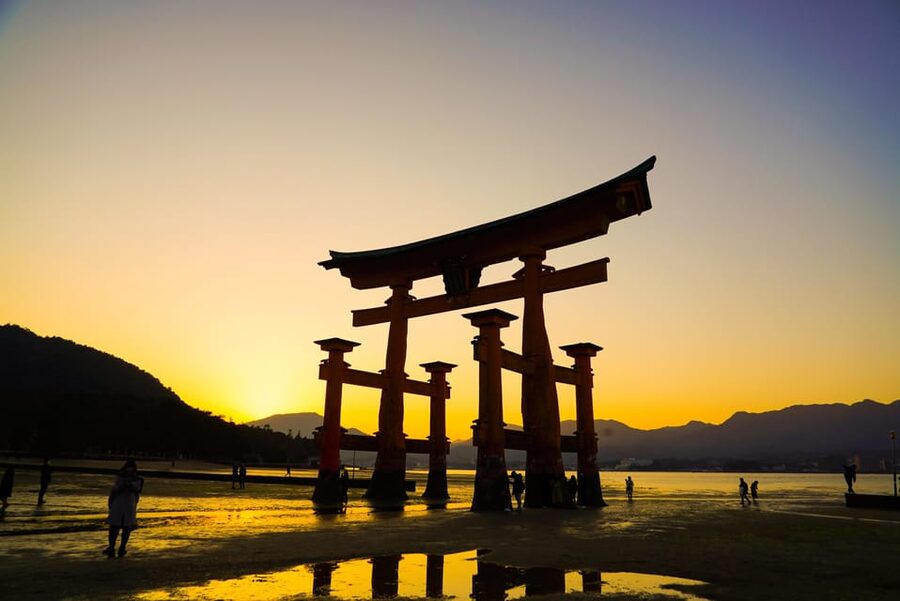
After arrival, the tour strolls along the coast toward the O-Torii (Grand Torii Gate). What makes this stop special is how it sits off the main island and works with the water and tides. It’s not just a gate you pass. It’s a symbol that feels placed, not merely constructed.
A detail worth caring about: timing and tide can change the mood of the scene. Some guides build in the right moment during the day so you may experience the torii when it looks surrounded by water, not only standing on a dry view.
Photo note: your tour includes tour photos, but that doesn’t replace your own camera. Keep your phone handy during the coastal stretches where the view opens up.
Itsukushima Shrine: Heian-period design that deals with ebb and flow
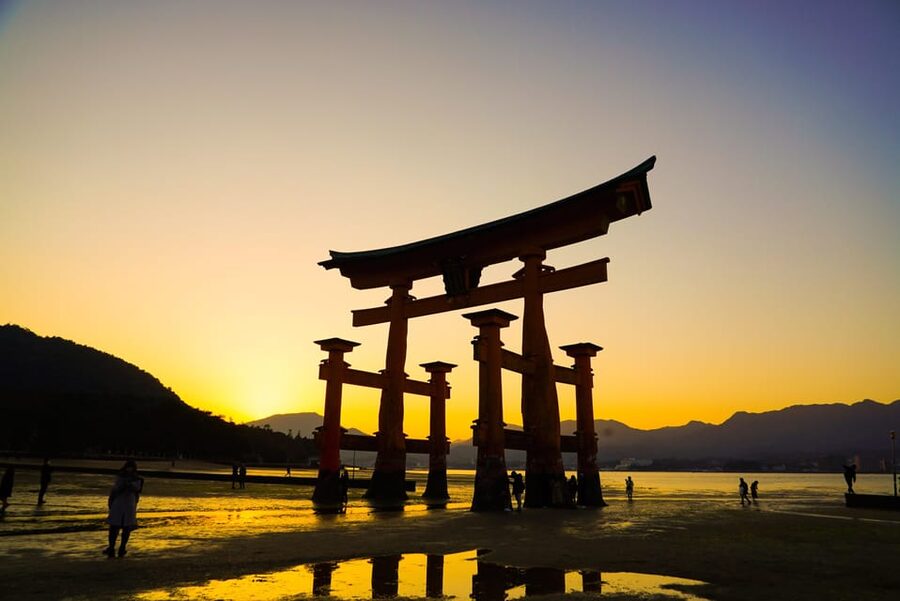
The highlight stop is Itsukushima Shrine, and the main idea is simple. This place was built to tolerate water movement, not fight it. The shrine’s distinctive architecture, constructed during the Heian period (794–1192), is resilient to the tidal rhythm of the bay.
When you’re standing in that setting, you start to understand why people treat the shrine as more than a building. It’s part of the coast. The tides become part of the experience, so the same sight can look different across the day.
This is also where the guide storytelling really helps. Instead of just telling you what you’re seeing, many guides explain the religious logic behind the “sea shrine” atmosphere and what it meant historically.
More Miyajima tours:
- Peaceful Hiroshima & Miyajima UNESCO 1 Day Bus Tour
★ 5.0 · 5,309 reviews - Hiroshima: Hiroshima and Miyajima UNESCO Sites 1-Day Tour
★ 4.9 · 2,330 reviews - Hiroshima / Miyajima Full-day Private Tour with Government Licensed Guide
★ 5.0 · 1,298 reviews - From Hiroshima: Hiroshima & Miyajima 1 Day Tour with Lunch
★ 4.7 · 395 reviews
Daisho-in Temple complex and the island’s 1,200 years of faith
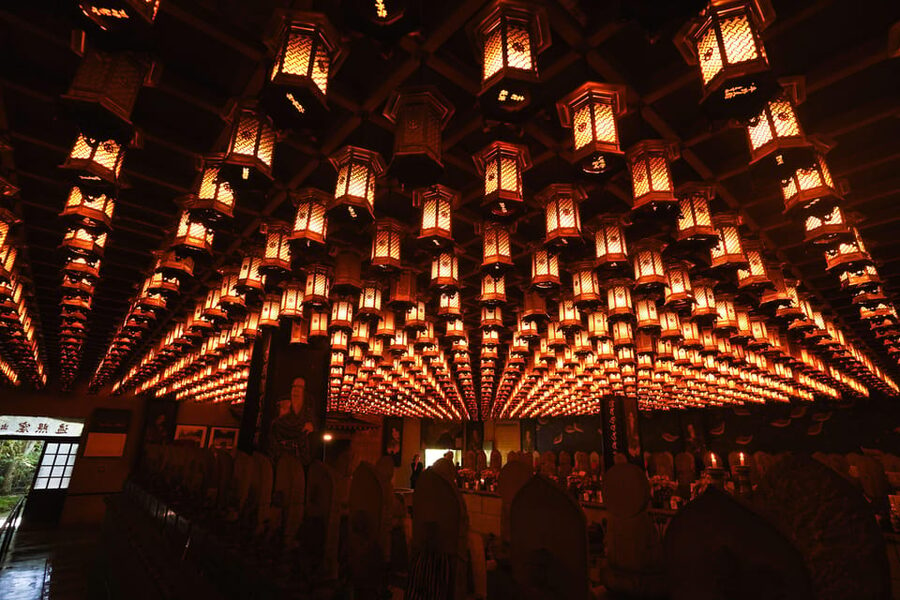
Next up is Daisho-in, described as the island’s oldest temple with 1,200 years of history. You’ll spend time exploring the historic complex, which includes several temples and statues.
This stop works for two types of people. If you love architecture and sacred art, the statues and temple spaces give you plenty to focus on. If you care about human history, the temple complex gives you a strong sense of how belief systems take root and change over centuries.
The walking here also helps you pace the day. Instead of rushing from one “big ticket” photo to another, Daisho-in gives you a slower feel, with space to stop, look, and let the place sink in.
Museum time: Miyajima life from Edo era to now
Between the shrine and the temple complex, you’ll visit a museum to learn about life and culture on Miyajima. This is a smart inclusion, because it turns the island from a list of landmarks into a living place.
You get a guided explanation of everyday life connections, from the Edo period to present-day culture. That means when you later see streets, crafts, and the rhythms of island visitors, you’ll know what you’re looking at.
If you want value for your time, this museum stop is one of the best ways to do it. It helps your visit feel organized, not random.
Lunch with Hiroshima Prefecture ingredients (and how to enjoy it)
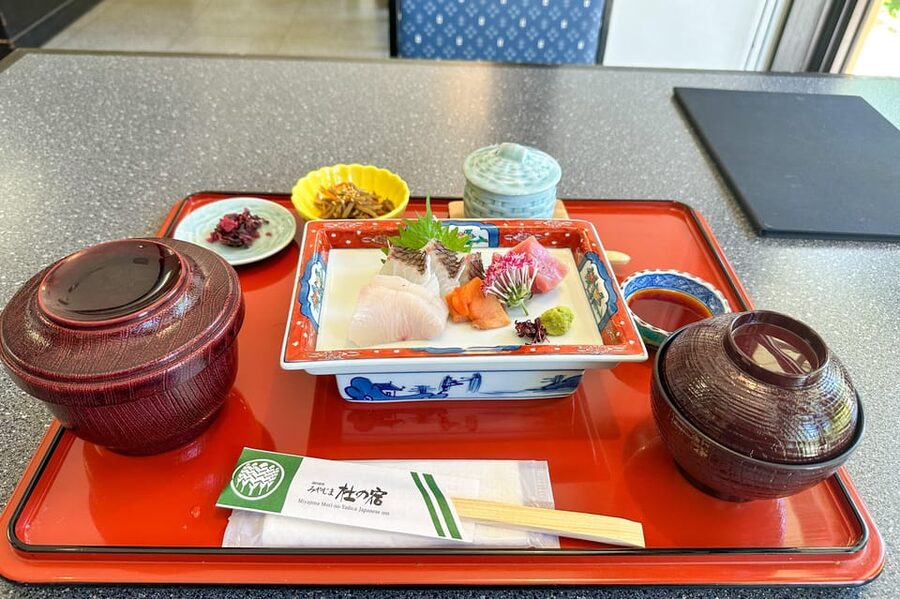
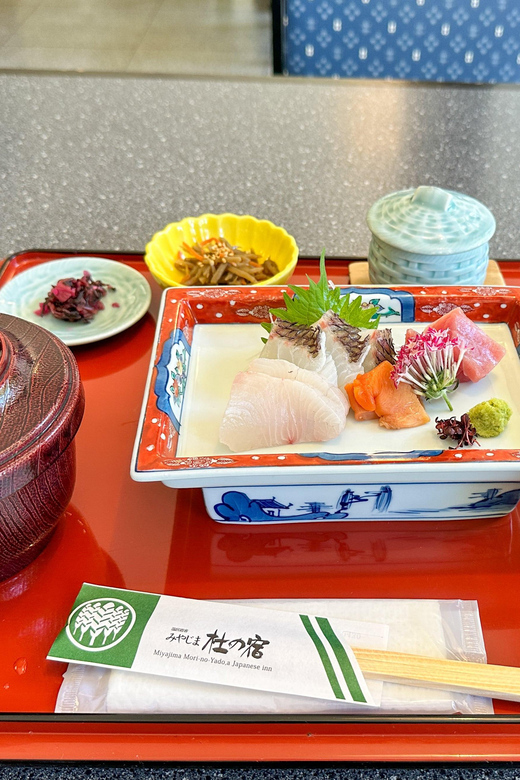
Lunch is included, and it’s designed around local ingredients from Hiroshima Prefecture. The food focus includes fresh oysters plus fried momiji dumplings, which are very Miyajima-coded.
In real life, included lunches on group tours can be hit-or-miss. Here, the tour is consistently rated for lunch quality, and guests also note the meal feels integrated into the cultural lesson, not just a break to “refuel and move on.”
Vegetarian and vegan options exist, but they are limited. Also remember the tour notes that they can’t guarantee allergy-free cooking, since food is prepared in kitchens not belonging to MagicalTrip. If allergies are a big deal for you, plan carefully and don’t assume substitutions will always be possible.
One more practical thing: arrive hungry but don’t plan to skip snacks later. You may finish lunch with enough time to see the next stops, but the island walking adds up.
Momijidani, Senjokaku Pavilion, and the chance to see beyond the postcard spots
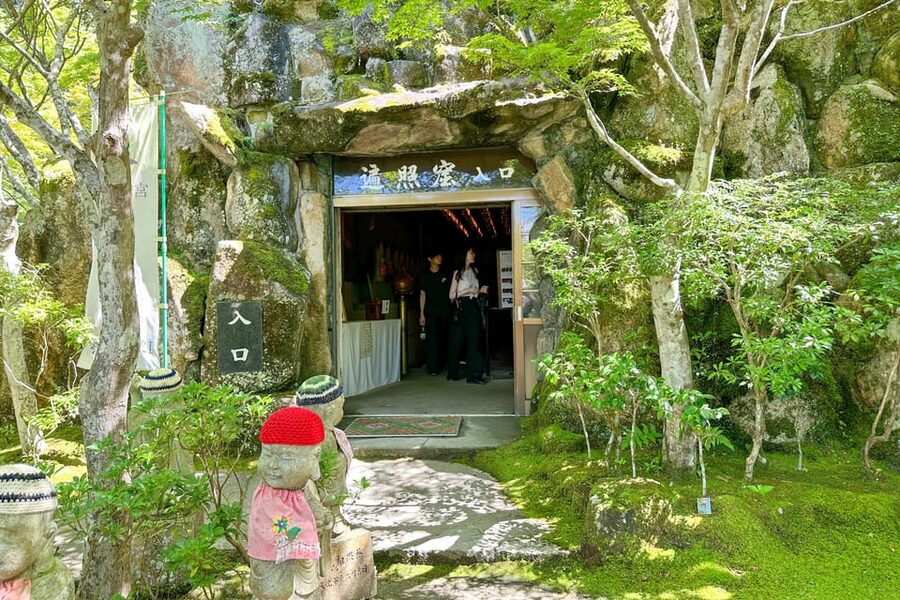
After Daisho-in, the tour adds several more stops that keep the day interesting without turning it into a sprint. You’ll visit Momijidani, then Senjokaku Pavilion, and later go to a hidden gem stop.
Because not all details are the same from guide to guide, I treat these as “scene and context” stops. They’re where you slow down, take in more of the island atmosphere, and keep the route varied, instead of only hitting the headline attractions.
This is also where you may start to notice how Miyajima changes as you move. The terrain, the forest feel, and the small street moments make it feel less like an outdoor museum and more like a real island community.
If you get tired easily, this is where pacing matters. Bring water, and don’t be shy about speaking up if you need a pause.
Tea or coffee, then the souvenir street finale
The tour ends with a drink, tea or coffee, in a calm setting with nature and forest surroundings. That wind-down matters. It gives you a chance to cool off and reset your legs before you head back toward the ferry area.
Then you finish at a souvenir shop street. This is the practical ending most people appreciate. You get your last chance to buy something meaningful without squeezing it in before the big attractions.
Also, since tour photos are included, you’re less likely to spend your last 20 minutes playing camera operator for everyone.
Who this Miyajima half-day tour suits best, and who should skip it
This experience fits best if you want structure, history context, and food all in one go. The small group size (limited to 7 participants) helps you ask questions and keeps the day from feeling like a rushed herd.
It’s also ideal if you’re trying to pack Miyajima efficiently without turning the trip into a solo navigation test. The guide supports you through the key sacred sites, explains what you’re seeing, and connects the island’s past to day-to-day life.
Skip it if any of these apply:
- You’re prone to seasickness (because you take a ferry)
- You have heart problems or back problems
- You have low fitness for a walking-heavy day
- You need a strictly gluten-free plan, since the tour is listed as not suitable for gluten intolerance
- You’re traveling with a stroller or wheelchair, since some locations are not accessible
If you can walk comfortably and you don’t mind hills and uneven ground, you’ll probably enjoy the pacing a lot.
Price and value: is $106 worth it for what you get?
At $106 per person, this is not a budget ticket. You’re paying for three main things: an English-speaking live guide, entrance fees, and a local lunch, plus tour photos.
That’s important because Miyajima costs add up fast. You pay ferry separately, but the included items cover a lot of the “hard parts” of a visit: guide time, museum time, and entry tickets for shrines and temples.
Also, a key value point is group size. With a limit of 7 participants, the guide can keep the experience from turning into a one-size-fits-all march. Many guests highlight guides who are friendly and make the time feel personal, not mechanical.
So, if you want Miyajima with a plan, good pacing, and a cultural explanation, this price is easier to justify. If you prefer to wander independently, you might spend less. But you’ll give up the context, and you may spend extra time figuring out where to go next.
Booking advice: when to choose this tour (and what to bring)
This tour is strongest when you can handle walking and heat. Summer in Japan is hot and humid, and the tour explicitly recommends bringing water and a hat to prevent heat stroke. Even outside summer, bring water because you’ll be outside and moving.
Wear shoes you trust on uneven, sometimes muddy ground. One review note calls out that mud can be an issue if it rains, which is exactly the kind of detail that ruins a trip if you ignore it.
If you have dietary limits beyond vegan or vegetarian, be extra careful. The tour cannot guarantee allergy-free meals, and substitutions may not always work at certain stops.
Finally, go in expecting a guided day, not just sightseeing. The best moments are when the guide ties the shrine, the temple, and the museum into one story.
Should you book Hiroshima: Miyajima Half-day Historical Walking Tour?
Book it if you want a focused Miyajima day with the big sights, a cultural explanation, and a real included meal. I think it’s a strong choice for first-timers who don’t want to do logistics and ticket math on their own.
Don’t book it if you hate ferries, can’t handle walking, need strict allergy guarantees, or rely on accessibility-friendly routes. In those cases, you’d probably do better with a more flexible plan.
If you’re on the fence, here’s my simple rule: if you’ll enjoy having someone point out why the places matter, this tour is worth the spend. If you’d rather explore slowly and set your own rhythm, consider going at your own pace instead.
FAQ
Where is the meeting point?
You meet in front of the coin-operated locker outside of JR Miyajimaguchi Station. The guide will be holding a board that says Magical Trip.
How long is the tour?
The duration is 330 minutes, or about half a day.
Is the ferry ticket included in the price?
No. The ferry ticket is not included, and you should bring cash. The tour notes list the ferry as JP¥500, and the prep information also mentions JP¥360.
What language is the guide?
The tour has a live English-speaking guide.
What food is included for lunch?
Lunch is included and is made from ingredients from Hiroshima Prefecture. You’ll get to try local Miyajima dishes such as fresh oysters and fried momiji dumplings.
Are vegetarian or vegan lunch options available?
Vegetarian and vegan lunch options are available, but they are limited.
Are entrance fees included?
Yes. Entrance fees to all shrines, temples, and museums in the tour are included.
How big is the group?
This is a small group limited to 7 participants.
Is the tour wheelchair or stroller friendly?
Some locations on the itinerary are not accessible by a wheelchair or stroller.
More Historical Tours in Hiroshima
- Miyajima Half-day Trip Historical Walking Tour
★ 5.0 · 284 reviews - Hiroshima: History of Hiroshima Group Walking Tour
★ 4.8 · 266 reviews - Hiroshima: Peace Walking Tour of World Heritage Sites
★ 4.9 · 190 reviews - Walking Through History: Hiroshima’s Path to Peace
★ 4.9 · 156 reviews
Fresh options around Hiroshima
- Hiroshima and Miyajima Full Day Private Tour★ 4.5 · 19 reviews
- 4 Hour Miyajima PRIVATE Tour★ 5.0 · 19 reviews
- Hiroshima Private Walking Tour with a Local★ 4.5 · 19 reviews
- Hiroshima Scenic Cycling Guided Tour★ 5.0 · 19 reviews
- Miyajima Guided Tour and Fresh Oyster Farm Tour★ 5.0 · 20 reviews
- Hiroshima: Atomic Bomb Dome and Peace Memorial Museum 3 hours★ 5.0 · 20 reviews
- Hiroshima: Tour of Atomic Bomb Dome & Peace Memorial Museum★ 5.0 · 20 reviews
- Hiroshima: City and Miyajima Bike and Boat Tour★ 5.0 · 20 reviews
Historical Tours, compared.
World Heritage Shirakawa-go and Experience Tours from Kanazawa
Read our review →
Imperial Palace and Shogun Historical Walking Tour
Read our review →
World Heritage Kyoto & Nara Uji Authentic Matcha Experience
Read our review →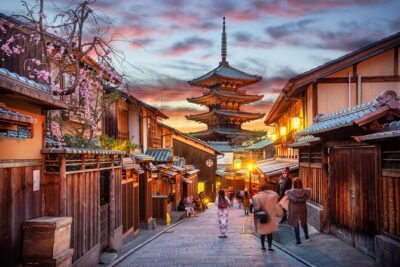
Kyoto Gion: 2-Hour Geisha Culture & History Walking Tour
Read our review →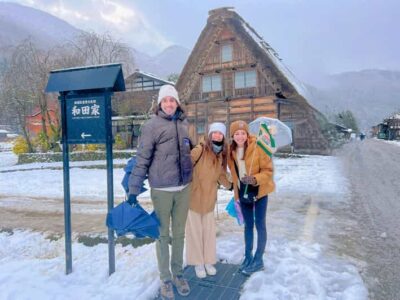
World Heritage Shirakawa-go Morning Guided Tour
Read our review →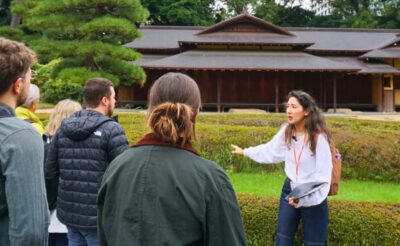
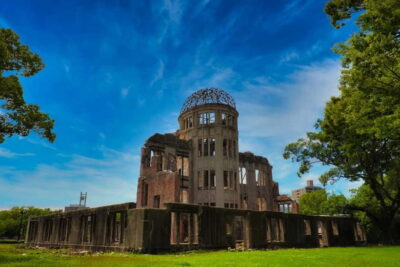
Hiroshima Historical Walking Tour – Why A-Bomb was Dropped
Read our review →
Hiroshima Peace (Heiwa) Walking Tour at World Heritage Sites
Read our review →Browse the lists this tour appears in