Osaka at night has its own rhythm, and this tour follows it. You get chef-guided food stops that feel like what locals share with friends, not what a loud guidebook bus drops you into. The goal is simple: 13 dishes, real bar culture, and the who, what, and why behind each bite.
I especially love the small-group size up to 6, because it makes the evening feel relaxed and personal. I also like that the guide, former chef Keigoh, helps you order and can make taste adjustments, so you spend more time eating and less time figuring things out.
One possible consideration is that some venues use floor seating in older houses, which may be uncomfortable if you have knee or back issues. Also, a few spots allow indoor smoking, so it helps to be mentally prepared.
Key things to know before you go
- Chef Keigoh selects the stops and aims for places his friends would actually pick
- 13 Japanese tapas-style tastings plus multiple included drinks during the 3.5-hour flow
- Up to 6 people max, so you get real conversation and ordering help
- Tachinomi to yakitori to izakaya in one night, so you see Osaka food culture layers
- Pay-on-site happens at some bars, so bring cash for extra sips and snacks
Why this Osaka chef-led food crawl feels different at 5:30 pm
The starting time matters. A 5:30 pm dinner plan in Osaka hits right when neighborhoods start switching from daytime errands to evening eating. This tour leans into that timing, so your first stop is already humming in a very Osaka way.
You’ll notice the pacing is designed for small eats, not a single big sit-down meal. That’s why it works even if you like to snack. You’ll move through classic settings: a tachinomi standing bar, a yakitori spot, a long-running izakaya in a 105-year-old house, and then a quieter bar finish.
What makes it feel special is how the chef guide connects technique and background to each dish. It’s not just What is this? It’s also how it’s made, and what makes it Osaka.
A few more Osaka days worth comparing
- Osaka Go Karting Tour with Funny Costume
★ 5.0 · 2,658 reviews - Osaka Castle: Museum and Tower Entry Ticket
★ 4.5 · 2,380 reviews - Osaka: Shinsekai Food Tour with 13-15 Dishes at 5 Eateries
★ 4.8 · 2,204 reviews
Stop 1: TachiNomi Meganedo and the art of eating standing up
You start at TachiNomi Meganedo near Tanimachi in Chuo Ward, and the whole vibe is a quick primer in Osaka’s tachinomi culture. This is a standing bar style you can actually pull off on a first evening because you’re only there about 50 minutes.
At this stop, you’re served 5 small dishes and 1 drink, with the admissions ticket listed as free. The appeal is speed and sociability. You’ll eat without needing a long table reservation, and you’ll also get used to how Osaka people snack while chatting.
The practical upside: this stop can ease you into the night without committing to a full course. If you’re worried about pace, you’ll probably appreciate that the first visit is structured and manageable.
Stop 2: Karahori yakitori, late-night grilling, and easy pairing
Next you head to a yakitori restaurant open until late, in the Karahori area. This stop is also about 50 minutes, and the format stays snack-sized: 5 food items and 1 drink included.
Yakitori is one of those foods that changes based on the cut, seasoning, and grilling style. Here, the chef guide’s job is to help you understand what you’re tasting, so it becomes more than chicken-on-a-stick. You learn what makes the grilled chicken special, and you get context on how Japanese bar food works as a match to drinks.
The drawback to consider at this stage is that yakitori culture often means a lively room. If you’re sensitive to noise, you may want to mentally frame this as a social stop, not a quiet tasting.
Stop 3: Karahori-Momodani Park and a 105-year-old komin-ka izakaya
After yakitori, the tour shifts gears in a good way. Stop 3 is an old house komin-ka izakaya in a 105-year-old building, with an about 1 hour visit.
You’ll get 3 included food items here, while drinks are handled differently. The setup is pay-on-site for your extra orders, so you can choose what matches the mood and the foods.
Why this stop matters: the building itself changes how a meal feels. Low lighting and old architecture naturally slow the pace. It’s a nice contrast after the more active grilling-and-standing-bar energy.
One caution: the floor seating in old Japanese houses may not be suitable for knee or back problems. If you have discomfort on floors, plan ahead. In that case, you’ll still get the experience, but you might want to communicate needs so you can choose the most comfortable spot possible when you arrive.
Same corner of Japan, a different kind of day:
- Osaka Food Tour: 13 Dishes at 5 Local Eateries
★ 5.0 · 2,149 reviews - Hungry Osaka Street Food Tour:15 Tastings & 3 Drinks with a Local
★ 5.0 · 1,727 reviews - Osaka: teamLab Botanical Garden Entry Ticket
★ 4.5 · 1,710 reviews - Osaka: Tea Ceremony Experience
★ 4.9 · 1,426 reviews
Stop 4: Uemachi hidden bar energy, calm interior design, and pay-on-site drinks
For the final stop, you head to Uemachi for a quiet, cozy hidden bar atmosphere. The interior design and low lighting are part of the experience, and the visit lasts about 50 minutes.
Here’s the key logistics point: drinks are pay-on-site. The tour includes the earlier drinks, but at the end you can keep ordering if you want. This is often a great moment to slow down and reflect, or to ask the chef guide about other places to eat afterward.
Because it’s a calmer room, you get something you might not get earlier in the night: a softer end to a food-focused evening. It’s the kind of finish that leaves you full, but not overstuffed.
What 13 tastings and included drinks really cost you in value
At $151.54 per person for about 3 hours 30 minutes, you’re paying for three things:
- Access to four guided food venues you might not notice on your own
- A chef guide who helps with ordering and food context
- A structured tasting flow: 13 Japanese tapas-style dishes plus drinks included at each venue
The included alcohol options are clearly spelled out: sake, shochu, umeshu, chu-hi, or soft drinks. The package lists 4 drinks included, one at each venue, which helps the budget feel predictable.
You can also add to the night. Extra food and beverages are available at your own expense, and the guide recommends carrying around 5,000 JPY in cash for additional drinks or snacks. I like this approach because it keeps the tour from forcing you into extra spending, but gives you flexibility if you find something you want to repeat.
Is it good value? If you’re the type who likes to try multiple bar foods but hates the guesswork of ordering, yes. The price buys your time, your navigation, and your confidence. If you only want one or two major dishes, you might feel it’s more than you need.
Small group magic: why up to 6 people matters for Osaka food
This tour caps at 6 travelers. That sounds small, but it changes everything in practice.
In bigger groups, you often spend time waiting, listening at a distance, and trying to catch up to the guide. In a group of 6, Keigoh can actually watch what people order, adjust for taste preferences, and help you ask better questions.
The best part is that ordering becomes easier. Reviews and the tour design point to Keigoh ordering for you and adjusting when needed. That matters in Osaka, where menus might be less English-friendly than you expect, and bar food changes fast depending on what’s ready that evening.
The pacing also feels intentional. Each stop has a set time window, so you won’t get stuck at a single location too long. You’ll get variety without feeling rushed.
How to think about smoking, floors, and comfort
A few Osaka venues still allow indoor smoking. The tour notes this directly, so it’s not a surprise. If you are sensitive to smoke, consider choosing lighter clothing, and know you might want to step outside briefly between courses.
The floor seating in older houses is another comfort variable. If you have knee or back limitations, this is the one part you should plan for. I’d treat this as a reason to be proactive at check-in, not a reason to skip the tour. You’ll still experience the food and the atmosphere, but your comfort setup matters.
If you have food allergies or dietary restrictions, you should let the host know when booking. That’s the right time to communicate, because it gives the chef guide a chance to work with you before you’re standing in line waiting for service.
Who should book this Escape Dotonbori experience
This fits best if you want:
- An Osaka food night that runs like a local routine, not a checklist
- A chef guide who explains dishes and helps with ordering
- A mix of bar styles: tachinomi, yakitori, and a traditional old-house izakaya
- A quieter evening feel, especially since some of the stops are described as near Osaka Castle and in less tourist-heavy streets
It also works well for couples, solo diners, and small groups who like meeting people at the pace of conversation, not at the pace of a parade.
If you’re someone who needs fully English menus and zero awkwardness, you’ll still be fine, because the guide’s role is built around ordering support. Just remember that parts of bar culture, like smoking and floors, are part of the authentic setup.
Quick decision guide: should you book Escape Dotonbori?
Book it if you want a chef-led Osaka night where you can taste a lot, learn what you’re eating, and avoid spending your evening hunting for the right place. The combination of Keigoh’s guidance, small group size, and multiple bar-style venues is exactly what makes this kind of tour worth the money.
Skip it or choose another option if you strongly dislike indoor smoking, can’t manage floor seating comfortably, or only want a single restaurant experience. This tour is built for moving, snacking, and sipping across several spots.
If you go, do two things that make the experience smoother: bring cash for extra orders (the tour suggests 5,000 JPY), and tell the host about dietary needs before you arrive.
FAQ
What is the duration of the Escape Dotonbori tour?
The tour runs for about 3 hours 30 minutes.
How many people are in the group?
This experience has a maximum group size of 6 travelers.
Where does the tour start, and what time does it begin?
The tour starts at TachiNomi Meganedo, 6-chōme-2-24 Tanimachi, Chuo Ward, Osaka, 542-0012, Japan. The start time is 5:30 pm.
What food and drinks are included?
You’ll enjoy 13 Japanese tapas (omakase-style), and there are 4 drinks included across the venues. Drink options include sake, shochu, umeshu, chu-hi, or soft drinks.
What should I budget for additional food or drinks during the tour?
Extra orders are available on-site at your own expense. The tour recommends carrying around 5,000 JPY in cash for additional drinks or personal snacks.
How does alcohol work for under-20 travelers?
The legal drinking age is 20 years old and above. Minor travelers below 20 will be served non-alcoholic drinks.
Is smoking allowed during the tour?
The tour notes that some local venues on this tour still allow indoor smoking.
Fresh options around Osaka
- Osaka Winery Tour with Wine Tasting & Vineyard Walk★ 4.9 · 12 reviews
- Osaka: Early Morning Osaka Castle Guided Tour, Avoid Crowds★ 4.9 · 12 reviews
- Kyoto Day Trip from Osaka Port – Private Shore Excursion★ 5.0 · 13 reviews
- Osaka Private Pop Culture Tour: Historic Tenma to Dotonbori★ 4.5 · 13 reviews
- Osaka Castle Admission Ticket★ 4.0 · 13 reviews
- Hidden Osaka Foodie Tour: Nishinari Backstreets & Local Dining★ 5.0 · 13 reviews
- Discover Real Osaka: A Cultural Walk with Food & Drink★ 5.0 · 13 reviews
- Nara private tour (Shore excursion available from Osaka or Kobe port)★ 5.0 · 13 reviews
Osaka Tours, compared.

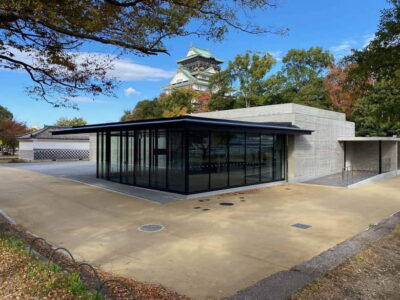

Shinsekai Food Tour with 13-15 Dishes at 5 Eateries
Read our review →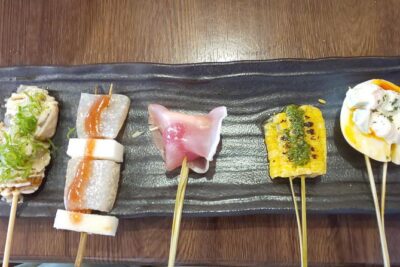
Osaka Food Tour: 13 Dishes at 5 Local Eateries
Read our review →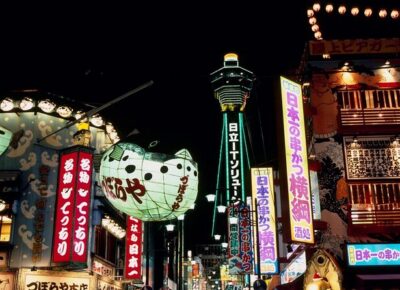
Hungry Osaka Street Food Tour:15 Tastings & 3 Drinks with a Local
Read our review →