
Reviewed · FOOD & DRINK
Umami Town Street Food Tour
Osaka and its street food can feel like a puzzle. This small-group Umami Town street food walk turns that chaos into a guided plan, with tastings, explanations, and just enough wandering to feel local. You start with a shrine stop, hit major eating zones like Kuromon Market and Dotonbori, and keep the focus on why dishes taste so good.
I love how the tour connects the food to the idea of umami, so you are not just eating, you are understanding what makes Japanese flavors tick. I also like the max 7-person group size, because you get more attention, more chances to ask questions, and fewer stand-still moments when lines get long.
One consideration: you are walking for about 5 hours, and the route includes crowded food areas, so bring comfortable shoes and expect close quarters near popular stalls.
Key takeaways before you go
- Umami-focused learning: you connect ingredients and flavor balance, not just menus
- Small group (up to 7): better pacing, easier questions, and more flexibility with tastings
- Osaka hits in one outing: Tenmangu Shrine, Kuromon Market, and Dotonbori Tsuribori
- Food-heavy value: dinner, snacks, bottled water, and alcoholic beverages are included
- Local guide energy: guides such as Miyo and Yuka are noted for warmth and going the extra mile
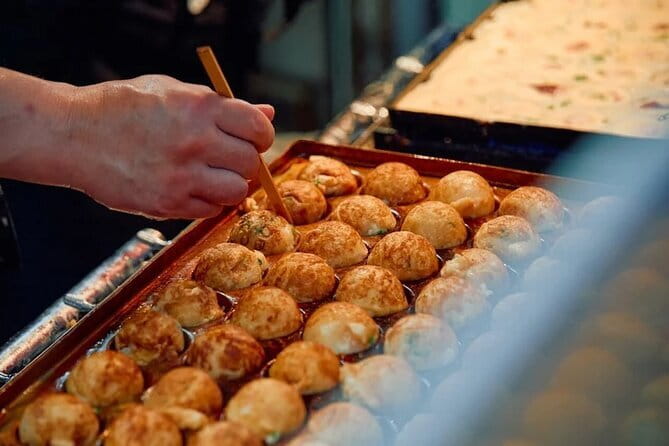
- Plenty of street classics: you’ll be pointed toward standbys like takoyaki and okonomiyaki
Why Osaka street food feels easier with an umami theme
Osaka street food can be a lot, fast. Neon streets, steam from grills, and menus that move too quickly for translation. This tour helps because it gives you a lens to make sense of what you are seeing.
The big theme is umami, the savory depth that shows up across Japanese cooking. You are not just sampling random snacks. You learn how certain ingredients and cooking methods create that “more-like-itself” taste people chase in Japanese cuisine. That makes each bite easier to notice. Instead of asking what it is, you start to ask why it hits.
You also get a practical payoff. When you understand what gives dishes their structure, you can navigate Osaka food streets on your own later with more confidence. Even if you never order the exact same thing, you will know what to look for when the scent hits first.
More Food Tours in Osaka
- Osaka: Shinsekai Food Tour with 13-15 Dishes at 5 Eateries
★ 4.8 · 2,204 reviews - Osaka Food Tour: 13 Dishes at 5 Local Eateries
★ 5.0 · 2,149 reviews - Hungry Osaka Street Food Tour:15 Tastings & 3 Drinks with a Local
★ 5.0 · 1,727 reviews
Small group size (max 7) and why it changes your day
A tour capped at 7 travelers sounds small on paper, but it matters in the real world. Food tours often turn into a slow shuffle where the guide is constantly managing the group and you are stuck waiting your turn.
Here, the smaller size means:
- You can ask follow-up questions without shouting
- The guide can adjust pace when a stall line moves slower than expected
- You tend to spend more time eating and less time standing still
The reviews also point to real flexibility from guides like Miyo and Yuka, including adapting to different food comfort levels within a group and adding extra touches when something is especially popular. That kind of attention is easier when you are not managing a bigger crowd.
Where you start, how long you’re out, and how to plan your day
This tour runs for about 5 hours and starts at 10:00 am. You meet at Minami-Morimachi Station (2 Chome-1 Minamimorimachi, Kita Ward, Osaka, 530-0054, Japan) and you finish back at the meeting point.
Because it is half a day, plan your Osaka schedule around it. You’ll want this to be a “food anchor” outing, not a random add-on. If you try to stack it with another big attraction, you risk ending up hungry and tired at the same time, which is a mistake you only make once.
Also, Osaka food zones can be busy. Build a little slack time around your start time so you are not arriving hot, rushed, and stressed. The tour uses a mobile ticket, so make sure you have your confirmation ready on your phone before you leave for the day.
Stop 1: Osaka Tenmangu Shrine, a calmer opening before the food rush
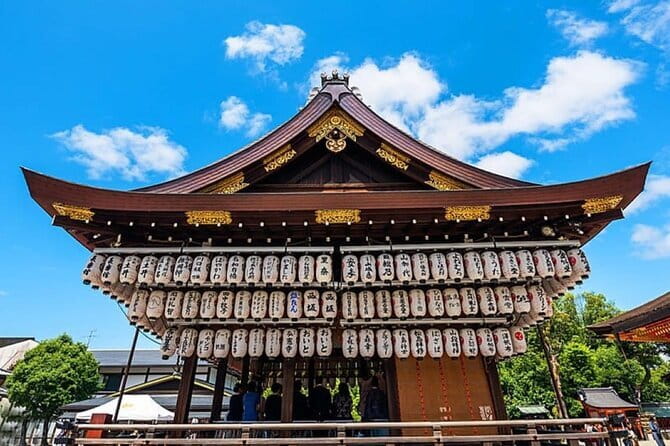
The day begins at Osaka Tenmangu Shrine, tied to Sugawara no Michizane, a Heian period scholar deified as Tenjin, the spirit of learning and scholarship. The admission is free, and this stop runs about 1 hour.
Why start here on a street food walk? Because it slows your body down at the right moment. Instead of going straight from train station noise into neon crowds, you get a breather. You also get an introduction to Japanese cultural rhythms, which makes the food later feel less like “just snacks” and more like a living part of the city.
The possible drawback is simple: if you want pure tasting every minute, an hour at a shrine can feel like a pause. I think it works best if you treat it as warm-up time. Look at how the space feels, take a breath, then settle into the walking pace once the food stops start stacking up.
Same corner of Japan, a different kind of day:
- Osaka Go Karting Tour with Funny Costume
★ 5.0 · 2,658 reviews - Osaka Castle: Museum and Tower Entry Ticket
★ 4.5 · 2,380 reviews - Osaka: teamLab Botanical Garden Entry Ticket
★ 4.5 · 1,710 reviews - Osaka: Tea Ceremony Experience
★ 4.9 · 1,426 reviews
Stop 2: Kuromon Market, Osaka’s kitchen in a short window
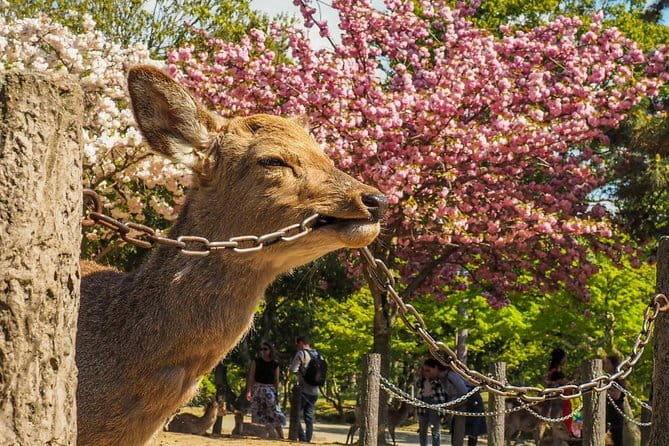
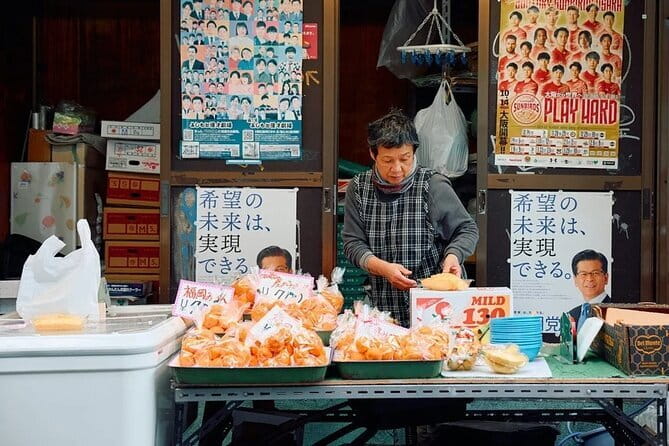
Next you head to Kuromon Market, where admission is free and the stop is about 30 minutes. This area is famous for fresh seafood, meats, and the kind of quick street meals that turn a market into a food mission.
In a limited half-hour, you should expect two things:
- Lots to see, not lots of time to roam
- Standby lines and small stall crowds
The upside is that Kuromon Market is a shortcut to variety. You can find favorites like takoyaki and sushi-style bites in the mix of vendors. The guide’s job here is key. They can steer you toward stalls that match the tour’s flavor focus rather than letting you drift into the most convenient line.
If you are the type who gets overwhelmed by too many menu options, this is a good stop. The guide helps you decide fast, and you keep moving before your appetite swings from excited to frantic.
Stop 3: Dotonbori Tsuribori, neon street food and big Osaka energy
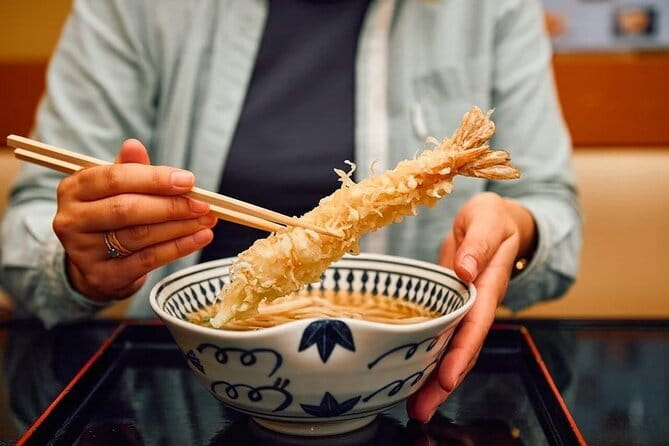
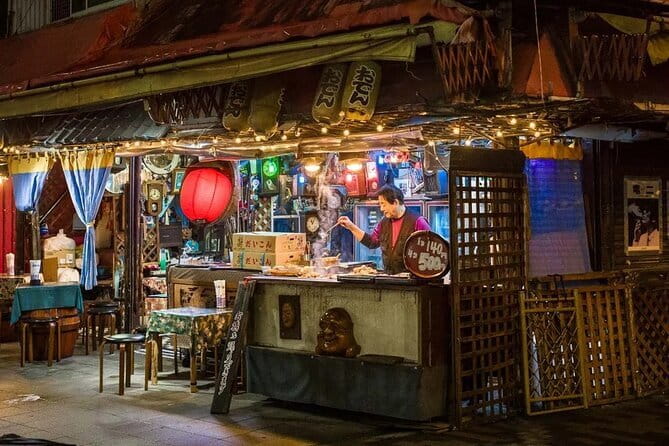
You finish up at Dotonbori Tsuribori, another free admission stop of about 1 hour. This entertainment district is known for bold neon signage and some of Osaka’s most photographed street food scenes.
Here, you’ll see why Dotonbori is famous, but you’ll also eat the city’s usual suspects. The tour leans into classics like takoyaki and okonomiyaki, with the emphasis on what makes each one taste the way it does.
The practical catch is crowd density. Dotonbori is not the place to take a leisurely pace with a phone held up like you are browsing a mall. You will get the best experience if you stay alert, keep moving in the group flow, and let the guide point out what to try next.
If you like atmosphere, this stop is the pay-off. If you dislike noise and crowds, you might find it a bit intense at the end of a long walk. That’s not a dealbreaker, just a heads-up for your planning.
What you’ll likely taste: takoyaki, okonomiyaki, and the umami story
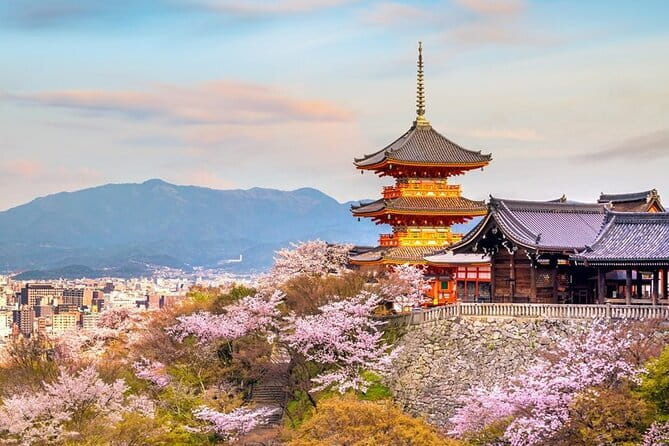
The tour is built around Osaka street food hits, with takoyaki and okonomiyaki called out as major examples. In addition, you should expect a mix from both street vendors and restaurants, and the general idea is to try multiple popular dishes in one outing.
One review also mentioned fugu among the foods experienced, but the only safe way to think about that is as a possible tasting, not a guarantee. Your exact lineup can vary based on what’s available and what the guide can line up on the day.
What stays consistent is the focus on explanation. You do not just taste. You learn about the ingredients and how they contribute to umami. That transforms your bite from a simple “good” into a specific “I get why this works.”
A small but important benefit: when you taste the same kind of flavor across different dishes, you start to spot patterns. You may notice how savory notes build in one dish and how texture and seasoning balance in another. That’s the kind of learning that stays useful after the tour ends.
Alcohol, dinner, snacks, and where the $175 really goes

At $175 per person, you are paying for more than “food.” You are paying for:
- A guide to handle ordering and navigation
- Access to multiple food stops in different neighborhoods
- Small-group management, max 7 travelers
- Included food and drinks
The tour includes dinner, snacks, bottled water, and alcoholic beverages. That matters for value because street food costs add up quickly, especially when you start adding drinks. When the tour folds those items in, you avoid the common problem where a low-priced tour suddenly turns expensive at every stop.
So yes, it’s not a budget tour. But it can be a good value for people who want a guided tasting that behaves like a planned meal rather than a random snack hunt.
One more value point: the tour is booked on average about 50 days in advance, which usually signals high demand. If you are traveling around popular weekends, booking earlier helps you avoid getting stuck with awkward timing.
Guide magic you can feel: pacing, lines, and small decisions
Good guides do more than explain. They solve problems.
The reviews describe guides like Miyo and Yuka as warm and flexible, including tailoring the flow for different needs in a group and adjusting stops when it makes sense. There is also praise for hands-on effort, like standing in line ahead of time to secure something popular. That’s the kind of behind-the-scenes work you never see on self-planned walks, and it protects your time.
Guides also seem to bring extra local texture, like pointing out details such as hidden tunnels in the area. Even when that info is not crucial to the food, it helps you feel connected to the city instead of just collecting plates.
Bottom line: if you want a smoother day with fewer “what should we do next?” moments, the guide component is the difference. The food is the attraction, but the planning is what makes the food actually land.
Practical tips so your feet and stomach stay happy
Here’s how I’d set yourself up for success based on what this kind of Osaka walk demands.
Wear comfortable shoes. You’ll be on your feet for about 5 hours, and the most exciting food areas are often the most crowded ones.
Bring a realistic appetite. This tour includes dinner plus snacks, so you may not need an extra meal right after. If you start the day with a huge breakfast, you’ll spend part of the tour thinking about regret instead of flavor.
Ask questions early. If you are curious about the ingredients behind umami, ask at the start rather than waiting until you are too full to concentrate.
Plan your photos smartly. Dotonbori is gorgeous, but you’ll get better food momentum if you keep cameras secondary to the tasting flow. Save your phone time for a quick shot, then move on.
Who should book this tour in Osaka
This is a strong match for you if:
- You want a guided way to eat in Osaka without translating every menu
- You like street food classics but also want context for why they taste the way they do
- You prefer a small group setting where questions are easier
- You want a half-day activity that delivers real meals, not tiny bites
It is also a good choice if your group has mixed comfort levels with food. The tour’s small-group model and guide flexibility make it easier to manage different tastes and boundaries.
If you hate crowds, this might be harder on your energy at the Dotonbori end of the walk. Still doable, just plan for noise and motion.
Should you book the Umami Town Street Food Tour?
I’d book it if you want Osaka street food with structure. The umami focus gives you a reason to pay attention beyond the next delicious thing, and the small group size helps keep the day fluid. The included dinner, snacks, bottled water, and alcoholic beverages also make the cost feel more “all in” than many cheaper food tours that quietly charge you again and again.
Skip it if you only want a light snack stroll or if you strongly dislike walking through busy food districts. The shrine stop and the crowded market and entertainment areas mean it is not designed to be slow and quiet.
If you are planning a first trip to Osaka, this kind of tasting walk is a practical shortcut. It helps you understand the city’s flavor logic, then you can go explore on your own with better instincts. And with demand running high, book ahead so you get the time that fits your schedule.
FAQ
How long is the Umami Town Street Food Tour?
The tour lasts about 5 hours.
What time does the tour start?
It starts at 10:00 am.
Where do I meet for the tour?
You meet at Minami-Morimachi Station, 2 Chome-1 Minamimorimachi, Kita Ward, Osaka 530-0054, Japan.
How many people are in the group?
The tour has a maximum of 7 travelers.
Is the ticket mobile?
Yes, it uses a mobile ticket.
What food and drinks are included?
The tour includes dinner, snacks, bottled water, and alcoholic beverages.
Is private transportation included?
No, private transportation is not included.
Which stops are part of the walk?
The tour includes Osaka Tenmangu Shrine, Kuromon Market, and Dotonbori Tsuribori.
Is it easy to confirm and get ready to go?
You receive confirmation at the time of booking, and it is near public transportation.
Can I cancel and get a full refund?
Free cancellation is available. You can cancel up to 24 hours in advance for a full refund.
Fresh options around Osaka
- Osaka Winery Tour with Wine Tasting & Vineyard Walk★ 4.9 · 12 reviews
- Osaka: Early Morning Osaka Castle Guided Tour, Avoid Crowds★ 4.9 · 12 reviews
- Kyoto Day Trip from Osaka Port – Private Shore Excursion★ 5.0 · 13 reviews
- Osaka Private Pop Culture Tour: Historic Tenma to Dotonbori★ 4.5 · 13 reviews
- Osaka Castle Admission Ticket★ 4.0 · 13 reviews
- Hidden Osaka Foodie Tour: Nishinari Backstreets & Local Dining★ 5.0 · 13 reviews
- Discover Real Osaka: A Cultural Walk with Food & Drink★ 5.0 · 13 reviews
- Nara private tour (Shore excursion available from Osaka or Kobe port)★ 5.0 · 13 reviews
Food & Drink, compared.
Shinjuku Food Tour (13 Dishes at 4 Local Eateries)
Read our review →
Tokyo Tsukiji Fish Market Food and Culture Walking Tour
Read our review →
Shinsekai Food Tour with 13-15 Dishes at 5 Eateries
Read our review →
Osaka Food Tour: 13 Dishes at 5 Local Eateries
Read our review →
Shinjuku Food Tour (15 Dishes and 4 Eateries)
Read our review →
Best of Shinjuku: Izakaya Food Tour (4 Stops, 14+ Tastings)
Read our review →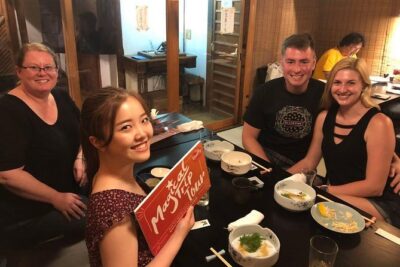
Kyoto Night Foodie Tour in Gion (9+ dishes + 6 Sake tastings)
Read our review →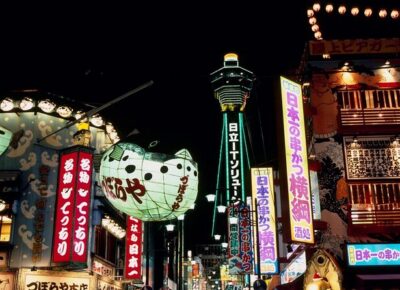
Hungry Osaka Street Food Tour:15 Tastings & 3 Drinks with a Local
Read our review →Browse the lists this tour appears in