
Reviewed · SUMO EXPERIENCES
Ultimate Sumo Tournament: Tokyo, Osaka, Nagoya, Fukuoka
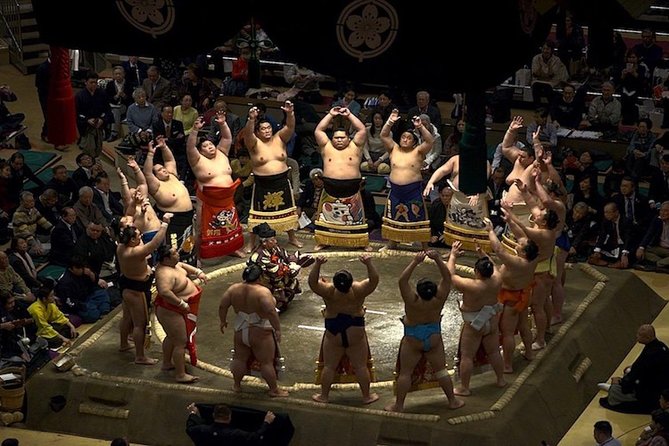
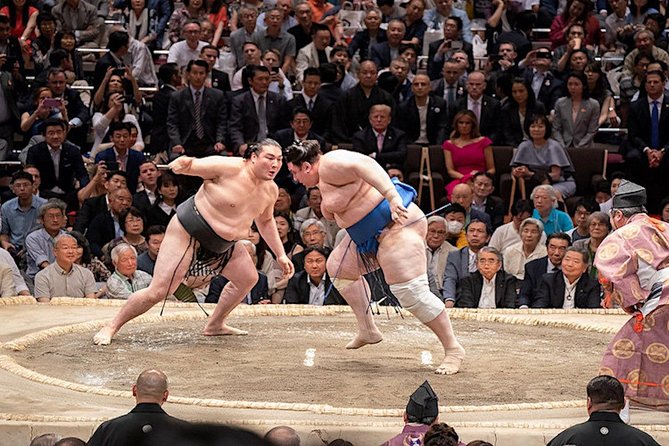
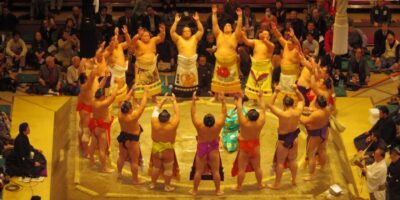
Sumo feels like a different world. One guided afternoon turns it from confusing to clear. You get reserved seats at Japan’s official tournament (basho), plus an English-speaking sumo expert to explain the rules, rituals, and what you are actually seeing in the ring.
I especially like the structure of the experience. You do not just sit there and hope you understand, you get help using a banzuke ranking chart and a simple pamphlet, then the guide gives play-by-play cues during the bouts.
The one drawback to clock is seating. Standard tickets are B or C chair seats on the second floor, so you may feel farther from the ring than you want. If you want the closest sightlines, the private option is the better bet.
Key things I’d mark on your checklist
- Reserved seats at official basho venues so you do not have to fight for tickets
- Audio headset guidance so the guide’s explanations cut through arena noise
- B-class or C-class standard seating (second floor), with A/S seats for private options closer to the ring
- A sumo-info kit including the banzuke-hyo ranking table and an info pamphlet
- Optional chanko nabe dinner with a vegetarian option available at checkout
- Off-season stable practice option near Warabi Station, with training plus chanko lunch, but no tournament seat
Sumo basho tickets and why this tour is good value
A good sumo day comes down to two things: access and context. Access is tough because tickets for the official tournament are in high demand and can sell out fast. This experience handles the seat arrangement for you, then gives you the extra layer that most people lack when they go on their own.
At $184.38 per person, you are paying for more than a chair in the stadium. You are paying for the guide, the reserved seating, and the practical “what now” support. The tour also includes an info pamphlet, a banzuke ranking chart, and an audio headset so you can actually follow what is happening without constantly turning to read signage.
Also, the tour is built for multiple cities depending on the season, so you are not locked into one place. That flexibility matters if your trip already has Tokyo and you do not want to rearrange everything just for sumo.
More sumo experiences in Tokyo:
- Tokyo: Sumo Show Experience with Chicken Hot Pot and a Photo
★ 4.8 · 6,678 reviews - Tokyo: Sumo Show and Dining Experience
★ 4.8 · 2,742 reviews - the SUMO show
★ 5.0 · 1,960 reviews
Which city should you choose: Tokyo, Osaka, Nagoya, or Fukuoka
This experience follows Japan’s six main basho each year, each with its own rhythm and location. Here is the simple guide for where you can go:
- January: Tokyo
- March: Osaka
- May: Tokyo
- July: Nagoya
- September: Tokyo
- November: Fukuoka
The venues are different, even if the rules are the same. Tokyo’s tournament runs at Ryogoku Kokugikan, the classic sumo home base. Osaka uses EDION Arena Osaka for the March tournament. Nagoya hosts at IG Arena in July, and Fukuoka runs in Fukuoka Kokusai Center in November.
If you are choosing based on logistics, pick the city that already fits your route. If you are choosing based on “classic Japan,” Tokyo is usually the first instinct because Ryogoku Kokugikan is the official draw.
How the 2:00 pm guided tournament visit usually runs
Start time is listed as 2:00 pm, and the guided tournament portion is about 4 hours. You will meet near public transportation, and you should expect to receive meeting point details by email about a week before.
Inside, the flow is the key. Because matches need to finish before the tour group can enter, there can be a wait prior to seating. The guide will manage it with you, but it still helps to arrive calm, not rushed.
You may also get time near the Sumo Museum area, but congestion can happen. If the stadium area is crowded, the guide might ask you to look around on your own since walking as a larger group can get tricky.
Two small, real-life tips from the experience style here:
- Wear something comfortable enough for sitting. You will be in your chair for a while.
- Bring something for your ears. The audio headset is loud even on the lowest setting, and an ear plug can make it more comfortable.
Ryogoku Kokugikan in Tokyo: the sumo home base
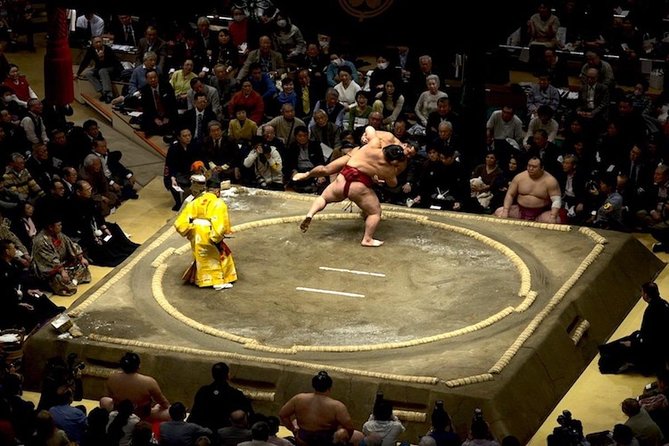
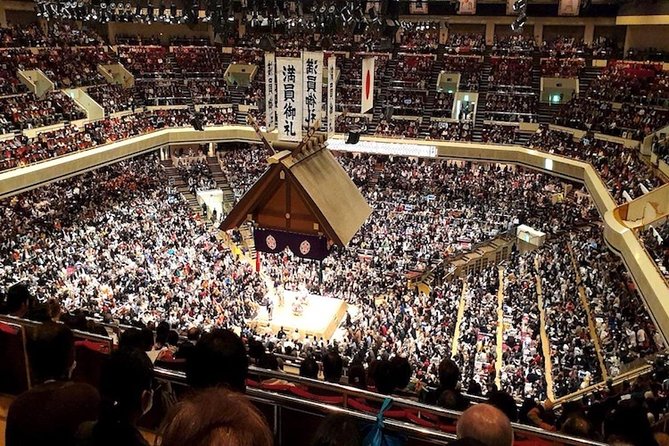
When the tour is in Tokyo, your tournament stop is Ryogoku Kokugikan at the official sumo basho. This is the venue most people picture when they imagine sumo in Japan, and the experience is designed to make sense of the place.
What you will appreciate most here is the guide’s role in translating the action. Sumo moves fast, and the details matter. One guide style that consistently lands well is explaining the key techniques and match flow so you are not just watching random grappling. Guides named Miyko, Seizo, Hiro, Izumi, Duke, and Yumi are repeatedly praised for turning uncertainty into understanding.
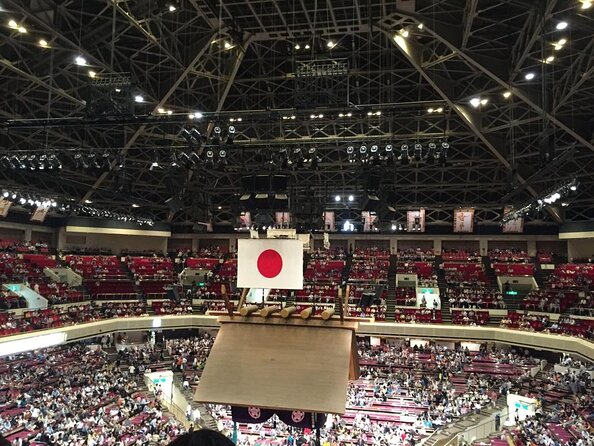
Seating matters in Tokyo too. Standard seats are on the second floor in B chair seats (rows 7 to 11) or C chair seats. If you choose private, you can get S-class or A-class seats, which are closer to the ring. If you care about sightlines, pay the extra for private rather than hoping your standard view will feel perfect.
A few more Tokyo days worth comparing
- Mt Fuji and Hakone 1-Day Bus Tour Return by Bullet Train
★ 5.0 · 26,383 reviews - 1-Day Tokyo Bus Tour
★ 5.0 · 14,250 reviews - Tokyo: TOKYO SKYTREE® Admission ticket
★ 4.5 · 11,192 reviews - Tokyo: teamLab Planets TOKYO Digital Art Museum Entry Ticket
★ 4.6 · 9,779 reviews
Osaka at EDION Arena Osaka in March: same rules, different feel
In Osaka, the tournament stop is EDION Arena Osaka during the March basho. The tour approach is the same idea in a new setting: reserved seating plus a guided explanation using the banzuke-hyo ranking chart and audio headset.
Osaka is a good choice if your trip already includes Kansai. You keep the “official tournament” experience without needing to squeeze an extra city into your schedule purely for sumo.
One consideration: with standard B or C chair seats, you are more likely to focus on the guide’s explanations than on tiny technical details. That is not a dealbreaker, it just shapes how you watch. If you want to see hand positions, footwork, and quick moments up close, private seating is worth thinking about.
Nagoya at IG Arena in July: a seasonal option that still feels official
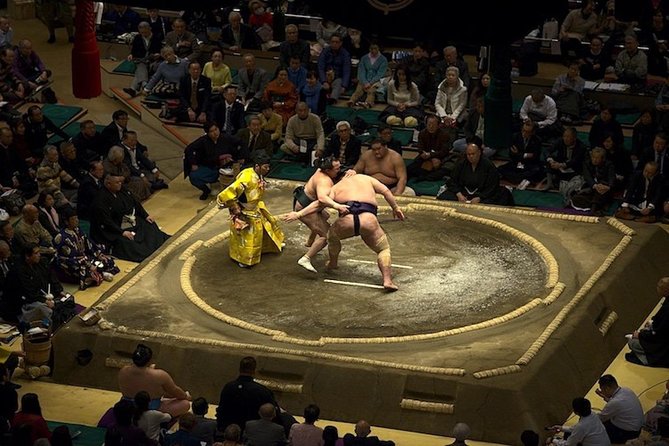
For Nagoya, the tour takes place at IG Arena during the July tournament. The tournament structure stays consistent across cities, so once you understand the ritual basics, it clicks everywhere.
The tour is built so you do not need to be a sumo scholar to follow along. You get the guide’s context before and during the bouts, plus a pamphlet and ranking table to help you track who is where in the standings.
If you are traveling in summer, you might appreciate that this is a defined, time-boxed afternoon. You get the tournament experience without a long multi-day commitment to sumo.
Fukuoka at Fukuoka Kokusai Center in November: finish your Japan story with sumo
In Fukuoka, you go to Fukuoka Kokusai Center for the November tournament. This is a great end-of-trip choice because it gives you a strong cultural highlight without requiring extra planning beyond picking the right date.
You still get the reserved seat ticket and guided commentary. And if you have ever tried to watch a match in a foreign language without understanding the flow, the headset and ranking chart are what make a major difference here. When the guide talks you through what is happening, the sport becomes easier to follow even when the action is fast.
Off-season sumo stable practice near Warabi Station: the training side
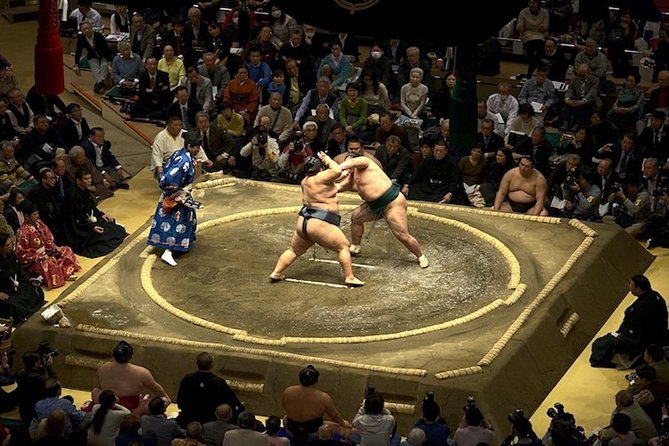
There is an off-season option called sumo stable morning practice near Warabi Station, about 30 minutes from Tokyo Station. This is not the tournament, it is the training world.
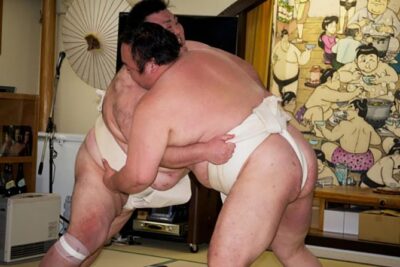
This off-season session runs 8:00 am to 12:00 pm and is described as a join-in group visit. You visit a stable, watch wrestlers train, and get insights through audio headsets. You also enjoy chanko lunch after the session.
Important trade-off: you do not get a tournament seat ticket with this off-season practice. The stable visit is a separate experience type that fits when you cannot attend a basho date.
If you like the discipline side of sports, this can be an excellent add-on. It helps you understand the athletes as working professionals, not just TV faces on tournament days.
Chanko nabe dinner add-on: worth it, and how to handle vegetarian needs
Dinner is optional. If you select it, you eat at a local chanko hot pot restaurant. Chanko nabe is often described as sumo stew, with chicken-stock based broth and plenty of vegetables, and it is tied to sumo culture because it is designed to feed a lot of people after training.
A vegetarian option is available if you request it at checkout. The restaurant may substitute the broth if you prefer vegetarian. If you have special dietary requirements, put them in the Special Requirements field at checkout.
One practical reality: the default meal is chanko hot pot without drinks. If you have strong preferences about broth type, double-check your request early so it matches what the restaurant can do.
What to bring and how to plan for comfort in the arena
This is the stuff that will make the day smoother.
Ear comfort matters. The headset volume can be very loud even when set low, so an ear plug can help you enjoy the commentary without fatigue.
Dress for indoor heat. The arena can run warm, so lightweight layers are smart.
Food rules are strict. No outside food or drinks are allowed in the arena. The good news is that food is available for purchase from vendors once you are inside, so you are not stuck hungry.
Bring patience for waiting. You may have to wait before seating because the group can enter only after matches end. Plan your day so you are not checking the clock every five minutes.
Should you pick standard seats or private seats?
Here is the simplest way to decide.
Standard tour uses B or C chair seats on the second floor. That is fine if your goal is to understand the sport and enjoy the atmosphere, especially with audio headset guidance doing a lot of the heavy lifting.
Private tour uses S-class or A-class seats closer to the ring. This is the better choice if you want to see the match details more directly and you think you will get restless with a more distant view.
If your budget can stretch, private seating is the option that tends to turn “this is interesting” into “this is unforgettable.”
Who this sumo tour fits best (and who it might frustrate)
This tour is a great fit if you want:
- Official tournament access without gambling on ticket hunting
- A clear explanation of rituals and match flow so you do not feel lost
- A guide who can answer questions and explain what you are seeing, including techniques and rankings
It might frustrate you if:
- You dislike waiting, because there can be a delay before seating
- You expect every minute to be fully explained from start to finish. The tour is timed around the match schedule, and the group is also navigating entry and arena congestion.
Still, even when people talk about the best part of the day, the consistent theme is that the guide makes sumo easier to read in real time.
Final call: should you book Ultimate Sumo Tournament?
If your trip lines up with a basho month, I’d book this. The value comes from reserved seating plus expert guided interpretation, not from just being in the building.
Choose standard if you want a solid sumo day and you are happy to rely on the headset and explanations. Choose private if you care about proximity to the ring and want the best sightlines possible.
If you want a different angle of sumo, add or swap to the off-season stable practice near Warabi Station when tournaments are not running. You get the training side and chanko lunch, then skip the stress of tournament seats entirely.
FAQ
What cities and months are covered for the sumo tournament?
The official basho tournaments run six times per year. This experience covers Tokyo (January, May, and September), Osaka (March), Nagoya (July), and Fukuoka (November).
What time does the tour start, and how long is it?
The meeting start time is 2:00 pm. The guided tournament portion is about 4 hours.
What seating do I get on the standard and private options?
Standard tour seats are B or C chair seats on the second floor. Private tour seats are S-class or A-class seats closer to the ring.
What extras help me understand what I am seeing?
You get an audio headset, plus a sumo info pamphlet and a banzuke-hyo ranking table. The English-speaking guide provides explanations before and during the tournament.
Is chanko dinner included, and can you request vegetarian?
Dinner is optional. If selected, it includes chanko hot pot, and a vegetarian option is available when you request it at checkout.
Can I cancel or change my booking?
This experience is non-refundable and cannot be changed. If it is canceled due to poor weather, you are offered a different date or a full refund. If a minimum number of travelers is not met, you are offered an alternative date or a full refund.
Fresh options around Tokyo
- Tokyo: Nikko Kegon Falls Lake Chuzenji Toshogu Temple & More★ 4.9 · 12 reviews
- Tokyo: Samurai History Walking Tour★ 5.0 · 12 reviews
- Harajuku: Kawaii Fashion and Pop-Culture Tour★ 4.7 · 12 reviews
- Tokyo: Mt. Fuji & Lake Kawaguchi Instagram Full Day Trip★ 4.1 · 12 reviews
- Shibuya Tokyo: Modern Kintsugi Workshop in Shibuya★ 5.0 · 12 reviews
- Tokyo: GTR Guided Daikoku Experience at Night★ 5.0 · 12 reviews
- Tokyo: Daikoku JDM Car Culture Tour★ 4.6 · 12 reviews
- Mt Fuji Private Day Trip from Tokyo with English speaking driver★ 5.0 · 13 reviews
Sumo Experiences, compared.
Sumo Show Experience with Chicken Hot Pot and a Photo
Read our review →
Tokyo Shinjuku Sumo Show & Experience with Photo
Read our review →
Sumo Show & Experience w/ Optional Kimono & Hot Pot
Read our review →
Authentic Sumo Experience in Tokyo: Enter the Sanctuary
Read our review →Browse the lists this tour appears in