
Reviewed · SAMURAI & NINJA EXPERIENCES
Tokyo:Samurai sword and archery class from a samurai descendant
Real sword training beats the movie version. This class is run by a samurai descendant, with lessons that mix sword handling, real bow and arrow, and dojo-style practice just outside Tokyo, led by Yoshioki Sumida.
I especially liked the way the class is broken into clear parts, first teaching iai sword handling with a mock sword, then moving into sparring and timing. You also get close, small-group attention, which helps you improve fast.
One drawback to know up front, this is not a sit-and-watch show. It is physical, and you should plan for soreness after a proper workout.
Key things that make this Tokyo samurai class worth your time
- Small-group dojo training (max 15) so you are not stuck waiting your turn
- Iai plus gekken so you learn both single-line sword work and attack-defense timing
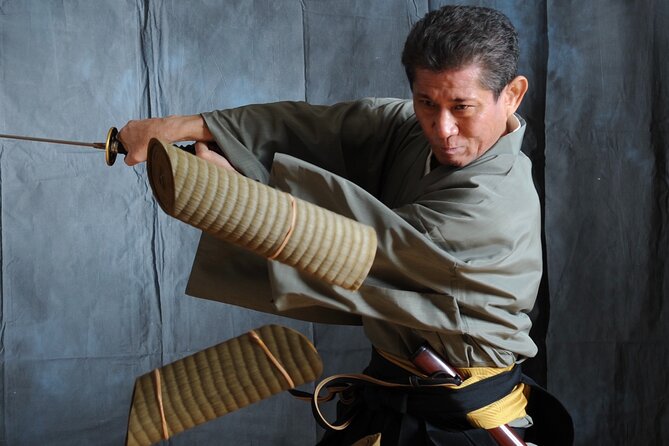
- Test cutting and blade-line checks so you practice form, not just poses
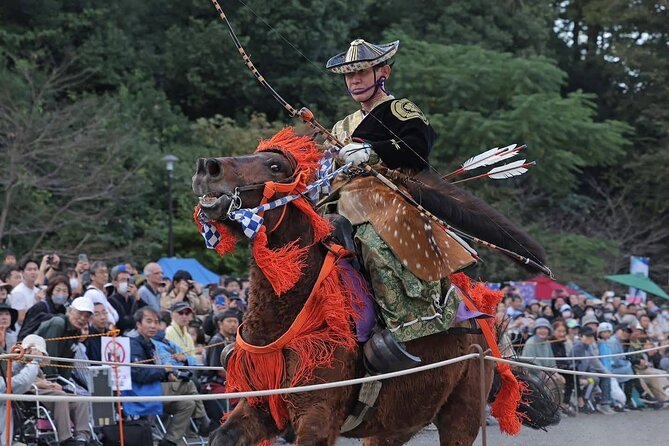
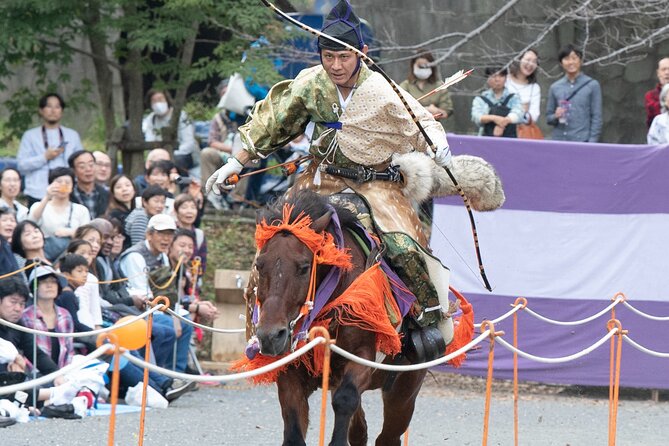
- Real archery practice with the samurai bow history woven into what you do
- Toyama-ryu demonstration featuring difficult techniques from the school’s tradition
Entering the Machida dojo, then getting suited up
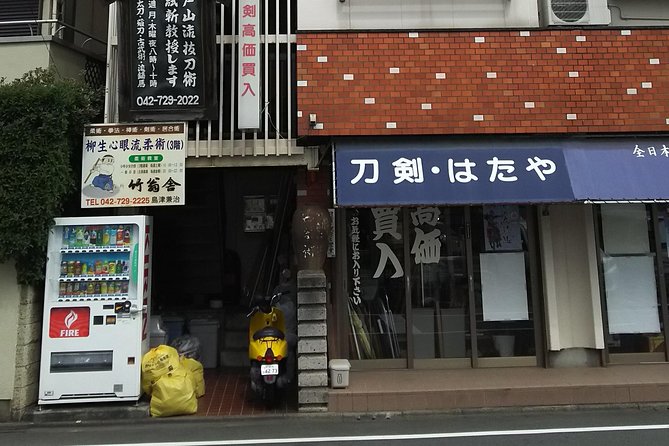
This experience starts in Machida, at 3-chōme-14-14 Haramachida, Tokyo. The activity ends back at the same meeting point, so you are not scrambling to find your way once training wraps up. The class runs about 2 hours 30 minutes, and you will use a mobile ticket.
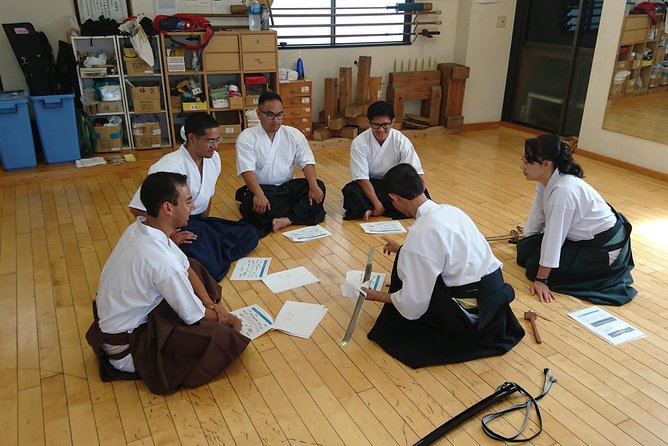
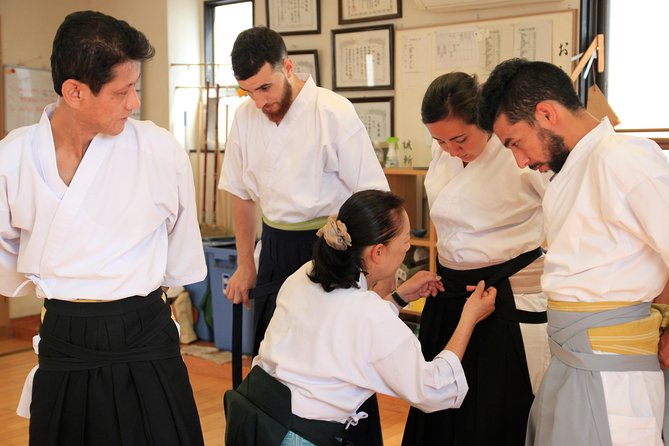
When you arrive, you do not jump straight into action. You get a short talk first, then you change into training clothes provided for the session. One practical note, the provider asks for your height and weight in advance, because they prepare the training wear. If you are between sizes, this is worth paying attention to, since you will be moving a lot.
The group is capped at 15 people, and that matters more than you might think. In a sword class, half the battle is time on-task. Here, the flow is set up so you spend more time practicing and less time waiting.
More Samurai & Ninja Experiences in Tokyo
- Tokyo: Samurai Restaurant Show Ticket with 2 Drinks
★ 4.5 · 1,307 reviews - Tokyo: Samurai Ninja Museum Guided tour and Experience
★ 4.6 · 1,010 reviews - Tokyo: Samurai Sword & Archery Class from Samurai Descendant
★ 5.0 · 603 reviews
The lesson flow: lecture, iai basics, then gekken sparring
The training is split into a few main sections, and they are sequenced in a smart way. You start with learning and safe handling, then you build toward harder, faster practice.
Iai lesson: learn the swing, not just the stance
In the iai portion, you practice how to handle and swing a mock sword. This is where you learn the basic mechanics: posture, grip, and the idea that sword work is about timing and control, not wild movement.
A lot of people think they know what a katana looks like in real life. Then they grip the training weapon and realize how much technique lives in small details. Iai drills push you to make those details repeatable.
Gekken lesson: timing, defense, and sparring
Then you move into gekken, which focuses on the timing of attacks and defense. You also spar using a moch sword. That word matters because it signals that this is practice oriented, not a stunt. You are training interaction, not just swinging at the air.
This part is where you feel the difference between knowing a movement and being able to apply it under pressure. Your “partner” is not a prop either. You have to pay attention, react, and keep your safety habits consistent.
More samurai and ninja experiences in Tokyo:
- Best Samurai Experience in Tokyo
★ 5.0 · 458 reviews - Ninja Experience (Family Friendly) at Samurai Ninja Museum TOKYO
★ 5.0 · 441 reviews - Tokyo: Samurai Entertainment Night Show in Kanda Shrine
★ 4.6 · 417 reviews - Tokyo Sword Experience – includes Museum Ticket/Ninja Experience
★ 5.0 · 314 reviews
Live demonstration from Toyama-ryu
You can also see a live demonstration of Toyama-ryu 7th grade techniques. This is not there for entertainment value. It functions like a benchmark for what serious practice looks like in the style. If you have ever wondered what sets a martial art apart from a weekend workshop, this is where you understand it.
Kata slashing forms, plus blade-line checks
You will practice KATA, slashing forms that teach structure. KATA is not meant to be dramatic. It is meant to give you repeatable patterns so your body learns the same correct motion again and again.
One cool element built into the session is a blade-line check with a mock sword. This is the kind of drill that sounds technical because it is. But it helps you feel whether your line is consistent and whether your cuts match the form you were taught.
You are also given a chance to try test cutting as part of the training flow. The point is not to turn you into a sword expert in one afternoon. It is to let you experience what happens when speed, angle, and technique line up.
Sparring while moving: the difficulty people do not expect
One of the session highlights is slashing multiple targets while moving. That is hard in a way that surprised me in spirit, and it is the exact kind of challenge that makes the class memorable.
When you move, your balance shifts. Your footwork affects your torso. Your arms start doing extra work to compensate. The sword motion then looks correct to you, but it might not be correct to the line or timing the instructor is watching.
That is why the coaching style matters. Yoshioki Sumida and the team focus on safe execution and encourage you to understand what you are doing, step by step. The goal is to keep you improving while also preventing the sloppy, risky movements that come from rushing.
In reviews, you will see people mention that downtime stays low. That matches what you will feel in a well-run dojo class. When you are ready for the next part, you go.
Samurai archery in practice: real bow and arrow
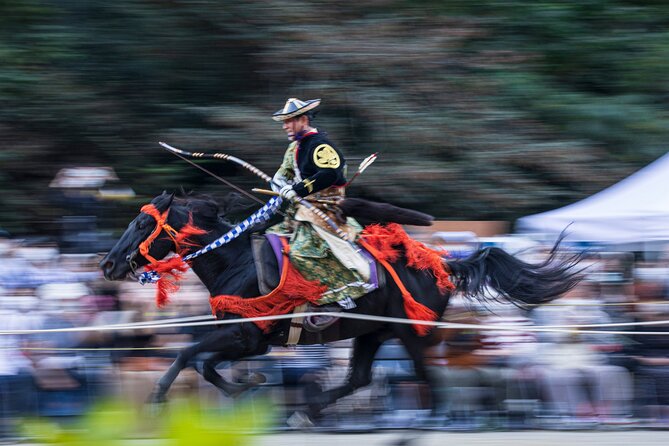
After the sword focus, the class switches gears to archery. You can try the bow and arrow, and the instructor connects it to the samurai role of archery from about a thousand years ago. Even if your Japanese is limited, the history angle is explained through the physical lesson, so you understand why it mattered.
Archery requires a different kind of patience than sword work. Sword training is fast reaction and controlled motion. Archery is breath, alignment, and follow-through. The class gives you the tools to try it, not just point at the target.
This is a major value point of the experience: you are not paying for one skill and watching the rest. You train two core samurai disciplines in one session.
And yes, archery is still challenging. People who are confident with sports sometimes underestimate it. You will quickly learn why the samurai practiced it relentlessly.
Safety and coaching style, led by Yoshioki Sumida
This is a dojo-based activity, so safety is treated as part of the training, not an afterthought. The sessions emphasize correct handling of weapons, and the instructors keep a close eye on what you are doing.
Yoshioki Sumida is the main instructor named in the experience feedback. He is described as skilled in swordsmanship and also in horseback archery. Even if you are not practicing on horseback here, that background shows up in the coaching style: movement discipline, timing focus, and a no-chaos approach.
Also, there is staff support during the class. In some feedback, an additional helper named Harry is mentioned, along with the way they explain things clearly and keep the group progressing.
One other thing I appreciate in a class like this is the expectation setting. You should not expect a light workout. You should expect a real training session.
Clothing, soreness, and what to expect physically
Training uniform and equipment are provided during class. That is great for you, because you do not have to source dojo clothes before you arrive.
But here is the practical reality. Sword sparring, even with practice weapons, uses muscles you may not use often. Plus, slashing while moving adds extra strain to your legs and core. Many people plan for soreness the next day or two.
So, if you have injuries or mobility limits, consider your body first. The experience notes that most travelers can participate, but it does not say it is gentle. This is best for people who can stand, move, and concentrate on safe technique.
If you are traveling with kids, this can work too. Feedback includes families with sons taking part, with instructions geared to keep things structured and safe.
Price and value in Tokyo for sword and archery training
At $198.20 per person for roughly 2.5 hours, this is not a cheap add-on. But it can be good value if you care about hands-on training and authentic dojo-style coaching.
Here is why the price can make sense:
- You train both sword techniques and archery, including time with the actual bow and arrow.
- The class is kept to a maximum of 15, which helps you get coaching as you practice.
- You receive more than one lesson component: iai, gekken, sparring, kata, blade-line checks, and test cutting.
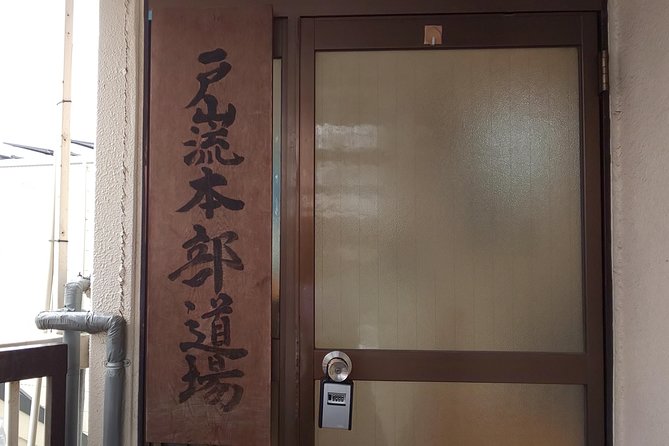
Also, the content is not framed as casual entertainment. The session is structured like training with a real instructor and a real school tradition, Toyama-ryu Bizen-kai.
One extra cost to keep in mind: facility charter fees are listed as not included. The provider also notes that if you want to rent the facility exclusively, you would need to contact them. So, the advertised price is the core cost, but check what might get added locally for the space.
Who should book this samurai sword and archery class
Book it if you:
- Want hands-on technique in a real dojo setting near Tokyo, not just photos and a short demo
- Are curious about how samurai practices work, including the why behind the motion
- Like instruction that breaks things into sections, then keeps you practicing right away
- Want to try both sword and bow in one visit
It might not be your best match if you:
- Want a relaxing, easy activity with minimal physical effort
- Are uncomfortable with sparring style drills, even with practice weapons
- Have a tight schedule and cannot reliably reach Machida before the session start
Should you book? My take on the decision
If you want one experience in Tokyo that feels like training rather than a performance, this is a strong pick. You learn actual sequences, you practice in multiple formats, and you get to try archery with the real bow and arrow. The instructor named in the class, Yoshioki Sumida, is the kind of guide who focuses on technique and safe execution, and that shows in how the session is organized.
Just go in with the right mindset. This is not a “samurai photo op” class. It is a workout for your balance, your focus, and your coordination. If you can handle that, you will leave with a real sense of how hard the fundamentals are.
FAQ
Where is the meeting point?
The class meets at 3-chōme-14-14 Haramachida, Machida, Tokyo 194-0013, Japan, and it ends back at the same meeting point.
How long is the experience?
It runs for about 2 hours 30 minutes.
How many people are in the group?
The class has a maximum of 15 travelers.
Is there a mobile ticket?
Yes, the experience uses a mobile ticket.
What training gear is included?
You get practice uniform and equipment including a practice sword, bokken, and you also try the real bow and arrow.
What are iai and gekken in this class?
In iai you learn how to handle and swing a mock sword. In gekken you learn timing for attack and defense and spar with a moch sword.
Do you get to do sparring and cutting?
Yes. You practice kata slashing forms, spar with practice weapons, slash multiple targets while moving, and you can try a test-cutting activity with a mock sword.
Do you try archery?
Yes. You get the chance to try using a bow and arrow, explained in the context of the samurai bow tradition.
What should I do about clothing size?
You are asked to provide your height and weight so the instructors can prepare the training clothes for you.
What if the weather is bad?
The experience requires good weather. If it is canceled due to poor weather, you will be offered a different date or a full refund.
Can I cancel for a full refund?
Yes. You can cancel up to 24 hours in advance for a full refund. Canceling less than 24 hours before the start time is not refunded.
Fresh options around Tokyo
- Tokyo: Nikko Kegon Falls Lake Chuzenji Toshogu Temple & More★ 4.9 · 12 reviews
- Tokyo: Samurai History Walking Tour★ 5.0 · 12 reviews
- Harajuku: Kawaii Fashion and Pop-Culture Tour★ 4.7 · 12 reviews
- Tokyo: Mt. Fuji & Lake Kawaguchi Instagram Full Day Trip★ 4.1 · 12 reviews
- Shibuya Tokyo: Modern Kintsugi Workshop in Shibuya★ 5.0 · 12 reviews
- Tokyo: GTR Guided Daikoku Experience at Night★ 5.0 · 12 reviews
- Tokyo: Daikoku JDM Car Culture Tour★ 4.6 · 12 reviews
- Mt Fuji Private Day Trip from Tokyo with English speaking driver★ 5.0 · 13 reviews
Samurai & Ninja Experiences, compared.
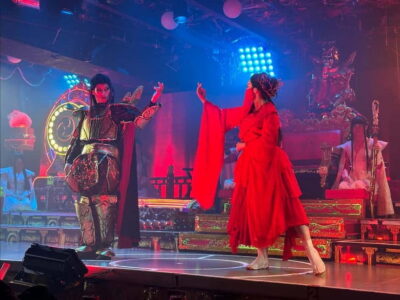
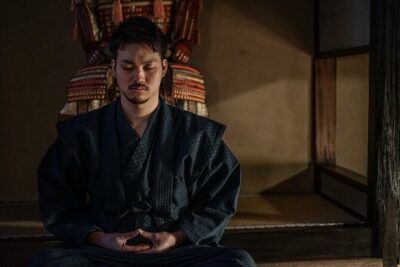
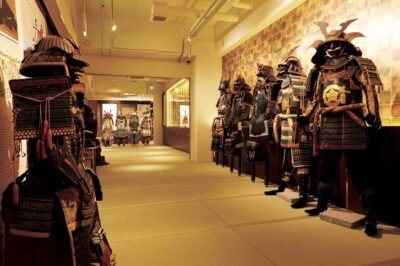
Samurai Ninja Museum Guided tour and Experience
Read our review →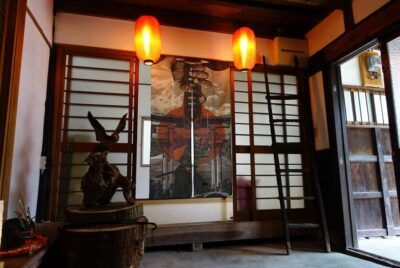
Kendo and Samurai Experience with Uniform and Gear
Read our review →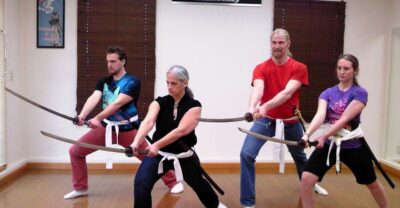
Samurai Sword Class by Experts in Traditional Arts
Read our review →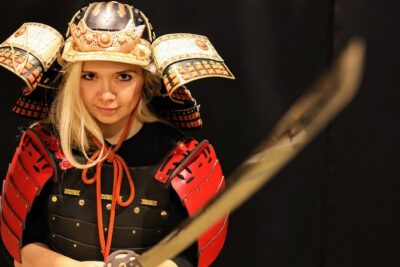
Skip the lines Basic Ticket at SAMURAI NINJA MUSEUM KYOTO
Read our review →
Samurai Sword & Archery Class from Samurai Descendant
Read our review →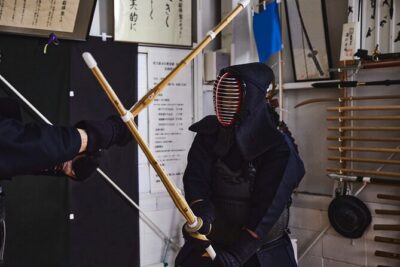
Browse the lists this tour appears in