
Reviewed · MARKETS
Tokyo: Tsukiji Fish Market Seafood & Street Eats
Tokyo smells like breakfast and seafood. This small-group morning tour (up to 10 people) pairs an English-speaking guide with two iconic Tsukiji stops, Tsukiji Hongwanji Temple and the Fish Market plus Tsukiji Jogai Market. I love the fast, practical pace that fits a busy day, and I love that the guide helps you zero in on top bites. The one catch: food is not included, so your final cost depends on how hungry you get.
The tour runs about 2 hours 30 minutes and uses a mobile ticket. The guide quality seems to be a big focus, with names like Haru, Toko, and Ryo popping up in past guidance style notes, including patient handling of families and smart choices for what to eat first. Wear comfy shoes, because you are walking through market areas where time matters.
Key Highlights
- Up to 10 people keeps questions and ordering simple when the market gets crowded
- English support from a local guide helps you understand what you are seeing and where to go next
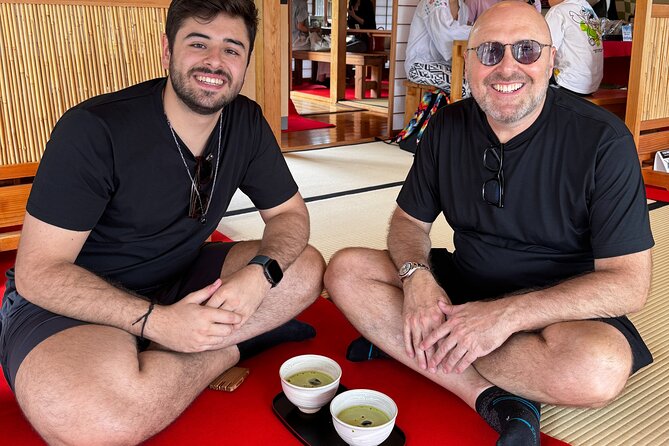
- Temple stop before the food crush gives you a calmer reset at Tsukiji Hongwanji Temple
- Two-market route covers both the famous fish market scene and the street-eats energy of Tsukiji Jogai Market
- Food is optional on your terms so you can snack lightly or go all in, your budget decides
Tsukiji in the Morning: Why 2.5 Hours Feels Just Right
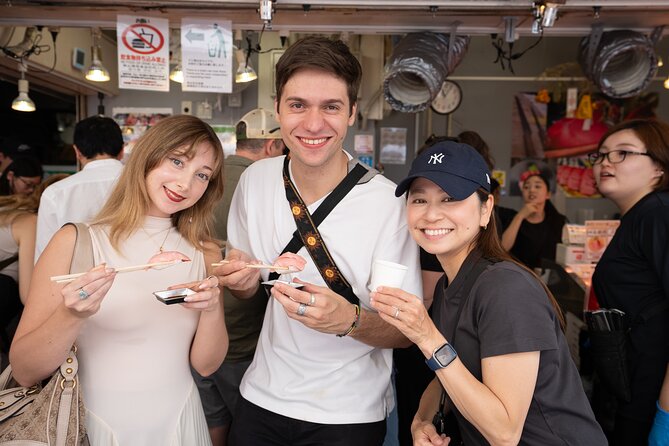
Tsukiji is one of those places where the main story is happening while you stand in line. That is why this tour works well: it is short enough to fit into your Tokyo schedule, but structured enough that you are not wandering lost among hundreds of stalls.
You start with a temple stop, Tsukiji Hongwanji Temple (築地本願寺). Then you move into the Tsukiji Fish Market scene for about 90 minutes, and you finish at Tsukiji Jogai Market for roughly an hour. That order matters. The temple gives you context and breathing room, so when the market energy ramps up, you are ready to focus on food and details.
A morning start also tends to make the market feel more purposeful. You can still enjoy the sights later in the day on your own, but if you want your first contact with Tsukiji to be guided and efficient, the timing is a big part of the value.
More Market Tours in Tokyo
- Tokyo Tsukiji Fish Market Food and Culture Walking Tour
★ 5.0 · 3,184 reviews - Tokyo: Tsukiji Fish Market Food and Walking tour
★ 5.0 · 1,724 reviews - Tokyo: Tsukiji Fish Market Guided Walking Tour
★ 4.9 · 1,397 reviews
Price and What It Really Buys for $42
At $42 per person, you are paying mostly for guidance and access, not for pre-paid eating. The tour includes a local Japanese English-speaking guide, plus entry/admission for Tsukiji Jogai Market and Tsukiji Hongwanji Temple.
Food and drinks are not included. That is common for market tours, and it is also the main way you control your spending. If you plan to do just a couple of tastings, the total can stay reasonable. If you want multiple seafood bites, you should expect to add to the base price.
Here is the practical way to think about value: you are not only buying snacks, you are buying less guesswork. In Tsukiji, the difference between a good snack and a great one is often where you go and how you order. A good guide helps you get your bearings fast and spend your money with confidence.
Stop 0: Tsukiji Hongwanji Temple (築地本願寺) as Your Reset Point
The tour begins at Tsukiji Hongwanji Temple, a well-known temple site with its own distinctive architectural feel. Even if you are not trying to be a full-time sightseeing person, this stop makes sense.
Why? Because Tsukiji can feel like sensory overload, especially if you are hungry and trying to decide what to eat. The temple is a quieter introduction to the area. It also sets a cultural frame, so the market becomes more than just food shots for your camera.
Potential drawback: this is not a quick photo stop. If you want pure food from minute one, you might feel the temple adds time before the first bite. Still, for most people it is a smart trade, because it gives you a calm start and better context for what you are about to see.
Stop 1: Tsukiji Fish Market, Tuna Culture and Food Lines
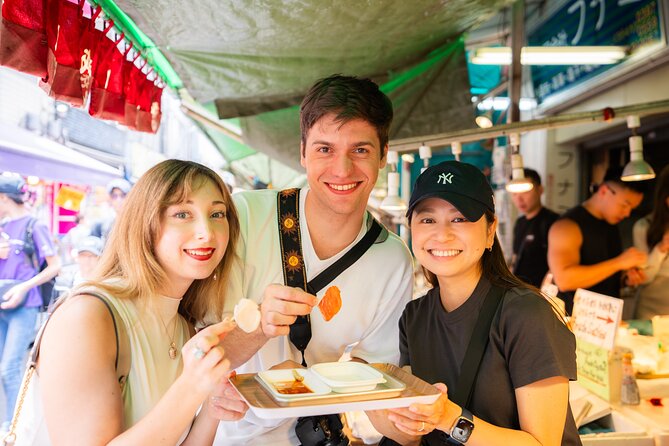
You then head into the famous Tsukiji Fish Market area for about 90 minutes. This is where the tour leans into the story of Japan’s seafood culture and the market’s long-running identity, including references to famous tuna auction culture.
What you will feel here is the pace. Stalls, movement, and decision-making all happen at once. This is exactly where an English-speaking guide pays off. They can point you toward choices that make sense, and they help you avoid common beginner mistakes like ordering the wrong thing because you were distracted or spending extra time at the wrong stall.
A big theme that comes through in past experience notes is food focus. Guides such as Haru are described as steering people toward standout items like fatty tuna and handling the logistics of waiting in line at popular spots, so you spend less time figuring out what is worth the wait. That kind of support can turn a chaotic market into a smooth, bite-by-bite plan.
Real talk: the Fish Market section can also be the most intense part of the day. If you do not like crowds, you will want to keep a steady, patient mindset. The upside is that you are there at the right time of day, and you get help making quick decisions.
Same corner of Japan, a different kind of day:
- Mt Fuji and Hakone 1-Day Bus Tour Return by Bullet Train
★ 5.0 · 26,383 reviews - 1-Day Tokyo Bus Tour
★ 5.0 · 14,250 reviews - Tokyo: TOKYO SKYTREE® Admission ticket
★ 4.5 · 11,192 reviews - Tokyo: teamLab Planets TOKYO Digital Art Museum Entry Ticket
★ 4.6 · 9,779 reviews
Stop 2: Tsukiji Jogai Market for Street Eats and Fresh Finds
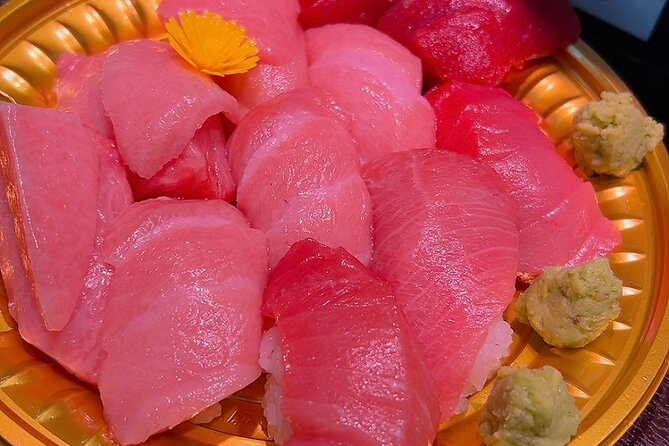
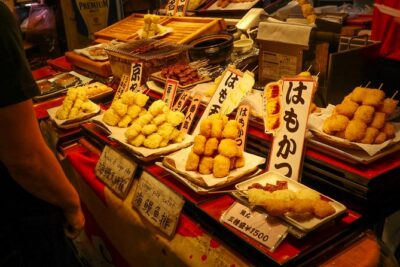
After the Fish Market, you shift to Tsukiji Jogai Market for about an hour. This part is all about stalls and shops selling fresh seafood plus Japanese street food style bites.
If the Fish Market is the headline act, Jogai Market is where you get to snack like a local. It is a good place to try a mix rather than committing to one big meal. Think in terms of variety: a couple of seafood-based items, maybe a hot bite, maybe something snackable to carry you through the rest of your day.
One practical advantage of having a time-boxed stop here is that you are less likely to overspend out of stress. With the guide’s direction, you can move through the market efficiently and then choose how adventurous you want to be.
Possible drawback: because this is a shopping and snacking zone, your spend can climb quickly if you feel pressured to buy everything the moment you see it. Keep your budget in mind. Pick a few priorities, then let the rest be optional.
What to Eat: How to Decide When Food Is On You
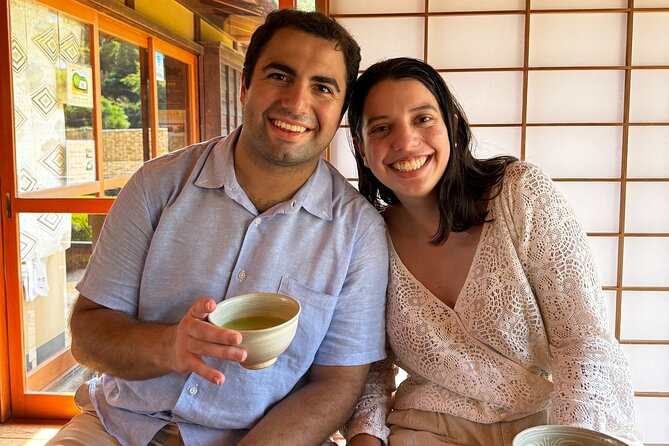
Because food and drinks are not included, you should treat this tour as a guided roadmap to the market, not an all-you-eat deal. That is a good thing. It lets you control your diet, your comfort level, and your spending.
Here is a simple strategy that works well in Tsukiji:
- Pick one tuna-focused bite if you want to experience the market’s identity.
- Add one street-style seafood snack, something you can eat quickly while walking.
- Leave room for one warm item or a sit-down stop if your feet need a rest.
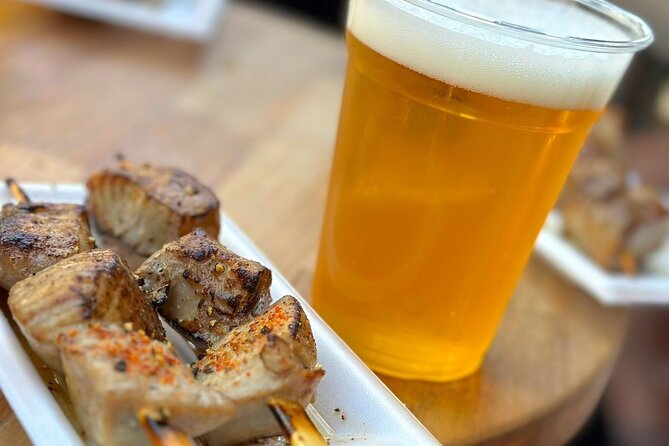
Past guidance notes mention examples people love, like super fresh tuna sashimi with multiple fatty cuts, seafood rice crackers, tuna kabobs, and even heavier sit-down foods like giant crabs or eel. You might see opportunities for those kinds of dishes, but you should expect to choose based on what is available that day.
Also, if you are traveling as a family or in a mixed group, this format tends to work. The tour is small-group, and guides who are practiced at crowd navigation can help families split time between viewing and eating without losing everyone.
Group Size, Guide Style, and Why “Local Route” Matters
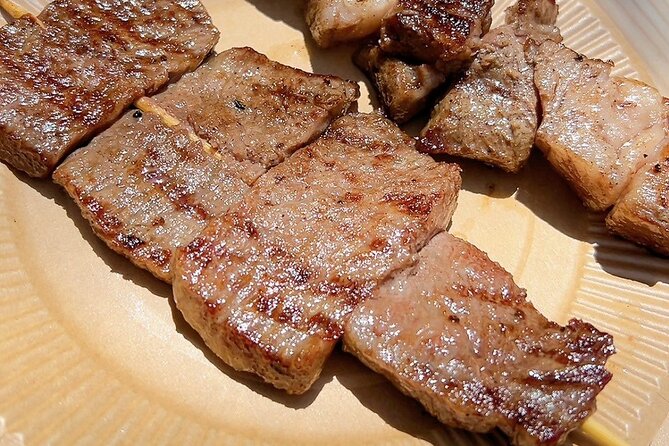
This tour caps at 10 travelers, and that matters more than it sounds. In a place like Tsukiji, a large group turns into a slow-moving line that breaks your attention. A small group keeps you flexible.
It also makes questions easier. When you can ask what something is, or where to go next, you waste less money and you miss fewer good chances. You get the benefit of local context without having to be a market expert yourself.
Guide names that show up in experience notes include Haru, Toko, and Ryo. The consistent thread is strong communication and food-focused decision-making. People also describe guides as accommodating when plans go sideways, such as when someone gets lost on the way to a popular spot and the guide stays calm while waiting. That is not something you can plan for, but it is a reassuring sign that the tour is managed well in real life.
Bottom line: the guide is not just translating. They are shaping the route so you get taste plus understanding.
Logistics That Affect Your Day (More Than You Think)
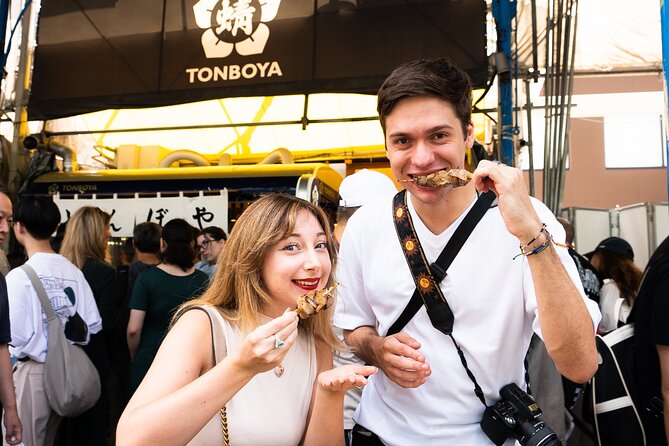
This experience starts at 3-chōme-9-10 Tsukiji, Chuo City, Tokyo 104-0045, Japan, and ends back at the meeting point. It is near public transportation, so you are not relying on a complicated transfer system.
You also get a mobile ticket, which is convenient. Market days can involve last-minute schedule tweaks, and being able to show your ticket quickly helps.
Weather matters. The experience requires good weather. If you are visiting in a season with rain risk, it is smart to plan clothing for getting damp and still walking.
One more consideration: this is a walking tour. Even if it is well-paced for a 2.5-hour window, you should expect market-floor walking, stairs in some areas, and standing in line. Comfy shoes are not optional here.
Is It Worth Booking vs. Going Solo?
If you love wandering and you already know what you want to eat, you can absolutely do Tsukiji on your own. The stalls are there, and the seafood is tempting even without a guide.
But if you want the market to make sense fast, and you want to reduce the trial-and-error of finding the best lines and the most fitting items, this tour is a strong value. Your $42 is not paying for food. It is paying for guidance, access, and a structured route that saves time when the market feels like information overload.
Also, a guided visit can be especially helpful if you are not confident with ordering in a fast-moving environment. You do not need to be a foodie to benefit. You just need a plan, and the guide supplies it.
Should You Book This Tsukiji Seafood Walk?
Book it if you want:
- A short, well-structured morning that fits a packed Tokyo itinerary
- A guide to help you choose tastings and navigate market crowds
- A mix of culture and food, starting with Tsukiji Hongwanji Temple and moving into both market areas
Skip it if you:
- Prefer a self-paced food crawl with no fixed route
- Are only looking for one quick snack and would rather spend less on the experience fee
If you are on the fence, here is the simplest decision rule: if you expect to buy multiple tastings anyway, the guided structure is likely to make those purchases feel more satisfying. If you only want one snack, you may get more value going solo.
FAQ
How long is the Tsukiji Fish Market and Street Eats tour?
The tour is about 2 hours 30 minutes.
What is the price per person?
The price is $42.00 per person.
Is food included in the ticket price?
No. Foods and drinks are not included, and you purchase what you want at your own expense.
How many people are in the group?
The tour has a maximum of 10 travelers.
What does the tour include besides the guide?
It includes entry or admission for Tsukiji Jogai Market and Tsukiji Hongwanji Temple.
Where does the tour start?
The meeting point is 3-chōme-9-10 Tsukiji, Chuo City, Tokyo 104-0045, Japan.
Do I get a mobile ticket?
Yes, the tour uses a mobile ticket.
What is the cancellation policy?
You can cancel for free up to 24 hours in advance for a full refund. Weather can also affect whether the tour runs.
More Shopping Tours in Tokyo
- Tokyo: Tsukiji Fish Market Sushi Making Class with Pro Chef
★ 4.9 · 506 reviews - Tokyo Food Tour Taste Fresh Delights at Tsukiji Market
★ 5.0 · 429 reviews - Tokyo Tsukiji Fish Market Tour and Sushi Making Lesson
★ 5.0 · 390 reviews - Tsukiji Fish Market: Street Food & Culture Walking Tour
★ 4.8 · 259 reviews
More Markets in Tokyo
- Tsukiji Fish Market Guided Tour and Sushi Making with Pro Chef
★ 5.0 · 775 reviews - Tokyo: Tsukiji Fish Market Food and Culture Walking Tour
★ 4.7 · 757 reviews - Tsukiji Fish Market: Street Food & Culture Walking Tour
★ 5.0 · 669 reviews - Tsukiji Fish Market Small-Group Food Walking Tour
★ 5.0 · 621 reviews
Fresh options around Tokyo
- Tokyo: Nikko Kegon Falls Lake Chuzenji Toshogu Temple & More★ 4.9 · 12 reviews
- Tokyo: Samurai History Walking Tour★ 5.0 · 12 reviews
- Harajuku: Kawaii Fashion and Pop-Culture Tour★ 4.7 · 12 reviews
- Tokyo: Mt. Fuji & Lake Kawaguchi Instagram Full Day Trip★ 4.1 · 12 reviews
- Shibuya Tokyo: Modern Kintsugi Workshop in Shibuya★ 5.0 · 12 reviews
- Tokyo: GTR Guided Daikoku Experience at Night★ 5.0 · 12 reviews
- Tokyo: Daikoku JDM Car Culture Tour★ 4.6 · 12 reviews
- Mt Fuji Private Day Trip from Tokyo with English speaking driver★ 5.0 · 13 reviews
Markets, compared.
Tokyo Tsukiji Fish Market Food and Culture Walking Tour
Read our review →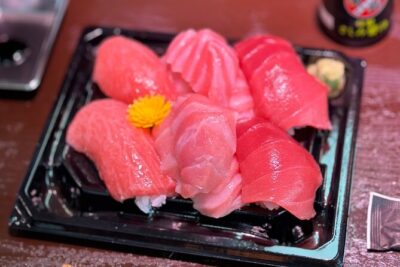

Nishiki Market Brunch Walking Tour (7 Tastings + Brunch)
Read our review →
Tsukiji Fish Market Guided Tour and Sushi Making with Pro Chef
Read our review →Tsukiji Fish Market Food and Culture Walking Tour
Read our review →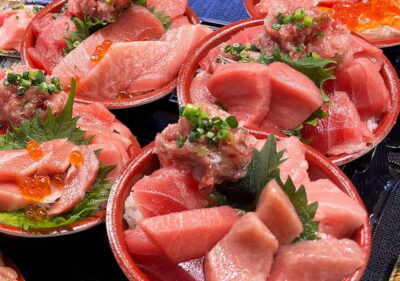
Tsukiji Fish Market: Street Food & Culture Walking Tour
Read our review →
Tsukiji Fish Market Small-Group Food Walking Tour
Read our review →Browse the lists this tour appears in