
Reviewed · DINNER EXPERIENCES
Tokyo: Traditional Japanese Performing Arts Show and Dinner
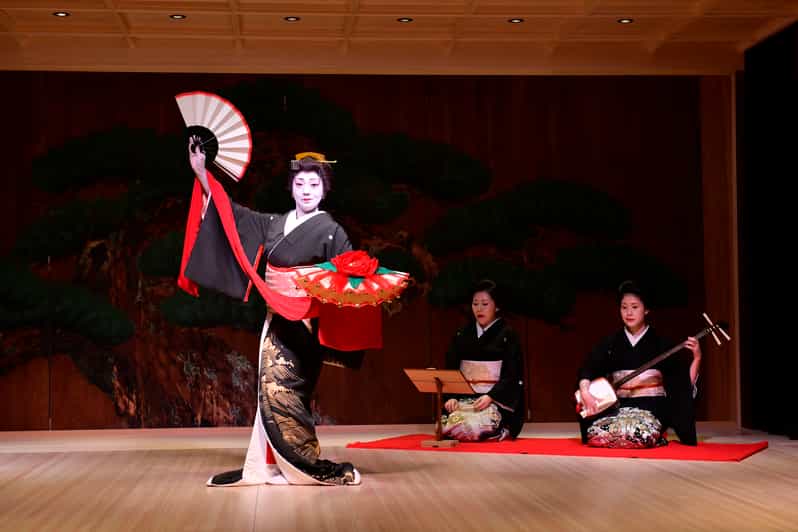
Dinner theater in Tokyo, with real craft. At SUIGIAN, I love the close-up Noh style stage feel and the sense of place, right under the Fukutoku Shrine garden area in Nihonbashi. It turns a regular night out into something you can actually feel in the room.
My second favorite part is the seasonal kaiseki omakase dinner. You get a full course built around fresh ingredients and bonito based broth, then you finish with matcha green tea and dry sweets. It is paced like a proper dinner, not a rush-job meal before a show.
One thing to consider: the live performances are intentionally short, typically three sets of about 10 minutes each. So if you want long continuous dancing like a full theatre production, this may feel more like dinner plus music and dance than a marathon performance night.
Key highlights you will actually notice
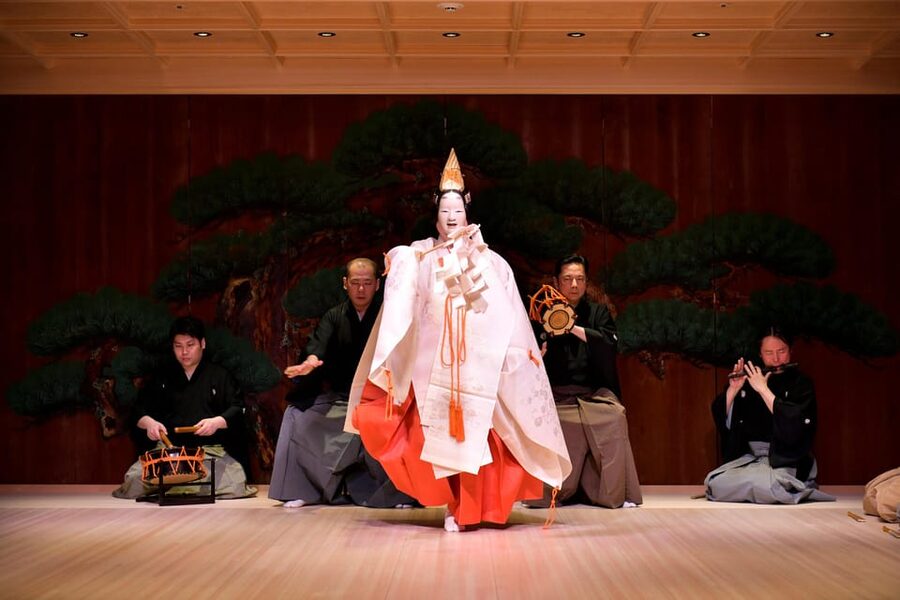
- Kagura or Nihon buyo depending on the date, usually three short performance segments paired with dinner
- Four seat options aimed at keeping you close to the stage and clearly seeing details
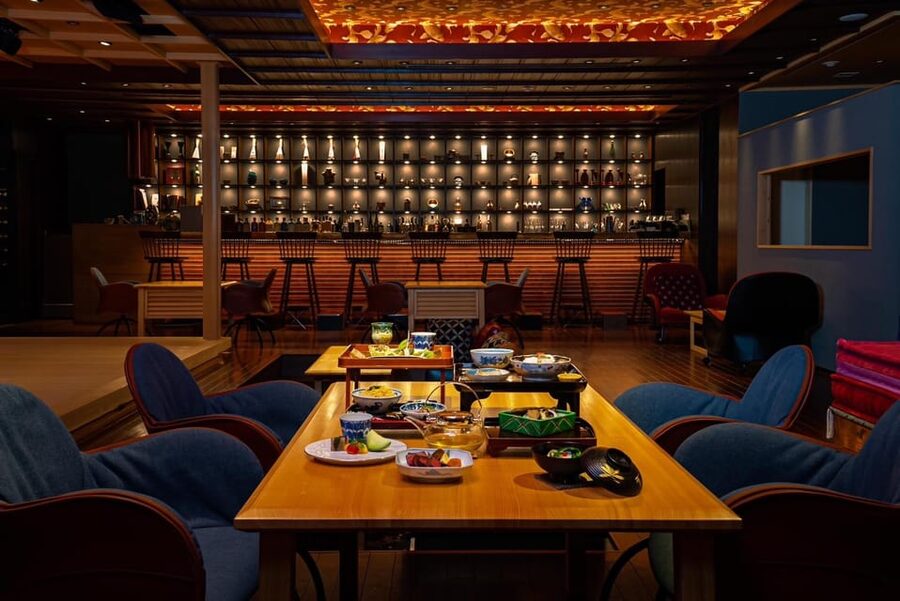
- Seasonal full course kaiseki, including soup, platters, grilled Japanese beef, rice, and dessert
- Nagasaki heritage dinnerware used for the courses, handed down for more than 350 years
- A slow, gentle dinner rhythm with explanations that make the food and performing arts easier to follow
- A commemorative photo with the performers to mark the night
SUIGIAN under Fukutoku Shrine, Tokyo’s quiet performance mood
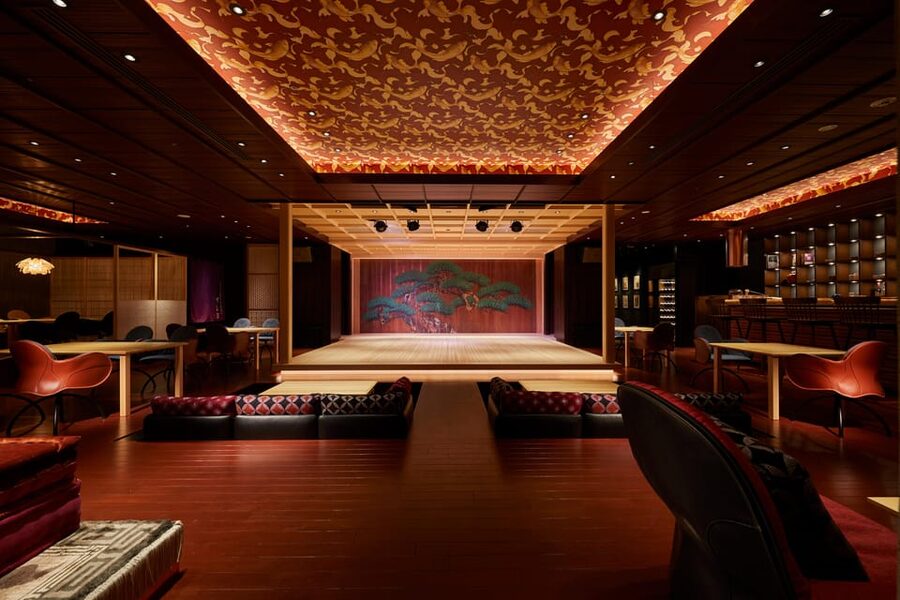
Tokyo can feel loud. This experience does the opposite. SUIGIAN is tucked into the Fukutoku Garden area, reached by descending stairs near the shrine setting. The idea is simple: you walk in for a meal and go out feeling like you attended a focused slice of Japanese culture in a carefully designed space.
I like that the room is built for watching. The stage setup is Noh style, with a backdrop that includes an old pine tree image. That matters because it frames the performances. You are not watching dancing from a distance across a loud dining hall. You are watching it like it belongs to the room.
The venue also leans hard into authenticity without feeling stuck in a museum. You get Japanese décor, tray and dish presentation, and that calm, considered pace that fits kaiseki culture. The result is comfortable luxury, even though the whole thing has a traditional spine.
If you are the type who loves details, you will notice the way the meal, the performance timing, and the environment all line up. That is where the value is. You are paying for a complete evening design, not just food or just a show.
A few more Tokyo days worth comparing
- Tokyo Bar Hopping Tour in Shinjuku (All-You-Can-Drink + Dinner)
★ 5.0 · 3,587 reviews - Tokyo: Sumo Show and Dining Experience
★ 4.8 · 2,742 reviews - Tokyo: Samurai Restaurant Show Ticket with 2 Drinks
★ 4.5 · 1,307 reviews
Kagura nights vs Nihon buyo nights: check the date before you book
The program depends on when you go. On certain February and March dates, the main performance type is kagura, described as ancient Shinto music and dance. On other days in February and March, the main performance type is Nihon buyo, traditional Japanese dance.
Here are the listed kagura dates:
- Feb 5 (Thu), Feb 10 (Tue), Feb 17 (Tue), Feb 25 (Wed)
- Mar 10 (Tue), Mar 17 (Tue), Mar 24 (Tue)
What does this mean for your planning? Kagura tends to feel more ritual and musical. Nihon buyo tends to feel more dance-driven and theatrical. If you are choosing based on what you want to learn or see, the calendar is the real decider.
Also, the schedule is built around dinner. You should expect multiple short performance moments rather than one long continuous act. That is consistent with how the experience is designed, including the listed time range of 2 to 3 hours overall.
Four seat options and a Noh style stage that keeps you close
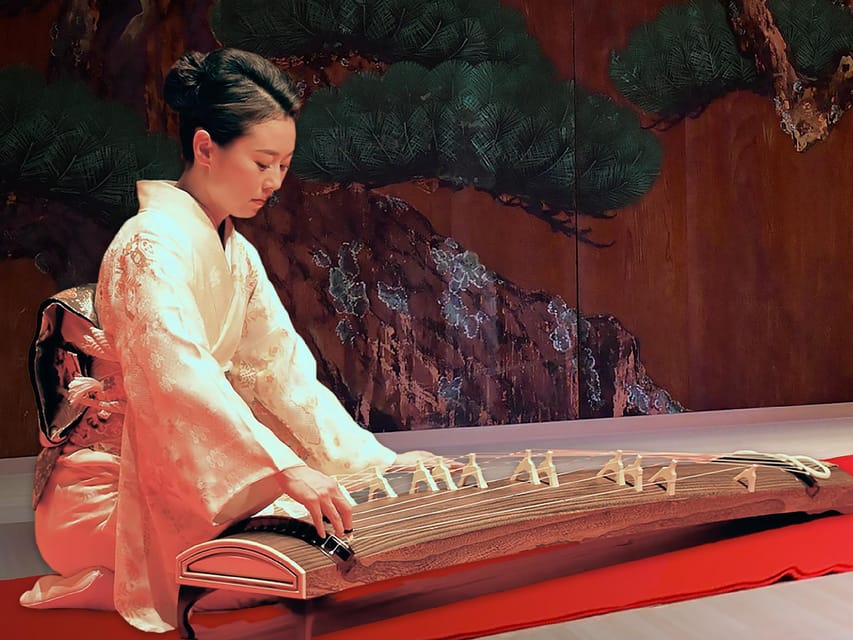
You get to choose a seat option. That sounds minor until you see why it matters. The stage setup is Noh style, and your viewing angle affects how much you catch in the performance, from gesture to costume movement to the pacing between sets.
SUIGIAN offers four different seating options, and the experience is designed around watching up close. Reviews often highlight that people could see clearly and enjoyed the proximity to the stage.
Practical advice: pick the seat option that prioritizes closeness if you care about detail. If you prefer comfort and a calmer view, choose accordingly. Either way, you are in a purpose-built room, so you are not stuck in a far-back corner hoping for the best.
The dinner is the main event: a seasonal kaiseki course you can follow
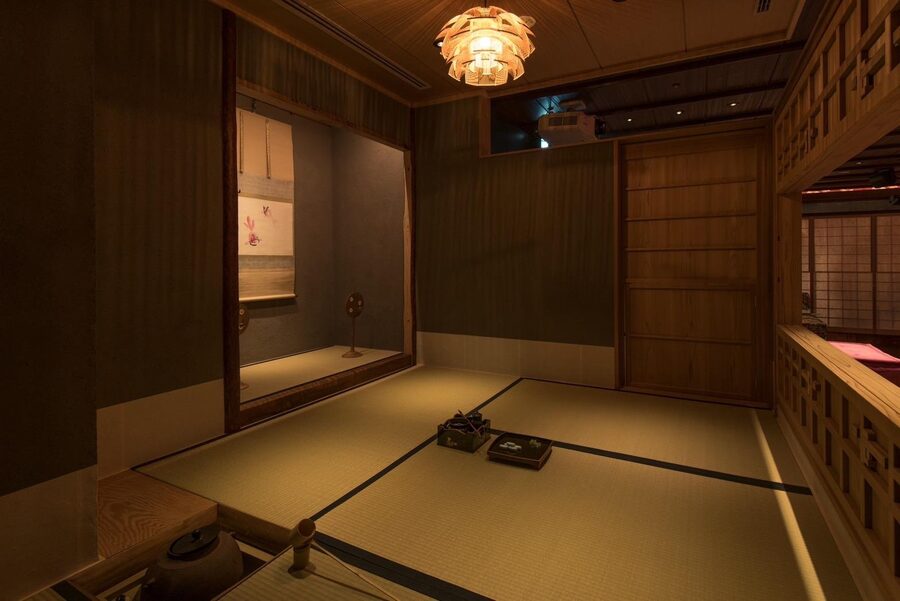
This is a restaurant dinner with a performance woven in, not a quick show with food as an afterthought. The meal is described as a full course Japanese kaiseki style experience, served at a relaxed rhythm.
The dinner is also seasonal and tied to an omakase approach. That means the chef selects the specific course items for the day. You can expect a structure like this, based on the course outline:
- appetizer
- first seasonal platter
- soup made with bonito broth
- later seasonal platter
- grilled dish featuring Japanese beef
- rice
- dessert for the day
- finish with matcha green tea and dry sweets
A few details make this feel special in practice:
- The meal is themed by season, so it feels like a snapshot of Japan rather than a static menu.
- The soup and broth style fits the overall calm pacing.
- The grilled Japanese beef course gives you a clear savory centerpiece before the rice and dessert wrap.
There is also a note that explanations are available in English, which helps a lot if you want context for what you are eating and what you are seeing. You do not need to be a Japan expert to enjoy this night, but you will probably enjoy it more if you ask questions and listen.
One more reality check: because this is omakase, if you have strong preferences beyond allergies or vegetarian needs, you should plan for the possibility that the day’s courses will not match every taste. The solution is communication upfront.
Same corner of Japan, a different kind of day:
- Mt Fuji and Hakone 1-Day Bus Tour Return by Bullet Train
★ 5.0 · 26,383 reviews - 1-Day Tokyo Bus Tour
★ 5.0 · 14,250 reviews - Tokyo: TOKYO SKYTREE® Admission ticket
★ 4.5 · 11,192 reviews - Tokyo: teamLab Planets TOKYO Digital Art Museum Entry Ticket
★ 4.6 · 9,779 reviews
The 350-year Nagasaki dinnerware detail that makes the room feel real
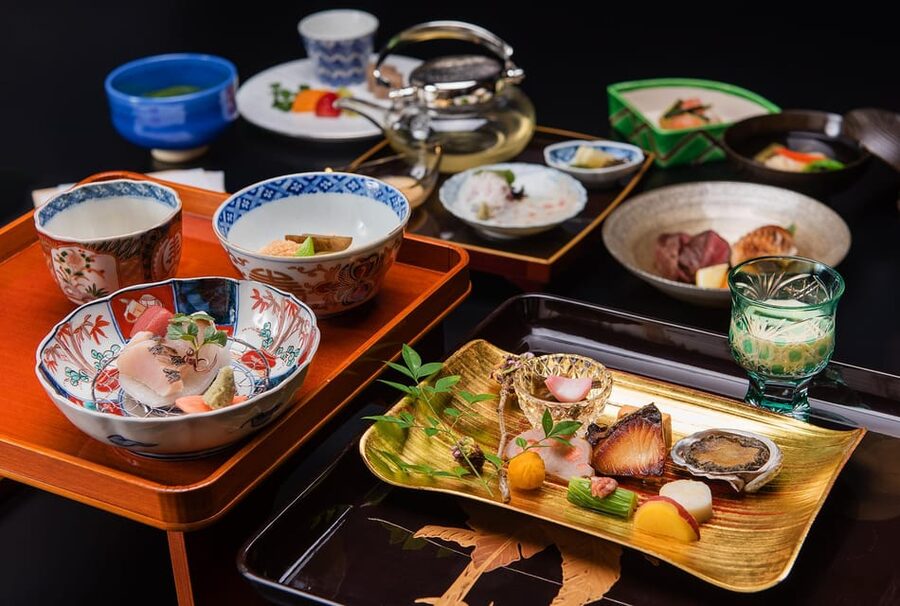
Here is a detail I love because it is not marketing fluff. The meal is served on trays and dishes with a long lineage. The information provided says the restaurant inherited trays and dishes from another Japanese restaurant in Nagasaki, with over 350 years of heritage.
Why does that matter to you? Because it changes how the meal feels. Kaiseki is not just food. It is presentation, sequence, and texture. Heritage tableware adds weight to that idea. It turns each course into a small event.
You also get the visual rhythm: dishes arrive in a deliberate order, and the presentation helps you notice how the course theme shifts from one part of the meal to the next.
Even if you only care about taste, you will likely appreciate the craftsmanship. It is part of the overall package.
Performance pacing: three short segments with dinner, not one marathon show
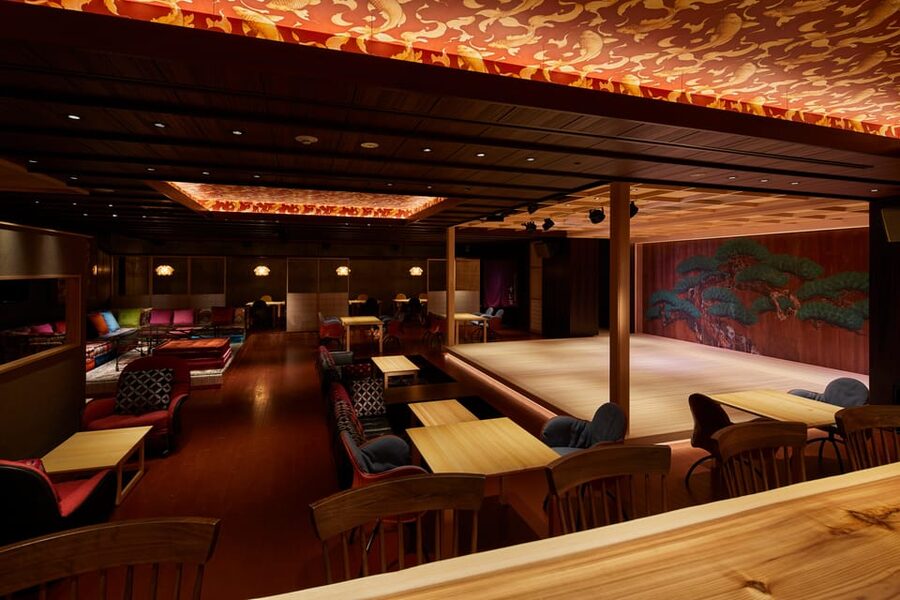
The performance portion is structured into three performances, each about 10 minutes, paired with dinner. That means your evening has mini moments of live art rather than one long block.
If you love short, polished cultural bursts, this will feel ideal. It also keeps the meal flow calm, so you are not rushed to keep up with a schedule.
A practical consideration: the experience time is 2 to 3 hours. If you want something like a full 90 minute stage show plus dessert in a hurry, you may feel this is too short on performance. But if your goal is to have a traditional meal with live context, the pacing makes sense.
Also, from the descriptions, you will get music and dance elements between courses. That is part of what makes it feel like a themed evening rather than a standalone dinner.
What to eat if you have dietary needs, and what to ask ahead of time
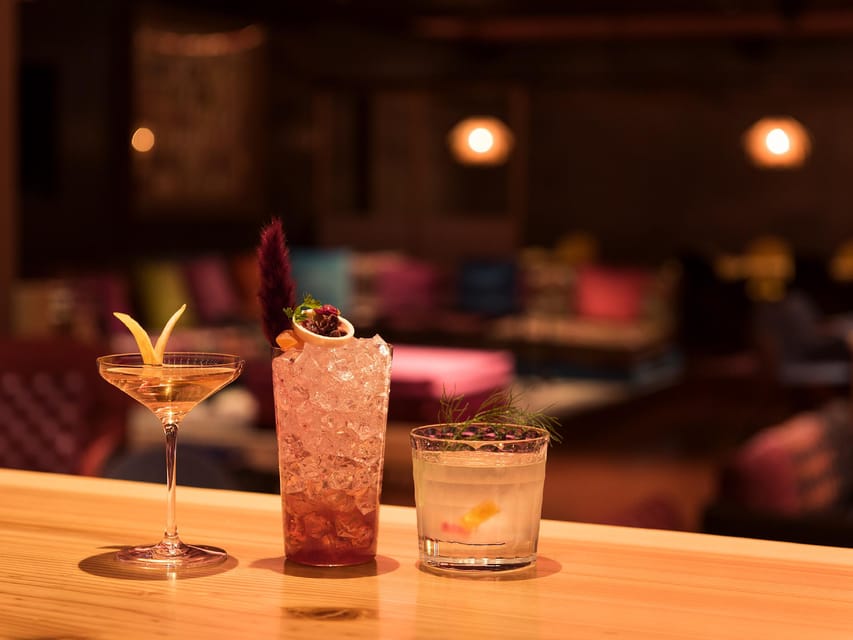
This is omakase seasonal dining. The restaurant asks that you inform them in advance about any foods you cannot eat due to:
- allergies
- vegetarianism
- other dietary reasons
The key point is timing. They may not be able to accommodate special requests after you arrive. So if you have any restrictions, handle them before you show up.
If you are not sure how to describe your limits, keep it simple:
- list ingredients you cannot have
- say whether you eat fish, dairy, eggs
- ask what they can do for your specific need
Based on the experience design, the meal is meant to be cohesive as a set. That means they likely handle adjustments better when you give clear instructions early.
Wheelchair accessibility is listed. If mobility is part of your planning, you can also mention your needs when you reserve.
Where to find SUIGIAN: train and walk tips that save time
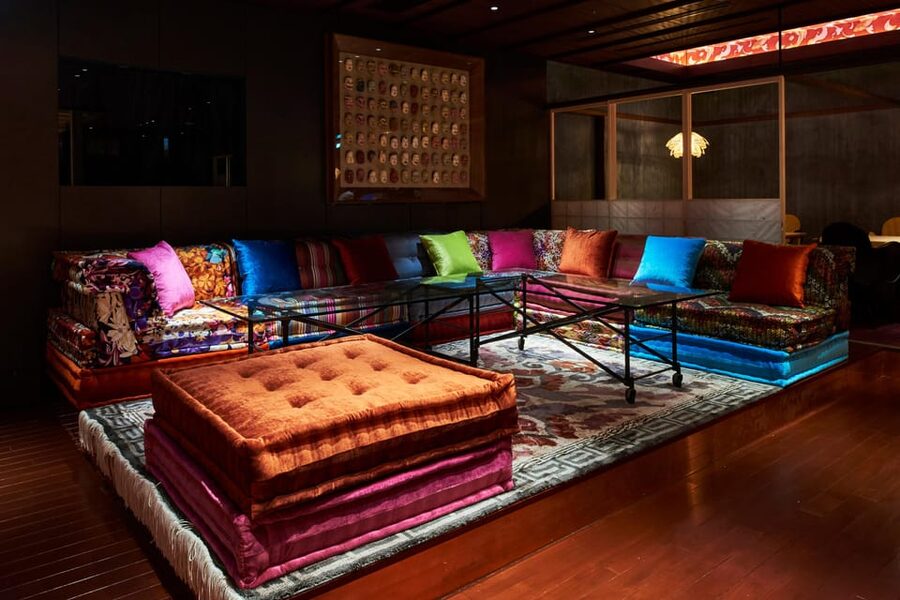
You will find SUIGIAN in Nihonbashi, at:
- Theater Style Restaurant and Lounge SUIGIAN
- Fukutoku Garden B1F, 2-5-10 Nihonbashi Muromachi, Chuo-ku, Tokyo 103-0022
- Phone: +81-3-6262-0826
Getting there by train is straightforward if you use the right exit.
From Tokyo Metro Ginza Line or Hanzomon Line:
- Get off at Mitsukoshi-mae Station, Exit A6
- Walk about 1 minute
- Arrive at Coredo Muromachi 2 B1F
From JR Shin-Nihonbashi Station (rapid Sobu line):
- About a 6 minute walk
From JR Tokyo Station:
- About a 10 minute walk
- Nihombashiguch Exit
By taxi:
- About 6 minutes from Tokyo Station
- Taxi fare around ¥600 (estimated)
One small navigation tip: the venue is described as tucked under the garden setting. If you have trouble finding the entrance, aim for the garden area corner for entry rather than expecting a street-front storefront.
When this fits best: special occasion, quiet night, and food-first minds
This is a strong match for you if:
- you want a culturally authentic dinner experience
- you like your evening planned and paced for you
- you want the performance explained and paired with what you are eating
- you care about presentation, not just filling your stomach
It is also a great “reset” after a busy day. The pacing is intentionally unhurried. The service style is described as attentive and kind, and the dinner is served in a way that allows you to relax rather than bolt through.
Who should skip it? If you are bringing children under 10 years old, the experience notes it is not suitable for them. Also, if you are chasing the longest stage time possible, remember the performance segments are brief.
Price and value: why $140 for a short show can still feel fair
The price is listed as $140 per group up to 1. That sounds like a lot until you look at what you actually get in a 2 to 3 hour block:
- a full course kaiseki style dinner
- a traditional performing arts show
- seat assignment for a close viewing experience
- a commemorative photo with the performers
In Tokyo, high quality dinner plus a real performance setup can easily add up. Here, the cost is partly paying for the full evening concept: the room design, the heritage tableware, and the service that keeps the meal and performance coordinated.
Is it a bargain? Probably not. But it is the kind of value that makes sense if you treat it as one night out that replaces multiple expenses. You are not paying for food only, and you are not paying for a separate ticket to a show with a random dinner nearby.
My practical take: if you are choosing between this and a standard restaurant meal plus a distant show, SUIGIAN is the smoother path. It is more of a complete package.
Before you go: the practical checklist that prevents disappointment
Here is the short list I would follow:
- Pick your date based on kagura vs Nihon buyo if that matters to you
- Expect three short performance moments
- Plan for a full course meal, not a quick bite
- If you have allergies or a dietary need, tell the restaurant in advance
- Wear comfortable shoes, since the venue is accessed by stairs under the garden setting
- If mobility is a concern, know wheelchair accessibility is listed
And if you are big on seafood or fish: one detailed note from a past dining experience mentioned fish-centered courses and a tea taste that leaned fish-like. That is not the same as saying everyone will get it, but it is a useful heads-up. If seafood is a problem for you, flag it clearly when you reserve.
Should you book SUIGIAN dinner and traditional performing arts?
Book it if you want a Tokyo night that blends food, décor, and performance in one intentional setting. This works best as a special occasion, a calmer evening after sightseeing, or a food-first cultural experience where you can actually follow what is happening.
Skip it if your top priority is long uninterrupted stage time, or if you are not comfortable with an omakase style menu that follows the chef’s seasonal plan. Also skip if you are traveling with children under 10.
If you want my simplest decision rule: if you are excited about tasting a full course kaiseki omakase and watching a close-up cultural performance in a Noh style room, this is a yes.
FAQ
How long is the SUIGIAN traditional performing arts and dinner experience?
The estimated duration is 2 to 3 hours.
What performances are offered on specific dates in February and March?
On Feb 5, Feb 10, Feb 17, and Feb 25, and also Mar 10, Mar 17, and Mar 24, the regular performance is kagura. On other days in February and March, the regular performance is Nihon buyo.
What is included in the ticket price?
Included are the Japanese full-course dinner, the traditional Japanese performing arts show, and seat assignment based on the option you select.
Is a seat assignment provided, and can I choose where I sit?
Yes. Seat assignment is included, and you choose from four available seating options.
What does the full-course meal usually include?
A full-course meal usually includes an appetizer, first seasonal platter, soup, later seasonal platter, a grilled dish featuring Japanese beef, rice, and dessert for the day. It also includes matcha green tea and dry sweets at the end.
Can the restaurant accommodate allergies or vegetarian needs?
You should inform them in advance about allergies, vegetarian preferences, or other foods you cannot eat because the course is seasonal omakase. Requests made after arriving may not be accommodated.
Is the restaurant wheelchair accessible?
Yes, wheelchair accessibility is listed.
Is this experience suitable for children?
No. It is not suitable for children under 10 years.
What is the cancellation policy and does it offer pay later booking?
Free cancellation is available up to 24 hours in advance for a full refund, and you can reserve now and pay later.
Fresh options around Tokyo
- Tokyo: Nikko Kegon Falls Lake Chuzenji Toshogu Temple & More★ 4.9 · 12 reviews
- Tokyo: Samurai History Walking Tour★ 5.0 · 12 reviews
- Harajuku: Kawaii Fashion and Pop-Culture Tour★ 4.7 · 12 reviews
- Tokyo: Mt. Fuji & Lake Kawaguchi Instagram Full Day Trip★ 4.1 · 12 reviews
- Shibuya Tokyo: Modern Kintsugi Workshop in Shibuya★ 5.0 · 12 reviews
- Tokyo: GTR Guided Daikoku Experience at Night★ 5.0 · 12 reviews
- Tokyo: Daikoku JDM Car Culture Tour★ 4.6 · 12 reviews
- Mt Fuji Private Day Trip from Tokyo with English speaking driver★ 5.0 · 13 reviews
Dinner Experiences, compared.
Tokyo Bar Hopping Tour in Shinjuku (All-You-Can-Drink + Dinner)
Read our review →

Deep Backstreet Osaka Tours (Option to add Dinner)
Read our review →
Deep Backstreets Walking Tour with Dinner Option
Read our review →
Sumida River: Japanese Traditional Yakatabune Dinner Cruise
Read our review →
Kyoto Gion Cultural Walk & Geisha Show with Dining Options
Read our review →Kyoto Gion Cultural Walk & Geisha Show with Dining Options
Read our review →
Tokyo Bay Yakatabune Dinner/Day Cruise with Japan Show and Drinks
Read our review →Browse the lists this tour appears in