
Reviewed · SUMO EXPERIENCES
Tokyo: Sumo Tournament with Guide & Assigned Reserved Seat
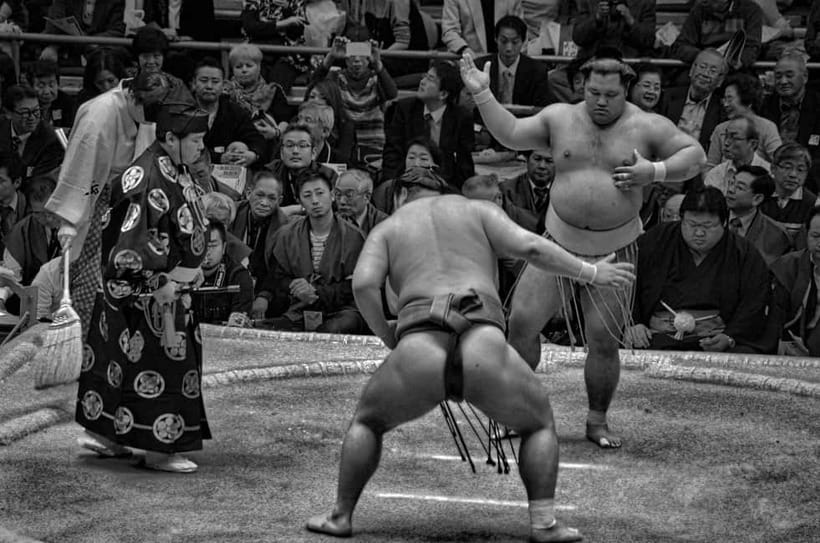
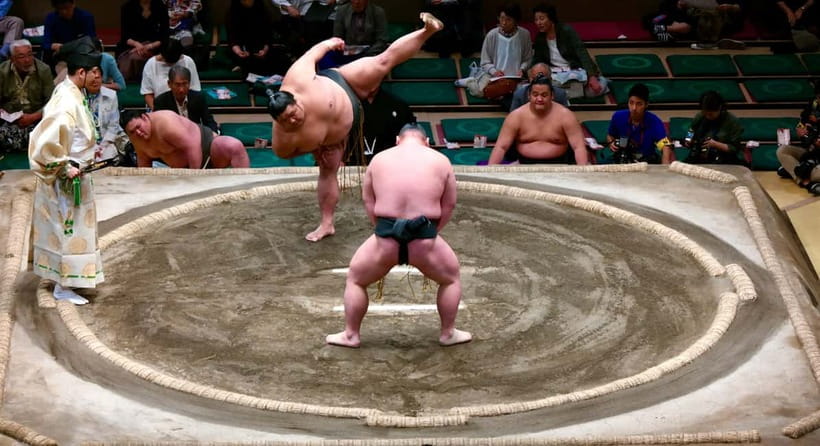
Sumo makes normal sports feel too loud. This Tokyo experience gets you into a real Grand Sumo venue at Ryogoku Kokugikan with reserved seating and a guide who turns the ceremonies into something you can actually follow. I like that you are not left guessing what is happening, or why everyone is doing the same ritual before a bout.
The best part is the human one, the guides. Names like George, Jorge, Cesar, and Lily show up again and again in feedback, and the common theme is simple, they explain rules, rankings, and customs in plain English. The tradeoff is the price, and a few reviewers felt it is steep compared to the ticket alone, so it helps to see the cost as a package deal for guaranteed seats plus guided context.
Key Points You Will Care About
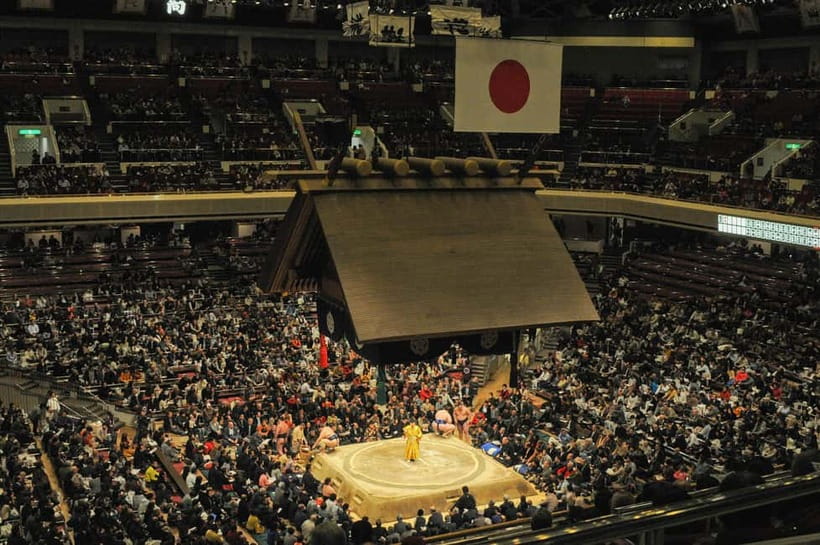
- Reserved B or C class seats on the second floor, assigned for you.
- English expert guidance that explains rituals, rankings, and what to watch for during bouts.
- A focused 30-minute arena intro before the long viewing session.
- About 4 hours inside the stadium for the main tournament time window.
- Photo-friendly temple and garden moments may appear depending on the route your day uses.
- Group dynamics vary, and on bigger groups it can be harder to hear every detail.
Ryogoku Kokugikan, the Place Where Sumo Feels Real
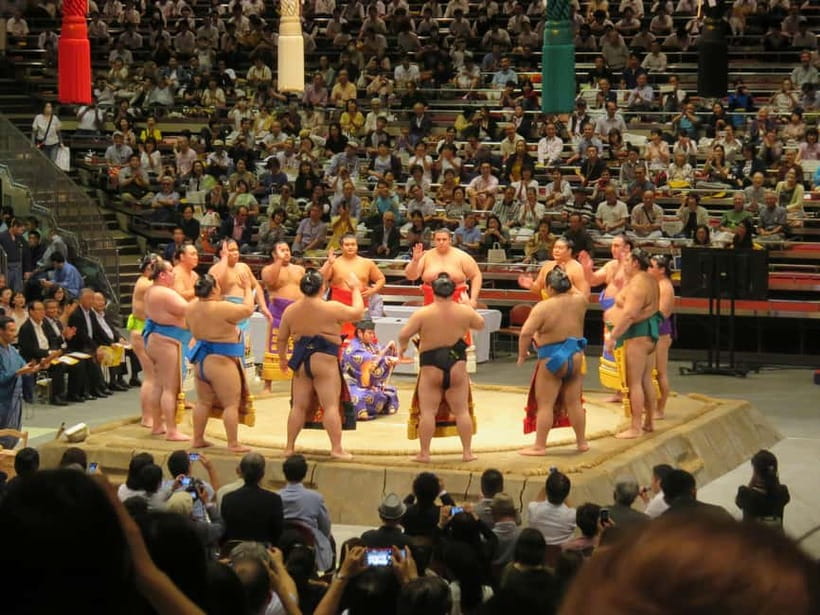
If you care about Japan culture more than just photos, Ryogoku Kokugikan is the right kind of stage. This is where sumo has been performed for a long time, and it carries that built-for-purpose feel. Even if you only know the basics, the rhythm of the day starts to make sense fast once you see the pre-bout rituals in person.
I also like the way the experience is structured around understanding. You get a guided introduction before you settle in, so you are not watching with a blank mind. You start to notice patterns like when the crowd energy spikes, when wrestlers gather, and how ceremonial moments set the tone for action.
One practical note: this is a live event with a lot of noise and movement. If you are sensitive to crowds, plan to keep your expectations realistic. And if you have mobility concerns, this activity is noted as not suitable for people with mobility impairments.
More sumo experiences in Tokyo:
- Tokyo: Sumo Show Experience with Chicken Hot Pot and a Photo
★ 4.8 · 6,678 reviews - Tokyo: Sumo Show and Dining Experience
★ 4.8 · 2,742 reviews - the SUMO show
★ 5.0 · 1,960 reviews
Your Starting Point: Matsuura-Bungo Mansion Site Area
Your day begins at one of the designated starting locations, and the info provided points to the Matsuura-Bungo Mansion Site area. Meeting point can vary depending on the option you book, so you will want to read your confirmation closely when it comes in.
Why this matters: leaving from the right spot helps you arrive with less stress. The point is not just logistics, it is to give you a smooth flow from street level into the sumo district, so you are not spending your afternoon hunting down the meeting group.
Depending on your exact route for the day, you might also see quick stops tied to the local area. One review specifically mentioned Ekoin temple and a garden near the arena as pleasant add-ons, and while that may not happen on every departure, the idea is consistent: you get more than just the ticket.
The 30-Minute Guided Tour Setup Inside the Arena
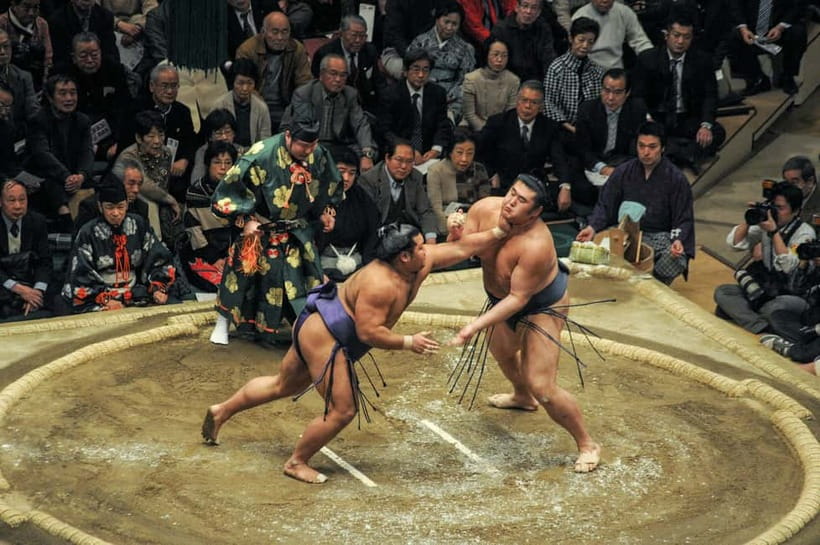
Once you reach Ryogoku Kokugikan, you get about 30 minutes of guided tour time. This part is short on purpose. It is meant to get you oriented, not to turn the morning into a lecture.
A good guide makes this period pay off later. You want to learn enough about sumo rules and what you are seeing that your brain can keep up during the bouts. You also want a sense of the ranking system, because the matchups start to feel different when you understand what a win means for a wrestler’s position.
If you have never seen sumo before, this is where you gain the biggest advantage. The later four hours are still exciting even if you know nothing, but knowing the basics helps you watch with intention instead of just noise-and-motion.
Four Hours of Live Bouts: How the Viewing Part Really Works
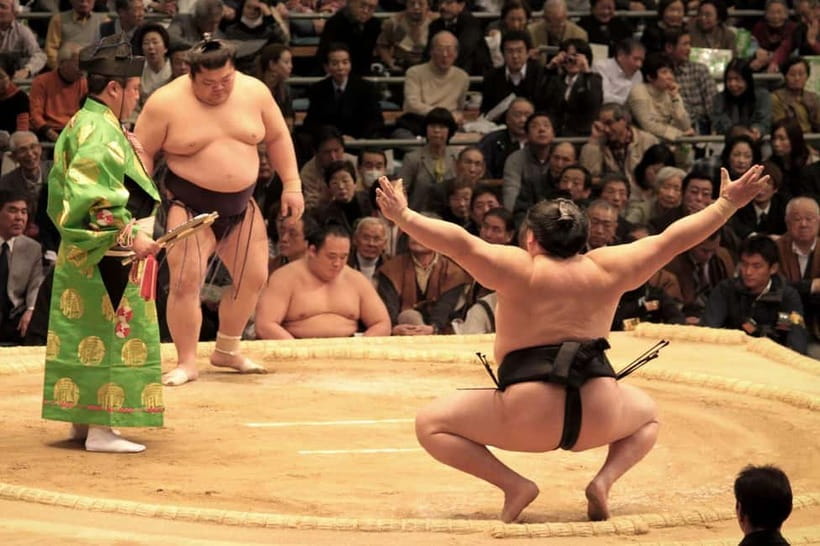
The main part of your experience is around 4 hours of tournament time at the stadium. In that stretch, you will see multiple bouts and the steady flow of match rhythm that keeps a sumo tournament moving.
Here is what I think makes this section special: sumo is not just the fight. There are multiple layers of behavior around each bout, and a guide’s job is to connect those rituals to the sport. When you understand the pre-fight routine, the big ring behavior makes more sense, and you stop treating it like random pageantry.
Also, the guide can help you read the action faster than you could on your own. Even if you focus only on results, there is a learning curve in understanding how wrestlers move, commit, and reset. With explanations from the group guide, you are more likely to notice technique cues rather than only the final push.
One reality check: the atmosphere is intense and the stadium is busy. If your group is larger, it can become a little harder to hear every explanation. You can still learn, but you may need to lean in and stay attentive during the guided parts.
A few more Tokyo days worth comparing
- Mt Fuji and Hakone 1-Day Bus Tour Return by Bullet Train
★ 5.0 · 26,383 reviews - 1-Day Tokyo Bus Tour
★ 5.0 · 14,250 reviews - Tokyo: TOKYO SKYTREE® Admission ticket
★ 4.5 · 11,192 reviews - Tokyo: teamLab Planets TOKYO Digital Art Museum Entry Ticket
★ 4.6 · 9,779 reviews
Reserved Seats on the Second Floor: B or C Class Reality Check
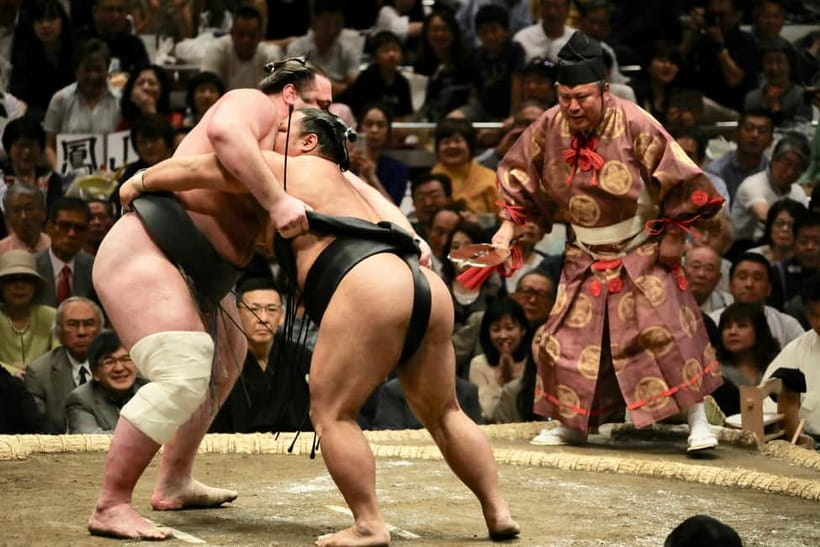
Your ticket includes reserved seat B or C class, second floor. Reviews repeatedly praise the value of having assigned seats, especially because getting official tickets through other channels can be extremely difficult close to tournament dates.
I like assigned seating for one simple reason. Without it, you can waste your Tokyo time on last-minute seat hunts. With it, you can plan dinner, transit, and your afternoon around a confirmed place to sit.
That said, a couple reviews flag an important consideration: seating is assigned, not chosen. So you cannot pick the exact view you want. On the other hand, several people reported being in positions where they could see the fights clearly and enjoy the atmosphere.
If you are aiming for the most dramatic visuals, remember that second-floor seating can still be good, but it is not the same as being right at ring level. Your best strategy is to treat the experience as cultural understanding plus good viewing, not as a guaranteed front-row spectacle.
Photo Moments and Storybook Vibes, Without Turning This into a Set Tour
The description you have says there are photo opportunities in a storybook setting. In practice, that likely comes from the day’s surrounding stops near the arena area, such as the garden and temple mention from one review.
I like this part because it breaks up the “all stadium, all the time” feeling. You get a scenic moment to reset your senses before you settle into the crowd energy. It also gives you something more meaningful than a quick phone snap, especially if you care about how Tokyo neighborhoods keep their own texture around major sports venues.
Still, do not plan your schedule around cinematic photo conditions. Live tournaments are time-driven, and the priority is the matches. Treat pictures as a bonus you can grab when the guide gives you space to do it, not as a separate agenda.
Price and Value: What You’re Paying For (and What You Can Question)
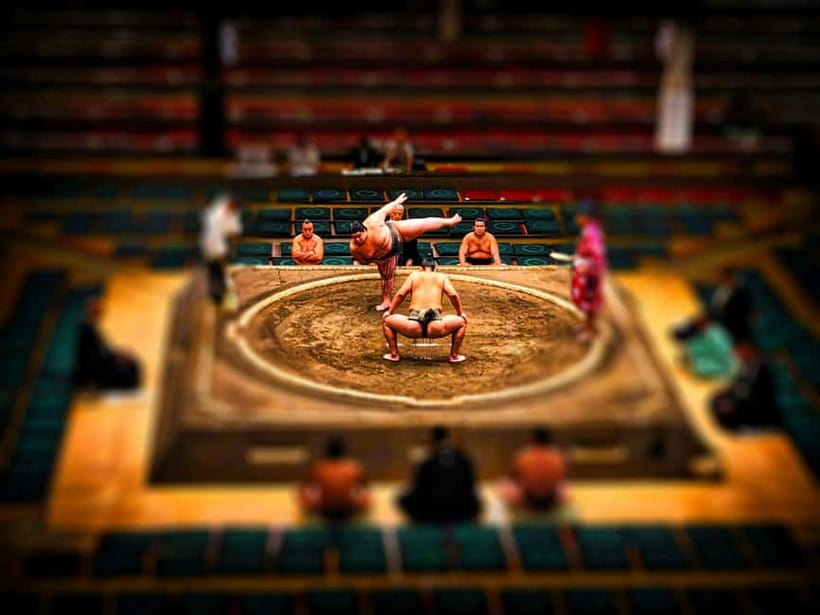
At $209 per person for 4 to 5 hours, this is not a budget sumo option. The question is what you are buying besides the ticket.
Here is the value equation I see:
- You get a tournament ticket plus reserved seating (not just general admission).
- You get an English guide who explains rules, rituals, rankings, and cultural context.
- You avoid the common pain point of ticket access, since seats can sell out quickly and official paths can be hard.
Those are real benefits. In many cities, having a guide turns a ticket into understanding. With sumo, that matters because so much of what happens before and after each bout is ritual. If you are the type who likes to understand why something is done, not just watch it, the guide cost starts to feel more reasonable.
Now the drawback side. Some reviews argue the package price feels like scalping, especially when the raw ticket value can be far lower. I think it is fair to question the markup, but it is also worth recognizing that reserved seats in popular events have a cost beyond the face ticket.
So my advice is simple. If you are comfortable going without deep explanations and you can secure your own seats, you might decide it is not worth it. If you want clarity on what you are seeing and you value guaranteed seating, this price starts to look less outrageous and more practical.
Who This Tour Is For, and Who Might Want to Pass
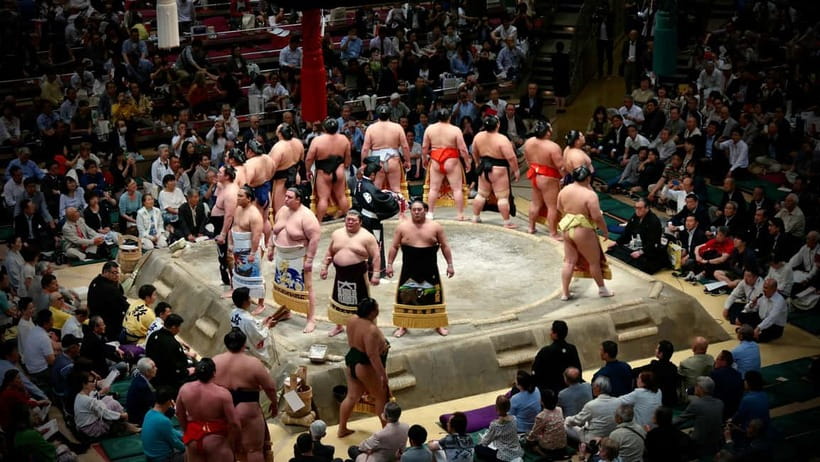
This tour fits best if you:
- Are visiting Tokyo with limited time and want a structured sumo plan.
- Know you will enjoy the rituals more if someone explains them.
- Want a guide who helps you follow the ranking context and match significance.
- Prefer not to gamble on finding seats last minute.
It may be less ideal if:
- You have strong sensitivity to crowd noise and group chatter.
- You want to choose exact seats yourself rather than accept assigned seating.
- You need mobility support. The experience is not suitable for people with mobility impairments.
Also, if you are mainly after fights and do not care about culture or rules, the “guide portion” is what you are paying for. In that case, you should weigh whether a guided add-on is your priority.
Practical Tips for a Smooth Sumo Afternoon
A few practical things will help you get more enjoyment out of the day.
First, plan your food and hydration around the rules. Food and drinks are listed as not allowed, and they are also not included. So assume you will not be snacking during the experience.
Second, wear something comfortable. You will be in a stadium setting with a lot going on. Even if you only walk a bit at the start, you will likely sit for long periods and stay ready for movement inside the arena.
Third, be ready for the guide’s pacing. The tour includes a guided segment and then a longer viewing block. If your guide is working through many people, you may catch key points at the start and then get shorter updates during the event.
Finally, book early when you can. One review flatly suggests doing this to avoid much more expensive options later. Even if the exact pricing you see changes, the logic stays consistent for major sports tickets.
Should You Book This Sumo Tournament Package?
If you want the sumo tournament as a cultural experience, with explanations that make the rituals and ranking system make sense, I think this is an easy yes. The reserved second-floor seating plus an English guide is what turns “I watched sumo” into “I understood sumo.”
But if you are purely bargain-driven, or you plan to chase seats on your own, you may decide the package feels overpriced. In that case, compare what you would pay for equivalent seats and ask yourself one question: will you spend your time watching with curiosity, or will you spend it wondering what you are seeing?
For most first-timers, especially those who want a stress-free seat and a clear guide voice in your ear, this is the kind of tour that can genuinely pay off.
FAQ
How long is the sumo tournament experience?
The experience runs for about 4 to 5 hours.
Where does the tour take place?
The tour centers on Ryogoku Kokugikan, in Tokyo.
Is there a guided component before you watch the tournament?
Yes. There is a guided tour portion of about 30 minutes, then you attend the tournament for about 4 hours.
What kind of seats are included?
Your booking includes reserved seating in B or C class on the second floor.
What language is the guide?
The guide provides information in English.
Are food and drinks included?
No. Food and drinks are not included.
Are guests allowed to bring or have food and drinks during the activity?
Food and drinks are listed as not allowed.
Where do I meet the guide?
The meeting point may vary depending on the option booked, and the information provided lists Matsuura-Bungo Mansion Site as a starting location option.
Is the activity refundable?
No. The cancellation policy states the activity is non-refundable.
Is this tour suitable for people with mobility impairments?
No. It is listed as not suitable for people with mobility impairments.
Fresh options around Tokyo
- Tokyo: Nikko Kegon Falls Lake Chuzenji Toshogu Temple & More★ 4.9 · 12 reviews
- Tokyo: Samurai History Walking Tour★ 5.0 · 12 reviews
- Harajuku: Kawaii Fashion and Pop-Culture Tour★ 4.7 · 12 reviews
- Tokyo: Mt. Fuji & Lake Kawaguchi Instagram Full Day Trip★ 4.1 · 12 reviews
- Shibuya Tokyo: Modern Kintsugi Workshop in Shibuya★ 5.0 · 12 reviews
- Tokyo: GTR Guided Daikoku Experience at Night★ 5.0 · 12 reviews
- Tokyo: Daikoku JDM Car Culture Tour★ 4.6 · 12 reviews
- Mt Fuji Private Day Trip from Tokyo with English speaking driver★ 5.0 · 13 reviews
Sumo Experiences, compared.
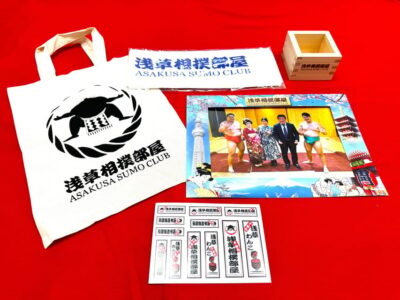
Sumo Show Experience with Chicken Hot Pot and a Photo
Read our review →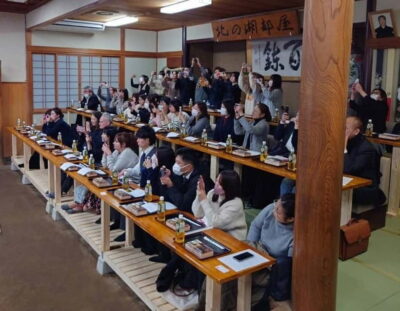
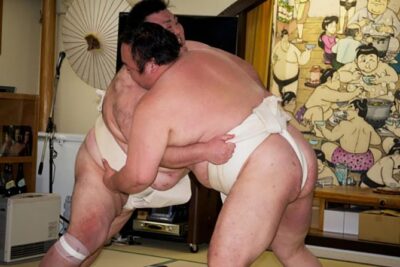
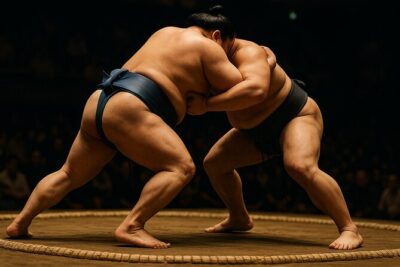
Tokyo Shinjuku Sumo Show & Experience with Photo
Read our review →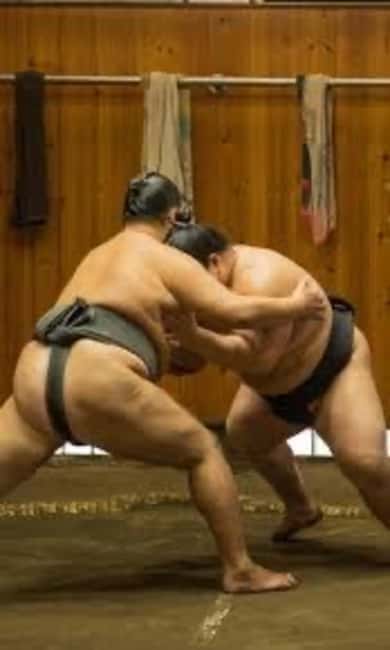
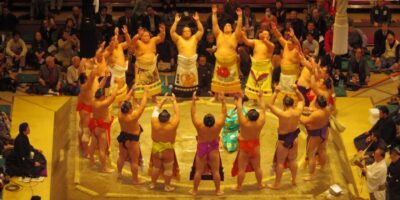
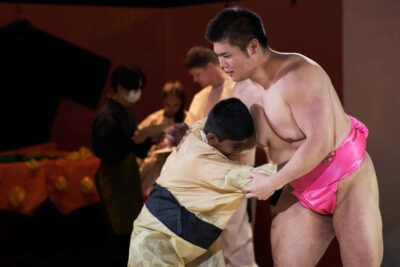
Sumo Show & Experience w/ Optional Kimono & Hot Pot
Read our review →
Authentic Sumo Experience in Tokyo: Enter the Sanctuary
Read our review →Browse the lists this tour appears in