
Reviewed · SAMURAI & NINJA EXPERIENCES
Tokyo Samurai Experience: Kyudo (Archery) and Swordsmanship
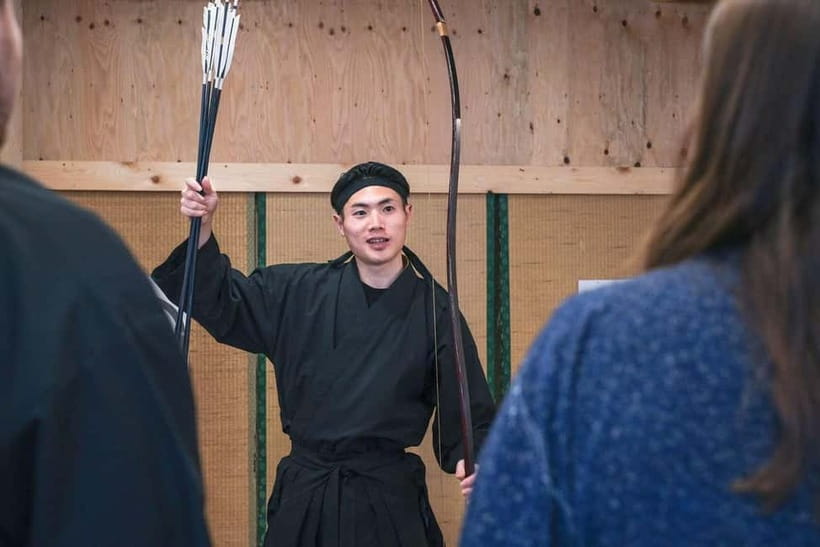
Samurai training in Asakusa is oddly satisfying. In just one hour, you dress in hakama and get hands-on coaching for Kyudo archery and katana sword poses, right in the Honshu tradition-minded atmosphere of Taito-ku.
Two things I really like: you get the full make-believe moment with traditional clothes, and you also get actual instruction for using a single-edged sword and a traditional Japanese bow. It is not just photo time.
One thing to consider up front is that it is a short session. You will get enough practice to feel confident with the basics and pose, but you will not become a full on master in sixty minutes.
Key Highlights You Should Care About
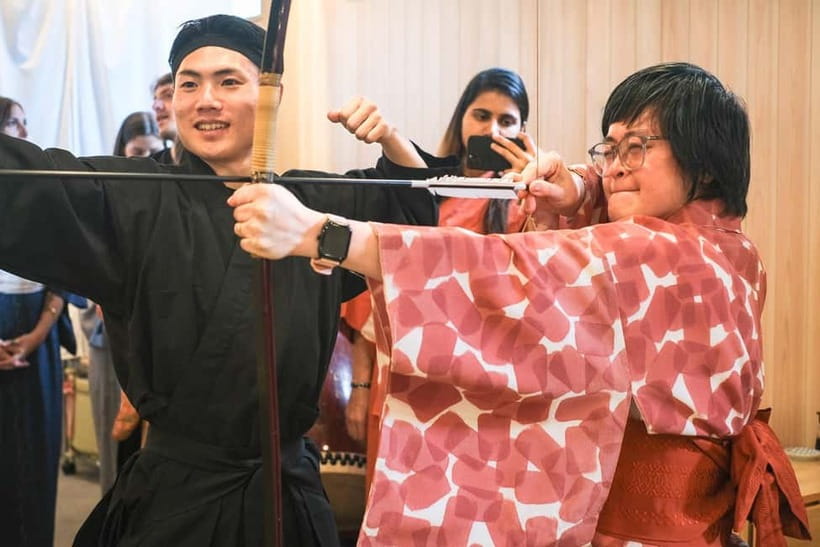
- Hakama outfit in your size, with staff helping you get set quickly
- Kyudo archery with a traditional bow, taught in a way that is different from Western archery
- Katana grip and pose coaching, with help to look correct for photos
- A samurai rank mini-game, plus a simple history and philosophy rundown
- English-first, bilingual support, so the class matches your level
- Snacks and lots of pictures, so you leave with memories you can actually use
Entering the Heiwa Building and Becoming a Warrior
Your session starts in Asakusa, Taito-ku, at the Heiwa Building, 2 Chome 6-11. The key detail here is simple, take the elevator to the 5th floor, then you are in.
Plan to arrive about ten minutes early. That buffer matters because you will want time to settle, meet the staff, and get comfortable before the training moves. Wear comfortable shoes and clothes, because you will be changing outfits and moving around.
The best part is that you do not need experience. The whole flow is built for first timers, including families and younger participants. It keeps the energy light, but you still get real coaching on how to hold the bow and sword.
More Samurai & Ninja Experiences in Tokyo
- Tokyo: Samurai Restaurant Show Ticket with 2 Drinks
★ 4.5 · 1,307 reviews - Tokyo: Samurai Ninja Museum Guided tour and Experience
★ 4.6 · 1,010 reviews - Tokyo: Samurai Sword & Archery Class from Samurai Descendant
★ 5.0 · 603 reviews
Hakama Fitting: The Photo Moment That Turns Into Real Training
Changing into the hakama-set is more than a costume step. Staff provide lots of different heights and sizes, so you are not stuck with an outfit that looks wrong in photos and feels awkward during movement.
Once you are dressed, you immediately switch mental gears. You will notice it when the staff guide you through the early positioning and basic rules. It sets the tone for the rest of the hour, where you are acting as a samurai, not just watching someone else.
Also, staff help with photos. People are great at taking pictures, but what matters here is they guide you into a pose that looks like what you are trying to learn. That is why the photos end up looking better than typical tourist snapshots.
The Samurai Rank Mini-Game and What It Teaches
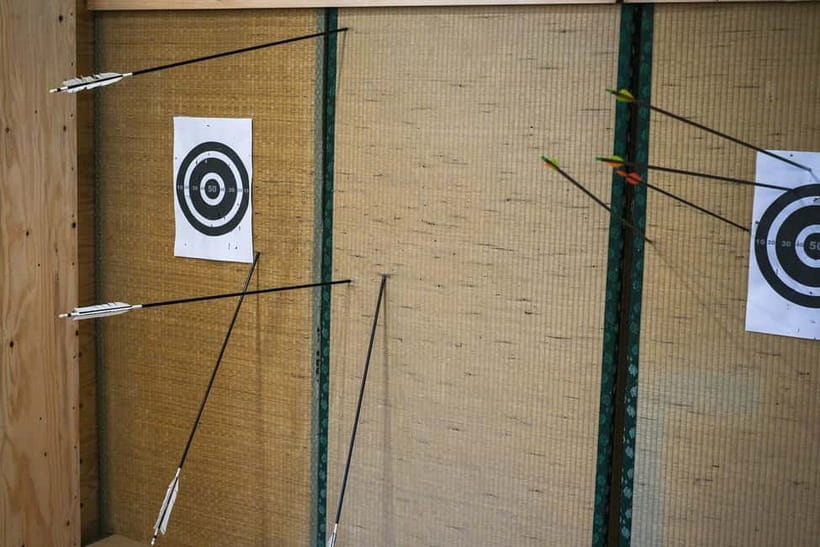
After a brief introduction to samurai history and traditions, you jump into a fun mini-game to determine your samurai rank. It is competitive without being stressful.
The mini-game is tied to the philosophy and worldview you are learning during the session. The idea is not to memorize dates. It is to understand why samurai training is treated as discipline, manners, and mindset, not just physical skill.
If you win, you earn bragging rights. If you lose, the experience still works because you are guided into the real practice right after. That is how they keep it fun for beginners, you can laugh at your rank and still come away feeling like you learned something.
Kyudo Archery With a Traditional Japanese Bow
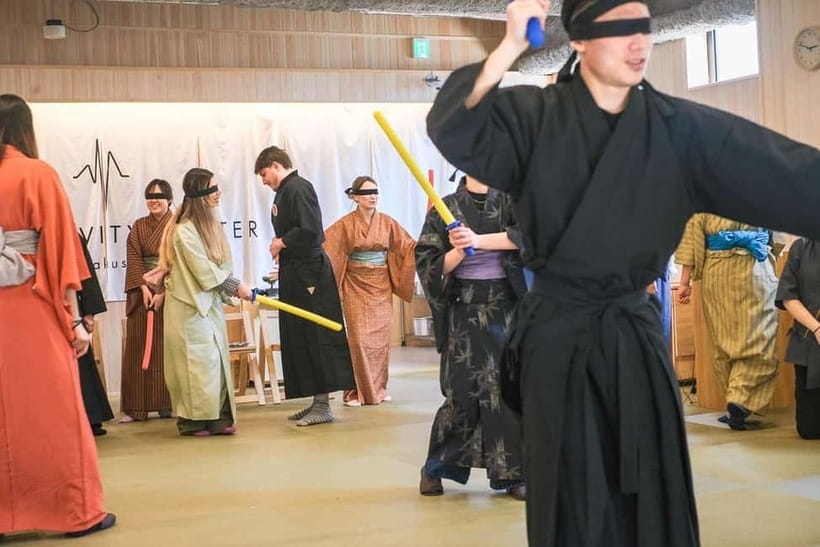
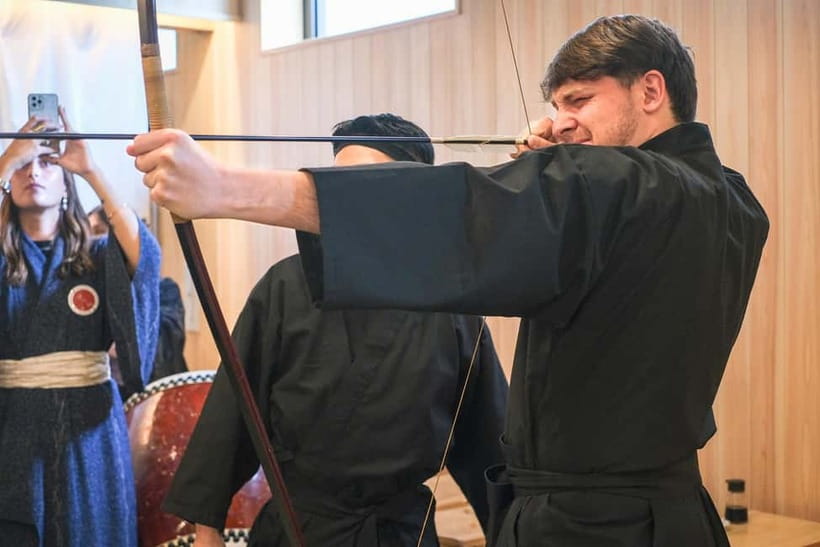
Now for the part most people came for: Kyudo, using a traditional Japanese bow. You compete with friends for the general position, described as the shogun role during the experience.
This is the moment where Kyudo feels different from Western archery. You are not just drawing a bow and firing at a casual target. You are learning through a structured activity with coaching and a rhythm that fits Japanese martial art tradition.
What I like about this setup for your first try is that it gives you a reason to focus. The friendly competition helps you pay attention to the steps as you go, instead of letting the whole thing feel random.
Bilingual staff support you here too. Explanations are in English, and the team adapts to your English level, so you do not get stuck translating in your head. That matters because archery instruction needs clarity, fast.
If you need patience from an instructor, you are in good hands. One participant specifically praised Coach Mori for being nice and patient, and another mentioned instructor Joe as friendly and instructive. Even if your class has a different coach, the reviews point to the same style: calm, supportive, and focused on getting you doing it right.
More samurai and ninja experiences in Tokyo:
- Best Samurai Experience in Tokyo
★ 5.0 · 458 reviews - Ninja Experience (Family Friendly) at Samurai Ninja Museum TOKYO
★ 5.0 · 441 reviews - Tokyo: Samurai Entertainment Night Show in Kanda Shrine
★ 4.6 · 417 reviews - Tokyo Sword Experience – includes Museum Ticket/Ninja Experience
★ 5.0 · 314 reviews
Katana Swordsmanship: From Holding the Sword to the Strongest Pose
Next comes swordsmanship with a single-edged sword, a katana. You practice the pose and the way of holding the sword so you can look like the strongest samurai during the session.
This is where the experience stops being a gimmick and turns into a skill you can repeat later in photos at home. The staff coach your grip, your stance, and your body position so your movement looks correct.
You might think sword training would be intimidating. It is not built that way. The goal is controlled learning, and staff help you find the right posture. The fact that they take lots of pictures is another clue. They are not rushing you. They are making sure you can pose and feel steady.
And yes, this part makes a difference even if you are not interested in martial arts. A good stance is visible instantly. When you get it right, you feel it too, like your body finally understands what it is supposed to do.
Snacks and Culture Breaks That Keep the Energy Up
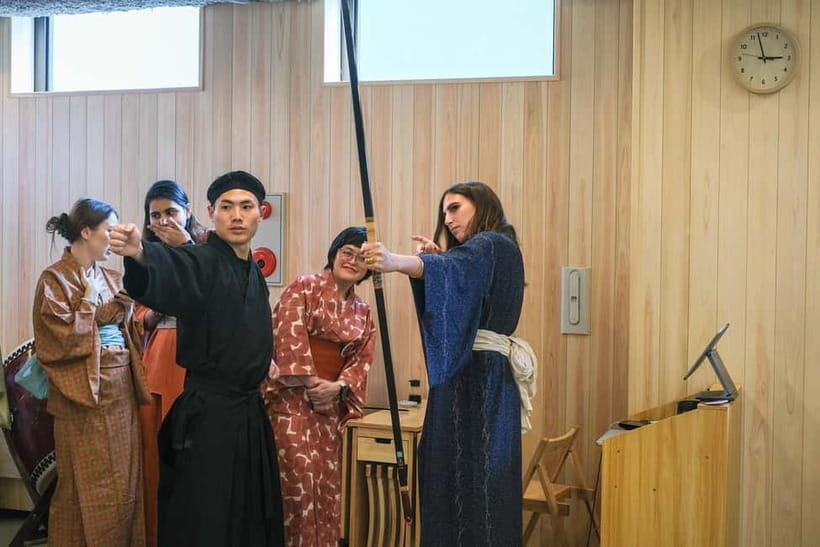
You get traditional clothes plus Japanese snacks included. That sounds small, but it helps a lot in a one-hour experience.
First, it keeps energy up right in the middle of the training cycle. Second, it makes the experience feel more complete. You are not only learning a sport and a fighting art, you are also getting a taste of everyday Japan moments.
Staff also tend to offer tips on other experiences and shopping. That is useful for your day in Asakusa, because it is easy to overplan and end up missing the best nearby options. If your coach is friendly like Coach Mori or instructor Joe, you will likely leave with ideas you can act on right away.
Price and Value for a One-Hour Samurai Session
This experience costs $96 per person for a duration of one hour, in Asakusa. At first glance, it might feel like a lot for an hour. Here is why it can be fair value.
You get:
- Use of a traditional Japanese bow and katana
- Traditional clothes (hakama-set)
- Japanese snacks
- Bilingual staff support in English
- Staff help with lots of photos
Most short activities in Tokyo either charge for the guide plus equipment, or they charge for photos and leave out the hands-on learning. Here, you get both. You also get a coach who helps you look correct, not just someone who hands you a prop and steps back.
If you want value from a short time window, this works. It is a concentrated hit of experience. If you want an in-depth, long technical class, then a one-hour session will not satisfy you. But for first timers who want a memorable skill try, it is priced like a guided cultural activity with actual equipment time.
The Practical Side: What to Bring and How to Prepare
Before you go, bring comfortable shoes and comfortable clothes. That is all they ask you to bring, which is refreshing because it keeps your packing simple.
There are also clear boundaries. Alcohol and drugs are not allowed.
Arrive about ten minutes early. Then you can take the elevator to the 5th floor without stress, and you can focus on getting dressed properly. If you have trouble finding the place, contact the activity provider for help.
Also, this activity is family-friendly. That usually means they keep instructions approachable and safety aware. You should still follow staff directions closely, especially when handling the katana and bow equipment.
Who This Samurai Experience Is Best For
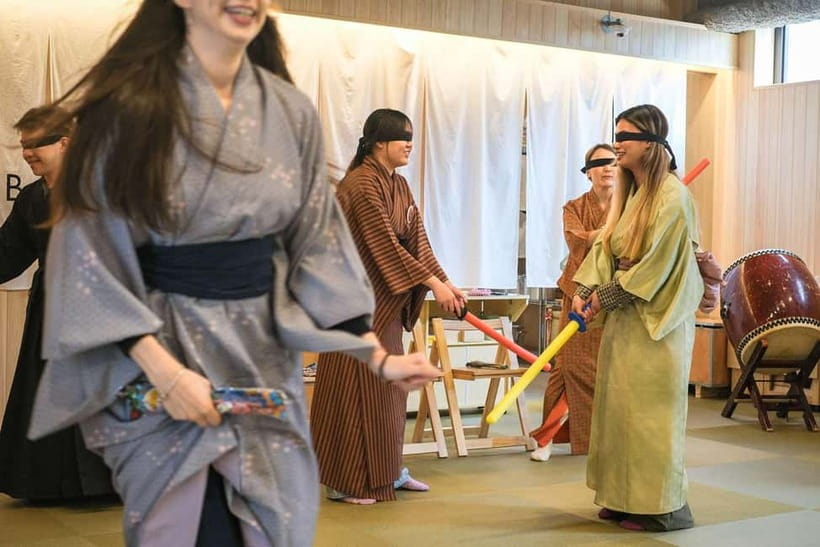
This is a great match if you want:
- A fun, guided introduction to Kyudo and katana posture
- Lots of photo value without needing to know what to do first
- English support and bilingual staff so you can actually understand the steps
- A one-hour activity that works even if you have no experience
It is especially appealing if you are doing Asakusa as a day-trip neighborhood. You get a cultural performance vibe, but with training elements you can feel in your body.
If you are an experienced archer or swordsman looking for advanced drills, you might find it too short. For everyone else, the chance to learn basic form and pose with supportive coaching is the whole point.
Should You Book This Kyudo and Katana Samurai Experience?
I think you should book this if you want a high-impact Tokyo memory in a small time window. The combination of hakama outfit, real Kyudo instruction, katana pose coaching, snacks, and staff photo help is exactly the sort of activity that makes Asakusa feel different from the usual museum routine.
Skip it only if you expect hours of technical training or advanced practice. The session is designed for beginners, fun competition, and correct posture moments, not long-term skill building.
If you want a guided, friendly way to try samurai culture with your hands and leave with photos that look like you belonged there, this is a solid bet.
FAQ
Where is the meeting point?
The meeting point is Tokyo, Taito-ku, Asakusa, 2 Chome 6-11 Heiwa Building. Take the elevator to the 5th floor.
How long does the experience last?
The experience lasts 1 hour.
What is included in the price?
It includes use of a traditional Japanese bow and katana, traditional clothes, Japanese snacks, and bilingual staff support.
Do I need prior experience?
No prior experience is necessary.
Is the session taught in English?
Yes. The instructor is English, and the staff is bilingual to keep explanations simple.
What should I wear or bring?
Wear comfortable shoes and comfortable clothes.
Are alcohol or drugs allowed?
No, alcohol and drugs are not allowed.
Is it wheelchair accessible?
Yes, it is wheelchair accessible.
Is free cancellation available?
Yes, you can cancel up to 24 hours in advance for a full refund.
Is there a reserve and pay later option?
Yes. You can reserve now and pay later to keep your plans flexible.
Fresh options around Tokyo
- Tokyo: Samurai History Walking Tour★ 5.0 · 12 reviews
- Tokyo: Nikko Kegon Falls Lake Chuzenji Toshogu Temple & More★ 4.9 · 12 reviews
- Harajuku: Kawaii Fashion and Pop-Culture Tour★ 4.7 · 12 reviews
- Tokyo: Mt. Fuji & Lake Kawaguchi Instagram Full Day Trip★ 4.1 · 12 reviews
- Shibuya Tokyo: Modern Kintsugi Workshop in Shibuya★ 5.0 · 12 reviews
- Tokyo: GTR Guided Daikoku Experience at Night★ 5.0 · 12 reviews
- Tokyo: Daikoku JDM Car Culture Tour★ 4.6 · 12 reviews
- Mt Fuji Private Day Trip from Tokyo with English speaking driver★ 5.0 · 13 reviews
Samurai & Ninja Experiences, compared.
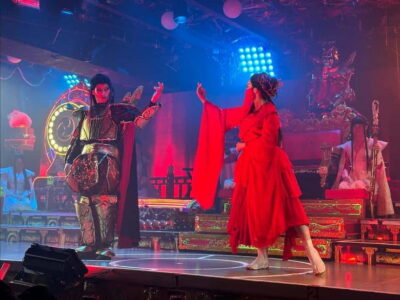
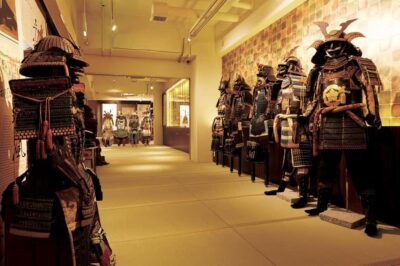
Samurai Ninja Museum Guided tour and Experience
Read our review →
Kendo and Samurai Experience with Uniform and Gear
Read our review →
Samurai Sword Class by Experts in Traditional Arts
Read our review →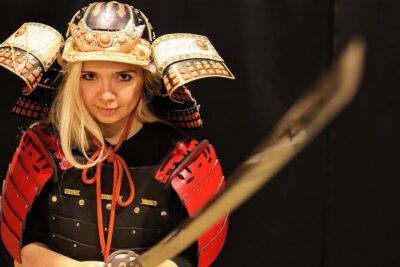
Skip the lines Basic Ticket at SAMURAI NINJA MUSEUM KYOTO
Read our review →
Samurai Sword & Archery Class from Samurai Descendant
Read our review →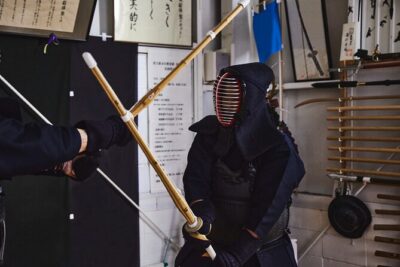
Browse the lists this tour appears in