Reviewed · GUIDED
Tokyo: Private Customizable Tour with a Local Guide
Tokyo is better when you steer. This private, English guided day helps you move through the city at your pace, choosing either a tight 4-hour route or a fuller 8-hour plan. I like the customizable itinerary (so it fits your interests, not someone else’s checklist) and the private guide who can keep things organized while still leaving room for photos, shopping, and side stops. One thing to consider first is that the day includes a moderate amount of walking, and the accessibility info is a bit mixed, so it’s smart to confirm what will work for your needs.
I also like the mix of classic Tokyo and modern fun. You can hit major sights like Sensō-ji Temple and Meiji Jingu, then turn toward otaku culture in Akihabara or take a fun street-style detour near Takeshita Street, depending on what you want that day. Lunch is not included, but you get lunch recommendations, which matters when you want something easy and local instead of guessing.
Key points worth knowing
- Totally customizable plan, from quick 4-hour sampling to a full 8-hour Tokyo day
- Line-cutting at key sights, plus entrance fees to the included stops
- Classic sites plus pop culture options, including Akihabara and shopping time
- English licensed guide, with flexibility for your schedule and interests
- Built-in free time, so you can actually enjoy the places instead of speed-running them
A private Tokyo day, built around your list
The headline benefit here is simple: you get a private, English live guide in Tokyo who shapes the route around what you want to see. That sounds basic, but in a city like Tokyo, it can be the difference between feeling lost and feeling in control.
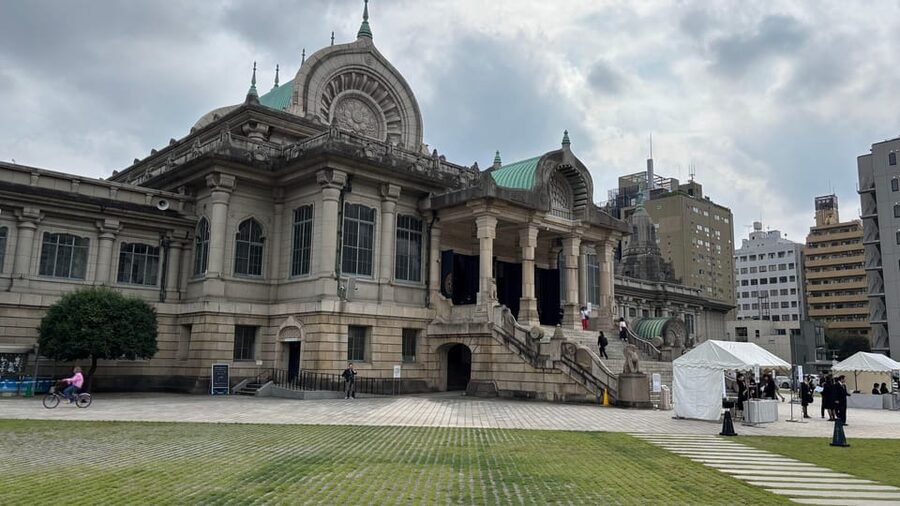
I like that the plan is structured, but not rigid. The core stops you can expect include Tsukiji Outer Market, Sensō-ji Temple and Asakusa, Akihabara, Meiji Jingu Shrine, and then Shibuya and Shinjuku. At the same time, you can adjust the order and emphasis to match your interests, whether you’re a first-timer trying to cover the icons or a returning visitor chasing a specific vibe.
The guide also matters because Tokyo can feel like a puzzle with thousands of pieces. With the right help, you spend less time figuring out where to go next and more time actually experiencing the neighborhoods.
A few more Tokyo days worth comparing
- Mt Fuji and Hakone 1-Day Bus Tour Return by Bullet Train
★ 5.0 · 26,383 reviews - 1-Day Tokyo Bus Tour
★ 5.0 · 14,250 reviews - Tokyo: TOKYO SKYTREE® Admission ticket
★ 4.5 · 11,192 reviews
4 to 8 hours: how to choose the right length
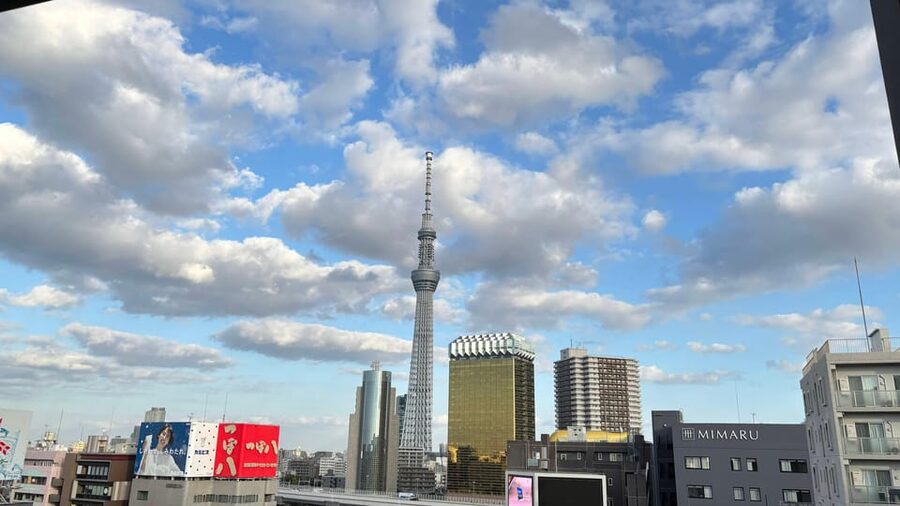
This tour runs in two main lengths, 4 hours or 8 hours. Picking the shorter option is ideal if you’re in Tokyo for a day, you want a “best-of” feel, and you don’t want your schedule to get eaten up by transit and lines. Picking 8 hours is best if you want time to wander inside markets, browse shops, and take photos without feeling rushed.
Here’s the practical reality: the longer you choose, the more meaningful your free time becomes. You’ll have breaks and free hours built in across the route. That means you can stop for a snack at Tsukiji, linger in Asakusa, browse in Akihabara, or just soak up the atmosphere in Shibuya and Shinjuku.
If you’re someone who likes to shop, the 8-hour version will feel more satisfying because the route includes shopping time in multiple neighborhoods. If shopping is not your priority, the 4-hour version can be a smarter use of money and time.
Tsukiji Outer Market, a quick start with plenty to see
Tsukiji Outer Market is a strong place to begin because it gives you an immediate taste of everyday Tokyo life. You get break time, photo stops, a guided visit, and then about an hour of free time to explore on your own.
What to expect: lots of motion, busy stalls, and plenty of people grabbing food right there. It’s a great spot to get your bearings because it helps you understand Tokyo’s food culture, even if you only try something small.
A possible drawback is that it can feel crowded and you will be on your feet. If you’re sensitive to crowds or standing for long periods, use the guide time wisely, then use your free hour strategically, like focusing on a couple of lanes or types of snacks instead of trying to see everything.
Sensō-ji and Asakusa, classic Tokyo with room to wander
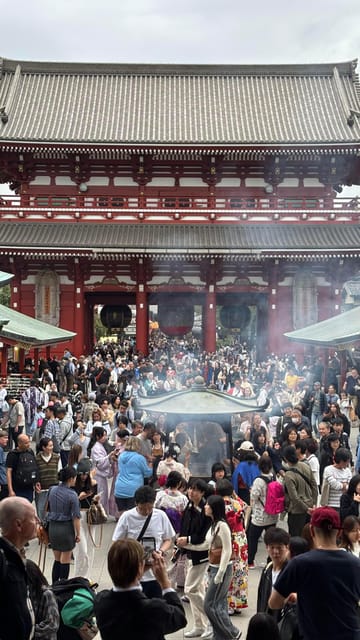
After Tsukiji, the tour heads to Sensō-ji Temple, one of Tokyo’s most recognizable sights. You’ll get guided time, photo stops, and another hour of free time to explore.
Sensō-ji works well on a guided tour because the guide can point out what to look for and help you avoid common timing mistakes, like getting stuck in the wrong flow of crowds. You’re also not just snapping photos. You get time to actually walk around and take in the atmosphere.
From there, you continue into Asakusa, where you’ll have time for guided sightseeing, shopping, and additional free time. This is where Asakusa becomes more than a postcard. It’s a district where wandering feels natural, and the shopping time lets you pick up small souvenirs without turning it into a frantic sprint.
Same corner of Japan, a different kind of day:
- Tokyo: teamLab Planets TOKYO Digital Art Museum Entry Ticket
★ 4.6 · 9,779 reviews - Mt Fuji & Hakone Cruise, Drum Show Bullet Train 1 Day from Tokyo
★ 4.0 · 7,413 reviews - Tokyo: Sumo Show Experience with Chicken Hot Pot and a Photo
★ 4.8 · 6,678 reviews - Tokyo: Shinjuku Food Tour (13 Dishes at 4 Local Eateries)
★ 5.0 · 6,603 reviews
Akihabara and the otaku culture stop that fits your taste
Akihabara is the perfect place for a customizable choice, especially if anime, gaming, collectible figures, or niche tech interests you. The plan includes Akihabara with guided sightseeing and free time, so you can focus on what you care about rather than getting dragged through random shops.
A lot of people assume Akihabara is only for hardcore collectors. In reality, even if you’re not buying anything, it’s a fun place to watch how Tokyo’s geek culture shows up in storefronts, displays, and daily life.
One smart consideration: this stop can turn into a time sink. The free time is about an hour in the plan, which is enough for browsing, but not enough to shop deeply at every store. If you want to buy something specific, do it early in your free time, then use the rest to explore.
Meiji Jingu: a calm reset in a forest setting
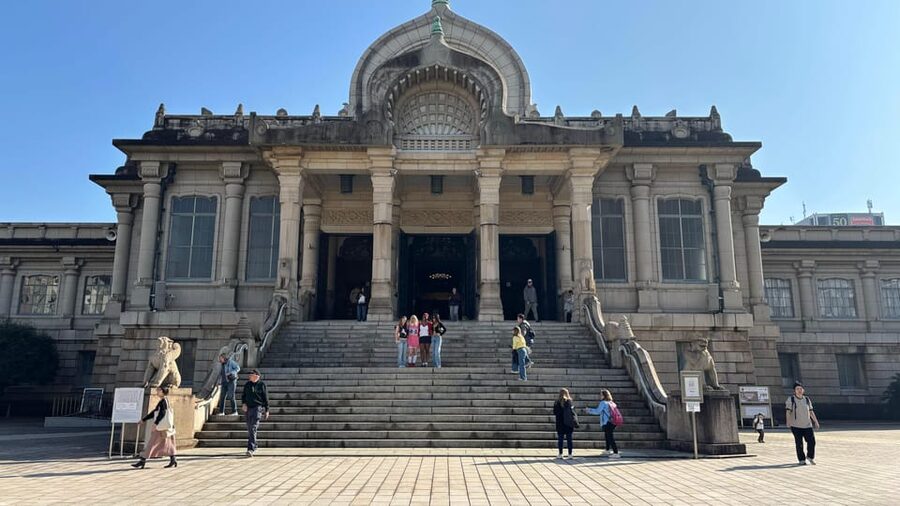
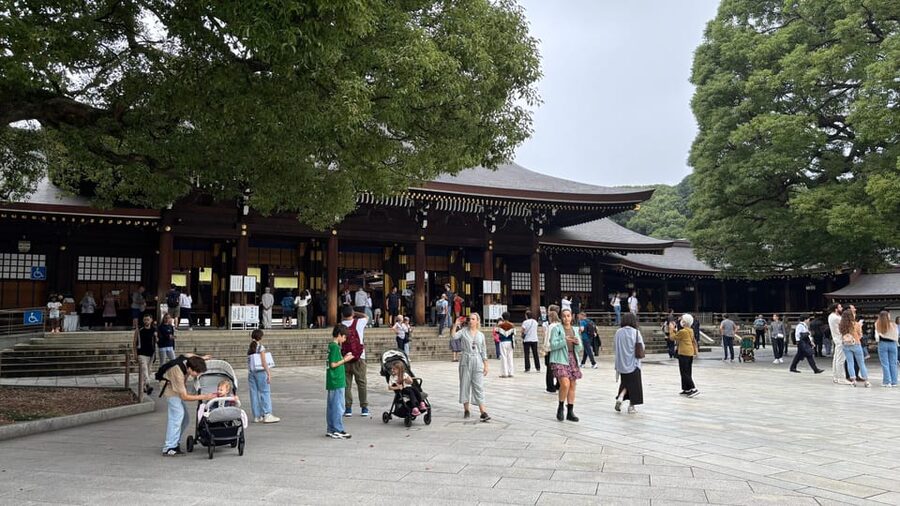
After the energy of otaku shopping, Meiji Jingu Shrine offers a very different Tokyo experience. You get break time, photo stops, guided visit, and free time for shopping.
What makes Meiji Jingu special is the contrast. You go from busy streets to a quieter, greener feeling area. The shrine grounds are a natural reset point when you’ve been walking for hours.
A practical note: because this is a “reset” stop, it’s easy to lose track of time if you’re resting too long. The good move is to use your guided time to get oriented first, then take your free time for what you actually want, like a slow stroll or a shop browse.
Shibuya and Shinjuku: big city energy with built-in time
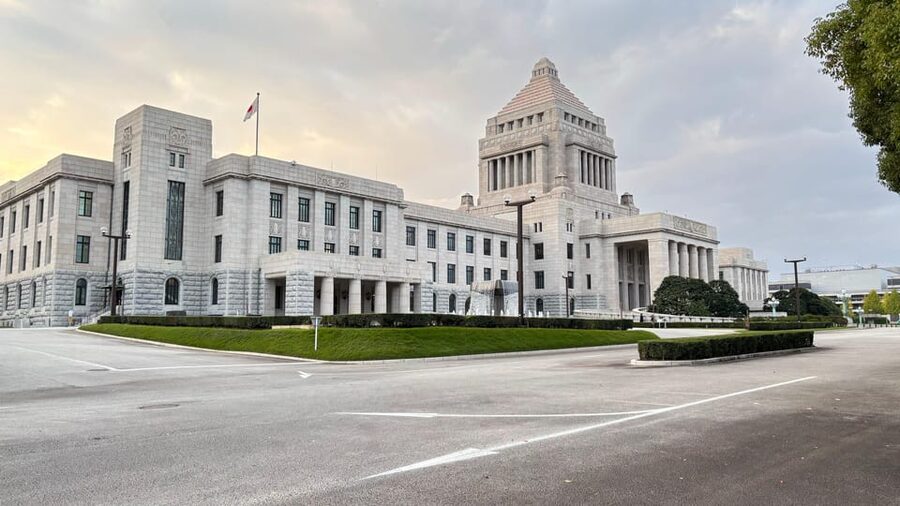
The last stretch of the tour covers Shibuya and Shinjuku, two neighborhoods that represent Tokyo’s modern face.
In Shibuya, you’ll have guided sightseeing, shopping time, and free time for exploring. This is a good moment to pick up whatever you missed earlier, or just people-watch and see how Tokyo moves. It’s also a strong place for photos because the streets and intersections give you those instantly recognizable Tokyo angles.
Then the tour continues to Shinjuku with guided time, photo stops, and more free time plus shopping. This is where Tokyo goes all-in on nightlife and entertainment. If you’re curious about Golden Gai’s narrow bar lanes, the plan covers Shinjuku nightlife as part of the experience focus, so your guide can help you choose what fits your vibe.
One drawback to keep in mind is that by the time you reach late-day stops, you’ll likely be tired and your feet will be ready for a break. That’s normal. Use the guide time to stay on track, and use free time for short, satisfying loops rather than marathon wandering.
Guides who manage time and make it feel personal
The biggest praise for this tour is the guides. Names that come up include Joe, Maruf, Abu, Zia, and Amir. The common thread is that the guide listens and then arranges the day so you see what’s on your list, not just what’s convenient for the route.
In particular, guides are described as professional and very knowledgeable, with a welcoming approach. Another recurring strength is time management. You get allotted time at sights, plus shopping windows, so you’re not stuck sprinting.
Some guides also use shortcuts to help reduce waiting, which can be a real advantage at popular places. Also, a good guide will adjust to your energy level. If you want more shopping, they can lean that way. If you want more temples and photo moments, they can shift the balance.
That’s the value of a private format: you’re not sharing your attention with strangers, and your guide can respond to your interests quickly.
Value for $120: what you’re really paying for
At $120 per person for a 4 to 8 hour private tour, the price is not about saving every yen. It’s about saving time, confusion, and decision fatigue in a city that can feel overwhelming.
Here’s what you actually get that supports the value:
- A private guide in English
- A customizable itinerary
- Entrance fees to the sites included in the plan
- Lunch recommendations (meals and drinks are not included)
- Skip the ticket line at included stops
Entrance fees and line management are the big behind-the-scenes value drivers. Tokyo attractions can have their own time costs, and cutting down waiting time helps you get more enjoyment from your day.
You’re also paying for flexibility. If you’re traveling with different interests than the usual package mix, the customization can turn a mediocre day into a memorable one. That’s especially true if you care about both classic sights and modern Tokyo culture.
What to bring, and what walking feels like
You should plan for comfort. Bring comfortable shoes and water because the day includes a moderate amount of walking. A hat and sunscreen help, especially in warmer months. A camera is useful because the day hits photo-friendly stops in every direction.
Also note the practical rule: smoking is not allowed. That’s straightforward, but it’s good to remember.
If you have mobility concerns, read the accessibility info carefully. One part of the activity says wheelchair accessible, but another part says it is not suitable for people with mobility impairments and wheelchair users. Because of that conflict, I recommend you contact the provider directly and confirm what can be arranged for your situation.
Tips to get the most from your customizable route
The plan works best when you give your guide clear priorities. Do you want more time in markets and temples, or more time in shopping and pop culture? Are you okay with crowds, or do you want pacing and breaks?
Here are a few simple ways to steer the day:
- Pick one “must” neighborhood. For many people it’s Asakusa or Akihabara, then everything else supports it.
- Decide your shopping strategy. Use your free hour(s) for browsing, not for indecision.
- Use the guide time for orientation. Let them point out the best flow, then use free time to do your own thing.
- If you choose the 4-hour option, focus on fewer stops and longer quality moments rather than trying to see everything.
When you do this, the day feels like Tokyo tailored to you, not like you’re following a route made for someone else.
Should you book this private Tokyo tour?
Book it if you want control. This is a strong fit if you like the idea of classic Tokyo icons plus modern stops like Akihabara, and you want an English guide to keep the timing smooth.
It’s also a good pick if you hate waiting in lines, because the tour includes skip the ticket line and entrance fees. That combination can make the day feel more efficient immediately.
Skip it or at least investigate further if you want minimal walking or if accessibility requirements are central. The provided information conflicts on wheelchair suitability, so you should confirm details before committing.
If your travel style is hands-on, flexible, and you like the idea of a guide who can adjust while you go, this is one of those Tokyo experiences where the “private” part really earns its keep.
Fresh options around Tokyo
- Shimbashi Tastes & Stories A Culinary Foodie Tour By Local Guide★ 4.5 · 13 reviews
- Mt Fuji : Private 10-Hour Luxury Tour by Exclusive Car★ 3.8 · 13 reviews
- Tokyo Drift Experience Private Ride Along at Local Car Meet★ 4.9 · 13 reviews
- Shinjuku Food and Drink Walking Tour★ 5.0 · 13 reviews
- From Tokyo: Mount Fuji Private Tour With English Guide★ 5.0 · 13 reviews
- Tokyo: Private City Highlights Tour★ 4.9 · 13 reviews
- Kawagoe 4hr Private Tour with Licensed Guide (Kawagoe Dep)★ 5.0 · 13 reviews
- Samurai experience: art and soul of the sword★ 5.0 · 13 reviews
Guided, compared.
Tokyo 6hr Private Tour with Government-Licensed Guide
Read our review →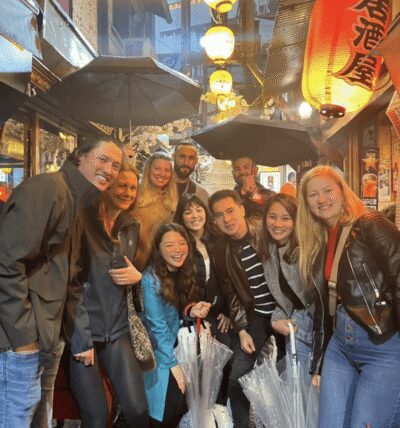
Shinjuku Local Bar and Izakaya Guided Walking Tour
Read our review →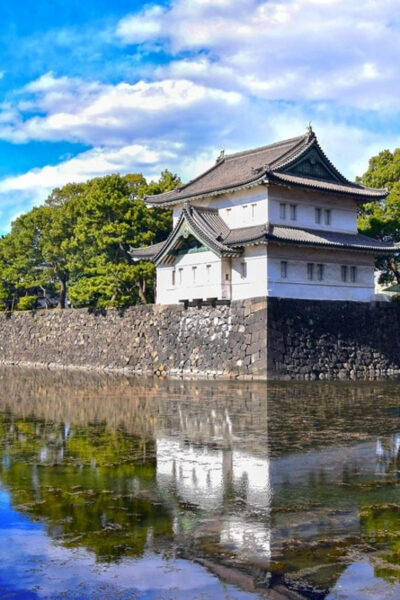
Private City Highlights Tour with Local Guide
Read our review →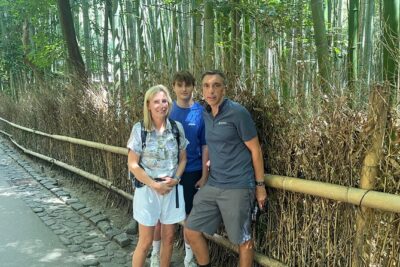
Kyoto Early Morning Tour with English-Speaking Guide
Read our review →
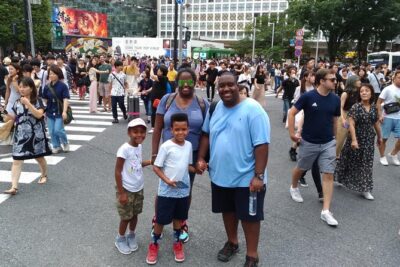
Tokyo 4hr Private Tour with Government-Licensed Guide
Read our review →
Kyoto 6hr Private Tour with Government-Licensed Guide
Read our review →