
Reviewed · MARKETS
Tokyo Morning Tour : Meiji Shrine, Asakusa and Fish Market
Tokyo before breakfast feels like a secret level. This 4-hour Tokyo Morning Tour strings together Meiji Jingu Shrine calm, market tastings in Tsukiji, and a classic Asakusa finish, so you get a real sense of how the city wakes up. I especially like the focused food time (including sushi and market street snacks) and the way the guide adds context as you walk. One thing to plan for, public transport is not included (around 550 yen), so you will want some cash or a card ready.
You start near Harajuku at IKEA Sweden Cafe, then move through three very different neighborhoods without having to figure out routes on your phone. This is a small group, capped at 8 people, and you get an English-speaking guide plus photos taken during the tour. The mobile ticket also helps, because you spend less time hunting for paperwork.
Guide quality matters in Tokyo, and this tour leans on it. In past groups, guides like Shoma Sato and Yosuke were praised for clear explanations, patience with different interests, and a pace that feels workable even with breaks built in.
Key highlights worth your morning
- Meiji Jingu Shrine forest walk with torii gates and Shinto storytelling that helps it make sense fast
- Tsukiji Jogai Market focus on the outer market, not the moved inner auction area
- Fresh tastings that include sushi and sashimi, plus guided street-food bites
- Street snacks to try sweet mochi, sweet potato, and savory cutlet as part of the tour flow
- Asakusa payoff at Senso-ji through Kaminarimon Thunder Gate and on to Nakamise-dori
- Small group energy with a maximum of 8 people, plus photos included
A 4-hour Tokyo morning plan, small group, mobile ticket
This tour is built for the time window most people struggle with in Tokyo. Four hours is long enough to get meaningful walking and three major sights, but short enough that you can still do a second neighborhood later in the day.
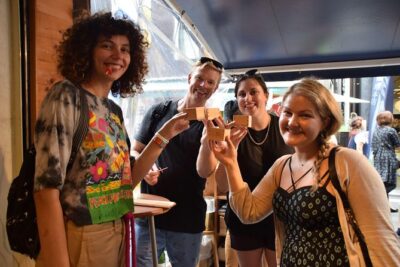
The small group size, maximum 8 travelers, changes the feel. You are not stuck behind a crowd of 30, and you are more likely to get personal help if you have questions about what you are seeing or what you should try next. You also get photos taken during the tour. That is one of those practical inclusions people love after they realize how often they end up with blurry selfies on temple steps.
The mobile ticket is also a real help. Morning tours in Japan can involve meeting points with lots of foot traffic. A phone ticket keeps things smoother when you are moving quickly before crowds peak.
One practical consideration: public transport is not included, and the tour notes around 550 yen for transit. That means you are not paying extra for entrances, but you are still paying to get yourselves to and between neighborhoods. If you prefer “all-in” pricing, it is worth budgeting for that upfront.
More Market Tours in Tokyo
- Tokyo Tsukiji Fish Market Food and Culture Walking Tour
★ 5.0 · 3,184 reviews - Tokyo: Tsukiji Fish Market Food and Walking tour
★ 5.0 · 1,724 reviews - Tokyo: Tsukiji Fish Market Guided Walking Tour
★ 4.9 · 1,397 reviews
Meiji Jingu Shrine: forest calm, torii gates, and the meaning behind the walk
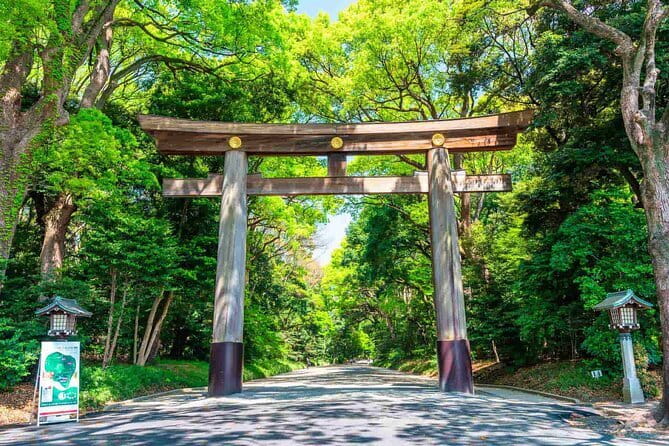
Meiji Jingu Shrine is one of Tokyo’s big spiritual landmarks, but it can feel like a “pretty place” unless you have the right context. This tour starts there, and it makes sense. Early morning is when the grounds feel calmer, so you can actually notice the forest pathways instead of rushing.
You are walking a shrine dedicated to Emperor Meiji and Empress Shoken. That detail matters, because it gives purpose to what you are seeing, from the torii gates to the quiet flow of visitors. Expect a stroll under towering gates and through shaded paths that feel removed from the city noise.
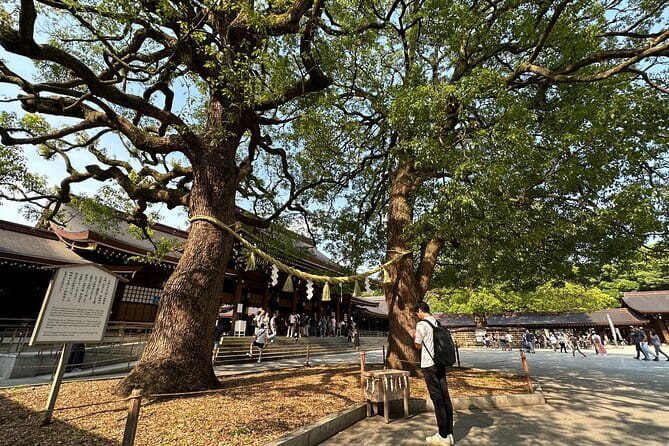
The best part of a shrine visit is the small stuff: the rhythm of people moving, the way the space holds silence, and the contrast between outside streets and inside forest. A guide helps you avoid just checking boxes. With a good explanation, the shrine becomes easier to understand in a short time.
A possible drawback is timing. Meiji Jingu is the kind of place that feels better when you slow down. Since this tour is a half-day style route, you will have to accept that it is guided walking, not a long linger. If you want extended meditation time or you love reading every sign, you might feel a little rushed. If you want “see it, understand it, move on,” it is a strong first stop.
Tsukiji Jogai Market: how the outer market delivers value
Tsukiji is one of those names that arrives in every Tokyo food conversation, so expectations can be high. Here is a helpful reality check: the inner auction area moved to Toyosu, but the Tsukiji outer market remains the part you can walk through and snack on.
That is exactly what this tour focuses on. You get about an hour in Tsukiji Jogai Market, and the point is to experience the market atmosphere and eat while you are there. You are not stuck listening to a lecture for the full time. You are there to sample what people actually come for.
This stop is also where the tour’s “early morning food” promise becomes real. The tour includes fresh sushi and sashimi from market stalls, so you are eating seafood while the market vibe is still energetic.
Why I think this is good value for the money: fresh seafood tastings cost real money in Tokyo restaurants. Having the guide help you fit multiple bites into a short window is a smart use of time and keeps you from spending your morning price-checking menu boards.
One thing to keep in mind, you are moving between food stops, so dress matters. Wear shoes that handle uneven paths and that do not mind walking fast. Market mornings can be sensory overload in the best way, but your feet still have to do the job.
Sweet mochi, sweet potato, and savory cutlet: the street-food strategy
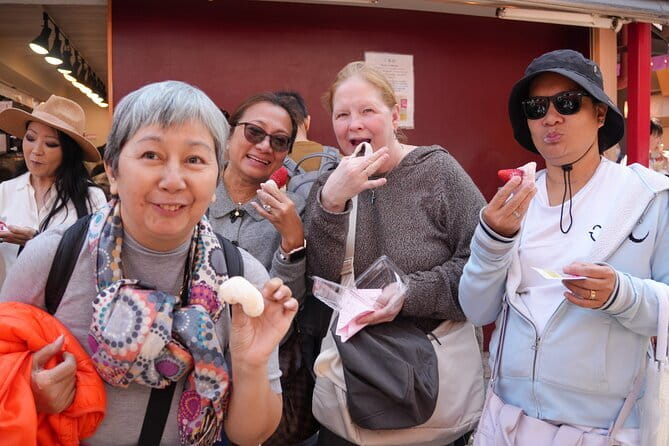
A Tokyo food tour can go one of two ways. It can become a fancy meal with a tour voice over it, or it can become a random walk where you buy snacks whenever something smells good. This tour lands closer to the second, but in a controlled way.
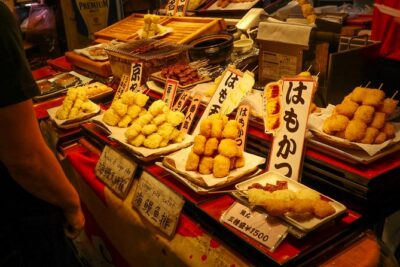
You are guided through street-food tastings that include sweet mochi (sweet rice cake), sweet potato, and a savory cutlet. That trio is a smart mix for a morning route. Sweet mochi and sweet potato give you comforting, not-too-heavy flavors that work well before a bigger meal later. The savory cutlet balances it out so you do not end up with only dessert vibes.
The guide also takes care of timing and order, which is underrated. If you are left to your own devices, you might miss the best window for something, or you might end up choosing one expensive item and skipping the rest. Here, the bites are part of the flow, so you actually get a range rather than one standout purchase.
If you have dietary needs, you will want to check details ahead of time, because the specific street items listed are not described with alternatives. The tour does say street foods are included, but it does not list ingredient substitutions in the information provided. So plan to communicate your needs clearly.
More Temple & Shrine Tours in Tokyo
- Tokyo: Meiji Shrine, Asakusa, Skytree Bus Tour and Cruise
★ 4.7 · 1,986 reviews - Tokyo: Asakusa Walking Tour with Sensoji Temple Visit
★ 4.8 · 1,583 reviews - Nikko: Kegon Falls, Lake Chuzenji & Toshogu Temple
★ 4.6 · 1,577 reviews - Tokyo: Nikko Toshogu Shrine and Kegon Waterfall Tour
★ 4.5 · 1,266 reviews
Senso-ji in Asakusa: Kaminarimon, Nakamise-dori, and a classic finish
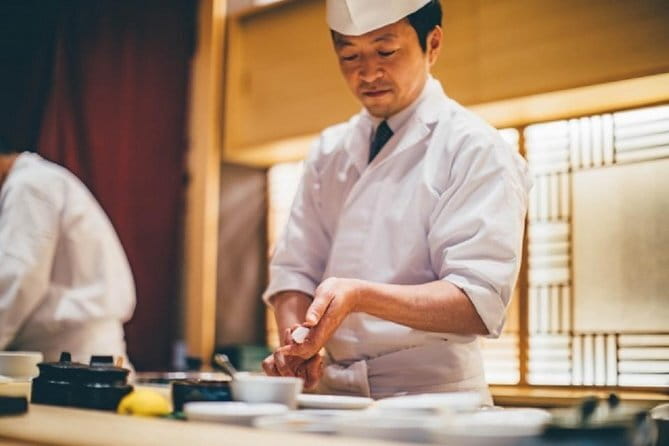
The tour finishes at Senso-ji Temple in Asakusa, Tokyo’s oldest Buddhist temple. That is a strong landing point because Senso-ji is iconic, and it gives you a sense of Tokyo that feels different from modern neighborhoods.
You enter through Kaminarimon, also known as Thunder Gate. That entrance is one of the easiest “wow” moments in the city. Then you walk into the shopping street area of Nakamise-dori, lined with stores where you can keep browsing or grab a last snack after your guided portion ends.
The time at Senso-ji is about one hour. That is enough to feel the atmosphere and see the major gateway and approach areas. It is not designed to replace a longer Asakusa day, but for many itineraries it is the perfect capstone. You get a cultural landmark, you get the street energy around it, and then you are finished with an easy transit exit point.
The tour ends at Asakusa Station, which is practical. Instead of getting dropped in the middle of a walking maze, you get a clear place to connect to the rest of your Tokyo plans. That matters if you have a museum booking later or you want to head straight to dinner.
Guide and pacing: why names like Shoma Sato and Yosuke come up
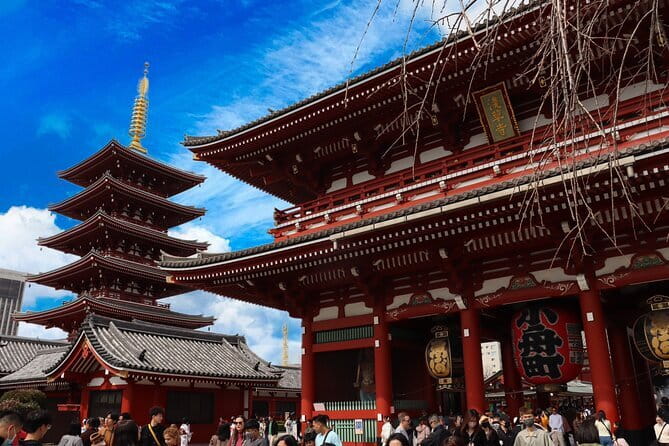
In Tokyo, a guide can turn a “good itinerary” into a great one. What stands out here is the emphasis on guide performance. Past visitors praised guides like Shoma Sato and Yosuke for explaining what you see, being patient, and adjusting to different needs within the group.
That is important because you will be crossing three types of places: a quiet shrine forest, a food market, and a temple and shopping street. Each one pulls your attention in a different direction. A guide’s job is to connect the dots fast, so you do not walk through Meiji Jingu thinking, That is nice, then forget everything you saw an hour later.
Pacing is also key. The tour includes breaks, and reviews highlighted that it feels flexible. As long as you keep expectations realistic, you should find the tour rhythm comfortable. It is a morning walk tour, not a sit-down tasting marathon.
Price value: what $72.67 covers, and what it does not
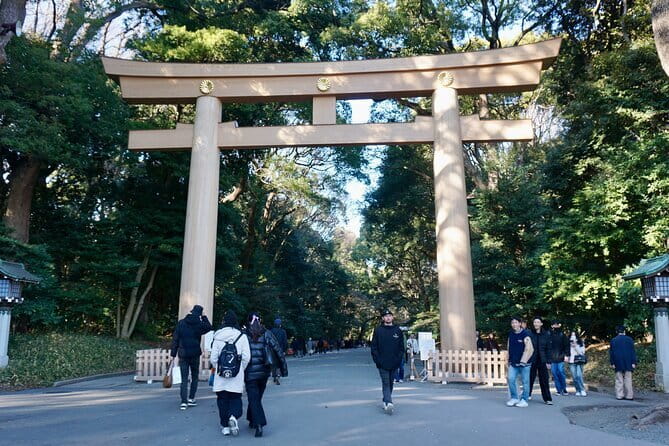
At $72.67 per person for about four hours, this tour is positioned as a mid-range value. It is not a budget “just buy a ticket and walk with a map” deal. It includes real guide time, photos, and entry coverage for the big stops.
Here is what is included:
- English-speaking guide
- Photos taken during the tour
- Historical insights into the districts
- Entry/admission for Meiji Jingu Shrine
- Entry/admission for the Fish Market area
- Entry/admission for Senso-ji Temple
What is not included:
- Public transportation fare, noted as around 550 yen
The big value question is food. The tour promise includes fresh sushi and sashimi from market stalls, plus street-food bites like sweet mochi, sweet potato, and savory cutlet. In Tokyo, eating fish and sushi is rarely cheap, and “small tastings” can still add up fast. Bundling several food moments into a guided route is where this price starts to make sense.
One more value point, it saves decision fatigue. If you are short on time, your biggest risk is spending energy figuring things out instead of actually experiencing them. This tour gives you a plan, a path, and a local voice.
Who should book this Tokyo Morning Tour
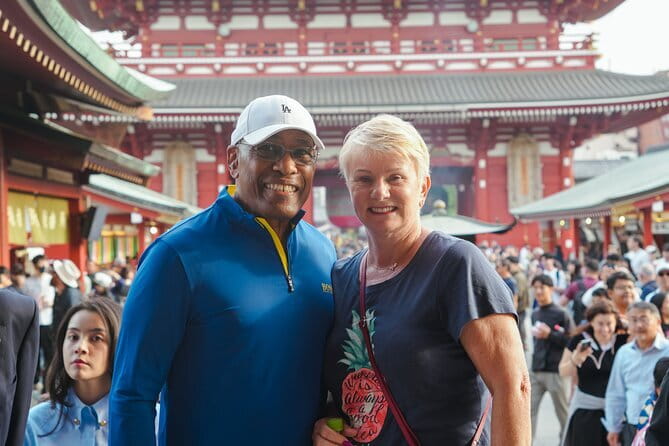
This tour fits best if:
- You have a limited schedule and want a coherent morning route
- You like food that is connected to place, not just food placed near a sight
- You want a guide to explain what you are seeing at Meiji Jingu and Senso-ji
- You prefer small-group pacing over large group herding
It might be less ideal if:
- You want a long, slow, independent experience at one location
- You need very specific dietary accommodations, because the included street-food items are named but alternatives are not detailed in the provided info
- You dislike paying extra for transit even when entries are covered
If you are doing Tokyo in a whirlwind, this is a strong “morning anchor” that you can build the rest of your day around.
Should you book this tour?
If you want a practical Tokyo morning with three high-impact stops, I would book it. The combination of Meiji Jingu’s calm, Tsukiji’s outer-market food energy, and Senso-ji’s iconic entrance gives you variety without requiring planning gymnastics.
It is especially worth it for the included tastings and the guide-led pacing. When guides like Shoma Sato and Yosuke are praised for patience and clear explanations, it usually means you get more than a walk. You get understanding, plus food you can’t easily replicate on your own in the same time window.
Just budget for the public transport fare, wear good walking shoes, and come hungry. Do that, and this tour will feel like an efficient, well-timed first chapter to your Tokyo trip.
FAQ
How long is the Tokyo Morning Tour?
The tour lasts about 4 hours.
How much does the tour cost?
The price is $72.67 per person.
What is included in the price?
The tour includes an English-speaking guide, photos taken during the tour, historical insights, and entry/admission for Meiji Jingu Shrine, the Fish Market, and Senso-ji Temple.
What street foods and tastings are included?
The tour includes street foods such as sweet mochi (sweet rice cake), sweet potato, and savory cutlet. It also includes fresh sushi and sashimi from market stalls.
Where do we meet and where do we end?
The tour starts at IKEA Sweden Cafe Harajuku (Shibuya, Jingūmae). It ends in Asakusa, finishing at Asakusa Station.
What is the group size limit?
The tour has a maximum of 8 travelers.
Is public transportation included?
No. Public transportation fare is not included and is noted as around 550 yen.
Can I cancel and get a refund?
Yes. You can cancel up to 24 hours in advance for a full refund.
More Shopping Tours in Tokyo
- Tokyo: Tsukiji Fish Market Sushi Making Class with Pro Chef
★ 4.9 · 506 reviews - Tokyo Food Tour Taste Fresh Delights at Tsukiji Market
★ 5.0 · 429 reviews - Tokyo Tsukiji Fish Market Tour and Sushi Making Lesson
★ 5.0 · 390 reviews - Tsukiji Fish Market: Street Food & Culture Walking Tour
★ 4.8 · 259 reviews
More Markets in Tokyo
- Tsukiji Fish Market Guided Tour and Sushi Making with Pro Chef
★ 5.0 · 775 reviews - Tokyo: Tsukiji Fish Market Food and Culture Walking Tour
★ 4.7 · 757 reviews - Tsukiji Fish Market: Street Food & Culture Walking Tour
★ 5.0 · 669 reviews - Tsukiji Fish Market Small-Group Food Walking Tour
★ 5.0 · 621 reviews
Fresh options around Tokyo
- Tokyo: Nikko Kegon Falls Lake Chuzenji Toshogu Temple & More★ 4.9 · 12 reviews
- Tokyo: Samurai History Walking Tour★ 5.0 · 12 reviews
- Harajuku: Kawaii Fashion and Pop-Culture Tour★ 4.7 · 12 reviews
- Tokyo: Mt. Fuji & Lake Kawaguchi Instagram Full Day Trip★ 4.1 · 12 reviews
- Shibuya Tokyo: Modern Kintsugi Workshop in Shibuya★ 5.0 · 12 reviews
- Tokyo: GTR Guided Daikoku Experience at Night★ 5.0 · 12 reviews
- Tokyo: Daikoku JDM Car Culture Tour★ 4.6 · 12 reviews
- Mt Fuji Private Day Trip from Tokyo with English speaking driver★ 5.0 · 13 reviews
Markets, compared.
Tokyo Tsukiji Fish Market Food and Culture Walking Tour
Read our review →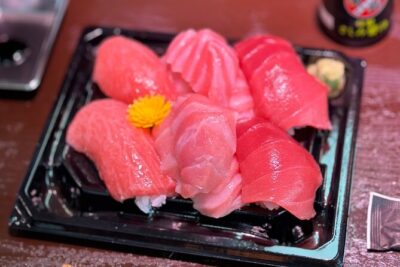
Nishiki Market Brunch Walking Tour (7 Tastings + Brunch)
Read our review →
Tsukiji Fish Market Guided Tour and Sushi Making with Pro Chef
Read our review →Tsukiji Fish Market Food and Culture Walking Tour
Read our review →
Tsukiji Fish Market: Street Food & Culture Walking Tour
Read our review →
Tsukiji Fish Market Small-Group Food Walking Tour
Read our review →Browse the lists this tour appears in